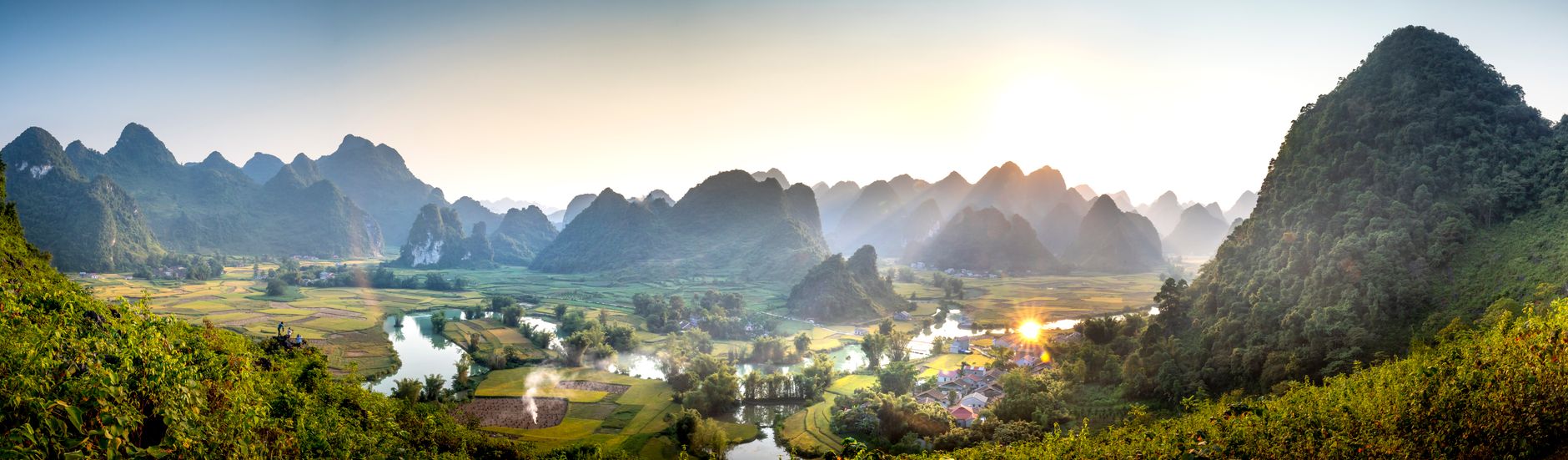
September 22, 2026 · 4 min read
Every rock, ruin, and remote stretch of land holds a story, a memory etched into its very being. Sometimes, these stories are shouted from the rooftops of world-famous landmarks, but more often, they are whispered in forgotten corners, waiting for a curious ear. These are the places that truly embody the question: 'What wisdom have you imparted in the past?'
Beyond the well-trodden paths lie sites of geological wonder, cultural enigma, and historical intrigue that challenge our perceptions and ignite our imagination. They are not always easy to reach, but the profound insights they offer into our planet's past and humanity's enduring spirit are immeasurable. Prepare to uncover nine such incredible locations, each with a surprising secret to share.
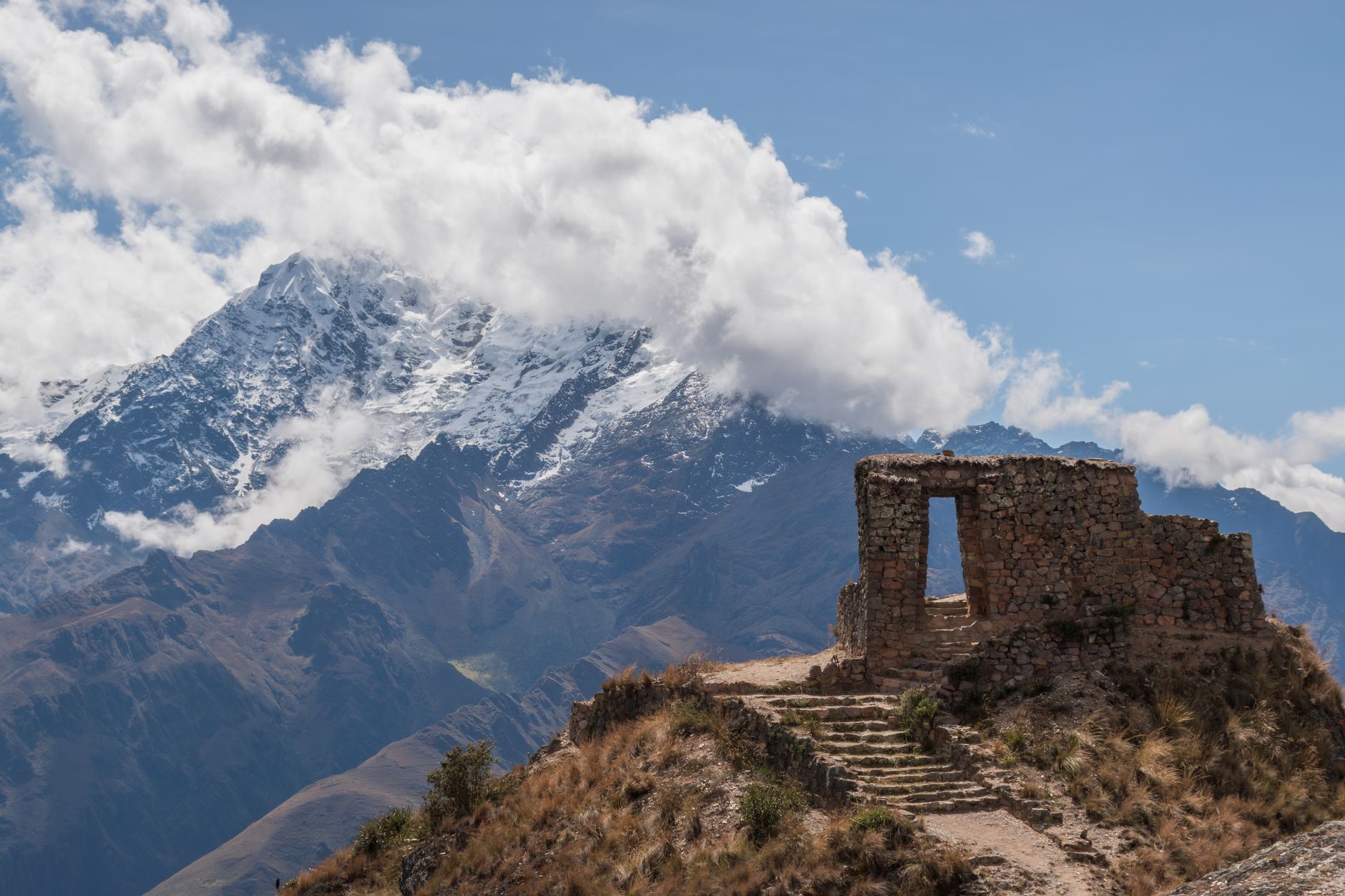
1. The Inca's Hidden Sister City
Choquequirao, Peru
This 'Cradle of Gold' is a vast Inca city perched on a mountain ridge, often called the 'sacred sister' of Machu Picchu, yet only a fraction of it has been excavated.
Choquequirao remains largely shrouded in mist and mystery, accessible primarily by a multi-day trek. Its terraces, temples, and plazas mirror the grandeur of its more famous sibling, but with a raw, untamed atmosphere. The site's remote location protected it from Spanish conquistadors, leaving its secrets intact for centuries, including unique llama figures sculpted into its agricultural terraces.
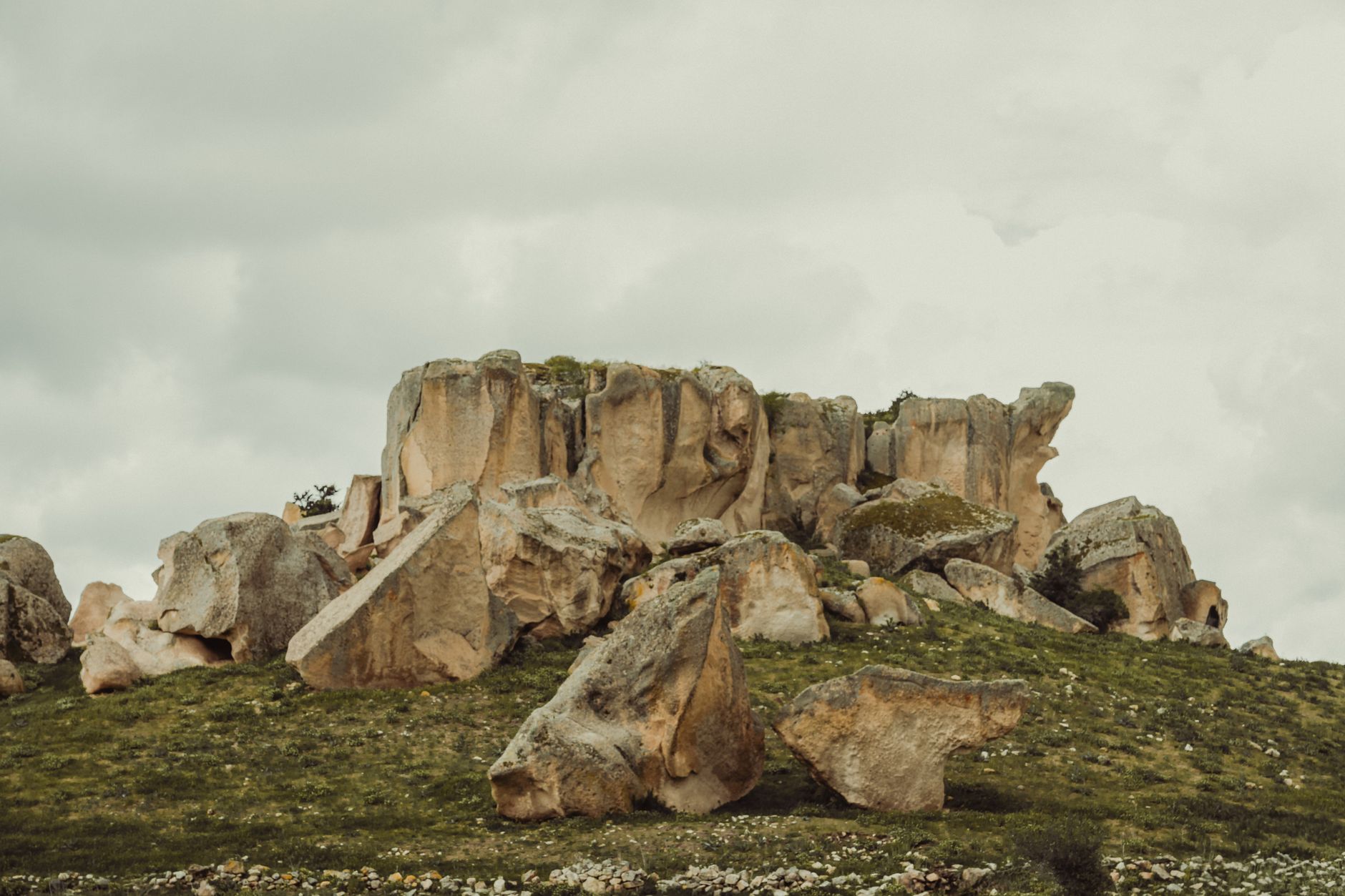
2. Bulgaria's Stone Forest Enigma
Pobiti Kamani, Bulgaria
Scattered across a desert-like landscape, these natural stone pillars, some reaching up to 10 meters tall, baffle scientists with their inexplicable formation.
Pobiti Kamani, meaning 'stones hammered into the ground,' is one of Bulgaria's most enigmatic natural phenomena. Theories about their origin range from ancient coral reefs to methane seeps, but no single explanation fully satisfies. Walking among these silent sentinels, which appear to have been deliberately placed, evokes a sense of walking through a primeval, forgotten world, where geological forces sculpted a landscape unlike any other.
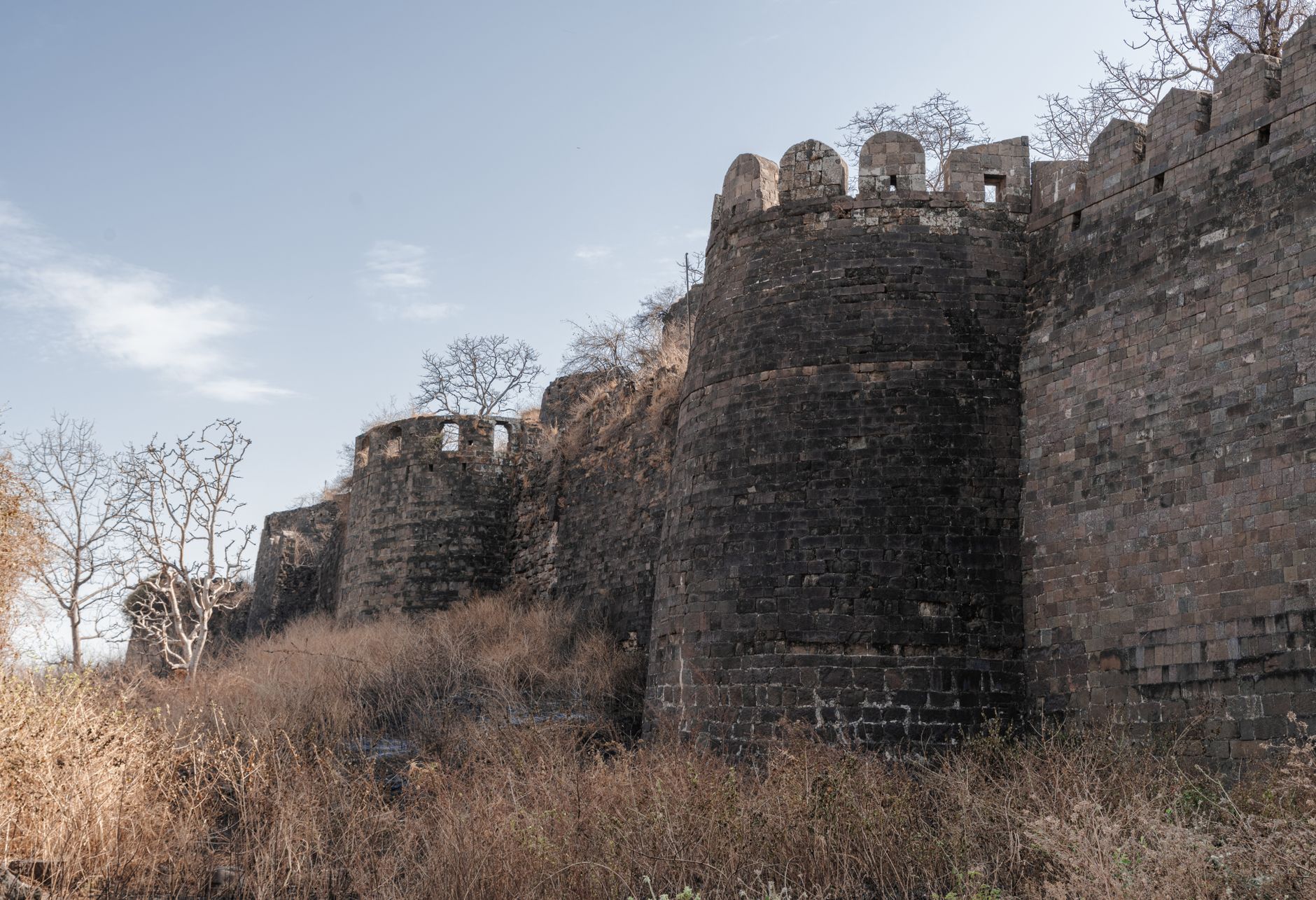
3. India's Lesser-Known Great Wall
Kumbhalgarh Fort, India
This colossal fortress boasts a perimeter wall stretching over 36 kilometers, making it the second-longest continuous wall in the world, yet it remains largely unknown outside India.
Built over centuries, Kumbhalgarh Fort sits atop a high ridge in the Aravalli Hills of Rajasthan. Its massive wall, known as the 'Great Wall of India,' has seven fortified gateways and over 360 temples within its ramparts. This formidable defense protected the Mewar kingdom for centuries, with its sheer scale and strategic design reflecting the immense power and architectural prowess of its builders.
4. The Petrified Past of Lesbos
Petrified Forest of Lesbos, Greece
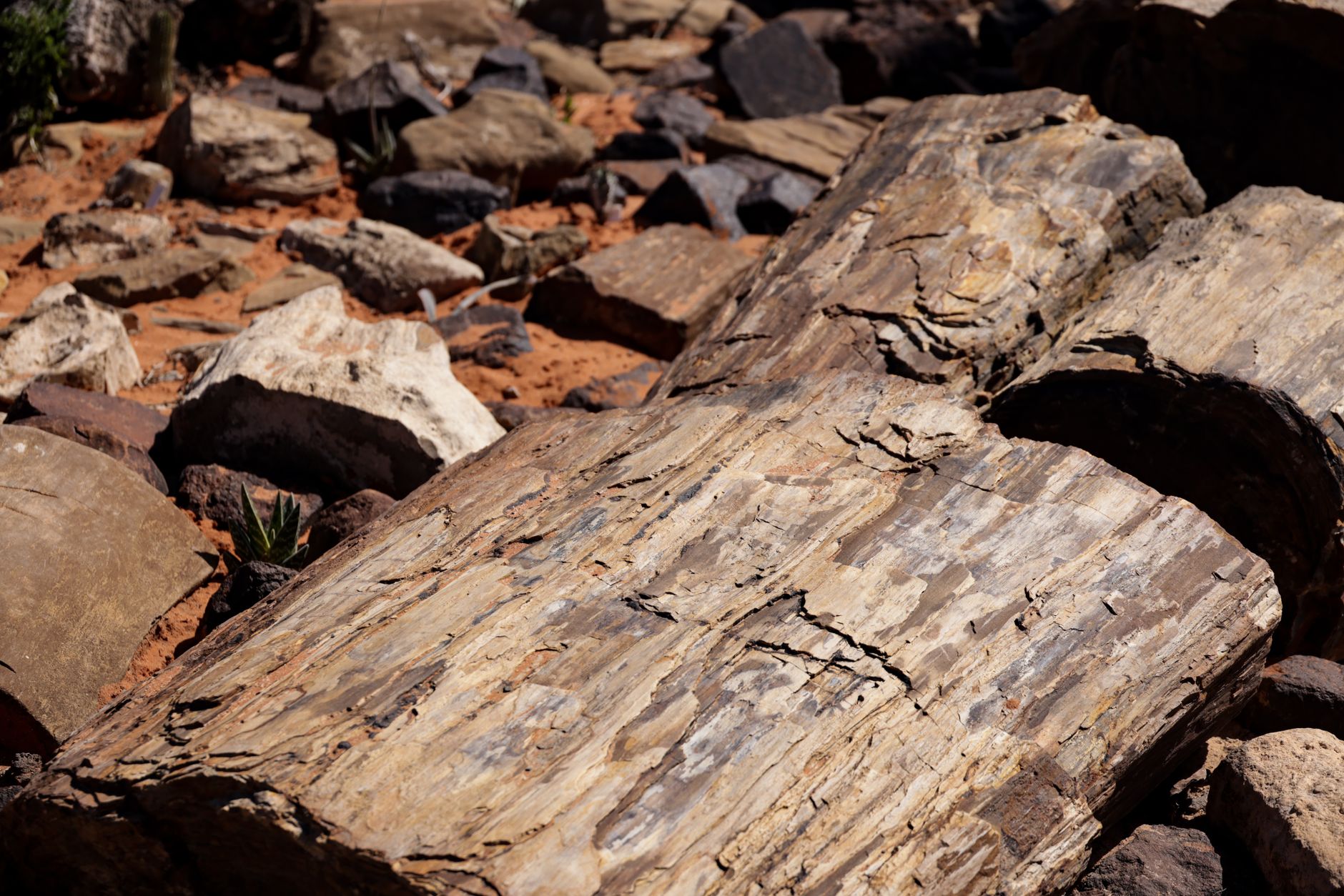
Millions of years ago, a catastrophic volcanic eruption transformed an entire subtropical forest into stone, creating one of the largest petrified forests in the world.
Located on the island of Lesbos, this unique geological park preserves fossilized trees, some standing upright, complete with roots and branches, from an ancient ecosystem. Ash and lava flows from a massive volcanic explosion around 20 million years ago rapidly covered and preserved the forest, allowing groundwater rich in minerals to slowly replace the organic matter with silica, turning wood into stone. It offers a tangible glimpse into Earth's ancient past.
5. England's Warped Medieval Spire
The Crooked Spire of Chesterfield, England
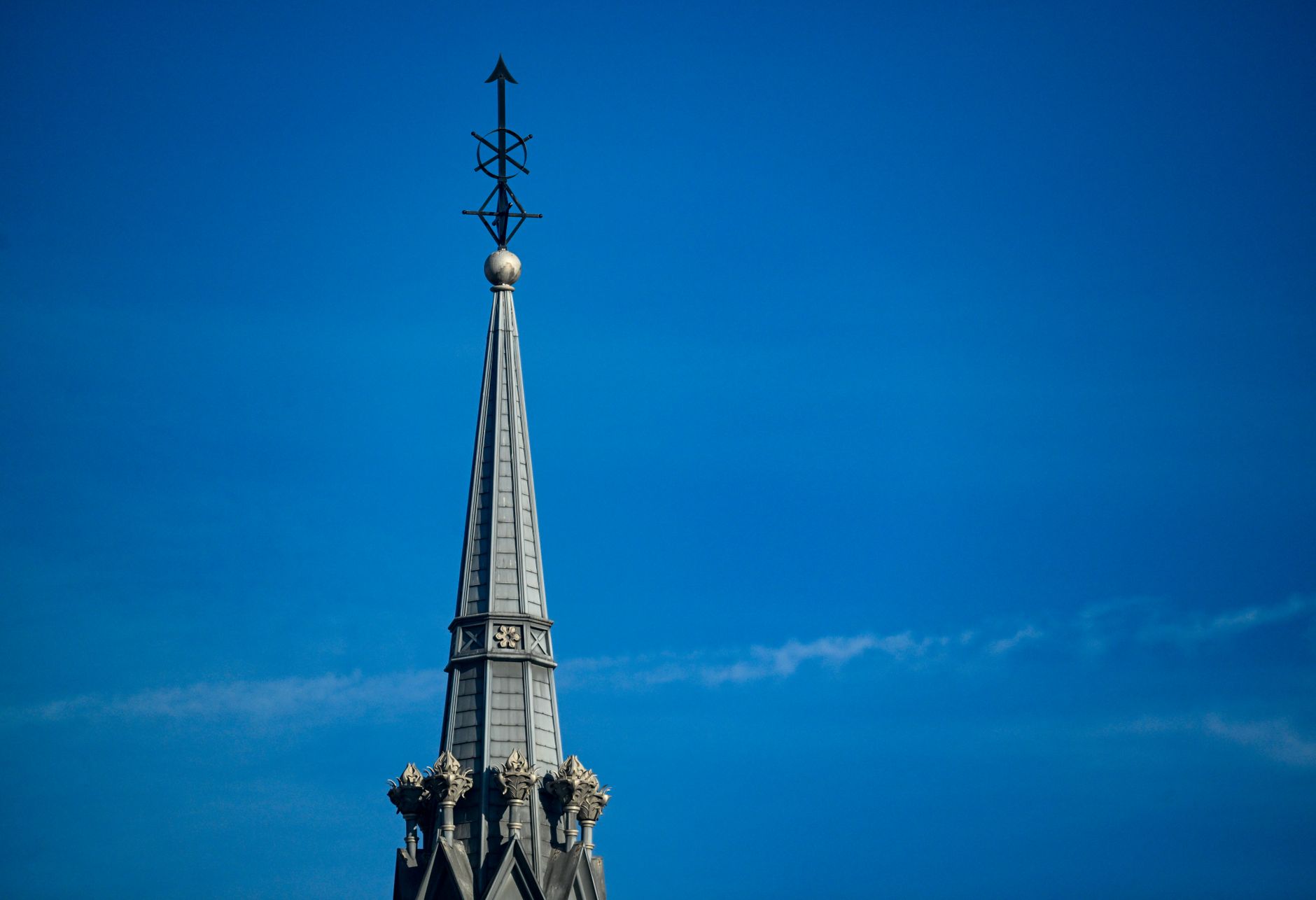
The spire of St Mary and All Saints Church twists and leans dramatically, not due to subsidence, but because medieval builders used unseasoned timber and heavy lead tiles.
Dominating the Chesterfield skyline, this 14th-century spire is a marvel of architectural mishap. The use of green, unseasoned oak for the timber frame, combined with the weight of lead tiles on its south and west sides, caused the wood to warp as it dried, creating a noticeable twist. This unintended design quirk has captivated observers for centuries, a charming testament to medieval construction challenges.
6. The Sacred Oases of M'Zab
M'Zab Valley, Algeria
This pentapolis of five fortified cities, built by the Ibadite Mozabites in the 10th century, showcases a unique, austere architectural style perfectly adapted to the desert environment.
Nestled in the Sahara Desert, the M'Zab Valley is a UNESCO World Heritage site where traditional life continues in a series of ksar (fortified villages). Each city is built around a mosque, acting as a fortress, with houses radiating outwards in concentric circles. Their distinctive, minimalist design, made from local materials, reflects the Mozabites' communal and spiritual values, offering a living example of medieval urban planning.
7. New Zealand's Giant Beach Marbles
Moeraki Boulders, New Zealand
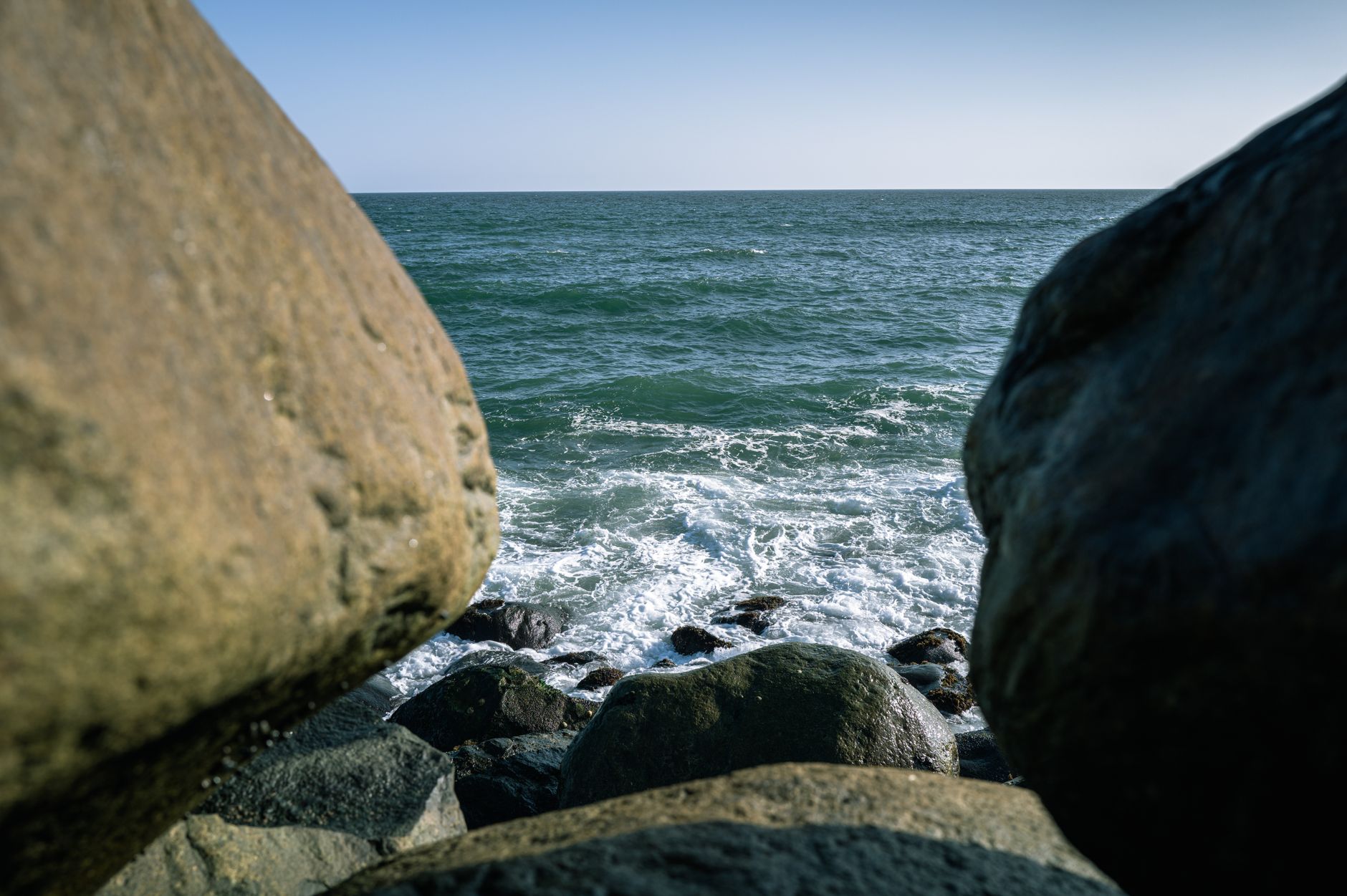
Hundreds of unusually large, spherical boulders are scattered along Koekohe Beach, formed by natural erosion revealing ancient seafloor concretions.
These geological oddities began forming in ancient mudstone over 60 million years ago, growing layer by layer around a central core of mud or shell. Over millennia, coastal erosion has exposed the boulders from the soft bedrock, leaving them to rest on the beach like enormous marbles. Some are perfectly spherical, others cracked, creating a surreal and constantly changing landscape.
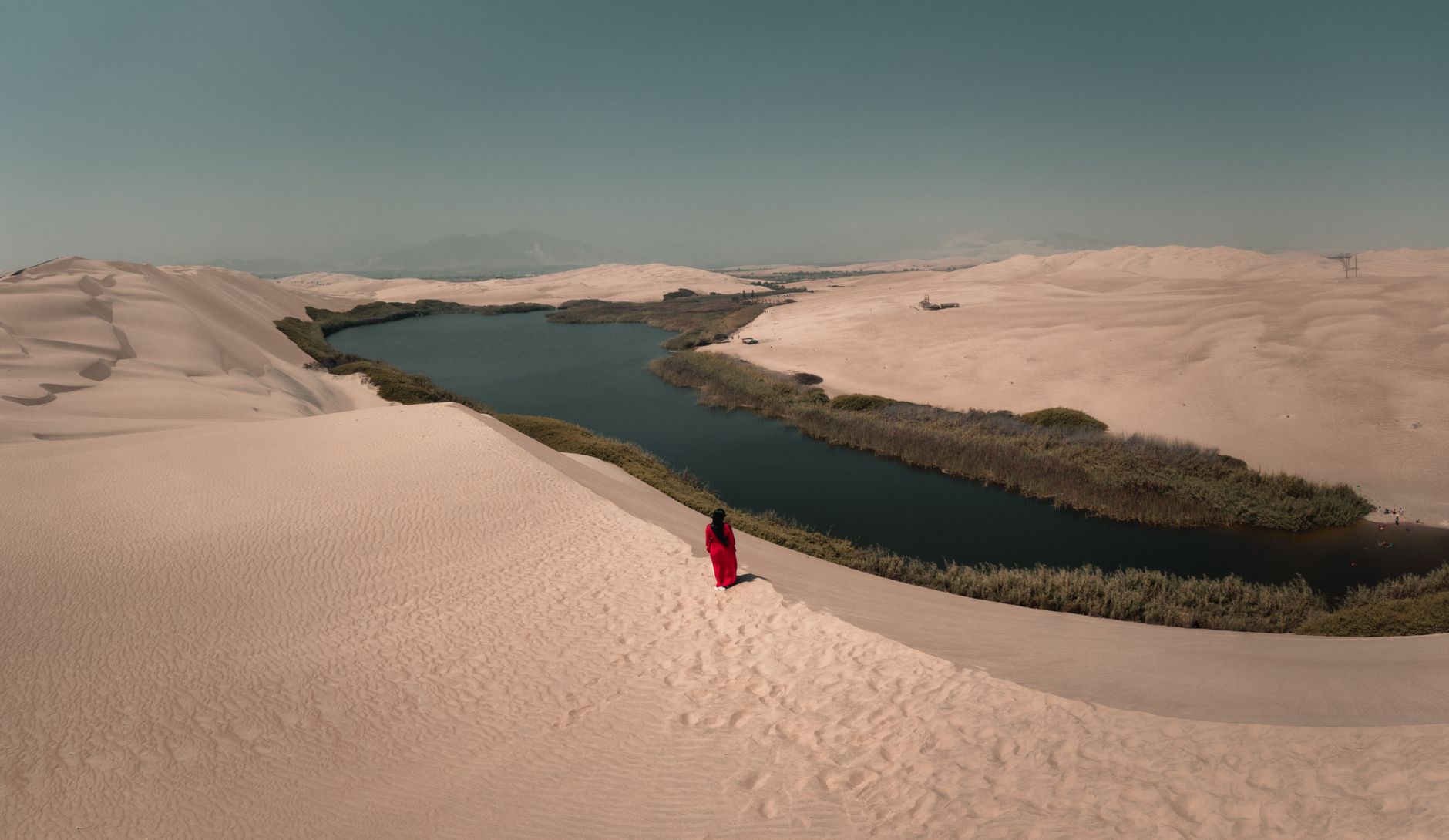
8. Kazakhstan's Singing Sand Dunes
Altyn-Emel National Park, Kazakhstan
In this remote national park, a 150-meter-high sand dune emits a deep, resonant 'singing' sound when the wind blows or sand shifts, a phenomenon scientists still fully explain.
Known as the 'Singing Dune,' this remarkable natural feature generates a continuous, low-frequency hum that can be heard for several kilometers. The sound is believed to be caused by friction between dry sand grains of similar sizes, amplified by the dune's sheer volume and shape. This auditory wonder creates an otherworldly experience in the vast, arid landscapes of Altyn-Emel, a truly unique voice of the desert.
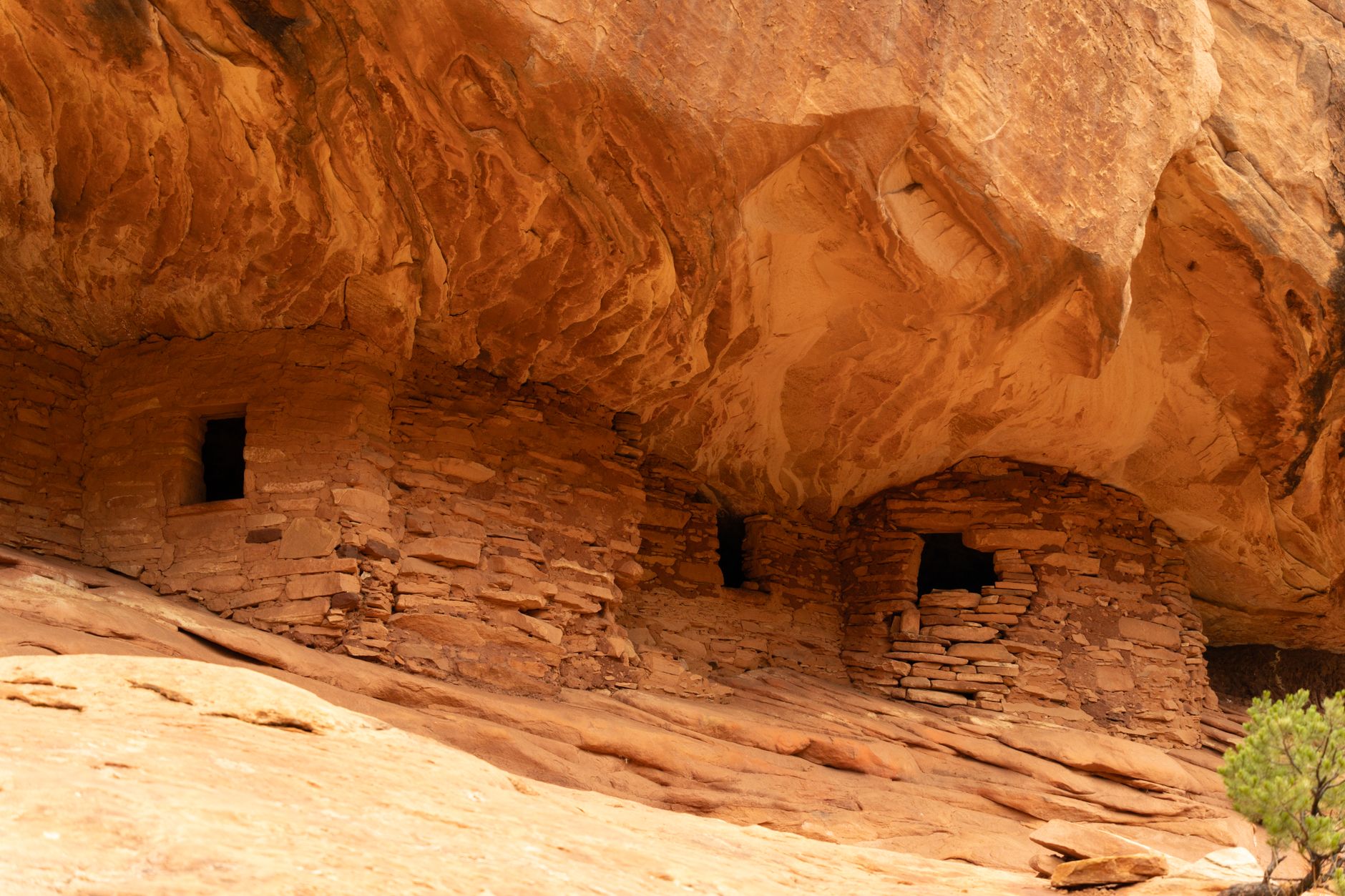
9. The Ancestral Puebloan Cosmos
Pueblo Bonito, Chaco Canyon, USA
This massive Ancestral Puebloan 'Great House' was not just a dwelling but a sophisticated ceremonial and astronomical center, aligning with celestial events and holding secrets of a vanished civilization.
Pueblo Bonito, the largest of the Chacoan Great Houses, was constructed over 300 years, beginning in the 9th century. Its D-shaped structure, precise masonry, and numerous kivas suggest a complex societal organization and deep understanding of astronomy. The site’s sophisticated engineering and the sudden, mysterious departure of its inhabitants around 1150 AD leave archaeologists and visitors pondering the wisdom and fate of this remarkable culture.
Frequently asked questions
What are some truly unique travel experiences off the beaten path?
Truly unique experiences often involve visiting places that are geographically isolated, culturally distinct, or hold unusual natural phenomena. Look for remote archaeological sites, specific geological wonders, or towns with very niche historical quirks that aren't widely publicized.
How can I find hidden gems when planning my trip?
Beyond popular travel guides, try searching academic journals, local tourism boards for specific regions, or specialty travel blogs focusing on geology, history, or less-visited countries. Engaging with local communities once you arrive can also reveal hidden spots.
Are lesser-known historical sites typically well-preserved?
It varies greatly. Some lesser-known sites are remarkably well-preserved precisely because they haven't been subjected to mass tourism. Others, however, might be more exposed to natural degradation or lack funding for conservation, requiring more effort to appreciate their history.
How does the AllTours.ai app help me discover these places?
AllTours.ai is designed to bring the stories of places like these to life. Simply point your phone camera at a landscape or landmark, and the app uses AI to identify it and narrate its history, geology, and culture in your language, providing instant, rich context for even the most obscure sites.
Related guides
Photography via Pexels. AllTours.ai is an AI audio tour guide — point your camera at any landscape and hear its story.