July 22, 2026 · 4 min read
You're at a gathering, the conversation lulls, and suddenly you remember that incredible fact you learned about a forgotten corner of the world. These aren't just trivia points; they're windows into the deep, often quirky, history, geology, and culture that shapes our planet. Forget the usual tourist traps; the most captivating stories come from places you might not even know exist.
Spark curiosity and ignite wanderlust with tales from spots far off the well-trodden path. We've gathered some of the most surprising, genuinely lesser-known places, each with a story so vivid, it's bound to be the best last-minute 'item' you bring to any conversation.
1. The Mystery of the Bent Pines
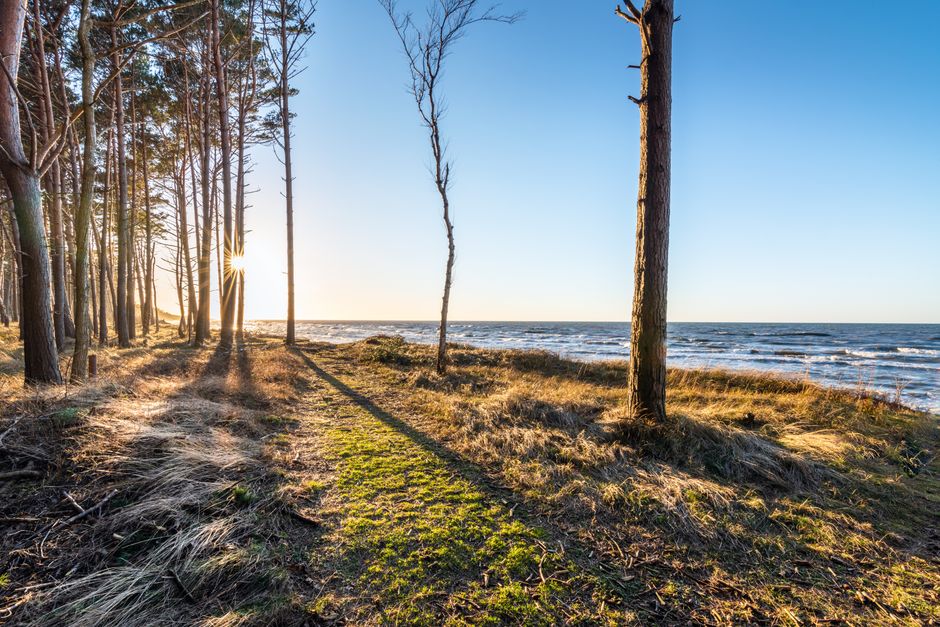
Crooked Forest, Poland
Hundreds of pine trees here grow with an inexplicable 90-degree bend at their base, all curving north.
Near Gryfino in West Pomerania, a grove of about 400 pine trees stands as a botanical enigma. Planted around the 1930s, these trees all grew normally for 7-10 years before sharply bending horizontally for several feet, then curving upwards again. Theories range from heavy snow damaging saplings to specialized forestry techniques used for shipbuilding, but no definitive answer has ever been found, leaving their peculiar shape a haunting secret.
2. Giant Spheres on the Sand
Moeraki Boulders, New Zealand
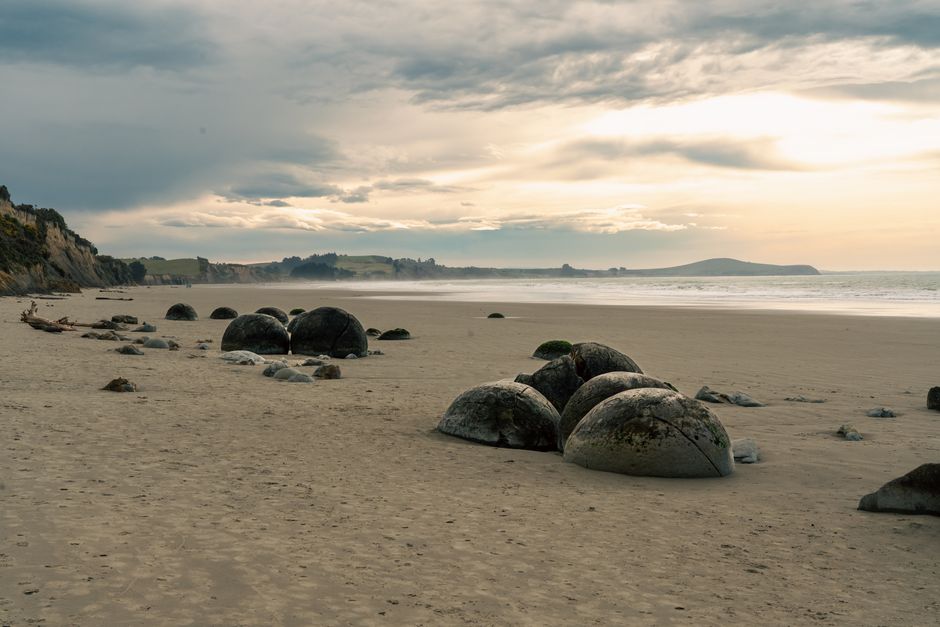
Perfectly spherical boulders, some over seven feet wide, lie scattered across a beach, looking like giant marbles.
On Koekohe Beach near Moeraki, these enormous, natural concretions emerged from the mudstone cliffs by erosion. Geologically, they are calcified mud and sand formed around a central core over millions of years. However, Māori legend offers a more dramatic explanation: they are the washed-up gourds, baskets, and kumara from the wreck of the great sailing canoe, the Araiteuru, which capsized hundreds of years ago.

3. The Island of Haunted Dolls
Isla de las Muñecas, Mexico
A small island in Xochimilco is covered with hundreds of decaying, dismembered dolls, hung to appease a drowned girl's spirit.
Deep within the canals of Xochimilco lies a chilling sight: the 'Island of the Dolls.' Legend says a hermit named Julián Santana Barrera, the island's sole inhabitant, found a drowned girl in the canal. Tormented by her spirit, he began collecting dolls from the trash and hanging them from trees to ward off evil. For over 50 years until his own death, he continued this macabre ritual, turning the island into a bizarre, unsettling memorial.
4. Water That Turns Things to Stone
The Petrifying Well, Knaresborough, England
A waterfall here has been 'petrifying' objects for centuries, turning teddy bears and shoes into rock-hard relics.
Near Mother Shipton's Cave, this unique natural phenomenon sees water so rich in mineral content, particularly calcium carbonate, that objects placed in its flow become encrusted and appear to turn to stone over months. Locals historically believed it was witchcraft; scientists now understand it's a natural process of calcification, but the sight of a petrified teddy bear is still a marvel that blurs the line between science and folklore.
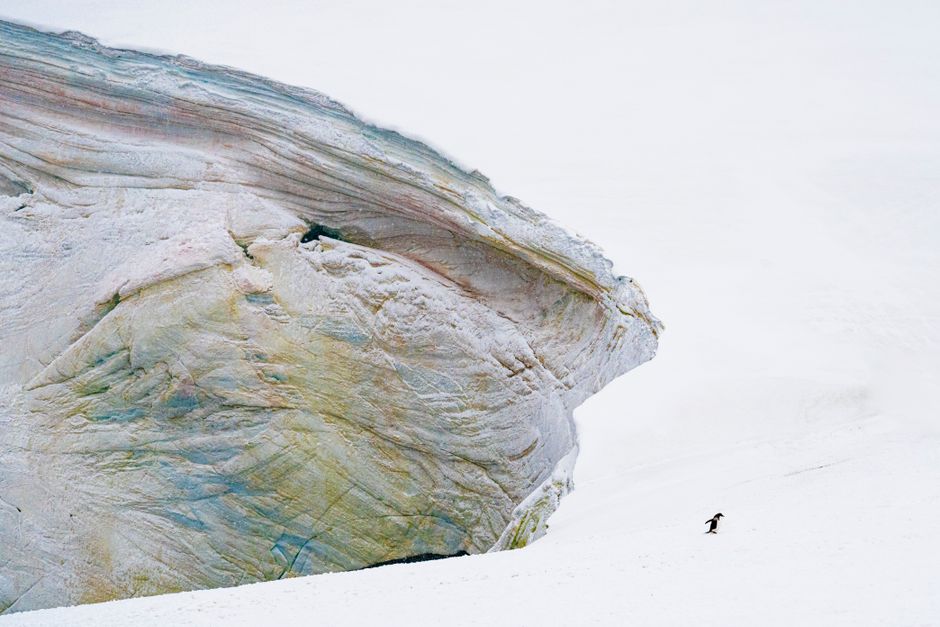
5. Antarctica's Bloody Glacier
Blood Falls, Antarctica
A crimson waterfall stains the white Taylor Glacier, looking like blood spilling onto the ice.
Blood Falls is an outflow of an iron-oxide rich plume of saltwater, emerging from beneath the Taylor Glacier in Victoria Land, East Antarctica. The vivid red color comes from oxidized iron in the brine, which rusts upon contact with air. This bizarre phenomenon is fed by a subglacial lake trapped beneath the ice for millions of years, containing a unique ecosystem of bacteria that survive without sunlight or oxygen, metabolizing iron and sulfur compounds.
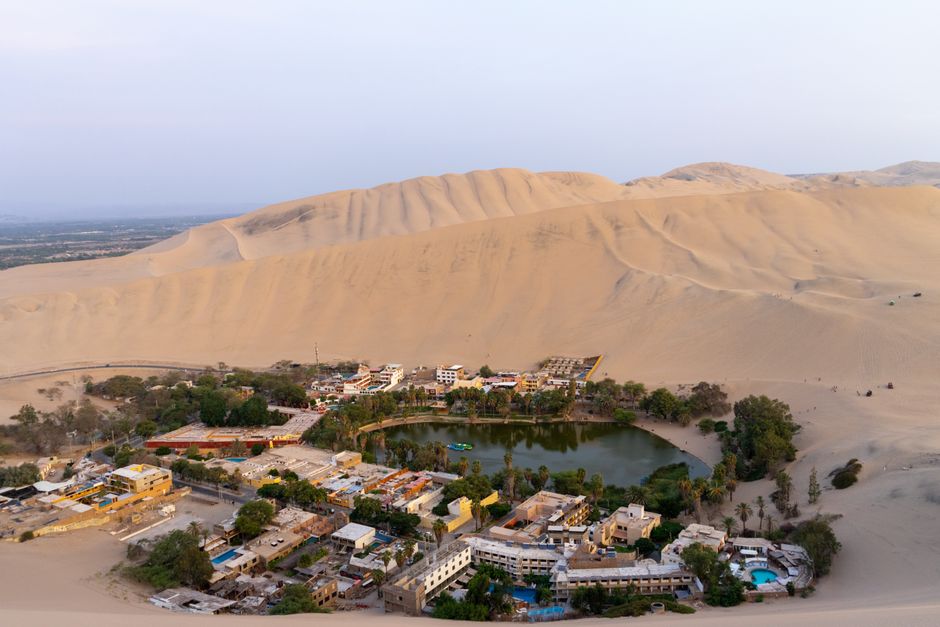
6. The Desert's Living Oasis
Huacachina Oasis, Peru
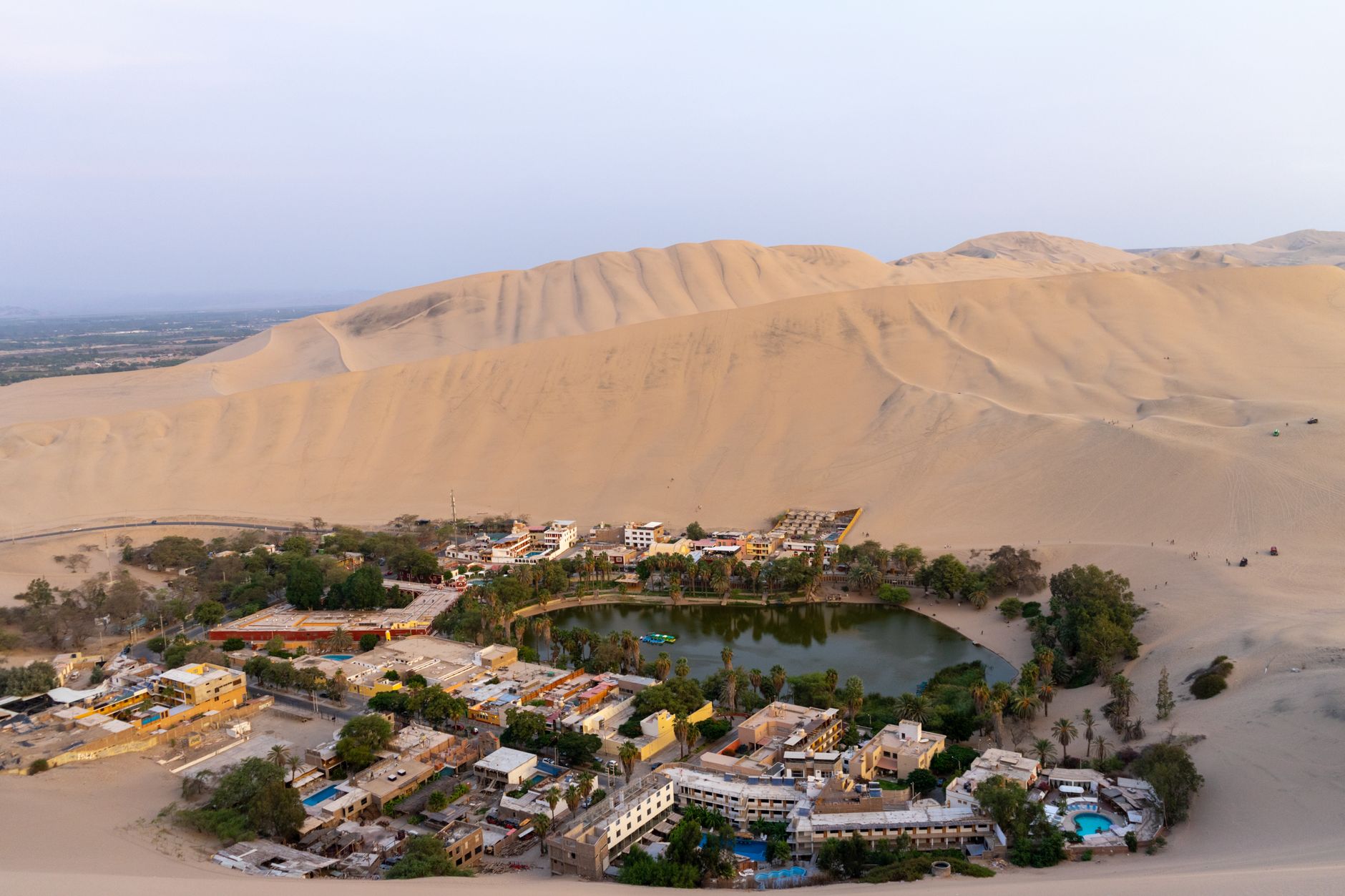
A real natural oasis, complete with a lagoon and palm trees, forms a small town surrounded by towering sand dunes in the Ica Desert.
Huacachina is a verdant oasis in the middle of a vast, arid desert, a surreal sight that seems pulled from a storybook. It's a natural spring, not man-made, and local legends tell of a beautiful mermaid who still inhabits its waters. The small town built around the lagoon thrives on tourism, offering dune buggy rides and sandboarding down the colossal dunes that encircle this unique natural wonder, making it a vibrant, living testament to the desert's hidden springs.
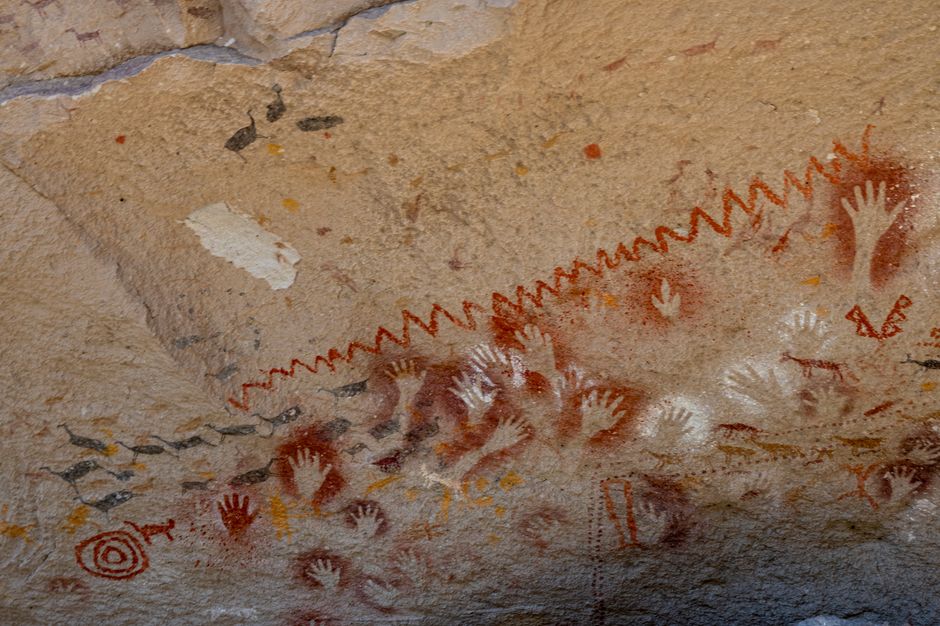
7. The Giant Hand in the Desert
Mano del Desierto, Chile
A colossal, 36-foot-tall concrete sculpture of a human hand rises mysteriously from the barren Atacama Desert.
Emerging starkly from the vast, empty expanse of the Atacama Desert near Antofagasta, the 'Mano del Desierto' is an art installation by Chilean sculptor Mario Irarrázabal. Unveiled in 1992, the artist intended the lonely hand to symbolize human vulnerability and the injustice of suffering. Its isolated location makes it a striking and thought-provoking landmark, inviting introspection against the backdrop of one of the world's driest places.
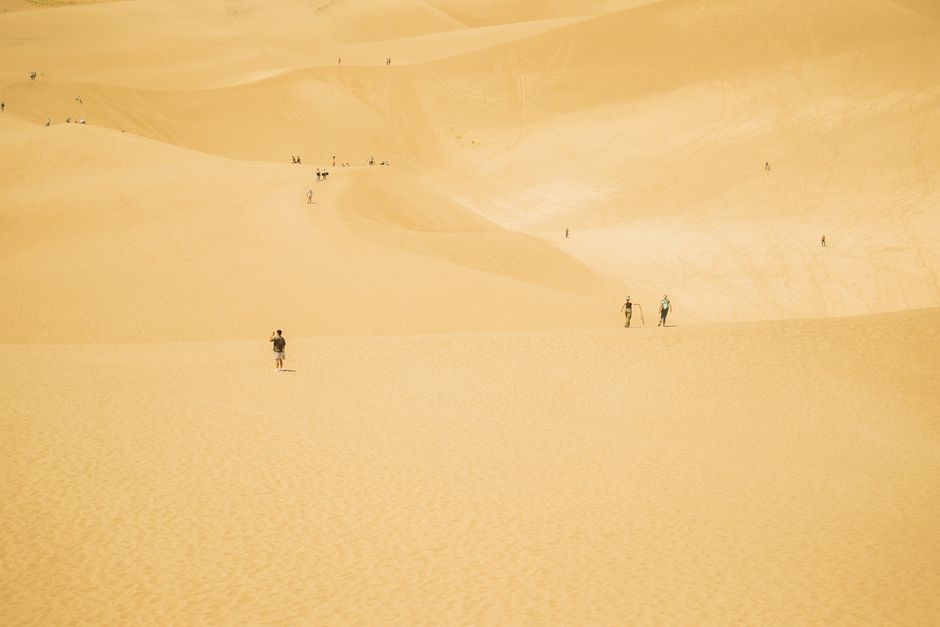
8. Dunes That Sing
Mingsha Shan (Singing Sand Dunes), China
These golden sand dunes emit a unique humming or singing sound when the wind blows or people slide down them.
Located outside Dunhuang, the Mingsha Shan, or 'Singing Sand Dunes,' are a remarkable natural phenomenon. The sound, often described as a hum, rumble, or even a roar, is created by the friction of billions of sand grains rubbing together, particularly when conditions are dry and wind moves across the surface. This acoustic wonder has been documented for centuries, adding a mystical element to the ancient Silk Road outpost, and is best experienced by sliding down the slopes.
Frequently asked questions
What makes a place a 'hidden gem' for travelers?
Hidden gems are typically lesser-known destinations that offer unique cultural, historical, or natural experiences away from mainstream tourist crowds. They often provide more authentic interactions and a deeper sense of discovery, appealing to travelers looking for something beyond the usual guidebooks.
How can I find truly unique travel stories about places?
Beyond standard travel guides, look for local folklore, geological surveys, historical archives, and specialized documentaries. Engaging with local communities and seeking out specific, often overlooked landmarks can also uncover fascinating narratives that aren't widely publicized.
Are these lesser-known places difficult to access?
Accessibility varies greatly. Some, like the Crooked Forest, are relatively easy to reach by car, while others, like Blood Falls, require specialized expeditions. Researching specific transport and accommodation options for each location is crucial for planning a visit.
How does AllTours.ai help me discover these kinds of stories?
AllTours.ai is designed to bring these vivid stories to life right where you stand. Simply point your phone camera at a landmark or landscape, and our AI instantly narrates its history, geology, and culture in your language, turning any location into a source of captivating, on-demand discovery.
Related guides
Photography via Pexels. AllTours.ai is an AI audio tour guide — point your camera at any landscape and hear its story.