August 8, 2026 · 4 min read
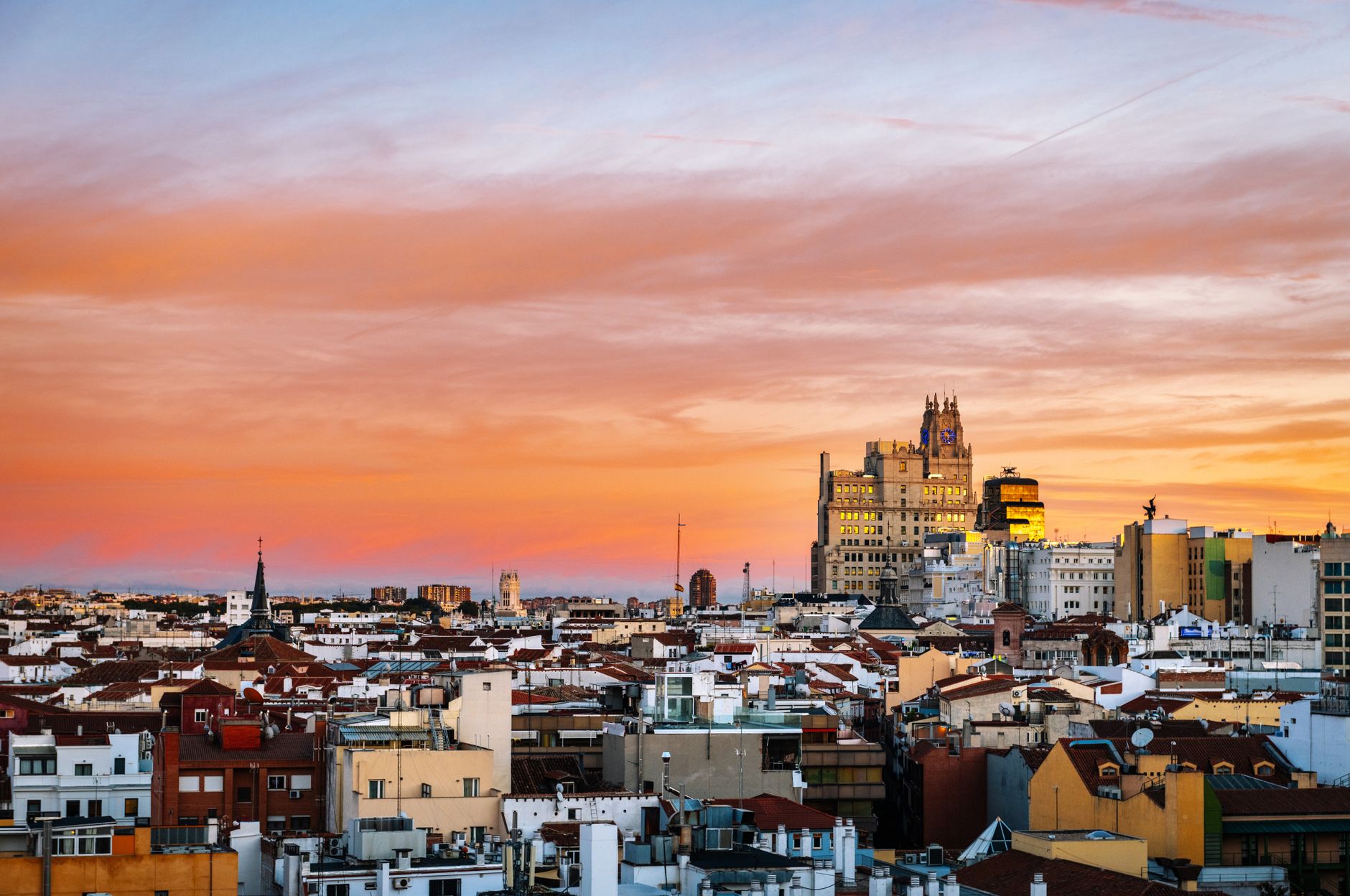
Madrid's culinary scene is legendary, but navigating the labyrinth of tapas bars can often lead travelers straight into tourist traps. While there's nothing wrong with a bustling Plaza Mayor spot, the true heartbeat of Madrileño gastronomy thrives in its unassuming corners, where tradition, history, and flavor converge away from the most beaten paths.
To truly experience where to eat in Madrid like a local, you need to look beyond the obvious. It’s about more than just food; it’s about diving into the city’s stories—tales of political intrigue, ancient traditions, and surprising adaptations. Here are some of Madrid’s most authentic tapas bars and eateries, each with a unique secret waiting to be uncovered.
1. The Old King's Cellar
El Anciano Rey de los Vinos, Madrid, Spain
One of Madrid's oldest taverns, its name literally means "The Old King of Wines," hinting at its long history and a unique sweet wine tradition.
This venerable establishment, dating back to 1907, sits just steps from the Royal Palace. It specializes in mistela, a sweet fortified wine, often served with their famous torreznos (crispy pork belly). The tavern’s tiles and dark wood interiors whisper tales of early 20th-century Madrid, when it served as a popular stop for those visiting the nearby Royal Theatre.

2. The Cod Master's Corner
Casa Revuelta, Madrid, Spain
This no-frills bar has perfected a single dish – bacalao rebozado (battered cod) – a recipe unchanged for decades, linking it to Madrid's Lenten culinary past.
Tucked away near Plaza Mayor, Casa Revuelta is a standing-room-only institution. Its golden, perfectly fried bacalao has drawn crowds for generations. The secret lies in a light, crispy batter and fresh, flaky cod, served simply with a wedge of lemon. This tradition dates back to a time when cod was a staple during religious fasting periods, making this small bar a custodian of a specific Madrid culinary heritage.
3. The Hidden Passage Tavern
Bodega de la Ardosa, Madrid, Spain
Hidden beneath its bustling bar lies a secret passageway, a relic of its 19th-century design when discretion was paramount.
Established in 1892, La Ardosa is a Madrileño classic, famous for its perfect tortilla española and excellent vermouth de grifo (tap vermouth). What few know is the small, almost imperceptible trapdoor behind the bar, which once led to a narrow passage to the restrooms, allowing patrons to slip away discreetly. This architectural quirk speaks to the social customs of a bygone era, while the bar itself remains a vibrant hub of traditional flavor.
4. A Matador's Legacy
Taberna Antonio Sánchez, Madrid, Spain
Madrid's oldest tavern, it's a living museum of bullfighting history, with a mounted bull's head overlooking patrons since the 19th century.
Opened in 1787, Taberna Antonio Sánchez is more than just a place to eat; it’s a journey back in time. Named after a matador who later owned the establishment, its walls are adorned with original bullfighting artwork and a formidable mounted bull's head, said to be from a bull fought by Antonio Sánchez himself. The atmosphere is authentically old Madrid, serving classic dishes like rabo de toro (oxtail stew) in an unchanged setting.

5. The Socialist Croqueta Bar
Casa Labra, Madrid, Spain
Beneath its unassuming facade, this historic tavern holds a secret: it was the clandestine birthplace of one of Spain's most influential political parties.
Since 1860, Casa Labra has been a beloved spot for its exquisite bacalao (cod) and creamy croquetas. Yet, its legacy extends beyond gastronomy. In 1879, a group of intellectuals, including Pablo Iglesias, secretly founded the Spanish Socialist Workers' Party (PSOE) within its very walls. Today, patrons can savor its traditional fare, unaware of the pivotal political discussions that once shaped a nation here, all while standing elbow-to-elbow at the counter.
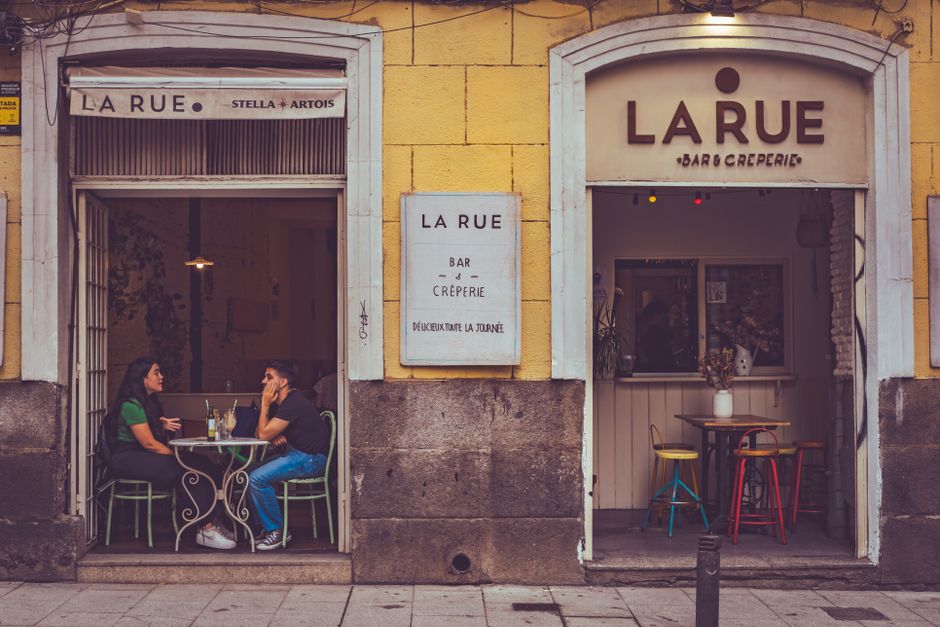
6. The Humble Squid Sandwich King
Bar La Campana, Madrid, Spain
It's a Madrid institution for the humble squid sandwich, a dish born from the city's inland location and surprising historical connection to maritime trade.
While seemingly simple, the bocadillo de calamares at La Campana is legendary. How did an inland city become famous for a fried squid sandwich? Madrid's central position made it a crucial hub for fresh produce and seafood from all corners of Spain, brought daily via extensive transport networks. This bar, located near Plaza Mayor, perfects the art of quickly served, crispy fried squid in a crusty baguette, a testament to Madrid's unique culinary adaptations.
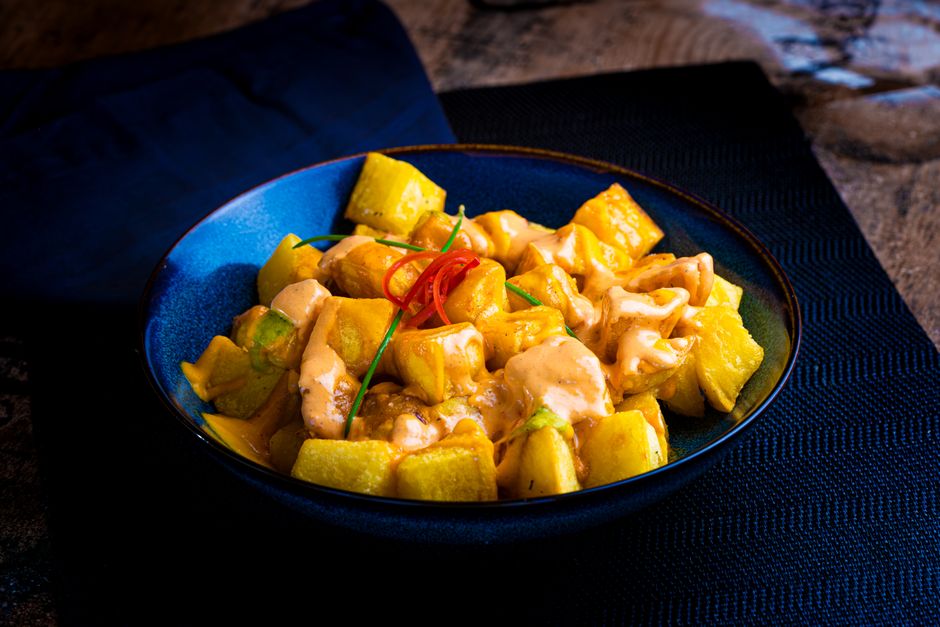
7. The Bravas Battleground
Docamar, Madrid, Spain
This unassuming bar in the Ventas neighborhood claims to be the birthplace of Madrid's iconic patatas bravas sauce, a fiercely guarded secret recipe.
Docamar, a bit off the main tourist circuit, is famous among locals for one thing: its patatas bravas. While many bars serve this spicy potato dish, Docamar proudly asserts its claim to originating the specific, fiery red sauce that defines Madrid-style bravas. The exact recipe for their piquant, perfectly balanced sauce remains a closely guarded secret, passed down through generations, making it a pilgrimage site for bravas aficionados.
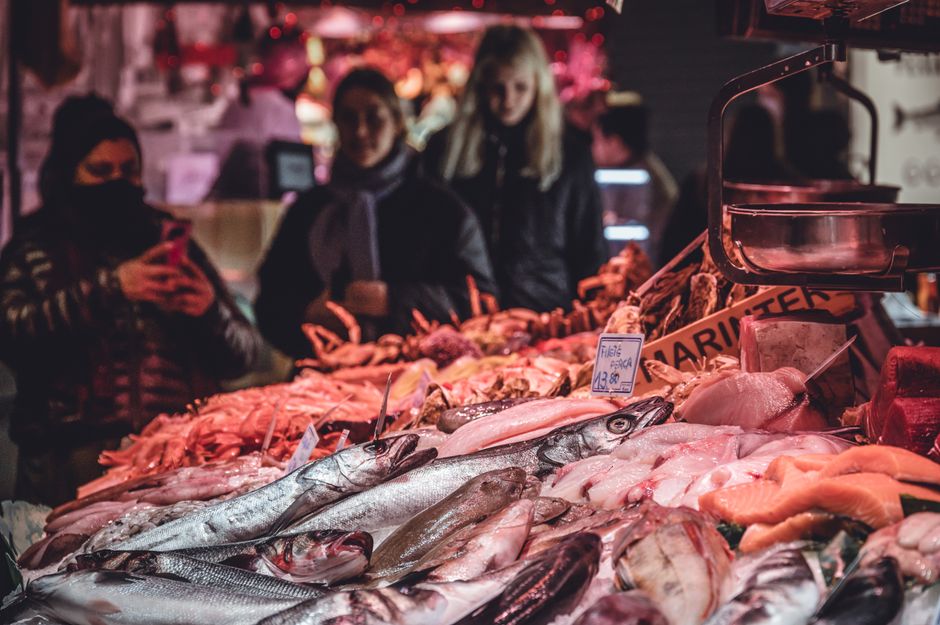
8. Inland City, Ocean's Bounty
La Castela, Madrid, Spain
Despite being hundreds of kilometers from the sea, this revered spot is a testament to Madrid's historical role as a hub for the freshest seafood, delivered daily from Spain's coast.
La Castela is a testament to Madrid's surprising culinary paradox: it's one of Europe's best cities for fresh seafood, despite being landlocked. Historically, Madrid was the endpoint for premium goods, including fish, transported swiftly from coastal ports. This traditional marisquería (seafood restaurant) embodies that legacy, offering exquisite, simple preparations of the day's catch, from succulent prawns to delicate percebes, showcasing Madrid's enduring connection to the ocean.
Frequently asked questions
What's the best time for tapas in Madrid?
Locals typically enjoy tapas before lunch, around 1:30 PM to 3:00 PM, and then again before dinner, from 8:00 PM to 10:30 PM. Many bars close mid-afternoon for a siesta, so it's always good to check specific opening hours.
Do I need to make reservations for tapas bars?
For most traditional, casual tapas bars where you stand at the bar, reservations are generally not needed or even possible. For more formal tapas restaurants (often called restaurantes de tapas or tabernas with table service), it's advisable to book, especially for dinner on weekends.
What's the difference between tapas, raciones, and pinchos?
Tapas are small, individual portions, often served free with a drink in some regions (though less common in Madrid). Pinchos (or pintxos in Basque) are typically small snacks served on a skewer or bread, often paid for individually. Raciones are larger, shareable portions of a dish, meant for a group.
How can AllTours.ai enhance my culinary exploration in Madrid?
AllTours.ai helps you go beyond just eating by revealing the rich history, cultural context, and surprising stories behind the places you visit. Point your phone camera at a historic market, an ancient tavern, or even a specific building, and the app will narrate its fascinating past, connecting your culinary journey with Madrid's deeper heritage.
Related guides
Photography via Pexels. AllTours.ai is an AI audio tour guide — point your camera at any landscape and hear its story.