July 28, 2026 · 4 min read
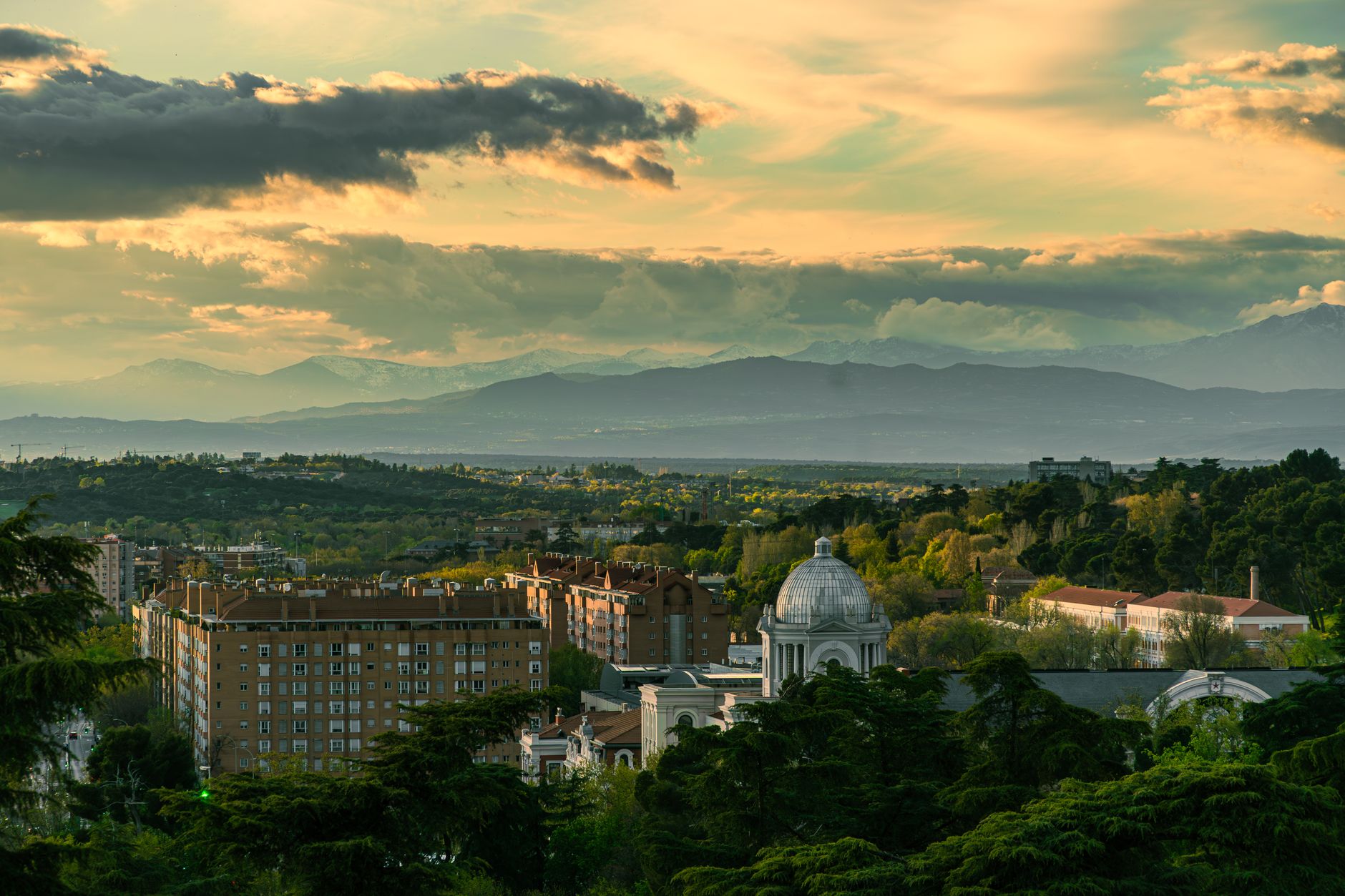
Madrid pulses with an energy that can feel overwhelming, especially when you only have a single day to soak it all in. Beyond the iconic landmarks, Spain's capital holds layers of unexpected history, geology, and culture waiting to be discovered by those willing to look a little closer.
Forget the rush to tick off every major sight. Our guide focuses on sparking your curiosity, revealing the surprising stories that breathe life into Madrid's lesser-known corners, from sun-drenched gardens to lively markets and architectural marvels.
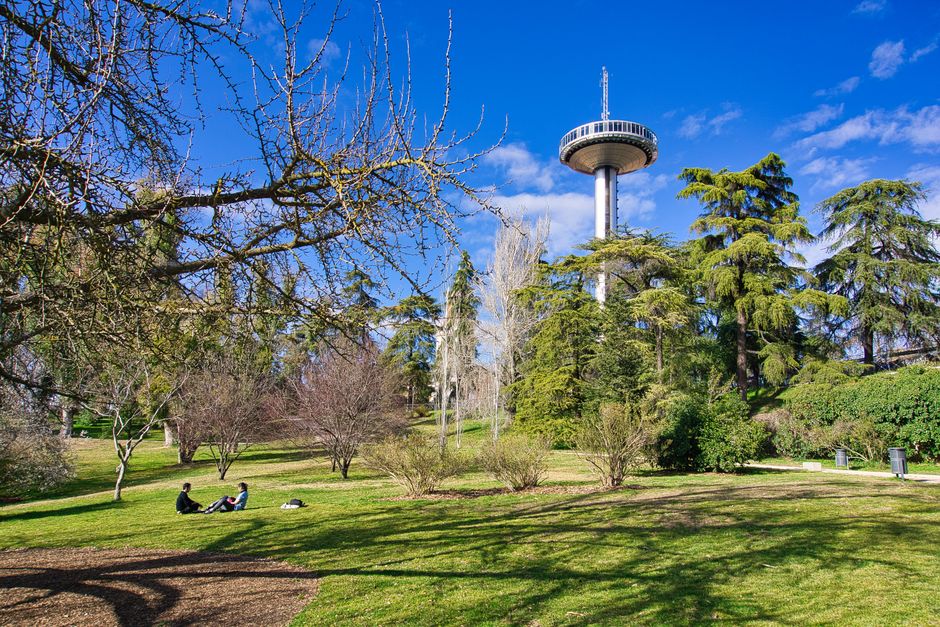
1. The Botanist's Battlefield
Real Jardín Botánico, Spain
This tranquil garden was once a site of fierce scientific rivalry and groundbreaking botanical expeditions.
Founded in 1755, the Real Jardín Botánico wasn't just a pretty park; it was a living laboratory and a hub for Spain's Enlightenment-era naturalists. From here, expeditions were launched across the globe, bringing back thousands of species that expanded European botanical knowledge, often fueling intense academic debates and rivalries among the era's leading scientists.
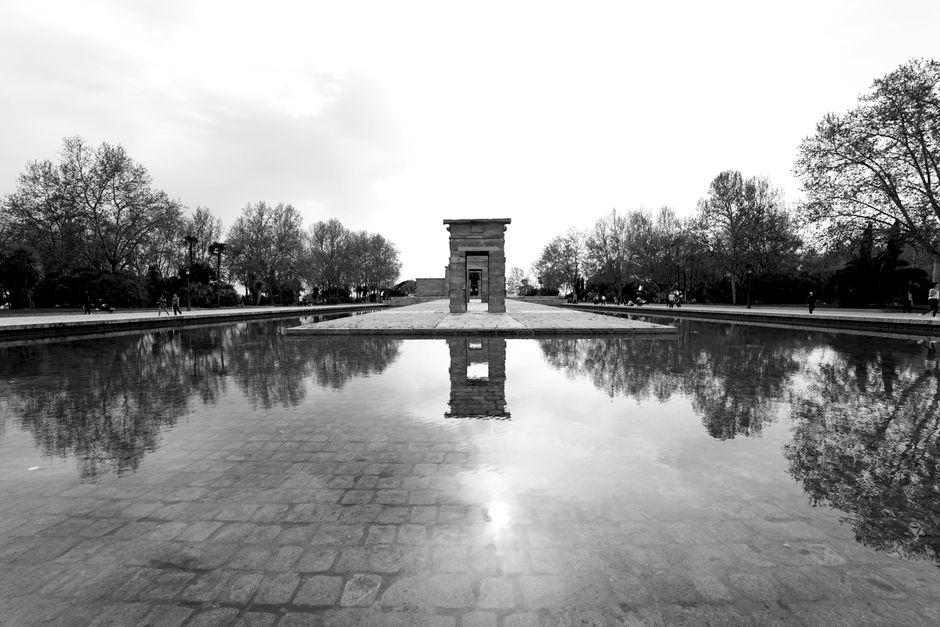
2. An Egyptian Gift in the Heart of Madrid
Templo de Debod, Spain
Madrid is home to a genuine ancient Egyptian temple, gifted stone by stone from the Nile Valley.
Standing proudly near Plaza de España, the Templo de Debod is no replica. This 2nd-century BC temple was originally located near Aswan in Egypt. When the construction of the Aswan High Dam threatened to submerge it, Spain helped save several monuments, and in gratitude, Egypt donated the temple to Madrid in 1968. It was meticulously reassembled here, offering a stunning piece of ancient history far from its original home.
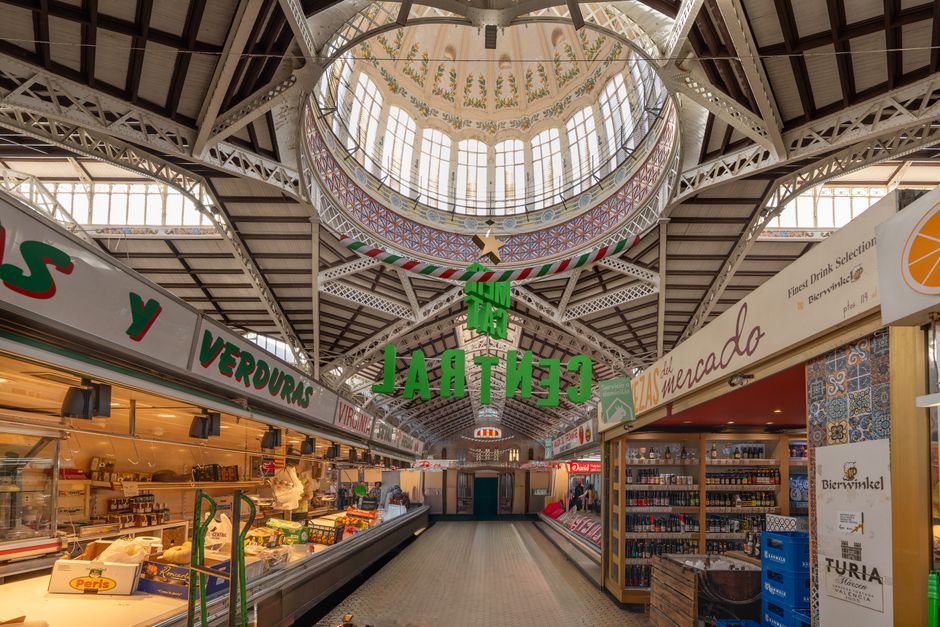
3. The Market of a Thousand Stories
Mercado de San Fernando, Spain
Beyond fresh produce, this local market in Lavapiés hosts a unique initiative where books are sold for just one euro.
While Mercado de San Miguel draws crowds, the Mercado de San Fernando in the vibrant Lavapiés neighborhood offers a more authentic glimpse into local life. Alongside traditional stalls selling cheeses, meats, and olives, you'll find independent craftspeople, small eateries, and a celebrated 'Libro por Euro' stall, reflecting the area's bohemian and community-focused spirit. It's a true cultural melting pot.
4. Goya's Revolutionary Dome
Ermita de San Antonio de la Florida, Spain
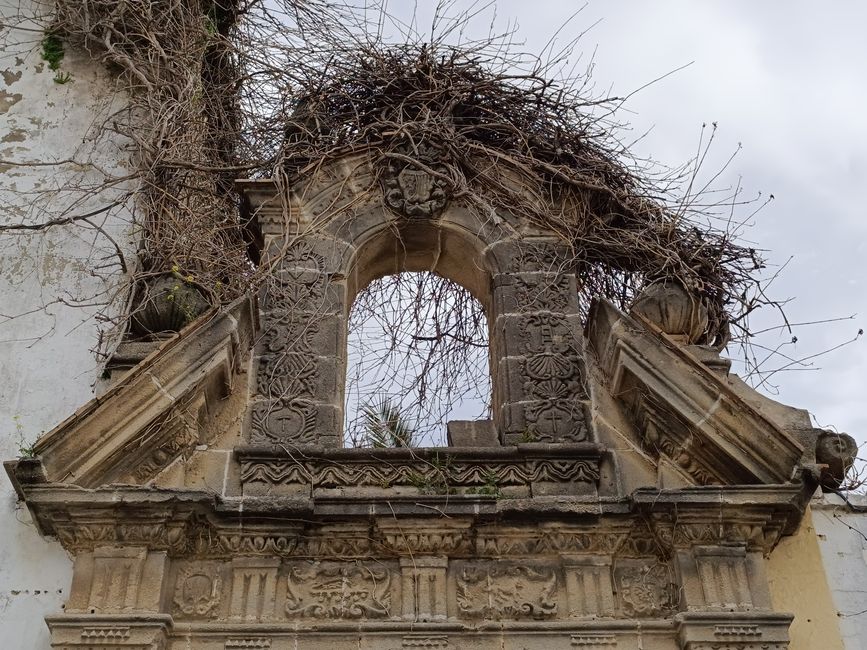
This hermitage features Goya's stunning frescoes of common Madrileños, and holds a surprising secret about the artist's own burial.
The dome of this unassuming 18th-century chapel is adorned with Francisco de Goya's breathtaking frescoes, depicting not saints and angels, but the everyday people of Madrid, a revolutionary artistic choice for its time. Goya is actually buried here, though his skull was mysteriously missing when his body was exhumed from Bordeaux in 1919 and brought back to Spain.
5. Echoes of Ancient Inns
Cava Baja, Spain
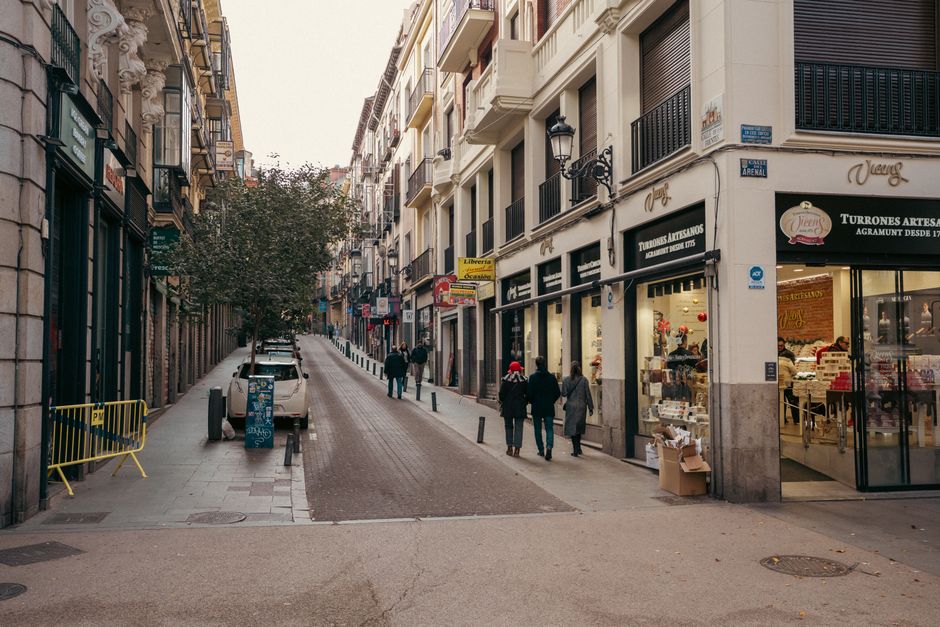
This lively street in La Latina was once a major gateway into Madrid, lined with ancient inns that served travelers entering the city.
Cava Baja, now famous for its vibrant tapas bars, was historically a crucial artery just outside Madrid's medieval walls. Its numerous 'posadas' (inns) and taverns welcomed merchants, pilgrims, and travelers, providing food, drink, and lodging. The street's architecture and layout still whisper tales of centuries of bustling arrivals and departures, making it a living museum of Madrid's social history.
6. The Master of Light's Sanctuary
Museo Sorolla, Spain
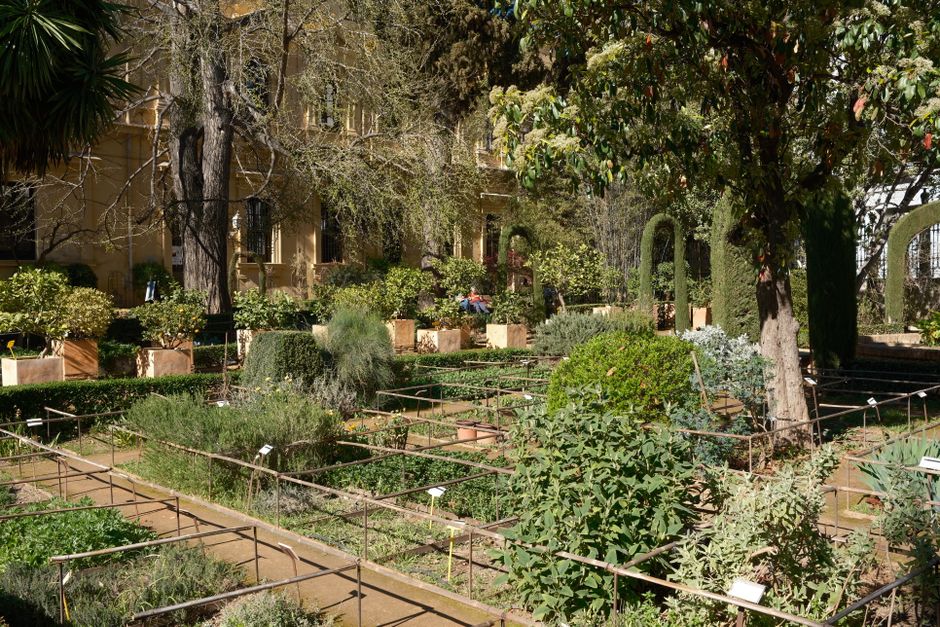
Step into the beautifully preserved home and studio of Joaquín Sorolla, the 'master of light,' designed by the artist himself.
Far from a grand institution, the Museo Sorolla is a unique testament to the life and art of Joaquín Sorolla, one of Spain's most celebrated painters. Housed in his former residence, which he meticulously designed, the museum offers an intimate glimpse into his personal world. Wander through his sun-drenched gardens, studio, and living spaces, filled with his luminous paintings and personal collections.
7. From Stables to Serenity
Jardines de Sabatini, Spain
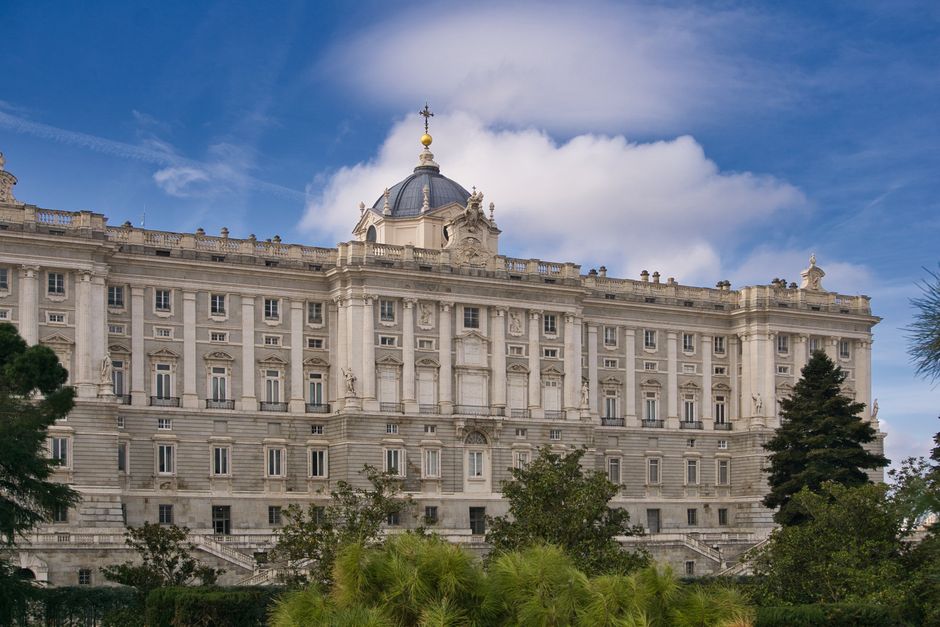
These grand formal gardens, offering stunning views of the Royal Palace, were built on the site of the palace's former 18th-century stables.
While often overshadowed by the larger Campo del Moro, the Jardines de Sabatini provide a more formal and equally captivating experience. Designed in a neoclassical style, they were constructed in the 1930s on the very ground where the Royal Palace's stables, designed by Italian architect Francesco Sabatini, once stood. The gardens offer dramatic perspectives of the palace and a peaceful escape from the city's bustle.
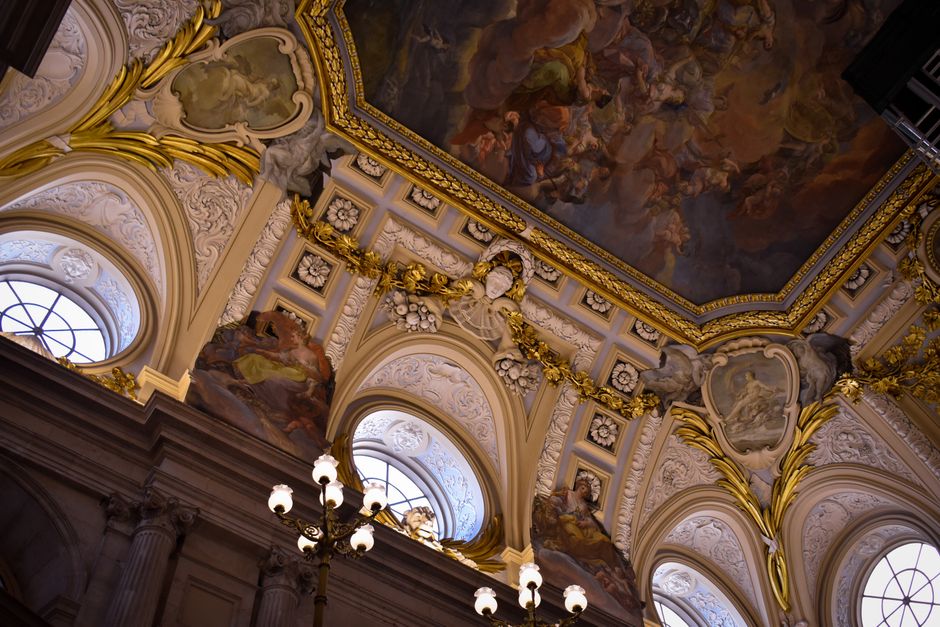
8. A Culinary Stage
Platea Madrid, Spain
This vibrant gourmet food hall and entertainment complex was once a grand cinema, preserving its theatrical spirit.
Platea Madrid is an extraordinary transformation of the former Cine Carlos III cinema. This multi-level gastronomic space now houses various culinary concepts, from Michelin-starred tapas bars to cocktail lounges, all under the soaring ceilings of the old theatre. It maintains a stage for live performances, creating a unique blend of high cuisine, entertainment, and architectural heritage.
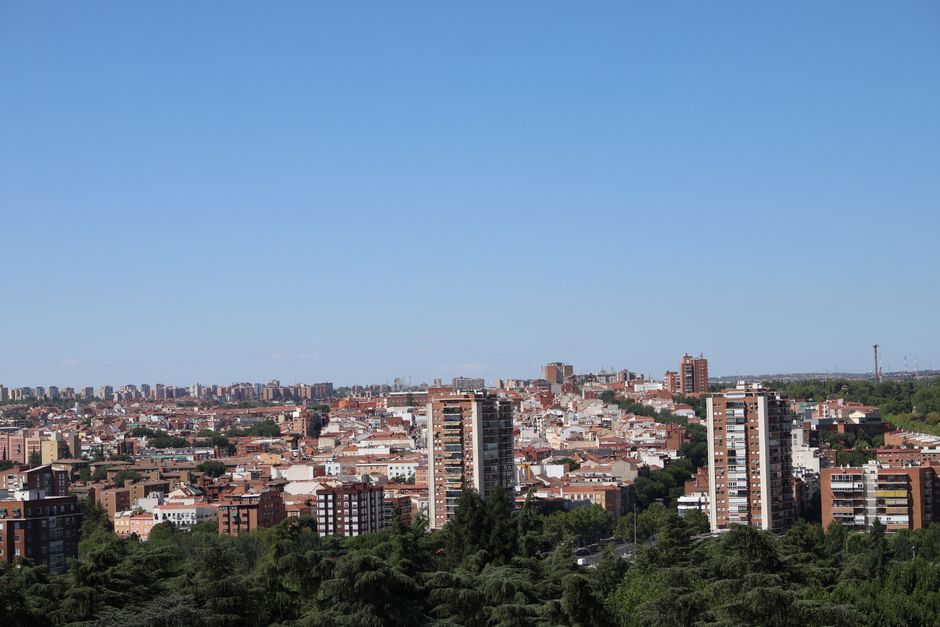
9. The City's Hidden Vantage Point
Faro de Moncloa, Spain
This often-overlooked observation tower offers unparalleled 360-degree views of Madrid, the Sierra de Guadarrama, and beyond.
Standing 110 meters tall, the Faro de Moncloa, or Moncloa Lighthouse, was originally built as an illumination tower for the University City in 1992. Today, its glass-enclosed viewing cabin provides breathtaking panoramic vistas. From here, you can identify Madrid's sprawling landmarks, the distant peaks of the Sierra de Guadarrama, and gain a unique perspective on the city's layout, far from the more tourist-trodden viewpoints.
Frequently asked questions
What's the best way to get around Madrid in one day?
Madrid's excellent metro system is the most efficient way to cover longer distances. For exploring specific neighborhoods like La Latina or Centro, walking is ideal. Taxis and ride-sharing services are also readily available for convenience.
What's a typical Madrid breakfast?
A classic Madrid breakfast often involves a 'café con leche' (coffee with milk) paired with a 'tostada con tomate' (toasted bread with fresh tomato puree and olive oil). For a sweeter start, 'churros con chocolate' – crispy fried dough dipped in thick hot chocolate – is a beloved local treat.
Is Madrid safe for solo travelers?
Madrid is generally considered very safe for solo travelers. Like any major city, it's wise to be aware of your surroundings, especially in crowded tourist areas where pickpocketing can occur. Public transport is safe, and walking at night in well-lit, central areas is common.
How does the AllTours.ai app work for exploring Madrid?
The AllTours.ai app transforms your phone into a personal AI audio tour guide. Simply point your camera at any landmark, building, or even a natural landscape in Madrid, and the app will instantly narrate its rich history, geological formation, or cultural significance in your preferred language, offering a deeper understanding of your surroundings.
Related guides
Photography via Pexels. AllTours.ai is an AI audio tour guide — point your camera at any landscape and hear its story.