July 17, 2026 · 4 min read
The question 'Which country's cuisine do you enjoy the most, and why?' often leads to familiar answers: the rich pasta of Italy, the delicate sushi of Japan, or the complex sauces of France. While these culinary giants deserve their accolades, the world holds countless gastronomic secrets waiting to be unearthed, far from the well-trodden tourist paths.
True food discovery isn't just about what's famous; it's about the surprising stories behind ingredients, the ancient traditions that shape preparation, and the unique landscapes that define local flavors. We've journeyed off the beaten path to uncover places where food isn't just sustenance, but a vibrant tapestry of history, geology, and culture. Prepare to have your taste buds — and your travel plans — inspired.
1. The Ancient Clay Wine Cellars
Kakheti Region, Georgia
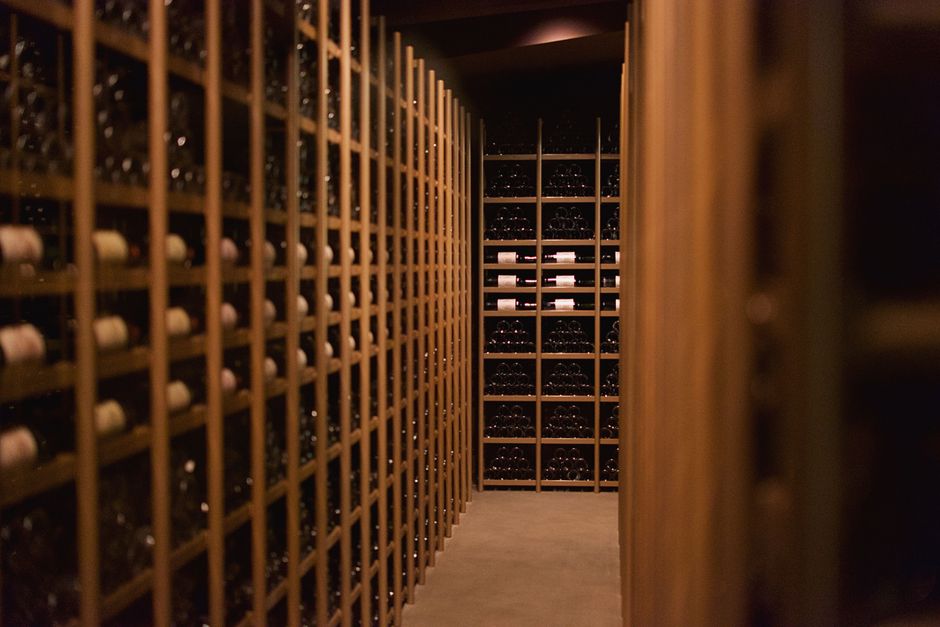
Underground clay vessels called qvevri have preserved Georgia's winemaking tradition for 8,000 years, shaping its culinary soul and earning UNESCO heritage status.
In the fertile Kakheti region, Georgia’s unique qvevri winemaking method involves fermenting grapes, skins, and stems in massive egg-shaped clay pots buried underground. This ancient technique, recognized by UNESCO, produces natural, complex wines that are intrinsically linked to Georgian cuisine. Every meal here is an opportunity to savor dishes like khachapuri (cheese bread) or khinkali (dumplings) alongside a wine steeped in millennia of history.
2. The Cradle of Corn's Forgotten Flavors
Oaxaca, Mexico
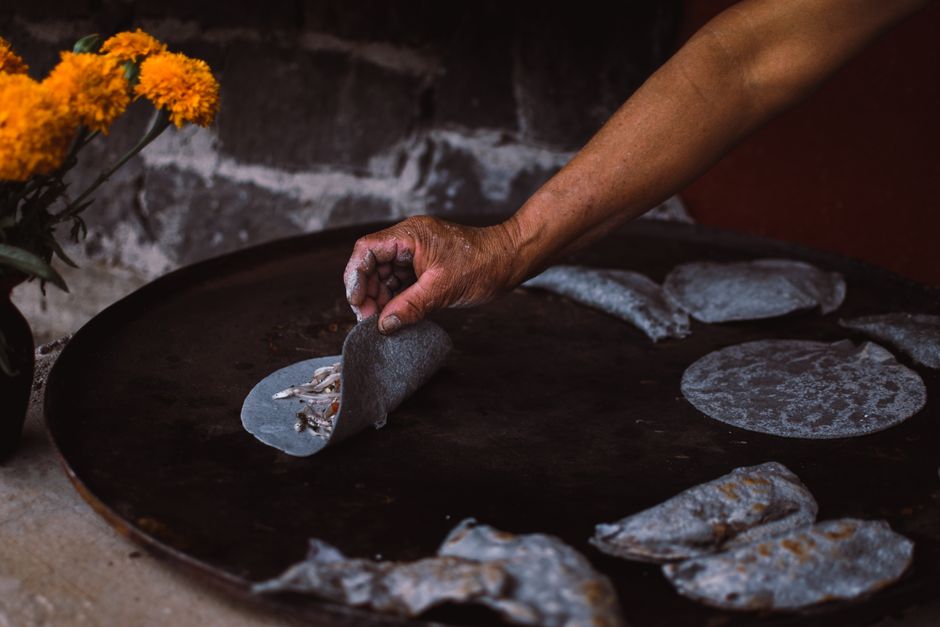
In Oaxaca, dozens of native corn varieties are still hand-ground daily, transforming into tortillas that offer a taste of ancient Mesoamerican heritage.
Oaxaca is a living museum of corn, where indigenous communities cultivate a stunning diversity of native maize — black, blue, red, and white — each with distinct flavors and textures. The traditional nixtamalization process, where corn is cooked and steeped in an alkaline solution, is still practiced daily to create masa for tortillas. Eating a simple tortilla here is a profound experience, connecting you directly to thousands of years of agricultural and culinary innovation.
3. Where the Wind is the Chef
Tórshavn, Faroe Islands
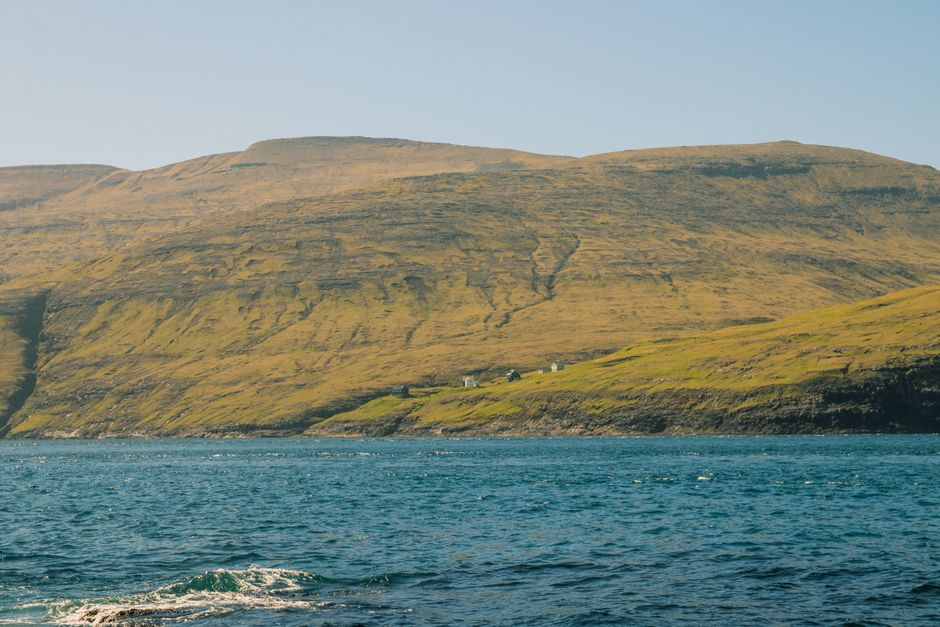
The unforgiving North Atlantic winds naturally ferment meat and fish in outdoor drying sheds, creating unique 'ræst' flavors found nowhere else on Earth.
The Faroese culinary tradition of 'ræst' (fermented) food is born from necessity and ingenuity. In these remote islands, the strong, salty winds act as a natural curing agent, slowly air-drying and fermenting lamb, fish, and even whale blubber in specialized sheds. Dishes like ræst kjøt (fermented lamb) or skerpikjøt (extra-matured lamb) offer incredibly intense, gamey, and umami-rich flavors that are a true reflection of the islands' harsh environment and enduring culture.
4. The Ghost Pepper's Fiery Home
Nagaland, India
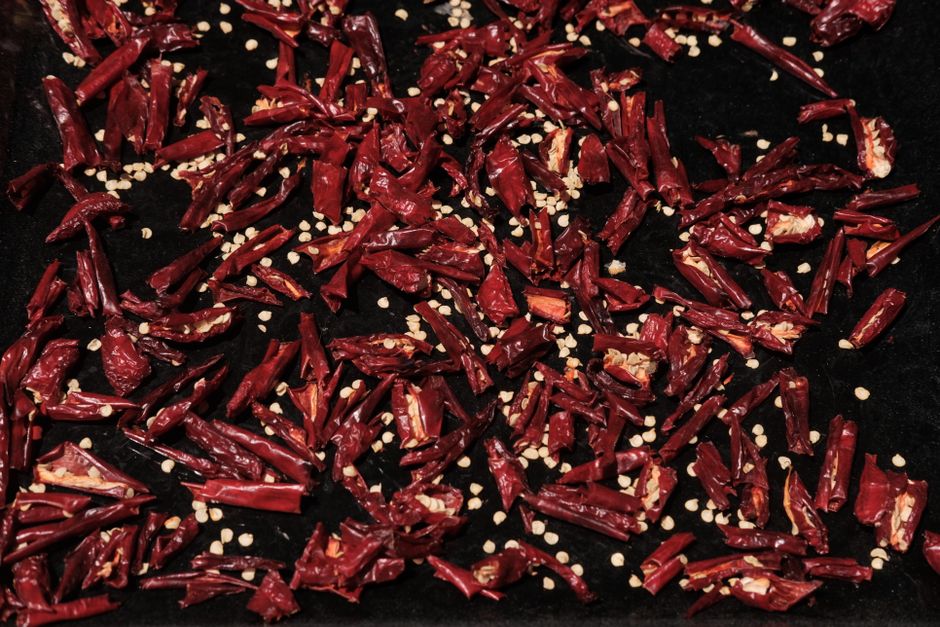
Nagaland is home to the legendary Bhut Jolokia, or 'ghost pepper,' which isn't just a spice but a fundamental ingredient in local cuisine, celebrated for its heat and flavor.
In the remote northeastern state of Nagaland, the Bhut Jolokia reigns supreme. This chili, once certified as the world's hottest, is not used sparingly as a condiment but incorporated generously into many Naga dishes. It lends a distinctive heat and smoky depth to traditional smoked pork curries, fermented bamboo shoot stews, and various vegetable preparations. The Naga people have mastered the art of balancing its fiery intensity with other robust flavors.
5. The Volcanic Isle of Salty Blossoms
Salina, Aeolian Islands, Italy
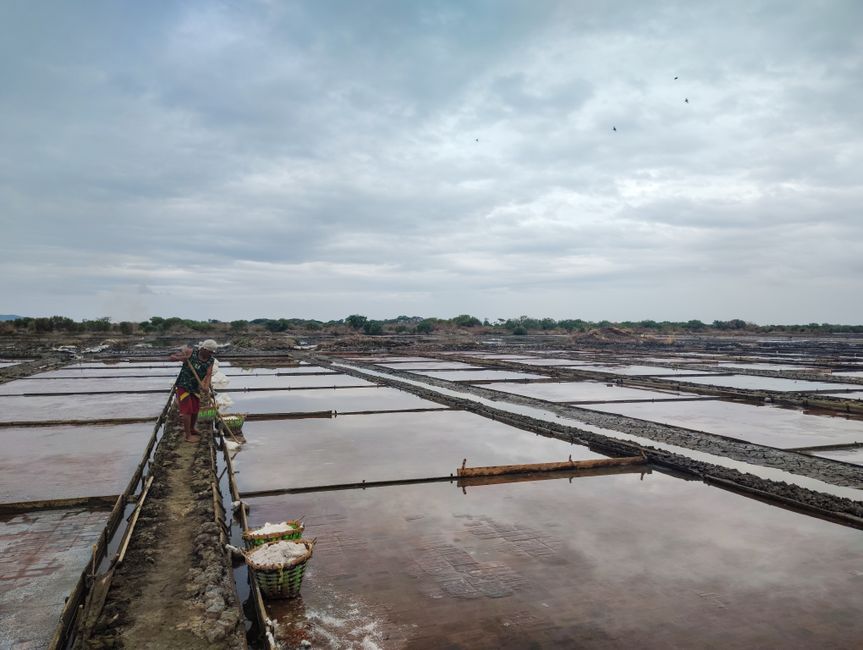
On the volcanic slopes of Salina, caper buds are hand-picked and preserved in sea salt, giving them an intense, unique flavor cherished globally.
Salina, one of the beautiful Aeolian Islands off Sicily, is renowned for its exceptional capers. The island's rich volcanic soil and proximity to the sea imbue these tiny flower buds with a distinctive pungency and salinity. Harvested by hand during the hot summer months, they are traditionally preserved in sea salt, intensifying their flavor. These capers are a cornerstone of Aeolian cuisine, starring in everything from fresh salads to pasta puttanesca.

6. The Secret Culinary Brotherhoods
Donostia-San Sebastián, Basque Country, Spain
Deep within the Basque Country, private 'txokos' are male-only gastronomic societies where members cook, eat, and preserve ancient culinary traditions in secret.
While Donostia-San Sebastián is famous for its Michelin-starred restaurants and pintxos bars, the true heart of Basque cuisine often lies hidden within its 'txokos.' These private gastronomic societies are where members, traditionally men, gather to cook, experiment, and share meals. It's a place where recipes are perfected, traditions are passed down, and the camaraderie around food is paramount. These exclusive clubs are essential in preserving the region's rich culinary heritage.
7. Where Chili is a Vegetable, Not Just a Spice
Thimphu Valley, Bhutan
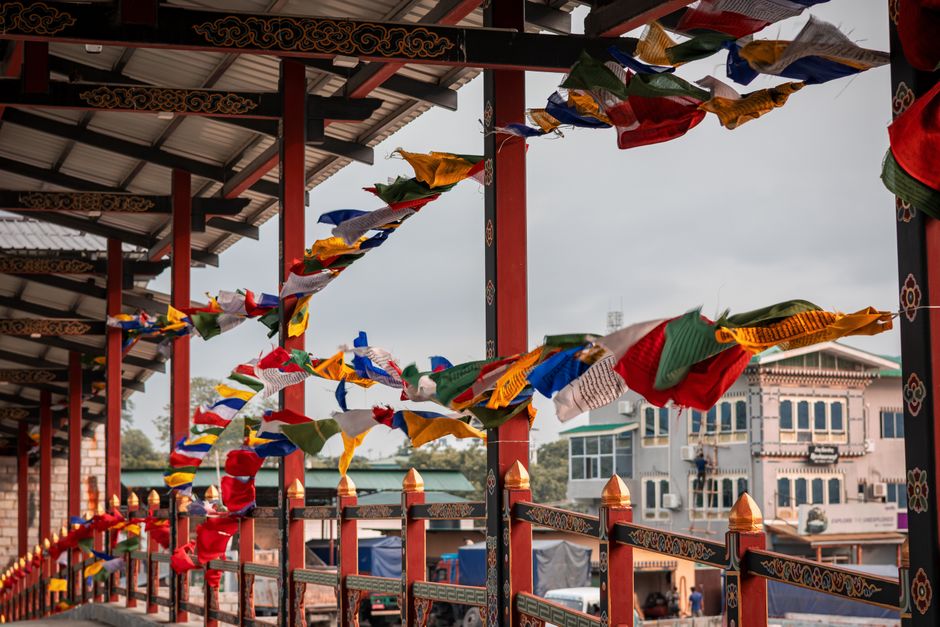
In Bhutan, chilies like the fiery ema are not merely a condiment but a central ingredient, celebrated in dishes like the iconic Ema Datshi, a national dish.
Bhutan's cuisine stands out for its unabashed love of chilies. Unlike many cultures where chilies add a touch of heat, in Bhutan, they are often treated as the main vegetable. Ema Datshi, the national dish, exemplifies this: a hearty stew of chilies (ema) cooked with local cheese (datshi). This foundational dish, along with others featuring green chilies and cheese, offers a comforting warmth and unique flavor profile that defines the Bhutanese culinary experience.
Frequently asked questions
What makes a country's cuisine unique beyond its ingredients?
Beyond specific ingredients, a country's cuisine is shaped by its history, geography, climate, and cultural practices. Ancient cooking techniques, specific preservation methods, religious influences, and community dining traditions all contribute to a unique culinary identity.
How can I discover new and authentic local dishes when traveling?
To find authentic local dishes, venture beyond tourist traps. Explore local markets, visit smaller towns, look for establishments frequented by locals, or seek out food tours. Don't be afraid to try street food and ask locals for their favorite hidden gems.
Are there any regions known for exceptionally spicy food?
Yes, many regions are celebrated for their spicy cuisines. Beyond Nagaland and Bhutan, Sichuan province in China is famous for its numbing and hot flavors, and many parts of Thailand, Mexico, and Ethiopia also feature dishes with significant heat levels, often using chilies as a primary ingredient.
How does the AllTours.ai app help me explore local food culture?
AllTours.ai enhances your culinary exploration by providing instant, AI-powered audio guides. Simply point your phone camera at a landmark, market, or even a local dish, and the app will narrate its history, cultural significance, and unique story in your language, making every bite and sight more meaningful.
Related guides
Photography via Pexels. AllTours.ai is an AI audio tour guide — point your camera at any landscape and hear its story.