August 29, 2026 · 5 min read
As the holiday season fades, many travelers start looking ahead. If you're pondering where to visit in January or February, seeking experiences that transcend the typical tourist path, you're in the right place. These early months offer a unique opportunity to see destinations in a different light – often quieter, more authentic, and steeped in a distinct atmosphere.
Forget the crowded hotspots. We've compiled a list of lesser-known gems, each with a compelling story woven into its history, geology, or culture. These are places that invite deeper exploration, revealing layers of intrigue that will spark your curiosity long after your journey ends.
1. The Shifting Sands of the Curonian Spit
Curonian Spit, Lithuania
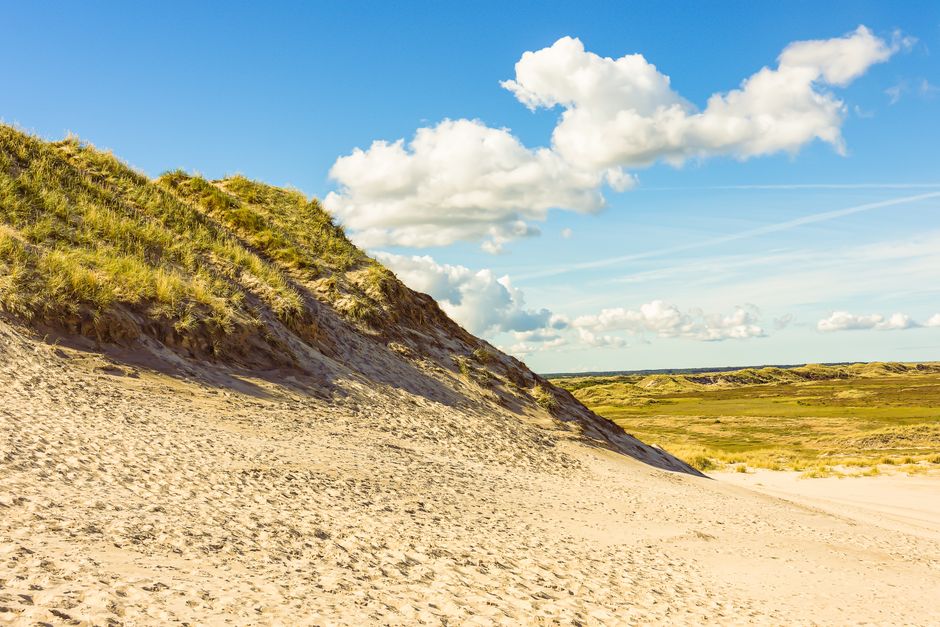
A shifting sand dune once swallowed entire villages here, earning a section the name 'Dead Dunes'.
This narrow, 98-kilometer-long sand spit, shared by Lithuania and Russia, is a UNESCO World Heritage site known for its dramatic dunes and unique Kurenai culture. For centuries, the 'Dead Dunes' section near Nida relentlessly advanced, burying several fishing villages in its path. Massive reforestation efforts in the 19th century eventually stabilized much of the landscape, but the echoes of the lost communities remain, visible in the stark beauty of the wind-sculpted terrain and the distinctive architectural style of the surviving wooden houses.
2. Siwa Oasis: Oracle of the Western Desert
Siwa Oasis, Egypt
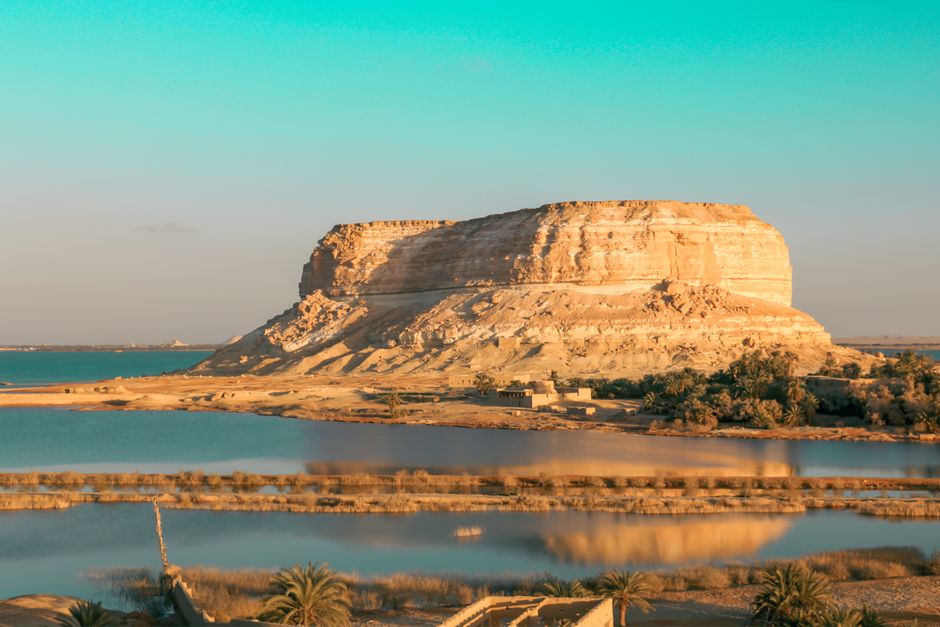
Alexander the Great journeyed deep into the Western Desert to consult the famous Oracle of Amun here.
Secluded in Egypt's vast Western Desert, Siwa Oasis is a world apart, known for its unique Berber culture, ancient ruins, and serene salt lakes. The Oracle of Amun at Aghurmi was once one of the most revered in the ancient world, its pronouncements sought by pharaohs and conquerors alike. Today, visitors can explore the crumbling mud-brick fortress of Shali, float effortlessly in the mineral-rich salt pools, and witness a way of life that has largely preserved its distinct language, traditions, and agricultural practices, centered around date palms and olive groves.
3. Ani: The Ghost City of 1001 Churches
Ani, Turkey
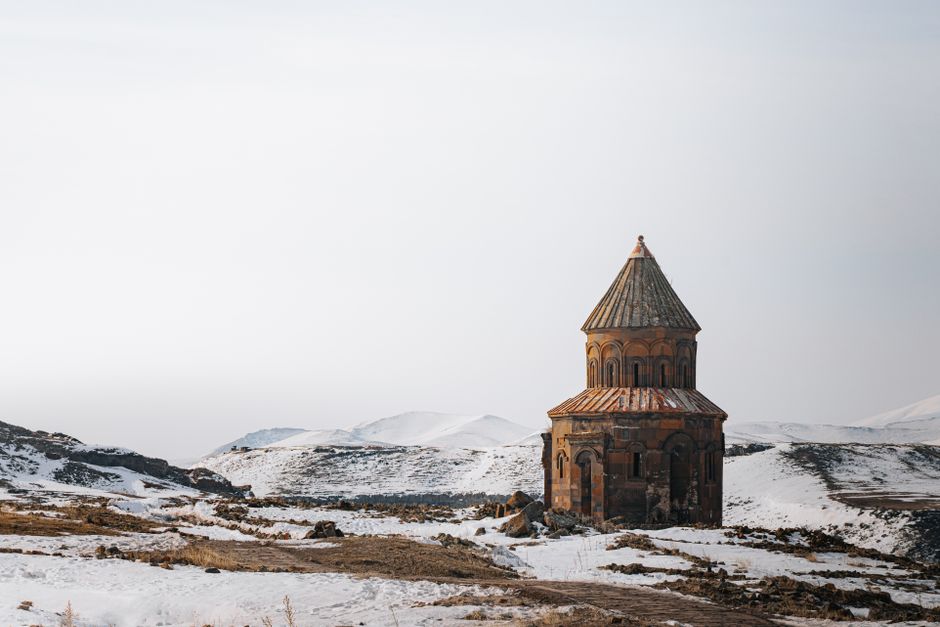
Once a bustling capital of '1001 Churches,' this ancient Armenian city now stands abandoned on a desolate plain.
Perched on the Turkish border with Armenia, the haunting ruins of Ani tell a dramatic tale of medieval power and eventual abandonment. In its 10th-century prime, Ani was the capital of a prosperous Armenian kingdom, a major trade hub on the Silk Road, and a city of immense architectural splendor. Today, its grand cathedral, numerous churches, and fortifications stand as skeletal reminders of its past glory, exposed to the elements. Walking among these silent stones in the quiet of winter offers a poignant glimpse into a vanished civilization.
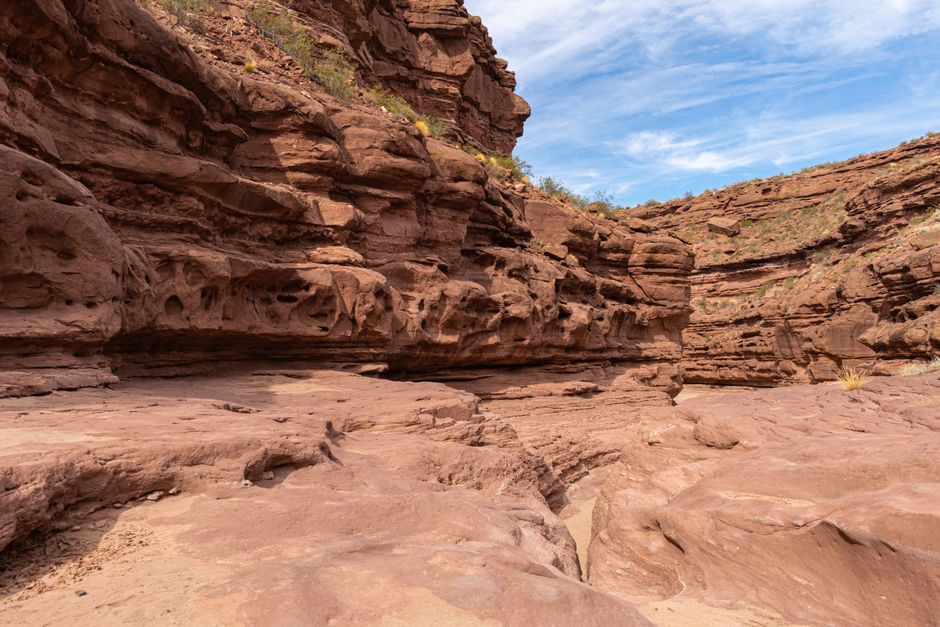
4. Talampaya National Park's Red Canyons
Talampaya National Park, Argentina
This desert canyon holds evidence of dinosaurs from the Triassic period, alongside ancient petroglyphs.
In Argentina's La Rioja Province, Talampaya National Park is a geological marvel, a UNESCO World Heritage site characterized by towering red sandstone cliffs, deep canyons, and unique rock formations sculpted by wind and water. Beyond its striking beauty, Talampaya is a crucial paleontological site, yielding significant dinosaur fossils from the Triassic period. Ancient indigenous communities also left their mark, with petroglyphs depicting human and animal figures scattered across the canyon walls, connecting the deep past with more recent human history.
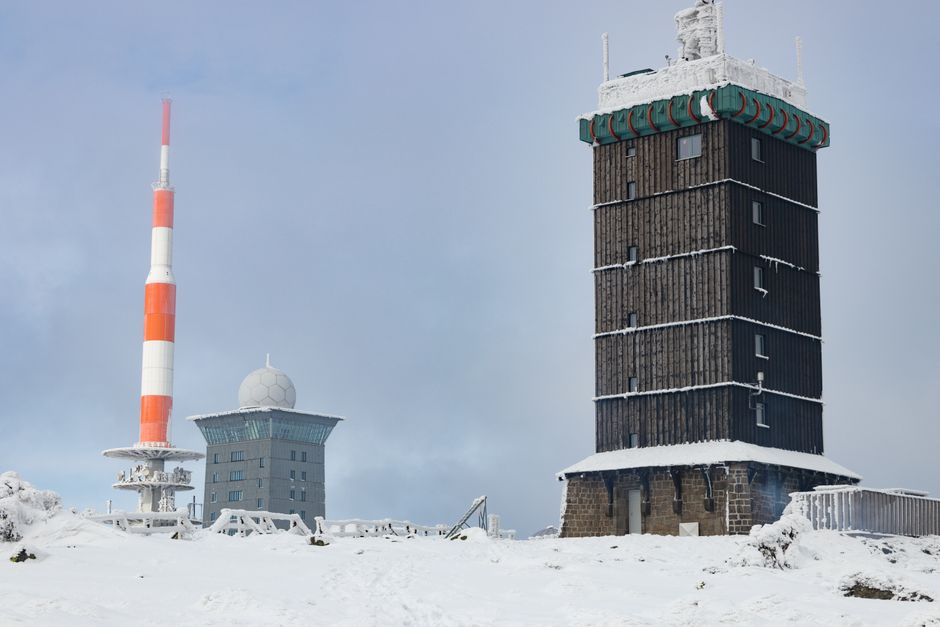
5. The Mythical Brocken Peak of the Harz Mountains
Harz Mountains, Germany
Germany's highest peak outside the Alps is famous for witches' gatherings and a unique optical illusion.
The Harz Mountains in central Germany are a land of dense forests, medieval towns, and enduring folklore. At its heart lies Brocken, the highest peak, shrouded in mist and legend. It is famously associated with witches' gatherings on Walpurgis Night, a tradition immortalized in Goethe's 'Faust.' Beyond the myths, Brocken is known for the 'Brocken Spectre,' an optical phenomenon where one's own shadow is magnified and projected onto mist. A historic steam railway, the Brockenbahn, offers a picturesque journey through this atmospheric landscape.
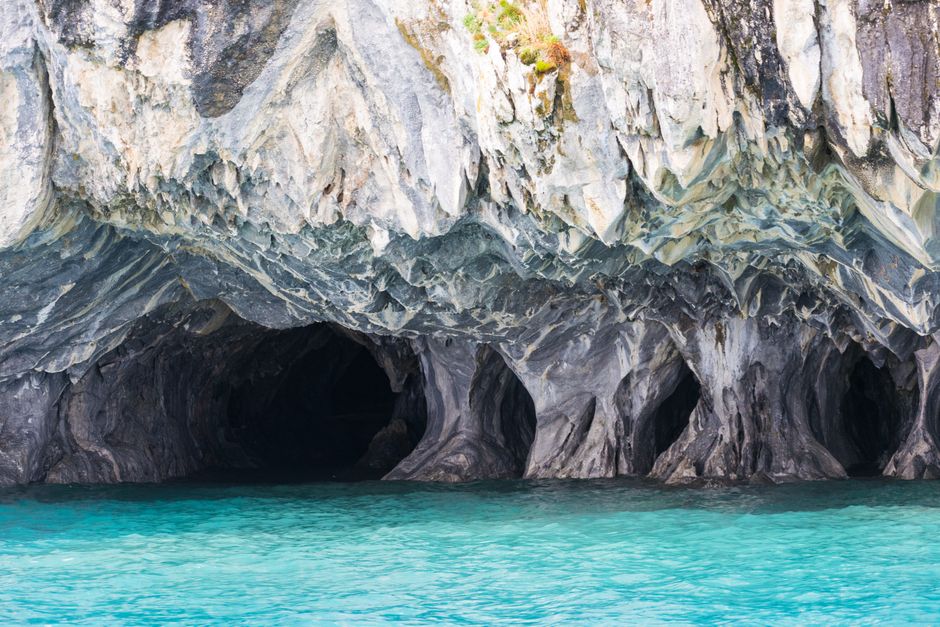
6. The Marble Caves of General Carrera Lake
General Carrera Lake, Chile
Boats navigate through swirling marble caverns, carved over millennia by glacial water into vibrant, unique patterns.
On the border of Chile and Argentina, the General Carrera Lake (Lago Buenos Aires in Argentina) is home to one of nature's most spectacular geological formations: the Marble Caves (Capillas de Mármol). Formed by thousands of years of erosion by the lake's turquoise waters, these caverns, tunnels, and columns of solid marble exhibit stunning patterns and colors. Accessible only by boat, the reflections of the water on the polished marble create an ethereal, ever-changing light show, particularly vivid on clear, sunny days, making each visit a unique visual experience.
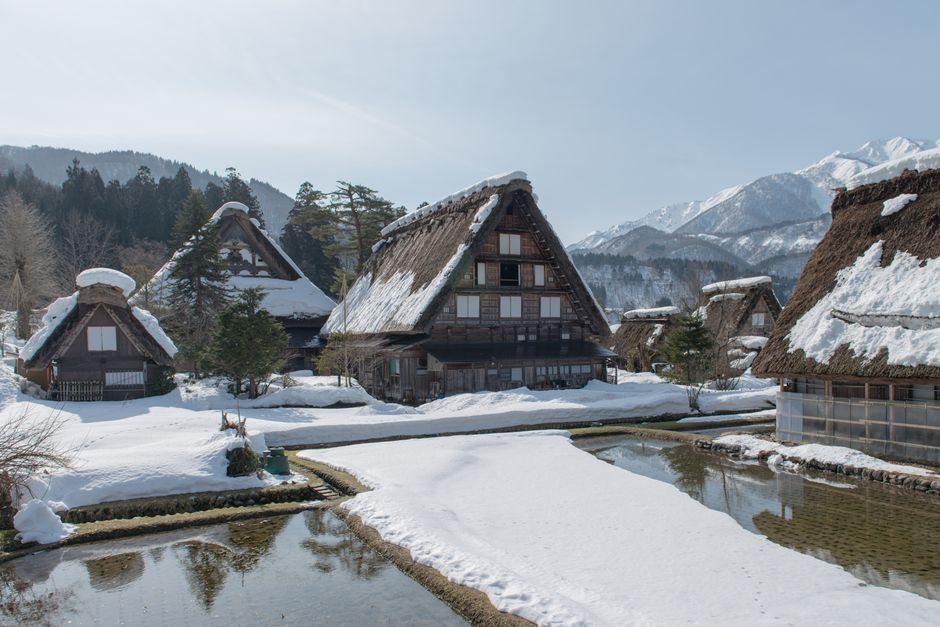
7. Shirakawa-go's Praying Hands Houses
Shirakawa-go, Japan
These ancient farmhouses, designed to resemble praying hands, stand resilient against heavy winter snows.
Nestled in the remote Shogawa river valley, the historic villages of Shirakawa-go in Japan are famed for their unique gassho-zukuri farmhouses, a UNESCO World Heritage site. The steep, thatched roofs, resembling hands pressed together in prayer ('gassho'), are ingeniously designed to withstand the region's exceptionally heavy snowfall and provide vast attic space for silkworm cultivation. In January and February, the villages transform into a fairytale landscape blanketed in deep snow, offering a serene glimpse into a traditional communal way of life adapted to a harsh yet beautiful environment.
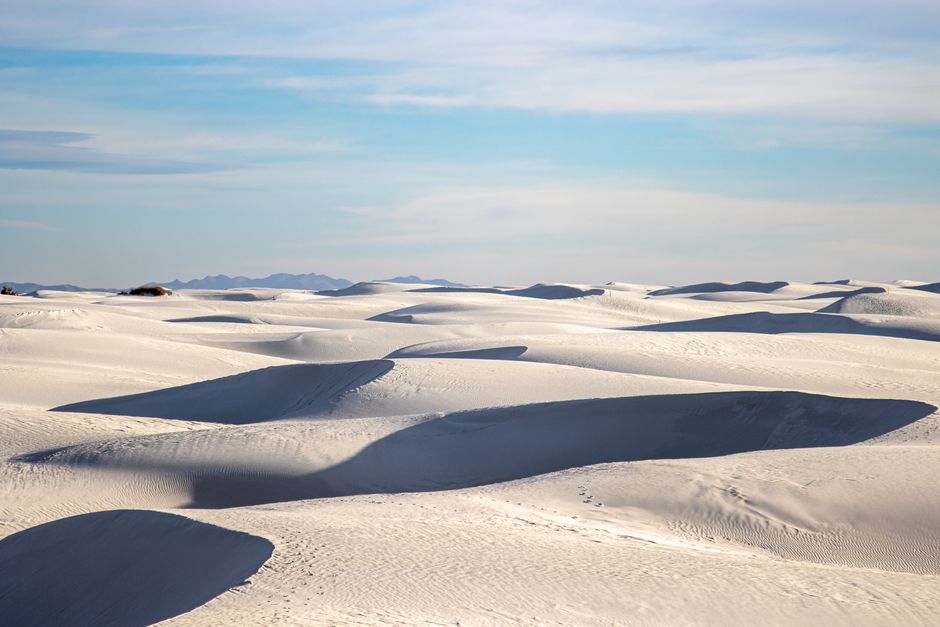
8. White Sands National Park's Gypsum Desert
White Sands National Park, USA
Here, a vast desert stretches for miles, not made of typical sand, but glistening white gypsum crystals.
In the Tularosa Basin of New Mexico, White Sands National Park presents a landscape unlike any other. Instead of quartz-based sand, this enormous dune field is composed of pure gypsum crystals, reflecting sunlight to create a dazzling white expanse. The gypsum was deposited by ancient seas and then exposed and eroded by weather, forming these unique dunes. Life here has adapted remarkably; plants grow quickly to avoid being buried, and animals like the bleached earless lizard have evolved lighter coloration to blend into their surroundings. Visiting in the cooler months offers a tranquil, uncrowded experience.
Frequently asked questions
What are the benefits of traveling in January or February?
Traveling in January or February often means fewer crowds, lower prices on flights and accommodation, and a chance to experience destinations in a unique, quieter atmosphere. Many places also offer distinct cultural events or natural beauty specific to these cooler months.
How can I find truly unique and underrated places to visit?
To find underrated spots, look beyond mainstream travel guides. Research local blogs, niche travel forums, historical societies, or geological surveys. Consider regions adjacent to popular areas, or focus on specific interests like ancient ruins, unique geology, or indigenous cultures.
What should I pack for winter travel to these lesser-known spots?
For these diverse destinations, layering is key. Pack warm, waterproof outerwear, thermal base layers, sturdy waterproof boots, and accessories like hats, gloves, and scarves. Always check the specific weather forecast for your chosen location, as conditions can vary greatly.
How can AllTours.ai enhance my travel experience to these places?
AllTours.ai is your personal AI audio guide, perfect for exploring these intriguing locations. Simply point your phone camera at any landscape or landmark, and the app instantly narrates its hidden history, fascinating geology, and rich culture directly into your language, bringing every detail to life.
Related guides
Photography via Pexels. AllTours.ai is an AI audio tour guide — point your camera at any landscape and hear its story.