July 2, 2026 · 4 min read
The debate is as old as rock and roll itself: Which country has truly contributed more to the genre's legacy – the raw energy of the United States or the rebellious spirit of Great Britain? From the blues-soaked deltas to the industrial cities, both nations have birthed an astonishing array of musical titans. But beyond the chart-toppers and stadium fillers, where did the real magic begin?
To truly answer which country spawned the most great rock bands, we need to look beyond the famous landmarks. We need to explore the unassuming towns, the forgotten venues, and the specific neighborhoods where sounds were forged and legends took their first, tentative steps. Join us as we uncover some of the most surprising, lesser-known crucibles of rock history across the U.S. and Britain.
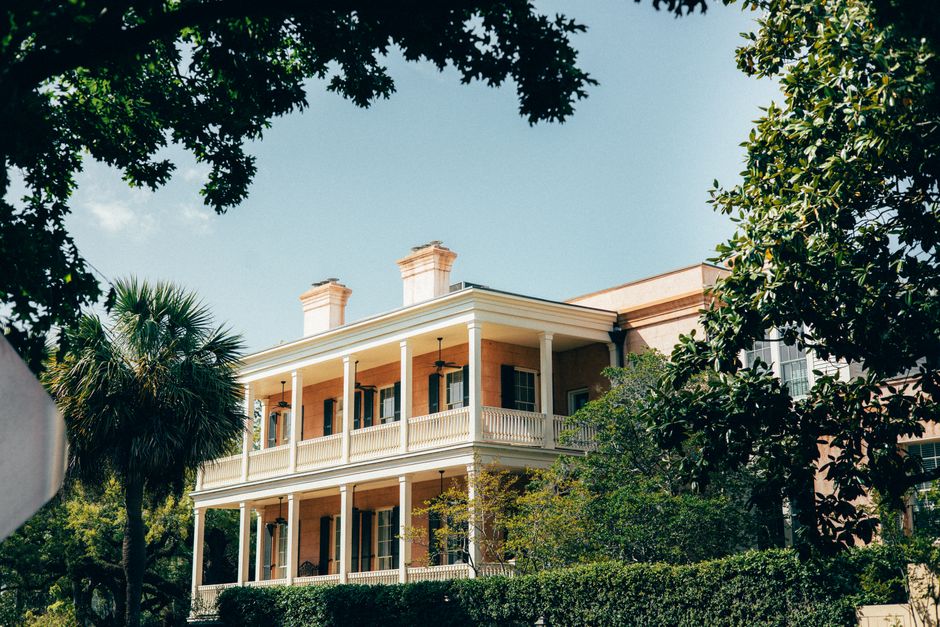
1. The Southern Rock Crucible
Macon, Georgia, U.S.
A seemingly ordinary Victorian home in Georgia birthed a sound that defined Southern rock.
The Big House in Macon was more than just a residence for the Allman Brothers Band; it was their creative crucible. From 1970-1973, band members and their families lived communally here, jamming and writing the songs that would become classics like 'Blue Sky' and 'Ramblin' Man.' The house itself, with its sprawling rooms and backyard, fostered the organic, improvisational spirit central to their sound. It’s a tangible link to a pivotal era in American rock.
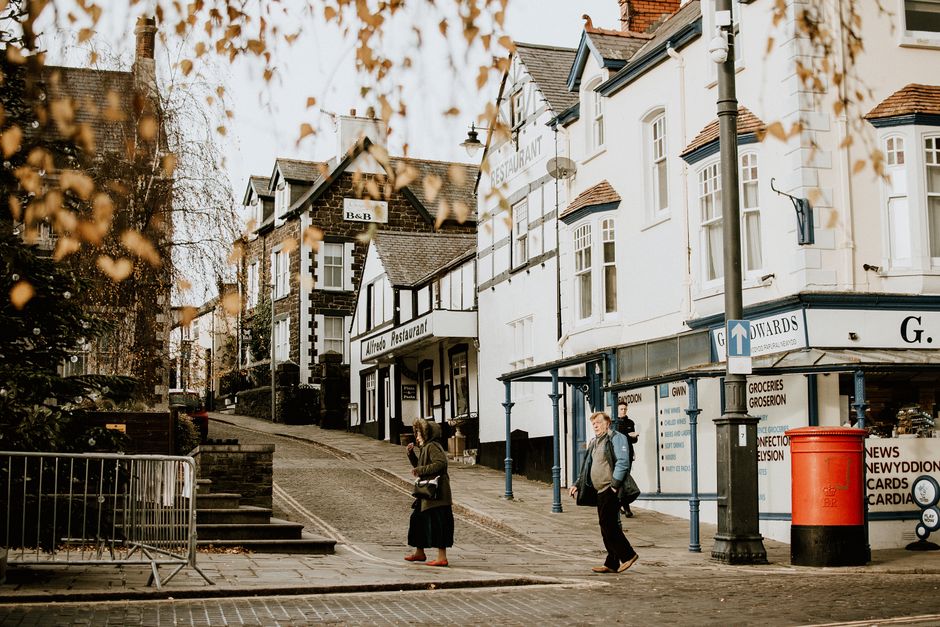
2. The Valleys' Defiant Roar
Blackwood, Wales, UK
A former coal mining town in Wales, not London or Manchester, was the unlikely birthplace of a fiercely intelligent punk-rock band.
The industrial valleys of South Wales, particularly the town of Blackwood near Caerphilly, might seem an unlikely incubator for rock legends. Yet, it was here in this former coal mining community that the Manic Street Preachers forged their distinctive blend of punk energy, poetic lyrics, and socialist politics. Their early rehearsals and formative years were deeply shaped by the area's working-class heritage and rugged landscape, giving their music a unique, defiant edge far from the London music scene.

3. Cleveland's Punk Proving Ground
Cleveland, Ohio, U.S.
Before its famous rock concerts, this Cleveland venue was a crucible for punk and new wave legends.
The Agora Theatre and Ballroom in Cleveland holds a unique place in rock history, often overshadowed by its later fame for major classic rock acts. In the 1970s, it became an unlikely haven for emerging punk and new wave bands, hosting early, explosive performances from artists like The Clash, Patti Smith, and The Ramones. Its willingness to book these edgy acts, often before they broke nationally, made it a vital testing ground and a launchpad for a new sonic revolution.
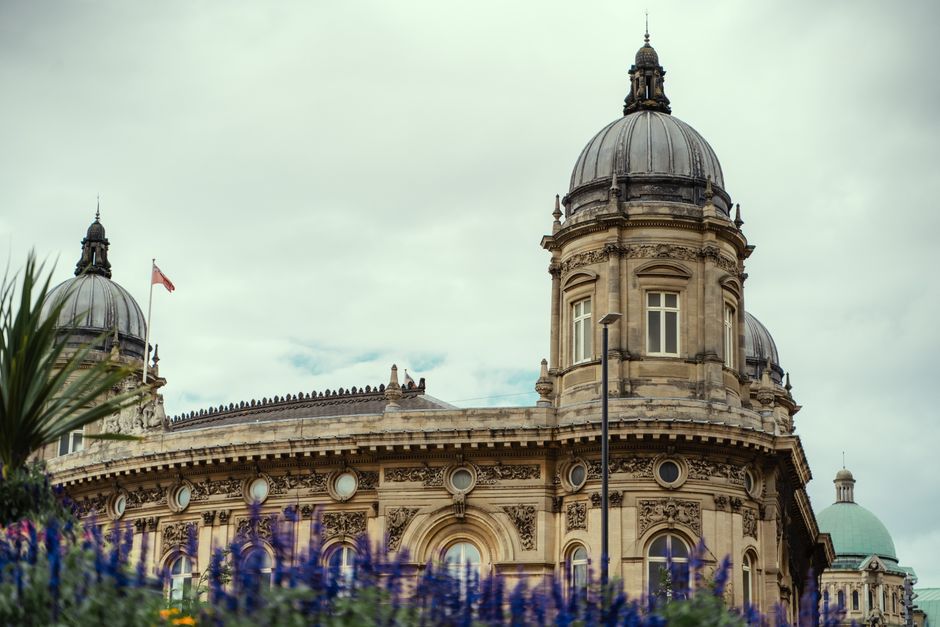
4. Hull's Unassuming Launchpad
Hull, England, UK
This unassuming, semi-detached house in Hull has been a crucial proving ground for British rock royalty for decades.
The New Adelphi Club in Hull is far from a grand arena, yet this small, independent venue, housed in a converted semi-detached house, has an outsized impact on British music. Since 1984, it has been a vital launchpad for countless bands, hosting early gigs for future stars like Radiohead, Pulp, The Stone Roses, and The Housemartins. Its intimate, no-frills setting and commitment to new talent have made it a legendary, if understated, crucible for diverse sounds across generations.
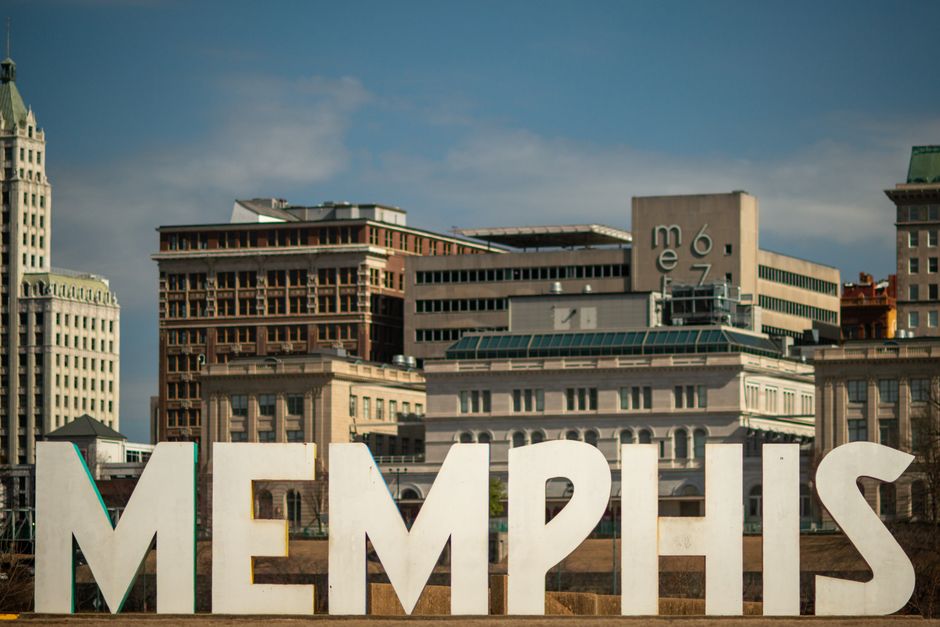
5. The Sound of Soulsville
Memphis, Tennessee, U.S.
Beyond the famous studio, the streets surrounding Stax Records pulsed with the overlooked energy that fueled its iconic sound.
While the Stax Records building itself is a beacon of soul history in Memphis, the true magic extended into the surrounding Soulsville neighborhood. This was a thriving black community where musicians, producers, and vocalists lived, socialized, and drew inspiration directly from daily life. The proximity of homes, churches, and juke joints to the studio meant that the raw, authentic sound of Memphis soul wasn't just recorded within its walls; it was an echo of the vibrant street life and shared experiences just outside.
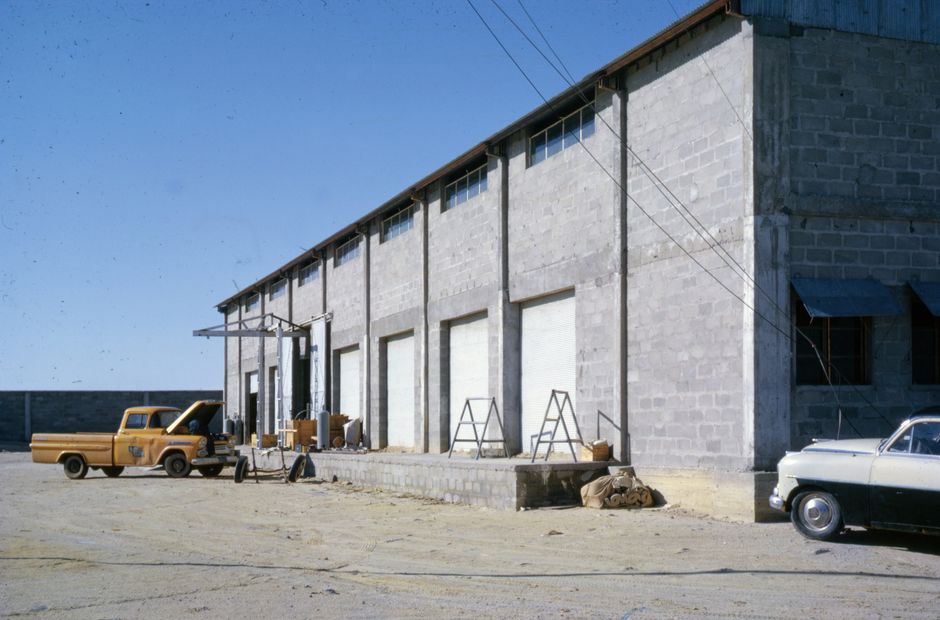
6. Birmingham's Heavy Metal Forge
Aston, Birmingham, UK
The dark, industrial heart of Birmingham's Aston district forged the very sound of heavy metal.
The grim, industrial landscape of Aston, Birmingham, was not just the birthplace of Black Sabbath; it was the sonic blueprint for heavy metal itself. Growing up amidst the soot-stained factories and post-war austerity, Tony Iommi, Ozzy Osbourne, Geezer Butler, and Bill Ward channeled their environment's bleakness and power into crushing riffs and thunderous rhythms. The very air of Aston, thick with the sound of machinery and the weight of working-class life, infused their music with a revolutionary darkness.
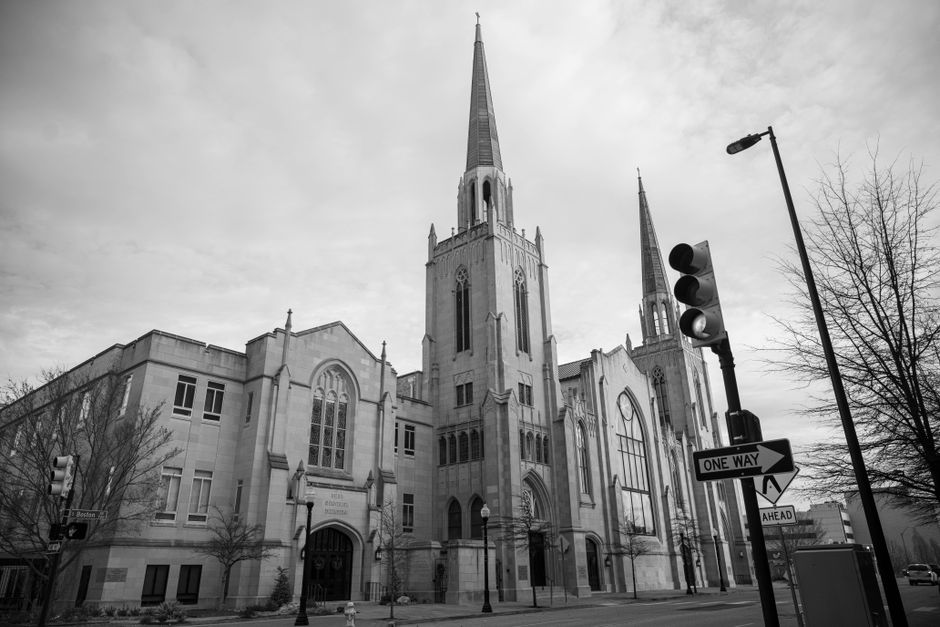
7. Tulsa's Church of Sound
Tulsa, Oklahoma, U.S.
A former church in Oklahoma became the unlikely sanctuary where the 'Tulsa Sound' was perfected.
In Tulsa, Oklahoma, The Church Studio stands as a testament to the 'Tulsa Sound,' a laid-back, blues-infused genre pioneered by artists like Leon Russell and J.J. Cale. Russell purchased the dilapidated church in 1972, transforming it into a state-of-the-art recording facility. This hallowed space, with its unique acoustics and Russell's creative spirit, attracted legends like Eric Clapton, Willie Nelson, and Bob Dylan, who came to capture that distinctive, groove-heavy sound.
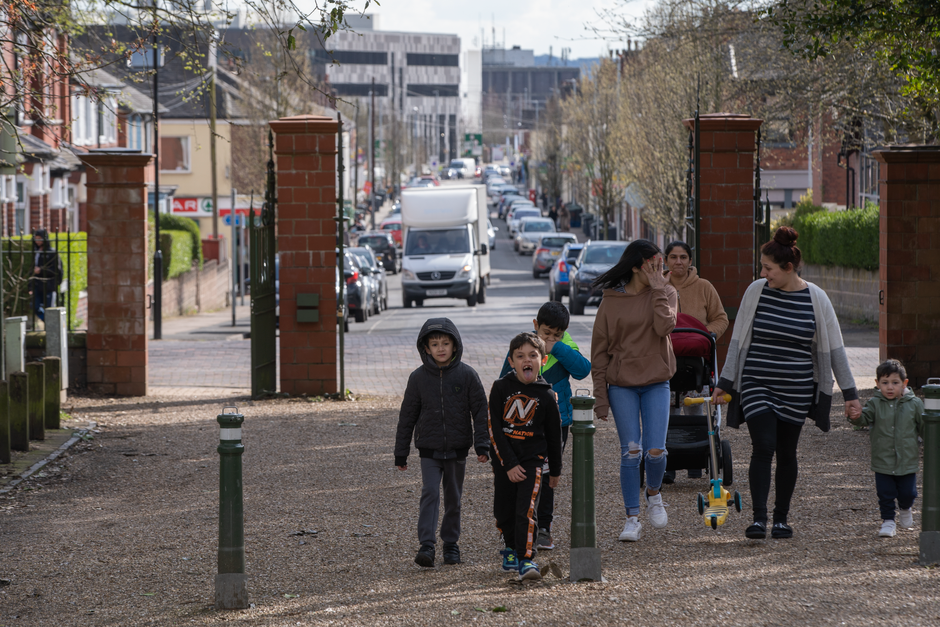
8. Lemmy's Potteries Grit
Burslem, Stoke-on-Trent, UK
The pottery towns of Stoke-on-Trent molded the defiant spirit of one of rock's most iconic frontmen.
While Ian 'Lemmy' Kilmister is synonymous with London's rock scene, his formative years in Burslem, one of the 'Potteries' towns of Stoke-on-Trent, instilled the grit and independence that defined Motörhead. Growing up surrounded by the hard-working, no-nonsense culture of the ceramics industry, Lemmy developed his distinctive attitude and a deep appreciation for raw, unvarnished rock and roll. This industrial backdrop shaped his unapologetic persona long before he ever picked up a bass guitar.
Frequently asked questions
Which U.S. city is considered the birthplace of rock and roll?
While many cities contributed, Memphis, Tennessee, is widely cited as the birthplace of rock and roll. Its unique blend of blues, gospel, and country music, captured by pioneering artists at Sun Studio, laid the foundational sounds for the genre.
What is the 'British Invasion' in music history?
The British Invasion refers to the mid-1960s phenomenon where British rock and pop music, led by bands like The Beatles and The Rolling Stones, became immensely popular in the United States and worldwide. It marked a significant cultural shift and introduced new sounds and styles to American audiences.
Are there specific regions in the U.S. known for certain rock subgenres?
Absolutely. The Southern U.S. is famous for Southern Rock (Allman Brothers, Lynyrd Skynyrd), while the Pacific Northwest (Seattle) is known for Grunge. The East Coast cities like New York and Boston fostered early punk and new wave scenes, showcasing regional diversity.
How can AllTours.ai help me discover these hidden music histories?
AllTours.ai transforms your phone into an AI audio tour guide. Simply point your camera at a landmark, street, or even a landscape, and the app will narrate its history, geology, and culture – including the untold stories of music that shaped it – in your chosen language. It's like having a local expert reveal the secrets of every place you visit.
Related guides
Photography via Pexels. AllTours.ai is an AI audio tour guide — point your camera at any landscape and hear its story.