September 11, 2026 · 4 min read
Most of us have a friend who absolutely raves about a food you find utterly baffling, maybe even repulsive. Or perhaps you've tried a local delicacy on your travels that made you wonder, 'Why do people love drinking Coke or Pepsi? I find them disgusting, what's wrong with me?' This isn't a flaw in your palate; it's a fascinating window into the incredible diversity of human taste and cultural preferences.
Our palates are shaped by history, geography, and generations of culinary tradition. What seems 'disgusting' to one person can be a deeply cherished comfort food, a ceremonial dish, or a clever survival strategy for another. Let's journey to some of the world's most unique gastronomic destinations, uncovering the surprising stories behind tastes that challenge and expand our understanding of what food can be.
1. The Sacred Sip of the Andes
Sacred Valley, Peru
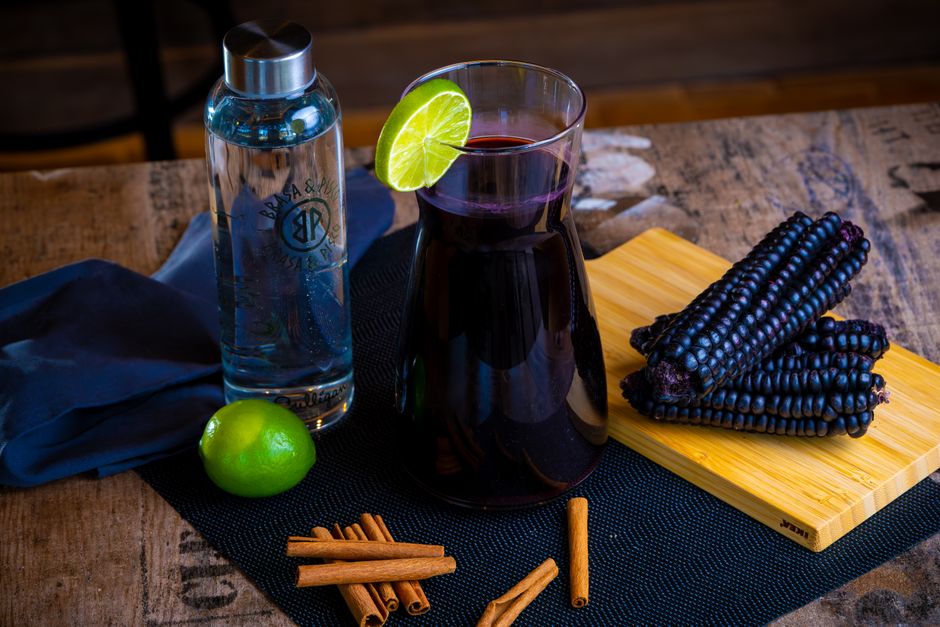
Ancient Inca rulers valued this fermented corn drink, not just for its buzz, but for its unique, earthy taste.
Chicha de jora is a staple in Andean communities, a cloudy, slightly sour beer made from germinated maize. Its production, involving chewing corn to initiate fermentation, dates back to pre-Inca times. This ritualistic beverage is central to festivals and social gatherings, embodying community spirit and a flavor cultivated over millennia. It's a taste deeply rooted in the land and its people, a far cry from modern soft drinks.
2. Iceland's Ancient Shark Secret
Bjarnarhöfn Shark Museum, Iceland
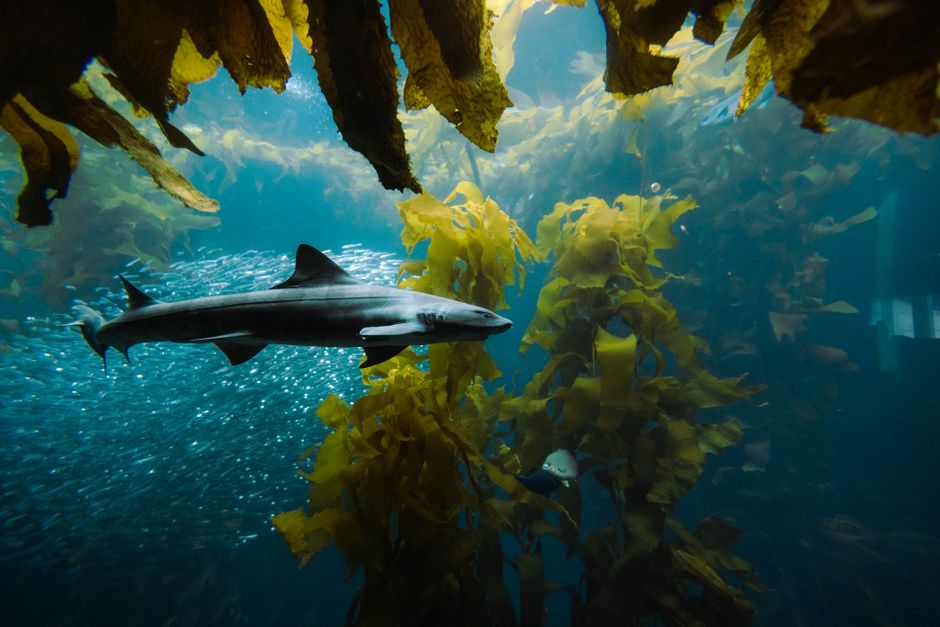
To survive the harsh Icelandic winters, Vikings developed a taste for shark meat so pungent, it needs months of fermentation to become edible.
Hákarl, or fermented shark, is a national dish of Iceland, known for its potent ammonia-rich aroma and acquired taste. Traditionally, Greenland shark (or basking shark) is buried in a shallow pit with stones pressing out its fluids, then hung to dry for several months. This ancient preservation method renders the toxic fresh shark meat safe to eat, transforming it into a chewy, fishy delicacy cherished by Icelanders, often paired with a shot of brennivín.
3. The Wriggling Heart of Sardinia
Sardinia, Italy
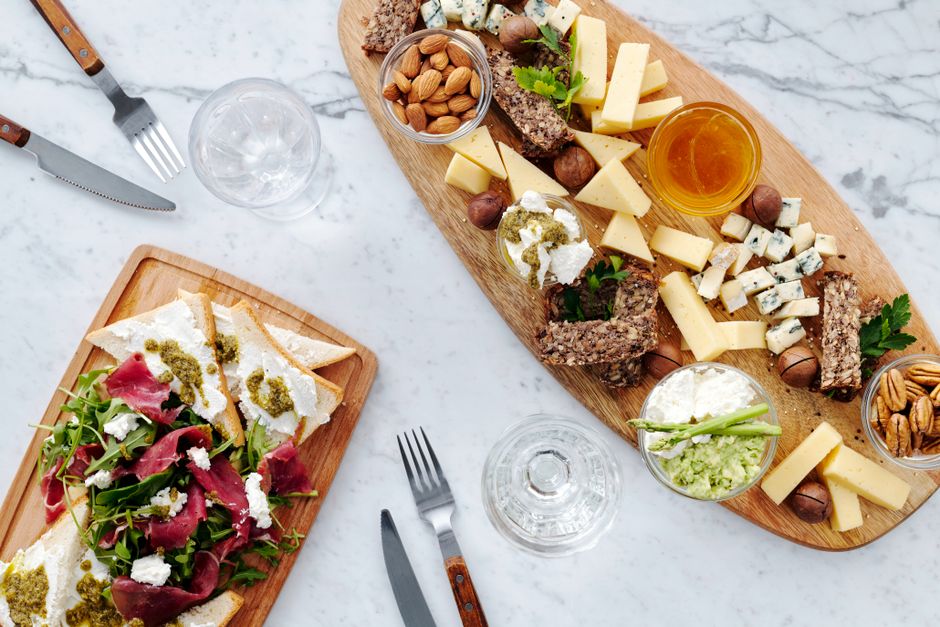
This Sardinian cheese, forbidden by EU law, is intentionally infested with live maggots to achieve its intensely pungent flavor.
Casu Marzu, meaning "rotten cheese," is a traditional Sardinian sheep milk cheese famous for containing live insect larvae. The maggots, introduced by the cheese fly, digest the fats, breaking down the cheese and creating a very soft, creamy texture and a distinct, potent flavor. While illegal for commercial sale due to health regulations, it remains a celebrated, if controversial, delicacy among locals, who believe the wriggling larvae signify its freshness.
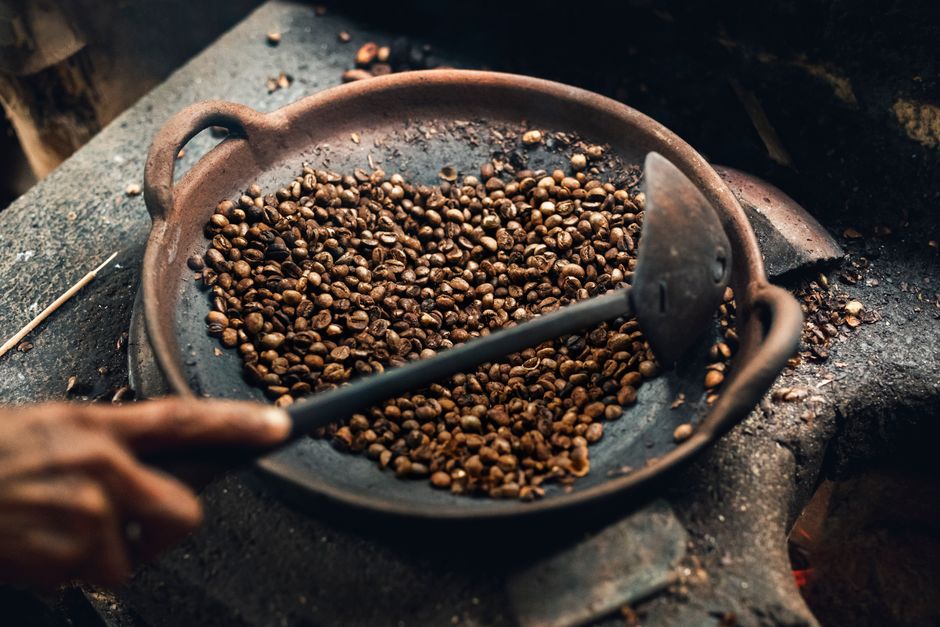
4. The Civet's Coffee Connoisseurship
Bali, Indonesia
The world's most expensive coffee bean isn't picked from a bush, but collected from the droppings of a specific Asian civet.
Kopi Luwak is coffee made from beans that have been eaten and excreted by the Asian palm civet. The civet's digestive enzymes are thought to break down the coffee cherry's fruit pulp, leading to a less bitter, smoother cup of coffee. Originating from Indonesia, this unique processing method has created a niche market for what some consider a truly exquisite, if unconventional, brew. The taste is said to be earthy, aromatic, and less acidic than regular coffee.
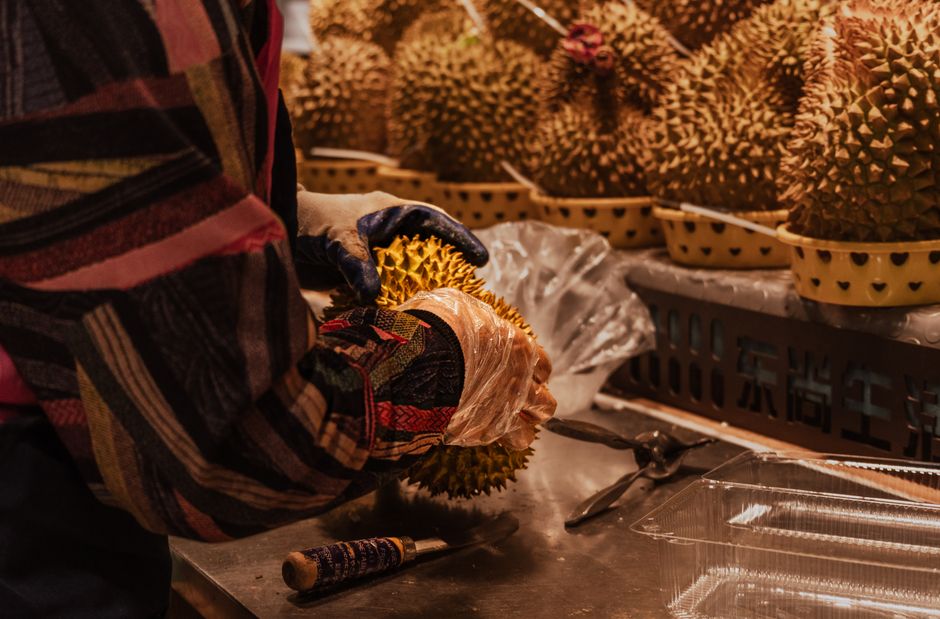
5. The King of Polarizing Fruit
Penang, Malaysia
Banned from many public spaces for its overwhelming odor, this spiky fruit is considered a prized delicacy across Southeast Asia.
The durian fruit, native to Southeast Asia, is infamous for its large size, thorny exterior, and incredibly potent aroma, often described as a mix of rotting onions, turpentine, and gym socks. Despite its polarizing smell, its creamy, sweet, and complex flesh is adored by many, who hail it as the "king of fruits." Its unique flavor profile is so intense, it's an experience in itself, challenging perceptions of what fruit can be.
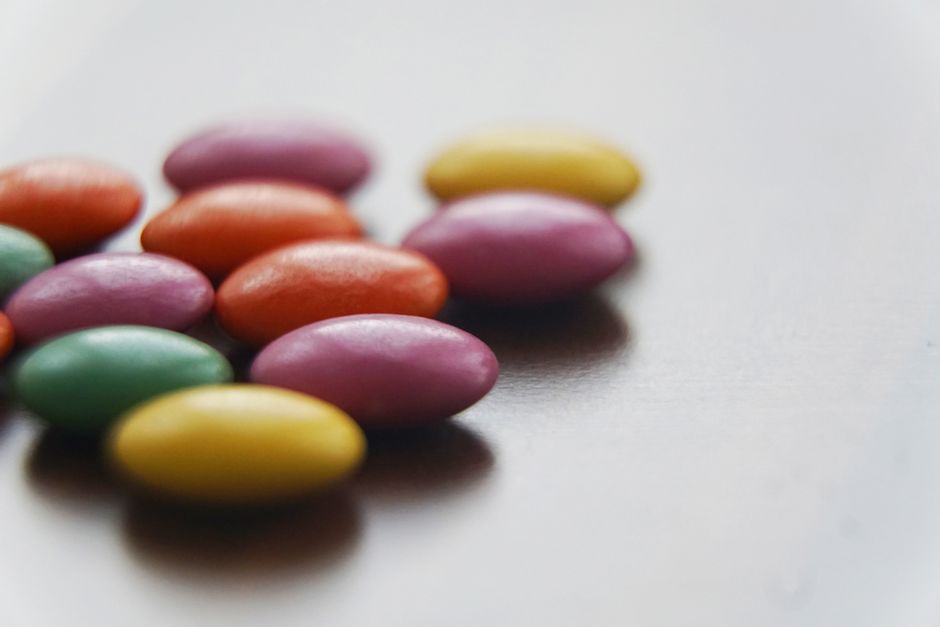
6. Finland's Salty Licorice Obsession
Helsinki, Finland
Finns embrace a unique form of licorice that's aggressively salty and often infused with ammonium chloride, a flavor many foreigners find baffling.
Salmiakki, or salty licorice, is a beloved confection in Finland and other Nordic countries. Unlike sweet licorice, salmiakki's distinctive pungent, salty taste comes from ammonium chloride, which gives it a sharp, almost biting edge. This intense flavor is an acquired taste for most outsiders, but for Finns, it's a nostalgic treat, found in candies, ice cream, and even alcoholic shots, embodying a unique national palate.
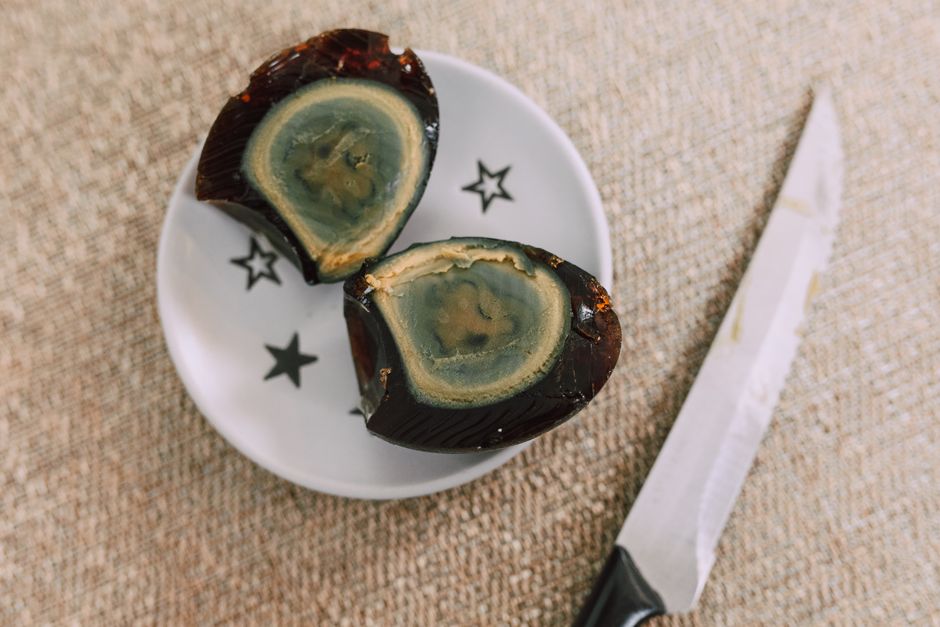
7. China's Ancient Preserved Eggs
Beijing, China
For centuries, Chinese gourmands have cherished duck eggs preserved for months until their yolks turn dark green and their whites become a translucent amber.
Century eggs, also known as pidan, are a Chinese delicacy made by preserving duck, chicken, or quail eggs in a mixture of clay, ash, salt, quicklime, and rice hulls for several weeks to several months. The process transforms the egg, giving the white a jelly-like texture and dark, translucent appearance, while the yolk turns a dark green to black with a creamy consistency. The flavor is complex, with an umami richness and a unique sulfurous aroma, a taste cultivated over hundreds of years.
Frequently asked questions
Why do tastes differ so much between cultures?
Taste preferences are deeply influenced by cultural history, available ingredients, traditional preservation methods, and even genetics. What's considered a delicacy in one region might be unfamiliar or even off-putting in another, often due to centuries of adaptation to local resources and culinary practices.
Are these "disgusting" foods safe to eat?
Most traditional foods, even those with unusual appearances or strong flavors, are safe when prepared correctly according to local customs. The "disgusting" reaction often stems from unfamiliarity with ingredients or preparation methods, rather than inherent danger. However, always consume such foods from reputable sources.
How do environmental factors shape culinary traditions?
Environment plays a massive role, dictating what foods are available and how they must be preserved. In harsh climates, fermentation or drying might be essential for survival, leading to unique flavor profiles like those found in fermented shark. Resourcefulness often sparks culinary innovation.
How can I learn more about the history behind these unique foods while traveling?
AllTours.ai helps you go beyond the surface. Simply point your phone camera at a landmark, a market, or even a local dish, and the app will narrate its history, geology, and cultural significance in your language, revealing the hidden stories that make each place and its traditions truly special.
Related guides
Photography via Pexels. AllTours.ai is an AI audio tour guide — point your camera at any landscape and hear its story.