Welcome to Castle Combe, a picturesque village nestled in the heart of the Cotswolds, where time seems to have gracefully stood still for centuries. Often hailed as England's prettiest village, its charming streets and honey-coloured stone cottages invite you to step into a living postcard. Prepare to be enchanted by a place that truly embodies the quintessential English dream.
This self-guided audio tour, powered by AllTours.ai, will unlock the hidden narratives behind Castle Combe's stunning facade. As you explore, simply point your camera at landmarks to reveal fascinating tales, from its medieval past to unique traditions like its famous council tax exemption, which helps maintain its pristine, untouched beauty. Let's uncover the secrets of this perfectly preserved gem.
Watch the 20-second tour
What you'll hear on this tour
Stop 1. The Historic Market Cross
The Market Cross stands proudly at the heart of Castle Combe, a testament to its vibrant medieval past as a bustling market town. Granted its market charter in 1261, this stone cross marked the central trading point where local produce and goods were exchanged. Imagine the lively chatter and commerce that once filled this square! It serves as a symbolic reminder of the village's economic importance centuries ago and its enduring community spirit. Look closely at the wear on the stone – each mark tells a silent story of countless hands and footsteps over hundreds of years.
Stop 2. St. Andrew's Church
Dominating the village skyline, St. Andrew's Church is a magnificent structure with roots stretching back to the 13th century, though much of its current form dates from the 15th century. Inside, you'll find remarkable historical features, including a faceless clock from the 15th century and a crusader's tomb, said to belong to a de Dunstanville lord. Legend has it that the clock was made without a face to prevent villagers from knowing when to stop working, ensuring continuous labour for the local lord. This church truly encapsulates centuries of faith and local history.
Stop 3. The Iconic Bybrook Bridge
This charming stone bridge, spanning the gentle Bybrook River, offers one of the most iconic and frequently photographed views of Castle Combe. It's the quintessential postcard shot, with the river meandering past ancient cottages and the church spire peeking through the trees. The Bybrook has been the lifeblood of the village for centuries, powering local mills and providing water. Take a moment here to absorb the serene beauty and consider how this landscape has remained largely unchanged, a true testament to the village's commitment to preservation.
Stop 4. The Manor House Hotel
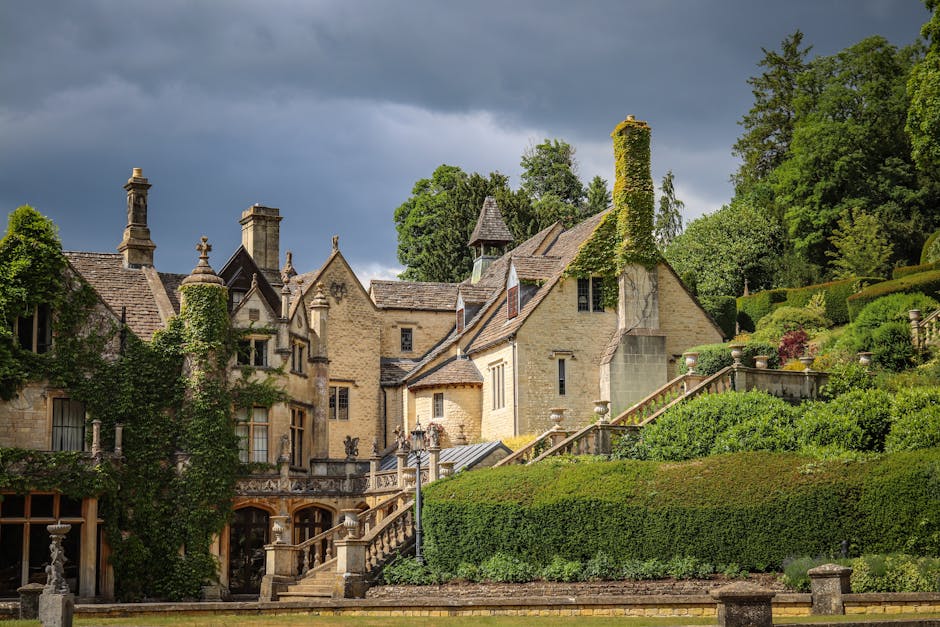
While now an acclaimed luxury hotel, The Manor House stands on the site of the original Castle Combe castle, a Norman stronghold built by the Dunstanville family. Although the castle itself is long gone, its legacy lives on in the grandeur of this impressive 17th-century country house, which was significantly expanded in the 19th century. Imagine the powerful families who once resided here, shaping the village's destiny. The extensive grounds and architecture offer a glimpse into the aristocratic history that underpins this quaint village.
Stop 5. Quaint Cotswold Cottages
Wander along the main street and you'll be surrounded by the exquisite Cotswold stone cottages that define Castle Combe's unique charm. Notice the distinct honey-coloured limestone, quarried locally, which gives the entire village its cohesive and timeless appearance. Each cottage, many dating back hundreds of years, tells a story of generations of villagers. Look for the Dower House, a particularly picturesque example. These homes are not just pretty facades; they are living pieces of history, meticulously preserved, thanks in part to the village's unique council tax exemption which encourages residents to maintain their historic properties.
Planning your visit
- Best time to go
- Early morning or late afternoon, especially during spring or autumn, to avoid crowds and enjoy softer light.
- Approximate duration
- About 60-90 minutes, allowing time for photos and leisurely exploration.
- Where to start
- The main car park at the top of the village, then walk down the hill towards the Market Cross, which is your first stop.
Access and conditions change seasonally — check the official site before you go.
Frequently asked questions
Is it true that residents of Castle Combe don't pay council tax?
Yes, it's a well-known local tradition! While not an official government exemption, a trust fund was established centuries ago to cover the village's council tax, encouraging residents to maintain the historic appearance of their properties. This unique arrangement has significantly contributed to Castle Combe's pristine, untouched beauty.
Where is the best place to park when visiting Castle Combe?
There is a main car park located at the top of the village, a short walk from the central area. Parking directly within the main village streets is very limited and often discouraged to preserve the village's character. Follow signs for visitor parking upon arrival.
Are there any places to eat or drink within the village?
Yes, despite its small size, Castle Combe offers a few charming options. You'll find traditional English pubs, such as The Castle Inn and The White Hart, offering meals and refreshments. The Manor House Hotel also has dining facilities, providing a range of choices from casual to fine dining.
Keep exploring
Photography via Pexels. AllTours.ai is an AI audio tour guide — point your camera at any landmark and hear its story.