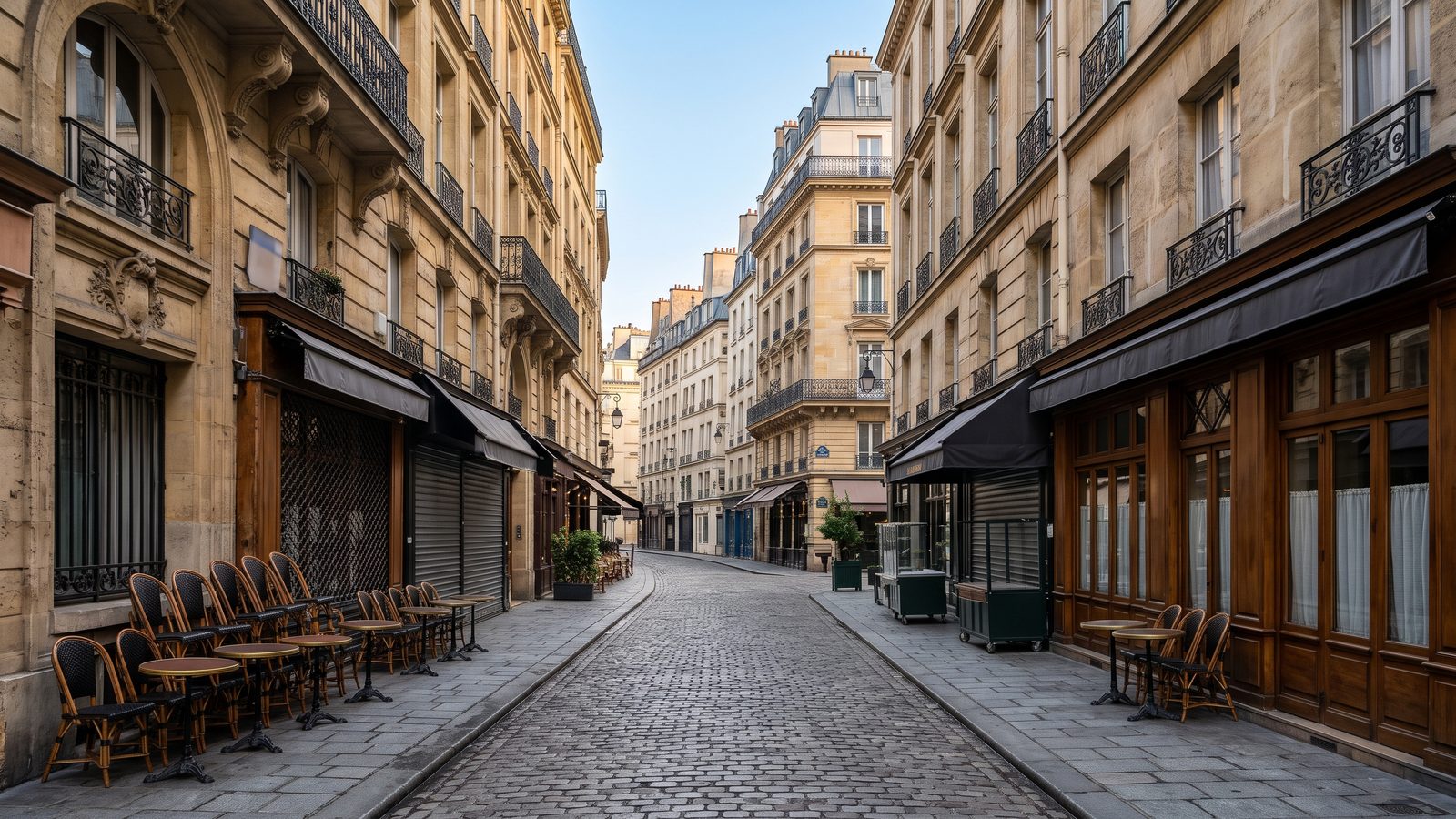
Step onto the historic cobblestones of Rue Montorgueil, one of Paris's most vibrant and authentic market streets. Escaping the sweeping nineteenth-century renovations of Baron Haussmann, this historic thoroughfare retains its intimate medieval layout and vibrant neighborhood charm. As you wander past colorful storefronts, bustling café terraces, and artisanal food shops, you will experience a living tapestry of Parisian history, culture, and world-class gastronomy.
This self-guided audio tour leads you through the street's rich past and lively present. Discover historic patisseries, admire rare pre-Haussmann architecture, and learn how centuries of market traditions continue to shape everyday life in the heart of Paris.
What you'll hear on this tour
Stop 1. The Pulse of Daily Life
As you step onto Rue Montorgueil, you step directly into the rhythmic heartbeat of daily Parisian life. Look around and notice how locals greet market vendors, carefully selecting fresh produce while catching up on neighborhood news. This is far more than routine grocery shopping; it is a cherished social ritual that keeps community bonds alive. The rich aroma of fresh pastries wafts from Stohrer, reminding you of France's celebrated culinary heritage. Take a moment to watch people lingering at outdoor café tables, engaging in lively debate or quietly observing passersby. By strolling this historic thoroughfare, you join the timeless tradition of the flâneur, fully immersing yourself in authentic street culture.
Stop 2. A Feast for the Senses
You are walking through what is effectively a grand open-air pantry, where local bistros and classic brasseries draw daily inspiration directly from nearby market stalls. As you look around, you see chefs selecting seasonal produce, fresh catches, and artisanal cheeses to create timeless French dishes. Imagine sitting at a small outdoor terrace, enjoying classic meals like sole meunière or rich bœuf bourguignon prepared from these morning finds. Make sure to notice Stohrer, established in 1730 as Paris's oldest patisserie, where you can indulge in a historic baba au rhum. From the rich aroma of roasting coffee to simmering sauces, dining here connects you directly to the soul of French culinary art.
Stop 3. Centuries of Market History
You are standing on an ancient thoroughfare known as Mount Pride, or Mont Orgueil, which has served as a vital artery since the thirteenth century. Long before Paris built its grand nineteenth-century boulevards, this narrow street funneled agricultural produce, fresh fish, and farm goods directly from the countryside to the central market at Les Halles. Unlike much of the city, Rue Montorgueil escaped Baron Haussmann's broad demolitions, preserving its medieval layout and original character. As you walk past bustling storefronts, notice Stohrer patisserie, founded in 1730 by Nicolas Stohrer, the personal pastry chef to Queen Marie Leszczynska. You are following in the footsteps of centuries of hungry Parisians on this historic road.
Stop 4. Artisanal Treasures and Tradition
As you explore the vibrant stalls along Rue Montorgueil, you discover that shopping here is a sensory celebration of French craftsmanship. Your eyes immediately draw to Stohrer, the oldest patisserie in Paris, where irresistible aromas of baking pastries have lingered since 1730. Nearby, dedicated cheesemongers stand behind counters packed with regional treasures, ready to help you select a perfectly aged Comté or Roquefort. Further down, fishmongers display fresh catches on gleaming beds of ice while green grocers display colorful seasonal harvests. You are not just purchasing food; you are taking part in a historic daily ritual where local producers and passionate food lovers connect over quality, tradition, and taste.
Stop 5. Pre-Haussmann Parisian Charms
Lift your eyes above the lively shopfronts to discover a rare architectural glimpse of pre-nineteenth-century Paris. Unlike the rigid symmetry of Haussmann's grand avenues, these historic buildings showcase varied heights, misaligned windows, and subtle undulations that reveal underlying timber frames beneath pale limestone and stucco façades. Notice the historic shopfronts at ground level, many keeping their original carved wooden frames, delicate glass panes, and hand-forged ironwork. Higher up, unique wrought-iron balconies burst with colorful flowers, while charming dormer windows peek out from slate and zinc rooflines. Each building tells a story of organic, human-scaled growth, offering an intimate glimpse into centuries of evolving Parisian domestic architecture and urban life.
Stop 6. The Art of the Stroll
Feel the worn, ancient cobblestones beneath your feet as your pace naturally slows to match the unhurried rhythm of this pedestrian haven. As you walk along Rue Montorgueil, you gently weave through lively streams of shoppers, florists' floral displays, and fruit vendors. Your senses remain constantly engaged as the aroma of warm bread mingles with fresh flowers and rich cheeses. You might pause to hear a street musician perform or listen to animated chatter filtering from café terraces. The street’s cozy, narrow proportions create an intimate atmosphere, inviting you to embrace the role of an active participant in a living urban theater as you explore every step.
Planning your visit
- Best time to go
- Morning to early afternoon when market stalls, bakeries, and food shops are most active.
- Approximate duration
- About 45 to 60 minutes
- Where to start
- Rue Montorgueil (near Metro Sentier or Les Halles)
Access and conditions change seasonally — check the official site before you go.
Frequently asked questions
Is Rue Montorgueil worth visiting?
Yes, Rue Montorgueil offers an authentic slice of Parisian daily life, historic pre-Haussmann architecture, and legendary food shops like Stohrer, Paris's oldest patisserie.
How long do you need at Rue Montorgueil?
A leisurely stroll takes about 45 to 60 minutes, though you may want extra time to stop at outdoor cafés, bakeries, or artisanal market stalls.
What is the history behind Rue Montorgueil?
Dating back to at least the 13th century, Rue Montorgueil served as a key route bringing produce and goods to Les Halles market. Its name refers to 'Mount Pride' (Mont Orgueil), a historic elevation in the area.
Keep exploring
Header image is an AI-generated illustration of Rue Montorgueil. AllTours.ai is an AI audio tour guide — point your camera at any landmark and hear its story.