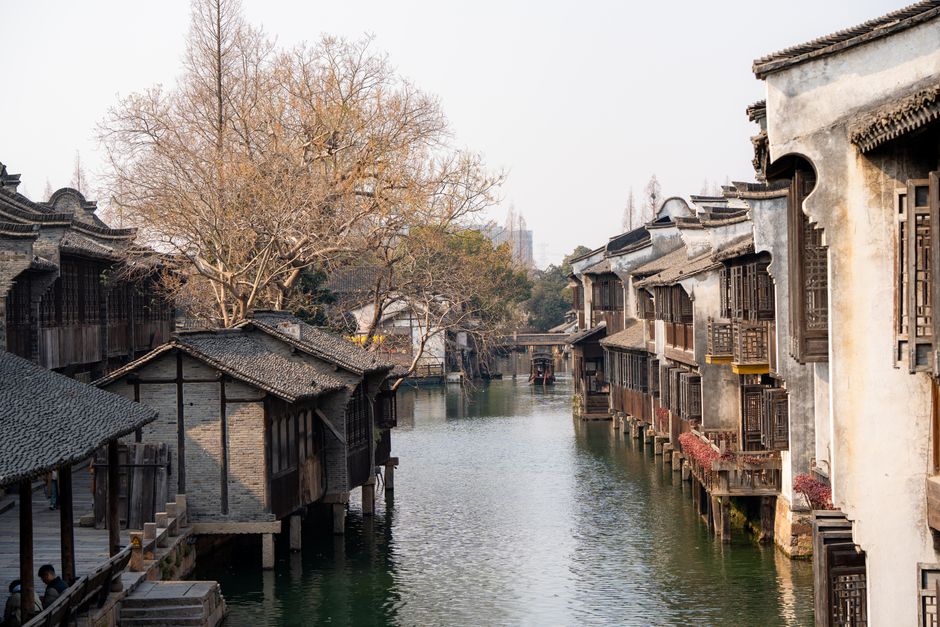
Step into a realm where ancient Chinese poetry feels alive, a place where time seems to slow down. Wuzhen Water Town, nestled in the heart of China's Jiangnan region, offers a captivating glimpse into a bygone era. Its labyrinthine canals, stone bridges, and traditional timber homes tell tales of centuries of vibrant history and culture.
This self-guided journey invites you to explore Wuzhen's unique charm, from its bustling markets to its tranquil back alleys. Discover how its waterways have shaped daily life for generations, uncover the secrets held by its ancient architecture, and imagine the lives of the people who have called this enchanting town home. AllTours.ai brings these stories to life as you wander.
What you'll hear on this tour
Stop 1. Shuangqiao (Bridge of Bridges)
Known locally as the 'Bridge of Bridges,' Shuangqiao is actually two separate bridges, Shide Bridge and Gongshen Bridge, meeting at an angle. This unique configuration creates a captivating reflection on the water, often lauded by poets. Historically, these bridges served more than just passage; they were vital connectors for distinct clan districts, each with its own customs and traditions. Locals believe that walking over both bridges in one visit brings good fortune and a harmonious life, symbolizing the merging of paths and destinies within the ancient town.
Stop 2. Hongyuantai Dyehouse
Step into the vibrant world of the Hongyuantai Dyehouse, where the ancient art of indigo dyeing continues to thrive. For centuries, this workshop has produced the distinctive blue and white patterned fabrics that are synonymous with Wuzhen. Observe the massive drying racks adorned with bolts of newly dyed cloth, billowing in the breeze, a truly iconic sight. This craft was not just about aesthetics; indigo fabric was once a crucial part of daily life, providing clothing and household textiles for generations of Wuzhen residents, reflecting their connection to nature and tradition.
Stop 3. Wuzhen Water Market
The bustling Water Market in Wuzhen offers a lively glimpse into the town's enduring traditions of commerce and daily life. Here, local vendors conduct their business directly from small wooden boats, selling fresh produce, fish, and handcrafted goods. This age-old practice highlights how intricately the waterways are woven into the fabric of Wuzhen life, serving as the primary arteries for transport and trade. Imagine the chatter and bartering that have echoed across these canals for centuries, a testament to Wuzhen's living history as a vibrant water town.
Stop 4. Ancient Bed Museum
Delve into the fascinating world of Chinese domestic life at the Ancient Bed Museum. This unique collection showcases dozens of elaborately carved wooden beds, some dating back to the Ming and Qing dynasties. More than just furniture, these beds were often the most prized possessions in a household, reflecting social status, wealth, and intricate craftsmanship. Each bed tells a silent story of family life, marriage customs, and the artistic traditions of its era, offering a rare window into the private spheres of Wuzhen's past residents. The detail is truly astounding.
Stop 5. Mao Dun's Former Residence
Explore the former residence of Mao Dun, one of China's most renowned modern writers and a native of Wuzhen. This well-preserved traditional compound offers insights into the life and times of a literary giant, as well as the typical domestic architecture of the Jiangnan region. Wander through his study, bedrooms, and courtyards, imagining the inspiration he drew from his hometown's serene beauty and bustling life. The house reflects the blend of scholarly pursuit and traditional living that characterized many prominent families in Wuzhen, connecting the town to significant cultural movements.
Planning your visit
- Best time to go
- Spring (March-May) and Autumn (September-November) offer the most pleasant weather. Visit early in the morning or late afternoon to experience the town's tranquility and beautiful light, and to avoid peak crowds.
- Approximate duration
- About 3-4 hours, depending on how many attractions you choose to enter and how leisurely your pace.
- Where to start
- Begin your exploration at the main entrance to the Xizha Scenic Zone. You'll recognize it by the large ticketing hall and prominent archway, typically bustling with visitors.
Access and conditions change seasonally — check the official site before you go.
Frequently asked questions
Is Wuzhen still a living town, or is it purely a tourist attraction?
Wuzhen is unique in that it remains a vibrant, living town. While it has been carefully preserved and developed for tourism, many local residents still reside here, using the canals for daily transport and maintaining traditional crafts and lifestyles. This blend offers visitors an authentic glimpse into its enduring culture.
What's the difference between the East (Dongzha) and West (Xizha) Scenic Zones?
The East Scenic Zone (Dongzha) is generally considered more authentic and less commercialized, offering a quieter experience of local life. The West Scenic Zone (Xizha) is larger, more developed, and features more attractions, restaurants, and guesthouses, making it popular for longer visits and night views. Both offer unique charms.
Can I take a boat ride in Wuzhen?
Yes, boat rides are a quintessential Wuzhen experience and highly recommended. You can enjoy traditional hand-rowed boats along the canals, offering a unique perspective of the ancient architecture and daily life from the water. Check the official Wuzhen site for current operating times and fares, as these can vary.
Keep exploring
Photography via Pexels. AllTours.ai is an AI audio tour guide — point your camera at any landmark and hear its story.