November 11, 2026 · 4 min read
Berlin, a city etched by history, often conjures images of ancient gates and poignant memorials. Yet, beneath this rich past, a different narrative unfolds—one of audacious rebuilding and visionary design. Post-war and post-reunification, Berlin became an unparalleled canvas for modern architects, transforming its urban fabric with structures that challenge, inspire, and redefine.
Forget the usual landmarks for a moment. This guide invites you to explore a lesser-seen Berlin: a city where industrial relics find new life, where the unexpected lies behind a demure facade, and where every concrete slab and glass pane tells a story of innovation. Spend a day uncovering the architectural marvels that reflect Berlin's relentless spirit of reinvention.
1. The Art Gallery in a Brutalist Church
Kreuzberg, Berlin, Germany
A concrete brutalist church, once an austere place of worship, now hosts avant-garde art exhibitions.
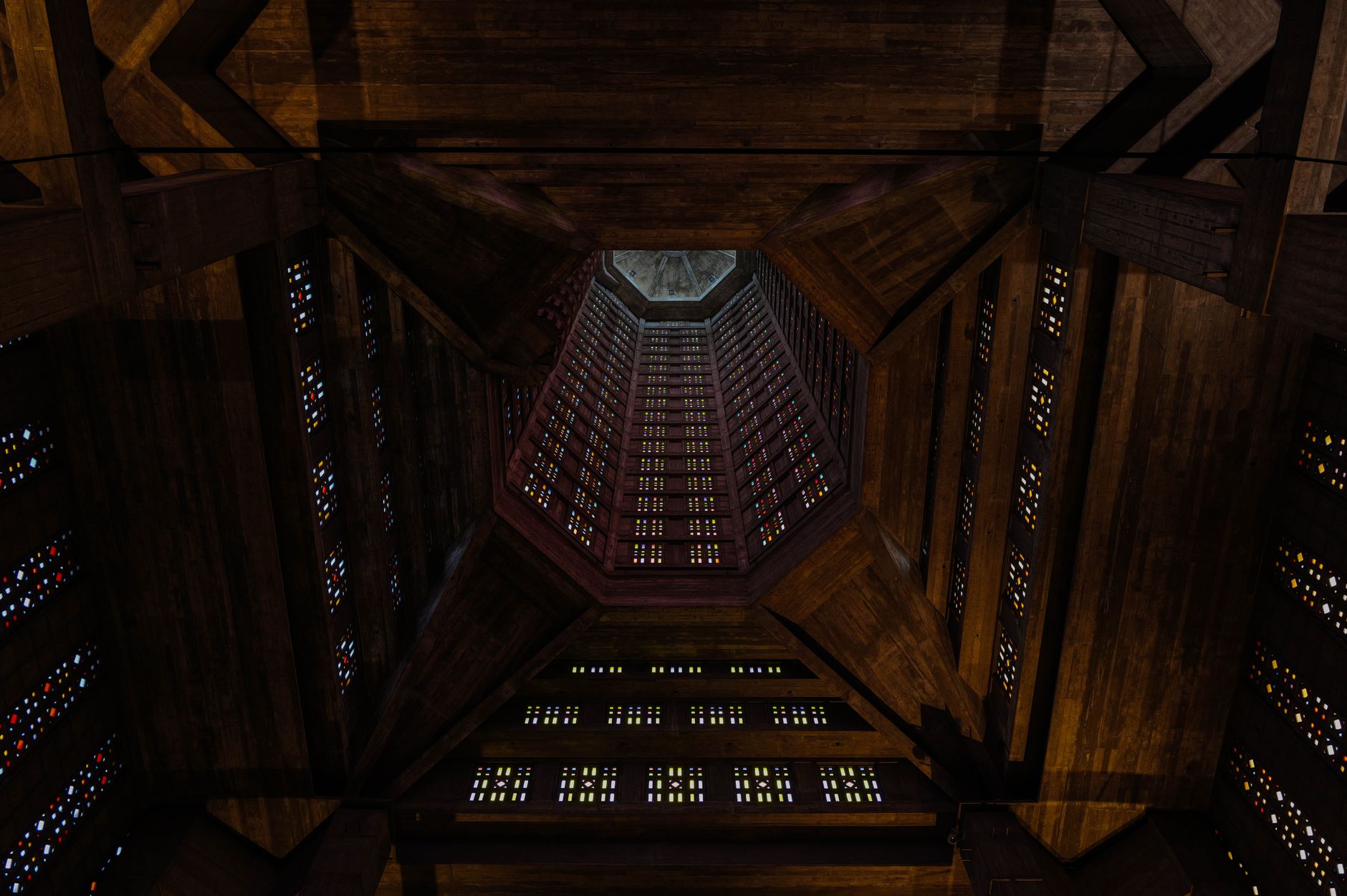
Built in the 1960s, St. Agnes was designed by Werner Düttmann as a monolithic brutalist sanctuary. Its raw concrete and stark geometry served a dwindling congregation for decades. In 2015, gallerist Johann König transformed the vast, light-filled nave into his eponymous gallery, König Galerie, preserving its architectural integrity while injecting a vibrant new cultural purpose. The conversion highlights how resilient and adaptable modern architectural forms can be.
2. The Transformed Gas Giant
Schöneberg, Berlin, Germany
This colossal former gas storage tank, once powering a district, now serves as a symbol of Berlin's energy transition and a unique event space.
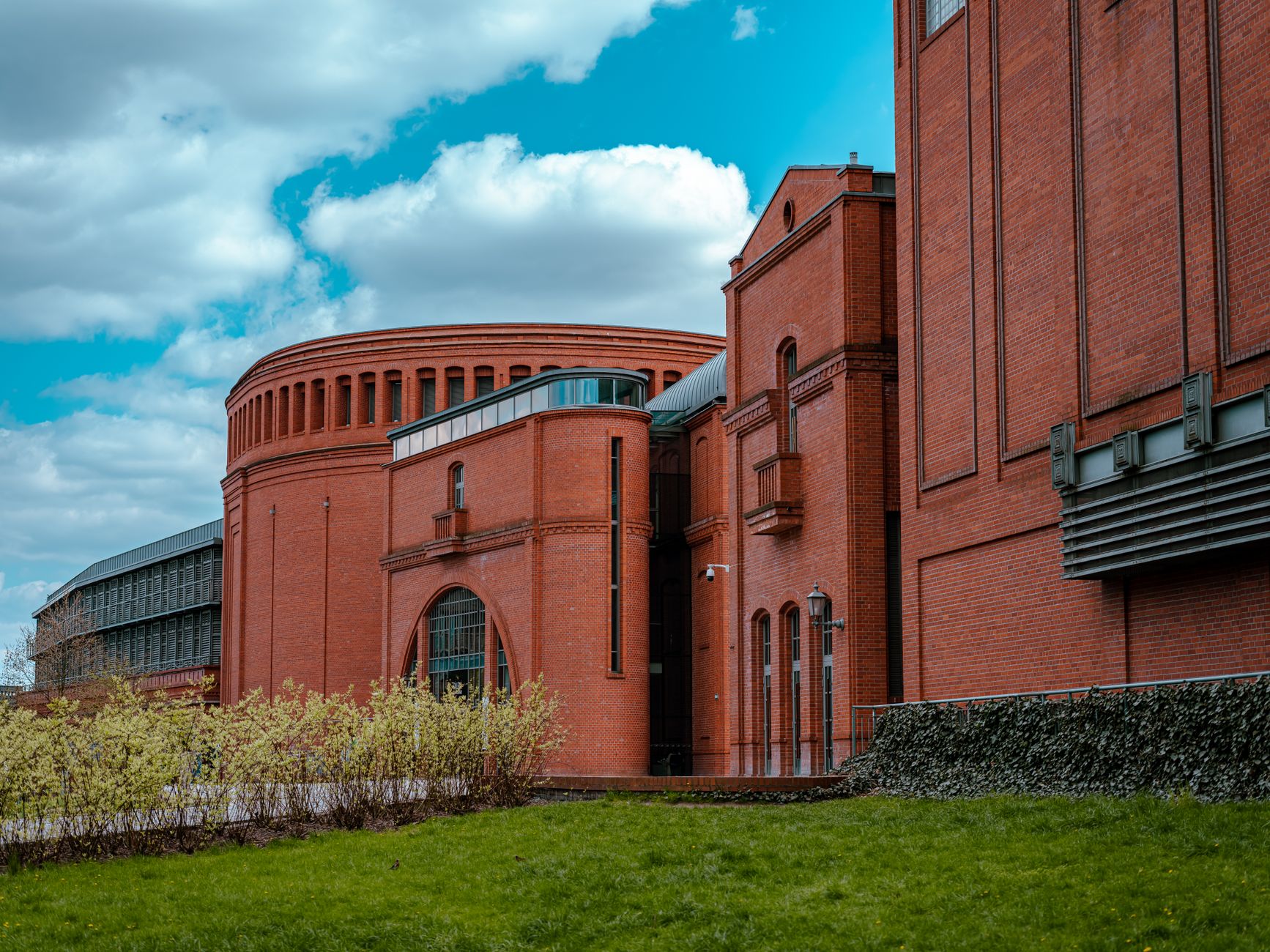
Dominating the Schöneberg skyline, the Gasometer is a relic of industrial might, a massive cylindrical structure built in 1910 to hold city gas. After its decommission in the 1990s, it lay dormant until a visionary redevelopment plan transformed it into an innovative urban quarter. Today, its exposed steel framework houses offices and research facilities, while the vast interior occasionally hosts spectacular events, demonstrating how industrial heritage can be repurposed for sustainable urban futures.
3. The House of Futures
Mitte, Berlin, Germany
This 'house of futures' isn't just about what's next; its very design integrates cutting-edge sustainability and innovative exhibition spaces.
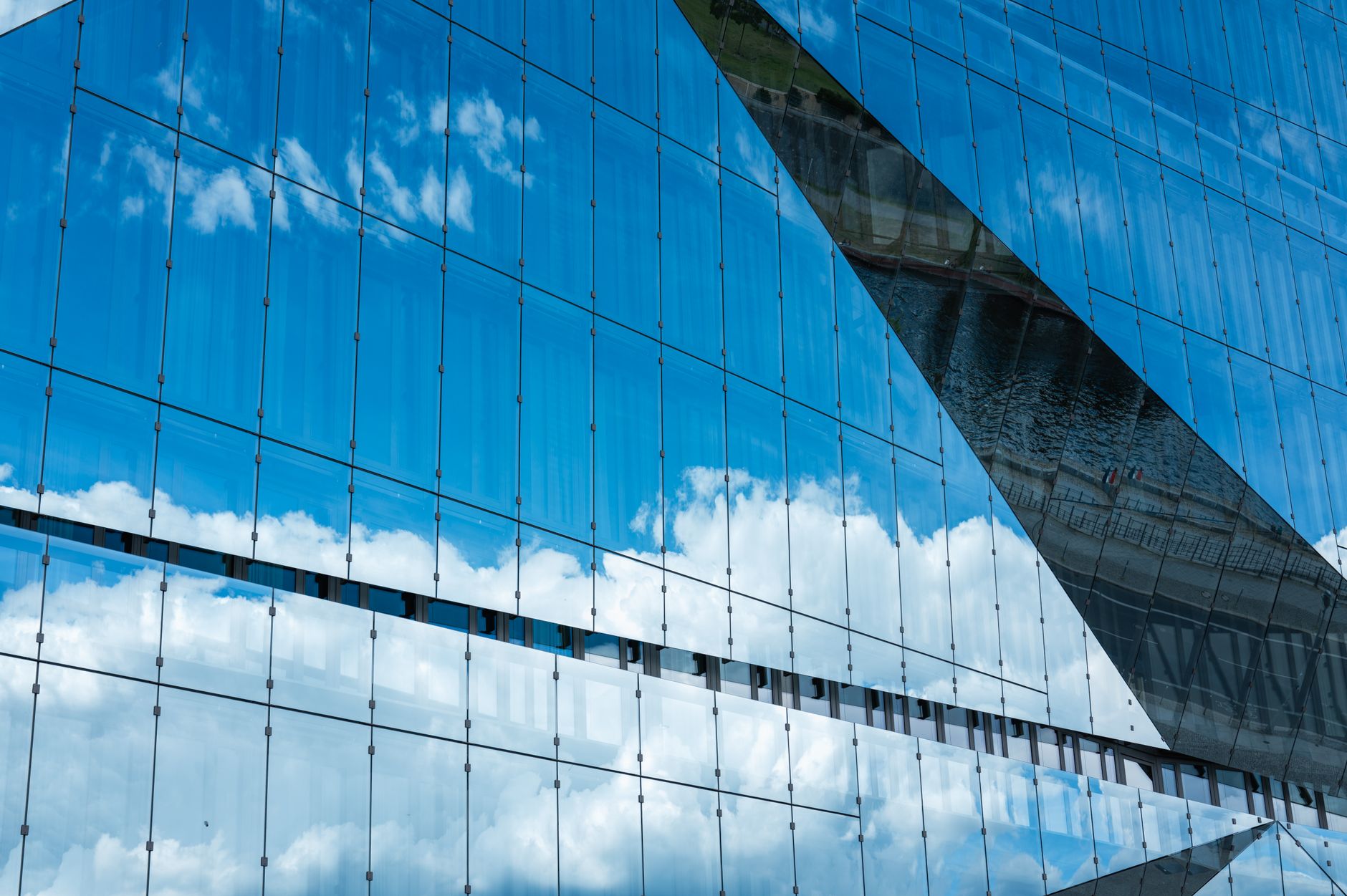
Opened in 2019, the Futurium is a striking modern building dedicated to exploring the future of humanity and technology. Designed by Richter Musikowski, its architecture is a testament to sustainable innovation, featuring a distinctive cantilevered roof and large panoramic windows that blur the lines between inside and out. The building itself acts as a third exhibitor, showcasing environmentally conscious design, from its energy-efficient facade to its intelligent climate control systems, embodying the very future it exhibits.
4. The Canyon of Knowledge
Mitte, Berlin, Germany
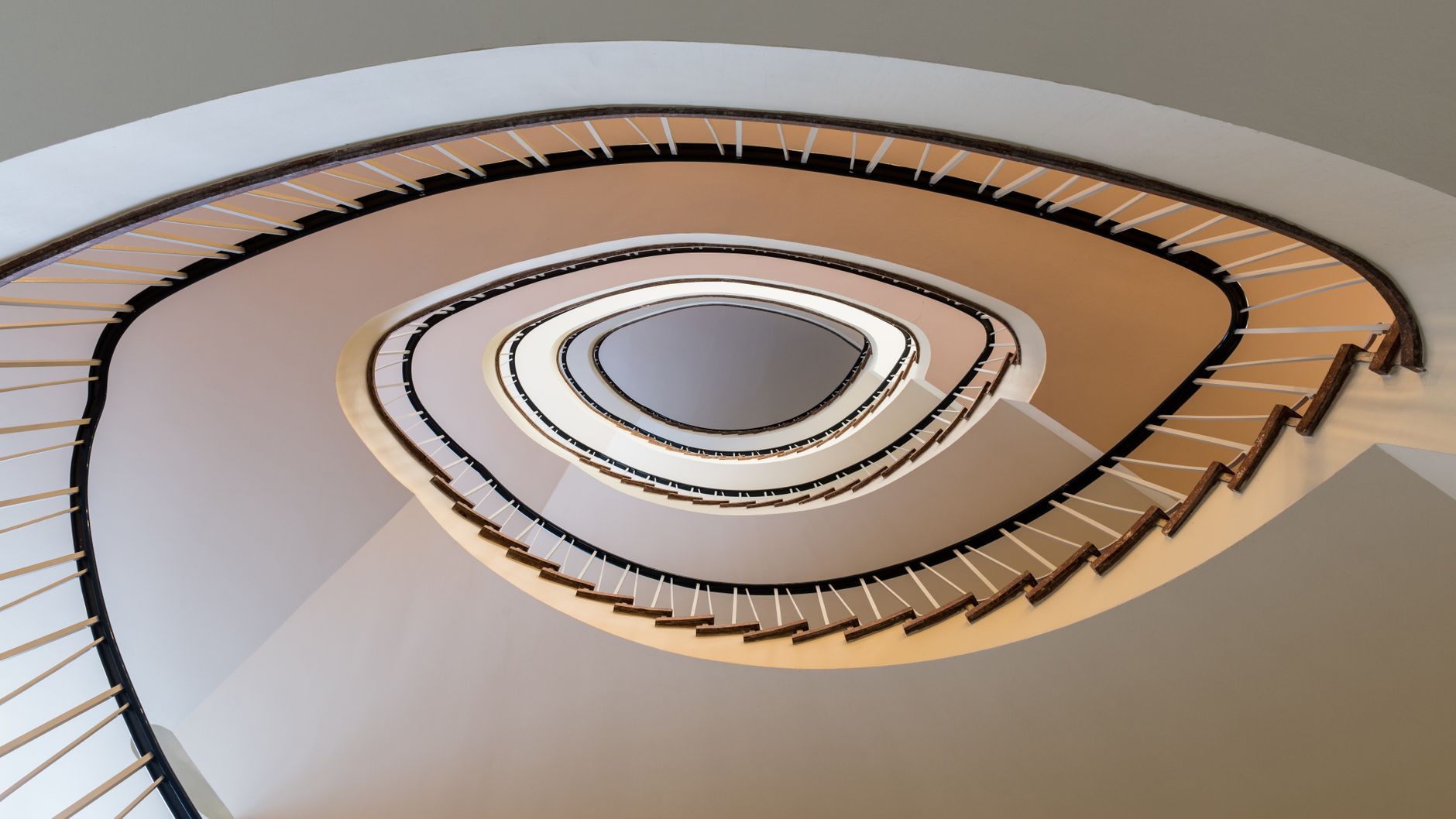
While a repository of ancient texts, this university library’s interior resembles a monumental, stepped landscape of knowledge.
Designed by Max Dudler and completed in 2009, the Jacob-und-Wilhelm-Grimm-Zentrum is Humboldt University's main library, a contemporary masterpiece that reimagines the traditional library space. Its most striking feature is the central reading room: a vast, terraced canyon of books and study carrels, rising eight stories high. This architectural 'valley of knowledge' fosters quiet contemplation while optimizing natural light and air circulation, creating a truly inspiring environment for learning and research.
5. The Diagonal Atrium Office
Kreuzberg, Berlin, Germany
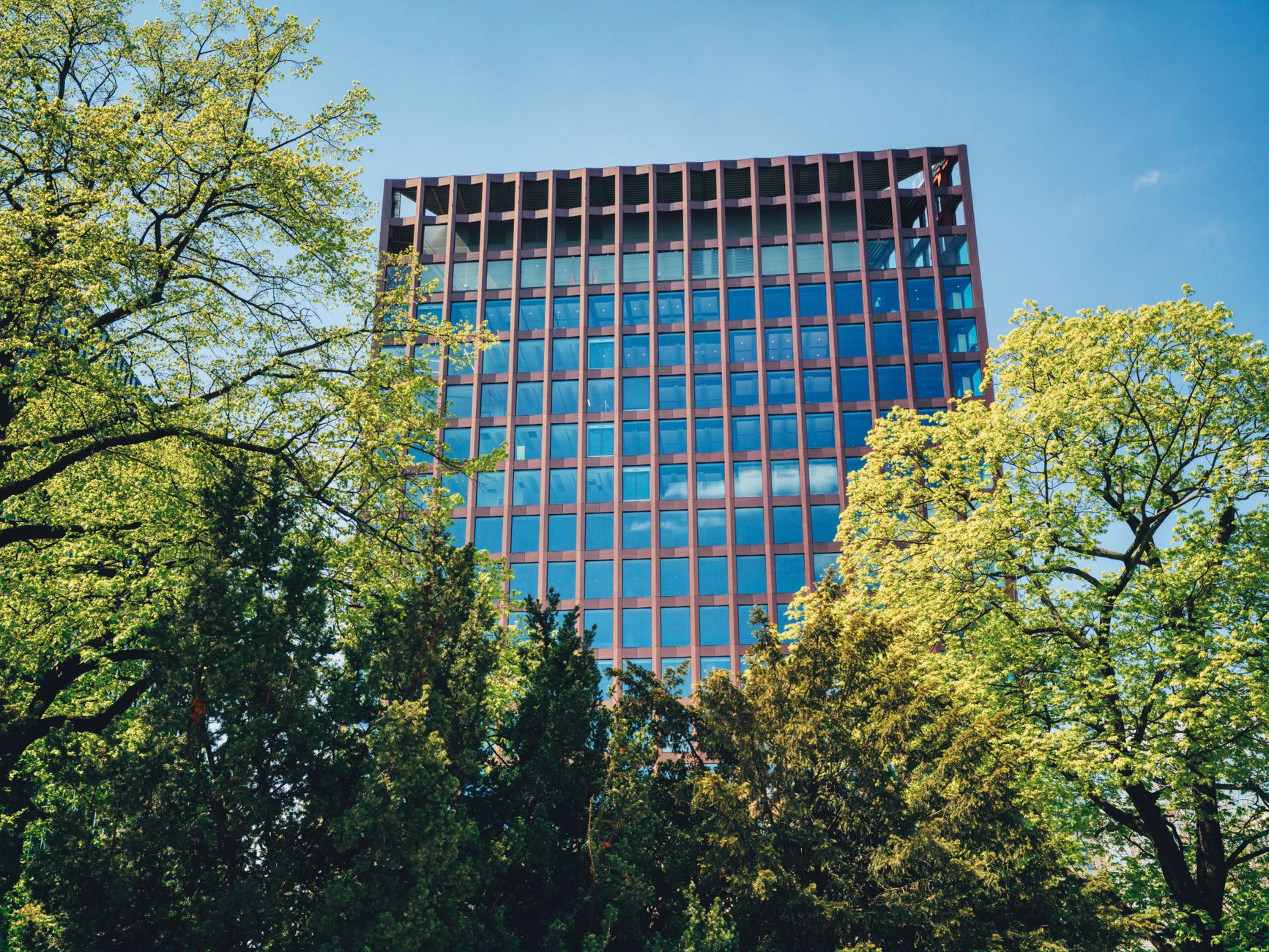
This publishing house’s new headquarters features a massive, diagonal atrium slicing through its core, designed to encourage spontaneous interactions.
Completed in 2020 by OMA (Office for Metropolitan Architecture), the Axel Springer Neubau is a bold statement in contemporary office design. Its most defining characteristic is the gigantic, glazed atrium that diagonally cuts through the building's entire height, creating a series of interconnected terraces and platforms. This dramatic void is more than just an aesthetic feature; it's a deliberate attempt to foster collaboration and transparency among employees, reflecting the digital-first ethos of the media company within its very structure.
6. The Uniting Bridge Building
Mitte, Berlin, Germany
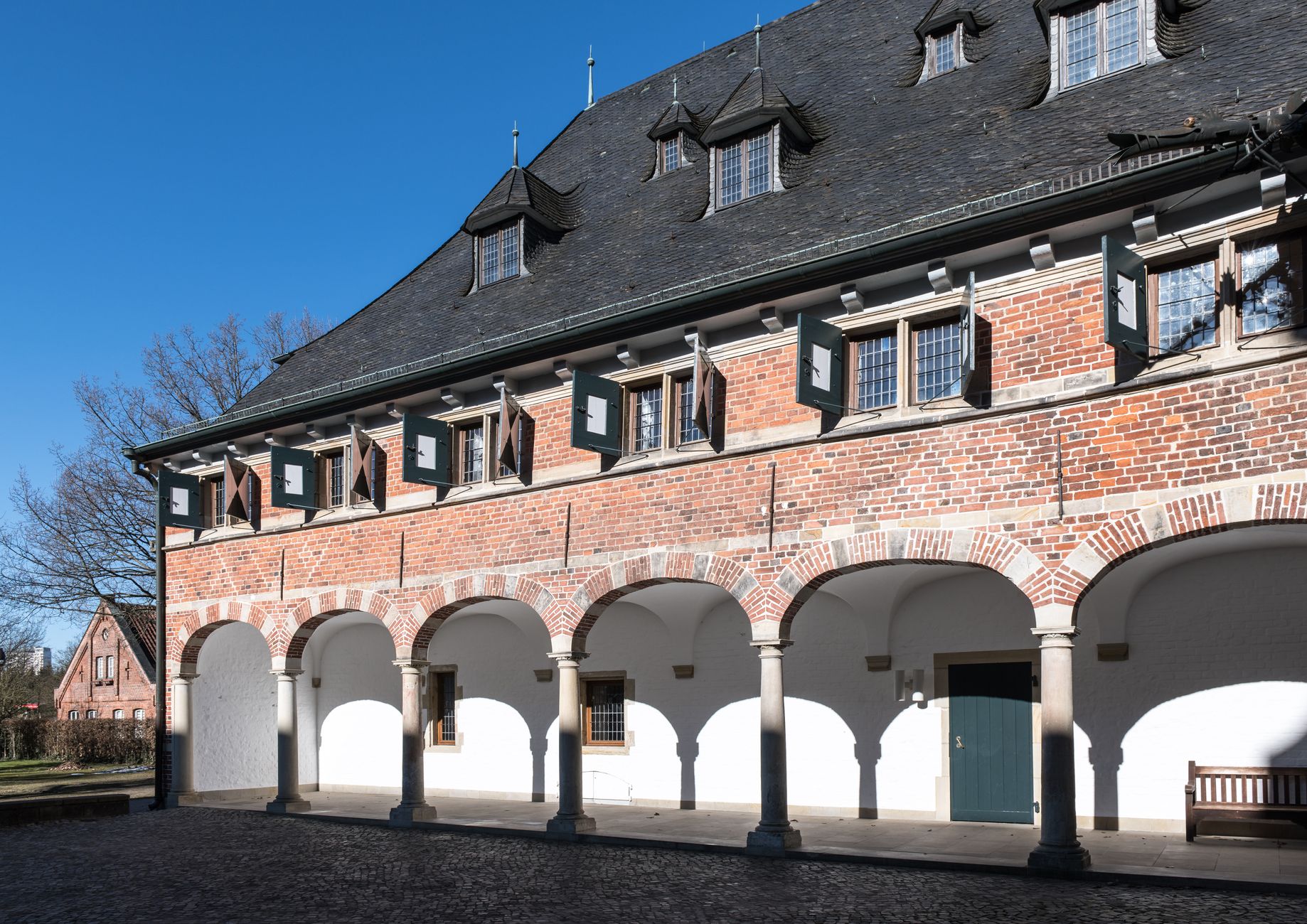
Part of Berlin's governmental 'Band des Bundes,' this parliamentary building boasts a unique footbridge connecting it directly to its counterpart across the Spree River, symbolizing unity.
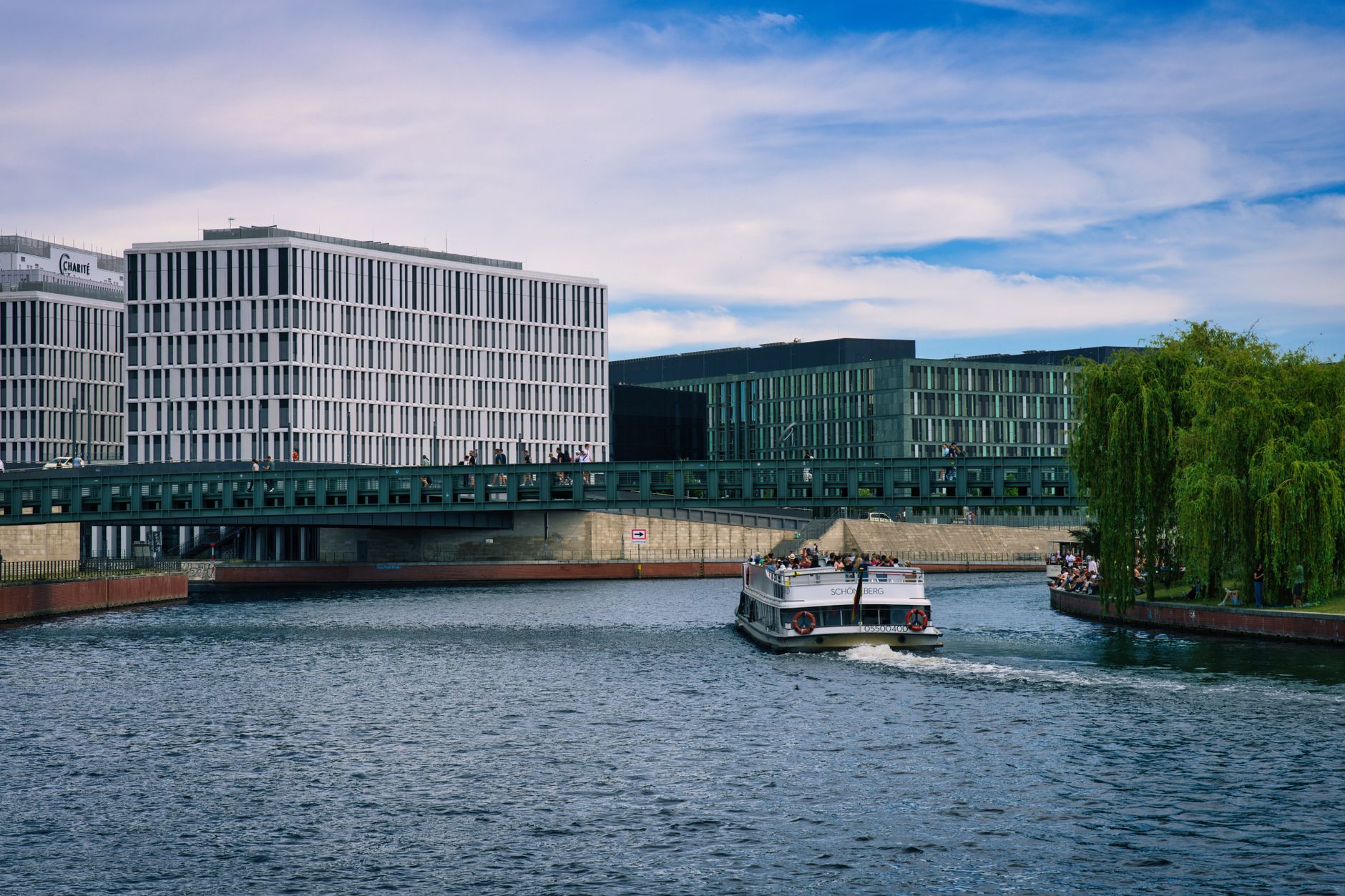
Designed by Stephan Braunfels and completed in 2003, the Marie-Elisabeth-Lüders-Haus houses the Bundestag's library, archives, and scientific services. While often overshadowed by the nearby Reichstag, its striking modern facade and strategic location along the Spree are noteworthy. Its most intriguing feature is the 'Presidential Bridge,' a pedestrian link that arches gracefully over the river, connecting it directly to the Paul-Löbe-Haus, visually and functionally uniting the parliamentary complex. This architectural gesture speaks to the aspiration of a cohesive government.
7. The Art Station Reborn
Mitte, Berlin, Germany
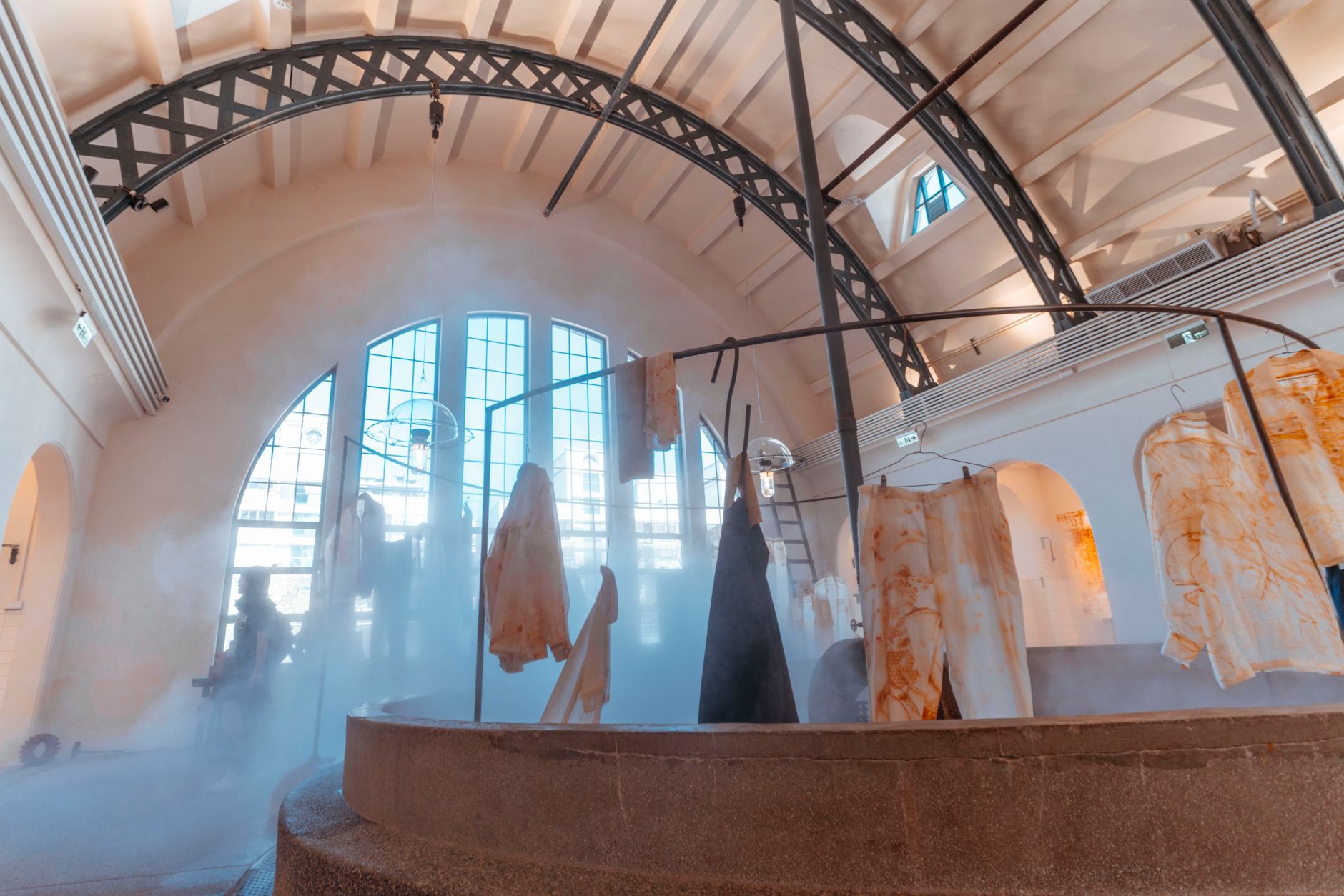
A grand 19th-century railway station, once bustling with steam locomotives, now serves as a dynamic stage for some of the world's most innovative contemporary art.
While its core is a historic neoclassical train station from 1846, the Hamburger Bahnhof's transformation into a museum for contemporary art in 1996, with significant additions by Josef Paul Kleihues, represents a masterful blend of old and new. The preserved industrial grandeur of the train sheds provides a dramatic backdrop for large-scale installations, while the modern extensions seamlessly integrate to create expansive exhibition spaces. This architectural dialogue between eras highlights Berlin's continuous evolution and its embrace of cultural innovation.
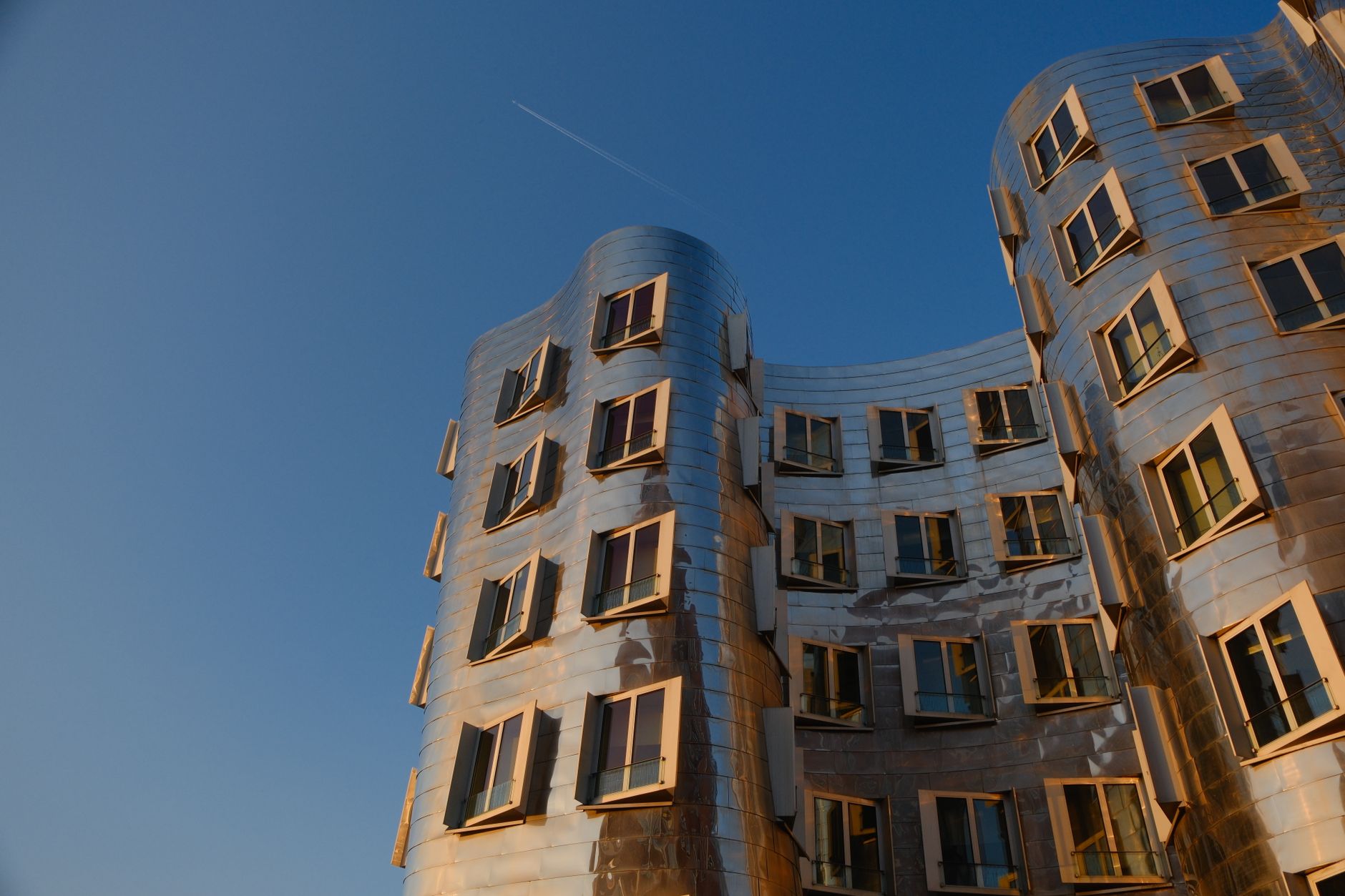
8. The Hidden Gehry Interior
Mitte, Berlin, Germany
Hidden behind a stoic facade on Berlin's historic Pariser Platz lies a breathtaking, organic interior atrium crafted by Frank Gehry.
From the outside, the DZ Bank Building, completed in 2001, appears as a respectful, conservative addition to the neoclassical grandeur of Pariser Platz, directly next to the Brandenburg Gate. However, step inside, and you're met with an astonishing, fluid interior courtyard designed by Frank Gehry. This cavernous space features a dramatic, undulating glass roof and a free-form conference hall resembling a silver mollusk, a stark contrast to the building's exterior. It's a masterclass in architectural duality, revealing its true, playful character only to those who venture within.
Frequently asked questions
Is Berlin a good city for modern architecture?
Yes, Berlin is an exceptional destination for modern architecture. Rebuilt extensively after WWII and reunified, the city became a canvas for innovative design, showcasing everything from bold brutalist structures to cutting-edge sustainable buildings and creative adaptive reuse projects.
What architectural styles can I see in Berlin?
Berlin exhibits a wide array of modern architectural styles. You'll find post-war modernism, striking brutalist examples, deconstructivism, and contemporary sustainable designs. The city also features numerous projects where historic buildings have been ingeniously re-purposed with modern interventions.
How can I explore Berlin's modern architecture efficiently in one day?
To explore Berlin's modern architecture efficiently in one day, focus on a few key districts like Mitte, Kreuzberg, and Potsdamer Platz. Utilize public transport, as sites are often spread out. Prioritize buildings with both exterior and interior architectural significance to maximize your experience.
How does the AllTours.ai app enhance an architecture tour?
The AllTours.ai app transforms your architecture tour into an immersive experience. Simply point your phone camera at any building, and the app instantly narrates its history, design principles, and cultural context in your language. It’s like having an expert architect guide beside you, revealing hidden stories and details you might otherwise miss.
Related guides
Photography via Pexels. AllTours.ai is an AI audio tour guide — point your camera at any landscape and hear its story.