August 10, 2026 · 4 min read
Berlin's culinary landscape is a vibrant tapestry, far removed from the formal dining rooms. To truly taste the city's pulse, you need to hit its streets, where the aroma of grilled meats, spiced sauces, and fresh pastries mingles with the buzz of daily life. This isn't just about grabbing a quick bite; it's about uncovering stories etched into every dish.
From the iconic currywurst to the globally influenced döner kebab, Berlin's street food scene is a testament to its history of migration, innovation, and unwavering appetite for flavor. Forget the guidebooks for a moment and follow us as we reveal where to eat in Berlin like a local, seeking out those authentic, surprising spots that offer more than just a meal.
1. Zur Bratpfanne: The Original Currywurst Tale
Zur Bratpfanne, Berlin, Germany
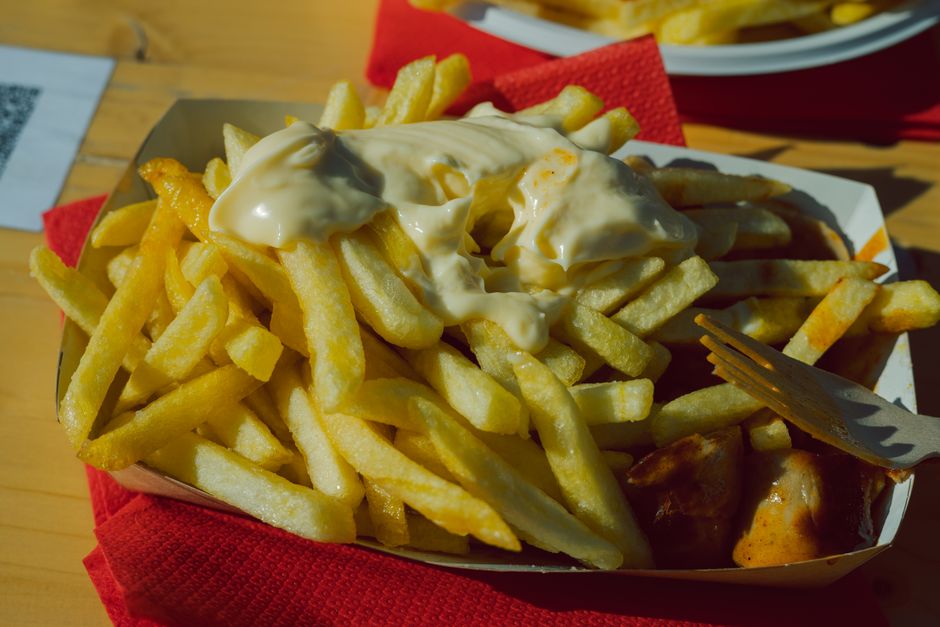
The humble currywurst, Berlin's most famous street food, was reportedly invented right here in the city out of necessity and ingenuity.
Legend has it that Herta Heuwer created the first currywurst in 1949, blending curry powder, Worcestershire sauce, and ketchup to spice up a simple grilled sausage. Zur Bratpfanne, an unassuming Imbiss in Charlottenburg, has been serving its version of this iconic dish since 1960, maintaining a classic, no-frills approach. It’s a genuine taste of post-war Berlin, reminding visitors of the city’s resilient spirit and capacity for delicious innovation.
2. Imren Grill: Döner Kebab's True Roots
Imren Grill, Berlin, Germany
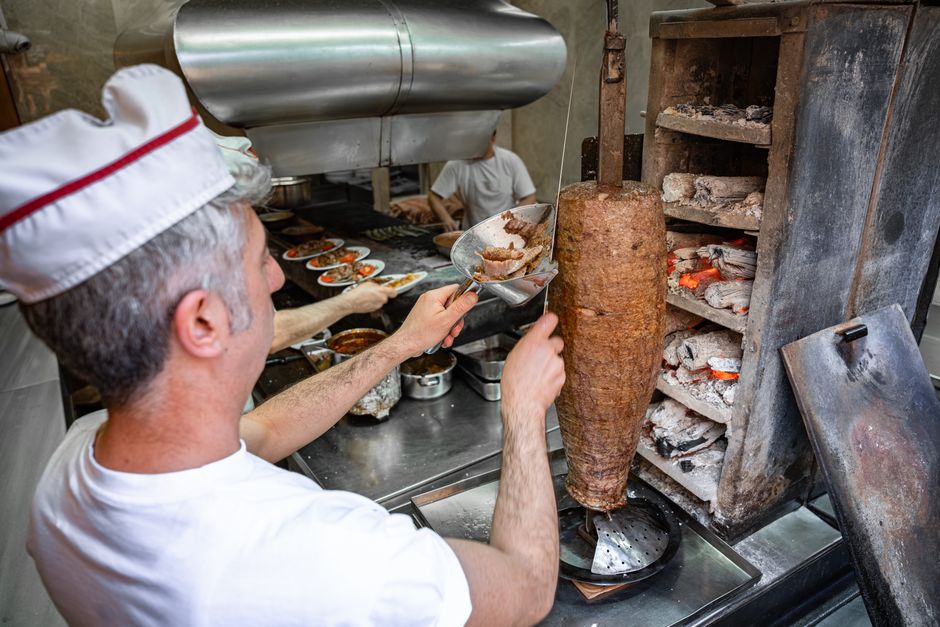
While many places claim the best döner, Imren Grill is revered by locals for its distinct flavor, rooted in specific Turkish culinary traditions brought to Berlin.
The döner kebab, now a German staple, arrived with Turkish immigrants in the 1970s. Imren Grill stands out for its meticulous preparation: hand-stacked, high-quality lamb and veal, marinated overnight, then slow-cooked on a vertical spit. Unlike many competitors, they focus on the meat's natural flavors, served in fresh bread with minimal, high-quality sauces and crisp vegetables. It’s a culinary bridge, connecting Berlin to the Anatolian region and its rich gastronomic heritage.
3. Balikcioglu Börek: Ottoman Echoes in Pastry
Balikcioglu Börek, Berlin, Germany
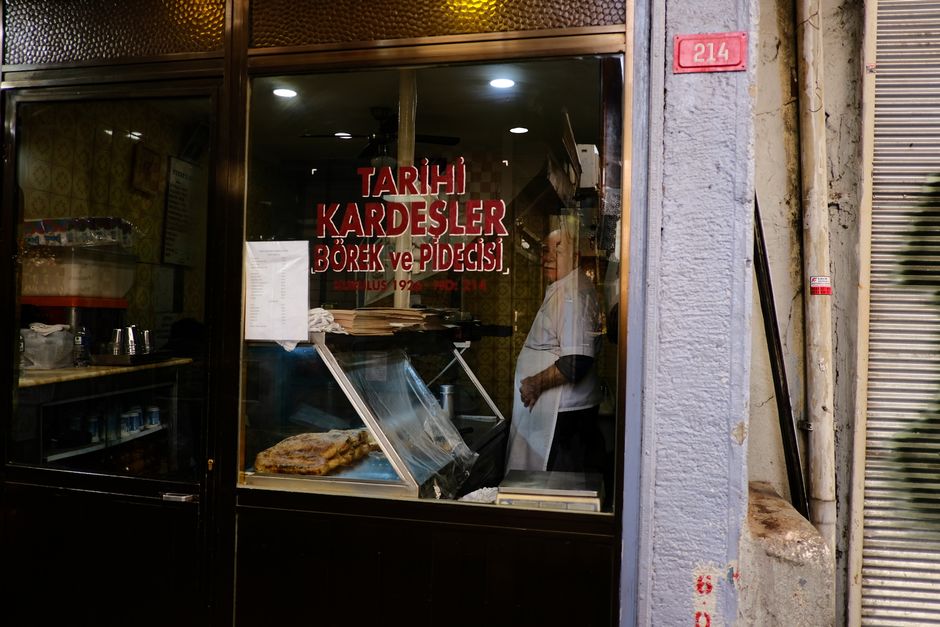
This unassuming shop carries the legacy of the Ottoman Empire, serving delicate, savory börek that connects Berlin to centuries of Turkish culinary history.
Börek, a flaky pastry filled with cheese, spinach, or minced meat, is a beloved snack across the former Ottoman lands. Balikcioglu Börek crafts these pastries fresh daily, using traditional methods passed down through generations. Each bite offers a glimpse into a long-standing culinary tradition, a comforting reminder of the cultural exchange that has shaped Berlin’s diverse food scene. It's a perfect example of how migration brings delicious, enduring traditions.
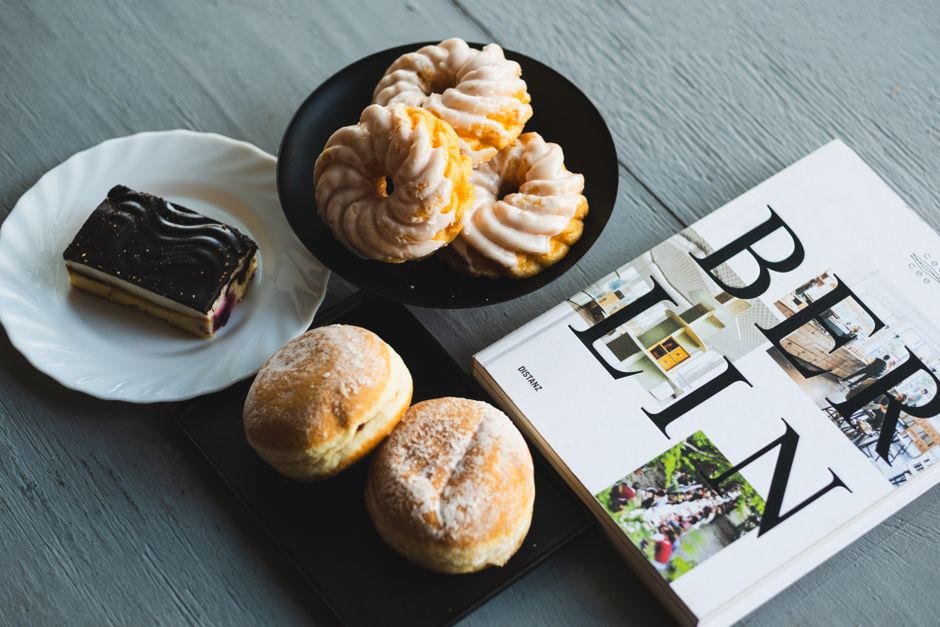
4. Bäckerei W. Balzer: The Berliner's True Name
Bäckerei W. Balzer, Berlin, Germany
The sweet, jelly-filled pastry known globally as a "Berliner" is called something entirely different by the locals in its namesake city.
In Berlin, the beloved doughnut-like pastry with a sweet filling is simply called a "Pfannkuchen." The term "Berliner" is reserved for this treat everywhere else, leading to a charming linguistic quirk. Bäckerei W. Balzer, a traditional bakery, has been perfecting these fluffy, sugar-dusted delights for decades. Grabbing a fresh Pfannkuchen here is not just a treat; it’s a small immersion into the local dialect and a taste of authentic German baking heritage.

5. Miss Saigon: Vietnamese Flavors of the East
Miss Saigon, Berlin, Germany
Berlin's vibrant Vietnamese food scene has roots in the surprising history of "guest workers" who arrived in East Germany during the Cold War.
During the GDR era, many Vietnamese contract workers came to East Germany, bringing their rich culinary traditions with them. After reunification, many stayed, creating a thriving Vietnamese community and a delicious food legacy. Miss Saigon, a local favorite, serves authentic dishes like Pho and fresh spring rolls, reflecting these deep cultural ties. It’s a place where the flavors tell a story of resilience, adaptation, and the enduring power of food to connect cultures across continents and political divides.
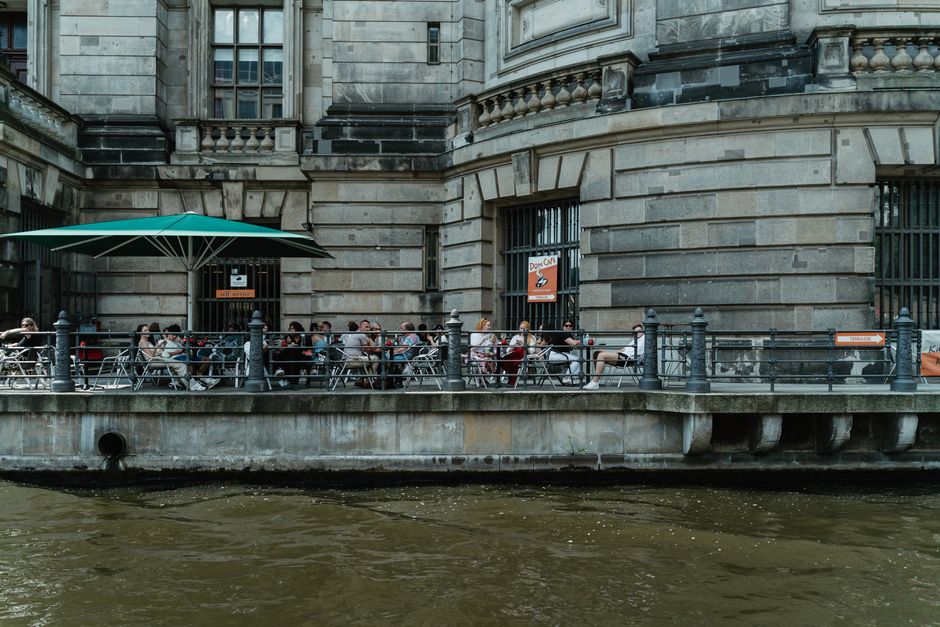
6. Fleischerei Domke: The Schnitzelbrötchen's Humble Grandeur
Fleischerei Domke, Berlin, Germany
The satisfying Schnitzelbrötchen, a simple yet perfect sandwich, evolved from a practical need to make meat go further, becoming a beloved working-class staple.
Before it became a gourmet item, schnitzel was a clever way to tenderize and expand smaller cuts of meat, often served simply. Fleischerei Domke, a traditional butcher shop operating for generations, offers a masterclass in this German classic. Their Schnitzelbrötchen features a perfectly fried, thin pork cutlet tucked into a fresh bread roll, often with a smear of mustard. It’s a taste of honest, hearty German fare, embodying the pragmatic ingenuity of local cuisine.
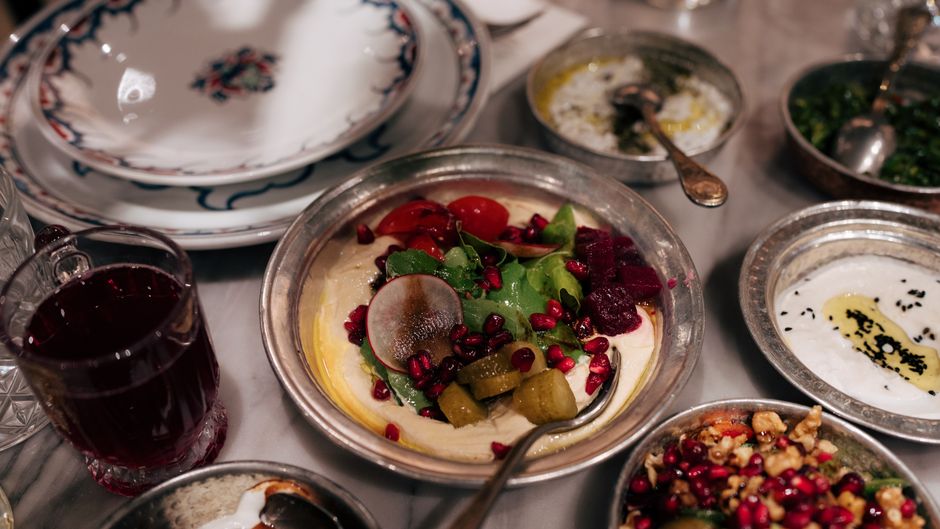
7. Azzam Restaurant: Lebanese Hummus & Falafel
Azzam Restaurant, Berlin, Germany
The rich, creamy hummus and crisp falafel at Azzam are a testament to the profound influence of Middle Eastern migration on Berlin's diverse food landscape.
Berlin has long been a destination for people from across the Middle East, and their culinary traditions have deeply enriched the city. Azzam Restaurant, a no-frills Lebanese eatery, is legendary among locals for its incredibly fresh hummus, creamy foul (fava bean stew), and perfectly fried falafel. Often bustling with long lines, it's a place where simple ingredients are elevated to art, showcasing the deep flavors and communal spirit of Lebanese home cooking, made accessible on Berlin's streets.
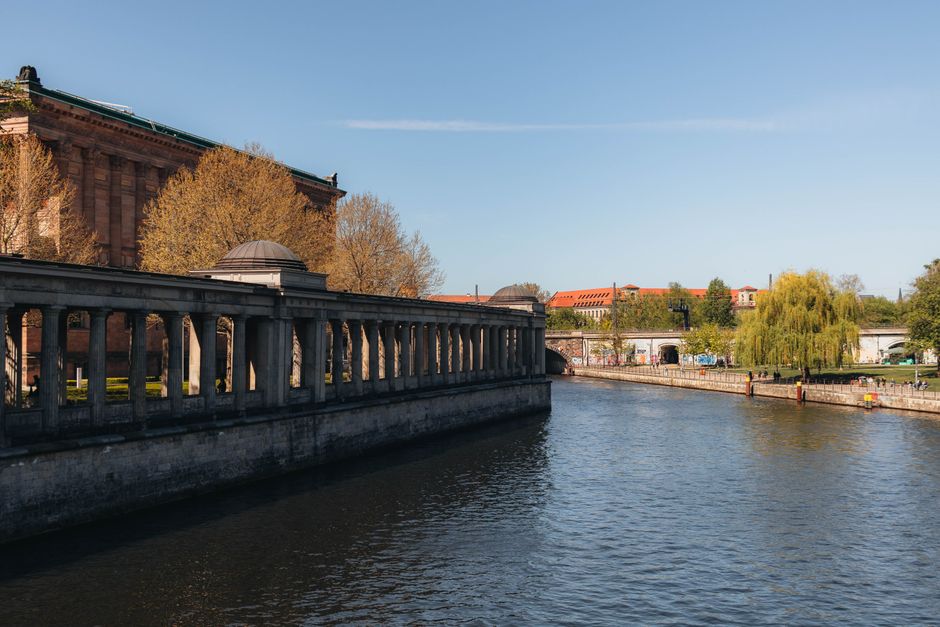
8. Fischschuppen: Berlin's Unexpected Catch
Fischschuppen, Berlin, Germany
Despite being landlocked, Berlin has a surprising connection to fresh fish, celebrated in simple, delicious snacks like the Fischbrötchen.
While typically associated with the North Sea coast, the Fischbrötchen – a simple roll filled with pickled herring (Matjes) or fried fish – is a beloved snack even in Berlin. The city's extensive network of rivers and canals historically ensured a supply of fresh catches, and today, specialized fish shops like Fischschuppen keep the tradition alive. This small, unpretentious spot serves up impeccably fresh fish sandwiches, offering a refreshing counterpoint to heavier German fare and a taste of maritime tradition in the urban heart.
Frequently asked questions
Is Berlin street food expensive?
Generally, Berlin street food is very affordable, making it an excellent option for budget-conscious travelers. You can often get a substantial meal, like a döner kebab or a currywurst, for under 5-8 Euros, allowing you to sample many different flavors.
Where are the best street food markets in Berlin?
While many Imbisses are standalone, some excellent markets include Markthalle Neun, particularly on "Street Food Thursday," and various weekly markets like Winterfeldtplatz or Kollwitzplatz, which offer a rotating selection of local and international street eats.
How can AllTours.ai enhance my Berlin street food exploration?
AllTours.ai can bring the history and culture of Berlin's food to life. As you explore the city's neighborhoods and food stalls, simply point your phone camera at a landmark or even a bustling market street. The app will narrate the fascinating stories behind the area, explaining the migration patterns that shaped the food, the origins of specific dishes, and the local traditions you're observing, all in your preferred language.
Related guides
Photography via Pexels. AllTours.ai is an AI audio tour guide — point your camera at any landscape and hear its story.