August 9, 2026 · 4 min read
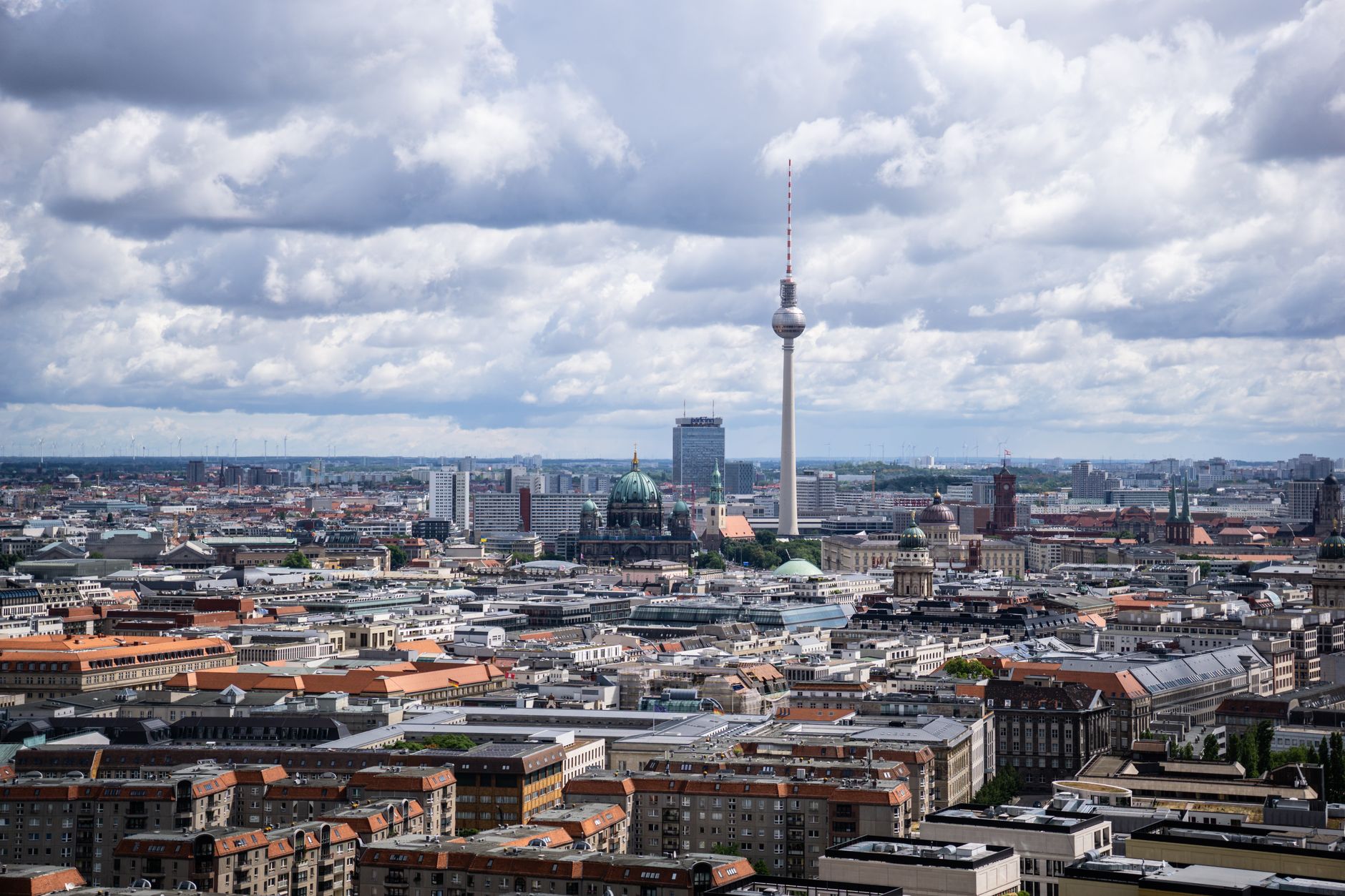
Berlin is a city etched with history, a place where pivotal moments of the 20th century feel incredibly close. For history buffs, a single day here can feel like an impossible task, but with a focused itinerary, you can unearth surprising narratives around every corner.
This guide curates a powerful 1 day in Berlin itinerary for history buffs, moving beyond surface-level observations to reveal the often-overlooked details and emotional weight of its most significant sites, from the iconic to the truly poignant.
1. The Gate's Stolen Chariot
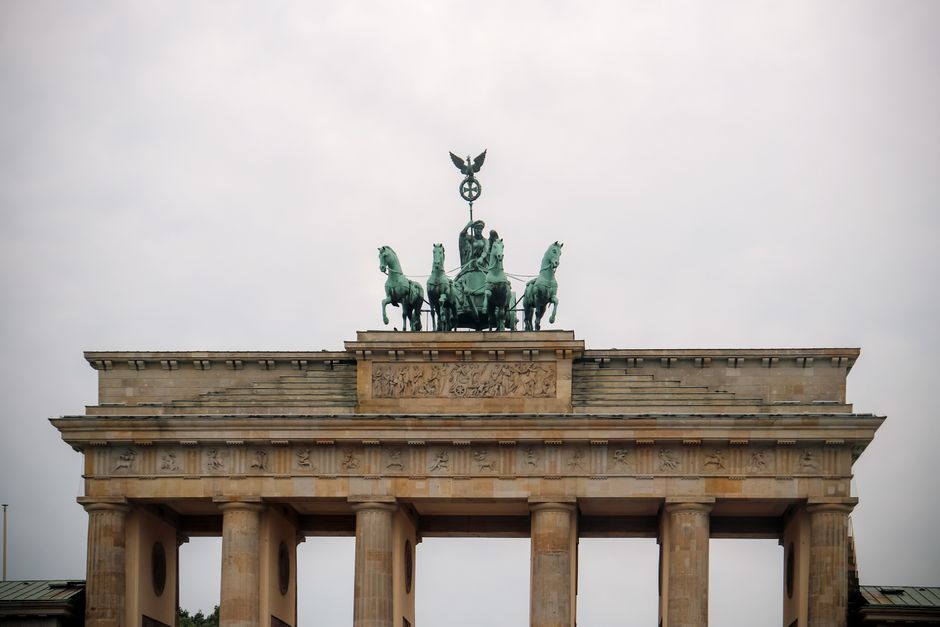
Brandenburg Gate, Berlin, Germany
The iconic Quadriga atop the Brandenburg Gate once traveled to Paris as war booty.
When Napoleon conquered Berlin in 1806, he famously had the Quadriga, the statue of the goddess Victoria driving a four-horse chariot, dismantled and shipped to Paris as a trophy. It remained there for eight years until Prussian troops recovered it after Napoleon's defeat. Its return in 1814 solidified its status as a symbol of Prussian victory and Berlin's resilience.
2. Reichstag's Soviet Signatures
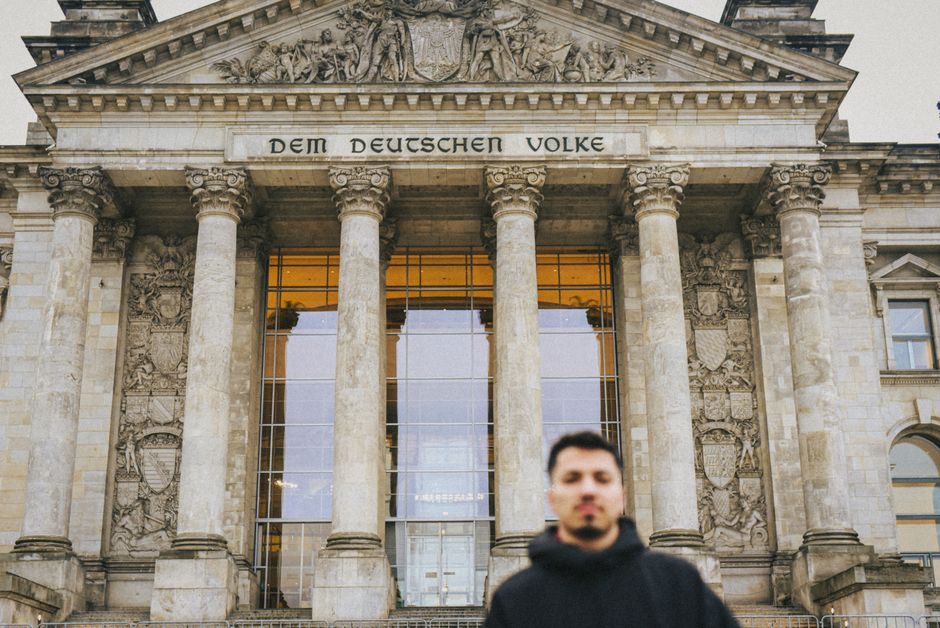
Reichstag Building, Berlin, Germany
The walls inside the Reichstag still bear the graffiti left by Soviet soldiers in 1945.
After the brutal Battle of Berlin, Soviet Red Army soldiers famously hoisted their flag over the Reichstag in May 1945. Many also inscribed their names, units, and messages onto the building's interior walls. During the building's reconstruction in the 1990s, German authorities made a deliberate decision to preserve some of this graffiti, offering a raw, tangible link to the building's tumultuous past and the war's conclusion.
3. A Labyrinth of Memory
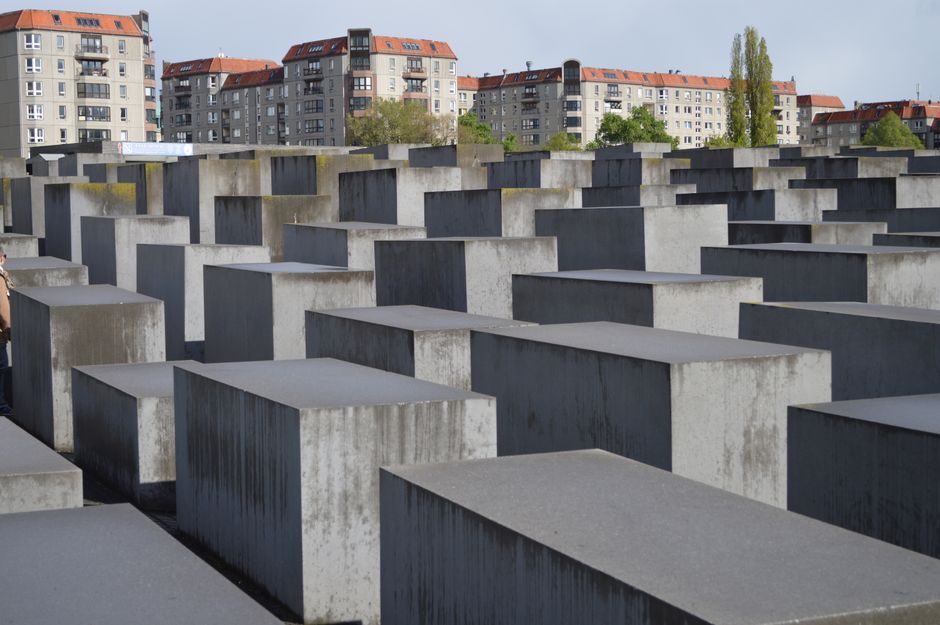
Memorial to the Murdered Jews of Europe, Berlin, Germany
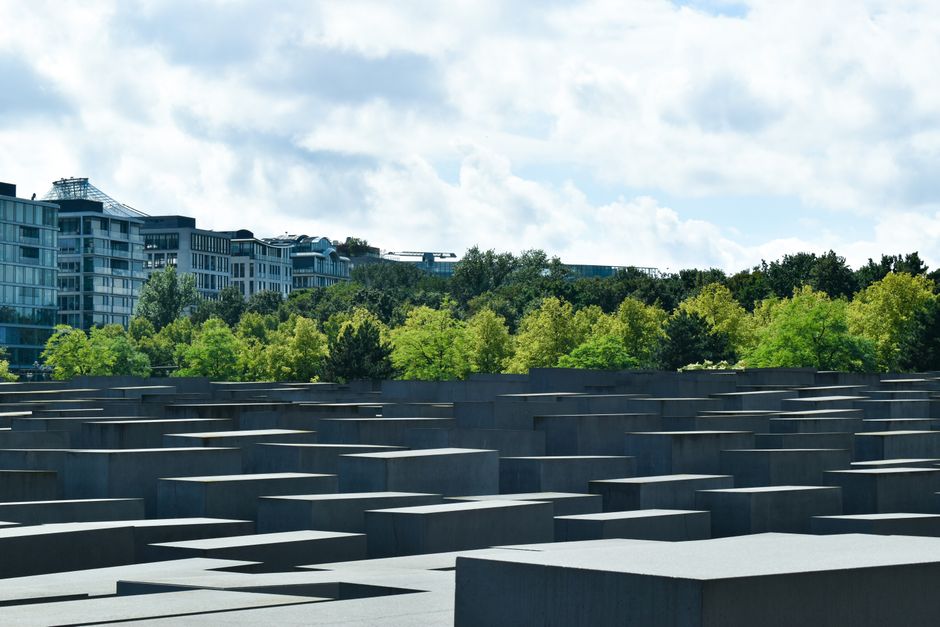
The memorial's undulating field of 2,711 concrete stelae is designed to create a sense of disorientation and isolation.
Peter Eisenman's design for the Holocaust Memorial eschews traditional symbolism for an abstract experience. The varying heights of the grey concrete blocks, combined with the sloping ground, create narrow, winding passages that can evoke feelings of unease, claustrophobia, and profound solitude. There is no single "right way" to navigate it, reflecting the individual and often overwhelming experience of confronting the Holocaust's scale.
4. Gestapo's Uncovered Foundations
Topography of Terror, Berlin, Germany
This museum is built directly on the excavated ruins of the Gestapo and SS headquarters.
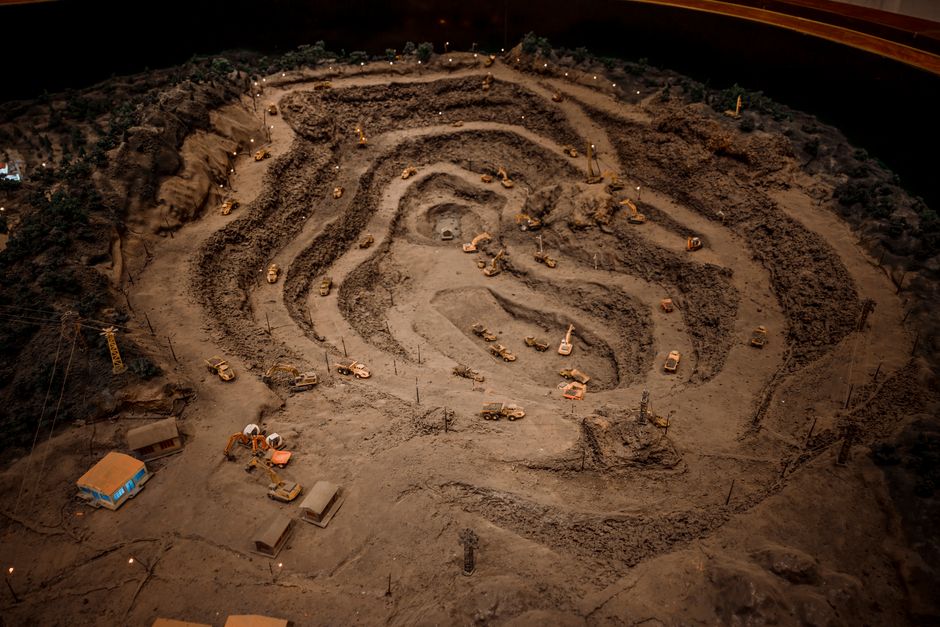
The Topography of Terror exhibition stands on the very ground where the Nazi regime's main instruments of terror—the Gestapo secret police and the SS high command—were located. Visitors can walk alongside unearthed basement walls and interrogation cellars, gaining a visceral understanding of the administrative heart of the regime. The site's raw, exposed brickwork and concrete serve as a stark reminder of the atrocities planned and executed from these very premises.
5. The Spy Exchange Bridge
Checkpoint Charlie, Berlin, Germany
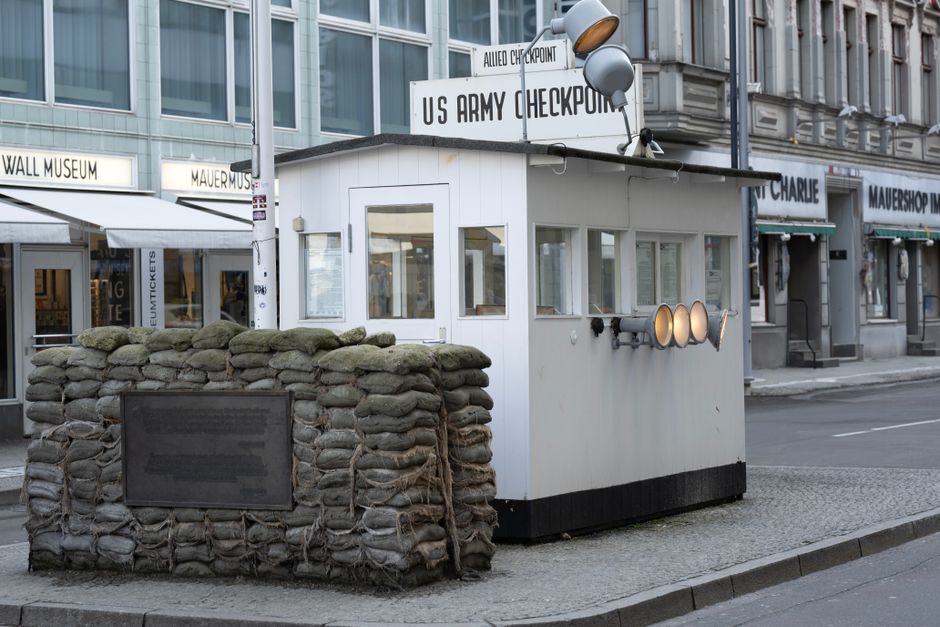
While a famous border crossing, Checkpoint Charlie was also the site of high-profile spy exchanges during the Cold War.
Beyond its role as the most famous crossing point between East and West Berlin for foreigners and Allied personnel, Checkpoint Charlie became synonymous with Cold War espionage. It was here that notorious spy swaps often took place, with agents from both sides being exchanged over the border. One of the most famous occurred in 1962, when American pilot Francis Gary Powers was exchanged for Soviet spy Rudolf Abel, highlighting the intense covert operations of the era.
6. The Palace of Tears
Tränenpalast (Palace of Tears), Berlin, Germany
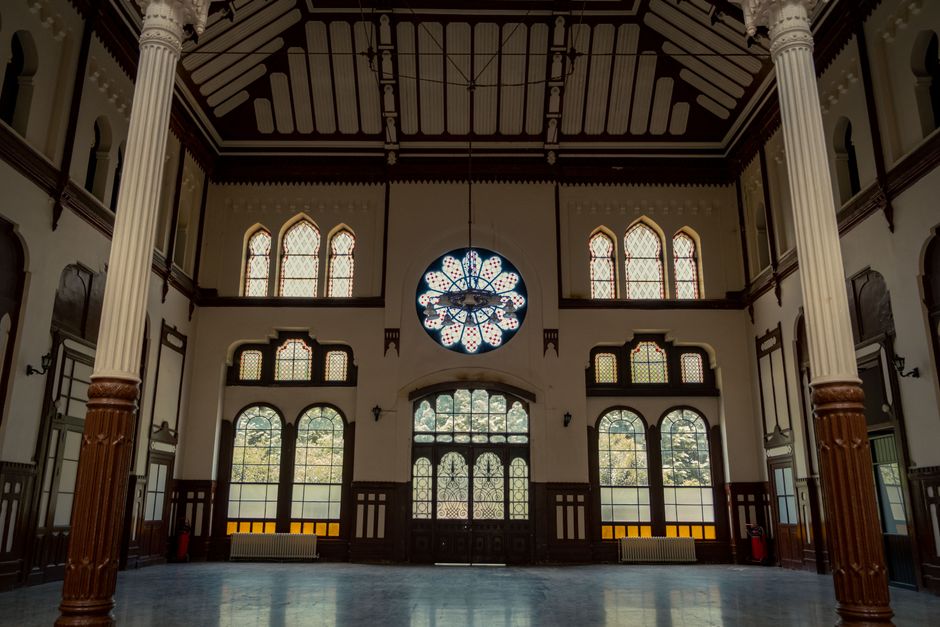
The Tränenpalast at Friedrichstraße station earned its name from the tearful goodbyes between East and West Germans.
This glass and steel building served as the departure hall for West Germans leaving East Berlin after visiting relatives. The strict separation rules and the uncertainty of future visits led to countless emotional farewells between families and friends, many of whom didn't know when they would see each other again. Today, it houses an exhibition detailing the everyday realities of border control and division, making the personal stories palpable.
7. Bernauer Straße: Wall's Living Scar
Berlin Wall Memorial, Bernauer Straße, Berlin, Germany
Bernauer Straße is the only place in Berlin where a section of the Berlin Wall's death strip and watchtower is fully preserved.
Unlike other remnants of the Wall, the memorial at Bernauer Straße offers an authentic reconstruction of the border fortifications, including the inner wall, the "death strip," and a watchtower. This allows visitors to grasp the true scale and brutality of the barrier. The outdoor exhibition also narrates the dramatic escape attempts, the tragic deaths, and the daily impact of the Wall on residents whose homes suddenly faced the fortified border.
Frequently asked questions
What's the best way to navigate Berlin's historical sites in one day?
Berlin boasts an excellent public transport system (U-Bahn, S-Bahn, trams, buses). A day ticket is highly recommended, allowing you to quickly move between districts and maximize your time without the hassle of parking or traffic.
Do I need to book tickets in advance for all these historical sites?
Many outdoor memorials like the Brandenburg Gate, Memorial to the Murdered Jews, Topography of Terror, and the Berlin Wall Memorial are freely accessible. However, popular indoor attractions like the Reichstag Dome require advance online registration due to high demand and security checks.
Are there any hidden costs associated with visiting these historical locations?
Most outdoor historical sites and memorials are free to explore. Some museums, like the Topography of Terror, also offer free entry. Any costs would typically be for public transport, food, or specific exhibitions that are part of a larger museum complex.
How can AllTours.ai enhance my historical exploration of Berlin?
AllTours.ai deepens your understanding of Berlin's history by providing rich audio narratives. Simply point your phone camera at any landmark or landscape, and the app will instantly narrate its history, geology, and cultural significance in your preferred language, turning every view into a story.
Related guides
Photography via Pexels. AllTours.ai is an AI audio tour guide — point your camera at any landscape and hear its story.