July 12, 2026 · 4 min read
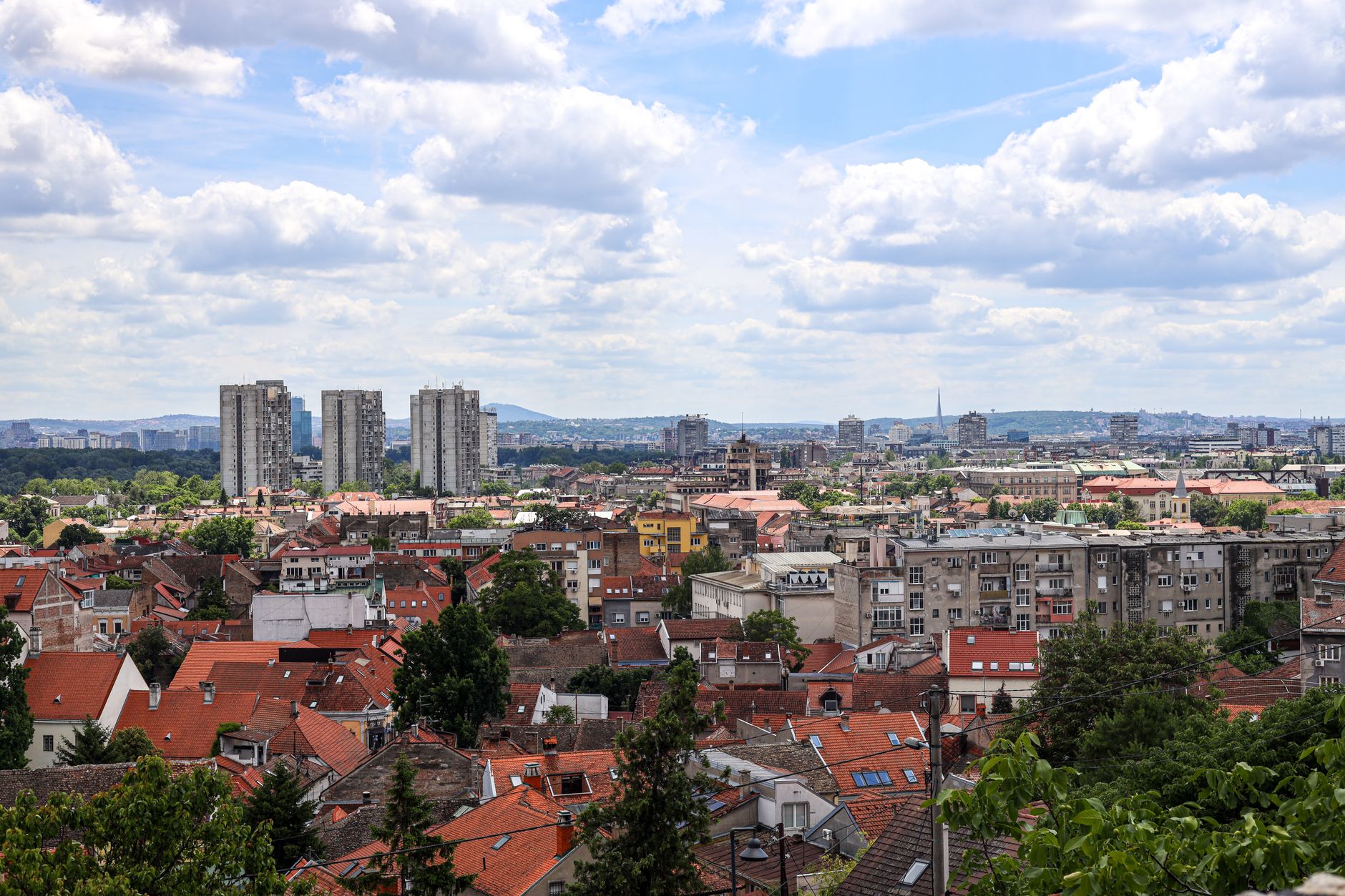
Serbia often slips under the radar of European travelers, overshadowed by its more frequently visited neighbors. Yet, for those willing to venture beyond the well-trodden paths, this Balkan nation reveals a tapestry of deep history, vibrant culture, and breathtaking natural beauty that promises genuinely unique discoveries.
It’s a land where ancient civilizations left indelible marks, where nature sculpted bizarre wonders, and where traditions continue to thrive in the most unexpected corners. Forget the usual tourist clichés; Serbia offers a raw, authentic, and profoundly rewarding travel experience for the curious explorer.
1. Where Fish-Gods Watched the Danube
Lepenski Vir, Serbia
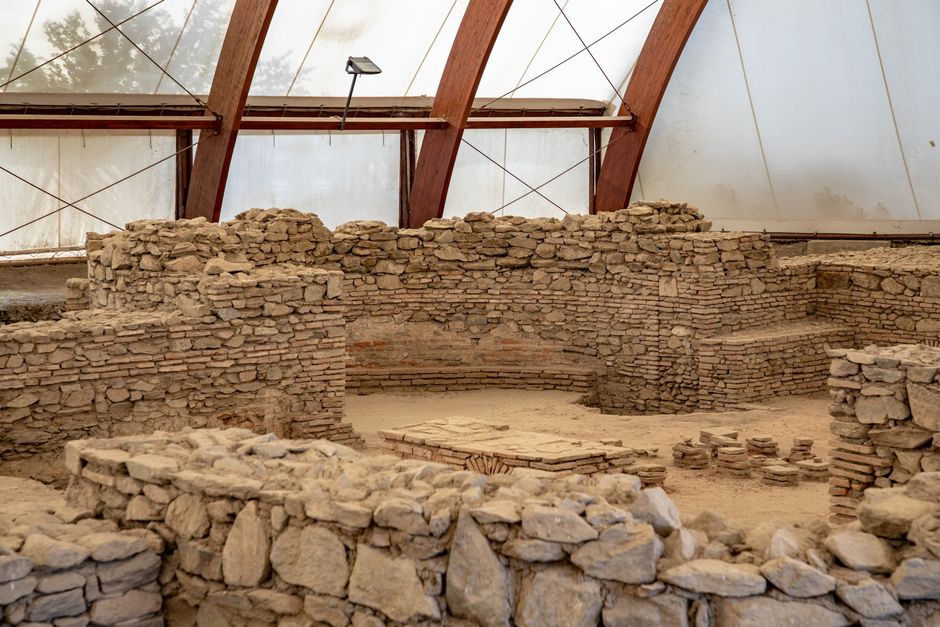
At Lepenski Vir, a prehistoric settlement on the Danube, archaeologists uncovered unique stone sculptures resembling human-fish hybrids, hinting at one of Europe's earliest complex cultures.
Dating back to around 9500–6000 BC, Lepenski Vir reveals a sophisticated Mesolithic culture whose inhabitants lived in trapezoidal houses and had a deep connection to the Danube River. Their most striking legacy is a series of large stone effigies with fish-like features, believed to be ancestral spirits or deities, reflecting a profound spiritual life and artistic expression millennia before the rise of agriculture. This site offers a rare glimpse into the transition from hunter-gatherer societies to settled communities in prehistoric Europe.
2. Rome's Forgotten Frontier City
Viminacium, Serbia
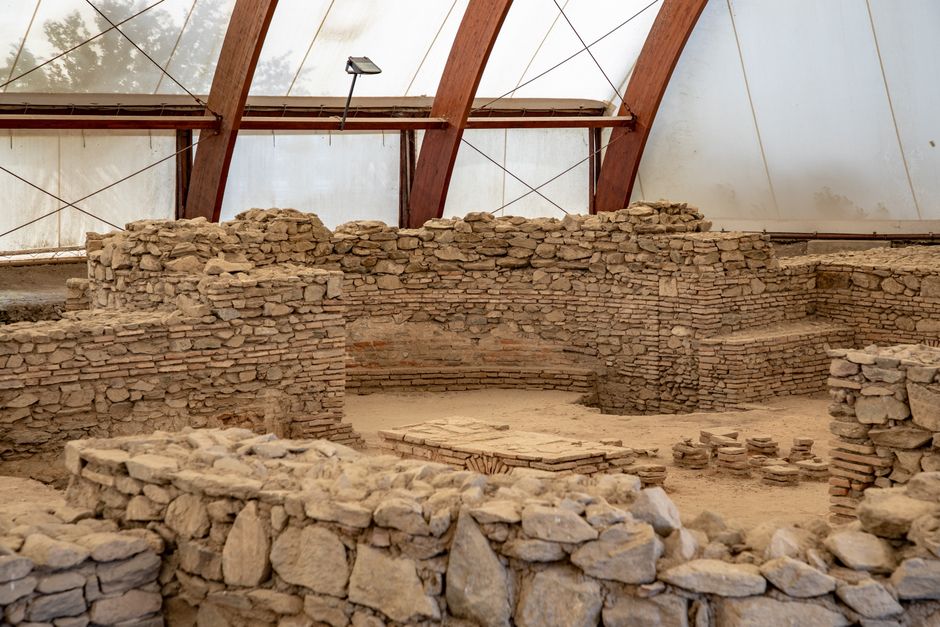
Beneath Serbian fields lies Viminacium, a sprawling Roman city and military camp that once housed 40,000 people and where archaeologists recently unearthed a perfectly preserved woolly mammoth skeleton.
Viminacium was the capital of the Roman province of Moesia Superior and a crucial strategic point on the Danube Limes. Its extensive ruins include public baths, a grand amphitheater, and elaborate mausoleums, offering a vivid picture of Roman life and military might in the Balkans. The discovery of a complete mammoth skeleton, believed to be 1.5 million years old, near the Roman site adds another layer of deep history, connecting the ancient human past with an even more distant geological era.
3. A Village Built for Wine, Not People
Rajac Wine Cellars (Pimnice), Serbia
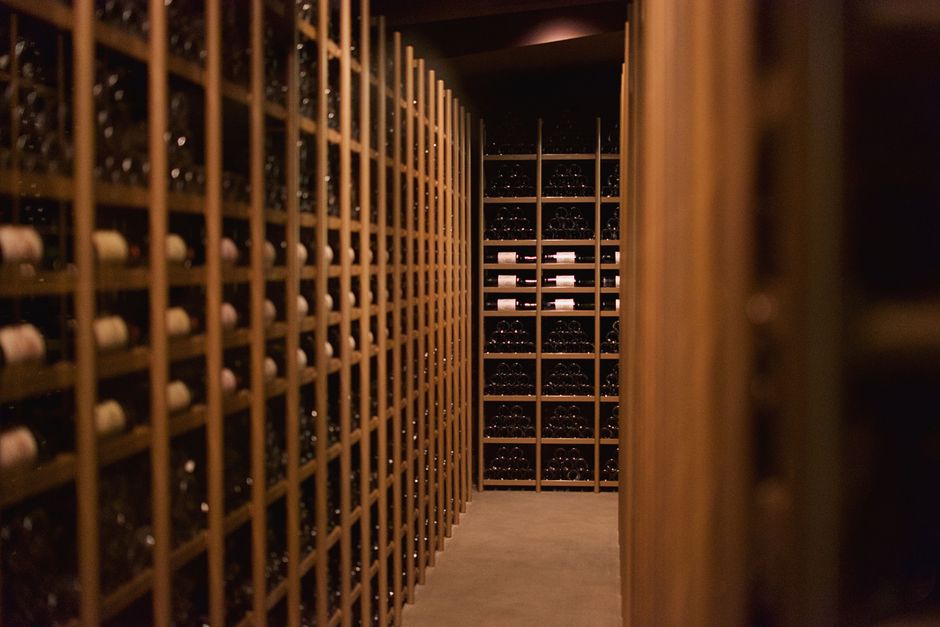
Near Negotin, a unique village exists not of homes, but of hundreds of stone and earthen wine cellars (pimnice), some centuries old, where generations have perfected winemaking in a tradition unlike any other.
The Rajac Wine Cellars are an architectural and cultural marvel: a collection of over 300 traditional cellars built into the hillsides, designed for optimal wine storage. These structures, made from stone and half-buried in the ground, maintain a constant cool temperature year-round. Winemakers would live in the nearby village and come to the pimnice to work and socialize, creating a distinct social and economic structure centered entirely around the production of exquisite, natural wines, often from indigenous grape varietals.
4. The Bottomless Turquoise Spring
Krupajsko Vrelo, Serbia
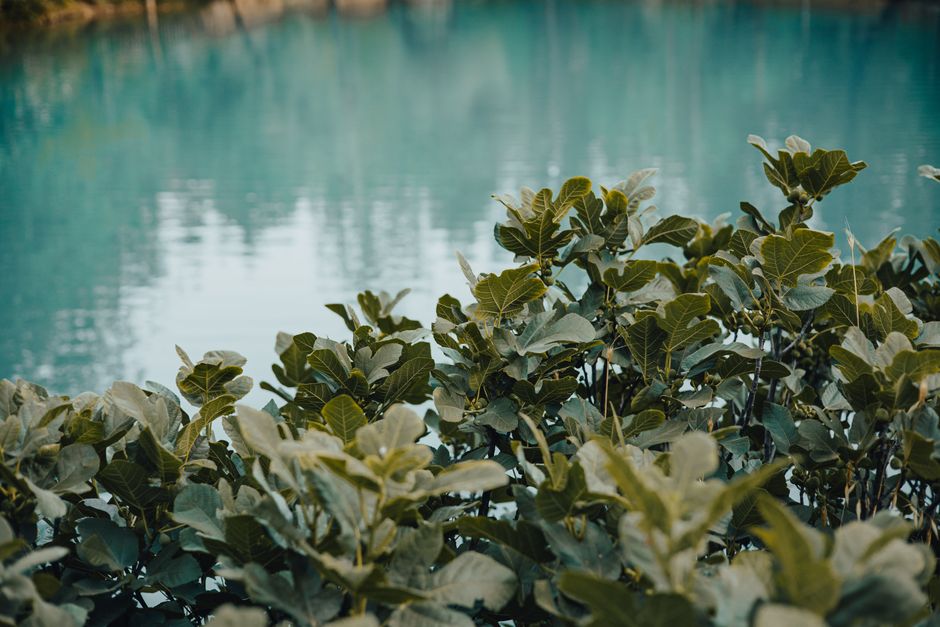
Krupajsko Vrelo is a mesmerizing karst spring forming a vibrant turquoise lake, whose rumored bottomless depths are said to be guarded by fairies and hold mythical healing powers.
Nestled in eastern Serbia, this natural wonder is fed by an underground river emerging from the limestone bedrock. The intense blue-green hue of the water, caused by mineral content and depth, is breathtaking. Local folklore imbues the spring with a mystical aura, telling tales of water fairies and hidden treasures. While its true depth remains largely unexplored by divers, the spring's constant temperature and pristine clarity make it a unique geological phenomenon and a site of enduring local legends.
5. The Empress's Riverside Stronghold
Maglič Fortress, Serbia
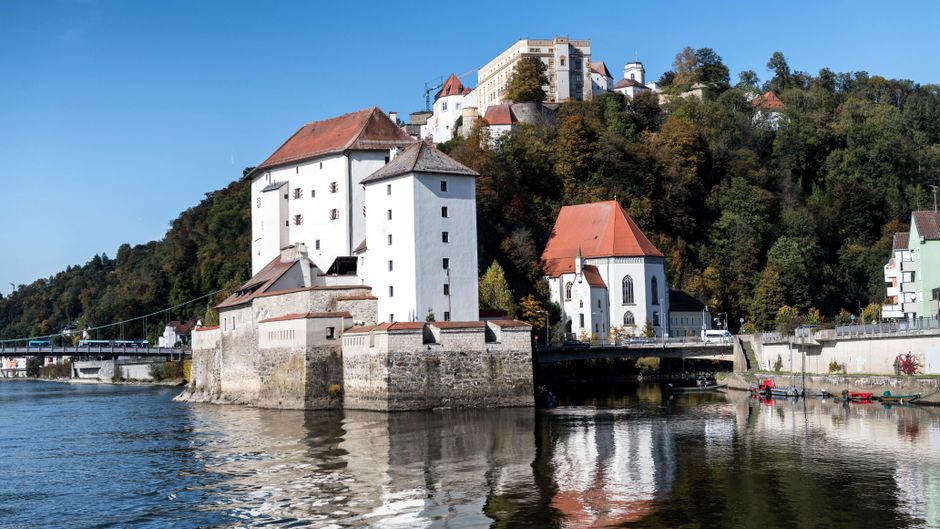
Perched dramatically above the Ibar River, the medieval Maglič Fortress is shrouded in tales of Serbian queens who resided within its sturdy walls, earning it the nickname "Empress's Town."
Built in the 13th century, Maglič stands as one of Serbia's best-preserved medieval fortifications. Its eight formidable towers and high walls guarded a crucial trade route through the Ibar Gorge. While historical records are sparse, local legends often associate the fortress with powerful Serbian queens, particularly Queen Jelena Anžujska (Helen of Anjou), who supposedly lived there and even planted lilac trees along the river to remind her of her French homeland, giving the Ibar Valley its "Valley of Lilacs" moniker.
6. Hermits' Sanctuary in the Gorge
Gornjak Monastery (Gornjačka Gorge), Serbia
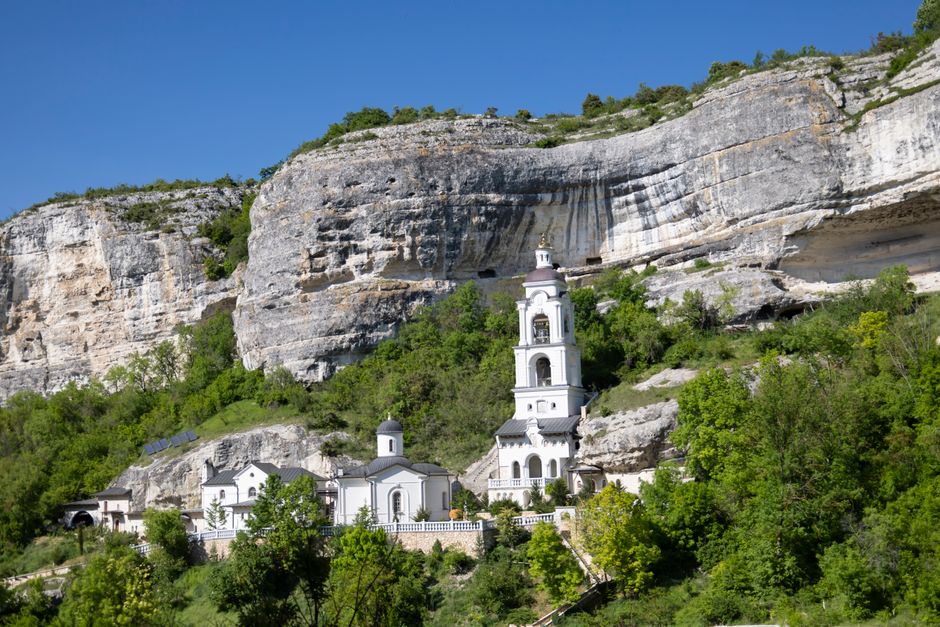
Tucked deep within the rugged Gornjačka Gorge, the medieval Gornjak Monastery is partially carved into a cliff face, preserving a unique heritage of hermitic life and ancient frescoes.
Founded in the late 14th century by Prince Lazar of Serbia, Gornjak Monastery is remarkable for its integration with the natural landscape. Its main church, dedicated to the Presentation of the Most Holy Theotokos, features frescoes that have survived centuries. What makes it truly special are the numerous hermitages and caves scattered throughout the surrounding cliffs, once inhabited by monks seeking solitude and spiritual contemplation, reflecting a deep tradition of asceticism in Serbian Orthodox Christianity.
7. The Petrified Wedding Ceremony
Đavolja Varoš (Devil's Town), Serbia
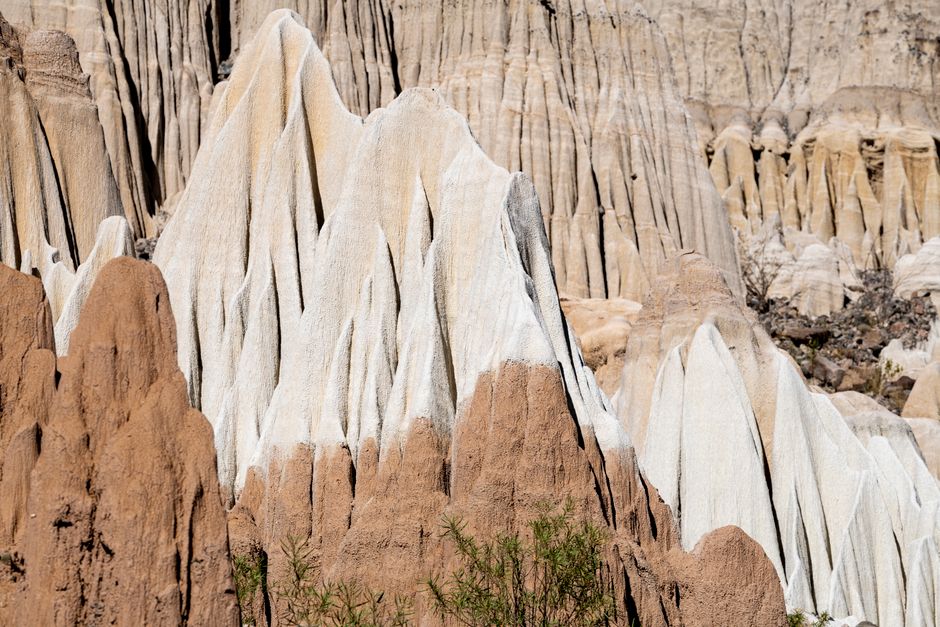
Đavolja Varoš features over 200 bizarre rock formations, resembling petrified figures, which local legend claims are the remnants of a wedding party turned to stone by the Devil himself.
This extraordinary geological phenomenon consists of natural pyramids and towers, each topped with a "cap" of harder rock, formed by millennia of erosion. The highly acidic water in the area also contributes to the dramatic landscape. The scientific explanation is compelling, but the local folklore adds a layer of eerie fascination: a wedding party was cursed for trying to marry siblings, or for breaking ancient customs, resulting in their transformation into stone, providing a vivid example of how natural wonders inspire powerful cultural narratives.
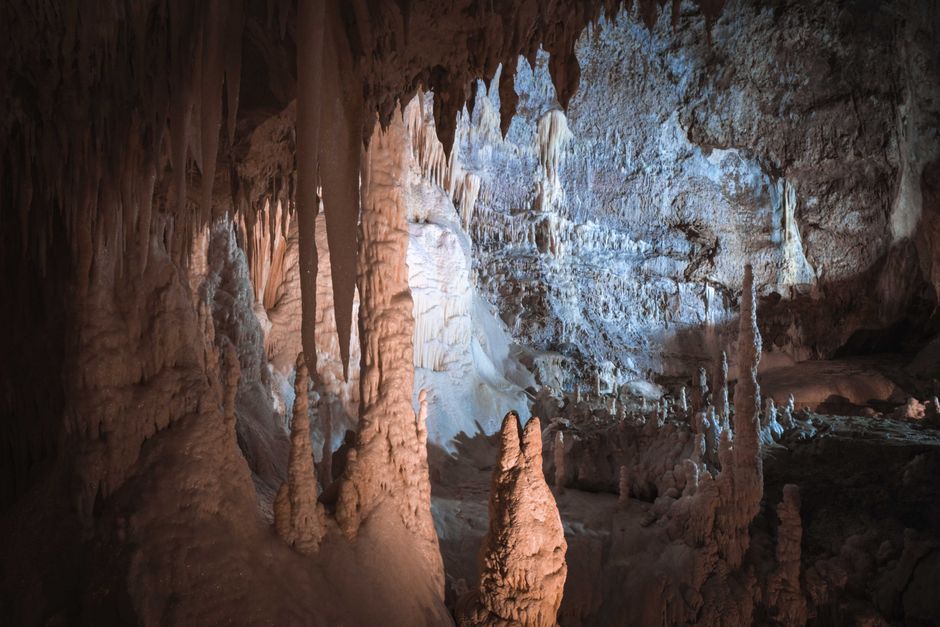
8. Europe's Ancient Underground Gallery
Resavska Cave, Serbia
Resavska Cave, one of Serbia's oldest and most beautiful show caves, contains stunning stalactites and stalagmites formed over 80 million years, with some formations resembling an ancient, frozen waterfall.
Discovered in 1962, Resavska Cave stretches for over 4.5 kilometers, though only about 800 meters are open to the public. Visitors can marvel at the intricate formations, including "the Column of the Mother with her Child," "the Crystal Hall," and the spectacular "Frozen Waterfall," a massive flowstone formation. The cave's constant temperature and humidity have preserved these natural sculptures, offering a journey through geological time and a vibrant palette of natural colors from various minerals.
Frequently asked questions
Is Serbia a safe country for tourists?
Serbia is generally considered a very safe country for tourists, with low crime rates. Like any travel destination, it's wise to be aware of your surroundings, especially in crowded urban areas, but violent crime against tourists is rare.
What kind of food should I expect in Serbia?
Serbian cuisine is hearty and flavorful, heavily influenced by Balkan, Mediterranean, and Ottoman traditions. Expect rich grilled meats like ćevapi and pljeskavica, savory pastries such as burek, and delicious stews, often accompanied by fresh salads and local rakija (fruit brandy).
When is the best time of year to visit Serbia?
The best time to visit Serbia largely depends on your interests. Spring (April-June) and early autumn (September-October) offer pleasant weather for sightseeing and outdoor activities, with fewer crowds. Summers (July-August) are warm and vibrant, especially in cities and for festivals, while winters are cold but offer opportunities for skiing.
How can AllTours.ai help me explore Serbia's hidden gems?
AllTours.ai transforms your smartphone into a personal AI-powered audio tour guide. Simply point your camera at any landmark, landscape, or intriguing spot in Serbia, and the app instantly narrates its deep history, unique geology, and rich cultural significance in your chosen language, helping you uncover the stories behind overlooked places.
Related guides
Photography via Pexels. AllTours.ai is an AI audio tour guide — point your camera at any landscape and hear its story.