May 19, 2026 · 7 min read
Most famous landmarks give you the view in the first three seconds. You see it, you photograph it, you move on. The places that stay with you are different — they look ordinary until someone tells you what happened there, and then you can't un-see it.
These nine European spots barely show up on the standard itineraries. Each one hides a story most travelers never hear: an act of quiet defiance, a town slowly falling into a valley, a church carved from the thing miners came to dig. Here's the hook for each — the rest is best heard standing right there.
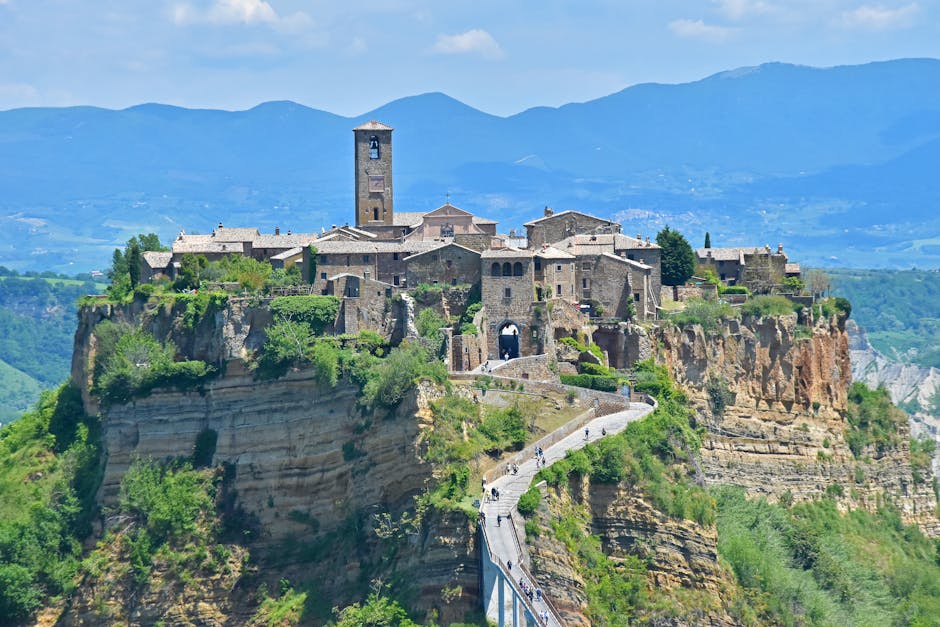
1. The Dying Town That Refuses to Fall
Civita di Bagnoregio, Italy
An Etruscan town founded 2,500 years ago — and it has been shrinking back into the valley ever since.
Civita sits on a plateau of soft volcanic tufa that erodes a little more every year. Earthquakes and rain have eaten away its approaches until the only way in is a single steep footbridge. Fewer than a dozen people live there year-round, which is why Italians call it il paese che muore — the town that is dying. Stand on the bridge at dawn and you're looking at a place quietly being given back to the landscape.
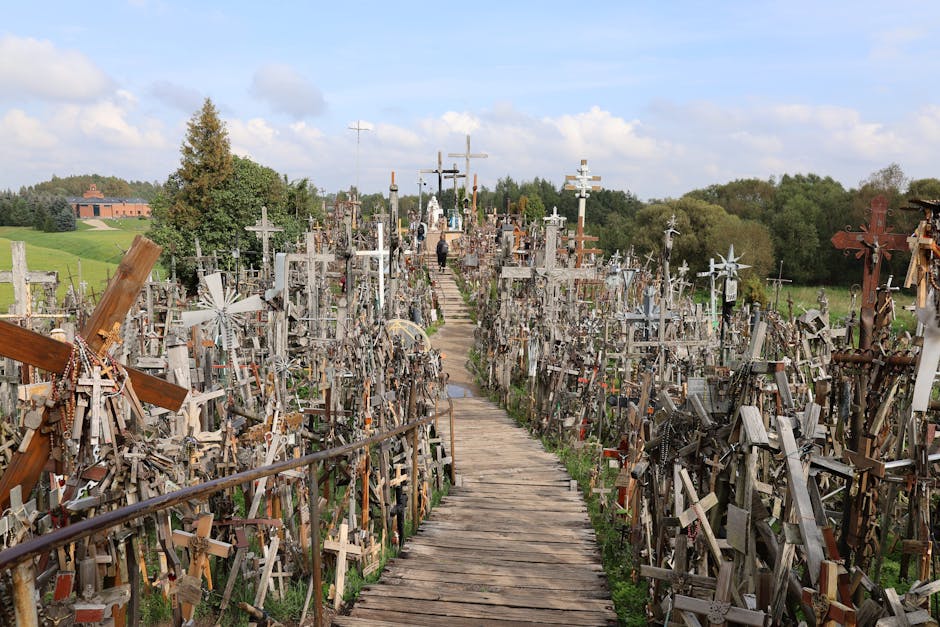
2. The Hill They Bulldozed Three Times
Hill of Crosses, Šiauliai, Lithuania
Soviet bulldozers flattened it three times. Each time, locals crept back at night and rebuilt it.
On a low mound in northern Lithuania stand well over 100,000 crosses, left by pilgrims for nearly two centuries. During the Soviet era the site became a symbol of resistance, so authorities razed it in the 1960s and 70s — more than once. Villagers simply returned under cover of darkness and planted more. It's less a monument than an argument that never ended.
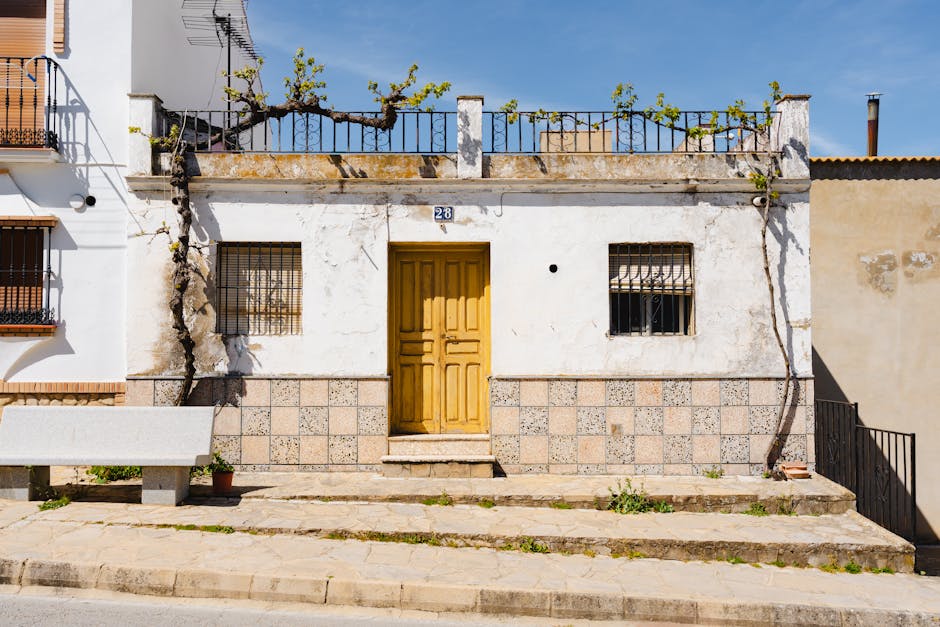
3. The Town Built Under a Single Rock
Setenil de las Bodegas, Spain
The rock came first. The town grew underneath it.
In Andalucía's white-village country, Setenil did something the others didn't — it tucked itself into a river gorge, with houses built directly beneath a vast overhang of stone that forms their ceilings. Whole streets run in the shadow of a rock roof that no one built. Locals will tell you it keeps the cafes cool in summer and the bodegas cooler still.
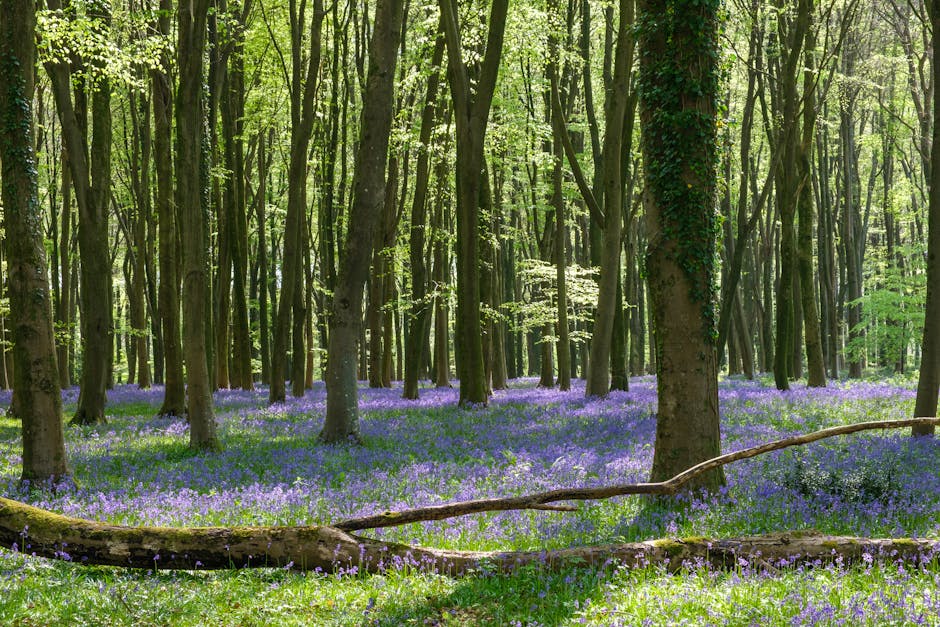
4. The Forest That Is Blue for Ten Days
Hallerbos, Belgium
For about ten days each spring the forest floor turns solid violet — then it's gone.
Hallerbos, just south of Brussels, was clear-cut by occupying forces during the First World War and entirely replanted in the 1930s. Every April the new forest performs a brief, total transformation: millions of wild bluebells flower at once, turning the ground a haze of blue-violet beneath the beeches. Miss the window by a week and you'd never know it happens at all.
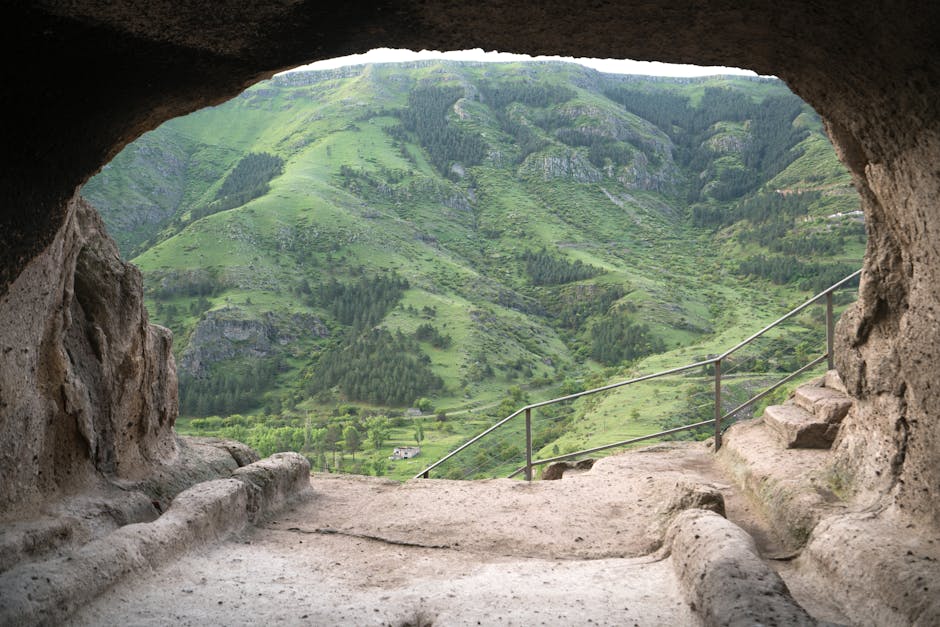
5. The City Carved to Be Invisible
Vardzia, Georgia
A 12th-century queen had an entire city dug into a cliff so invaders couldn't find it.
Vardzia is a cave city of up to 6,000 rooms spread across 13 levels, hollowed out of a mountainside under Queen Tamar in the 1180s. It was built as a hidden fortress — monastery, granary, and refuge — designed so that an entire population could vanish behind the rock face when Mongol armies came through. An earthquake later sheared off the outer wall, exposing the warren within.
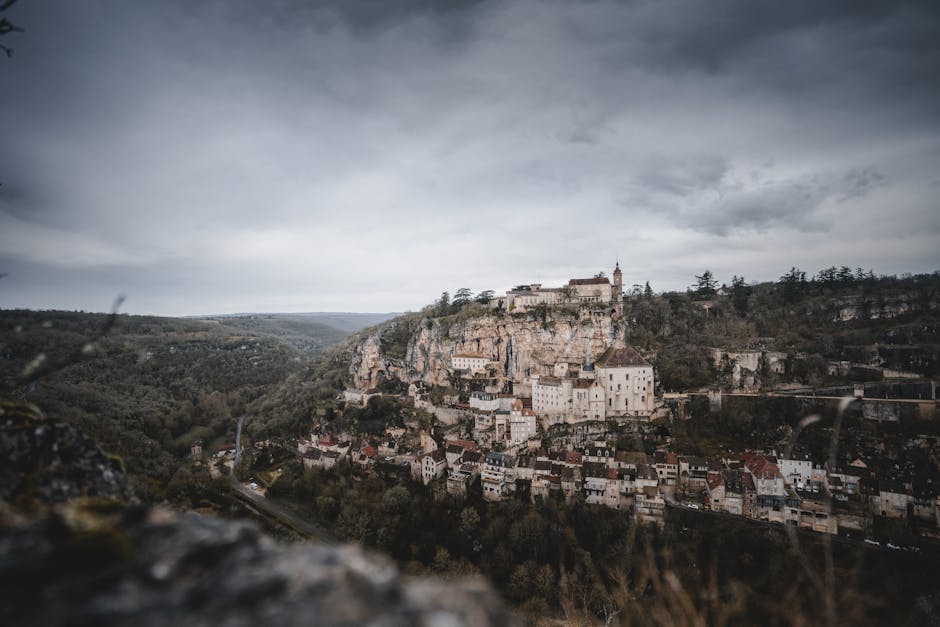
6. The Village That Grew Straight Up
Rocamadour, France
It ran out of ground, so it climbed — houses, then chapels, then a castle, stacked up a cliff.
Clinging to a 120-meter limestone cliff above a gorge in the Lot, Rocamadour is built in vertical tiers: shops and houses at the bottom, a cluster of medieval chapels in the middle, a fortress at the top. For a thousand years pilgrims climbed its great stone staircase on their knees. It's one of the few towns easier to describe by its floors than its streets.
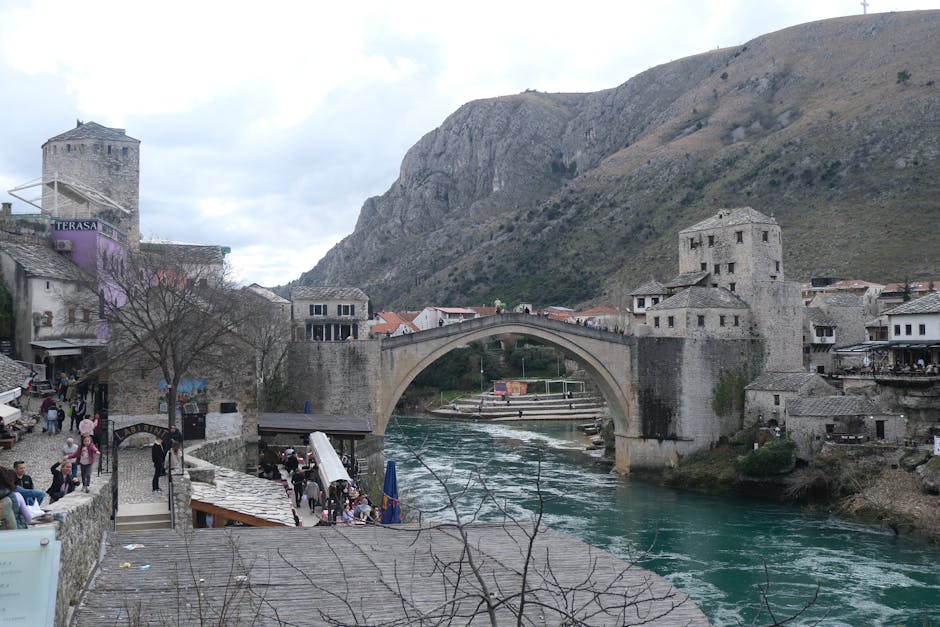
7. The Bridge Pulled Back Out of the River
Stari Most, Mostar, Bosnia and Herzegovina
Shelling dropped this 400-year-old bridge into the river. Years later, they fished the stones back out.
The Stari Most, an elegant Ottoman arch built in 1566, stood for 427 years until it was destroyed during the 1990s war. Its reconstruction, finished in 2004, used the original 16th-century technique — and divers recovered original stones from the Neretva river below to rebuild it. Today young locals still leap from its parapet into the green water, a tradition older than the bridge's destruction.
8. The Falls Where People Fished the Air
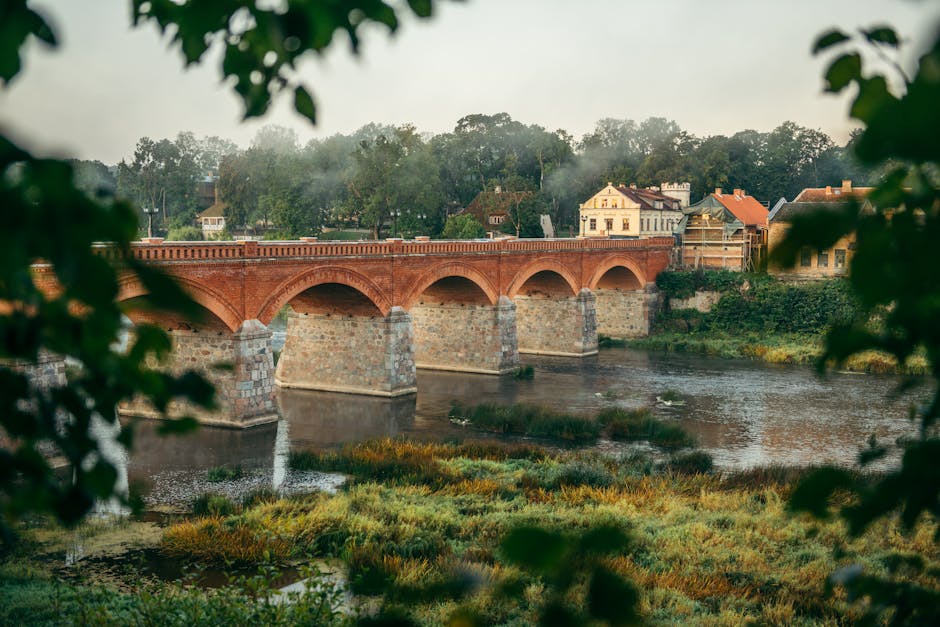
Kuldīga, Latvia
Europe's widest waterfall — and locals once caught fish out of mid-air with baskets.
Ventas Rumba, beside the quiet town of Kuldīga, is the widest waterfall in Europe at around 249 meters across, though only a couple of meters tall. In past centuries, fish leaping upstream over the ledge were caught in baskets as they flew — a haul so reliable that the town was nicknamed the place where you could catch fish in the air. The old brick bridge beside it is one of the longest of its kind on the continent.
9. The Cathedral Carved From Salt
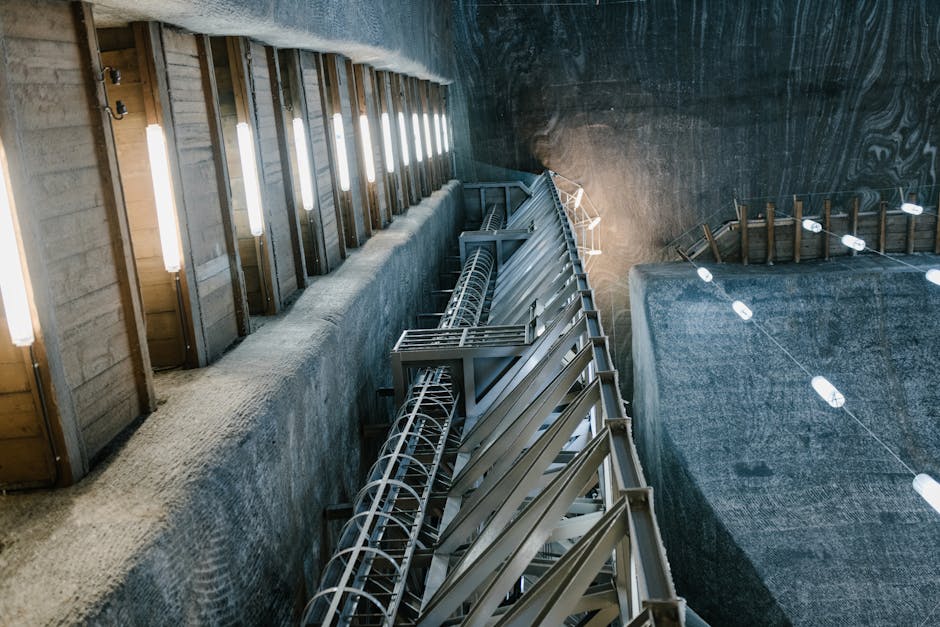
Wieliczka Salt Mine, Poland
More than 100 meters underground, miners carved an entire church — from the salt they came to dig.
The Wieliczka mine near Kraków produced salt for some 700 years. Across the centuries its miners did something extraordinary in their spare hours: they carved chapels, statues, altarpieces, and a vast cathedral hall — even the chandeliers — entirely out of rock salt. The deepest chamber sits over 300 meters down. It's a workplace its workers turned into a quiet act of devotion.
Frequently asked questions
What is the best time of year to visit these European hidden gems?
Late spring (May to June) and early autumn (September) give you mild weather and far thinner crowds than peak summer. Hallerbos in Belgium is the exception — its bluebells only flower for roughly ten days in April, so check local bloom updates before planning a trip around it.
How do you find hidden gems instead of tourist traps when traveling?
Look one layer past the famous landmark: the village near it, the older bridge, the site locals mention but guidebooks skip. The places worth your time usually have a story rather than just a skyline. An AI audio guide like AllTours helps here — point your camera at anything and it tells you whether there's history worth stopping for.
Are these hidden gems hard to reach?
Most are an easy day trip from a major city — Hallerbos from Brussels, Wieliczka from Kraków, Setenil from Seville or Ronda. Civita di Bagnoregio and Vardzia take a little more effort, which is exactly why they stay quiet.
How does the AllTours app work at places like these?
AllTours is an AI audio tour guide. You photograph any landscape or landmark, and the app analyzes the image and narrates its history, geology, and cultural significance — then lets you ask follow-up questions. It works offline-friendly, in your language, with no guide to book.
Self-guided audio tours
Walk these places stop by stop — free five-stop story tours you can take at your own pace:
Photography via Pexels. AllTours.ai is an AI audio tour guide — point your camera at any landscape and hear its story.