July 9, 2026 · 4 min read
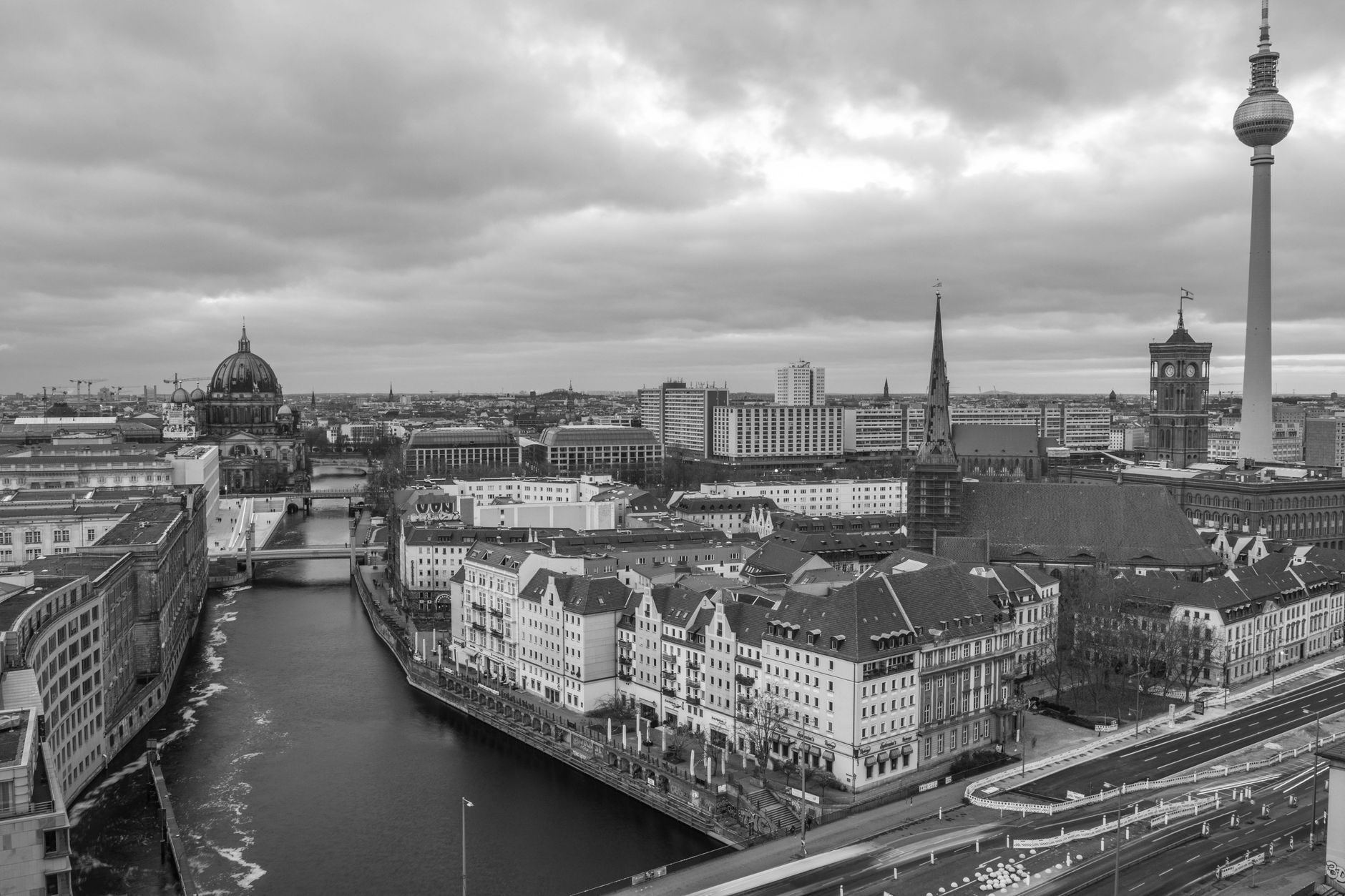
Berlin is a city often defined by its iconic landmarks: the Brandenburg Gate, the Reichstag, Museum Island. Yet, its true character, its deepest scars, and its most resilient hopes often lie just beyond the well-trodden path. The twentieth century, in particular, left an indelible mark on Berlin, shaping its landscape and its spirit in ways that are both profound and often overlooked.
To truly understand Berlin, one must peel back the layers of its recent past, seeking out the places where history whispers its untold tales. From Cold War espionage to daring architectural experiments and forgotten leisure grounds, these lesser-known sites offer a vivid, specific glimpse into the city's tumultuous journey and the lives lived within its walls.
1. The Spy Mountain's Silent Echoes
Teufelsberg, Germany
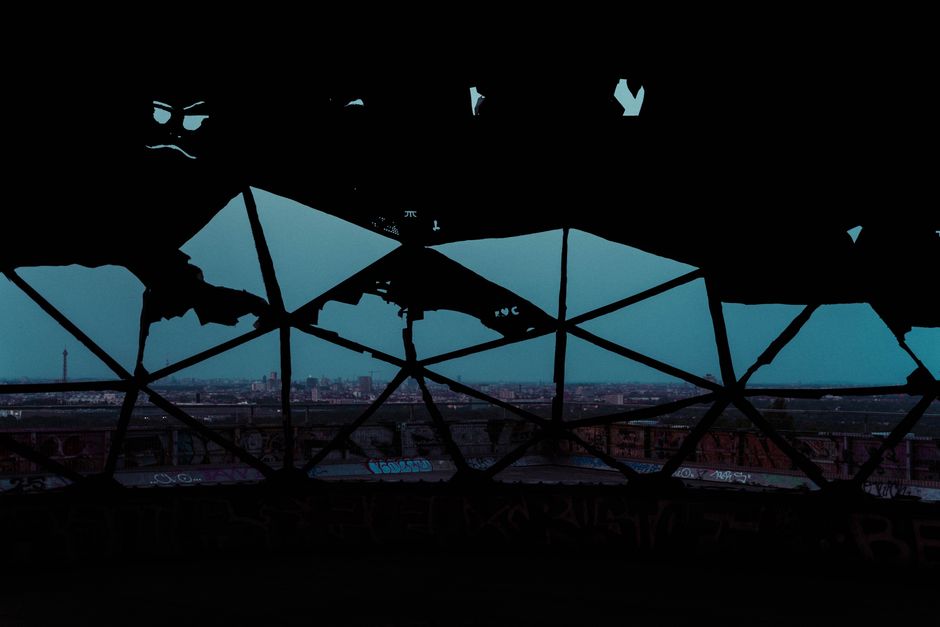
This artificial hill, built atop Nazi ruins, became a vital listening post for American and British intelligence during the Cold War.
Teufelsberg, or 'Devil's Mountain,' stands as a haunting monument to the Cold War. Formed from 26 million cubic meters of rubble from bombed-out Berlin, its summit became home to a massive US National Security Agency listening station. Dome-covered radar dishes once intercepted Soviet bloc communications, while today, street art covers the decaying structures, offering a stark contrast to its former clandestine purpose.
2. Inside the Surveillance State
Stasi Museum, Germany
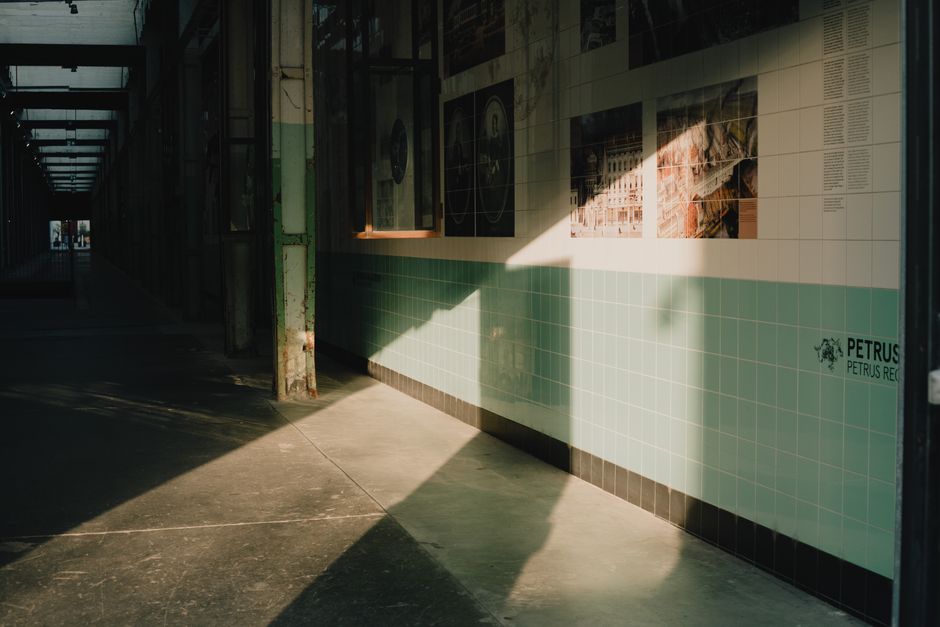
Step into the actual former headquarters of the East German secret police, the 'Stasi,' and see the office of its last notorious chief, Erich Mielke.
The Stasi Museum is housed in Building 1 of the former Ministry for State Security, a chillingly preserved relic of East Germany's surveillance apparatus. Visitors can wander through the actual offices, including the personal suite of Minister Erich Mielke, left virtually untouched since 1989. Exhibits detail the Stasi's methods of control, surveillance, and repression, revealing the pervasive fear that gripped daily life in the GDR.
3. Spreepark's Abandoned Dinosaurs
Spreepark, Germany
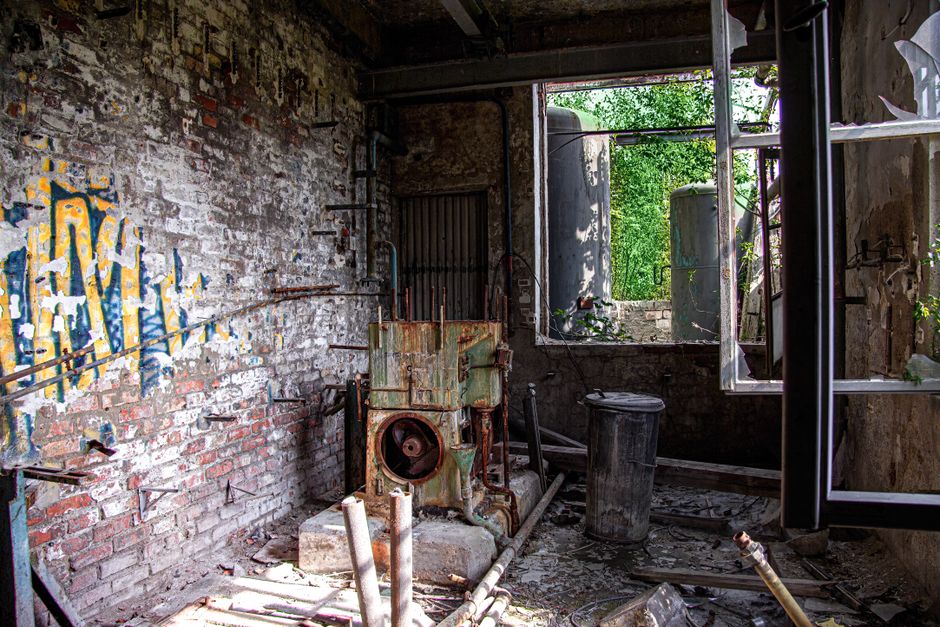
Explore the eerie, overgrown remains of East Germany's only permanent amusement park, where forgotten dinosaur statues peek through wild foliage.
Spreepark was once a vibrant symbol of leisure in the GDR, later struggling to adapt after reunification. Abandoned in 2002, its rides have slowly succumbed to nature, creating a unique urban ruin. Gigantic, decaying dinosaur figures, a Ferris wheel frozen in time, and other amusement park relics now stand silently among the trees, a poignant reminder of past dreams and economic shifts.

4. Hansaviertel: A Modernist Utopia
Hansaviertel, Germany
Discover a visionary post-war housing estate designed by leading international architects, a hopeful answer to Berlin's destruction.
After World War II, West Berlin sought to rebuild not just structures, but spirit. The Hansaviertel district, part of the 1957 Interbau exhibition, features residential buildings by architects like Alvar Aalto, Walter Gropius, and Oscar Niemeyer. This open, green neighborhood was a bold statement of modernism and a democratic alternative to the cramped, traditional housing of the past, embodying a future-oriented vision for a divided city.
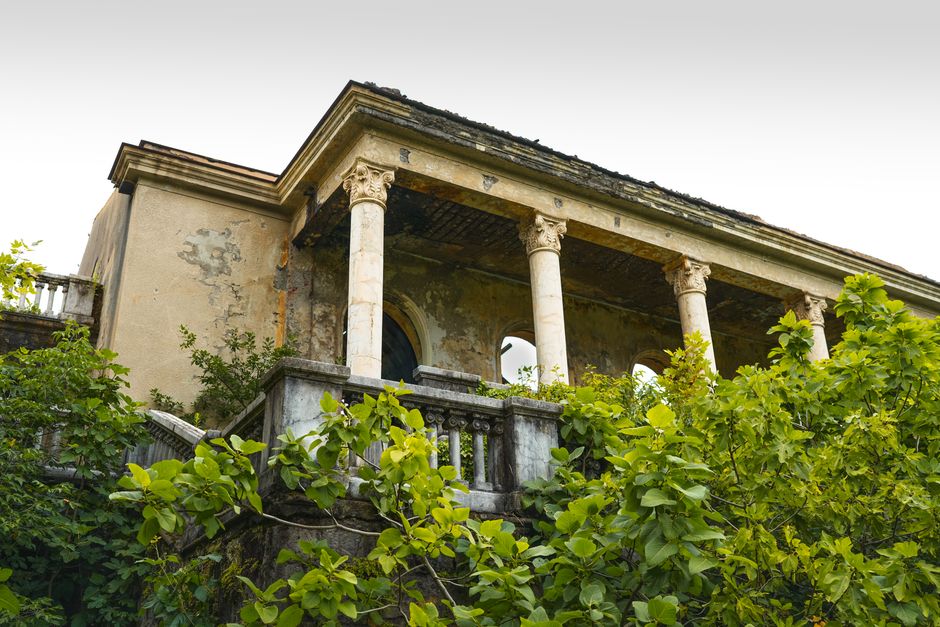
5. Liebermann-Villa's Serene Shores
Liebermann-Villa, Germany
Visit the beautiful lakeside summer residence of Impressionist painter Max Liebermann, a tranquil escape with a dark historical shadow nearby.
Located on the shores of Wannsee, the Liebermann-Villa was the beloved summer home and artistic retreat of Max Liebermann, a prominent German-Jewish painter. His garden, often depicted in his works, remains a peaceful sanctuary. While the villa itself is a testament to his life and art, its proximity to the infamous Wannsee Conference House adds a layer of somber historical context, highlighting the stark contrast between personal peace and national horror.
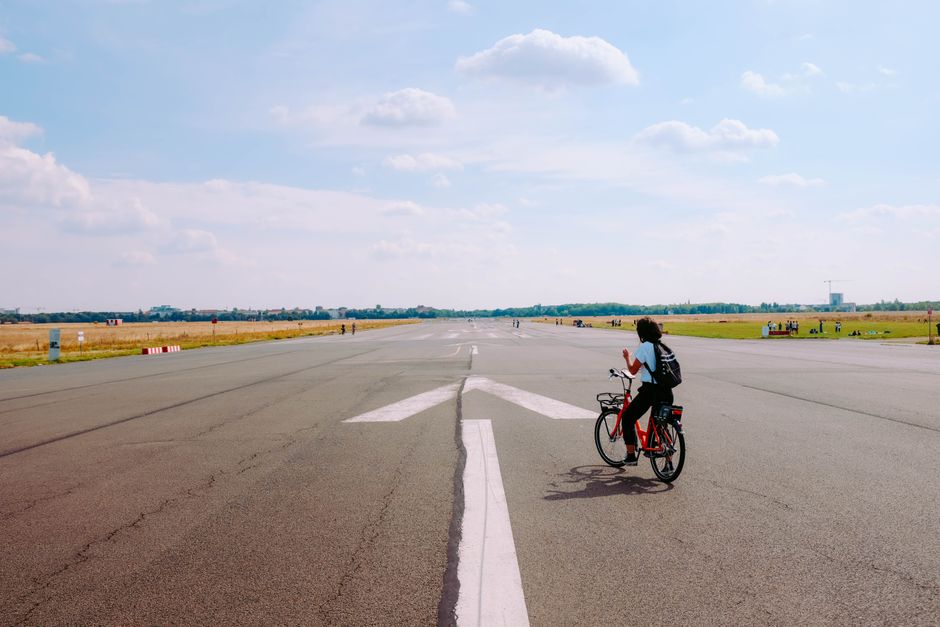
6. Tempelhof Field: From Airlift to Urban Park
Tempelhof Field, Germany
Walk across the former runways of Tempelhof Airport, a site that played a crucial role in the Berlin Airlift and still retains its massive Nazi-era terminal building.
Tempelhof Airport, once one of the world's largest buildings, was a central hub for commercial flight and a Nazi architectural marvel. Its most famous chapter, however, was during the 1948-49 Berlin Airlift, when Allied planes landed here every few minutes, delivering supplies to West Berlin. Today, the runways are a vast public park, a symbol of freedom, where Berliners cycle, rollerblade, and picnic, embracing its open space.
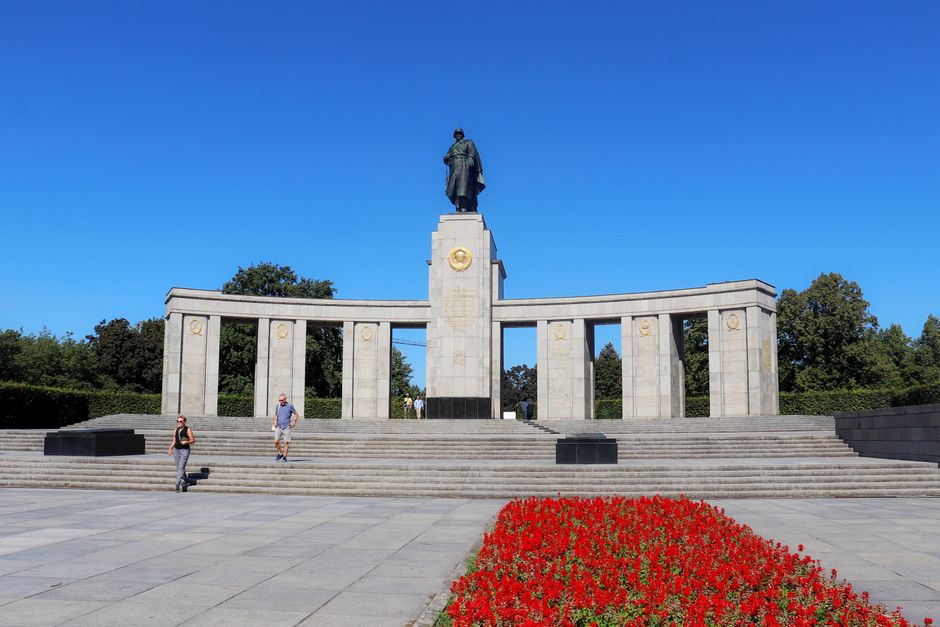
7. Treptower Park's Soviet Giant
Soviet War Memorial Treptower Park, Germany
Encounter the monumental Soviet War Memorial, an imposing and deeply symbolic tribute to the Red Army soldiers who fell during the Battle of Berlin.
The Soviet War Memorial in Treptower Park is one of Berlin's most impressive and politically charged monuments. Centered around a towering statue of a Soviet soldier saving a German child, it serves as the final resting place for thousands of Red Army soldiers. Its scale and design, featuring granite reliefs and allegorical figures, convey the Soviet perspective on World War II, making it a powerful and sobering site of remembrance.
Frequently asked questions
What is the best way to get around Berlin?
Berlin boasts an excellent public transport system, including U-Bahn (subway), S-Bahn (urban rail), trams, and buses. A single ticket covers all modes, and day passes offer great value for exploring the city efficiently.
Are these hidden gems in Berlin easy to access?
Most of these sites are accessible via Berlin's public transport network, though some, like Teufelsberg or Spreepark, may require a short walk or bus connection from the nearest train station. Planning your route in advance is always recommended.
What's unique about Berlin's 20th-century history?
Berlin's 20th-century history is unique due to its central role in two World Wars, its division during the Cold War, and its subsequent reunification. This tumultuous past has left a profound impact, creating a city rich with stories of conflict, resilience, and transformation that are unlike anywhere else.
How can AllTours.ai enhance my exploration of Berlin's hidden history?
AllTours.ai brings these specific stories to life. Simply point your phone camera at a landmark or landscape, and the app will narrate its history, geology, and culture in your language, providing a deeper, more personal understanding of Berlin's hidden gems.
Related guides
Photography via Pexels. AllTours.ai is an AI audio tour guide — point your camera at any landscape and hear its story.