August 11, 2026 · 4 min read
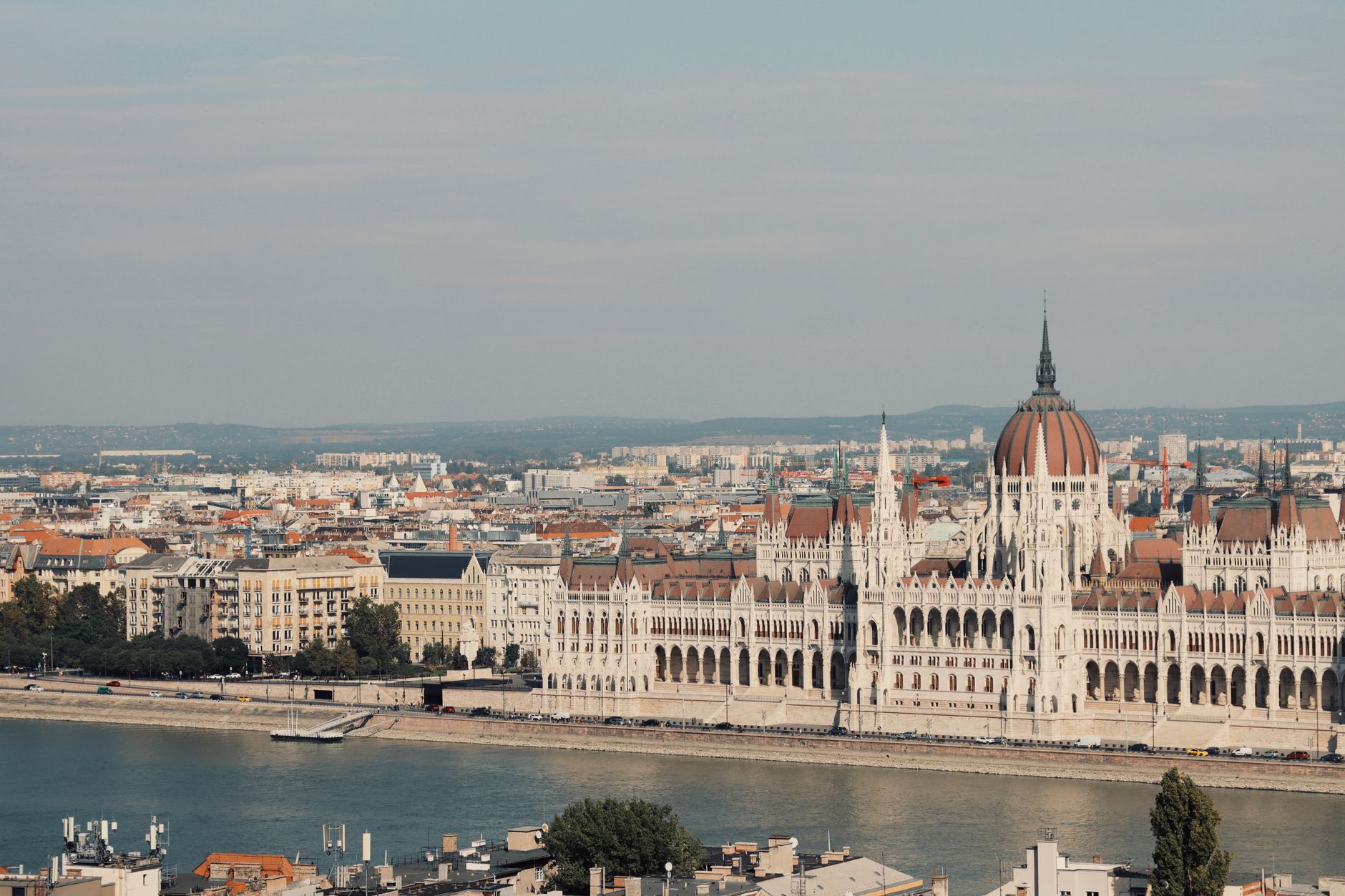
Budapest, a city split by the majestic Danube, is a treasure trove of history, culture, and stunning architecture. Squeezing its vast wonders into a single day might seem daunting, but with a focused approach, you can capture the essence of this vibrant capital.
This curated 24-hour itinerary goes beyond the obvious, guiding you through Budapest's must-see landmarks while peeling back layers of untold stories. Prepare to be surprised by the lesser-known facts and hidden depths of this magnificent city.
1. Parliament Building: A Symbolic Height
Budapest, Hungary
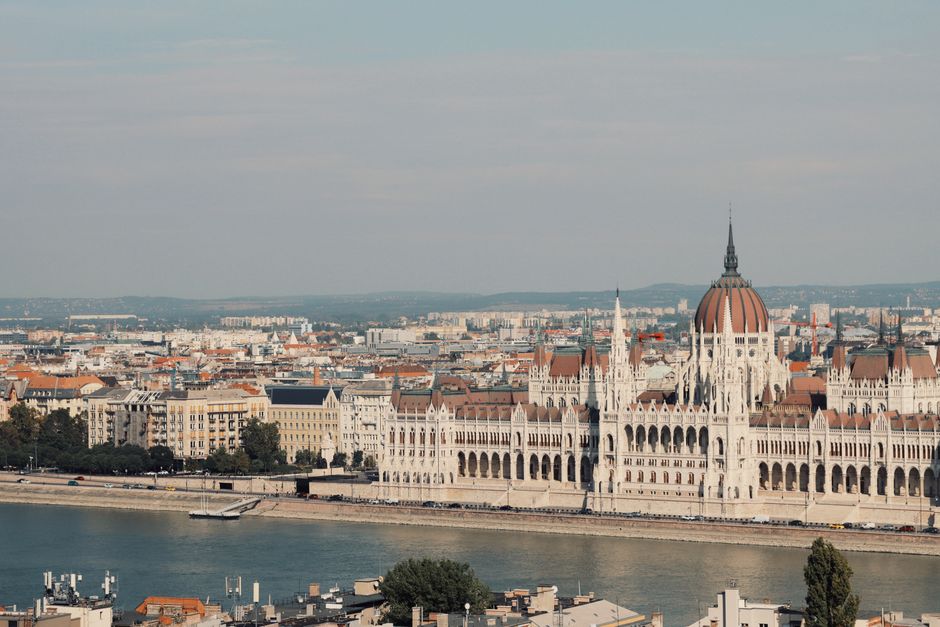
The Parliament Building's height is precisely 96 meters, symbolizing the year 896 AD, when the Magyars conquered the Carpathian Basin.
This architectural marvel, standing majestically on the Danube's bank, holds a subtle yet profound national symbol in its dimensions. The 96-meter height isn't accidental; it commemorates the foundational moment of Hungarian history. This specific measurement is shared only with St. Stephen's Basilica, underscoring its significance as a national icon and a constant reminder of the nation's origins.
2. Fisherman's Bastion: A Fairytale Viewpoint, Not a Fort
Budapest, Hungary
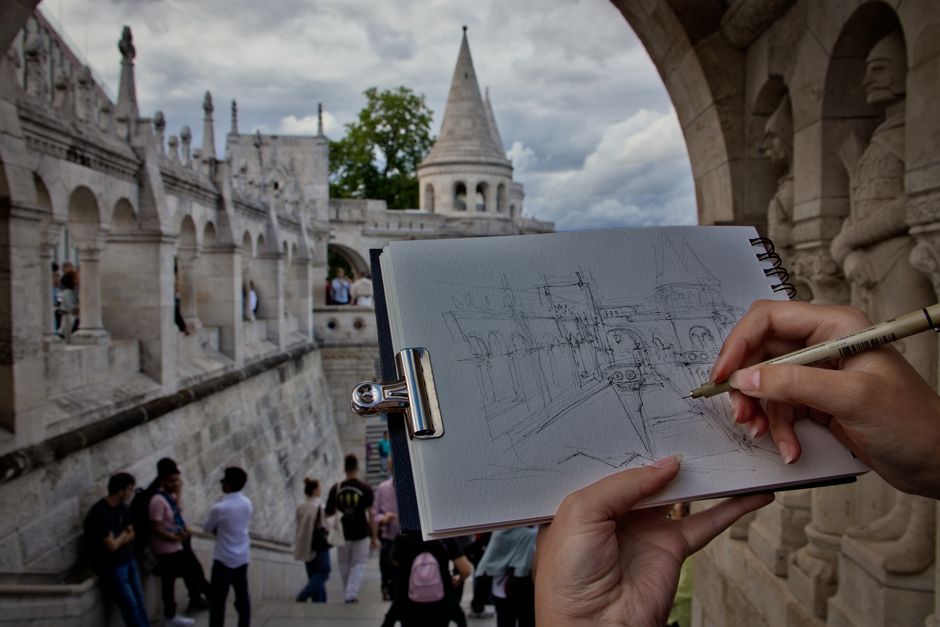
Despite its name, Fisherman's Bastion was never a defensive structure, but an early 20th-century viewing terrace designed for aesthetics.
Perched atop Buda Hill, this neo-Romanesque and neo-Gothic masterpiece offers unparalleled views of the Danube and Pest. Its turrets and arcades evoke a medieval fortress, yet it was built primarily between 1895 and 1902 as a decorative complement to Matthias Church. Legend attributes its name to the guild of fishermen who defended this stretch of the city walls in the Middle Ages, though the current structure is purely ornamental.
3. Hospital in the Rock: Secret Underground Refuge
Budapest, Hungary
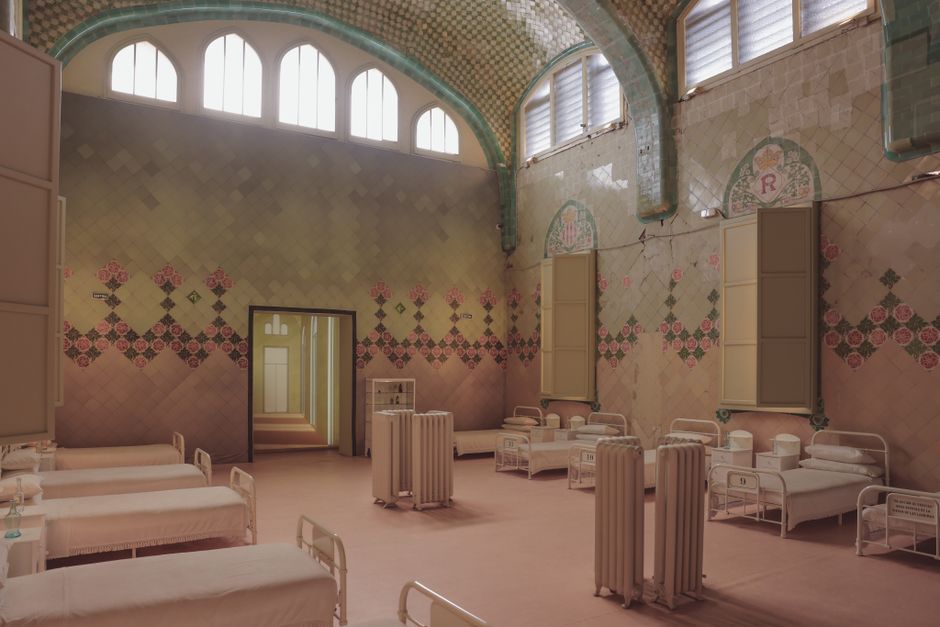
Beneath Buda Castle, a secret underground hospital, built into natural caves, operated during WWII and later converted into a nuclear bunker during the Cold War.
Tucked away under the Buda hills, this hidden complex tells a chilling tale of survival. Originally a natural cave system, it was rapidly expanded into a fully equipped emergency hospital during the Siege of Budapest in 1944. Later, in the 1950s, it was modernised as a top-secret nuclear bunker, complete with decontamination facilities. Today, it stands as a museum, preserving the original equipment and stories of those who sought refuge within its walls.
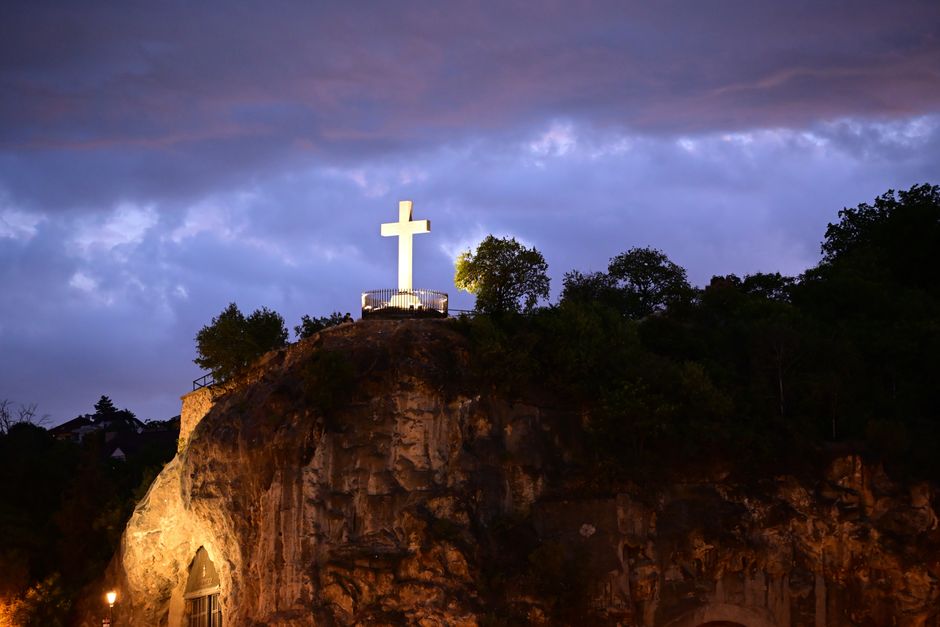
4. Gellért Hill Cave Church: A Living Rock Sanctuary
Budapest, Hungary
During World War II, the Gellért Hill Cave Church served as a field hospital for German troops before being sealed off by the communist regime for decades.
Carved directly into the side of Gellért Hill, this unique church is part of a natural cave system. It found a grim, practical use during WWII, tending to wounded soldiers. Following the war, its religious activities continued until 1951, when the communist government imprisoned its monks and sealed the entrance with concrete. It reopened only after the fall of communism, resuming its role as a place of worship and a testament to resilience.
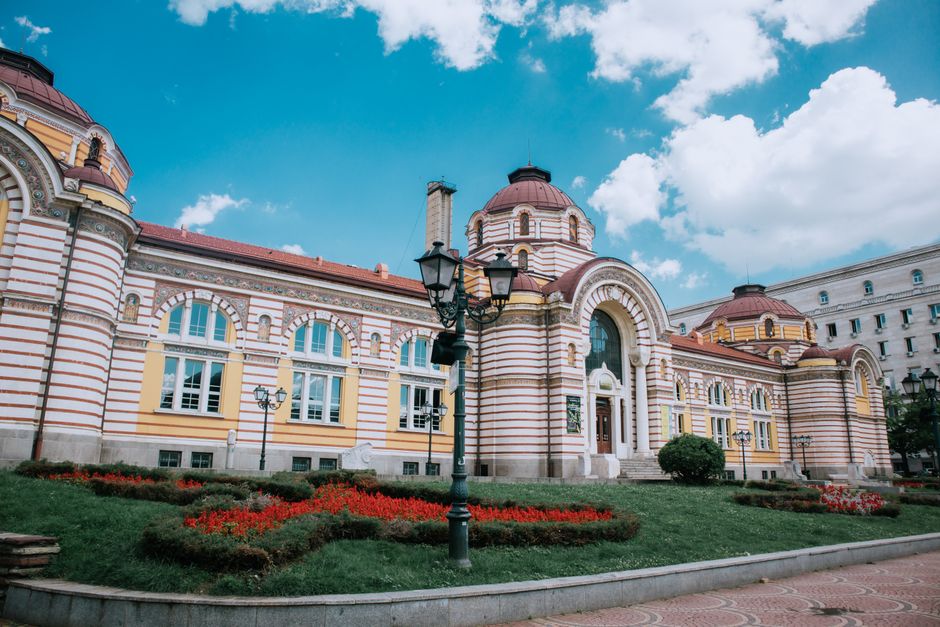
5. Széchenyi Thermal Bath: Europe's Largest Medicinal Spring Complex
Budapest, Hungary
The Széchenyi Thermal Bath draws its incredibly mineral-rich waters from the second deepest thermal well in Budapest, drilled over a century ago.
More than just a place to relax, Széchenyi Bath is a grand testament to Budapest's "City of Spas" title. Its neo-baroque architecture houses 18 pools, fed by two thermal springs. The deeper well, drilled in 1868, reaches over 1200 meters, delivering water at a scorching 77°C, rich in sulfates, calcium, and magnesium. This ancient geologic activity underpins the city's unique therapeutic culture, a tradition dating back to Roman times.
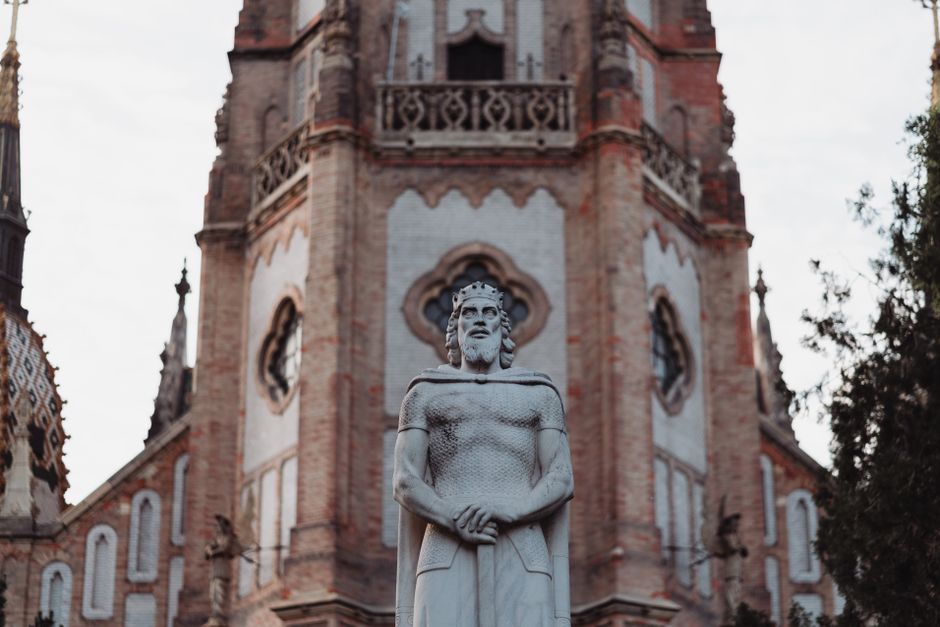
6. Memento Park: A Graveyard for Giant Ideologies
Budapest, Hungary
Memento Park is an outdoor museum where communist-era statues, deemed too controversial for public display after the fall of the regime, were re-erected.
A fascinating and slightly eerie journey back in time, Memento Park is not just a collection of statues but a conceptual art project. After the collapse of communism in 1989, Budapest faced the challenge of what to do with its numerous monumental statues of Lenin, Marx, and Hungarian communist leaders. Instead of destroying them, they were gathered here, creating a unique historical archive. It prompts reflection on totalitarianism and the power of symbols.
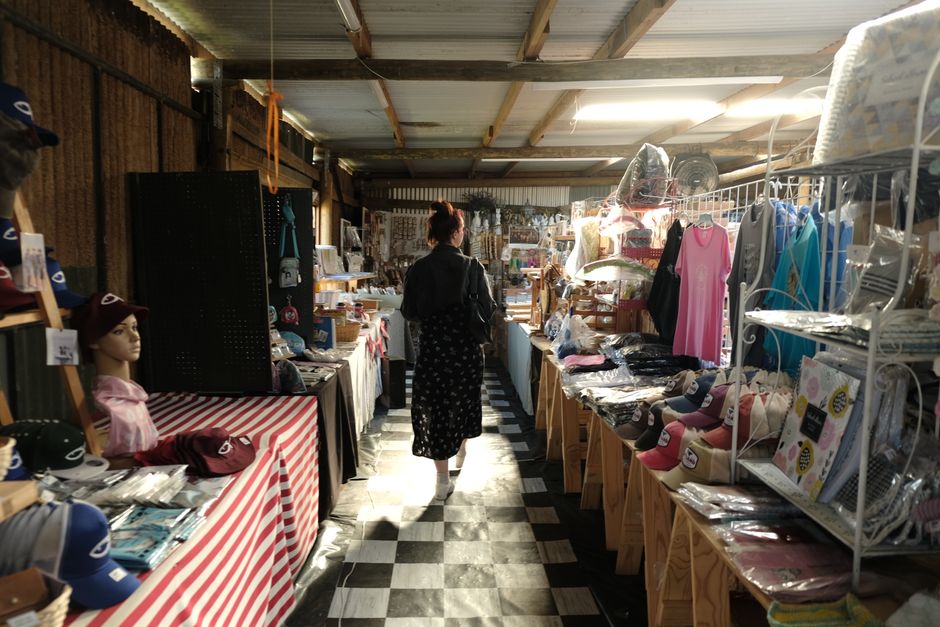
7. Ecseri Flea Market: Hunt for Hungarian History
Budapest, Hungary
Ecseri Flea Market, a sprawling weekend bazaar, is where you can find everything from antique communist memorabilia to forgotten family heirlooms, each with an untold Hungarian story.
For a taste of authentic Budapest beyond the main tourist routes, head to Ecseri. This vast outdoor market is a treasure hunter's dream, offering a chaotic but charming glimpse into Hungarian everyday life and history. You might unearth vintage records, antique furniture, Soviet-era uniforms, or even traditional folk art. It’s not just about buying; it’s about the experience of haggling and discovering narratives embedded in forgotten objects.
Frequently asked questions
How to get around Budapest efficiently in one day?
Budapest has an excellent public transport system including trams, buses, and metro. For a day trip, consider purchasing a 24-hour travel card. Walking is also highly recommended for central areas like Buda Castle District and along the Danube, allowing you to discover hidden alleys and details.
What's the best way to experience thermal baths in a short visit?
To make the most of limited time, choose one thermal bath and aim for an early morning visit to avoid crowds. Széchenyi and Gellért are the most famous. Focus on one or two main pools and enjoy the unique architecture and atmosphere rather than trying every facility.
Is Budapest walkable for a day trip?
While central Budapest is quite walkable, especially within districts like Buda Castle Hill or Pest's inner city, covering all major highlights in one day on foot would be challenging. Public transport or even taxis/ride-sharing are recommended to efficiently move between further-apart attractions like Memento Park or Ecseri Flea Market.
How can AllTours.ai enhance my Budapest experience?
AllTours.ai transforms your exploration by providing instant, in-depth narratives about any landmark you point your camera at. Instead of just seeing a building, you'll uncover its surprising history, cultural significance, and even geological secrets, enriching your understanding far beyond a typical guidebook.
Related guides
Photography via Pexels. AllTours.ai is an AI audio tour guide — point your camera at any landscape and hear its story.