November 17, 2026 · 4 min read
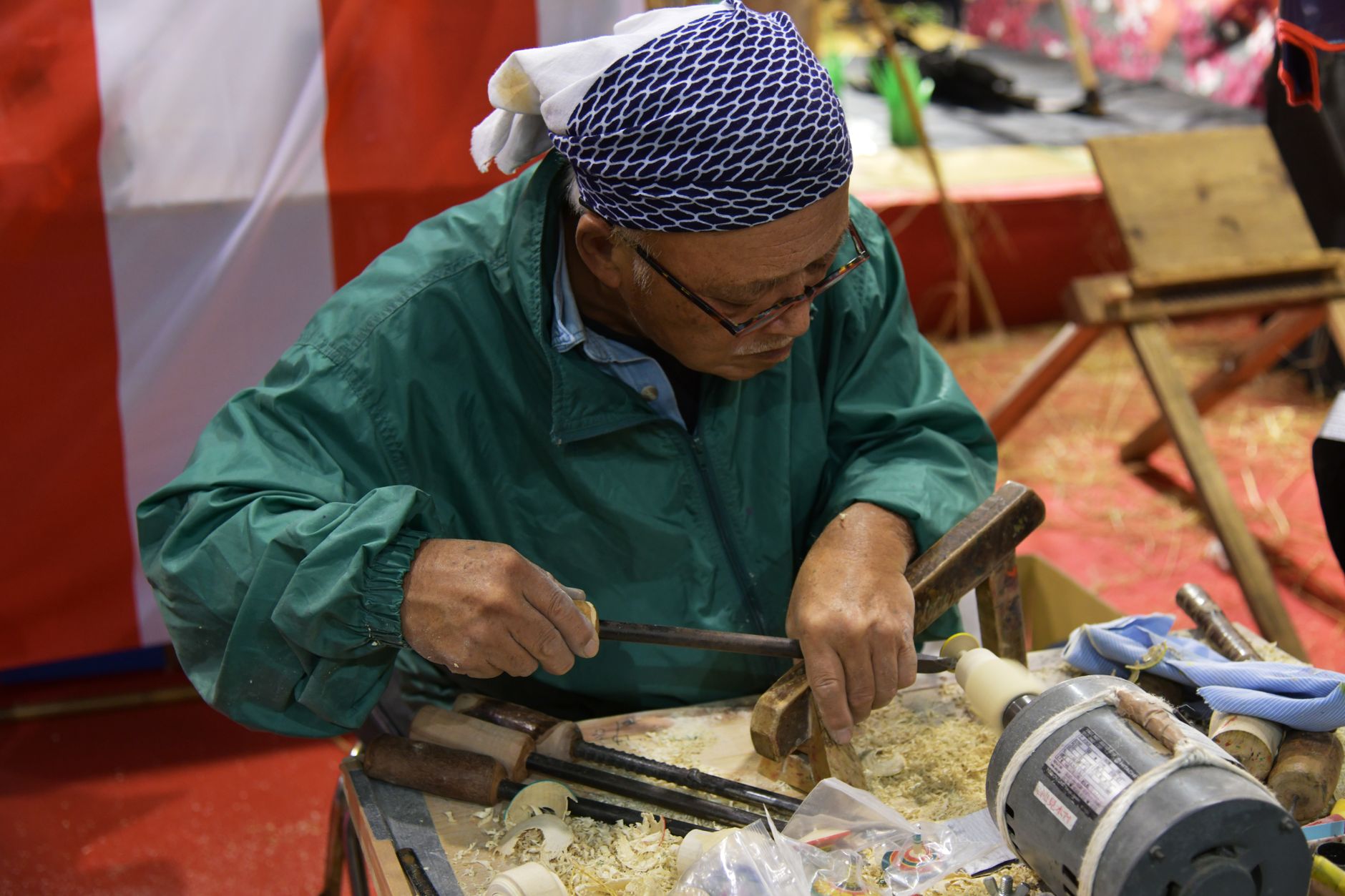
Kyoto, a city steeped in millennia of history, is more than just ancient temples and serene gardens; it's a living museum of traditional Japanese craftsmanship. For centuries, artisans here have honed skills passed down through generations, creating functional art that defines Japan's aesthetic. From the delicate brushstrokes of a painted fan to the intricate weave of a kimono, each piece tells a story of dedication and heritage.
If you have just one day to delve deeper than the surface, Kyoto offers an unparalleled opportunity to immerse yourself in these time-honored traditions. Forget the bustling tourist paths and instead, seek out the quiet studios where masters continue to practice their art. A hands-on workshop provides a unique window into a world where beauty is painstakingly crafted, revealing surprising tales behind everyday objects.
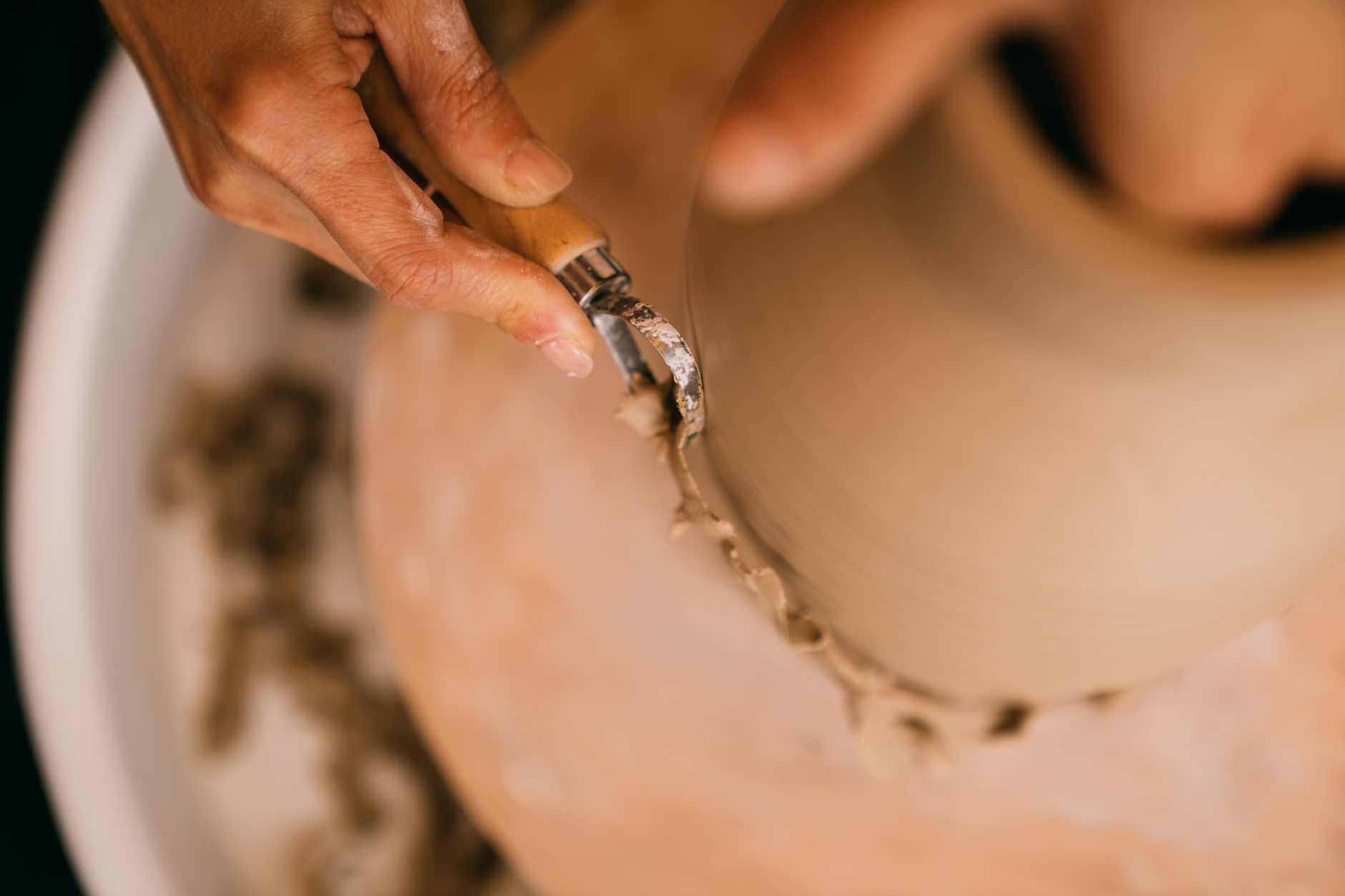
1. The Evolving Clay of Kiyomizu-yaki Pottery
Touan Kiln, Kyoto, Japan
The distinct clay used for Kiyomizu-yaki, once sourced directly from Kyoto's Higashiyama mountains, gave the pottery its unique character before local supplies dwindled.
Kiyomizu-yaki, one of Kyoto's most renowned pottery styles, has a history intimately tied to the local geological landscape. Early artisans near Kiyomizu Temple relied on the rich clay deposits from the surrounding hills. As these local sources became depleted over centuries, potters adapted, sourcing fine clays from other regions while meticulously preserving the traditional techniques, glazes, and firing methods that define Kiyomizu-yaki's elegance. Participating in a workshop at Touan Kiln offers insight into this material evolution.
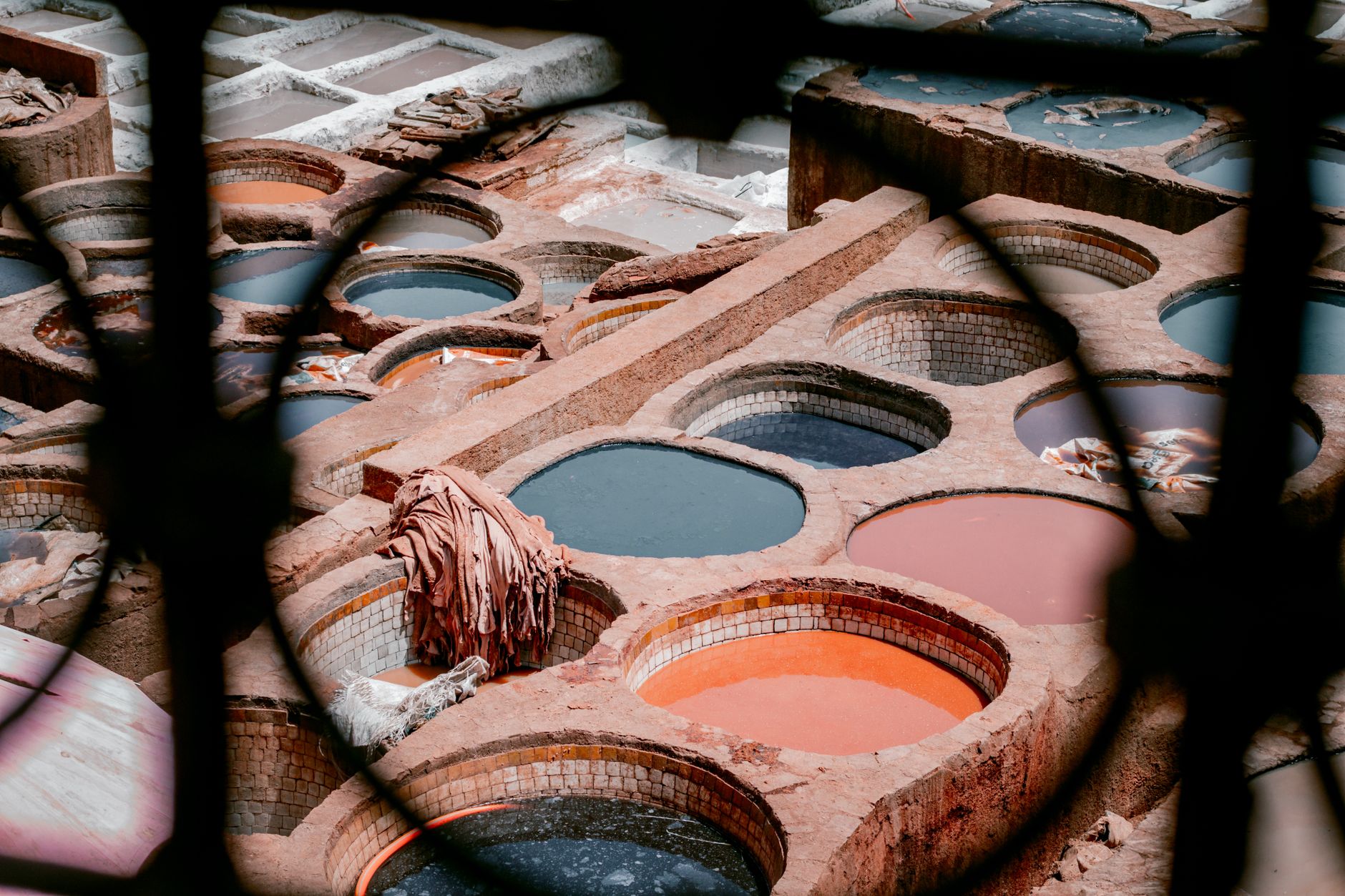
2. The Rice Paste Magic of Kyo-Yuzen Dyeing
Marumasu Nishimuraya, Kyoto, Japan
Kyo-Yuzen dyeing's vibrant, fade-resistant colors are traditionally achieved through a complex resist-dyeing process using rice paste, which is meticulously applied by hand to protect intricate patterns.
Kyo-Yuzen is a sophisticated dyeing technique that adorns some of Japan's most exquisite kimonos and textiles. Its secret lies in a rice paste mixture that acts as a resist, preventing dyes from bleeding into unwanted areas. This allows artisans at places like Marumasu Nishimuraya to create incredibly detailed, multi-colored designs with sharp outlines. The paste is later washed away, revealing the vibrant, unblemished patterns, a testament to centuries of refined skill.
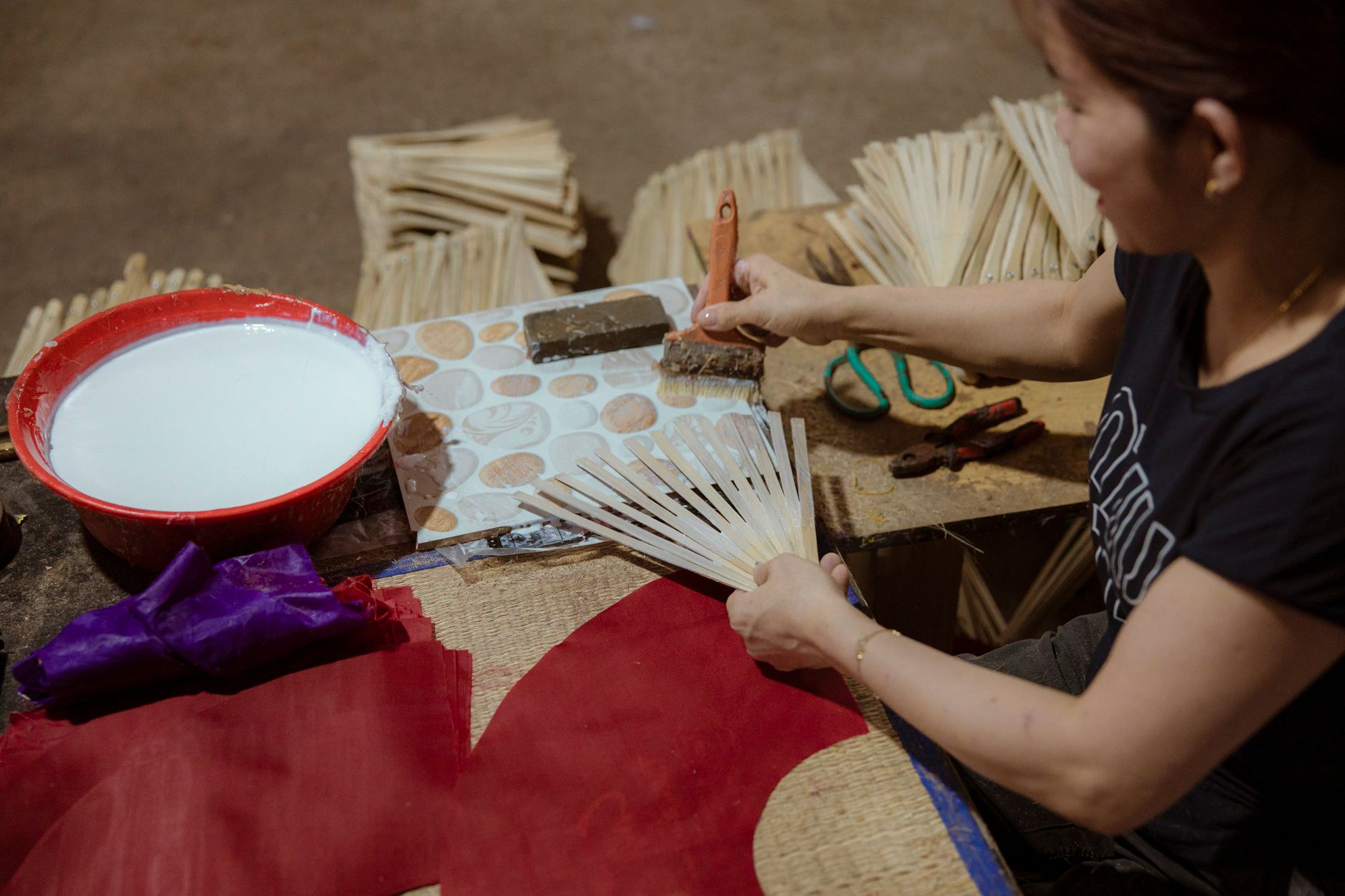
3. Folding Fans: Whispers of the Court
Aiba Sensuten, Kyoto, Japan
Traditional Kyoto folding fans, beyond their use for cooling, historically served as elegant communication tools, with subtle movements and designs conveying unspoken messages in courtly society.
The Kyo-sensu, or Kyoto fan, is a refined art form where paper, bamboo, and intricate painting converge. While indispensable for cooling in Japan's humid summers, these fans held deeper cultural significance. In the Heian court, they were instruments of social interaction, with specific ways of holding or opening a fan conveying greetings, disapproval, or even poetic sentiments. At Aiba Sensuten, you can learn the delicate process of assembling and decorating these historically rich items.
4. The Ancient Blocks of Kyo-karakami Paper
Karacho, Kyoto, Japan
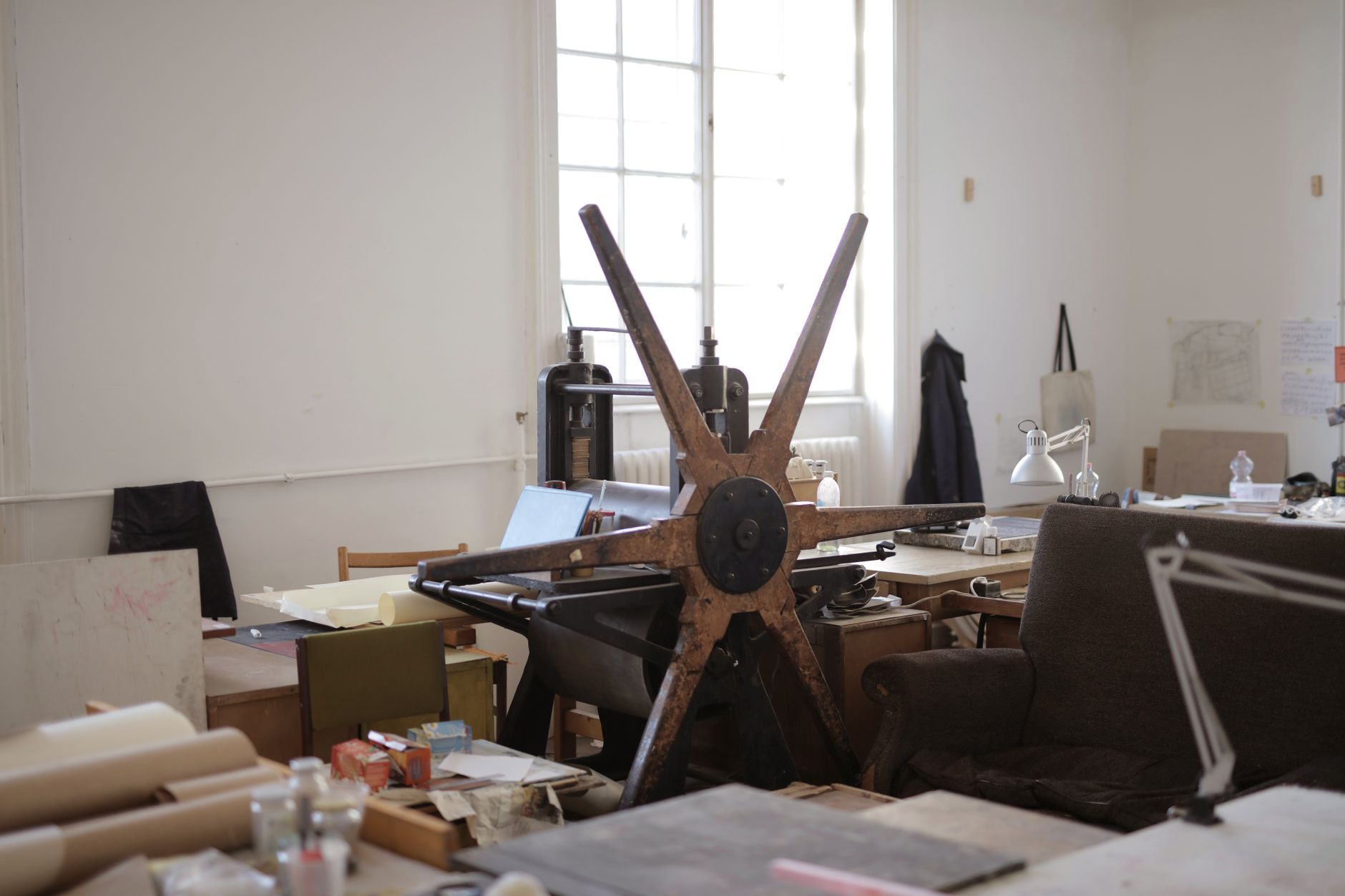
Karacho, an esteemed Kyo-karakami workshop, still uses some of its original hand-carved wooden printing blocks, some dating back centuries, to impress delicate patterns onto paper.
Kyo-karakami is a traditional decorative paper used for sliding doors (fusuma), screens, and stationery, distinguished by its intricate patterns often printed with mica or shell powder. Karacho, founded in 1624, is the oldest Kyo-karakami workshop, and their dedication to preserving the craft is profound. Many of their printing blocks are not reproductions, but the very same hand-carved wooden molds used by their ancestors, carrying the imprint of generations of artistry in every pressed sheet.
5. Kyoto's Millennia-Old Incense Blends
Kunjudō, Kyoto, Japan
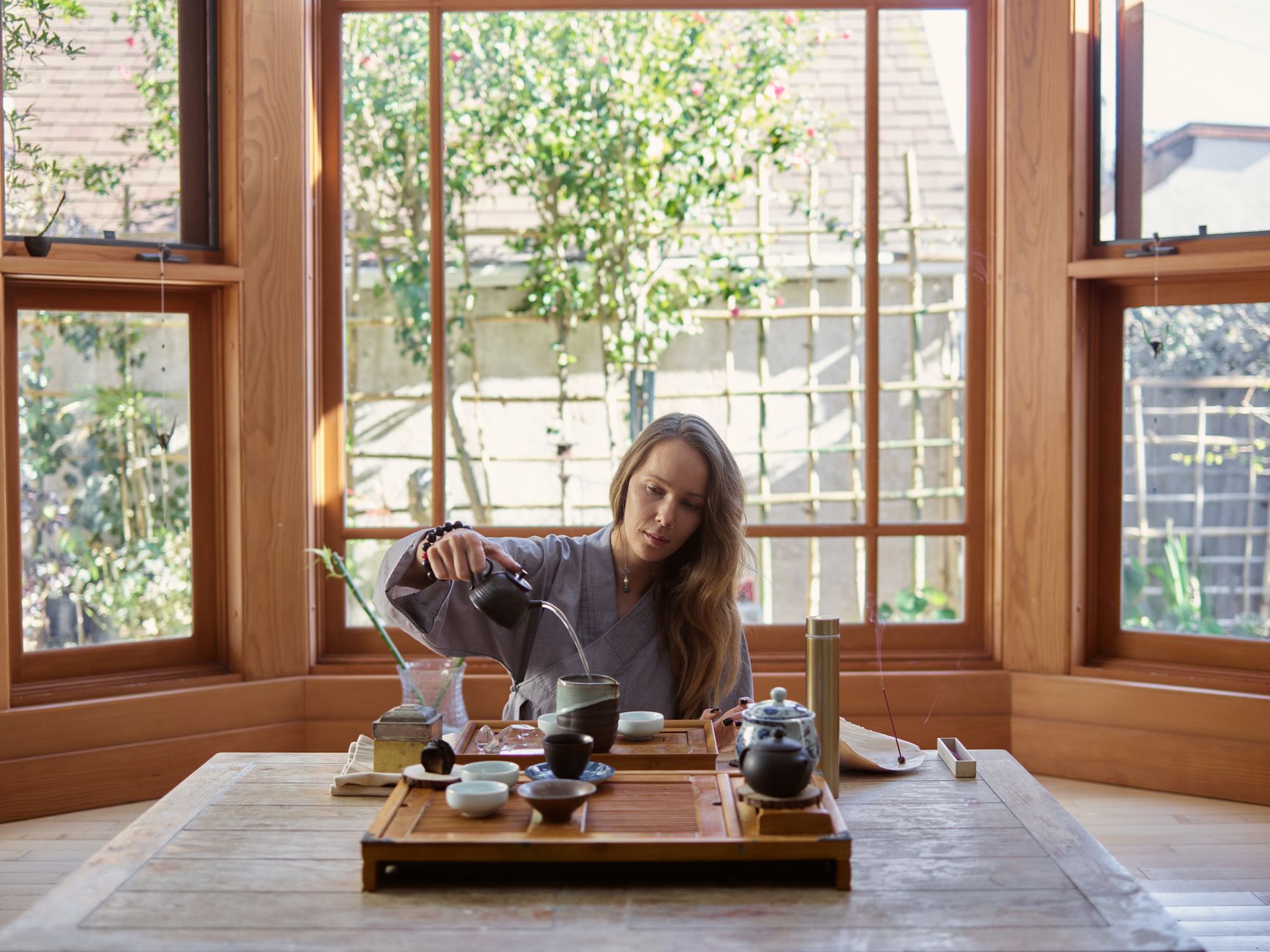
Kunjudō, Kyoto's oldest incense manufacturer, developed unique blends over centuries by adapting rare aromatic woods and spices from the ancient Silk Road to suit local tastes and spiritual practices.
Incense has been integral to Japanese culture for over a thousand years, used in religious ceremonies, meditation, and as a personal fragrance. Kunjudō, established in 1594, is a venerable name in Kyoto's incense tradition. Their master blenders meticulously combine natural ingredients like sandalwood, agarwood, cinnamon, and cloves. The historical journey of these aromatic materials, often traversing vast distances along ancient trade routes, profoundly shaped the complex and subtle fragrance profiles unique to Kyoto's incense.
6. The Layered Durability of Kyo-shikki Lacquerware
Zohiko, Kyoto, Japan
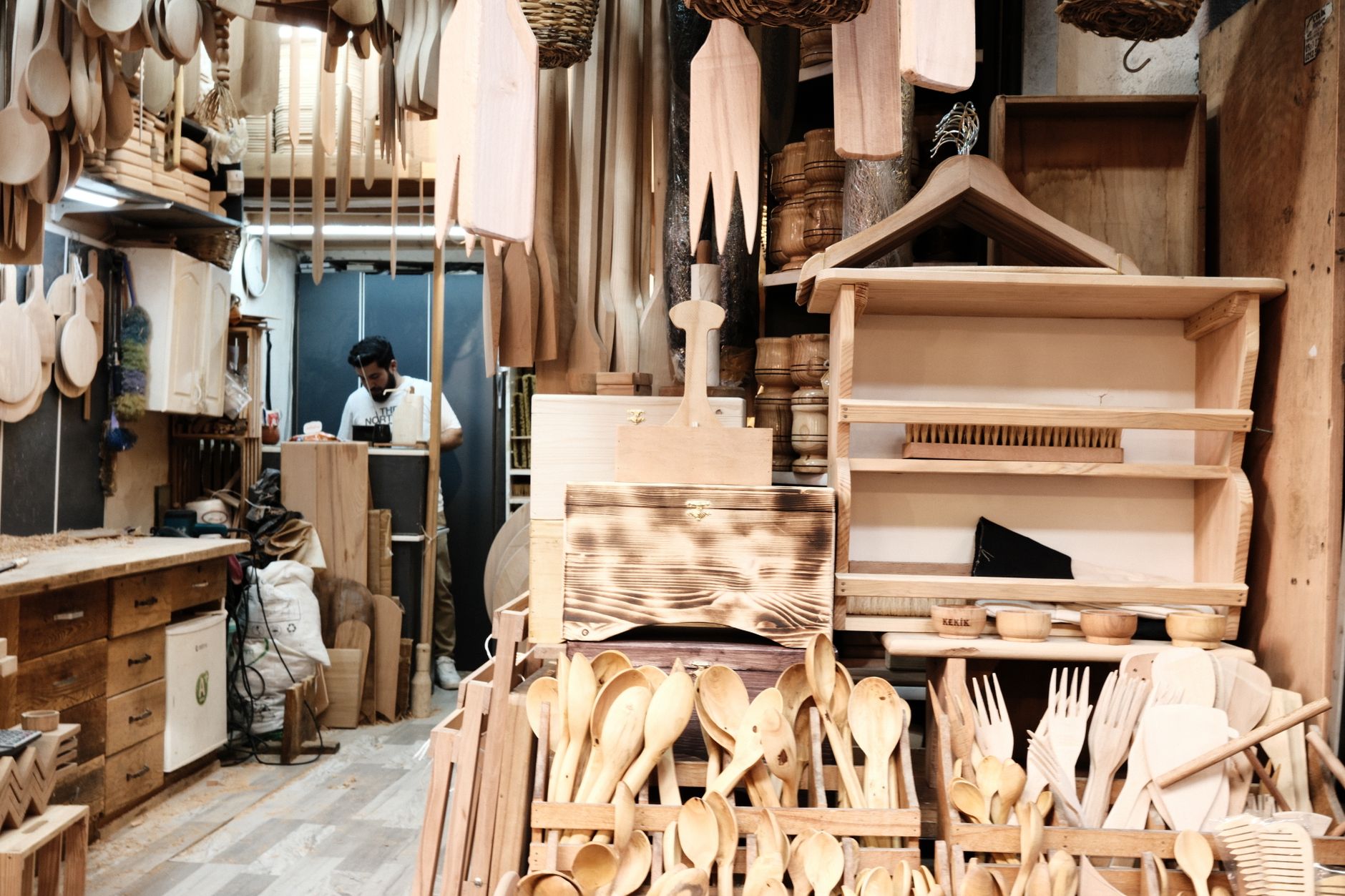
Zohiko's Kyo-shikki lacquerware, known for its deep luster and durability, is often built from dozens of ultra-thin layers of urushi sap, each requiring precise application and drying conditions.
Kyo-shikki, or Kyoto lacquerware, is a testament to patience and precision. The process involves applying multiple, sometimes hundreds, of microscopically thin layers of urushi (lacquer tree sap) onto a wooden base. Each layer must be perfectly dry in a specific humidity before the next can be applied, a painstaking process that can take months or even years. Zohiko, an imperial purveyor since the 17th century, exemplifies this craft, creating pieces that are not only beautiful but remarkably resilient and waterproof.
7. Nishijin-ori: Weaving Imperial History
Nishijin Textile Center, Kyoto, Japan
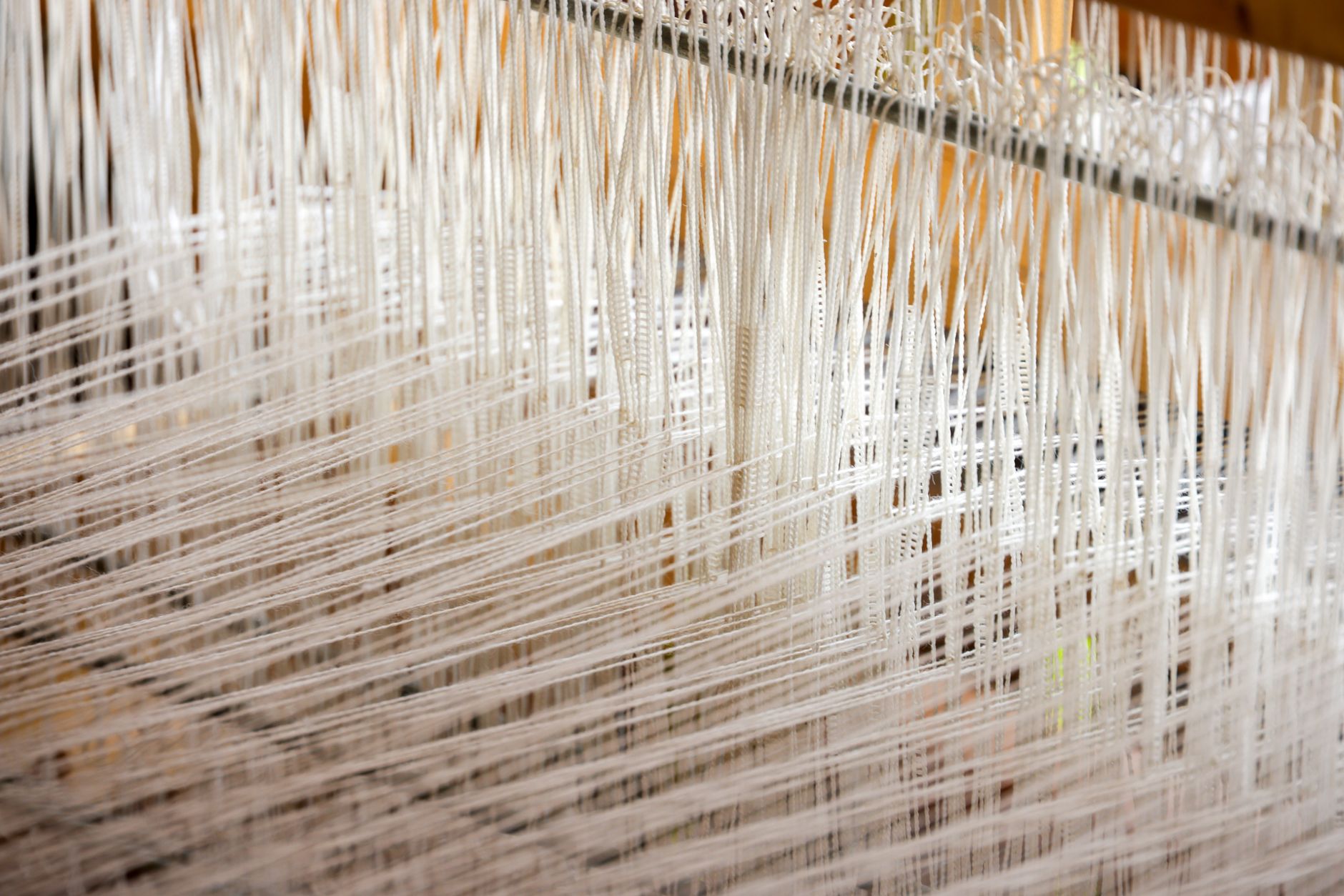
Nishijin-ori weaving, historically supplying the Imperial Court, features complex, multi-layered patterns that were once so labor-intensive, some elaborate kimonos could take a weaver over a year to complete.
The Nishijin district of Kyoto has been the heart of Japan's textile industry for over 1,200 years, giving birth to Nishijin-ori, an exquisite weaving technique. Known for its rich, intricate patterns and use of gold and silver threads, it was the preferred textile for the Imperial family and aristocracy. The complexity of these weaves, often incorporating more than a dozen different colored threads in a single pattern, demanded immense skill and time. A kimono made with authentic Nishijin-ori could represent a full year's work for a master weaver.
Frequently asked questions
Are these workshops suitable for beginners with no prior experience?
Absolutely. Most workshops designed for visitors are beginner-friendly and focus on providing an enjoyable, educational experience. Instructors guide participants through each step, ensuring everyone can create a meaningful piece, regardless of their skill level.
Can I find authentic craft items to purchase directly from these workshops?
Yes, many workshops feature attached retail spaces where you can purchase finished pieces directly from the artisans. Buying from these studios not only ensures authenticity but also directly supports the craftspeople who are preserving these invaluable traditions.
How can the AllTours app enhance my craft experience in Kyoto?
The AllTours app transforms your craft journey by providing instant audio narratives. Simply point your phone camera at a historic kiln, a traditional textile, or even a local landscape, and the app will narrate its history, geological origins, and cultural significance in your language, enriching your understanding beyond the workshop itself.
Related guides
Photography via Pexels. AllTours.ai is an AI audio tour guide — point your camera at any landscape and hear its story.