
July 30, 2026 · 4 min read
Kyoto's culinary landscape is as rich and layered as its history, offering far more than just well-known tourist attractions. To truly savor the city's authentic flavors, one must delve into the local eateries where generations of tradition, unique geography, and ingenious solutions to historical challenges have shaped every dish.
Eating like a local in Kyoto means not only finding incredible food but also understanding the fascinating stories behind it. From the humble origins of a noodle dish to the artistic precision of a sweet, each bite offers a glimpse into Kyoto's enduring cultural heritage.
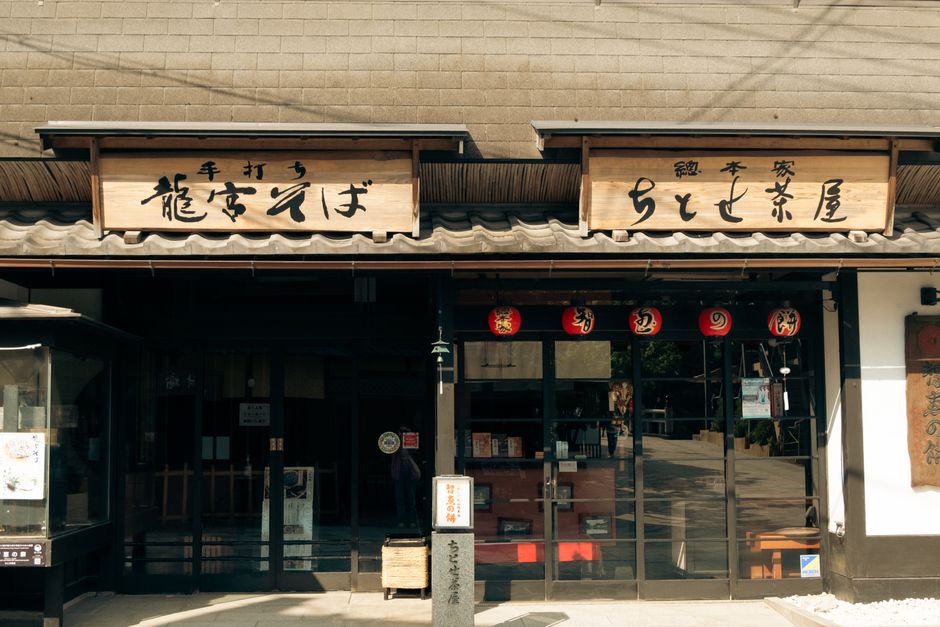
1. The Inland Sea's Soba Solution
Tagoto Honten, Kyoto, Japan
Nishin Soba, a seemingly unusual combination of buckwheat noodles and herring, emerged from Kyoto's inland location, where dried fish provided a crucial source of protein and umami in a city far from the sea.
Kyoto’s unique distance from the ocean once meant fresh fish was a luxury. However, ingenious chefs developed techniques to preserve and rehydrate ingredients. Dried herring, brought from the Sea of Japan, became a vital staple. At Tagoto Honten, a long-standing soba shop, this tradition is honored in their Nishin Soba, offering a taste of historical ingenuity where savory rehydrated herring meets comforting buckwheat noodles.

2. Sake Shop to Social Hub
Kyo-Oyaji, Kyoto, Japan
Izakayas, the quintessential Japanese pubs, originated not as restaurants but as sake shops where customers could drink on-premises, gradually evolving to serve simple, accompanying dishes.
The concept of the izakaya has a history stretching back centuries, transforming from humble sake storefronts into the vibrant social hubs they are today. Kyo-Oyaji embodies this evolution, offering a truly local experience away from tourist crowds. Here, you can savor traditional small plates like yakitori and oden, paired with local sake, in a lively atmosphere that buzzes with neighborhood chatter.
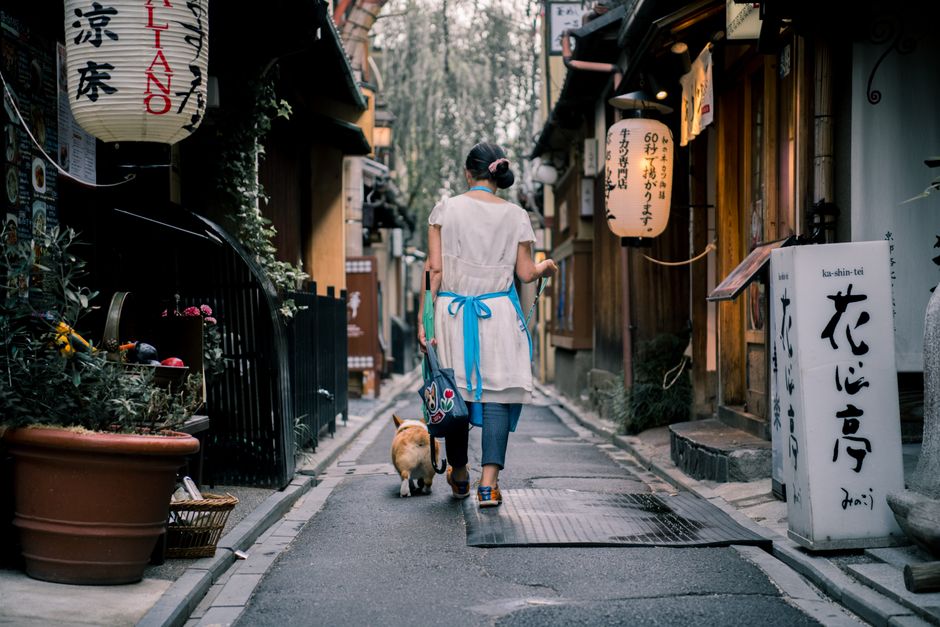
3. Buddhist Snack to Savory Staple
Warai Kawaramachi, Kyoto, Japan
Okonomiyaki's roots trace back to simple flour-based snacks served at Buddhist ceremonies, dramatically evolving after World War II into the customizable 'grilled as you like it' dish cherished today.
While Osaka is famous for its hearty okonomiyaki, Kyoto boasts its own distinctive style, often lighter and more refined. Warai Kawaramachi offers a taste of this regional variation, known for its 'Warai-yaki' (a special type of okonomiyaki). This dish's surprising origins lie in a humble pancake-like offering for deities, a far cry from the savory, ingredient-rich versions enjoyed in post-war Japan as a filling and adaptable meal.
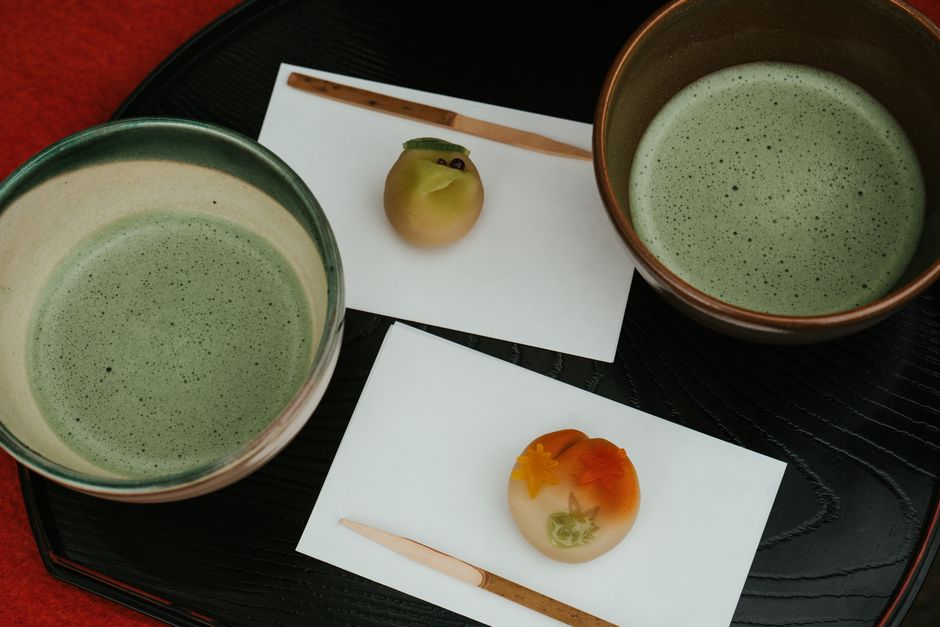
4. Artistry in Every Sweet
Kagizen Yoshitaka, Kyoto, Japan
Traditional Japanese sweets, or wagashi, are more than just desserts; their intricate designs and seasonal ingredients are deeply intertwined with the aesthetics of the tea ceremony and the changing seasons.
For centuries, wagashi have been an artistic expression, reflecting the fleeting beauty of nature and complementing the philosophical depth of the tea ceremony. Kagizen Yoshitaka, a venerable sweet shop, epitomizes this tradition. Their exquisite kuzukiri, a translucent starch noodle served with black sugar syrup, offers a refreshing taste of Kyoto's refined confectionery culture, crafted with precision and seasonal awareness.
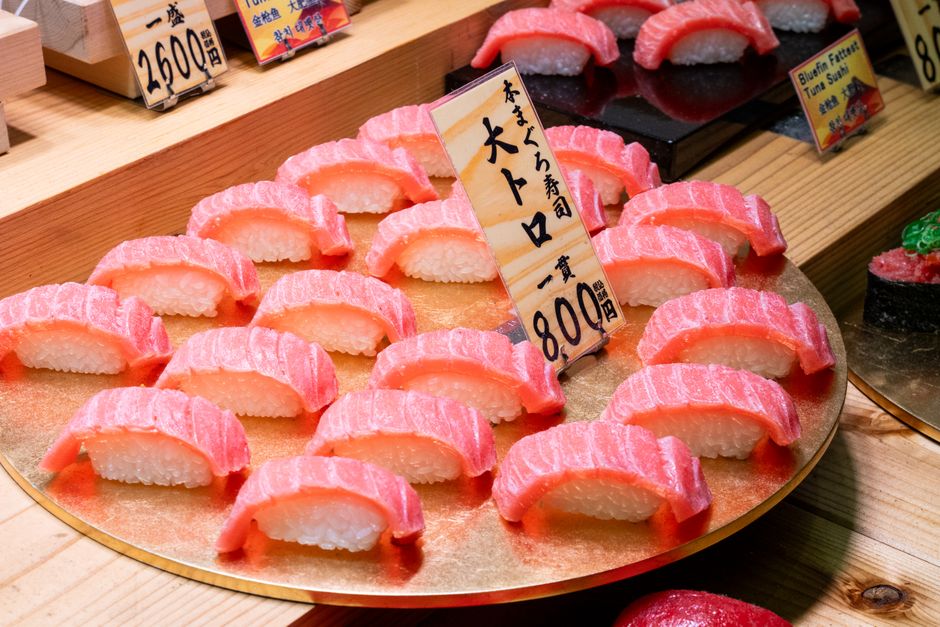
5. Preserving the Catch
Izuju, Kyoto, Japan
Saba Sugata Sushi, or whole mackerel sushi, became a Kyoto specialty out of necessity, a clever method to preserve fresh fish during its arduous journey from the coast to the inland capital before refrigeration.
Before modern transportation, bringing fresh seafood to Kyoto was a challenge. Locals developed unique preservation techniques, and Izuju, a historic sushi shop near Gion, perfected the art of Saba Sugata Sushi. The mackerel is cured with salt and vinegar, then pressed over rice, ensuring both flavor and longevity. Each piece tells a story of ingenuity and the historical quest for fresh flavors in a landlocked city.
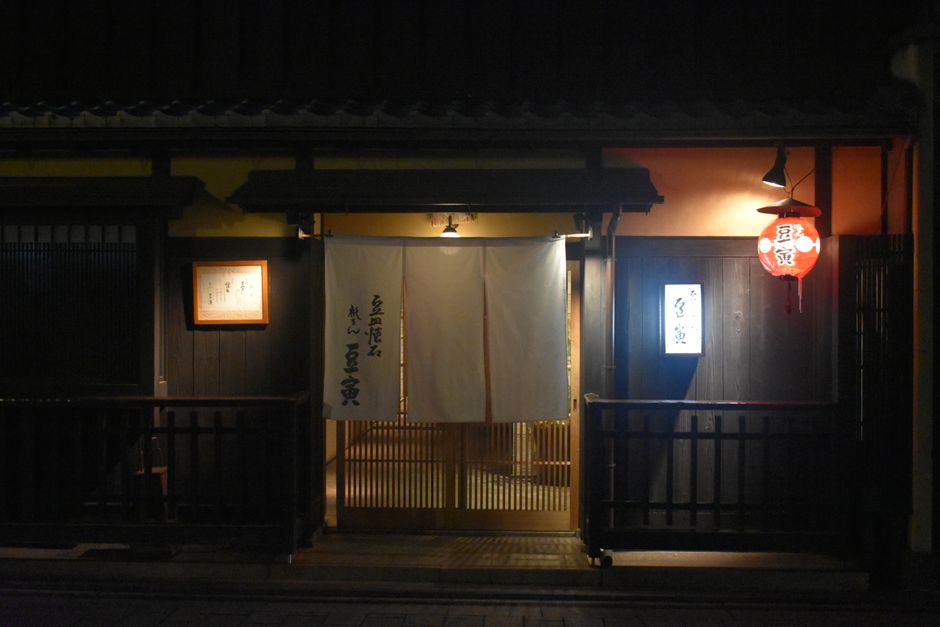
6. The Monk's Humble Delight
Yudofuya, Kyoto, Japan
Yudofu, or boiled tofu, originated from the austere vegetarian diets of Buddhist monks in Kyoto, who perfected the humble soybean into a nourishing and spiritually significant dish.
Kyoto is renowned for its tofu, and yudofu is its purest expression. This deceptively simple dish, consisting of gently boiled tofu in a clear kombu broth, was a cornerstone of shojin ryori, or Buddhist vegetarian cuisine. Yudofuya, a modest establishment, offers this historical and comforting meal. It’s a testament to the monks' culinary innovation, transforming a basic ingredient into a dish celebrated for its delicate flavor and healthful properties.
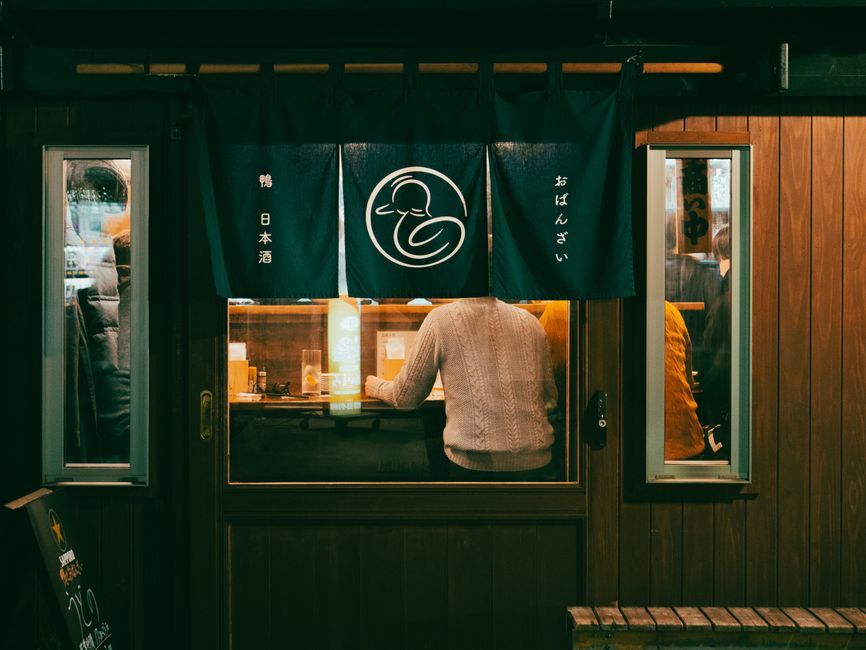
7. Kyoto's Home-Style Harvest
Kyo Obanzai Manzara Honten, Kyoto, Japan
Obanzai, Kyoto's distinctive home-style cooking, emphasizes seasonal 'Kyo-yasai' (Kyoto vegetables), a unique variety developed due to the city's specific basin geography and climate.
Kyoto’s fertile basin and distinct climate fostered the growth of Kyo-yasai, unique vegetables prized for their delicate flavors and textures. Obanzai cuisine centers around these local ingredients, presenting a range of small, seasonal dishes that reflect the traditional home cooking of Kyoto. Kyo Obanzai Manzara Honten provides an authentic taste of this culinary philosophy, offering a rotating menu that showcases the freshest produce and time-honored recipes, much like a Kyoto grandmother would prepare.
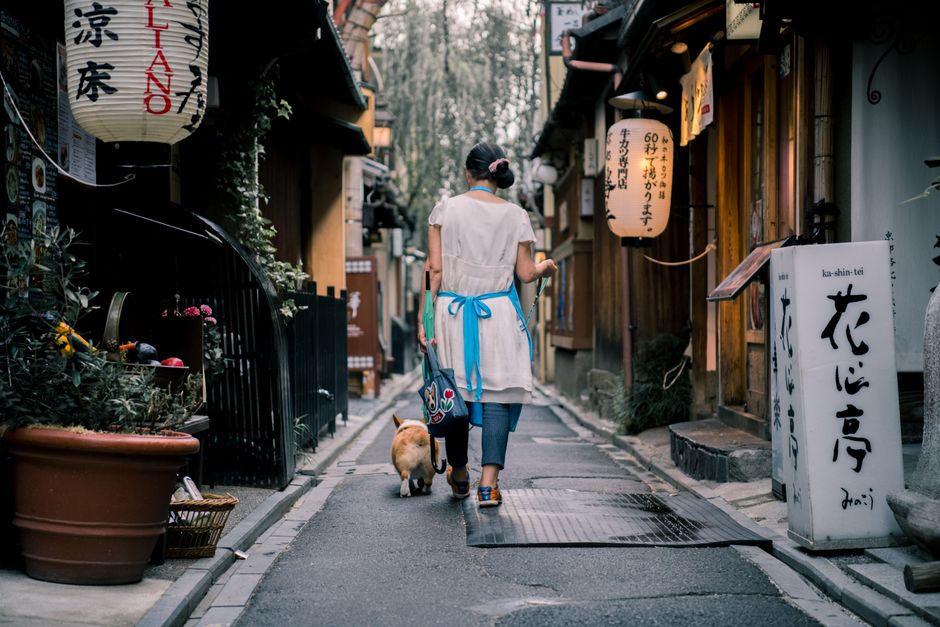
8. Ancient Delicacy, Modern Treat
Gion Tokuya, Kyoto, Japan
Warabimochi, a traditional Japanese jelly-like confection, was once a delicacy reserved for ancient nobility due to its rare fern root starch, before becoming a beloved popular treat.
This ethereal, translucent sweet has a history as rich as its texture. Made from warabiko (fern starch), a precious ingredient in ancient times, warabimochi was served to emperors and aristocrats. Gion Tokuya, a highly-regarded sweet shop, meticulously prepares this delicacy, serving it chilled and dusted with kinako (roasted soybean flour) and drizzled with kuromitsu (black sugar syrup). It’s a simple yet profound taste of Japan’s confectionery heritage.
Frequently asked questions
What is a must-try local dish in Kyoto?
While many dishes are iconic, try Nishin Soba (buckwheat noodles with dried herring) for a taste of Kyoto's ingenious inland culinary history. Or explore Obanzai, a collection of home-style dishes featuring unique local vegetables.
Is Kyoto expensive for food?
Kyoto offers dining options for all budgets. While traditional kaiseki meals can be pricey, you can find delicious and affordable street food, casual noodle shops, and local izakayas that offer excellent value and authentic experiences.
What are some local food markets to visit in Kyoto?
Nishiki Market is the most famous, often called "Kyoto's Kitchen," offering a wide array of local produce, pickles, sweets, and street food. For a more local feel, explore smaller markets around residential areas for fresh ingredients.
How can AllTours.ai enhance my food exploration in Kyoto?
AllTours.ai can deepen your understanding of Kyoto's culinary landscape by providing instant context. Simply point your phone camera at a historic restaurant, a unique ingredient in a market, or even a local landmark, and the app will narrate its history, cultural significance, or geological influences, enriching your appreciation of the food and its surroundings.
Related guides
Photography via Pexels. AllTours.ai is an AI audio tour guide — point your camera at any landscape and hear its story.