
July 20, 2026 · 4 min read
As we journey through life, the quest for sustained morning energy becomes increasingly important, especially for those over 65 who seek to explore the world with vigor and curiosity. While common advice often points to oats or fruit, the truly potent secrets to a vibrant start often lie hidden in the culinary traditions of lesser-known corners of the globe.
This guide takes you off the well-trodden path to uncover remarkable places where specific foods have historically fueled long, active lives. From ancient grains that powered warriors to unique fermented dishes that sustain entire communities, these stories reveal how food can be a powerful lens through which to understand culture, history, and enduring vitality.
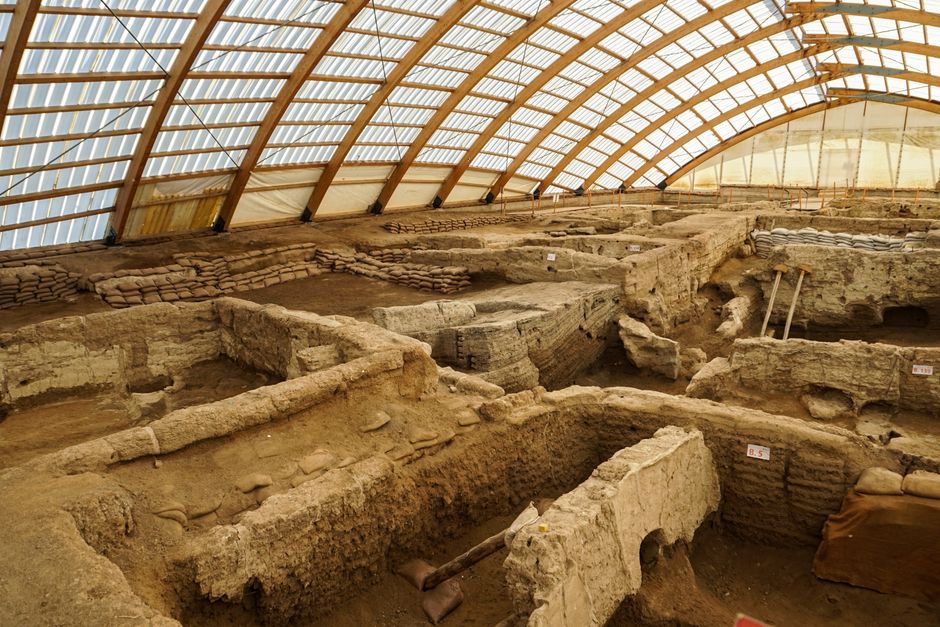
1. The Neolithic Power of Orkney Oats
Skara Brae, Orkney Islands, Scotland
Ancient Orkney islanders powered their days with a grain that still fuels endurance, unearthed in a 5,000-year-old village.
At Skara Brae, a remarkably preserved Stone Age settlement, archaeologists found evidence of a diet rich in oats and barley. These hardy grains, adapted to the challenging Orcadian climate, provided sustained energy for a demanding life of fishing and farming. Traditional Orkney oatcakes, often served with local cheese or honey, continue this legacy, offering a slow-release carbohydrate source perfect for a day of exploring the wild, windswept islands.
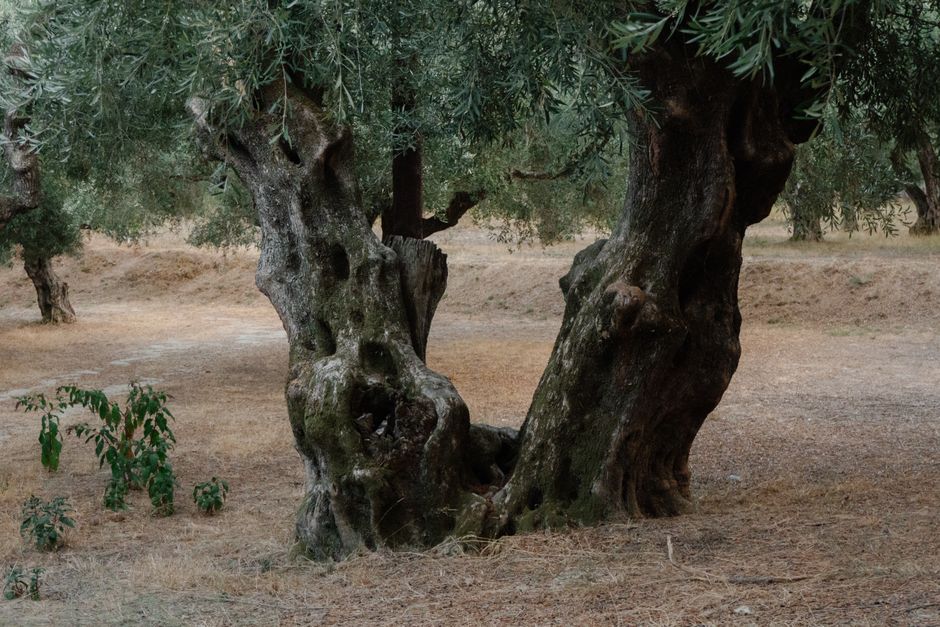
2. Italy's Ancient Olive Oil, a Longevity Secret
Pisciotta, Cilento Coast, Italy
In a tranquil corner of Southern Italy, some of the world's oldest olive trees yield an oil linked to remarkable local longevity and morning vitality.
The Cilento Coast is renowned for its "blue zone" longevity, and the ancient Pisciottana olive trees, some over a thousand years old, are central to this. Their oil, known for its mild, fruity flavor and high polyphenol content, is a cornerstone of the local breakfast, often drizzled over fresh bread or enjoyed with local cheeses. This daily ritual provides heart-healthy fats and antioxidants, contributing to the sustained energy and well-being of the region's elders.
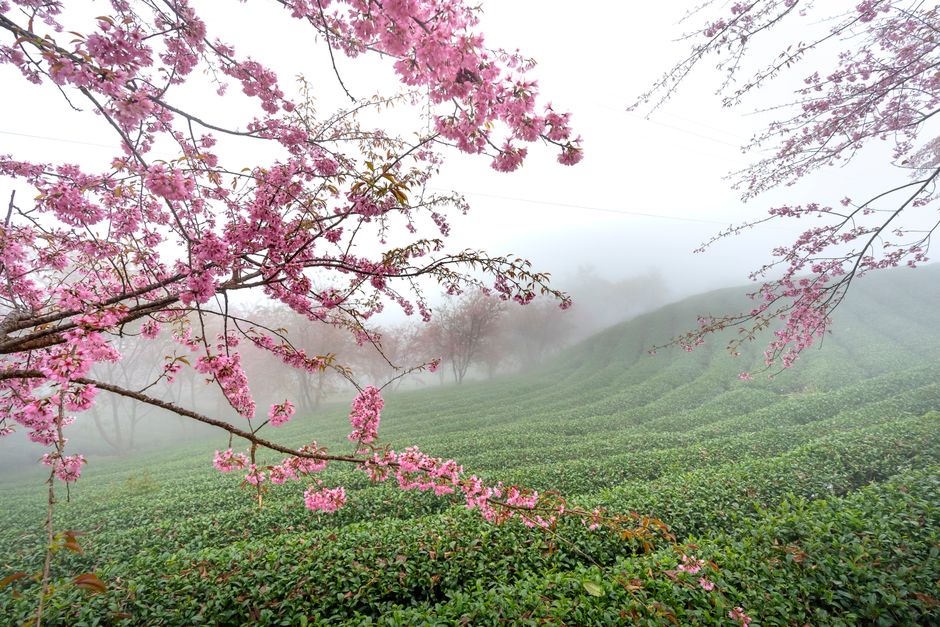
3. Uji's Green Tea: Monks' Meditative Energy
Uji, Kyoto Prefecture, Japan
In ancient Japanese monasteries, a vibrant green tea was perfected to give monks hours of calm, focused energy for their meditation.
The serene town of Uji, nestled south of Kyoto, is the birthplace of matcha. For centuries, Zen Buddhist monks cultivated and meticulously prepared this powdered green tea, valuing its unique ability to provide sustained alertness without jitters, thanks to its L-theanine content. A traditional morning bowl of matcha in Uji offers a gentle, focused energy, a stark contrast to coffee, making it an ideal start for a day of exploring temples or quiet reflection.

4. Mito's Fermented Beans: A Gut-Friendly Jolt
Mito, Ibaraki Prefecture, Japan
In Japan's Mito, a unique fermented soybean, often eaten for breakfast, offers a surprising source of sustained energy and gut health.
Mito is synonymous with natto, a sticky, pungent fermented soybean dish. While its texture and aroma can be challenging for the uninitiated, natto is a nutritional powerhouse, rich in protein, fiber, and probiotics. Locals often enjoy it over rice with soy sauce and mustard for breakfast, providing a slow-release energy boost that supports digestion and and overall vitality. It's a truly authentic and deeply rooted part of the local diet, far from typical tourist fare.

5. Arctic Berries: Lapland's Natural Sugar Rush
Rovaniemi, Finnish Lapland, Finland
Arctic foragers in Finnish Lapland rely on a bounty of wild berries, packed with natural sugars and antioxidants, for a bright morning start.
The vast forests and fells of Finnish Lapland are a treasure trove of wild berries, including vibrant lingonberries, cloudberries, and blueberries. These resilient fruits, thriving in the short, intense Arctic summer, are a vital part of the local diet. Often gathered and preserved, they are a common breakfast addition, served with porridge or yogurt, providing a natural, sustained energy lift along with a powerful dose of vitamins and antioxidants crucial for enduring the long northern days.

6. Siwa Oasis Dates: Desert Sustenance
Siwa Oasis, Egypt
In Egypt's remote Siwa Oasis, dates aren't just a sweet treat but a vital energy source that has sustained desert dwellers for millennia.
The Siwa Oasis, a lush island of green in the Western Desert, is famed for its date palms. Dates are a cornerstone of the Siwan diet, offering a concentrated source of natural sugars, fiber, and essential minerals. Eaten fresh or dried, they provide quick yet sustained energy, essential for navigating the desert environment. A Siwan breakfast often includes these sweet, nutrient-dense fruits, paired with local olive oil and bread, fueling a day under the desert sun.

7. Westphalia's Pumpernickel: Slow-Baked Endurance
Münster, North Rhine-Westphalia, Germany
The dense, dark Pumpernickel bread of Westphalia, slow-baked for hours, delivers incredibly sustained energy, a testament to centuries of tradition.
Pumpernickel, a regional specialty from Westphalia, is not just bread; it's a slow-food masterpiece. Made from coarse rye meal, it's baked for up to 24 hours at low temperatures, resulting in a dark, slightly sweet, and incredibly dense loaf. This unique process creates a bread with a very low glycemic index, providing a steady release of energy that can sustain you for hours. It’s a common breakfast item, often served with cheese or cold cuts, offering a substantial and enduring start to the day.
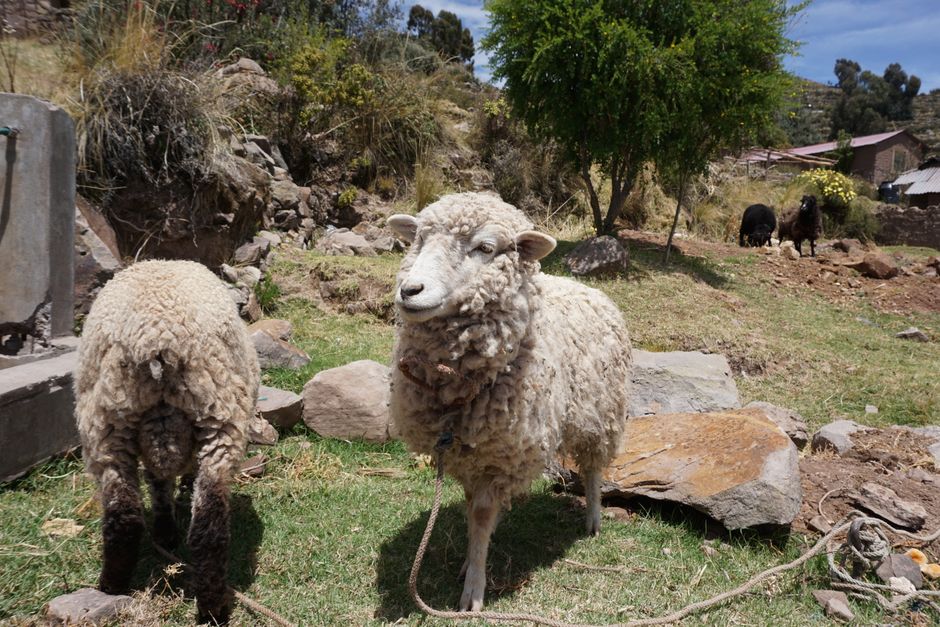
8. Andean Quinoa: The Inca's High-Altitude Fuel
Puno Region, Lake Titicaca, Peru
High in the Peruvian Andes, a sacred "mother grain" once fueled Inca warriors, offering a complete and sustained source of morning energy.
In the high-altitude plains surrounding Lake Titicaca, quinoa (kinwa) has been cultivated for thousands of years. Revered by the Inca as a "mother grain," it provided crucial sustenance and energy for their warriors and farmers. This complete protein, rich in fiber and minerals, is a breakfast staple in many Andean communities. A warm bowl of quinoa porridge, often sweetened or served with local fruits, provides a powerful and easily digestible energy boost, perfect for the thin mountain air.
Frequently asked questions
Why is morning energy crucial for older travelers?
Sustained morning energy helps maintain stamina for sightseeing, improves focus, and contributes to overall well-being, allowing travelers to fully enjoy their experiences without feeling fatigued early in the day. It also aids in adapting to new time zones and activities.
Are there specific nutrients to prioritize for morning energy after 65?
Focus on complex carbohydrates for slow-release energy, lean proteins for muscle maintenance and satiety, healthy fats for brain function, and plenty of fiber for digestion. Vitamins and minerals, especially B vitamins and iron, also play a key role in energy metabolism.
How can I incorporate these global energy foods into my diet at home?
Many of these ingredients, like oats, quinoa, olive oil, and various berries, are readily available. Look for authentic versions of pumpernickel or try making your own fermented foods like kimchi. Exploring international grocery stores can also unlock many of these healthy staples.
How can AllTours.ai enhance my exploration of these unique food cultures?
AllTours.ai allows you to simply point your phone camera at a landmark, an ancient olive grove, or a bustling market, and instantly hear its rich history, geology, and cultural significance. Imagine learning about the specific history of matcha cultivation in Uji or the traditional preparation of Pumpernickel in Münster, all narrated in your language, right as you stand there.
Related guides
Photography via Pexels. AllTours.ai is an AI audio tour guide — point your camera at any landscape and hear its story.