
July 4, 2026 · 4 min read
When we travel through Asia, the question 'What are the best vegetarian Asian recipes that you have tried?' often comes up. But for us, it's never just about the dish itself; it's about the place, the people, and the stories behind the ingredients. Asia's culinary landscape is vast and incredibly diverse, especially for plant-based eaters, if you know where to look beyond the well-trodden paths.
Forget the tourist traps and generic menus. We've compiled a list of truly special places where vegetarian food isn't just an afterthought, but a vibrant expression of local culture, history, and even geology. Each spot offers a unique culinary narrative, inviting you to explore its depths far beyond just what's on your plate.
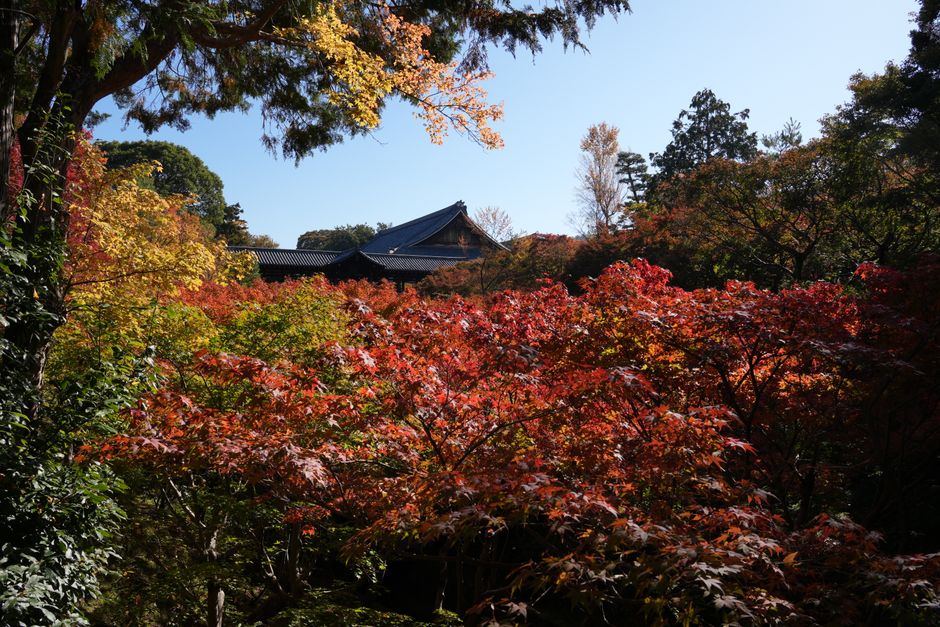
1. The Monastic Roots of Kyoto's Cuisine
Kyoto, Japan
Discover a centuries-old culinary tradition born from Zen Buddhism, where every dish is a meditation.
While Kyoto is a renowned city, its Shōjin Ryōri, or Zen Buddhist temple cuisine, remains a profound experience often overlooked by casual visitors. Developed in monasteries, this strictly vegetarian and vegan cuisine emphasizes seasonal ingredients, precise preparation, and a philosophy of waste-not. Eating Shōjin Ryōri at a temple like Tenryū-ji isn't just a meal; it's an immersion into Japan's spiritual heritage, reflecting ancient dietary practices and the deep reverence for nature.
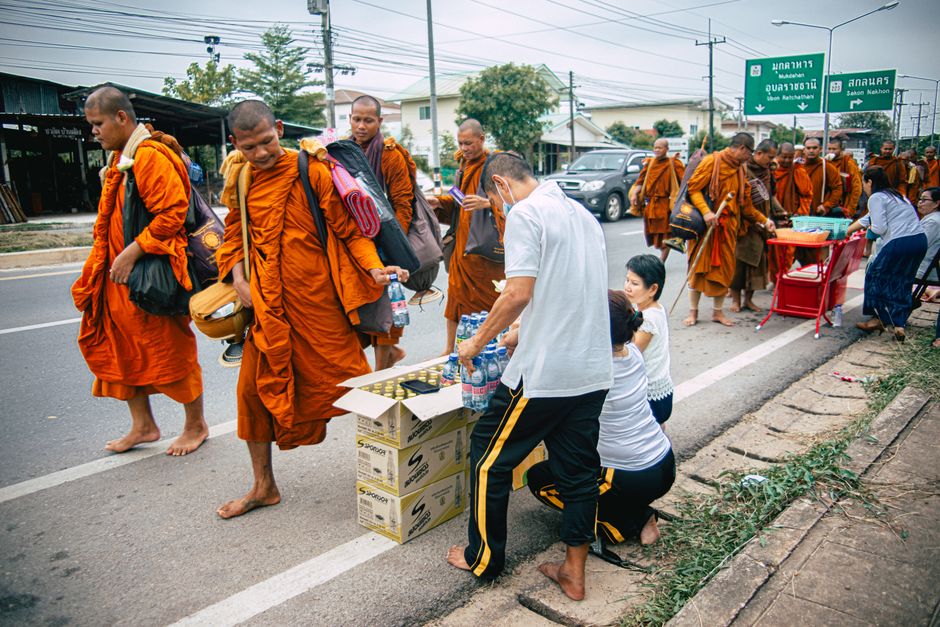
2. Laos' Sacred Sticky Rice Tradition
Luang Prabang, Laos
Witness a daily ritual that shapes the town's vegetarian-friendly food culture.
In the UNESCO World Heritage town of Luang Prabang, the daily 'Tak Bat' or alms-giving ceremony is a powerful spectacle. Saffron-robed monks walk silently through the streets, collecting offerings of sticky rice and other vegetarian foods from devout locals. This ancient Buddhist practice infuses the local diet with fresh, seasonal plant-based dishes, making it remarkably easy to find delicious vegetarian options like various laap salads, bamboo soup, and coconut curries, all prepared with the freshest Mekong River produce.

3. Dali's Tea Horse Road Flavors
Dali Old Town, Yunnan, China
Explore the diverse plant-based legacy of an ancient trade route and ethnic minority culture.
Dali, nestled beside Erhai Lake, was a crucial stop on the ancient Tea Horse Road, a trading network that connected China with Southeast Asia and Tibet. This confluence of cultures, combined with the region's rich agricultural bounty and the Bai ethnic minority's culinary traditions, offers unique vegetarian experiences. Expect vibrant mushroom hotpots, stir-fried wild mountain greens, and fresh tofu dishes, showcasing flavors distinct from typical Han Chinese cuisine and reflecting centuries of cross-cultural exchange.

4. Karnataka's Coastal Pilgrim Plates
Gokarna, Karnataka, India
Discover why a sacred Shiva town guarantees an authentic, delicious vegetarian feast.
Often overshadowed by its party-centric neighbor Goa, Gokarna is a serene pilgrimage town on Karnataka's coast. Legend states Lord Shiva emerged from a cow's ear here, making it a highly sacred Hindu site. This religious significance means that vegetarianism is not just an option but the norm, with an incredible array of fresh, flavorful dishes. Savor coastal Karnataka thalis featuring fresh vegetables, spicy lentil stews (sambar), and rice preparations, all prepared with local spices and a devotion to plant-based eating.

5. Hoi An's Ancient Trading Port Delights
Hoi An, Vietnam
Taste the vegetarian legacy of a UNESCO-listed trading port's rich cultural tapestry.
Hoi An, a beautifully preserved ancient trading port in central Vietnam, boasts a culinary scene as vibrant as its lanterns. Its history as a bustling hub for merchants from China, Japan, and Europe, alongside strong Buddhist influences, has cultivated a tradition of fresh, plant-based dishes. Seek out vegetarian versions of local specialties like Cao Lau noodles, delicate White Rose dumplings, and fresh spring rolls, all made with hyper-local ingredients that tell the story of the town's international past.

6. Shiretoko's Ainu Foraged Flavors
Shiretoko Peninsula, Hokkaido, Japan
Unearth the wild, plant-based wisdom of Hokkaido's indigenous Ainu people.
Far beyond Japan's urban centers, the remote Shiretoko Peninsula, a UNESCO World Heritage site, offers a glimpse into Hokkaido's indigenous Ainu culture. Traditionally, the Ainu people relied heavily on foraged plants, wild vegetables (sansai), and sustainable harvesting. While not strictly vegetarian, their traditional diet provides a foundation for unique plant-based dishes, often featuring mountain herbs, wild berries, and root vegetables, offering a naturally seasonal and deeply connected-to-the-land culinary experience unlike anywhere else in Japan.
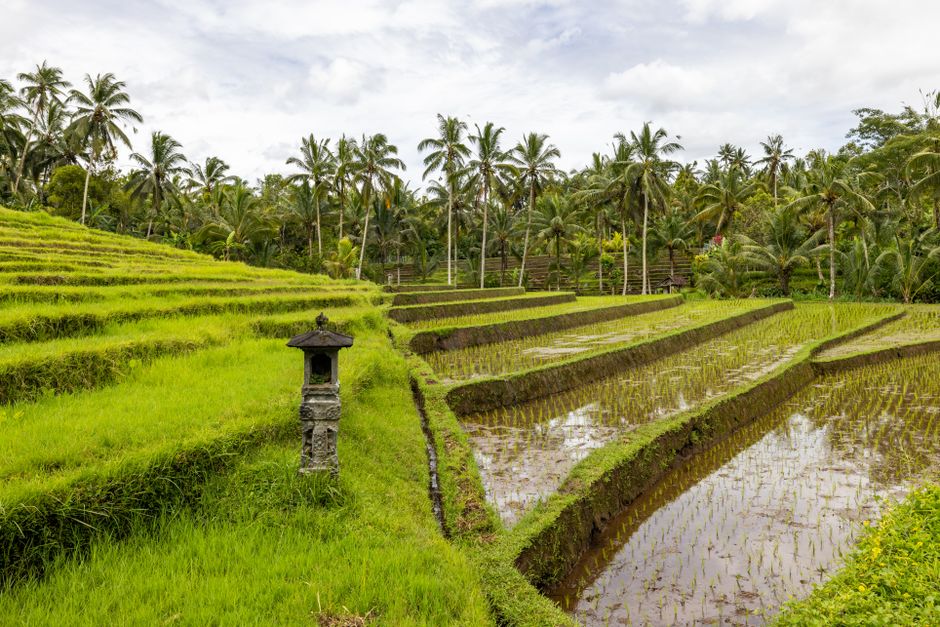
7. Ubud's Spiritual Garden-to-Plate
Ubud, Bali, Indonesia
Experience Bali's spiritual heart through its abundant, fresh, and often plant-based cuisine.
Ubud is renowned as Bali's cultural and spiritual capital, a place where lush rice paddies meet serene temples. This environment fosters an incredible abundance of fresh produce, making it a haven for vegetarian and vegan travelers. Traditional Balinese cooking, with its emphasis on fresh herbs, spices, and coconut, naturally lends itself to plant-based dishes. Enjoy vibrant Gado-Gado, nourishing Nasi Campur (vegetarian versions), and creative raw food options, all sourced from the surrounding fertile lands and embodying the island's holistic lifestyle.
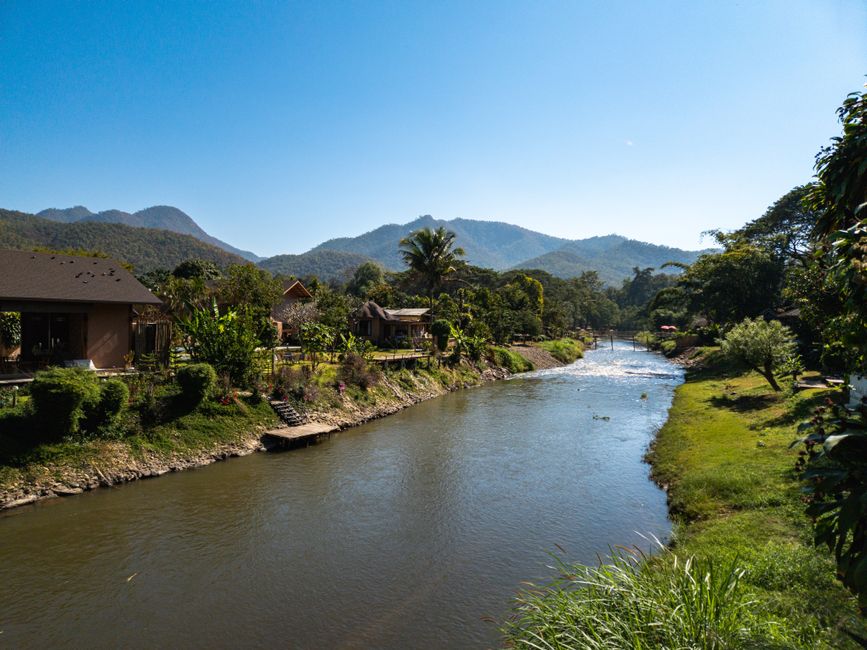
8. Mae Hong Son's Shan Mountain Feasts
Mae Hong Son, Thailand
Taste the distinct, often plant-based, flavors influenced by Myanmar and mountain isolation.
Tucked away in the mountains of northern Thailand, near the Myanmar border, Mae Hong Son offers a unique blend of Thai and Shan (Tai Yai) culture. Its relative isolation has preserved a distinct culinary identity. The local markets overflow with fresh, seasonal vegetables and herbs, forming the basis for many traditional Shan dishes. Look for vegetarian versions of Khao Soi Tai Yai (Shan noodles), various vegetable curries, and sticky rice preparations that reflect the region's agricultural bounty and cross-border influences, a world away from Bangkok's street food.
Frequently asked questions
Is it easy to find good vegetarian food across Asia?
Yes, absolutely! While some regions might require a bit more searching, many Asian cultures have long-standing traditions of plant-based eating, especially due to Buddhist or Hindu influences. Look for temple cuisine, local markets, and specific vegetarian restaurants in larger cities or spiritual hubs.
What are some common vegetarian ingredients used in Asian cooking?
Common ingredients include rice and various noodles, tofu, tempeh, a vast array of fresh vegetables like bok choy, mushrooms, bamboo shoots, and eggplant, as well as legumes, coconut milk, and a rich palette of herbs and spices such as ginger, garlic, chili, lemongrass, and turmeric.
Are 'vegan' and 'vegetarian' always distinguished in Asian restaurants?
Not always. In many traditional contexts, 'vegetarian' (or 'plant-based') might still include dairy or eggs, especially in places without a strict vegan tradition. It's always best to clarify if you require strictly vegan options by using specific phrases like 'no meat, no fish, no dairy, no eggs' in the local language if possible.
How can AllTours.ai help me discover the culinary and cultural stories of these places?
AllTours.ai enhances your travel by narrating the deep history, geology, and cultural significance of the landmarks and landscapes around you. While exploring these places known for their vegetarian cuisine, simply point your phone camera, and the app will provide context, connecting the food to the very ground and heritage it comes from, enriching your entire experience.
Related guides
Photography via Pexels. AllTours.ai is an AI audio tour guide — point your camera at any landscape and hear its story.