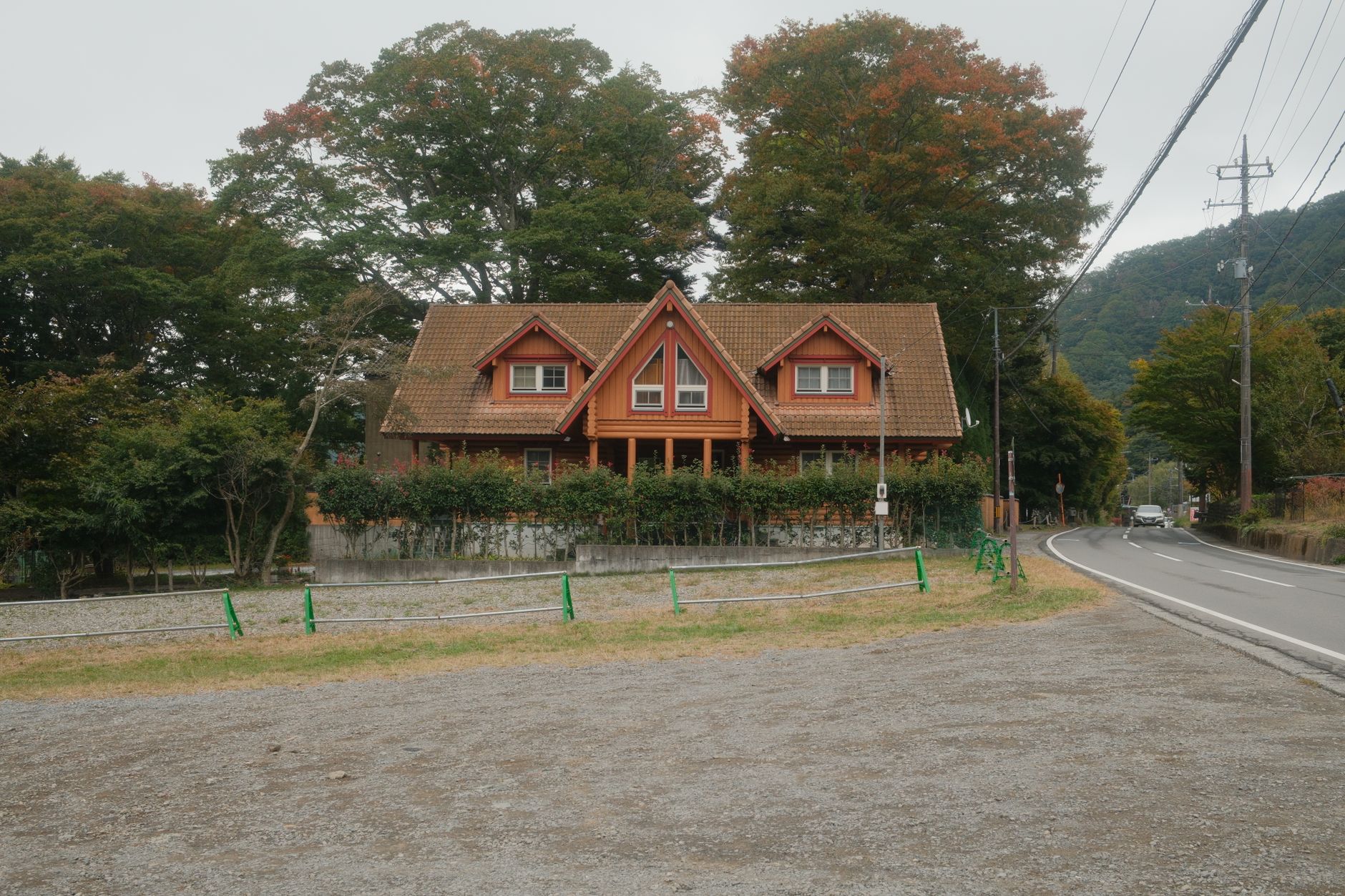
July 25, 2026 · 4 min read
When we talk about what percentage of foreign exchange reserves are held in the Japanese Yen, we're discussing global finance and economic stability. But Japan's true 'reserves' of value often lie far beyond financial ledgers: they are found in its landscapes, its hidden histories, and the captivating stories woven into its less-traveled corners.
For travelers with a curious spirit, Japan offers an incredible depth of experiences beyond the bustling metropolises and well-trodden paths. These are places where history whispers from ancient stone, geology tells tales of fire and ice, and local culture reveals surprising ingenuity. Join us on a journey to uncover some of Japan's most fascinating, yet often overlooked, destinations.

1. Nature's Year-Round Freezer
Narusawa, Yamanashi Prefecture, Japan
Deep within a lava flow from Mount Fuji, a cave holds ice even through the hottest summers.
The Narusawa Hyoketsu, or Ice Cave, formed over 1,100 years ago during an eruption of Mount Nagao, a parasitic cone of Mount Fuji. Its unique structure, a lava tunnel, traps cold air inside, preventing ice from melting even when outside temperatures soar. Historically, this natural freezer was used by locals to store silkworm cocoons and other perishables, offering a glimpse into ingenious adaptation to nature.
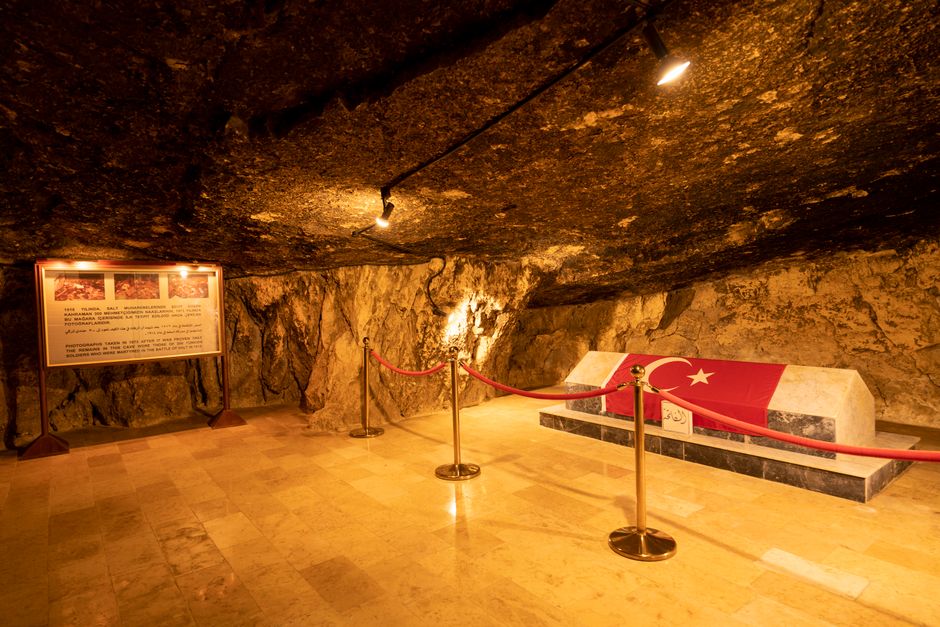
2. The Subterranean Cathedral
Utsunomiya, Tochigi Prefecture, Japan
An enormous underground quarry, once a source of building material, now resembles an ancient cathedral.
Below the city of Utsunomiya lies the Oya History Museum, a vast subterranean space carved out over centuries by miners extracting Oya stone. This soft volcanic rock was a popular building material, notably used in Frank Lloyd Wright's Imperial Hotel in Tokyo. Today, the 20,000-square-meter cavern, with its towering pillars and dim lighting, feels like an otherworldly temple, often used for concerts and art installations.
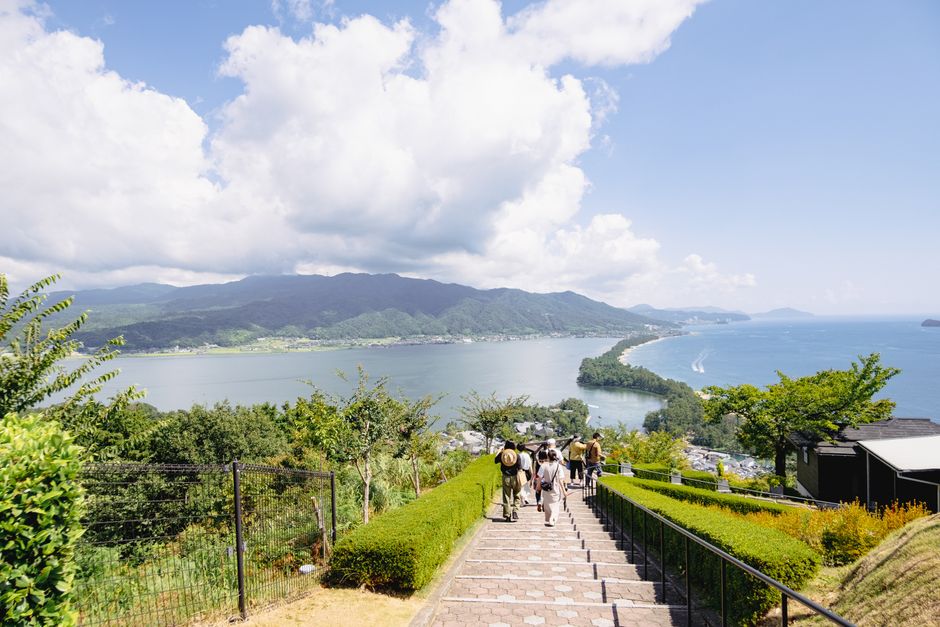
3. The Bridge to Heaven
Miyazu, Kyoto Prefecture, Japan
This narrow strip of land, dotted with pine trees, is considered one of Japan's three most scenic views, but only when viewed upside down.
Amanohashidate, meaning "Bridge to Heaven," is a 3.6-kilometer-long sandbar forested with thousands of pine trees, stretching across Miyazu Bay. Legend says it was a ladder created by a god to reach heaven. The traditional way to view its full beauty is to bend over and look at it upside down between your legs – an experience called "matanozoki" – which makes the land bridge appear to float in the sky.
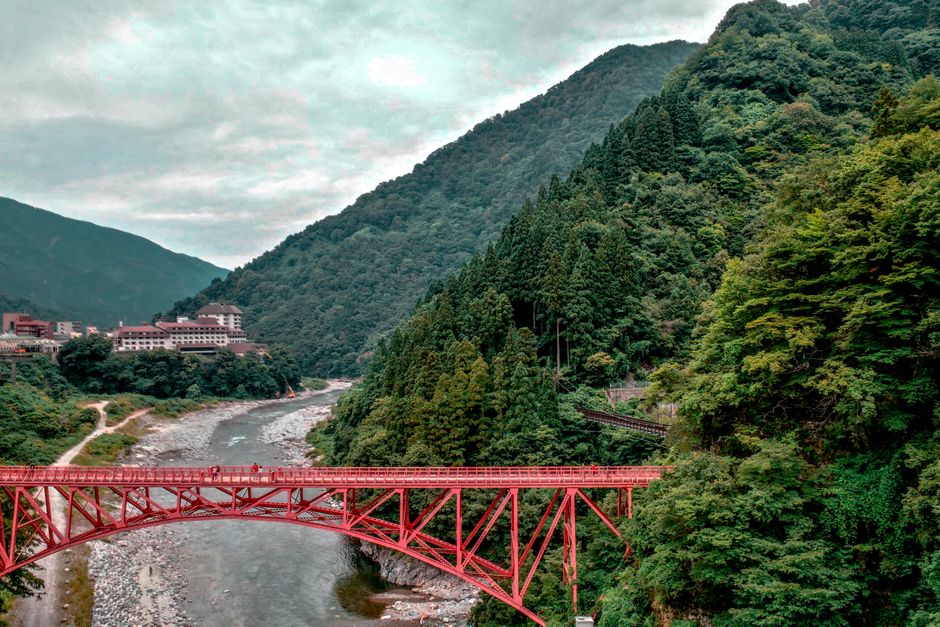
4. The Vanishing Valley's Ancient Pathways
Iya Valley, Tokushima Prefecture, Japan
In one of Japan's most remote valleys, ancient vine bridges once served as the only crossing points, easily cut to deter invaders.
The Iya Valley, a deep, winding gorge in Shikoku, is famed for its "kazurabashi" — suspension bridges woven from mountain vines. Historically, these bridges provided crucial access for isolated villagers while also offering a defensive advantage; they could be swiftly cut down if enemies approached. Today, three main bridges remain, reinforced with steel cables for safety, yet they still sway, offering a thrilling connection to Japan's untamed past.
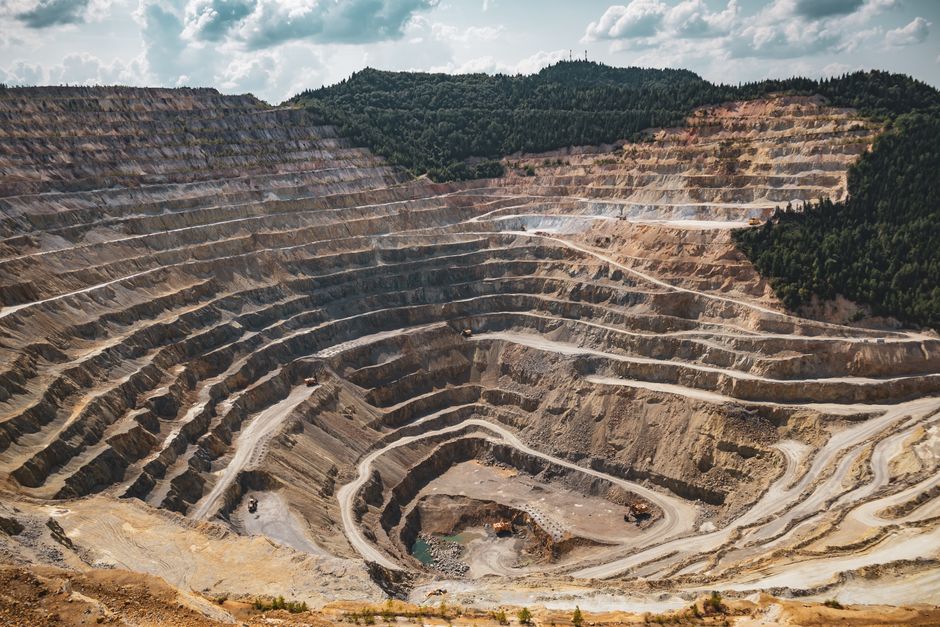
5. Island of Exiled Emperors and Gold
Sado Island, Niigata Prefecture, Japan
Once a remote exile for emperors and intellectuals, this island became Japan's most productive gold and silver mine.
Sado Island, off the coast of Niigata, has a history as dramatic as its rugged coastline. Initially a place of banishment for political figures and disgraced nobles, it transformed with the discovery of vast gold and silver deposits in the 17th century. The Sado Kinzan gold mine became a major economic engine, attracting prospectors and artisans, and its legacy is still visible in the historic mining town and unique "tarai-bune" tub boats used by local fisherwomen.
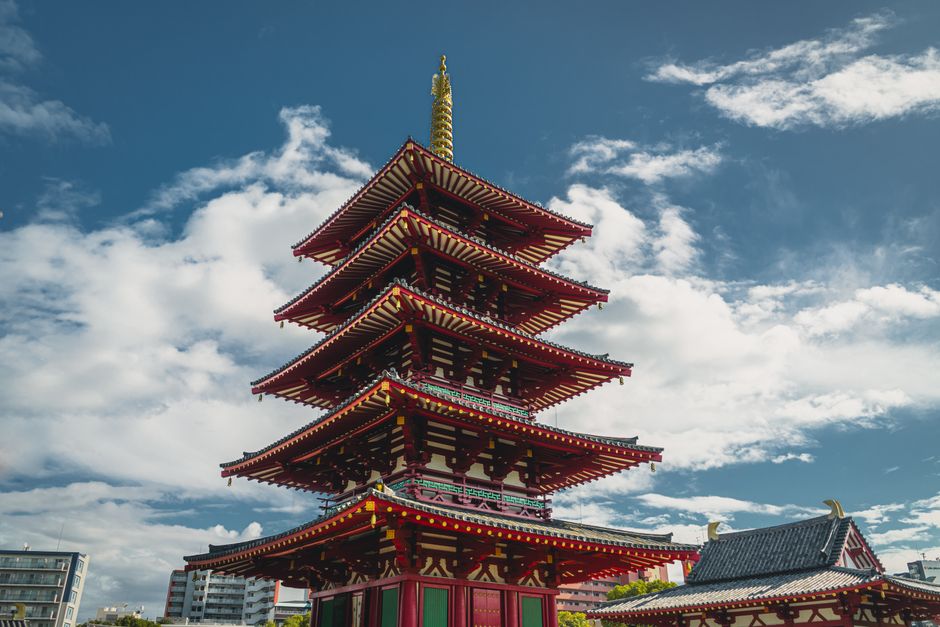
6. The Three Sacred Peaks of Immortality
Dewa Sanzan, Yamagata Prefecture, Japan
Three ancient mountains, each representing birth, death, and rebirth, are pilgrimage sites for Japan's mountain ascetics.
Dewa Sanzan, comprising Mount Haguro, Mount Gassan, and Mount Yudono, are revered as sacred grounds for Shugendo, an ancient syncretic religion blending Shinto and Buddhist beliefs focused on spiritual enlightenment through nature. Pilgrims undertake a journey across all three peaks, symbolizing the cycle of life. Mount Haguro's 2,446 stone steps, lined with giant cedar trees and a five-story pagoda, offer an intense, spiritual ascent.
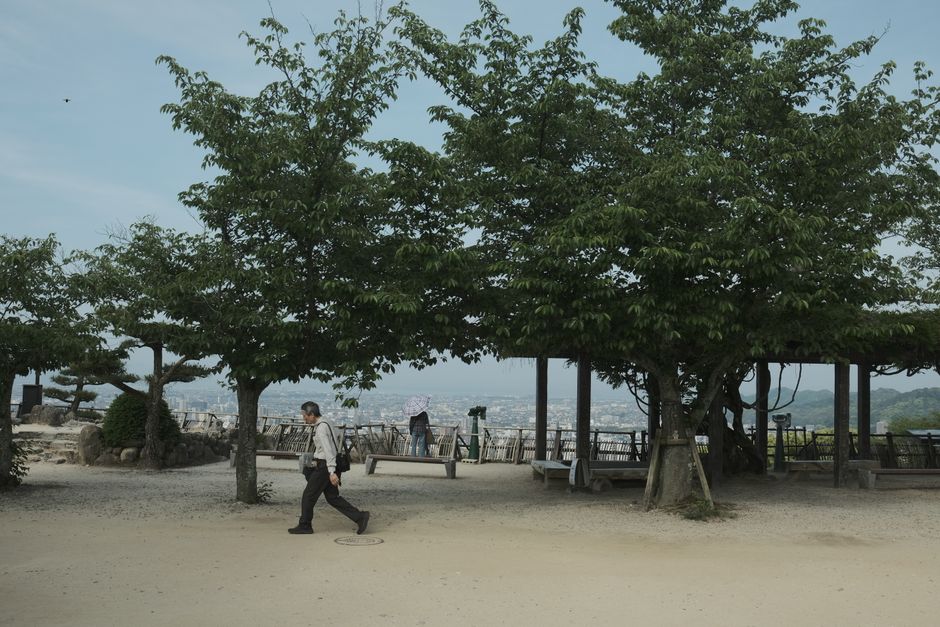
7. Japan's Castle in the Sky
Takahashi, Okayama Prefecture, Japan
Perched atop a mist-shrouded peak, this is the highest castle in Japan, often appearing to float above the clouds.
Bitchu Matsuyama Castle holds the distinction of being Japan's highest original mountain castle, situated at an elevation of 430 meters. Built in 1240, its current keep dates back to 1683. During autumn and winter mornings, a sea of clouds often engulfs the valley below, making the castle appear as if it is floating in the sky, earning it the nickname "castle in the sky." This dramatic vista offers a truly magical experience.
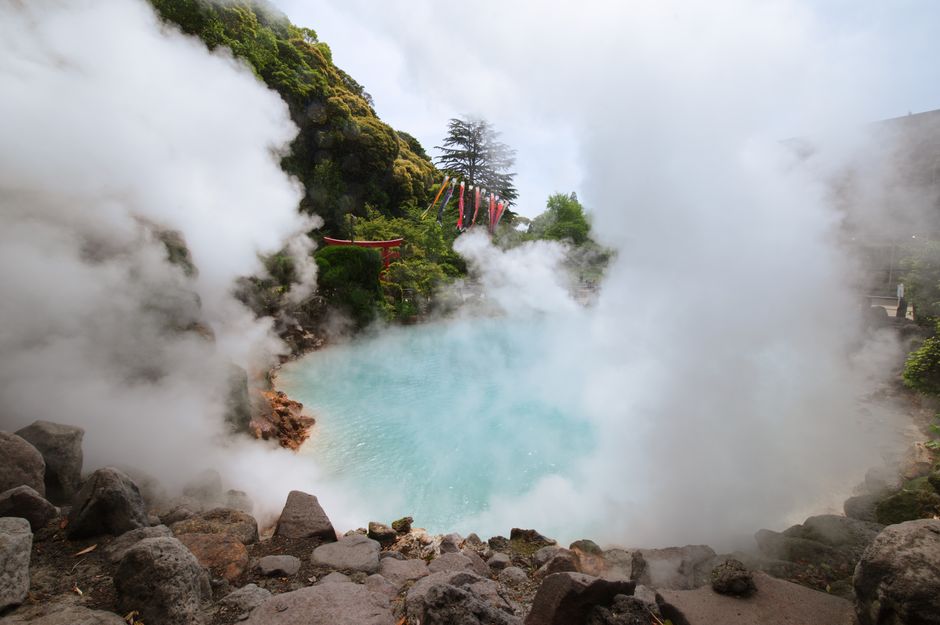
8. The Steaming Hells of Christian Martyrs
Unzen, Nagasaki Prefecture, Japan
This volcanic landscape of boiling ponds and sulfurous vents was once a site where Christian converts faced execution by scalding.
Unzen Jigoku, or Unzen Hell Valley, is a stark, steamy landscape of hot springs and sulfurous vents, a dramatic testament to Japan's volcanic power. While beautiful, it also holds a grim history: during the Edo period, it became a site of brutal persecution for Japanese Christians. Converts were forced to recant their faith or face execution by scalding in the boiling springs, leaving an indelible mark of sacrifice and resilience on this fiery terrain.
Frequently asked questions
How can I find these lesser-known places in Japan?
Many of Japan's hidden gems are accessible via local trains, buses, or rental cars, though some require a bit more planning due to their remote locations. Websites and local tourism offices often provide detailed information and transport guides for these unique destinations.
What makes these specific Japanese locations so special for travelers?
These locations offer a deeper dive into Japan's diverse heritage, showcasing stories beyond the usual tourist routes. From ancient spiritual practices and geological wonders to historical events and local ingenuity, they provide rich cultural context and unique experiences often missed by conventional travel.
How does the AllTours.ai app enhance the experience of visiting these sites?
AllTours.ai transforms your phone into an AI audio tour guide. Simply point your camera at a landmark or landscape, and the app instantly narrates its history, geology, and culture in your language, providing on-the-spot insights for both famous and lesser-known spots.
Related guides
Photography via Pexels. AllTours.ai is an AI audio tour guide — point your camera at any landscape and hear its story.