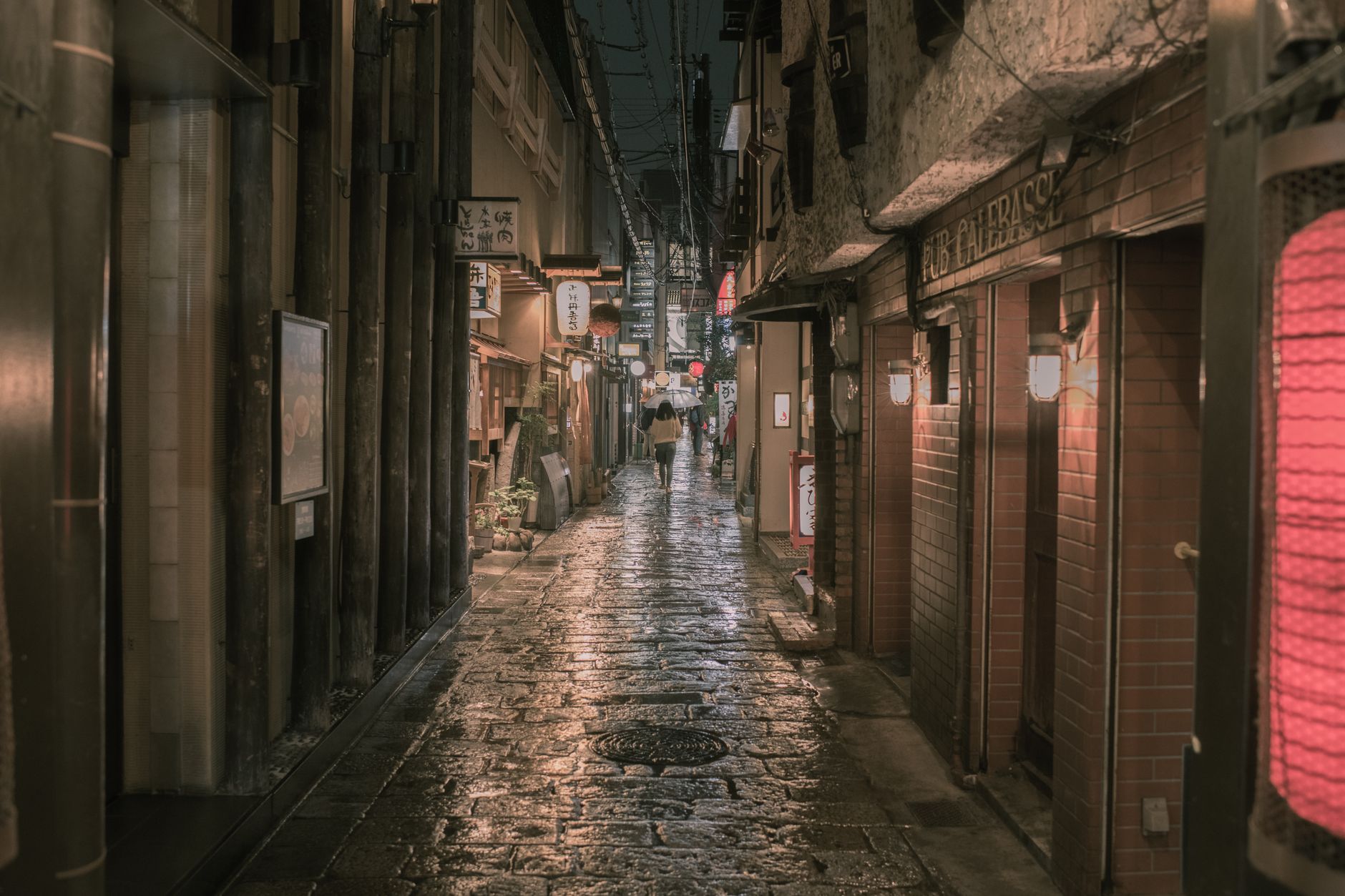
July 24, 2026 · 4 min read
While financial analysts and economists debate why verbal efforts to support the yen might have limited effect on stabilizing its currency, travelers often seek a deeper understanding of Japan beyond its market fluctuations. Its true resilience and enduring allure lie not just in economic indicators, but in the unique, profound stories woven into its landscapes and traditions.
Japan is a nation of incredible contrasts, where ancient practices coexist with futuristic innovation. To truly grasp its spirit, one must venture beyond the well-trodden paths to uncover places where history, geology, and culture have forged an indelible character. These lesser-known sites offer a powerful testament to Japan’s unique identity, a character that no mere economic pronouncement can fully capture.
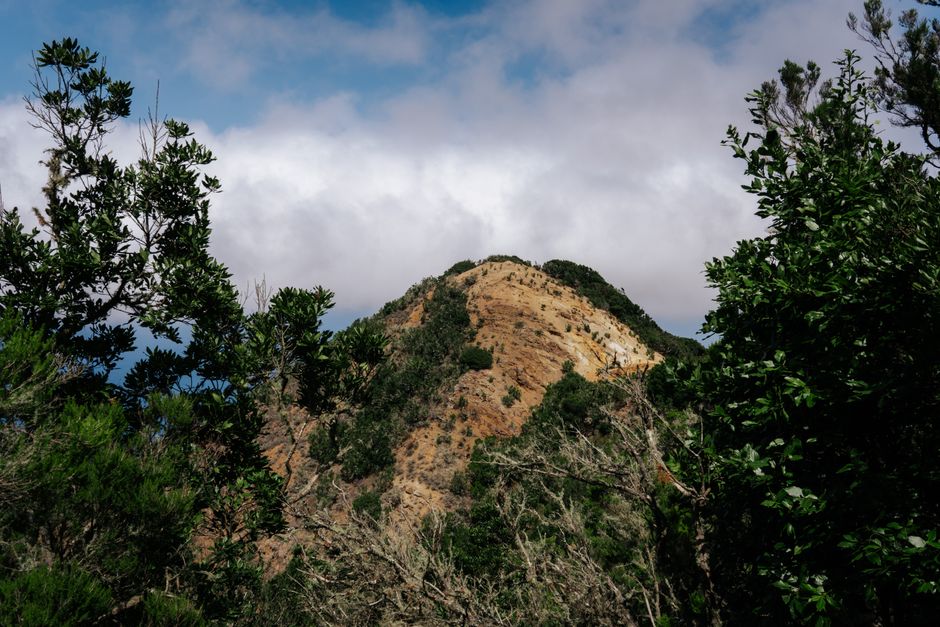
1. The Village Inside a Volcano
Aogashima Island, Izu Islands, Japan
A remote island where an entire village thrives within a massive volcanic caldera.
Aogashima is Japan's most isolated inhabited island, a double caldera volcano. Its 200 residents live in a lush basin formed by an older collapse, surrounded by steep outer walls and a younger, active cone at its center. This unique geology has shaped a resilient culture, reliant on fishing and geothermal energy, a stark reminder of humanity's ability to adapt and flourish amidst dramatic natural forces.
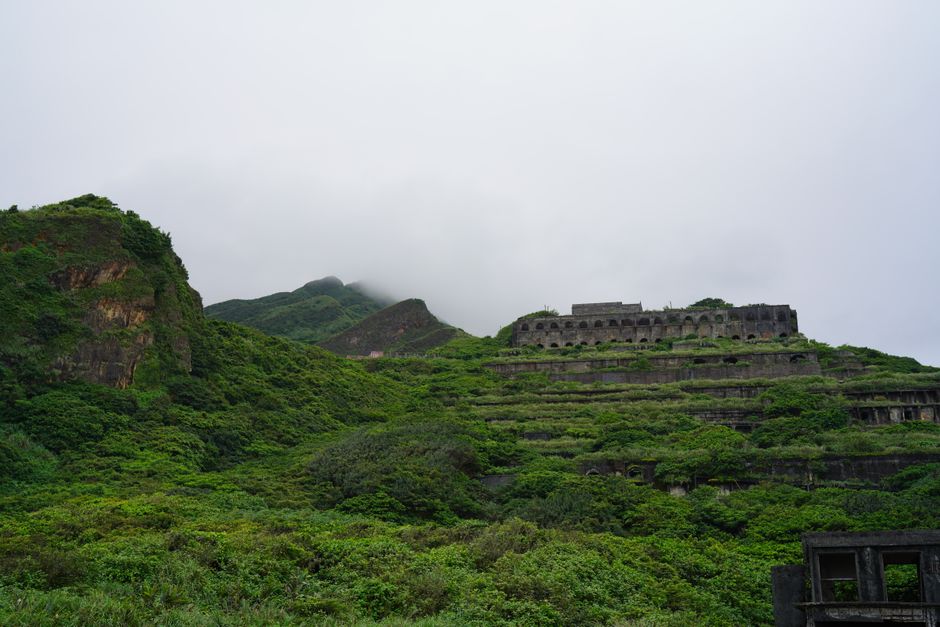
2. The Eco-Conscious Silver Mine
Iwami Ginzan Silver Mine, Oda, Shimane, Japan
A vast 16th-century silver mine that prioritized environmental preservation, a rarity in its era.
Unlike many historical mines that devastated their landscapes, Iwami Ginzan focused on sustainable practices for over 400 years. Miners primarily used hand tools, minimizing deforestation and river pollution. This commitment allowed the surrounding forests to flourish, preserving the unique cultural landscape that earned it UNESCO World Heritage status, showcasing an early example of ecological foresight.
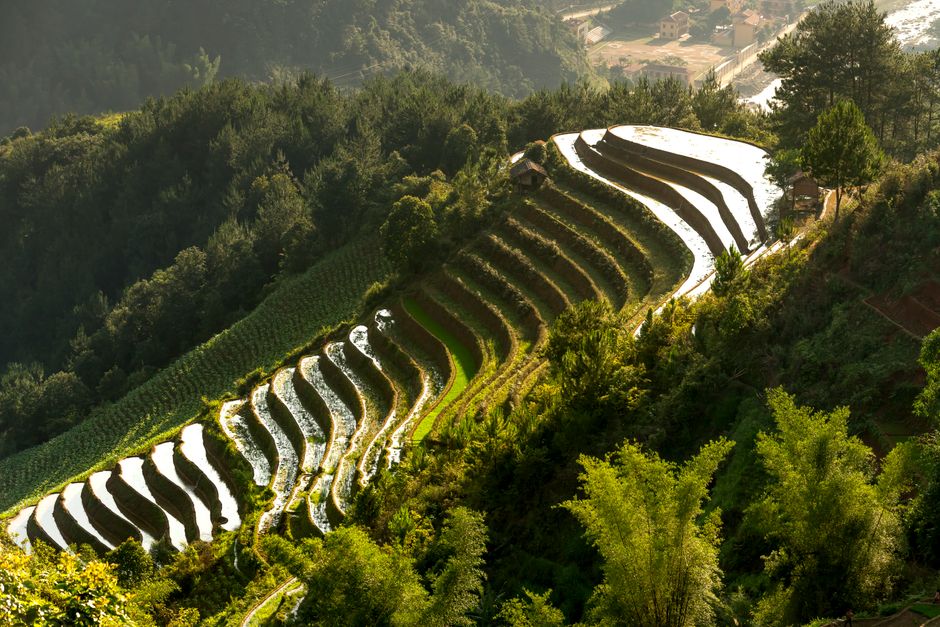
3. Rice Paddies Cascading into the Sea
Shiroyone Senmaida, Wajima, Ishikawa, Japan
Thousands of tiny, hand-carved rice paddies cascade directly into the Sea of Japan, defying gravity.
On the Noto Peninsula, these 1,004 terraced rice fields have been cultivated for over 1,300 years, each field often no larger than a tatami mat. Farmers traditionally relied on rainfall and sea mist for irrigation, demonstrating ingenious agricultural adaptation to a steep coastal environment. The sight of these fields, especially when lit up at night, is a testament to generations of persistent human effort against challenging terrain.
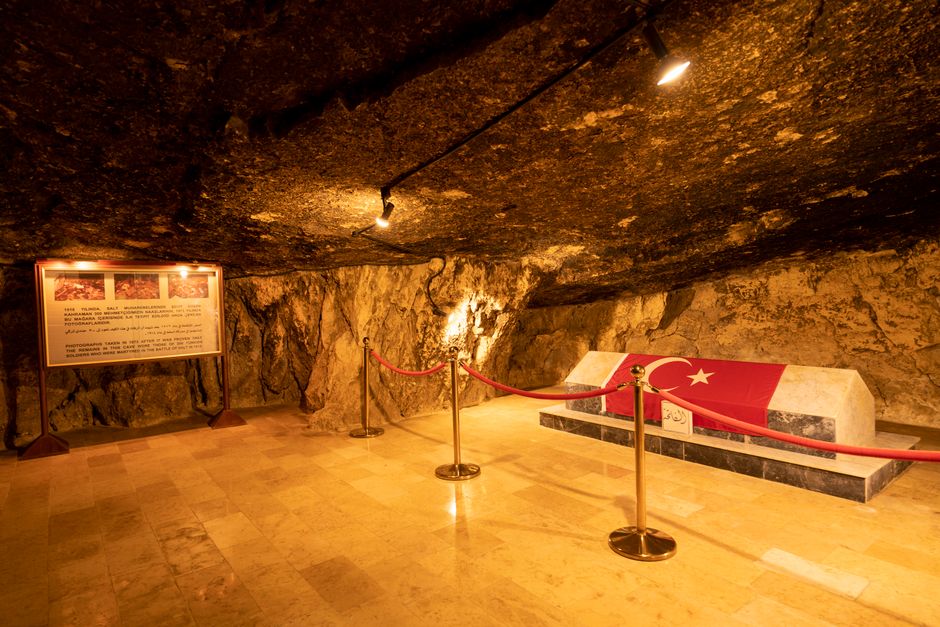
4. Japan's Underground Cathedral
Oya History Museum (Oya Stone Mine), Utsunomiya, Tochigi, Japan
Descend into a colossal underground cathedral carved from volcanic rock, once a secret WWII hideout.
The Oya History Museum explores a massive underground quarry, 30 meters below ground, where Oya stone has been mined for centuries. Its vast, cathedral-like spaces, with average temperatures of 8°C, were once used as a secret underground factory during World War II. Today, it hosts concerts and events, revealing the hidden industrial past and the sheer scale of human excavation.
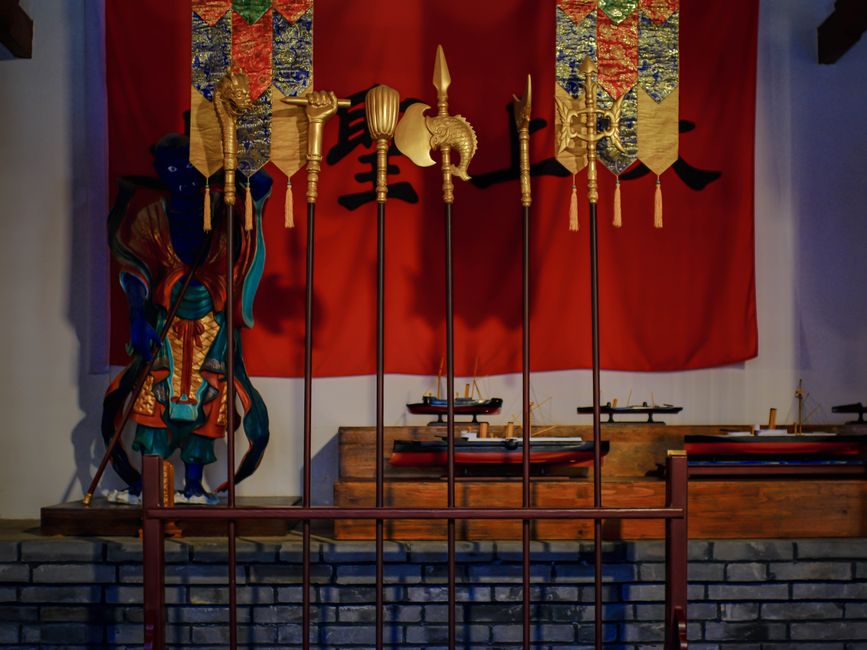
5. Island of Samurai Treasures
Oyamazumi Shrine, Omishima, Ehime, Japan
A sacred island shrine, home to Japan's largest collection of ancient samurai armor and weapons.
While many know the Shimanami Kaido for its cycling, Omishima Island hosts Oyamazumi Shrine, revered for centuries by warriors. This shrine houses an astonishing national treasure: over 80% of Japan's designated ancient samurai armor and weapons, donated by legendary figures like Minamoto no Yoritomo and Takeda Shingen. It's a silent testament to Japan's martial history, far from any battlefield, guarded by island tranquility.
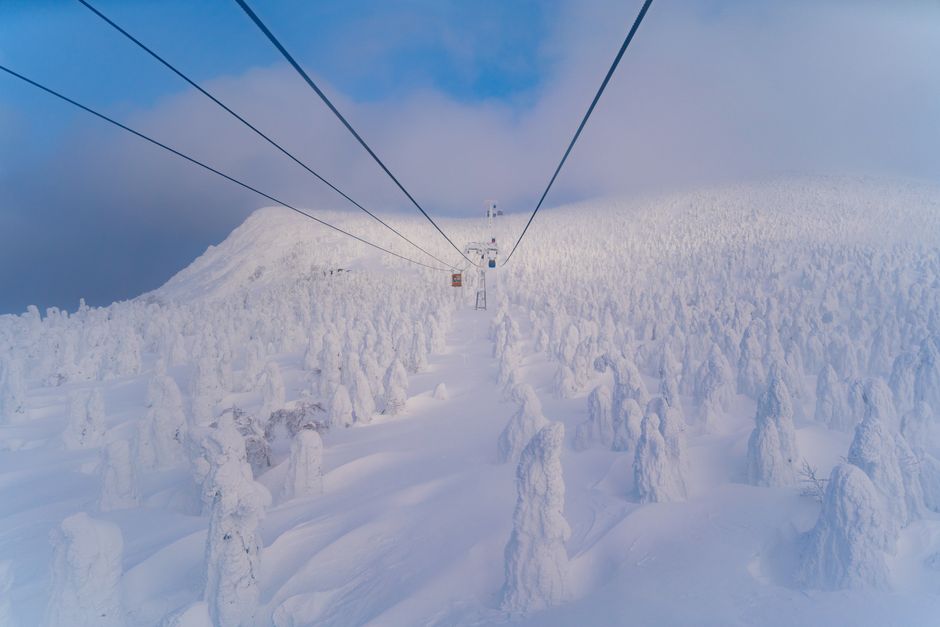
6. The Winter 'Snow Monsters'
Zao Onsen, Yamagata, Japan
Giant, grotesque 'snow monsters' form naturally each winter on a volcanic mountain.
High on Mt. Zao, during the coldest months, unique 'snow monsters' (Juhyo) appear. These aren't mythical creatures but Aomori fir trees, entirely encased in rime ice and heavy snow, sculpted by icy winds into bizarre, towering figures. This otherworldly landscape is a product of specific weather conditions on an active volcanic range, drawing visitors to witness nature's ephemeral, frozen art.
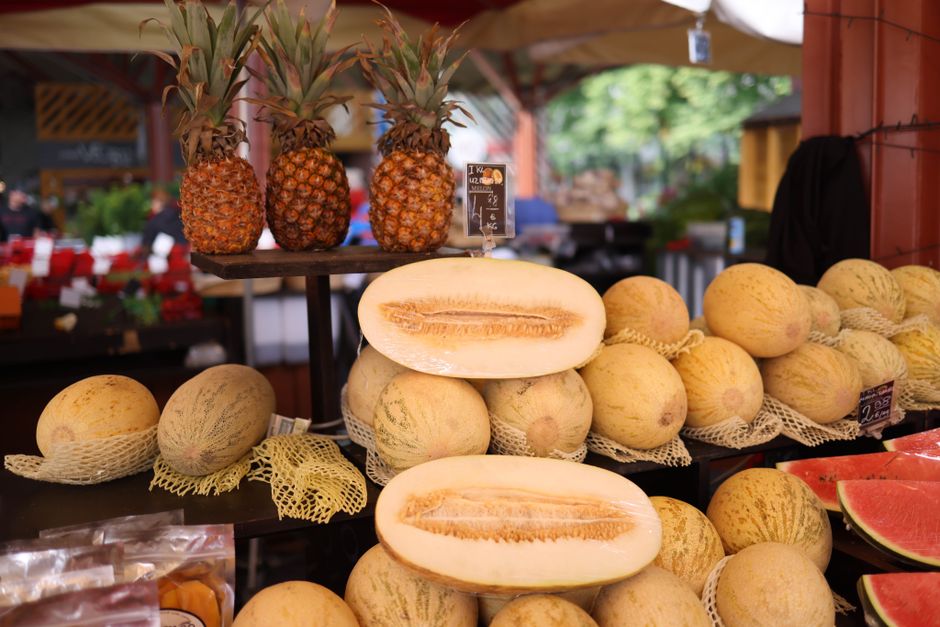
7. The Melon City's Mining Past
Yubari, Hokkaido, Japan
A city once booming with coal, now famous for its luxury melons while struggling with depopulation.
Yubari's story is one of dramatic boom and bust. Once a thriving coal mining town with over 100,000 residents, its population plummeted after the mines closed in the 1980s. Today, it's known globally for its exorbitantly priced Yubari King melons. This contrast highlights Japan's ongoing demographic challenges and the creative, sometimes desperate, economic shifts in its rural areas, far from the bustling metropolises.
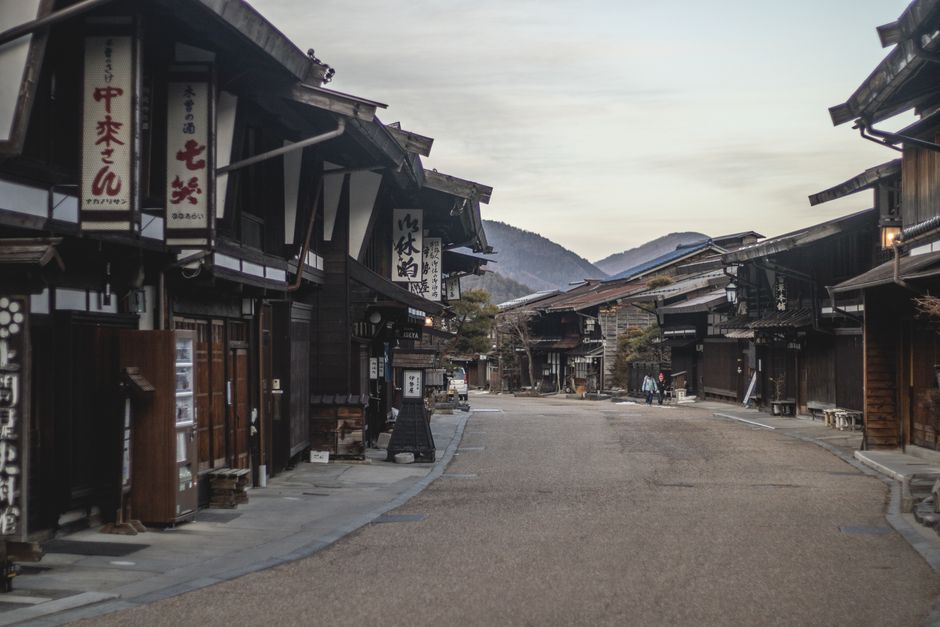
8. Edo-Period Time Capsule
Tsumago-juku, Nagiso, Nagano, Japan
A perfectly preserved Edo-period post town where modern elements like telephone poles are banned.
Tsumago-juku, one of the best-preserved post towns on the ancient Nakasendo trail, offers a rare glimpse into feudal Japan. In the 1970s, residents made a radical decision to restore and protect its historical appearance, even burying power lines and banning cars during daylight hours. This pioneering effort in historical preservation allows visitors to walk cobblestone streets and see traditional inns just as travelers did centuries ago, a conscious choice to defy modern encroachment.
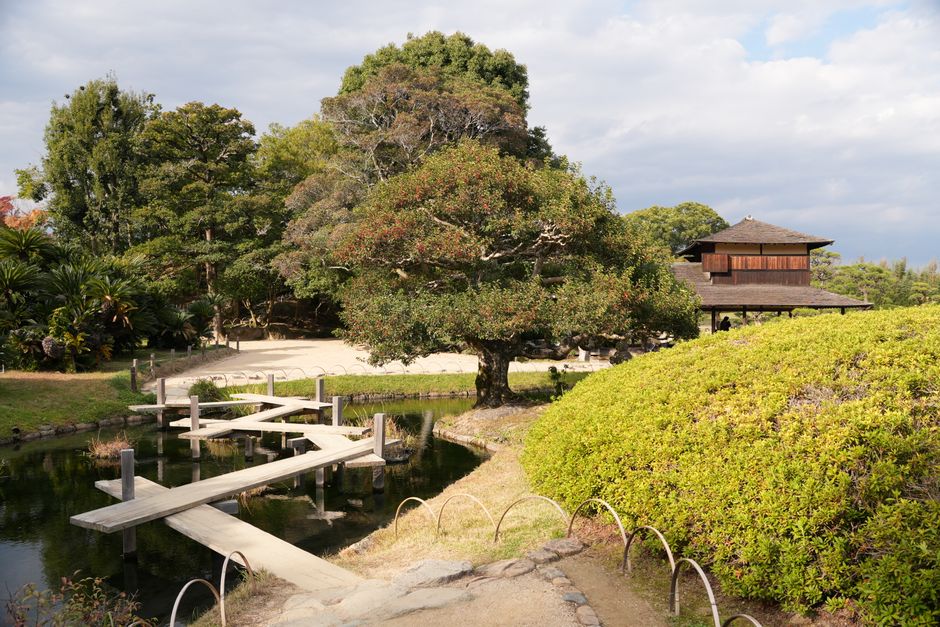
9. The Silent Film Star's Secret Retreat
Okochi Sanso Villa, Arashiyama, Kyoto, Japan
The stunning, secluded villa of a legendary silent film star, built over 30 years with his own earnings.
Tucked away in the Arashiyama bamboo forest, Okochi Sanso is the former home and garden of Denjiro Okochi, a famous jidaigeki (period drama) actor. He personally designed and funded the construction of this sprawling complex over three decades, using his acting fees. Unlike imperial villas, it reflects a personal vision of beauty, offering breathtaking views and exquisite traditional architecture, a testament to artistic dedication and a hidden gem often overlooked by tourists rushing to the bamboo grove.
Frequently asked questions
What makes Japan's lesser-known sites so special?
Unlike major tourist hubs, these spots often preserve ancient traditions, unique geological formations, or stories of resilience largely untouched by mass tourism. They offer a more intimate and authentic glimpse into Japan's diverse heritage and enduring character.
How can I find these hidden gems in Japan?
Researching specific prefectures outside major cities, consulting local tourism boards, and exploring themed travel blogs are great starting points. Many smaller towns and rural areas have unique festivals, crafts, or historical sites waiting to be discovered.
Is it difficult to travel to these remote Japanese locations?
While some spots require more planning, Japan's excellent public transport system (trains, buses, ferries) often reaches even remote areas. Renting a car can offer more flexibility for truly off-the-beaten-path destinations, allowing you to explore at your own pace.
How can AllTours.ai help me discover these unique places?
AllTours.ai uses AI to provide audio narratives about your surroundings. Simply point your phone camera at a landmark, landscape, or even a local object, and the app will narrate its history, geology, and culture in your preferred language, offering a personalized, in-depth guide to both famous and hidden gems, helping you uncover the stories that make each place unique.
Related guides
Photography via Pexels. AllTours.ai is an AI audio tour guide — point your camera at any landscape and hear its story.