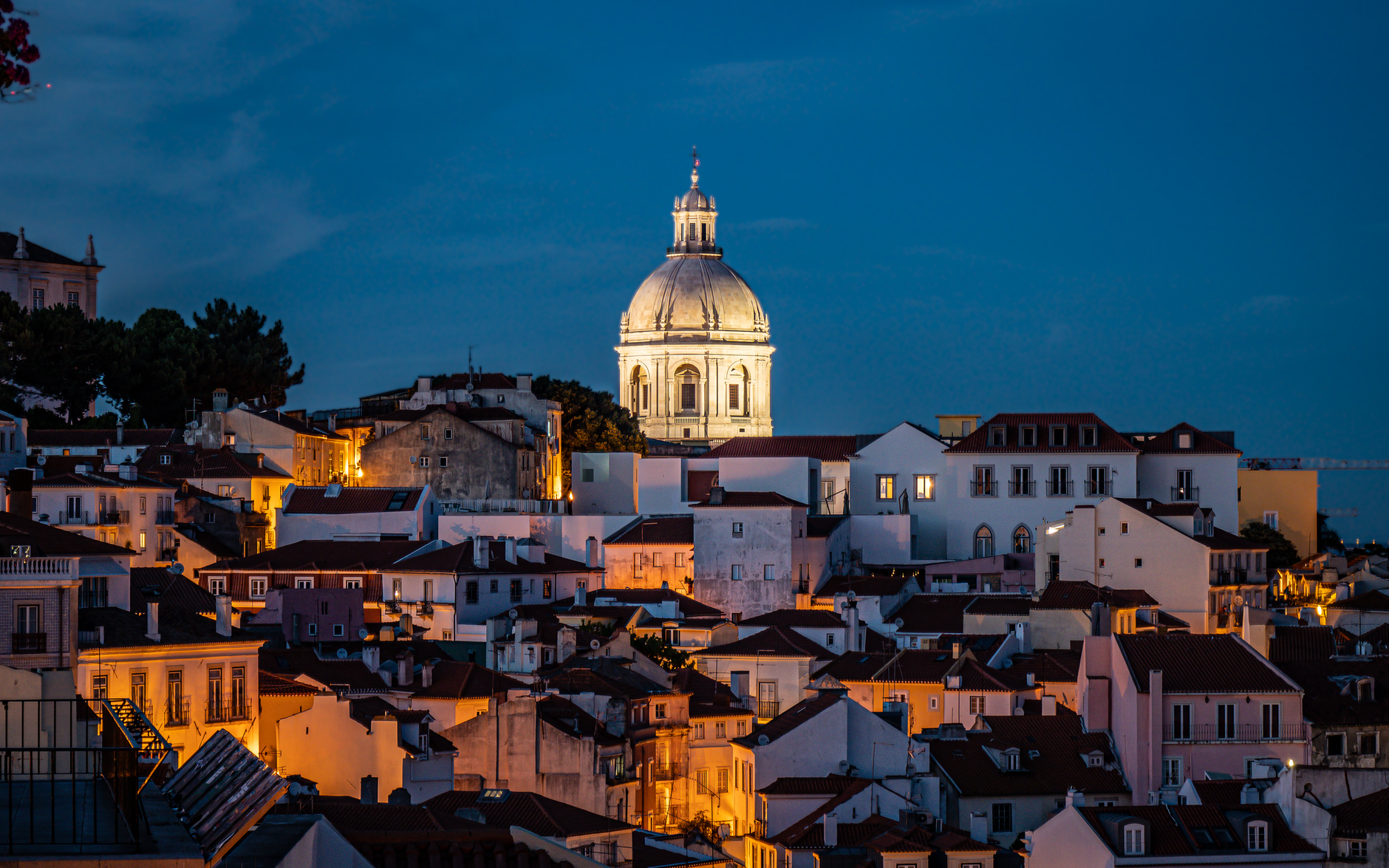
September 25, 2026 · 4 min read
Lisbon is a city that wears its history on its sleeve, yet much of its deepest past remains a whisper beneath the surface. From its ancient Roman foundations to the dramatic reshaping by the 1755 earthquake and the grandeur of the Age of Discovery, every cobblestone has a story to tell.
For the dedicated history buff, a single day in Lisbon offers an opportunity to peel back these layers, moving beyond the well-trodden paths to discover sites that reveal the city's resilience, its tragedies, and its enduring spirit. Prepare to journey through millennia, one fascinating landmark at a time.
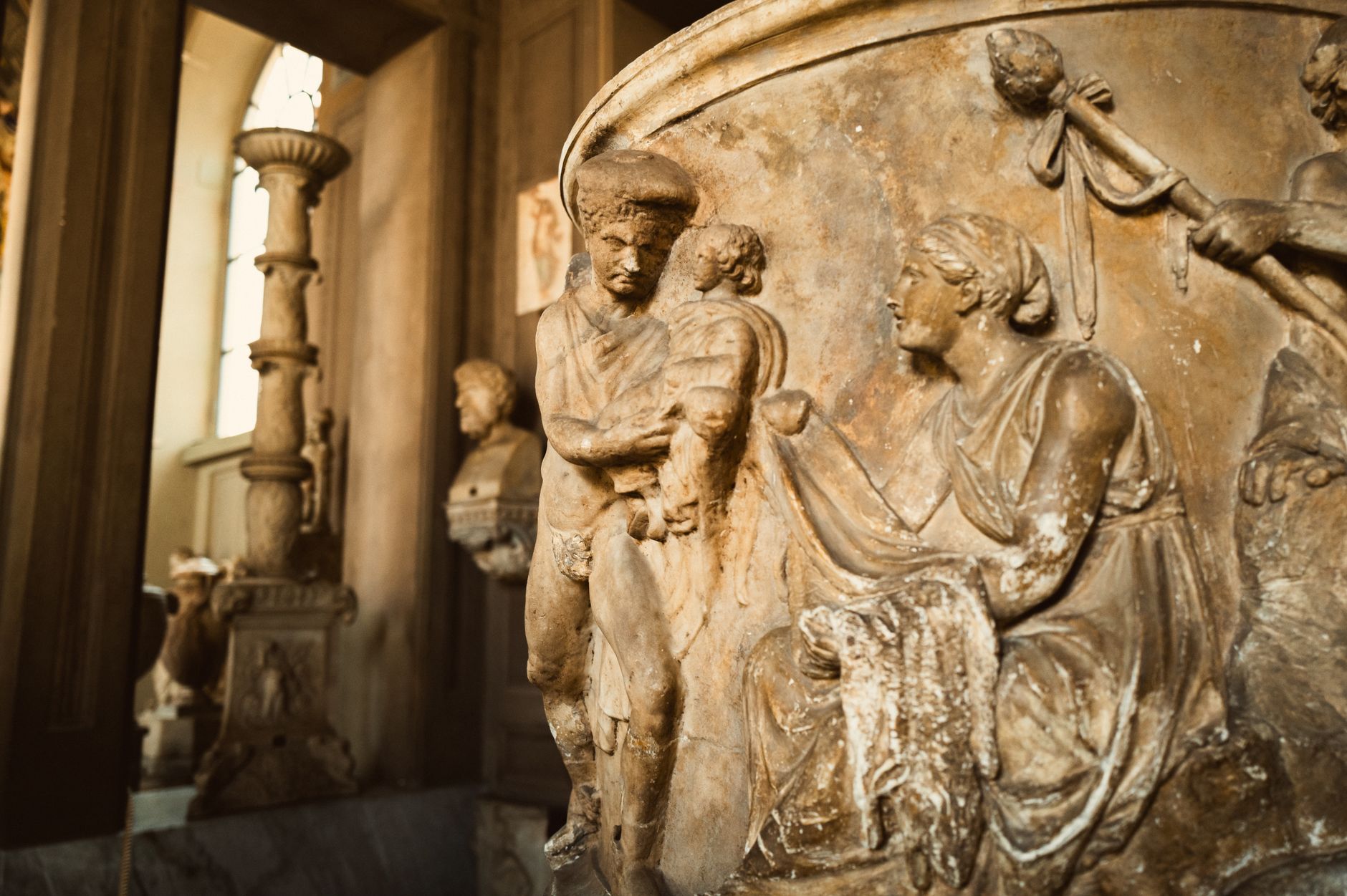
1. The Buried Roman Stage
Roman Theatre Museum, Lisbon, Portugal
Beneath Lisbon's bustling Alfama district lies the unearthed remains of a grand Roman theater, revealing the city's ancient origins as Olisipo.
Hidden in plain sight, the Roman Theatre Museum offers a tangible connection to Lisbon's foundational past. Discovered only in the late 18th century after the 1755 earthquake, these ruins reveal that a thriving Roman city, Olisipo, once stood here. Walking among the remaining tiers and foundations, you can almost hear the echoes of performances from nearly two millennia ago, a powerful reminder of Lisbon's deep historical roots.
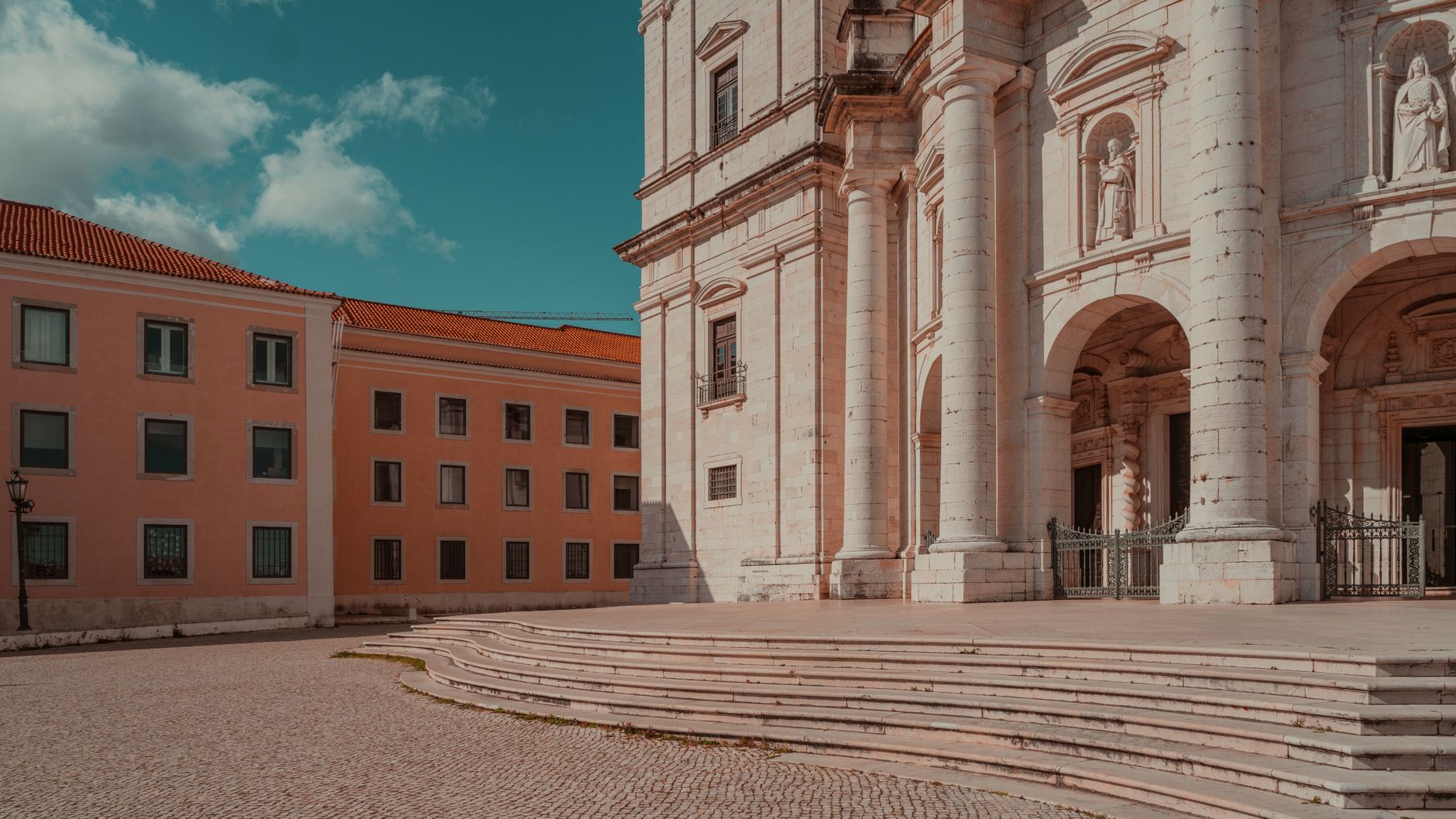
2. The Diamond-Pointed Survivor
Casa dos Bicos, Lisbon, Portugal
This uniquely faceted Renaissance house, with its diamond-point facade, survived Lisbon's devastating 1755 earthquake and later became a symbol of cultural resilience.
The Casa dos Bicos, or 'House of Spikes,' stands out with its unusual facade of diamond-shaped stones, a distinctive example of 16th-century Renaissance architecture. Owned by the family of Afonso de Albuquerque, a key figure in the Age of Discovery, the building miraculously withstood the 1755 earthquake. After extensive restoration, it now houses the José Saramago Foundation, blending ancient history with modern literary legacy and serving as a testament to Lisbon's enduring spirit.
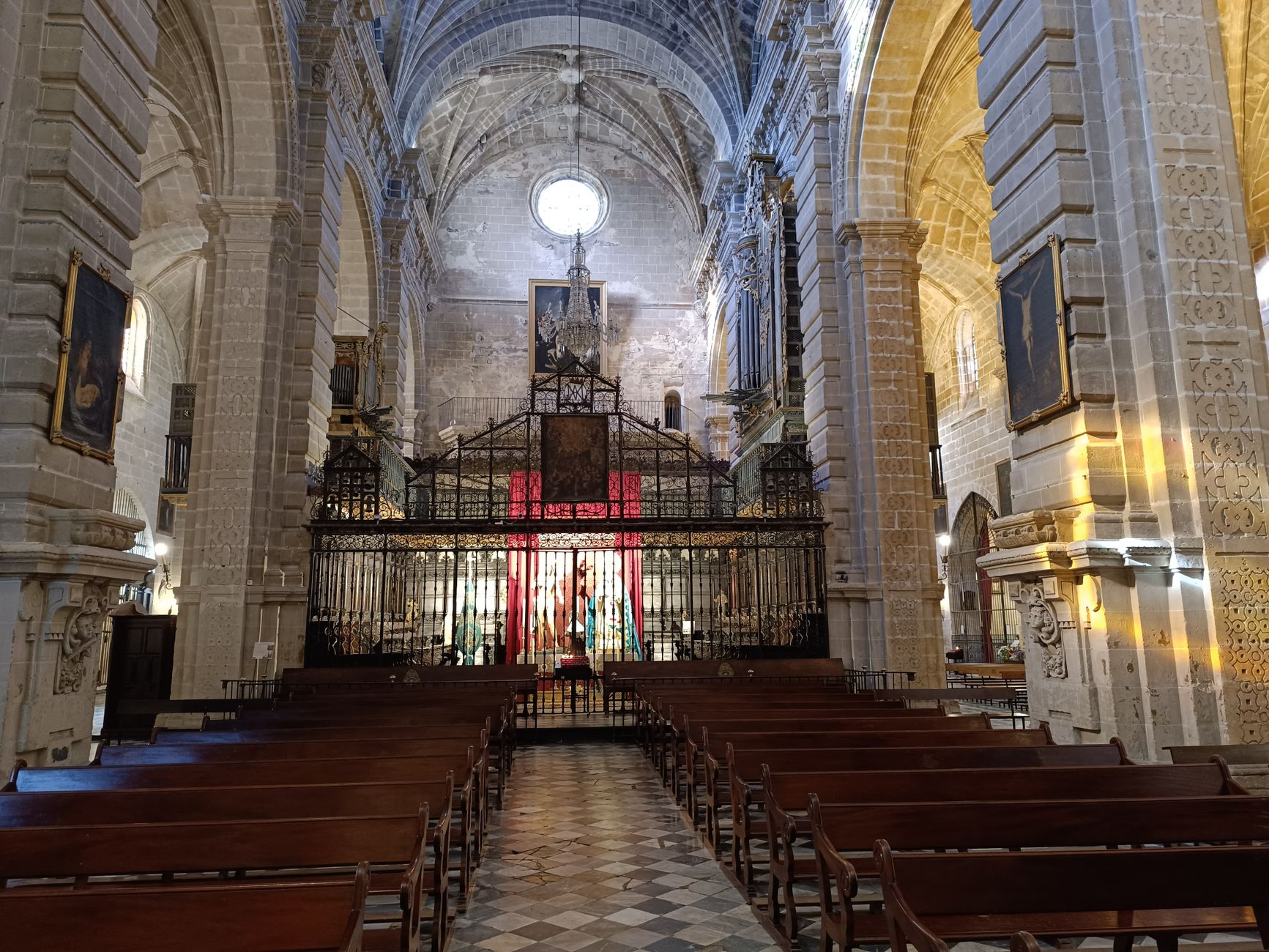
3. The Scarred Church of Resilience
Igreja de São Domingos, Lisbon, Portugal
Despite being ravaged by fire, earthquake, and even a historic massacre, the scarred walls of Igreja de São Domingos stand as a raw testament to Lisbon's tumultuous past.
The Igreja de São Domingos is unlike any other church in Lisbon. Its interior, with charred columns and distressed walls, bears the indelible marks of a devastating fire in 1959, which itself followed the catastrophic 1755 earthquake. Even more chillingly, this site was the stage for the infamous 1506 Lisbon massacre, where thousands of 'New Christians' were persecuted. The church's raw, unpolished beauty serves as a poignant, unvarnished chronicle of the city's history of both tragedy and enduring faith.
4. The Roofless Reminder
Museu Arqueológico do Carmo, Lisbon, Portugal
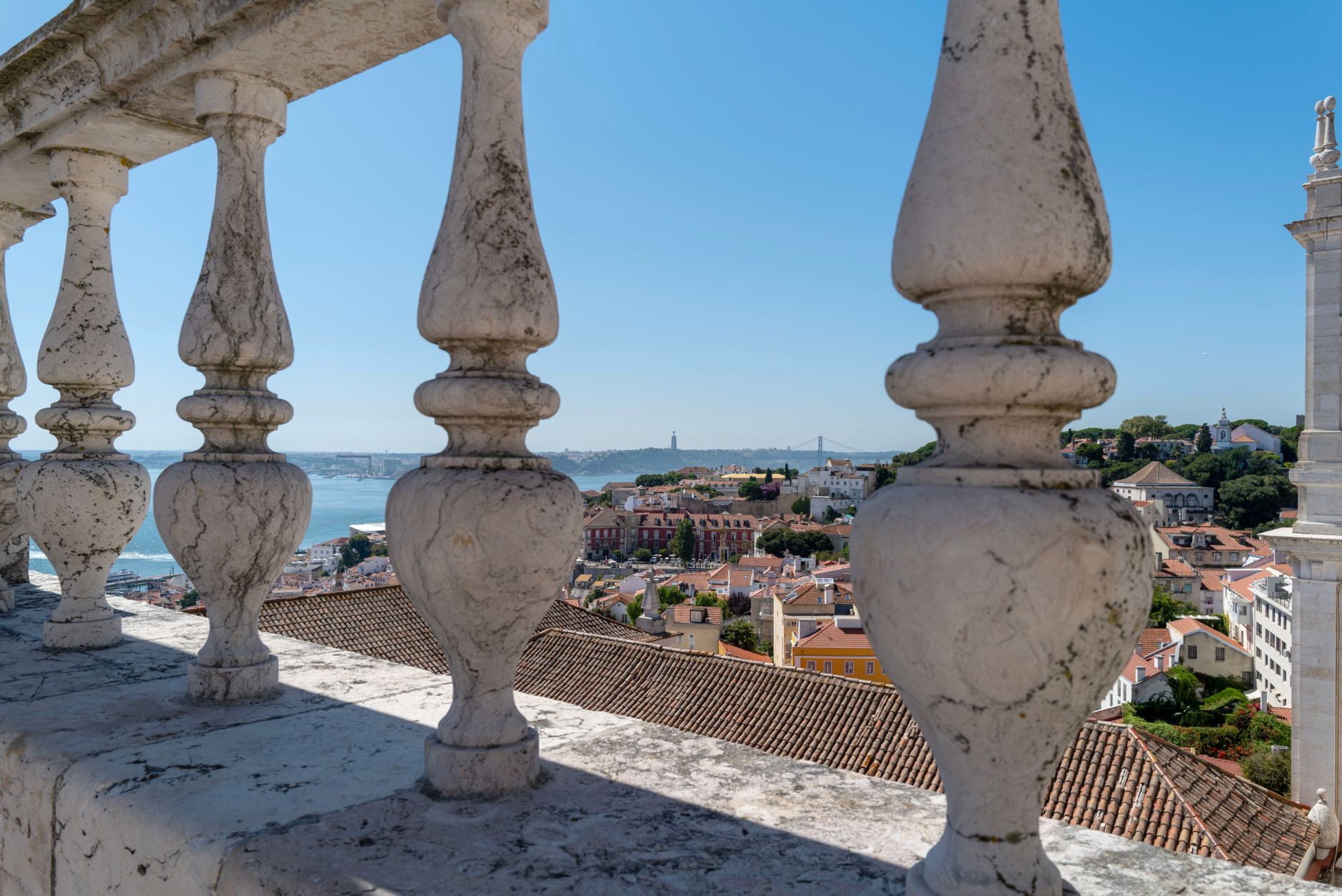
The skeletal arches of the Carmo Convent, deliberately left roofless after the 1755 earthquake, serve as Lisbon's most poignant memorial to the city's greatest catastrophe.
Perched on a hill overlooking Rossio Square, the ruins of the Carmo Convent are a hauntingly beautiful sight. Once Lisbon's largest medieval church, it was almost entirely destroyed by the 1755 earthquake. Rather than rebuilding the roof, the decision was made to leave the nave open to the sky, creating a breathtaking open-air archaeological museum. This 'roofless reminder' powerfully conveys the scale of the disaster, inviting contemplation on the city's vulnerability and resilience.

5. The Endless Construction
National Pantheon, Lisbon, Portugal
The construction of Lisbon's National Pantheon was so protracted that it gave birth to a Portuguese proverb: 'Obras de Santa Engrácia,' referring to endless tasks.
Originally begun in the 17th century as the Church of Santa Engrácia, this grand Baroque edifice took so long to complete—nearly three centuries—that it became synonymous with never-ending projects. Today, as the National Pantheon, it houses the tombs of Portugal's most revered figures, including presidents, writers like Amália Rodrigues, and explorer Vasco da Gama. Its domed interior and meticulous design offer a profound insight into Portugal's national identity and its long, complex history.
6. Lisbon's Great Aqueduct
Aqueduto das Águas Livres, Lisbon, Portugal
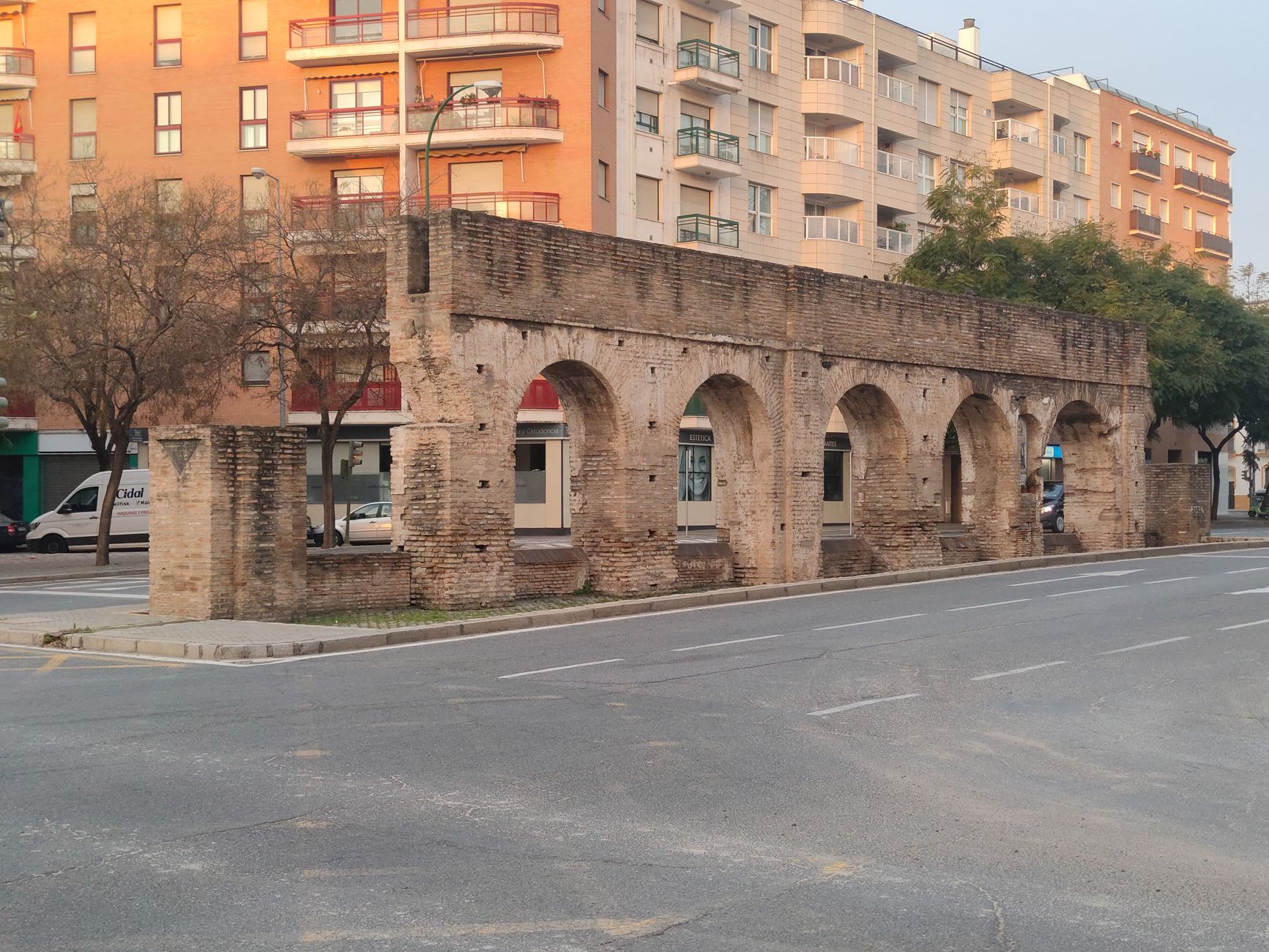
This colossal 18th-century aqueduct, featuring 35 arches with the tallest reaching over 200 feet, was Lisbon's primary water source and miraculously survived the 1755 earthquake unscathed.
A monumental feat of engineering, the Aqueduto das Águas Livres stretches for miles across Lisbon, supplying fresh water to the city for centuries. Completed in 1744, just before the great earthquake, its grand arches and robust construction astonishingly withstood the tremors and tsunami. Walking along its historic path, particularly over the stunning Vale de Alcântara bridge, offers a breathtaking perspective on pre-earthquake Lisbon and an appreciation for the foresight and skill of its builders.
7. The Monastic Sweet Secret
Pastéis de Belém, Lisbon, Portugal
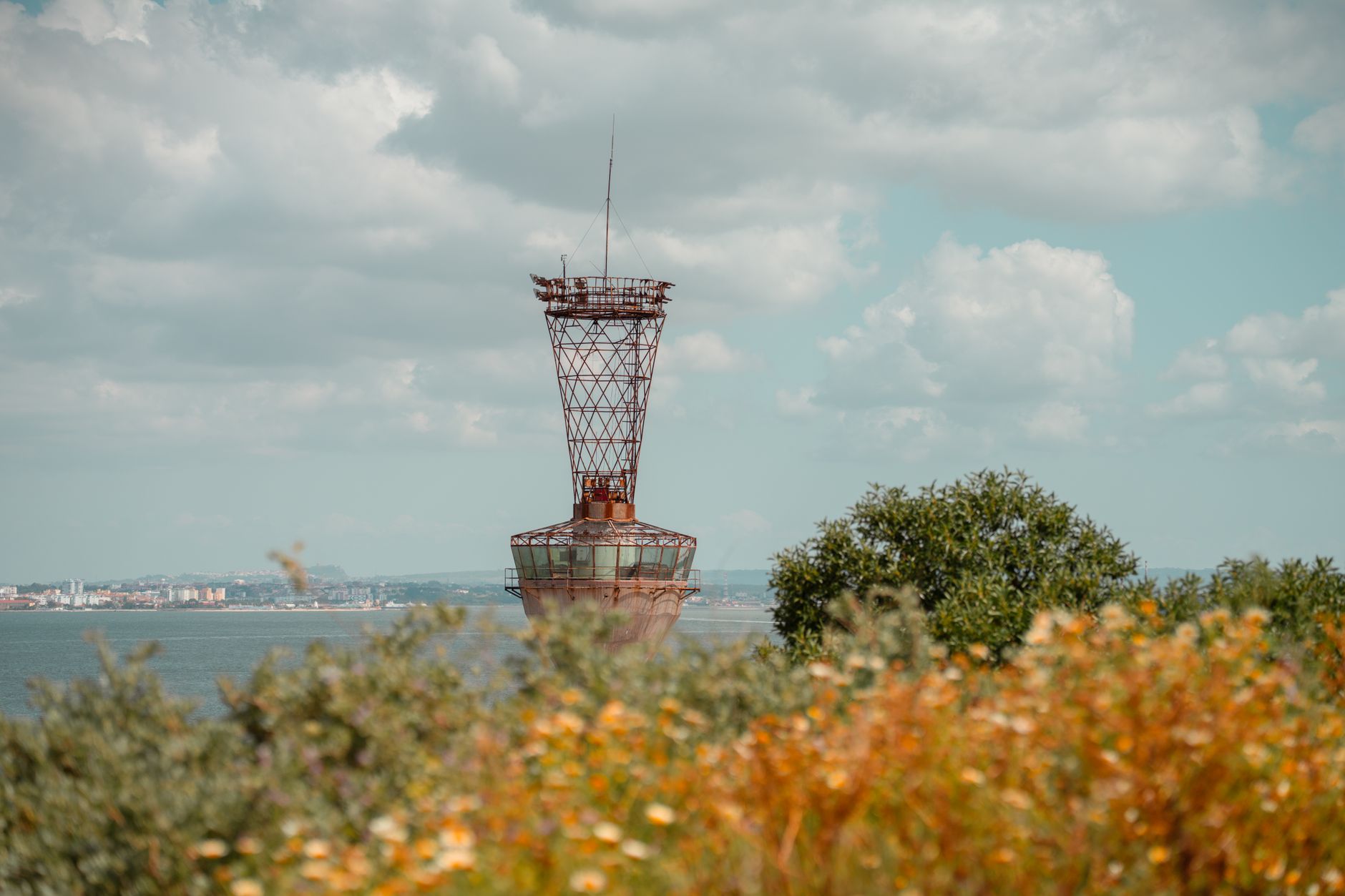
The secret recipe for the iconic Pastel de Belém originates from the Jerónimos Monastery, where monks began selling these custard tarts to support themselves after the liberal revolution.
Beyond being a delicious treat, the Pastel de Belém carries a rich historical narrative directly linked to the Age of Discovery. Before 1834, the Jerónimos Monastery was a hub of sugar production and egg usage, the latter often used to starch clothes. When the monastery faced closure during the liberal revolution, the monks started selling small, sweet tarts from their secret recipe. This tradition evolved into the famous Pastéis de Belém, a taste of history that continues to draw crowds today, connecting you directly to a monastic past.
Frequently asked questions
What's the best way to get around Lisbon's historic sites in one day?
Lisbon's historic center is best explored on foot, but be prepared for hills. Utilize the metro, trams (especially Tram 28 for a scenic route), and funiculars for longer distances or to navigate steep climbs between districts.
Is Lisbon a walkable city for history buffs, considering its terrain?
While Lisbon is notoriously hilly, it is incredibly walkable, particularly within its historic districts like Alfama and Baixa. Comfortable shoes are essential. The rewards of discovering hidden alleys and panoramic views by foot far outweigh the effort.
How significant was the 1755 earthquake for Lisbon's historical development?
The 1755 earthquake was a pivotal event that reshaped Lisbon entirely. It destroyed much of the city, leading to the construction of the Baixa Pombalina district, one of the first examples of earthquake-resistant urban planning. It also influenced European Enlightenment thought and Portugal's political trajectory.
How can AllTours.ai enhance my exploration of Lisbon's historical narrative?
AllTours.ai transforms your phone into a personal historian. Simply point your camera at any landmark, ruin, or even a city vista, and the app will narrate its fascinating history, geological context, and cultural significance in your preferred language, enriching your understanding of every site you visit.
Related guides
Photography via Pexels. AllTours.ai is an AI audio tour guide — point your camera at any landscape and hear its story.