October 9, 2026 · 4 min read
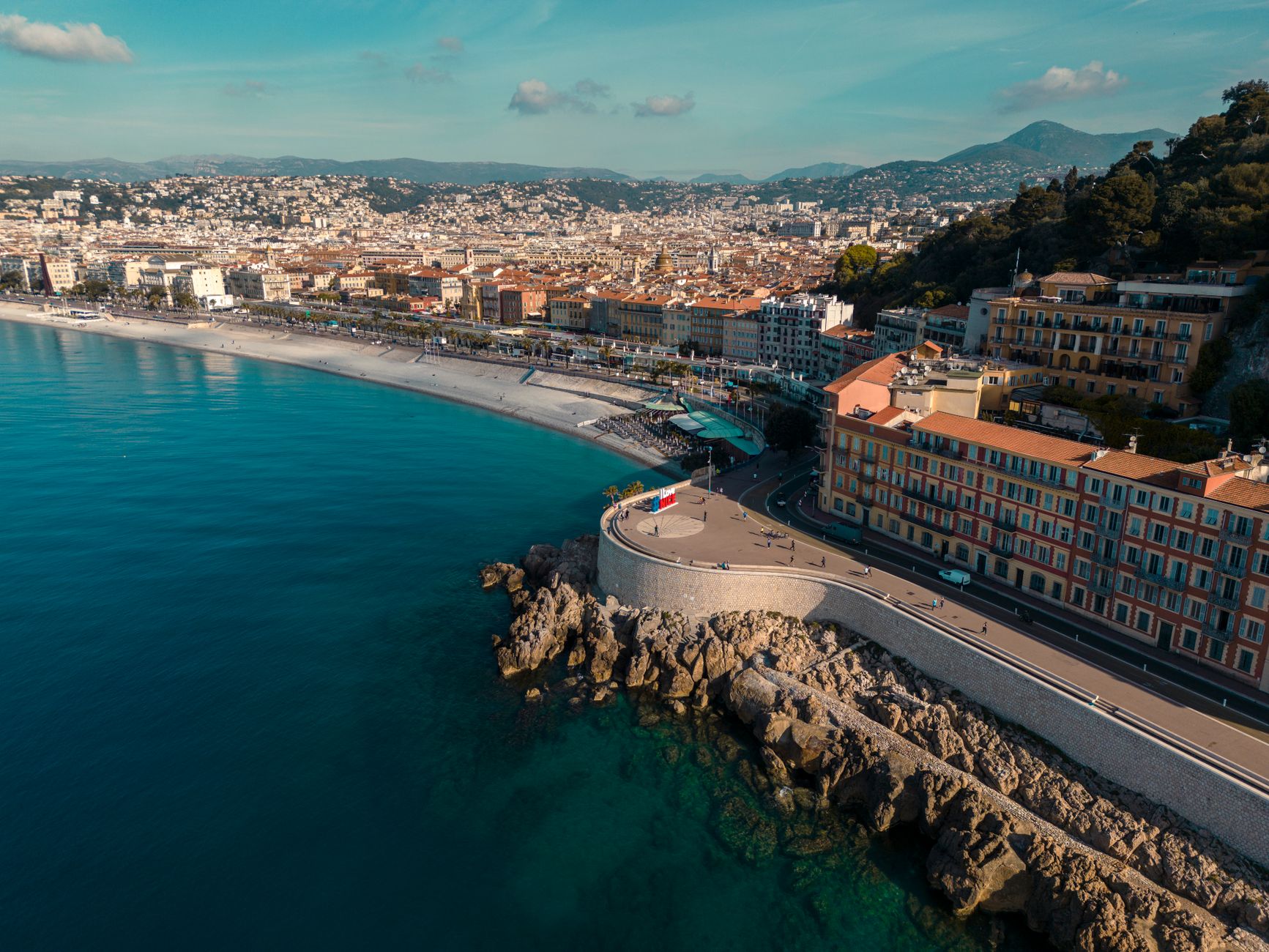
Nice, the jewel of the French Riviera, often conjures images of sun-drenched beaches and bustling promenades. While these iconic sights are undoubtedly captivating, a single day in this vibrant city offers a deeper dive into its rich tapestry of history, geology, and culture, revealing layers often missed by the casual observer.
Beyond the well-trodden paths, Nice hides fascinating tales in its ancient stones, lively markets, and unexpected corners. From a Roman past unearthed by modern construction to medieval alleys designed for defense, maximizing your day means looking closer at the details that make this city truly unique.
1. The Unseen City Below Place Garibaldi
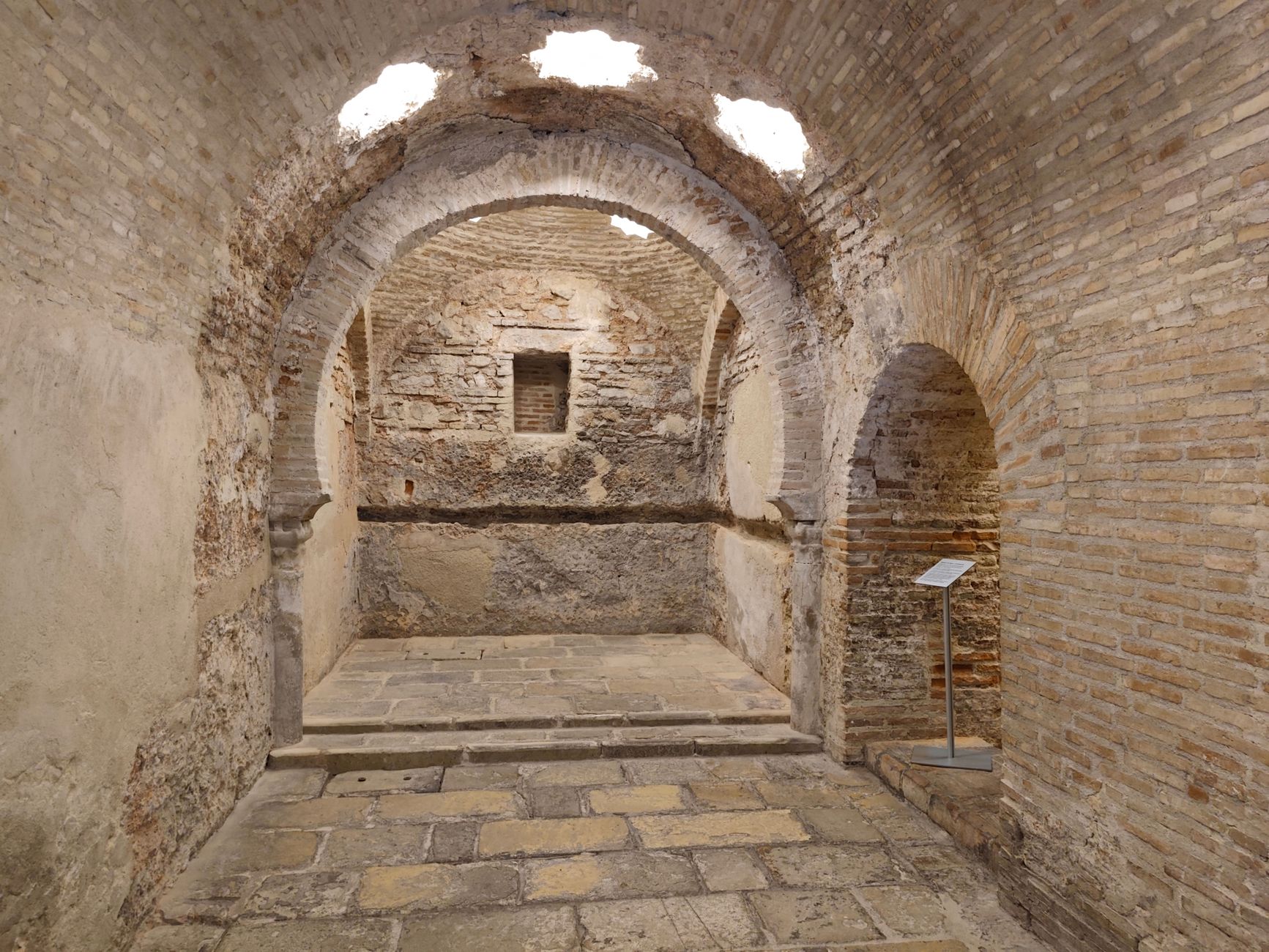
Crypte Archéologique de Nice, France
Beneath Nice's bustling Place Garibaldi, a modern tram line project unexpectedly unearthed centuries of forgotten city layers, including Roman and medieval foundations.
While Place Garibaldi is famous for its vibrant cafes and striking architecture, few realize what lies directly underneath. During the construction of the tramway, significant archaeological remains were discovered, revealing a Roman-era port and a medieval city gate. These hidden structures offer a rare glimpse into Nice's layered past, showing how the city has continuously built upon its own history.
2. The Enigmatic Adam and Eve House
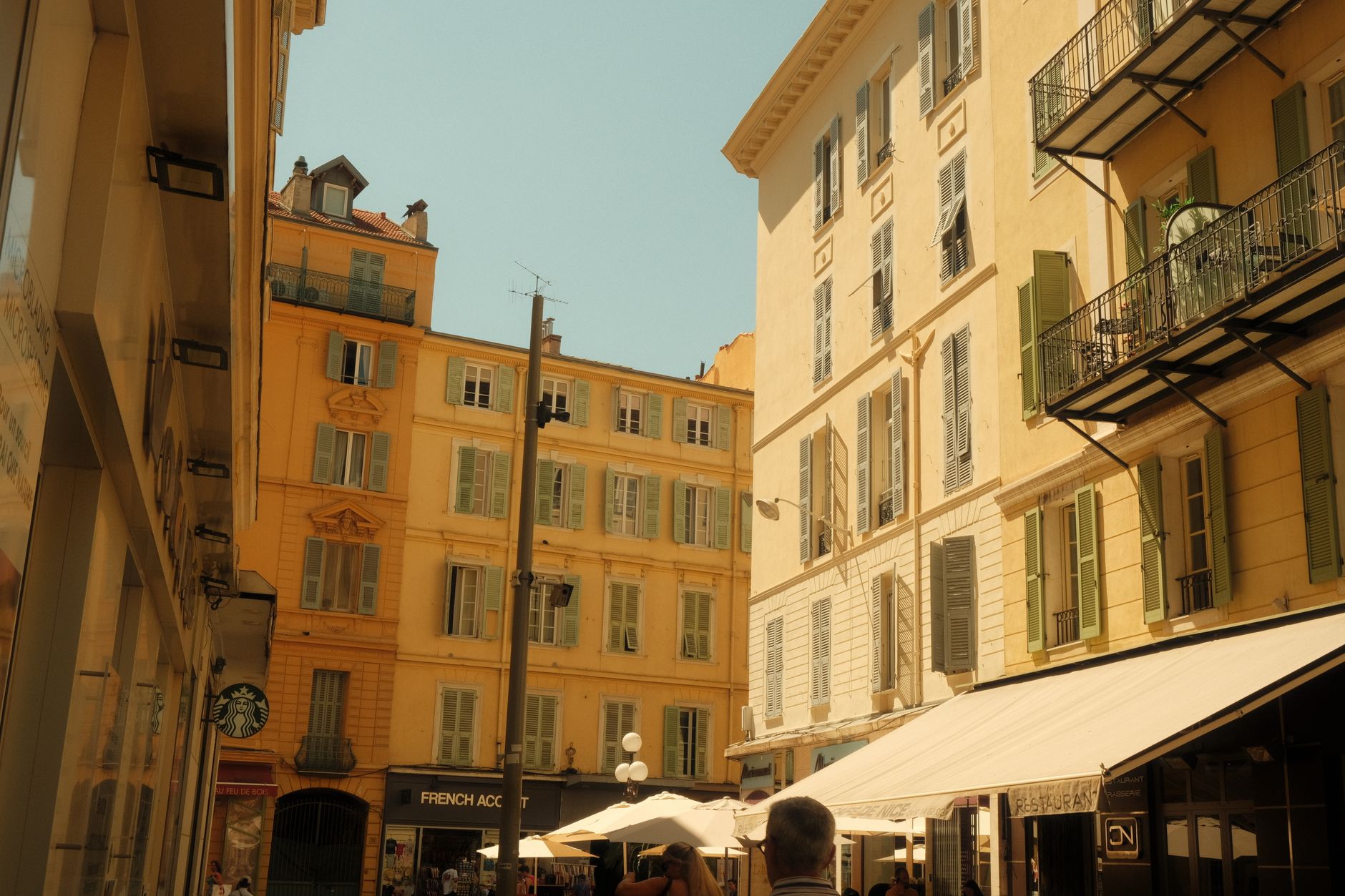
Maison d'Adam et Ève, Nice, France
Tucked away in Vieux Nice, the Maison d'Adam et Ève features a Renaissance facade whose unique, almost pagan imagery stands apart from typical religious art of its era.
This unassuming building in the heart of the Old Town boasts a remarkable 16th-century facade. Its intricate carvings depict Adam and Eve alongside intriguing mythological figures and grotesques, blending biblical narratives with classical themes. The artistic freedom and detailed ornamentation challenge conventional Renaissance religious symbolism, making it a curious cultural artifact that sparks questions about the beliefs and influences of its original patrons.
3. Fortress of Shifting Loyalties
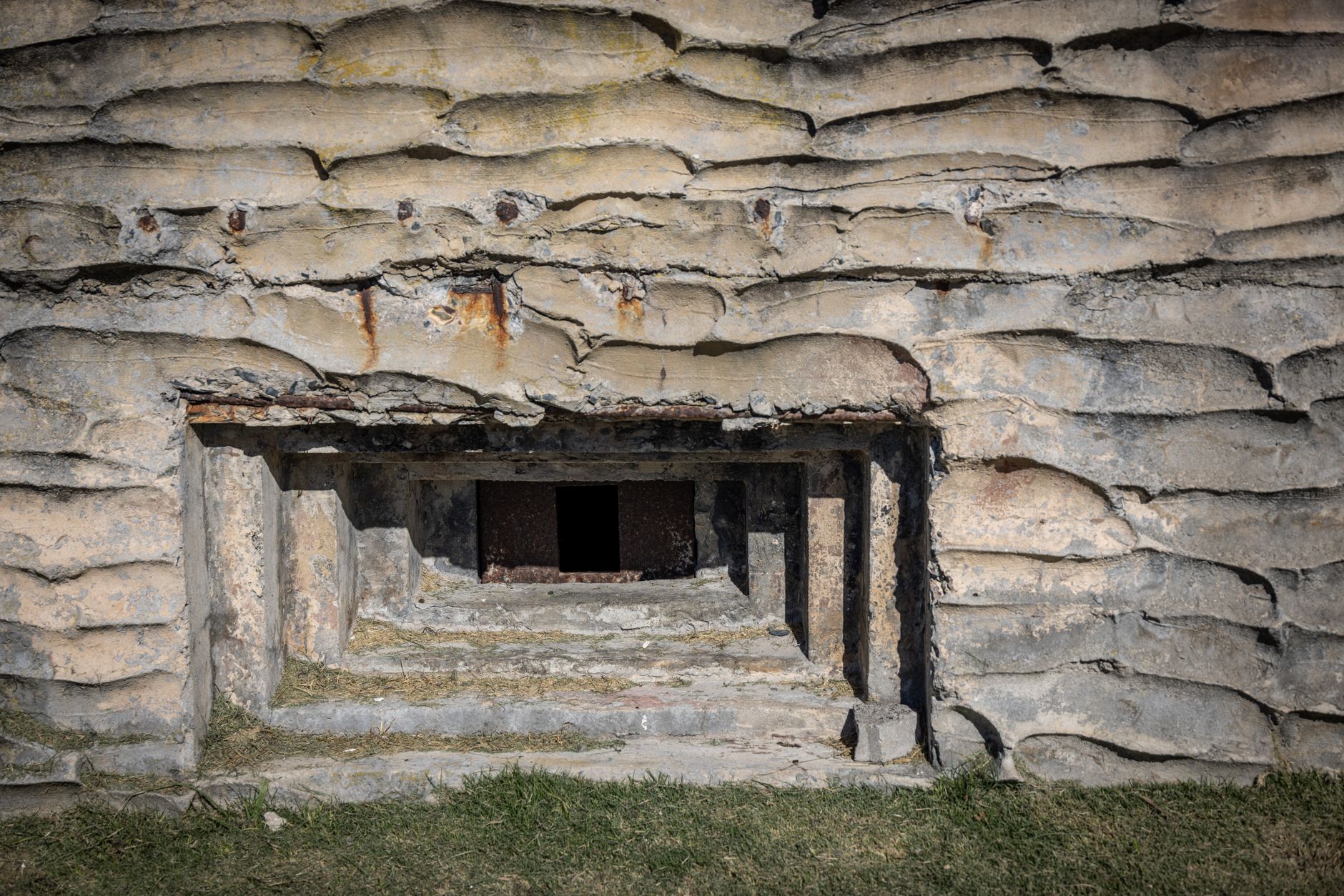
Fort du Mont Alban, Nice, France
This 16th-century fortress, perched high above Nice, was built by the Duchy of Savoy and frequently changed hands, reflecting the turbulent political landscape of Renaissance Europe.
Strategically positioned between Nice and Villefranche-sur-Mer, Fort du Mont Alban offers breathtaking panoramic views. Constructed from 1557 to 1560, its design is a testament to sophisticated military engineering of its time, featuring robust bastions and thick walls. The fort's history is intertwined with conflicts between France and the Duchy of Savoy, serving as a crucial defensive point that repeatedly altered allegiances with the shifting borders and power dynamics of the region.
4. The River Under the Park
Promenade du Paillon, Nice, France
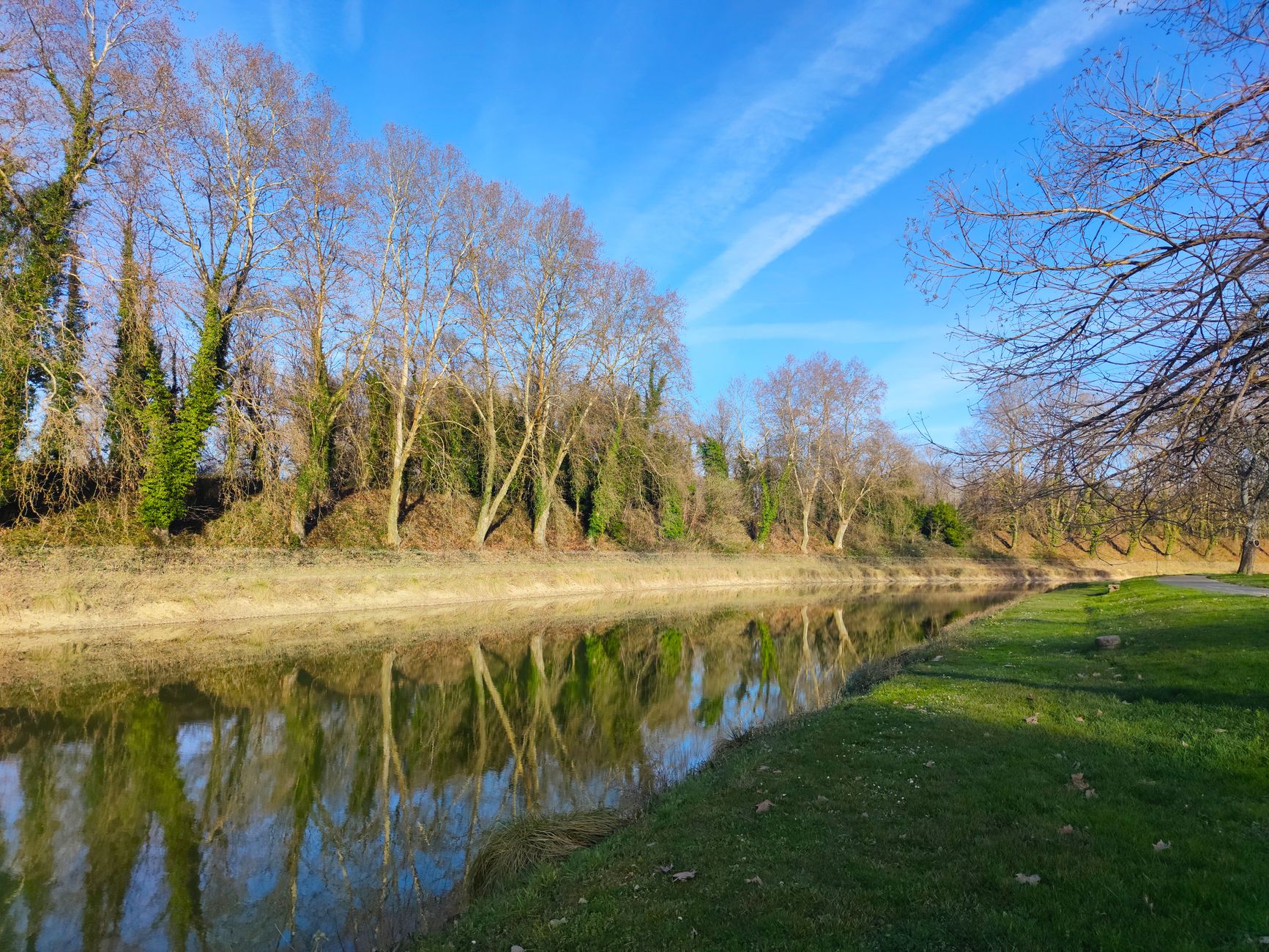
Beneath the vibrant, modern Promenade du Paillon urban park flows the Paillon river, once an open waterway that defined Nice's medieval boundaries and shaped its early development.
Today, the Promenade du Paillon is a lively green corridor with play areas, fountains, and the famous 'Miroir d'eau'. However, this beautiful park was built over the culverted Paillon river, which historically flowed openly through the city center. This river was not just a natural feature; it acted as a significant defensive barrier for medieval Nice, with the Old Town situated on one bank and newer developments on the other. Its transformation reflects Nice's ongoing evolution and urban planning.
5. Ancient Olive Groves of Roman Cimiez
Arènes de Cimiez and Olive Groves, Nice, France
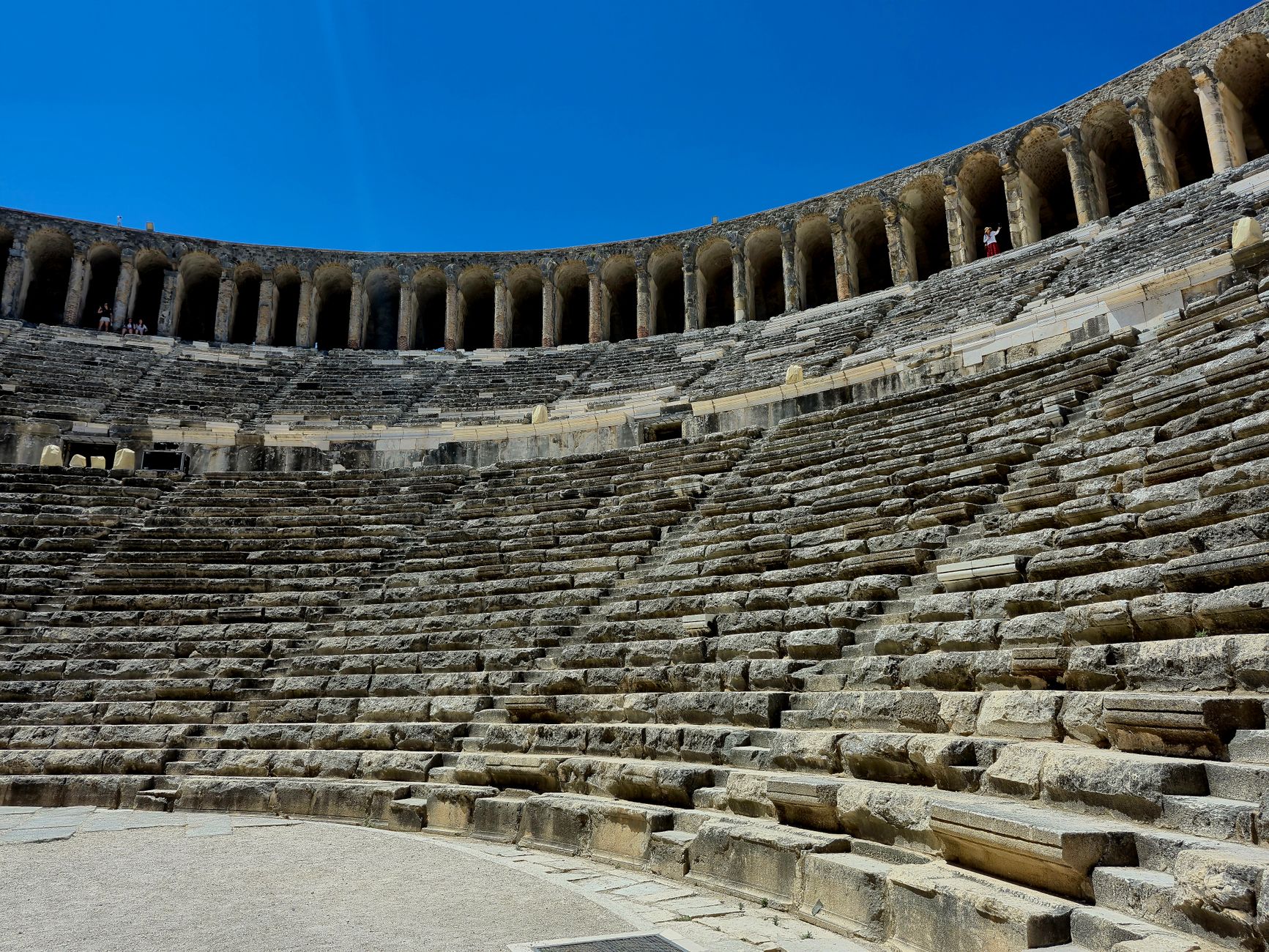
Beyond the visible Roman amphitheater ruins in Cimiez, some of the accompanying olive trees are so ancient they likely witnessed Roman gladiatorial games and daily life.
The Cimiez district, once the Roman city of Cemenelum, hosts impressive ruins including an amphitheater and baths. Surrounding these archaeological treasures are expansive olive groves, some of which contain trees hundreds, if not thousands, of years old. These venerable trees are living links to Nice's Roman past, enduring through centuries of history and offering a tangible connection to the ancient inhabitants who once walked among them.
6. The Medieval Covered Passage
Rue Obscure, Nice, France
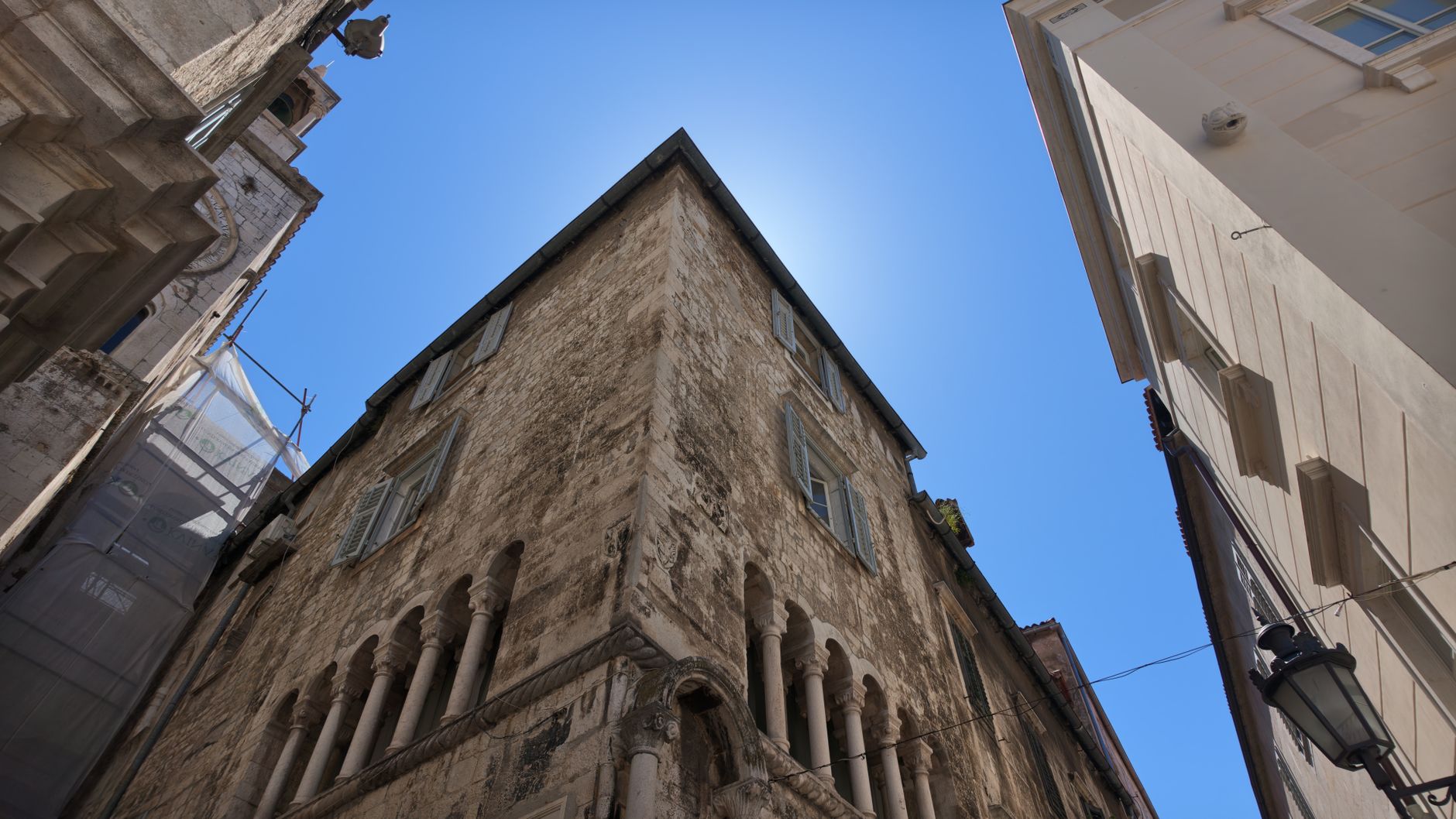
Hidden within the labyrinthine streets of Vieux Nice, the Rue Obscure is a rare, surviving covered medieval alley that once served as a defensive passage and sheltered marketplace.
This intriguing passage offers a unique glimpse into medieval urban planning. The Rue Obscure, literally 'Dark Street', is a narrow, vaulted pathway running beneath buildings, originally part of the city's defensive network. Its covered nature provided shelter from both elements and potential attackers, allowing residents to move discreetly. Walking its length feels like stepping back in time, revealing a practical and ingenious solution to the challenges of medieval city life.
7. Traditional 'Pointus' of Port Lympia
Port Lympia, Nice, France
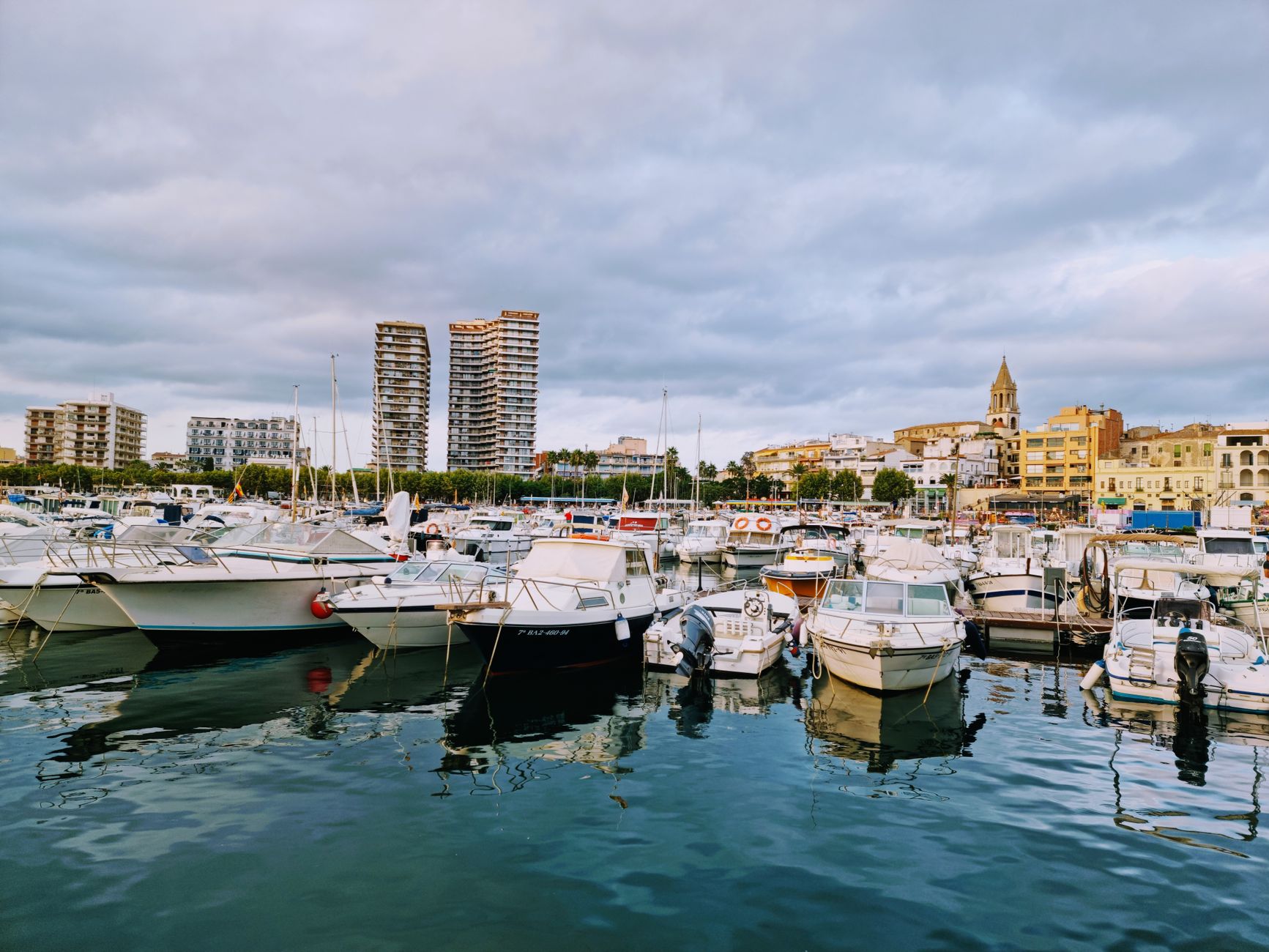
The vibrant, distinctive 'pointus' — traditional wooden fishing boats — at Port Lympia are built using techniques passed down through generations, unique to the Mediterranean coast.
Port Lympia is a bustling hub, but its true charm lies in the fleet of 'pointus' bobbing in its waters. These small, traditional fishing boats are characterized by their pointed bow and stern, a design perfected over centuries for the specific conditions of the Mediterranean. Each colorful 'pointu' represents a living heritage, handcrafted by local artisans who uphold a legacy of boatbuilding, making them a unique cultural emblem of Nice's maritime identity.
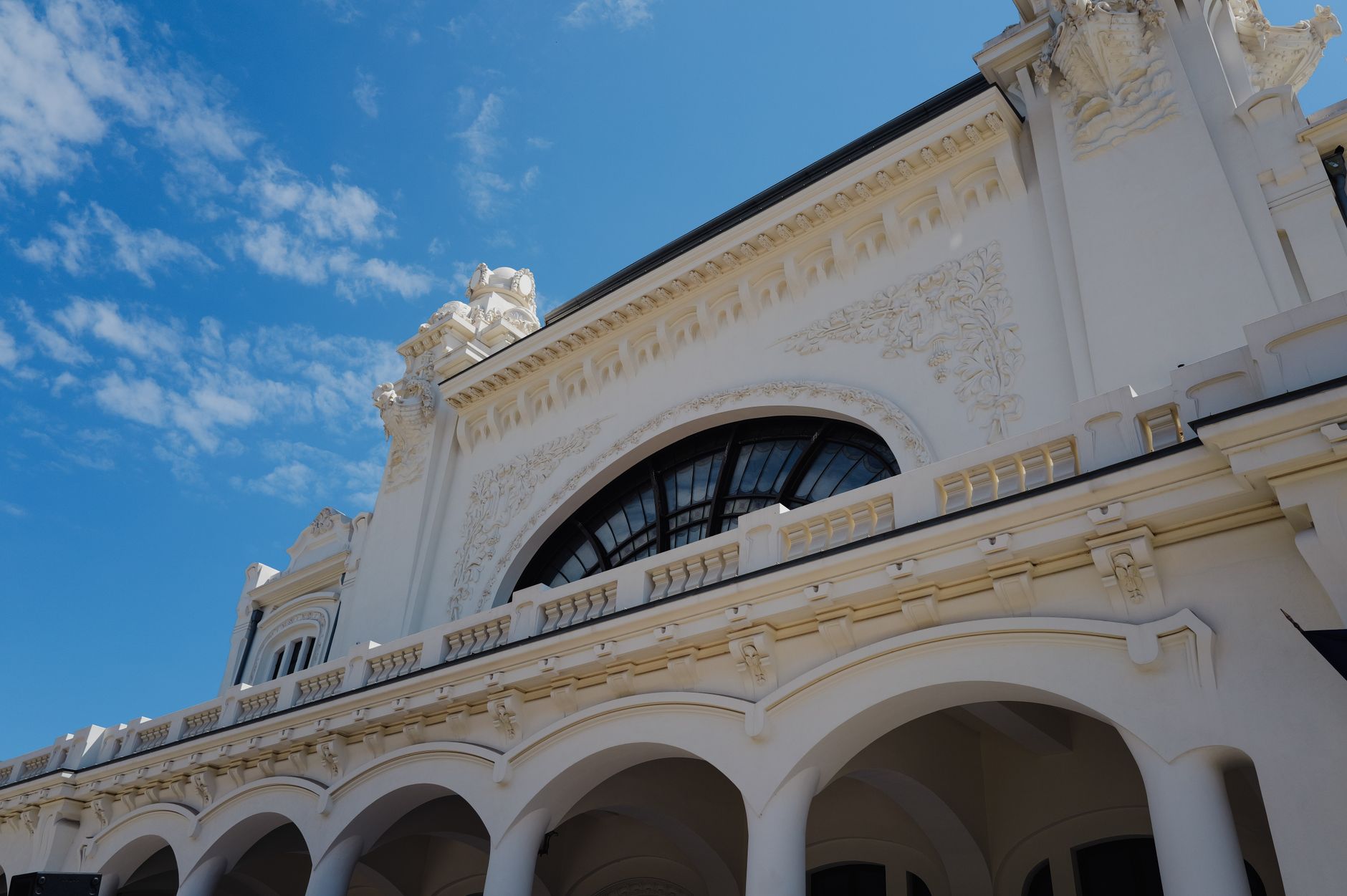
8. The Belle Époque Museum Villa
Musée Masséna, Nice, France
This opulent Belle Époque villa, once home to a descendant of Napoleonic Marshal Masséna, was bequeathed to the city with the specific condition that it remain a museum dedicated to local history and art.
The Musée Masséna is an architectural gem on the Promenade des Anglais, showcasing the grandeur of the Belle Époque era. Built for Victor Masséna, Prince of Essling, the villa's intricate design and lush gardens reflect the aristocratic lifestyle of early 20th-century Nice. Its transformation into a museum was a condition of its donation, ensuring its magnificent interiors and extensive collections of Niçois art and history are preserved for public enjoyment, offering a vivid portrait of the city's golden age.
Frequently asked questions
Is Nice walkable, and how can I get around efficiently in one day?
Nice's city center, including the Promenade des Anglais, Old Town, and many markets, is very walkable. For longer distances or to save time, use the city's efficient tram system, which connects key areas. Buses are also a good option for reaching districts like Cimiez.
What traditional Nice dishes should I make sure to try?
When in Nice, you must try local specialties like Socca, a savory chickpea pancake, and Salade Niçoise, a fresh salad featuring tuna, olives, and vegetables. Pissaladière, an onion tart with anchovies and olives, and petits farcis, stuffed vegetables, are also delicious and widely available at local eateries.
What's the best way to experience the local markets in Nice?
To truly experience Nice's markets, arrive early, especially for the famous Cours Saleya flower and food market in Old Town. Engage with vendors, sample local produce, and observe the vibrant daily life. Don't hesitate to explore smaller, neighborhood markets beyond the main tourist spots for a more authentic feel.
How does AllTours.ai enhance exploration of Nice's hidden gems?
AllTours.ai transforms your smartphone into a personal guide. Simply point your camera at any landmark or landscape, and the app will narrate its history, geological significance, and cultural anecdotes in your chosen language, helping you uncover the surprising stories behind Nice's hidden gems as you explore.
Related guides
Photography via Pexels. AllTours.ai is an AI audio tour guide — point your camera at any landscape and hear its story.