September 14, 2026 · 4 min read
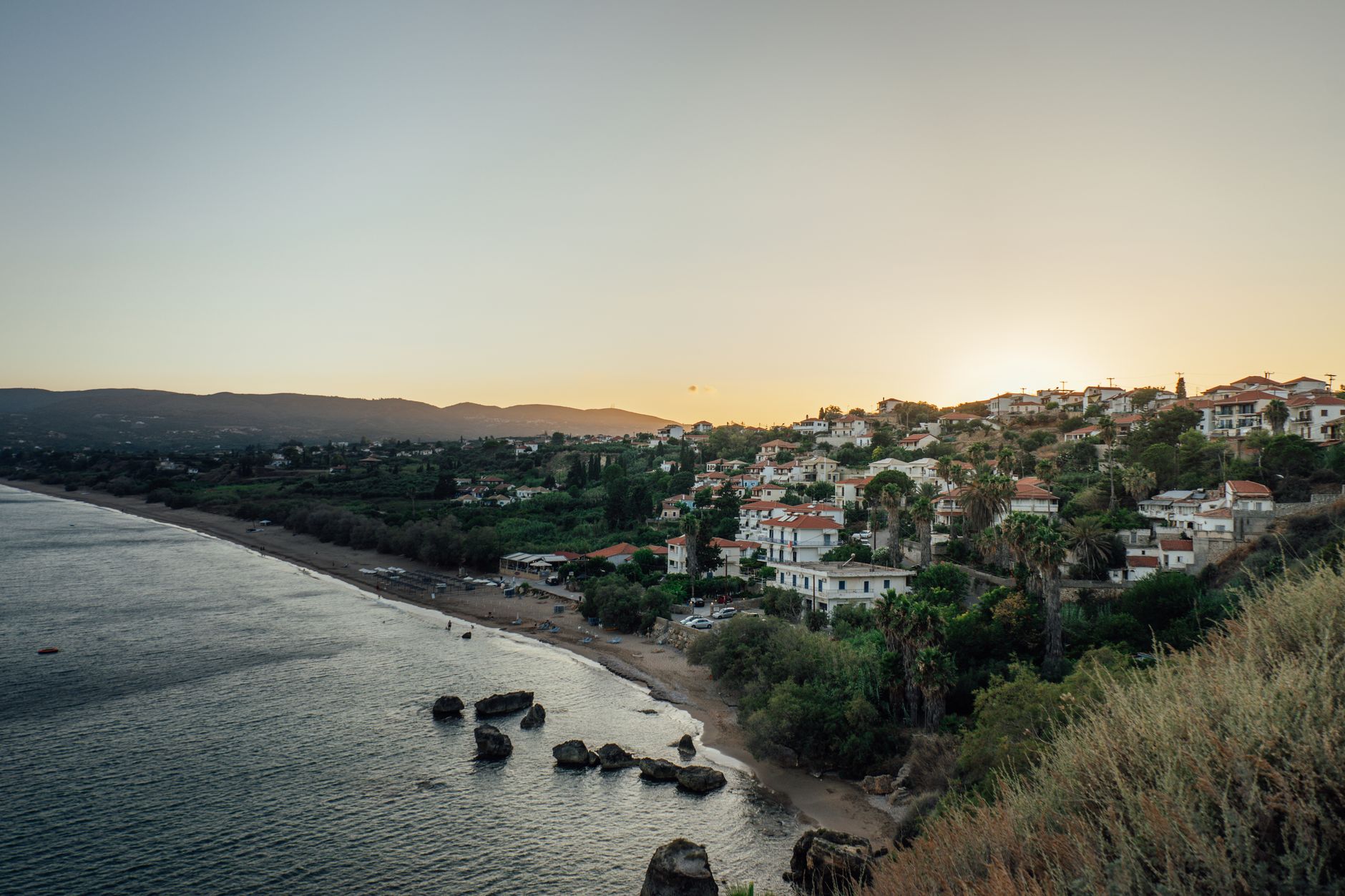
The question hangs in the air: 'Why do a lot of Brits visit the same European country multiple times instead of just picking a new one every year?' It’s a fair point, especially with so much of the world to see. But the answer isn’t about a lack of imagination; it’s about depth, comfort, and the sheer, unending layers of discovery Europe offers, often just beyond the typical tourist trail.
Many seasoned travelers understand that true exploration isn't always about ticking off new countries. It's about peeling back the layers of a place, finding the unexpected stories woven into its landscape, its architecture, and its people. From ancient settlements hidden beneath modern life to dramatic geological wonders, these lesser-known spots reveal why a return trip often uncovers more magic than a first glance.
1. Fishermen's Tales and Moorish Echoes
Olhão, Portugal
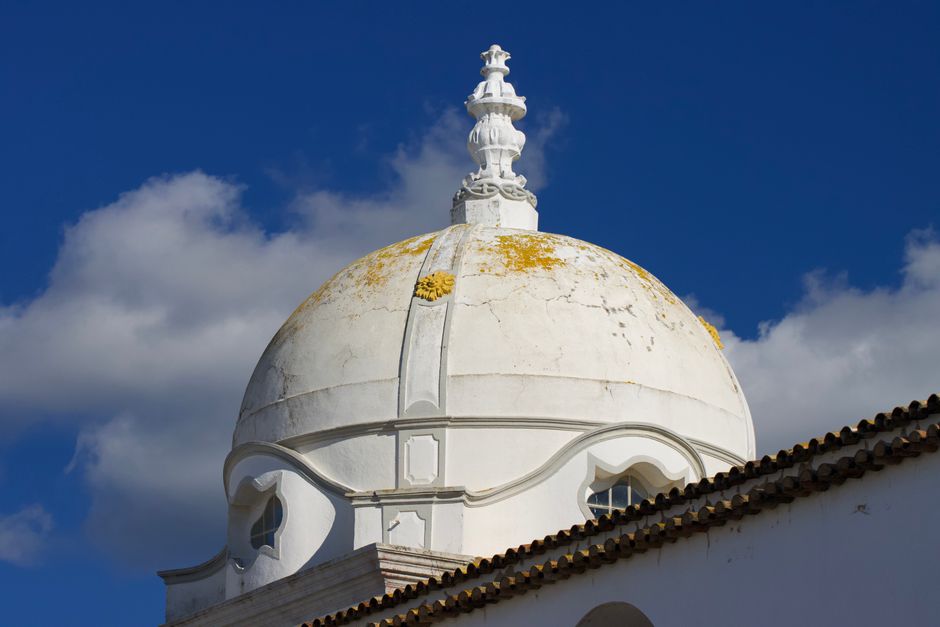
Olhão's unique cubic, flat-roofed houses reflect a forgotten North African influence, not typical Portuguese style.
Unlike the familiar terracotta roofs of Portugal, Olhão's old quarter features a distinct architecture of flat-roofed, whitewashed cubic houses. This style is a direct legacy of its strong historical connections with North Africa, particularly during the Moorish occupation. Legend says that returning fishermen, accustomed to the look of cities across the Mediterranean, recreated a piece of that world on the Algarve coast, giving the town a unique, almost Moroccan feel.
2. Town Under a Rock
Setenil de las Bodegas, Spain
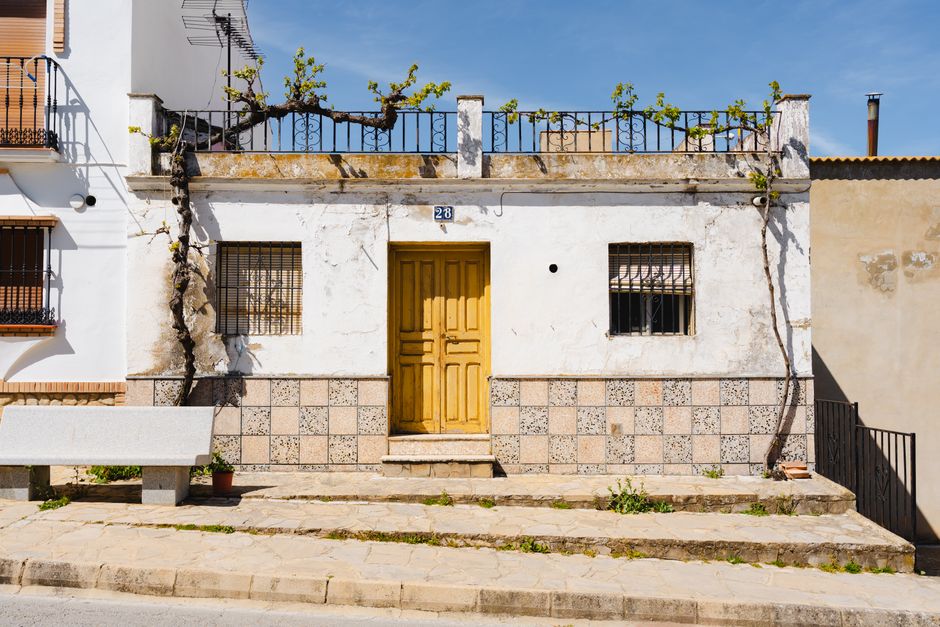
This Andalusian white village is built directly into and under an overhanging rock formation, not just beside it.
In southern Spain, Setenil de las Bodegas stands out even among the famed 'white villages'. Instead of perching on a hilltop, many of its houses are carved directly into the natural rock formations of the gorge above the Trejo River. The rock itself forms the roof and back wall for some homes and businesses, creating cool, sheltered spaces and a dramatic visual spectacle. This unique adaptation to the landscape offered natural defense and insulation for centuries.
3. Europe's Lighthouse Volcano
Stromboli, Italy
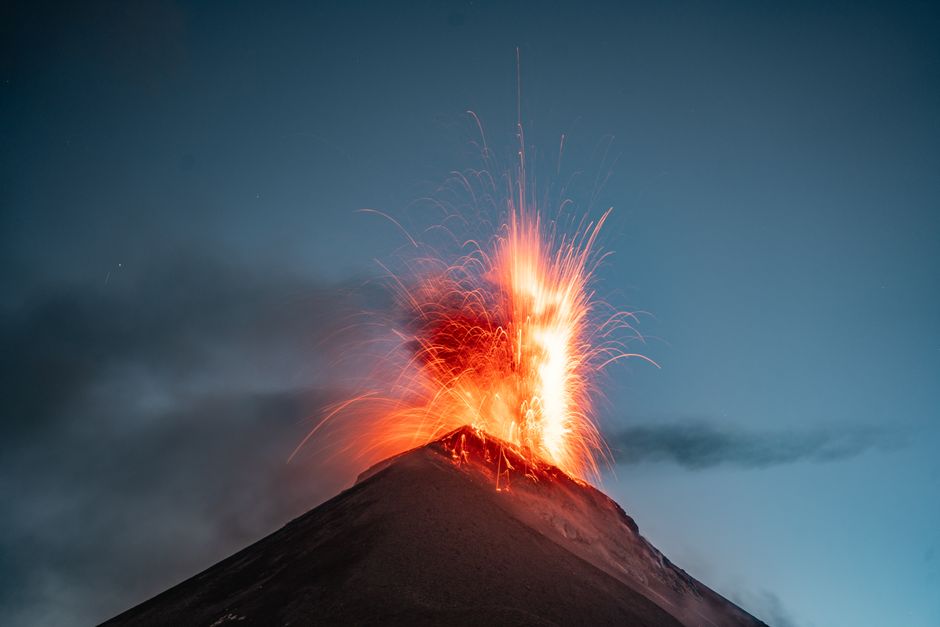
Stromboli is one of the world's most active volcanoes, erupting every 10-20 minutes with small, gentle explosions visible from the sea.
Off the coast of Sicily, the island of Stromboli is essentially a live, constantly erupting volcano. Unlike destructive, infrequent eruptions, Stromboli's activity is remarkably regular and relatively mild, earning it the nickname "Lighthouse of the Mediterranean." Small bursts of lava and ash occur every quarter hour or so, a constant fiery spectacle that has guided sailors for millennia. The island's remote beauty and the volcano's predictable rhythm offer a rare chance to witness geological power up close.
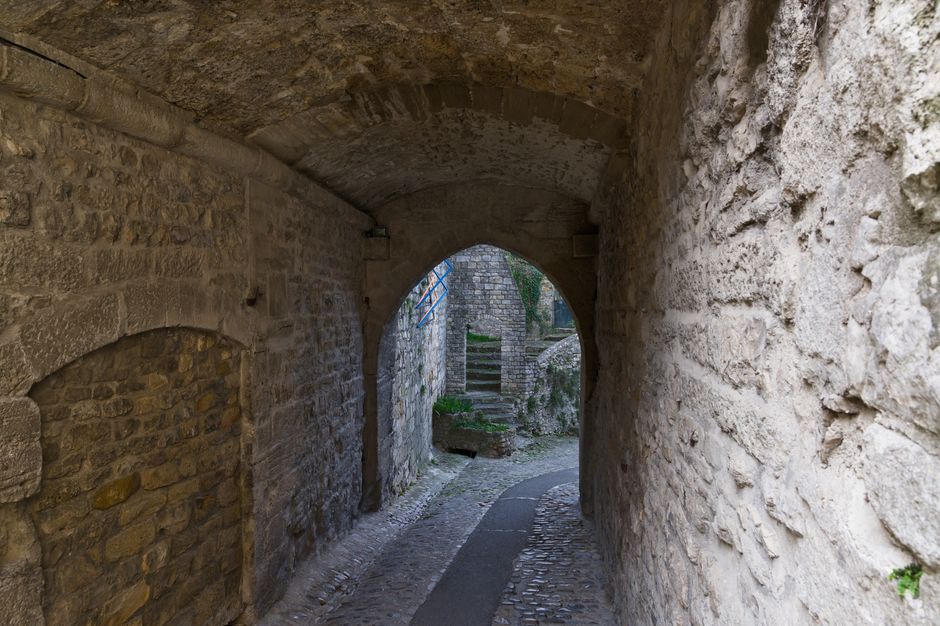
4. Roman City Beneath the Modern Town
Vaison-la-Romaine, France
This charming Provençal town sits directly atop and around one of the largest and best-preserved Roman archaeological sites in France.
Vaison-la-Romaine offers a unique duality: a lively modern town built directly adjacent to and, in some places, on top of an extensive ancient Roman city. Excavations have revealed entire Roman quarters, complete with villas, shops, and public buildings, lying just beneath the current streets and vineyards. Visitors can walk through the ruins of 'Puymin' and 'La Villasse,' seeing intricate mosaics and the remains of daily life from two millennia ago, giving a tangible sense of history integrated into the present.
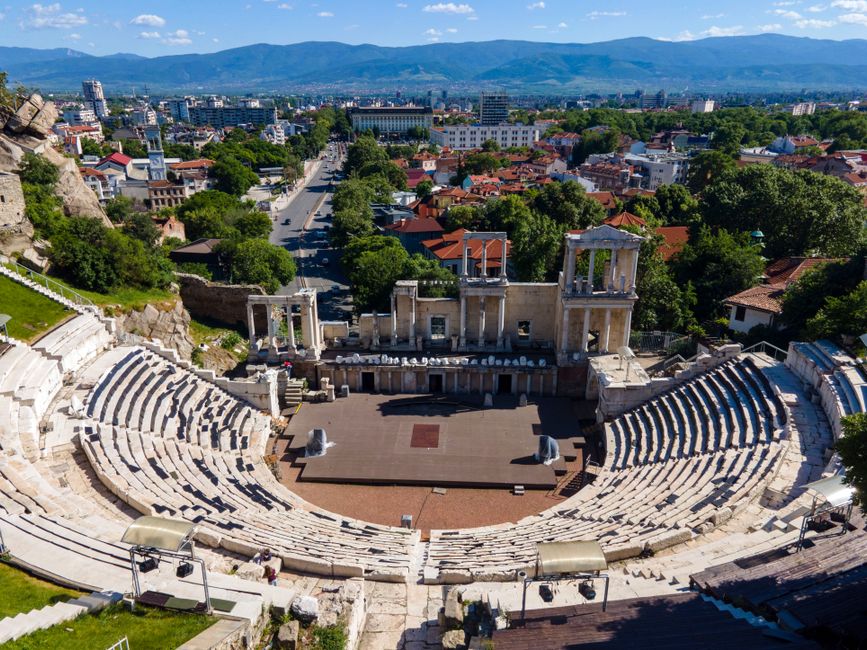
5. Europe's Oldest Continuously Inhabited City
Plovdiv, Bulgaria
Plovdiv is considered Europe's oldest continuously inhabited city, with evidence of settlement dating back 8,000 years, predating Athens and Rome.
While Rome and Athens get much attention for their ancient pasts, Plovdiv holds a lesser-known but equally impressive claim: it's arguably the oldest continuously inhabited city in Europe. Archaeological finds show human settlement reaching back to the Neolithic period, around 6000 BC. Its layers of history include Thracian, Macedonian, Roman, Byzantine, and Ottoman influences, all visible today, most notably in its remarkably preserved Roman amphitheater and stadium, nestled within the modern urban fabric.
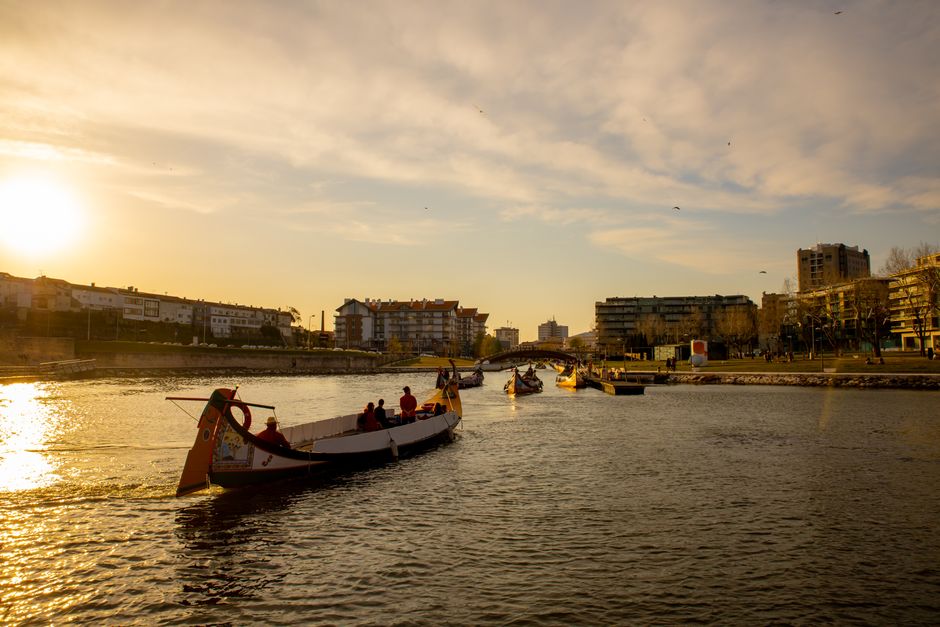
6. Art Nouveau Canals and Seaweed Boats
Aveiro, Portugal
Aveiro's colorful 'moliceiro' boats, resembling Venetian gondolas, were traditionally used to harvest seaweed, not transport people.
Often called the 'Venice of Portugal,' Aveiro's charm lies in its network of canals navigated by distinctive, brightly painted boats known as 'moliceiros.' While they now offer tourist rides, their original purpose was far more utilitarian: harvesting 'moliço,' a type of seaweed used as agricultural fertilizer. These elegant, slender vessels with their high, often provocatively decorated prows are a unique symbol of the region's historical connection to the Ria de Aveiro lagoon and its resources.
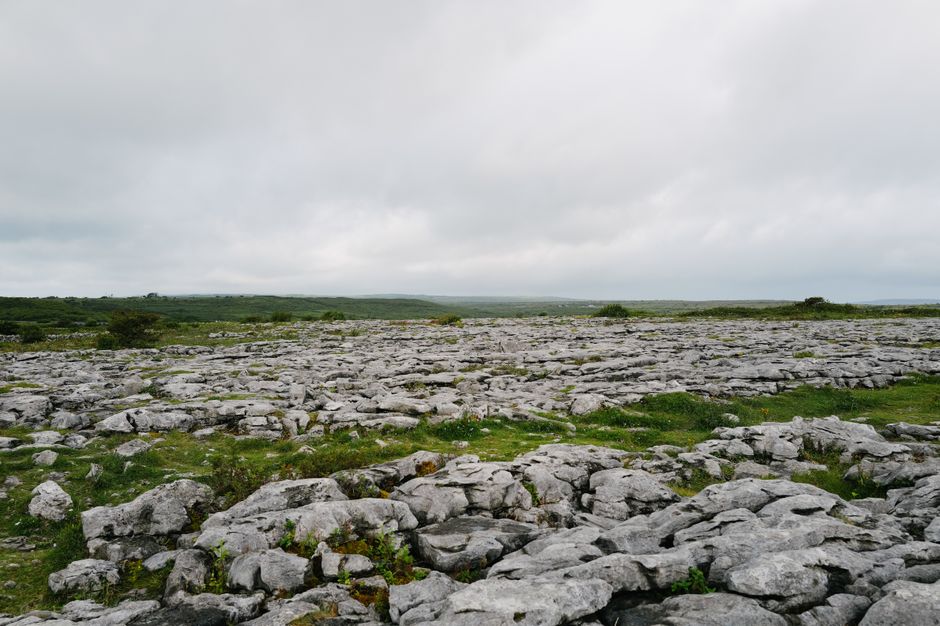
7. Lunar Landscape by the Sea
The Burren, County Clare, Ireland
The Burren is a vast, unique limestone karst landscape, resembling a lunar surface, where Arctic, Alpine, and Mediterranean plants grow side-by-side.
County Clare in Ireland is home to The Burren, a stark, almost otherworldly landscape of exposed grey limestone pavements. This unique geological formation, sculpted by ancient glaciers, creates a microclimate that allows an astonishing diversity of flora to flourish. Arctic, Alpine, and Mediterranean plant species, including rare orchids, grow in close proximity within the grikes (fissures) of the rock, a botanical anomaly that continues to baffle scientists and delight visitors.
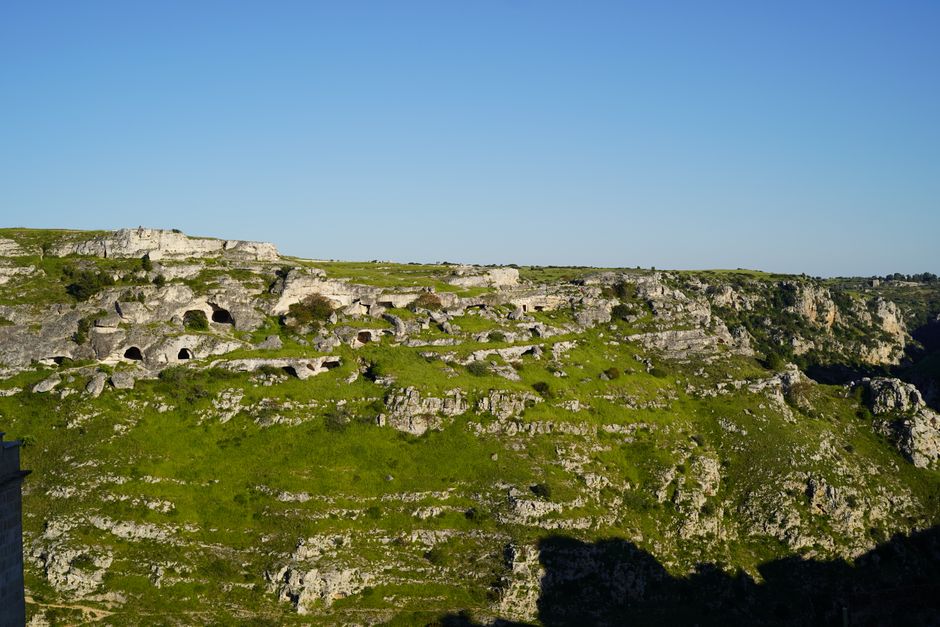
8. Ancient Cave City, Modern Revival
Matera, Italy
Matera is one of the world's oldest continuously inhabited settlements, famous for its ancient cave dwellings ('sassi') carved into rock faces, inhabited until the 1950s.
In southern Italy, Matera's 'sassi' are a stunning testament to human ingenuity. These ancient cave dwellings, carved into the soft tufa rock of a ravine, represent a way of life that persisted for millennia. Inhabited until the mid-20th century, when they were deemed uninhabitable and cleared, the sassi have undergone a remarkable transformation. Now, many have been restored into hotels, restaurants, and homes, allowing visitors to experience this unique, UNESCO-listed troglodyte architecture that feels both ancient and vibrantly alive.
Frequently asked questions
What makes some European countries so appealing for repeat visits?
Many European countries offer an incredible diversity of landscapes, cultures, and histories within their borders. A first trip often only scratches the surface, leading travelers to return to explore different regions, delve deeper into a specific culture, or discover hidden gems missed on an initial visit.
Is it cheaper to visit the same country multiple times?
Not necessarily, but repeat visits can offer different kinds of value. Familiarity with a country can lead to more efficient travel planning, better deals on accommodation or transport as you learn the ropes, and the chance to explore more authentically by venturing beyond the main tourist hubs, which can sometimes be more budget-friendly.
How can I find truly unique places in Europe beyond the usual sights?
Look for destinations slightly off the main tourist map. Research regions known for specific geological features, ancient local traditions, or lesser-known historical events. Engage with local tourism boards or blogs focused on 'hidden gems' rather than just 'top attractions.' Often, the most rewarding discoveries are found by exploring the narratives behind a landscape.
How does AllTours.ai help me discover these hidden stories?
AllTours.ai transforms your phone camera into an AI-powered audio tour guide. Simply point your camera at any landmark, landscape, or point of interest, and the app instantly narrates its history, geology, or cultural significance in your preferred language. It's designed to bring the unseen stories of any location to life, helping you understand the deeper context of the places you visit, whether it's your first time or your fifth.
Related guides
Self-guided audio tours
Walk these places stop by stop — free five-stop story tours you can take at your own pace:
Photography via Pexels. AllTours.ai is an AI audio tour guide — point your camera at any landscape and hear its story.