September 11, 2026 · 4 min read
The question echoes across dinner tables and online forums: "Why do houses cost $450,000 now? They used to cost $120,000." It's a valid concern, reflecting a world where familiar places seem increasingly out of reach. But what if we shifted our perspective on value? What if the true worth of a place isn't just measured in fluctuating market prices, but in the richness of its history, the ingenuity of its inhabitants, or the sheer wonder of its natural environment?
Beyond the headlines of rising costs, countless places around the globe offer profound lessons in adaptation, resilience, and unique ways of life. These are not the usual tourist hotspots, but genuine hidden gems where communities have carved out existence in extraordinary circumstances. Join us as we explore destinations that redefine what it means to build a home, sustain a community, and discover unparalleled value in the unexpected.

1. The Opal Capital's Subterranean Homes
Coober Pedy, Australia
In this remote desert town, people don't live underground because they're poor, but because their fortunes literally lie beneath their feet.
Coober Pedy is renowned for its opal mines, but its most striking feature is its 'dugouts'—homes carved directly into the hillsides. Residents live below ground to escape the scorching desert heat, where surface temperatures can exceed 50°C. These unique dwellings offer natural insulation, staying cool in summer and warm in winter, making a comfortable life possible in an otherwise harsh environment.
2. Ancient Caves, Modern Luxury
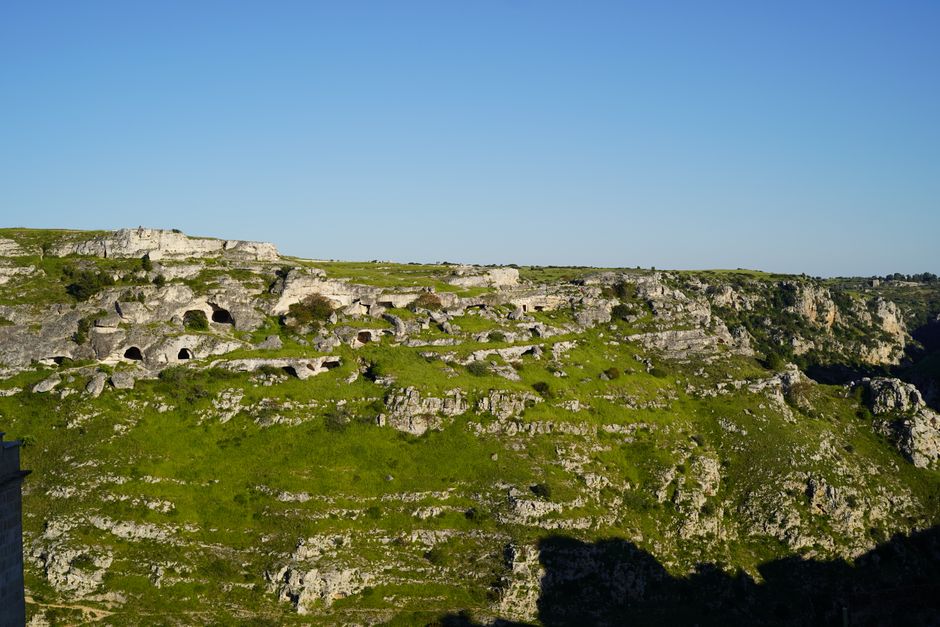
Matera, Italy
This city of ancient cave homes, once deemed the 'shame of Italy,' has transformed into a UNESCO World Heritage site and a luxury travel destination.
Matera's 'Sassi'—ancient cave dwellings carved into limestone ravines—were inhabited for millennia, representing one of the oldest continuously inhabited settlements in the world. By the mid-20th century, they became a symbol of poverty. However, a remarkable revitalization effort has seen these historic caves transformed into boutique hotels, restaurants, and unique residences, proving that true value can be rediscovered and celebrated.
3. A Town Under One Roof
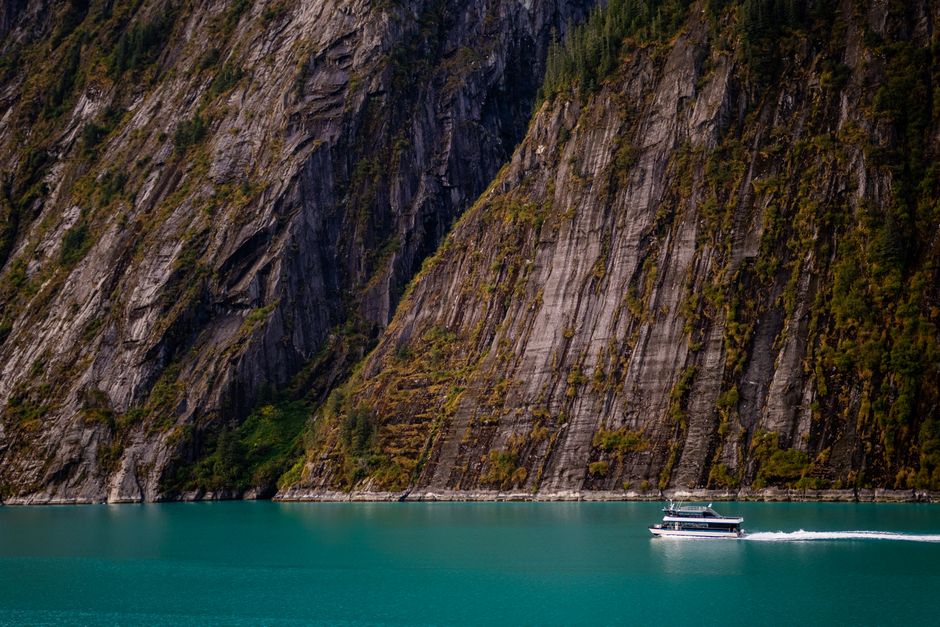
Whittier, Alaska
Almost an entire Alaskan town lives within a single 14-story building, a relic of the Cold War, accessible via a shared, mile-long tunnel.
In the remote port town of Whittier, nearly all 200 residents live in the Begich Towers, a former military barracks. This single structure houses a post office, grocery store, church, and even a police station, creating an extraordinary self-contained community. The town's sole land access is the Anton Anderson Memorial Tunnel, which alternates between one-way vehicle traffic and trains, making entry and exit a scheduled event.
4. Houses Beneath the Rock
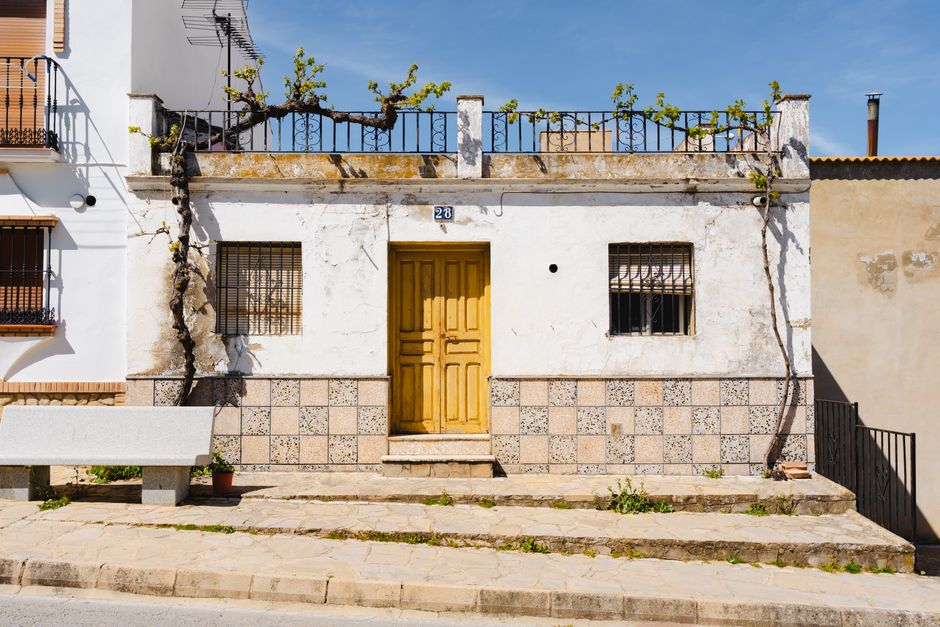
Setenil de las Bodegas, Spain
In this Andalusian village, homes are built directly into the massive rock overhangs of a gorge, making the mountainside both roof and wall.
Setenil de las Bodegas is renowned for its unique architecture, where houses are literally carved into and built beneath the natural rock formations of the Rio Trejo gorge. This creates a fascinating urban landscape where some streets are entirely covered by overhanging cliffs. The ingenious design utilizes the natural protection and insulation of the rock, offering a cool respite from the summer sun and a cozy shelter in winter.
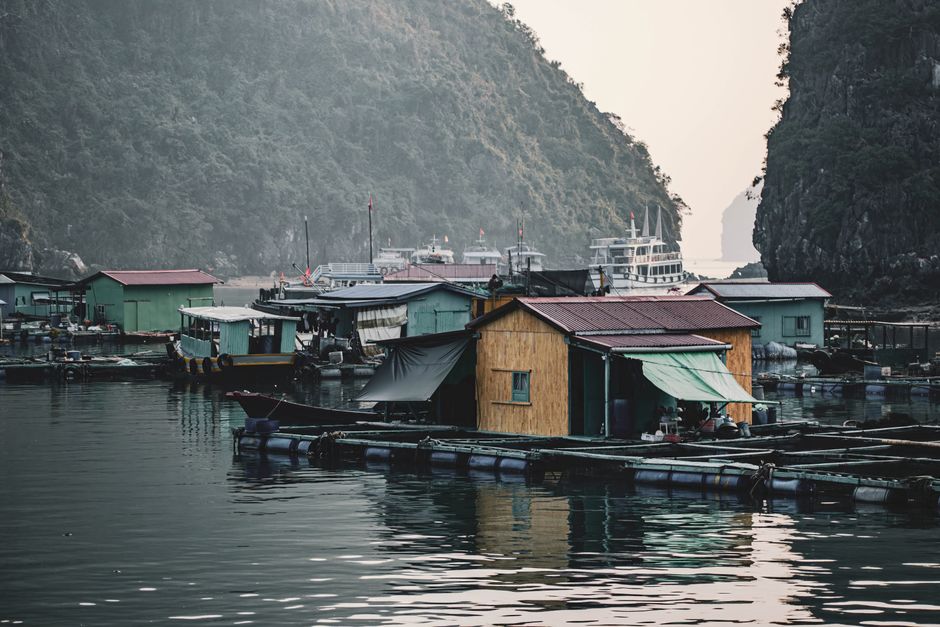
5. Life Afloat on Emerald Waters
Cua Van Floating Village, Vietnam
In Vietnam's Ha Long Bay, an entire community lives on floating houses, adapting to a unique life where boats are vehicles and the sea is their backyard.
Cua Van is one of the largest floating fishing villages in Ha Long Bay, where hundreds of families reside in colorful houses built on rafts. With no land access, daily life revolves around the water: children row to school, and markets operate from boat to boat. This resilient community has perfected a self-sufficient existence, deeply intertwined with the bay's geology and its rich marine ecosystem, offering a profound lesson in adaptation.
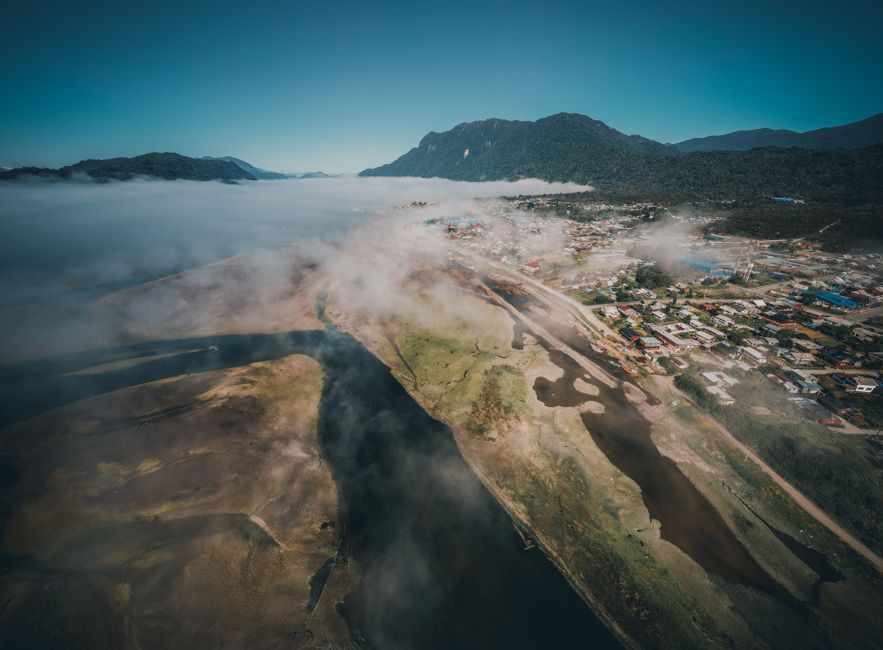
6. Chiloe's Colorful Stilt Houses
Castro, Chiloe, Chile
Vibrant wooden stilt houses, known as palafitos, line the waterfronts of Chiloe Island, telling tales of maritime ingenuity and a distinctive island culture.
The palafitos of Castro are iconic to the Chiloé Archipelago, with their colorful facades perched on wooden stilts over the water. These unique homes adapted to the island's tidal fluctuations, allowing residents direct access to the sea for fishing and transport. Each house reflects a blend of traditional Chilote craftsmanship and the islanders' deep connection to their maritime environment, creating a picturesque and culturally rich landscape.
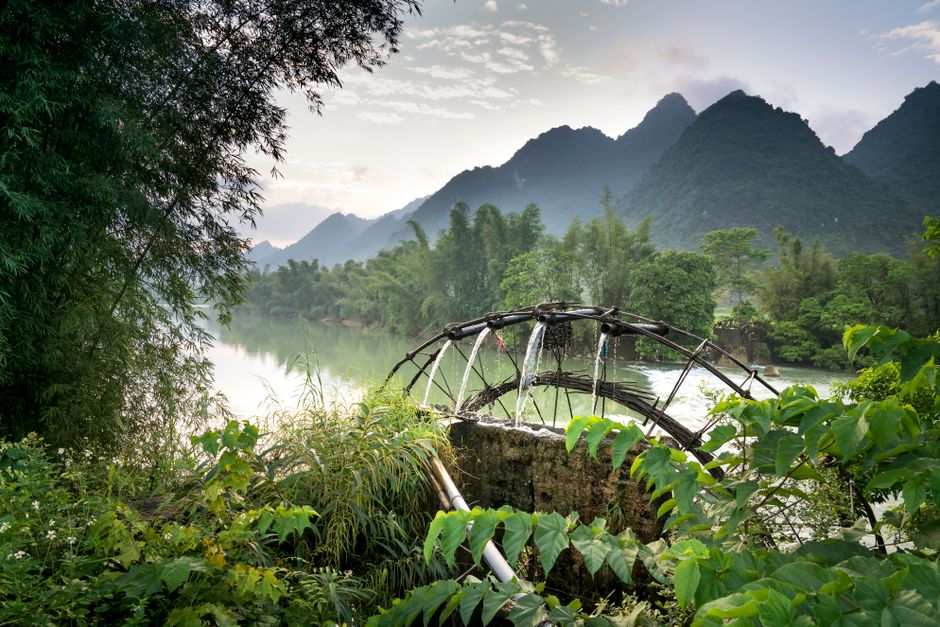
7. Egypt's Ancient Waterwheel Oasis
Faiyum Oasis, Egypt
An ancient Egyptian oasis, sustained by a branch of the Nile, is home to the world's oldest continuously working waterwheels, some dating back to Roman times.
The Faiyum Oasis is a vast, fertile depression west of the Nile, transformed into an agricultural powerhouse by a natural channel diverting Nile waters. Unique among Egyptian oases, it's not spring-fed but river-fed, and its ingenious irrigation system, featuring numerous historical waterwheels (saqias), has sustained life and farming for millennia. These wheels, often made of wood and clay pots, lift water to higher ground, a timeless example of human ingenuity in a challenging landscape.
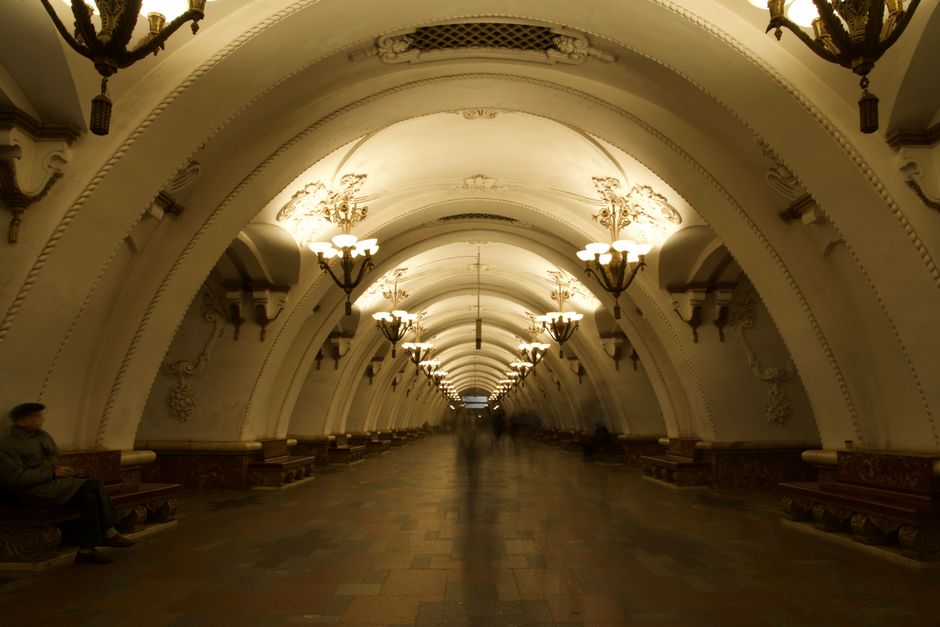
8. The Hidden Underground Refuge of Naours
Naours, Hauts-de-France, France
Beneath a quiet French village lies a sprawling, forgotten underground city of tunnels and chambers that once sheltered thousands from invaders.
The 'Cité Souterraine de Naours' is a remarkable network of ancient chalk quarries, expanded over centuries into a vast subterranean refuge. During times of war and invasion, villagers would retreat into this hidden world, bringing livestock and supplies. It features chapels, bakeries, and even a market square, all carved into the earth. This complex system illustrates the incredible resourcefulness of communities seeking safety and preserving their way of life.
Frequently asked questions
What causes housing prices to rise so dramatically in certain areas?
Housing prices are influenced by a complex interplay of factors including population growth, limited land availability, job market strength, interest rates, and local regulations. Unique geographical features or historical significance can also drive demand and thus, prices, in specific locations.
How do people manage to afford living in extremely high-cost areas?
Residents in high-cost areas often adapt through various strategies: pursuing high-paying jobs, utilizing shared living arrangements, commuting from more affordable outer areas, or relying on multi-generational family support. Some choose smaller living spaces or prioritize location over size.
What makes a place truly 'valuable' beyond its market price?
Beyond monetary value, a place's true worth often lies in its unique history, geological wonders, cultural narratives, and the resilience of its communities. These intangible qualities offer rich experiences and a deep sense of connection that no price tag can fully capture.
How can AllTours.ai help me explore these lesser-known, unique places?
AllTours.ai transforms your smartphone into an AI audio tour guide. Simply point your camera at any landmark or landscape, and the app instantly narrates its history, geology, and culture in your language, making hidden stories and unique details of places like these accessible as you explore.
Related guides
Self-guided audio tours
Walk these places stop by stop — free five-stop story tours you can take at your own pace:
Photography via Pexels. AllTours.ai is an AI audio tour guide — point your camera at any landscape and hear its story.