July 17, 2026 · 4 min read
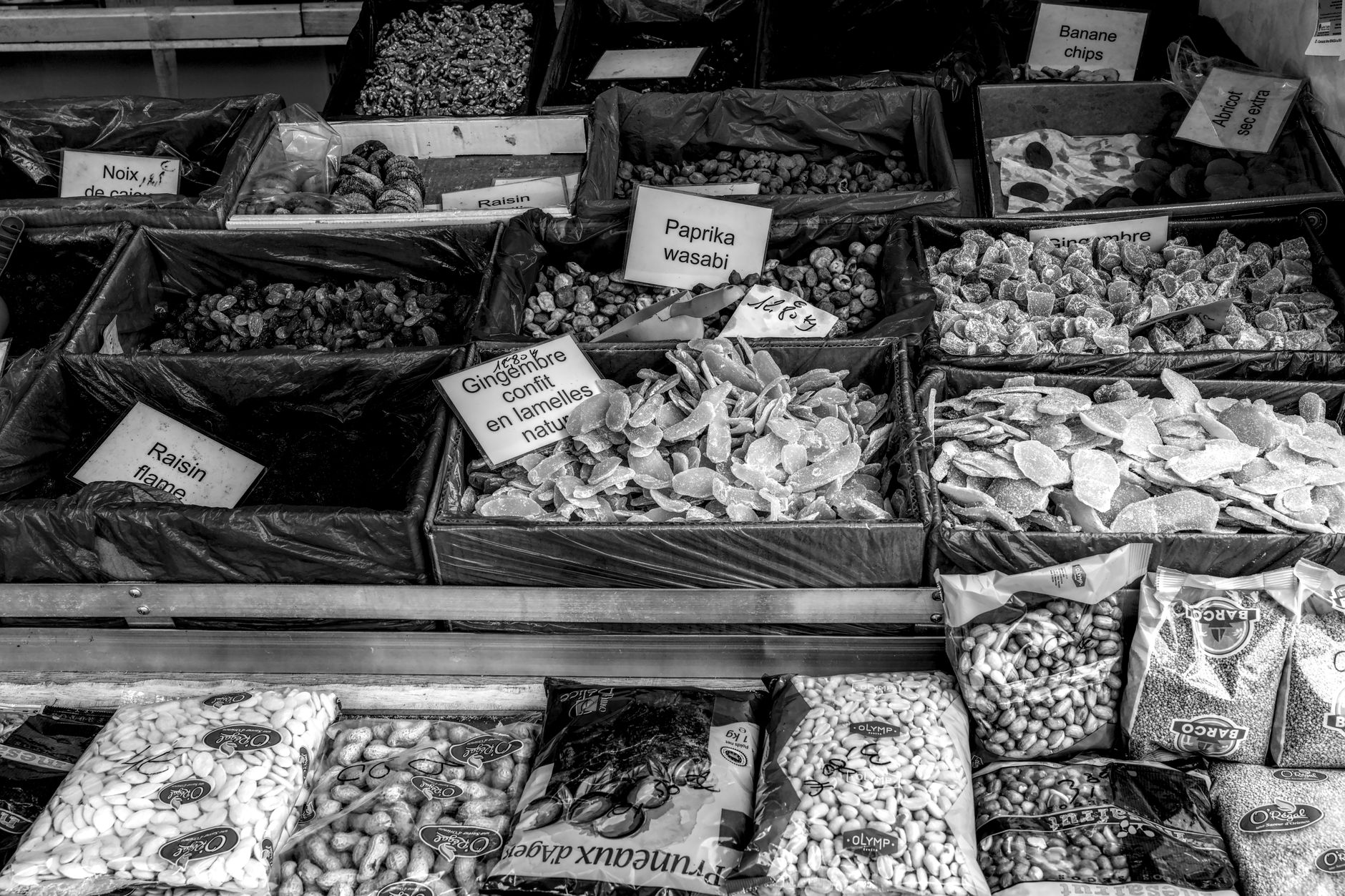
When you think of French cuisine, images of delicate croissants, rich coq au vin, or elegant crème brûlée often come to mind. But what are some must-try French dishes for someone new to French cuisine who wants to truly taste the country's diverse culinary soul? The real magic often lies far from the bustling Parisian bistros and well-trodden tourist paths.
France's culinary landscape is a tapestry woven with centuries of regional traditions, local ingredients, and fascinating historical anecdotes. To truly appreciate its depth, one must venture into its less-sung corners, where humble ingredients transform into legendary dishes, each telling a unique story of the land and its people. Prepare to discover flavors that will surprise and delight your palate.
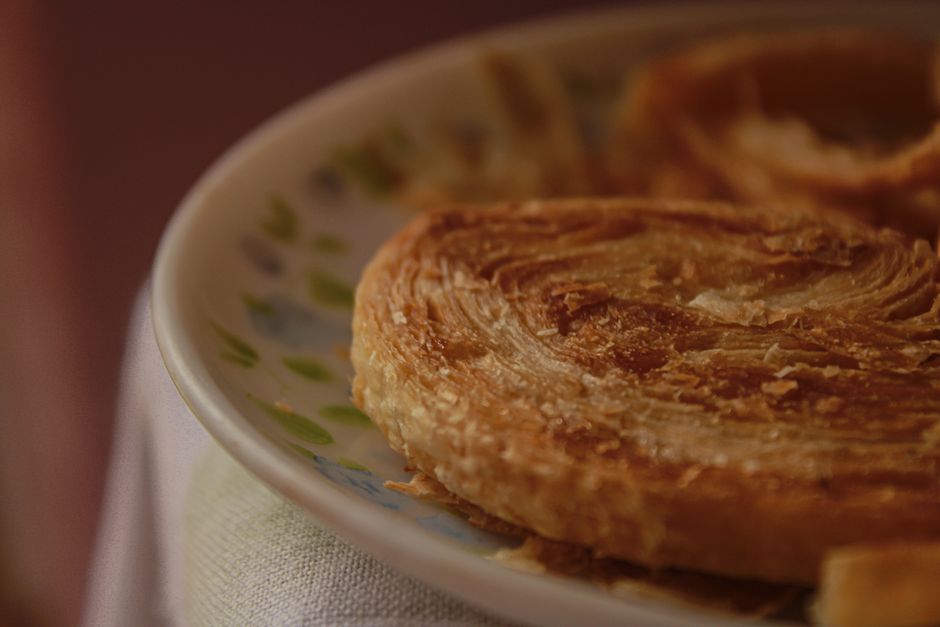
1. Kouign-amann: Brittany's Buttery Secret
Douarnenez, Brittany, France
This notoriously rich pastry was reportedly invented by accident by a baker facing a flour shortage.
In the mid-19th century, a baker in Douarnenez named Yves-René Scordia, facing a lack of flour but an abundance of butter and sugar, improvised a cake. The result was the Kouign-amann, a Breton cake whose name literally means "butter cake." Its unique texture, a caramelized crust yielding to a dense, buttery, slightly chewy interior, made it an instant local legend, now enjoyed worldwide.

2. Aligot: The Pilgrims' Cheesy Reward
Laguiole, Aubrac, France
This incredibly stretchy, cheesy potato dish was originally offered by monks to weary pilgrims on their way to Santiago de Compostela.
Deep in the Aubrac mountains, Aligot is more than just mashed potatoes; it's a culinary experience. Traditionally made with potatoes, fresh Tomme cheese (Tome fraîche), garlic, and butter, it achieves an almost magical elasticity. Its origins trace back to medieval times when Benedictine monks, based in Aubrac, would serve this hearty, fortifying dish to pilgrims passing through on the Way of St. James.
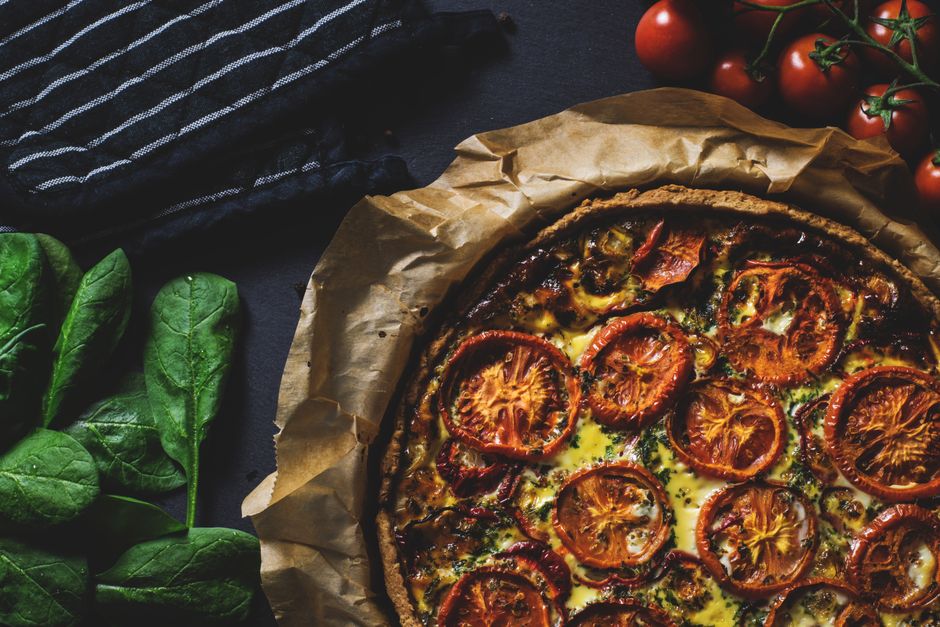
3. Pissaladière: Nice's Italian Echo
Nice, Provence-Alpes-Côte d'Azur, France
This savory tart reveals Nice's long history as an Italian city before it became part of France.
Pissaladière, a delightful specialty of Nice, is a thick bread dough topped with caramelized onions, anchovies, and black olives. Its name derives from "pissalat," a purée of salted anchovies, reflecting its Mediterranean heritage. Before Nice joined France in 1860, its cuisine was heavily influenced by Italian traditions, and the Pissaladière stands as a delicious testament to this historical connection, offering a taste of the Riviera's past.
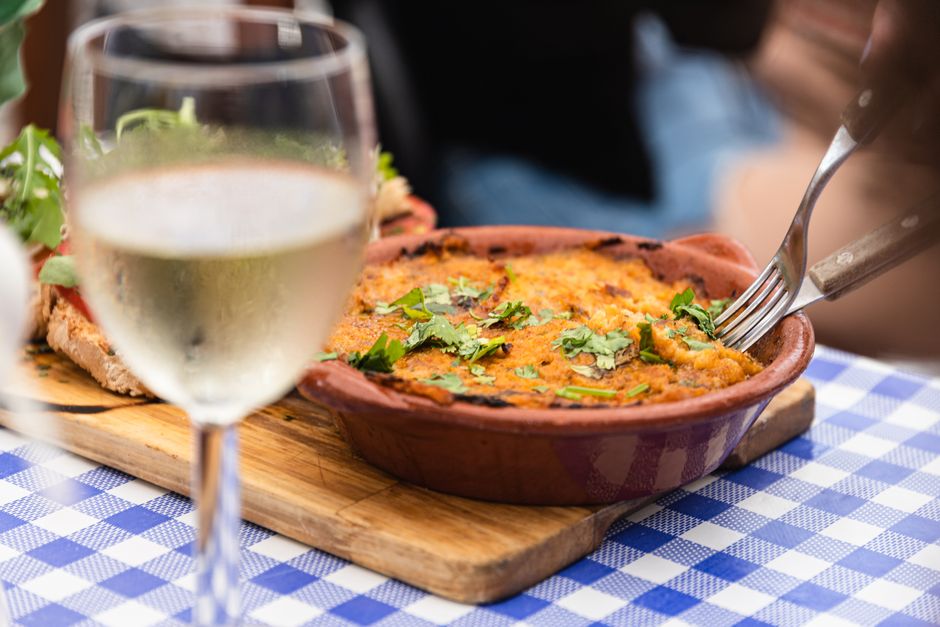
4. Cassoulet: The Siege's Sustenance
Castelnaudary, Occitanie, France
Legend has it this hearty bean stew was invented to feed besieged soldiers during the Hundred Years' War.
Cassoulet, a rich, slow-cooked casserole containing white beans, duck confit, sausages, and pork, is deeply ingrained in the culinary identity of Southwest France. While different towns claim its origin, Castelnaudary is often cited as its birthplace. The popular tale suggests it was created by the inhabitants of Castelnaudary during the siege by the English in the 14th century, providing sustenance and courage to the defending soldiers.
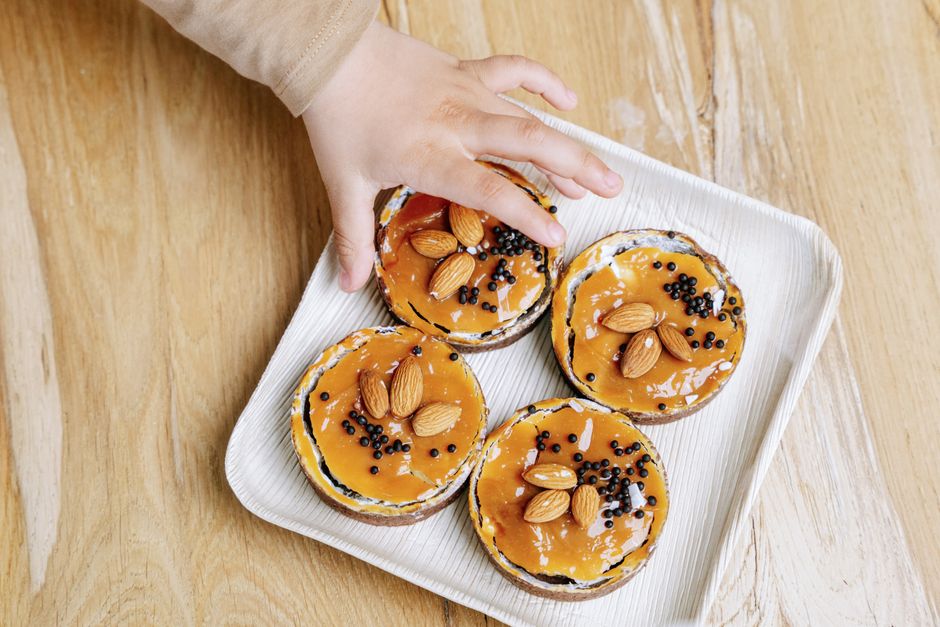
5. Tarte Tatin: The Happy Accident
Lamotte-Beuvron, Centre-Val de Loire, France
This famous upside-down apple tart was reportedly created by mistake by a pair of sisters who owned a hotel.
The beloved Tarte Tatin, with its caramelized apples and crisp pastry, has a charmingly accidental origin story. In the late 19th century, the Tatin sisters, Stéphanie and Caroline, ran a hotel-restaurant in Lamotte-Beuvron. Stéphanie, known for being a little absent-minded, supposedly either overcooked apples and tried to salvage them by putting pastry on top, or dropped an apple tart and put it back in the oven upside down. The result was a delicious, iconic dessert.
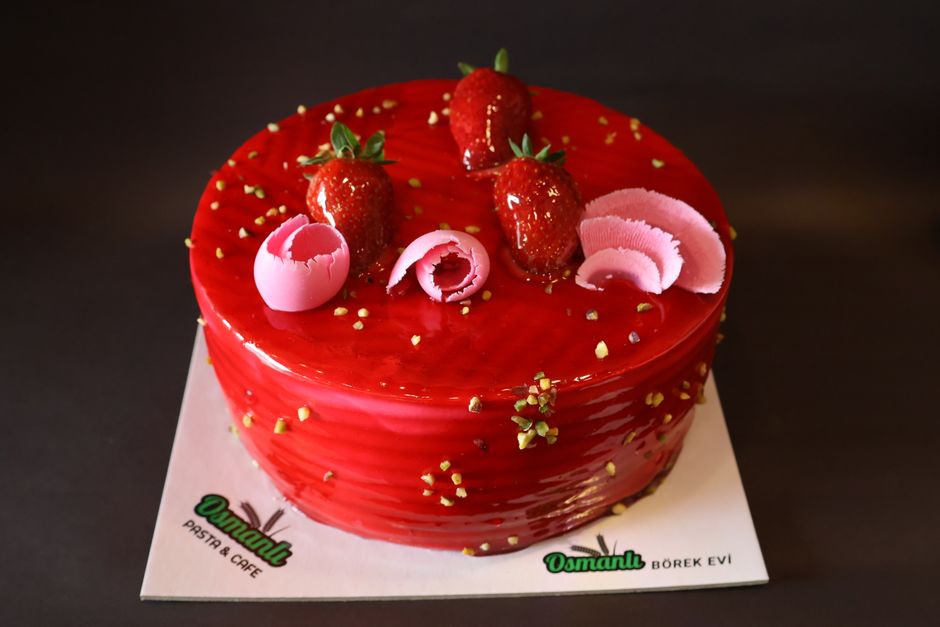
6. Gâteau Basque: A Cultural Symbol
Saint-Jean-de-Luz, Nouvelle-Aquitaine, France
This traditional cake from the Basque Country is often adorned with a specific cross, making it more than just a dessert.
The Gâteau Basque is a rustic, buttery cake typically filled with black cherry jam or pastry cream, hailing from the French Basque Country. More than a simple sweet, it's a symbol of Basque identity. Many cakes are decorated with the Lauburu, the Basque cross, representing a deep cultural heritage. Its origins lie in family recipes, passed down through generations, often prepared for local festivals and celebrations in towns like Saint-Jean-de-Luz.
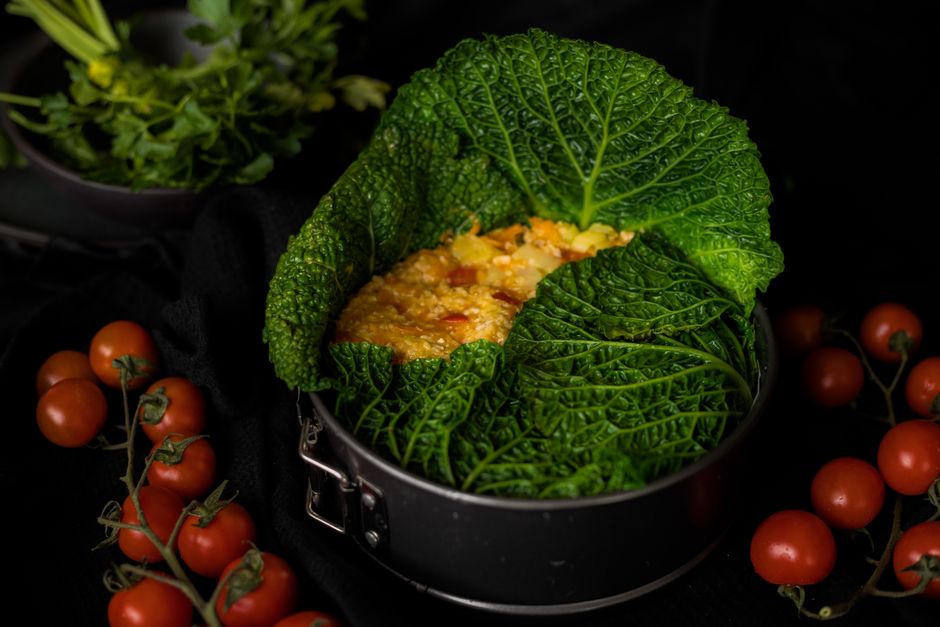
7. Farçon: Savoie's Sweet & Savory Layer
Annecy, Savoie, France
This unique potato dish combines sweet and savory ingredients, reflecting the resourceful mountain cuisine of the Alps.
From the Alpine region of Savoie comes Farçon, a surprising and hearty dish. It's a dense potato pancake or cake, often containing a mix of grated potatoes, bacon, prunes, raisins, and carrots, slowly cooked in a bain-marie for hours. This blend of sweet and savory elements is characteristic of traditional mountain cooking, where ingredients were combined out of necessity and creativity to create a fortifying meal for farmers and villagers in colder climates around towns like Annecy.
Frequently asked questions
What makes French cuisine so globally renowned?
French cuisine is celebrated for its meticulous techniques, emphasis on fresh, high-quality ingredients, and its rich regional diversity. It values balance, presentation, and the art of combining flavors, leading to a culinary tradition that has profoundly influenced gastronomy worldwide.
Are there significant regional differences in French dishes?
Absolutely. French cuisine is highly regional, with each area boasting unique ingredients and cooking styles. For instance, butter is prominent in the north, olive oil in the south, cream in Normandy, and robust stews in the Southwest, reflecting local climates, produce, and historical influences.
How do I order food in France without speaking French?
Many restaurant menus in tourist areas offer English translations, and most staff are accustomed to non-French speakers. Learning a few polite phrases like 'Bonjour' (hello), 'S'il vous plaît' (please), and 'Merci' (thank you) can go a long way. Don't hesitate to point to menu items or use a translation app if needed.
How can AllTours.ai enhance my culinary travels in France?
AllTours.ai helps you go beyond just tasting the food. By pointing your camera at a market, a historical building near a famous eatery, or even the landscape where specific ingredients are sourced, the app narrates its rich history, geology, and cultural significance in your language, connecting you deeper to the origins of your meal.
Related guides
Photography via Pexels. AllTours.ai is an AI audio tour guide — point your camera at any landscape and hear its story.