June 23, 2026 · 4 min read
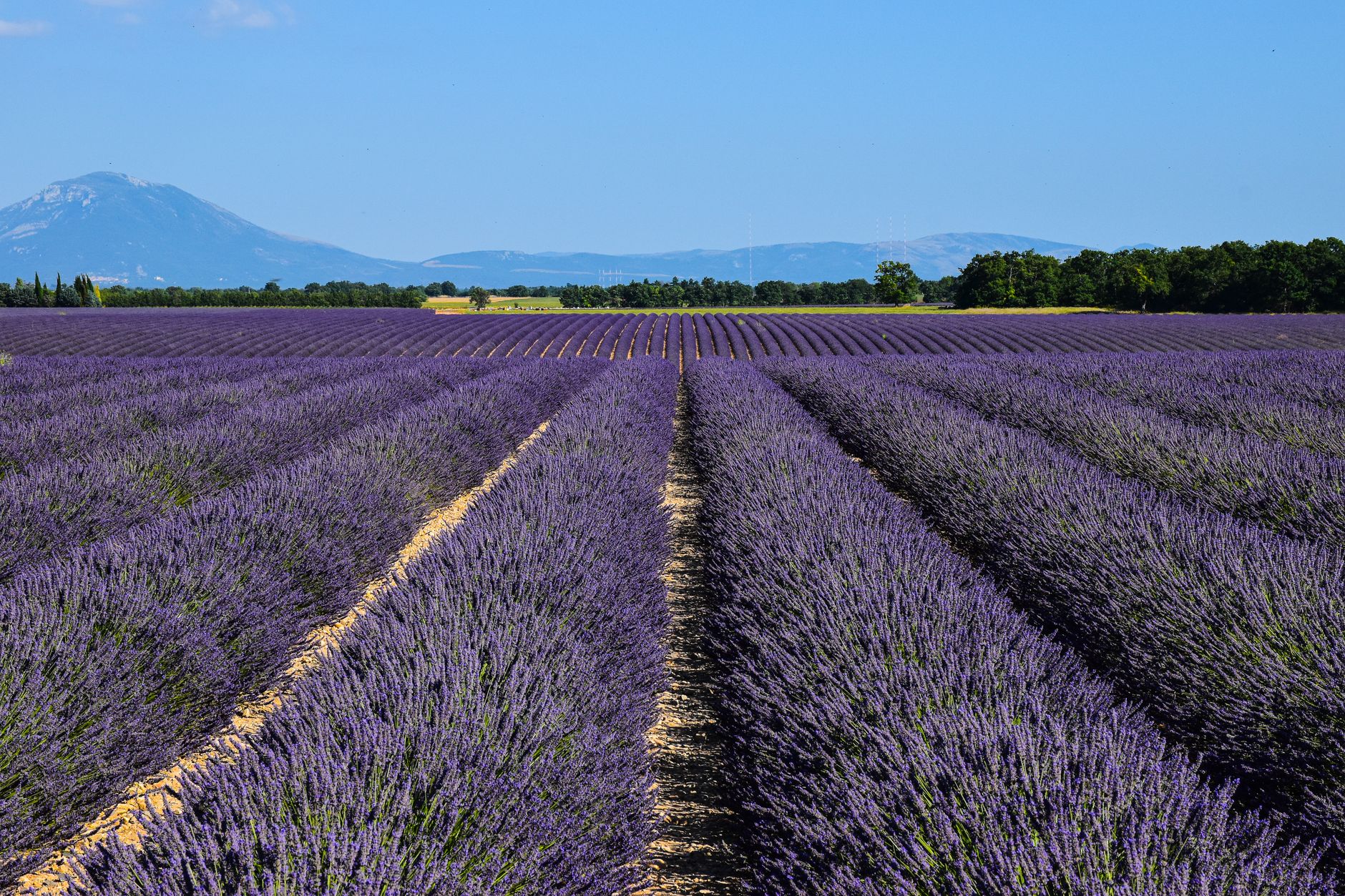
The sight of Provence's lavender fields in full bloom is a sensory marvel, painting the landscape in shades of violet and filling the air with an unmistakable perfume. From late June to early August, depending on altitude and annual climate, these iconic fields draw travelers seeking the quintessential Provençal experience. But beyond the postcard-perfect vistas lie centuries of history, unique geology, and deep cultural roots.
This journey takes you beyond the popular images, from the immense plains of Valensole and the hallowed grounds of Sénanque Abbey to the high-perched fields of Sault and the charming villages of the Luberon. Discover the specific stories that have shaped these purple horizons, revealing the true essence of Provence's most fragrant season and the dedicated hands behind the world-renowned scent.
1. Valensole's Infinite Purple Tapestry
Valensole, France
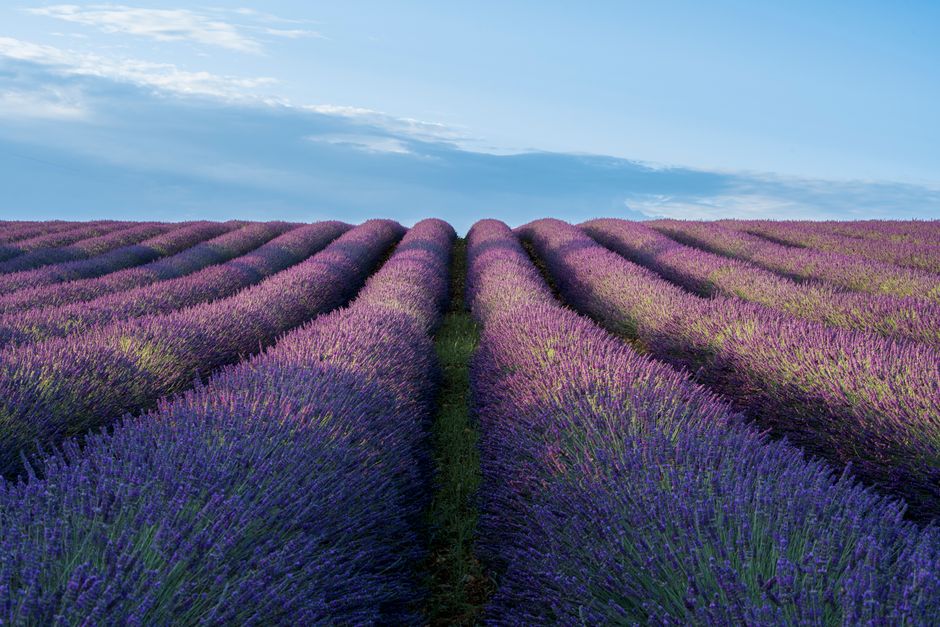
The vast, seemingly endless fields of the Valensole Plateau weren't always purple; this landscape was once shaped by ancient geological forces and strategic agriculture.
The Valensole Plateau, a vast agricultural expanse, is predominantly covered in lavandin, a hybrid lavender grown for its robust oil yield. This sprawling purple sea sits on a geological formation that was once a seabed, uplifted and eroded over millions of years. The sheer scale of cultivation here is immense, a testament to modern farming techniques alongside traditional methods, making it the most iconic visual of Provence's lavender season.
2. Sénanque Abbey's Serene Rows
Gordes, France
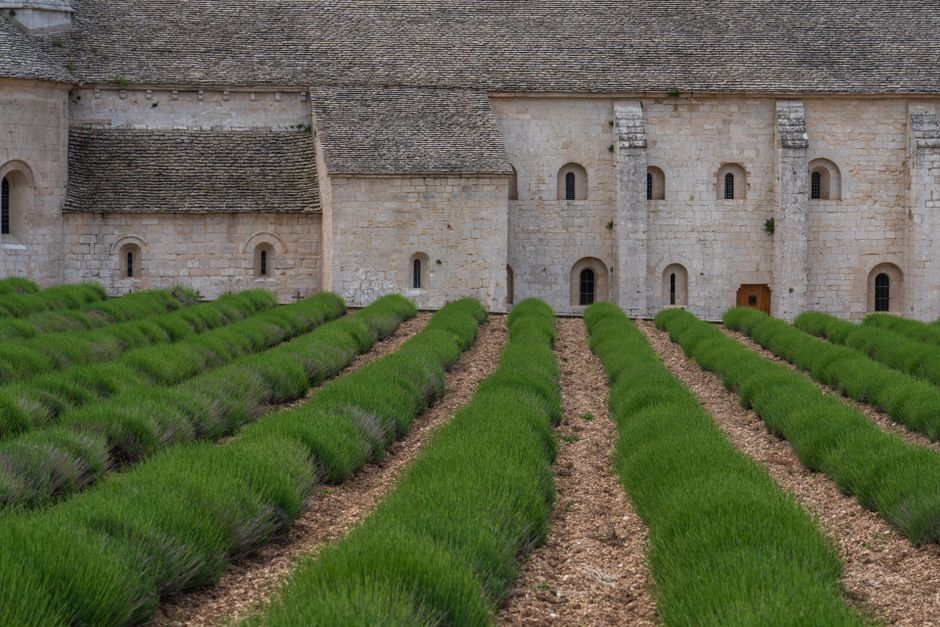
Within the quiet walls of Sénanque Abbey, Cistercian monks have cultivated lavender for centuries, maintaining a silent tradition that predates modern tourism.
In a secluded valley near Gordes, the Romanesque Sénanque Abbey is iconic for its precise rows of lavender cultivated by its resident Cistercian monks. Since the 12th century, these monks have upheld a rigorous monastic life, including the tending of fields, often using methods passed down through generations. The abbey's stark, beautiful architecture against the vibrant purple provides a profound sense of timeless devotion and agricultural heritage.
3. Sault: The High-Altitude Bloom
Sault, France
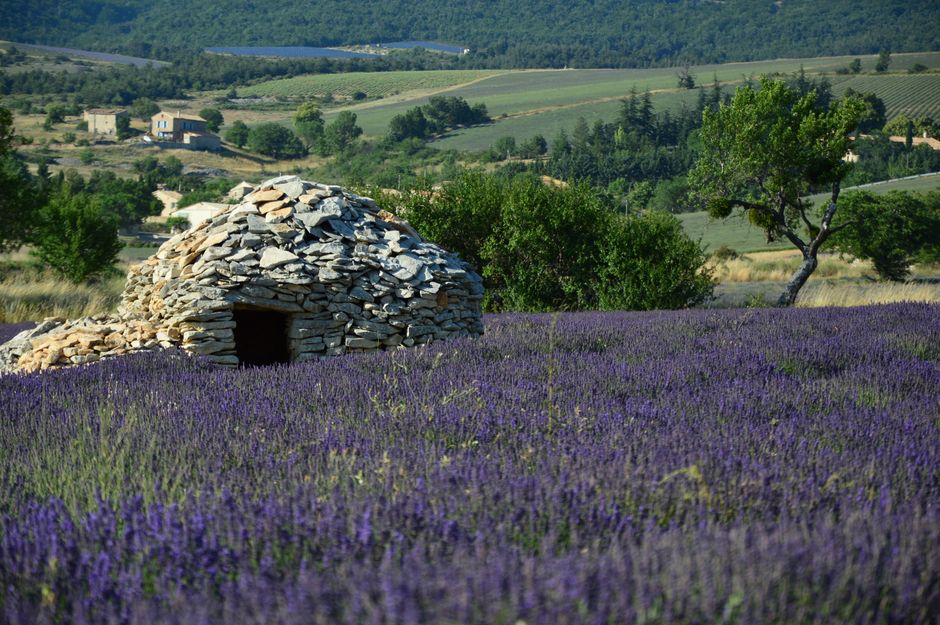
Perched high in the Vaucluse mountains, the lavender fields around Sault bloom later than most, thriving on a unique microclimate that once made it a medieval stronghold.
The charming village of Sault, sitting at 760 meters (2,500 feet), is known as the capital of true lavender due to its high-altitude cultivation. Its fields typically flower later into the summer season, offering a prolonged opportunity to witness the purple spectacle. Historically, Sault was a fortified town, strategically important during the Middle Ages, with its surrounding plateaus providing both defense and fertile ground for the resilient lavender plant, essential for local economies.
4. Ménerbes: Luberon's Literary Lavender
Ménerbes, France
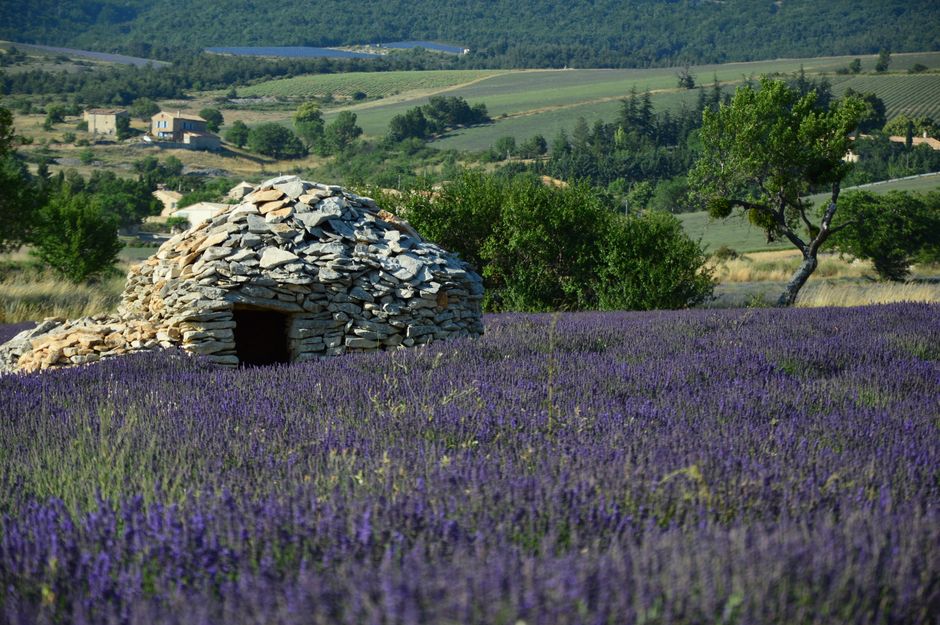
This hilltop village, famed for its literary residents and ancient Roman roots, is surrounded by smaller, intimate lavender plots that tell a different story of Provence.
Ménerbes, one of the 'Plus Beaux Villages de France,' is tucked within the rolling hills of the Luberon. While not home to vast plains, its terraced fields and surrounding countryside host charming lavender patches, often intermingled with vineyards and olive groves. The village itself boasts a rich history, with evidence of Roman occupation and later, a haven for artists and writers like Peter Mayle, who chronicled life here, offering a more secluded and personal experience of Provence's purple heartland.
5. Ferrassières: True Lavender's Heartland
Ferrassières, France
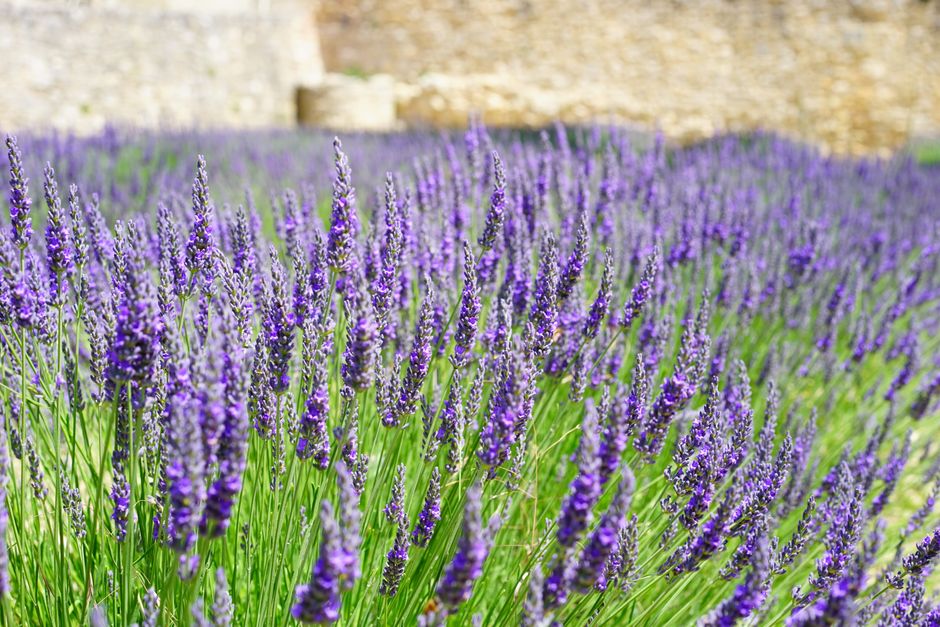
In this remote corner of the Drôme Provençale, the delicate 'true lavender' (lavande fine) thrives in a harsh climate, yielding the most prized essential oil.
Ferrassières is a lesser-known but crucial village in the world of fine lavender. Situated on the high plateaus of the Drôme, it specializes in Lavandula angustifolia, or true lavender, renowned for its superior aromatic and therapeutic qualities. The plant here endures challenging weather, from cold winters to intense summer sun, which concentrates its essential oil. This focus on quality over quantity reflects generations of specialized farming, far from the tourist crowds.
6. Moustiers-Sainte-Marie: Gateway to Geological Lavender
Moustiers-Sainte-Marie, France
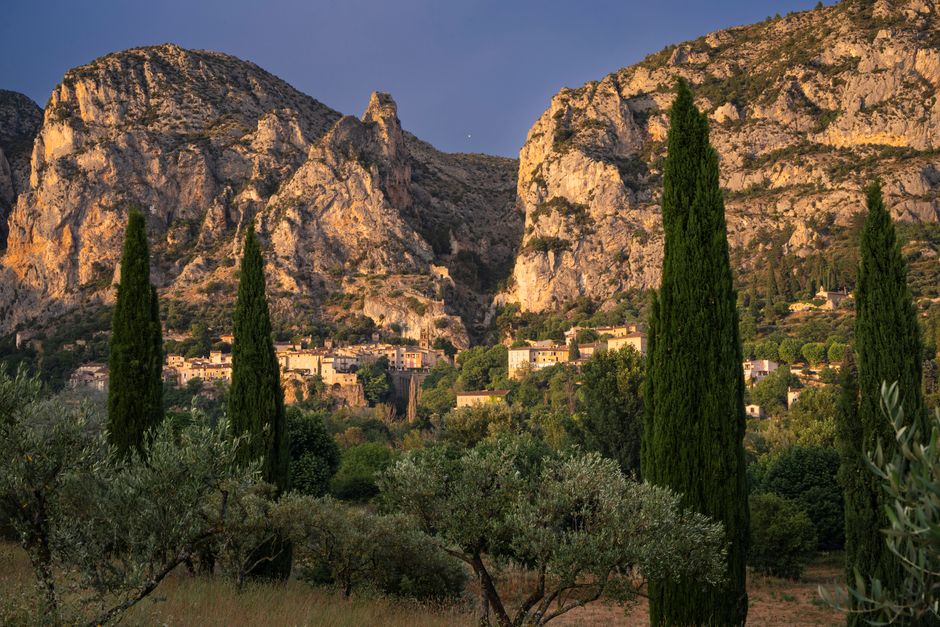
Near this village, famed for its faience pottery, lavender fields meet the dramatic geological formations of the Verdon Gorge, a landscape carved by ancient seas.
Moustiers-Sainte-Marie, nestled at the entrance to the Gorges du Verdon, is renowned for its distinctive star suspended between two cliffs and its exquisite faience ceramics. The lavender fields in its vicinity are often found on plateaus bordering the deep canyons, showcasing a breathtaking contrast between purple blooms and the raw, ancient limestone cliffs. This area's geology, part of the UNESCO Geopark, speaks of millions of years of marine sedimentation and tectonic uplift, providing a unique backdrop for the fragrant fields.
7. Apt: Candied Fruits and Purple Distillation
Apt, France
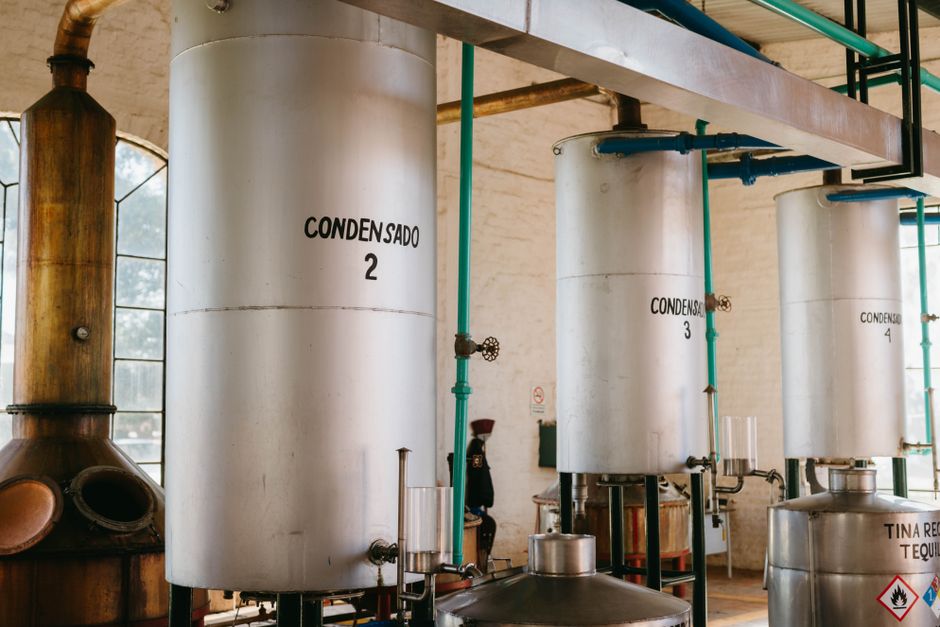
While famous for its candied fruits, Apt is also a significant hub where lavender's journey from field to essence is celebrated, rooted in a history of agricultural innovation.
The town of Apt, located in the heart of the Luberon, holds a rich agricultural legacy beyond its celebrated glacé fruits. It serves as a regional center for processing various crops, including lavender. The surrounding fields contribute to the area's distilleries, where the fragrant flowers are transformed into essential oils. Apt's historical importance as a market town, dating back to Roman times, fostered a continuous tradition of agricultural trade and innovation, making it a quiet but vital player in the lavender story.
8. Grignan: Noble Lavender Landscapes
Grignan, France
The majestic Château de Grignan, immortalized by Madame de Sévigné, presides over lavender fields whose history is intertwined with the noble estates of the Drôme Provençale.
In the northern reaches of Provence, the Drôme Provençale offers a slightly different, often less crowded, lavender experience. The fields around Grignan, dominated by its magnificent Renaissance château, reflect centuries of agricultural development tied to noble estates. Madame de Sévigné's famous letters from the 17th century offer glimpses into this landscape, where lavender was likely grown alongside other crops, contributing to the region's economy and distinct aromatic heritage, often alongside truffles and olives.
Frequently asked questions
When is the best time to see lavender fields in Provence?
Lavender typically blooms from mid-June to mid-July, though this varies by altitude and specific varietal. Lower-altitude fields like Valensole bloom earlier, while higher areas like Sault can extend into early August. Always check local conditions closer to your travel dates for the most accurate timing.
What's the difference between lavender and lavandin?
True lavender (Lavandula angustifolia) grows wild at higher altitudes and produces a finer, more delicate essential oil. Lavandin (Lavandula x intermedia) is a sterile hybrid, cultivated at lower altitudes in vast fields, yielding more essential oil with a stronger, camphoraceous scent, primarily used in soaps and detergents.
Can I visit a lavender distillery or farm?
Yes, many lavender farms and distilleries in Provence offer tours and demonstrations, especially during harvest season (July-August). You can learn about the distillation process, sample products, and often purchase oils, soaps, and other lavender goods directly from producers. Look for signs advertising "distillerie" or "lavender farm visits."
How can the AllTours.ai app enhance my visit to Provence's lavender fields?
AllTours.ai transforms your phone into an AI audio tour guide. Simply point your camera at a lavender field, a historic village, or any landmark, and the app will narrate its history, geology, and cultural significance in your language, offering deep, contextual insights beyond what you see.
Related guides
Photography via Pexels. AllTours.ai is an AI audio tour guide — point your camera at any landscape and hear its story.