June 20, 2026 · 4 min read
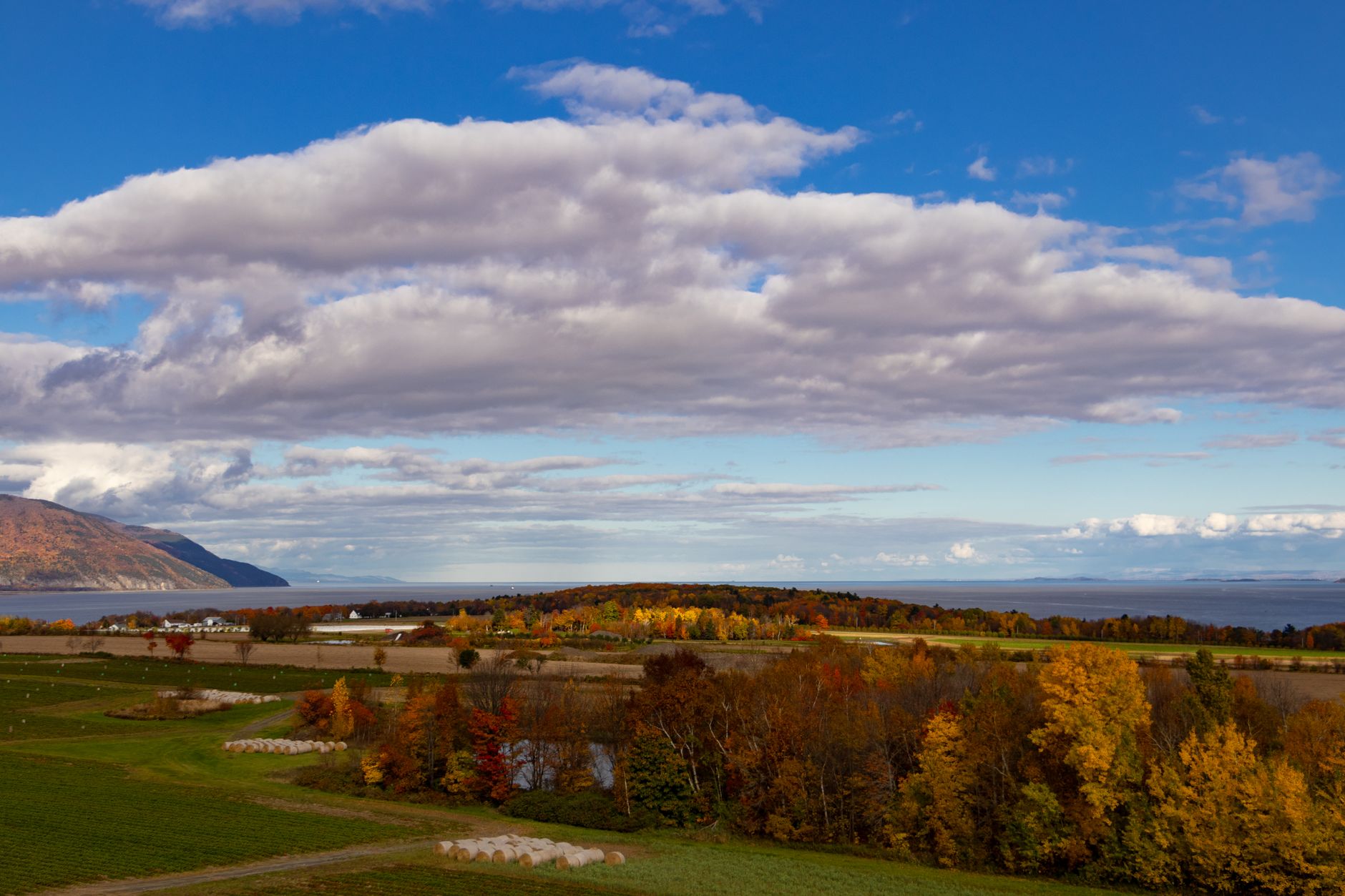
The foundational chapters of Canadian history are deeply etched with the narratives of early French explorers, missionaries, and settlers. Their voyages up the St. Lawrence River and into the vast North American interior laid the groundwork for a distinct cultural and linguistic identity that persists to this day. This exploration was not merely about claiming land, but about establishing communities, forging alliances, and initiating a profound exchange that shaped the land and its peoples.
While cities like Quebec City and Montreal often come to mind, the true depth of what impact did early French exploration have on modern Canadian culture, especially in Quebec, lies in lesser-known corners. These hidden gems reveal surprising stories of resilience, adaptation, and enduring heritage, far beyond the well-trodden tourist paths.
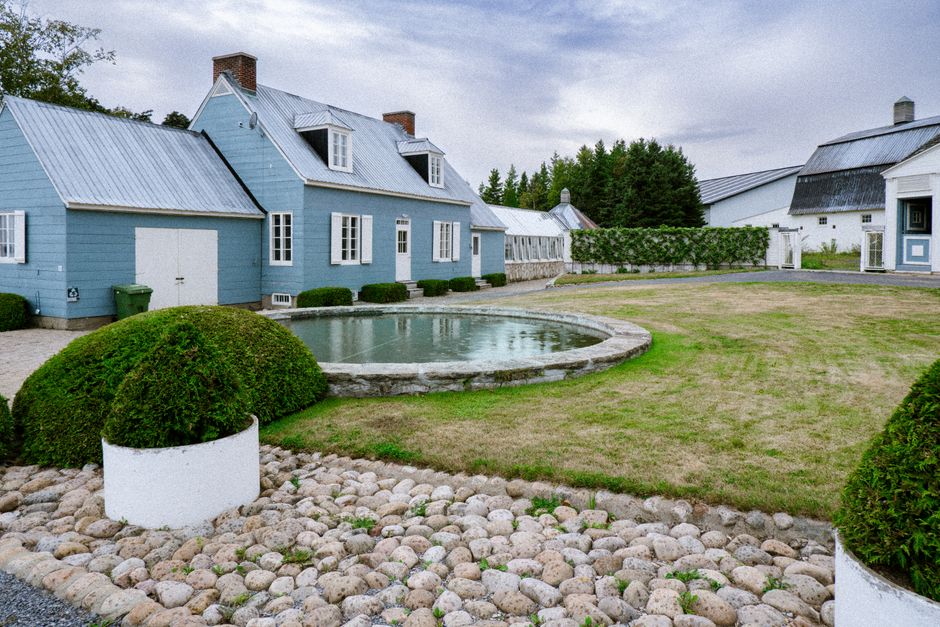
1. Tadoussac: The First Fur Trading Post
Tadoussac, Quebec, Canada
The oldest continuously inhabited European settlement in North America wasn't Quebec City, but a tiny village at the confluence of the Saguenay and St. Lawrence rivers.
Long before Quebec City was founded, Tadoussac served as a crucial meeting point for Indigenous nations and French traders. In 1603, Samuel de Champlain forged a pivotal alliance here with the Innu, an agreement that formalized trade relations and marked a significant early step in French-Indigenous diplomacy. This historic site, now a popular whale-watching spot, embodies the very beginnings of New France's economic and political ambitions.
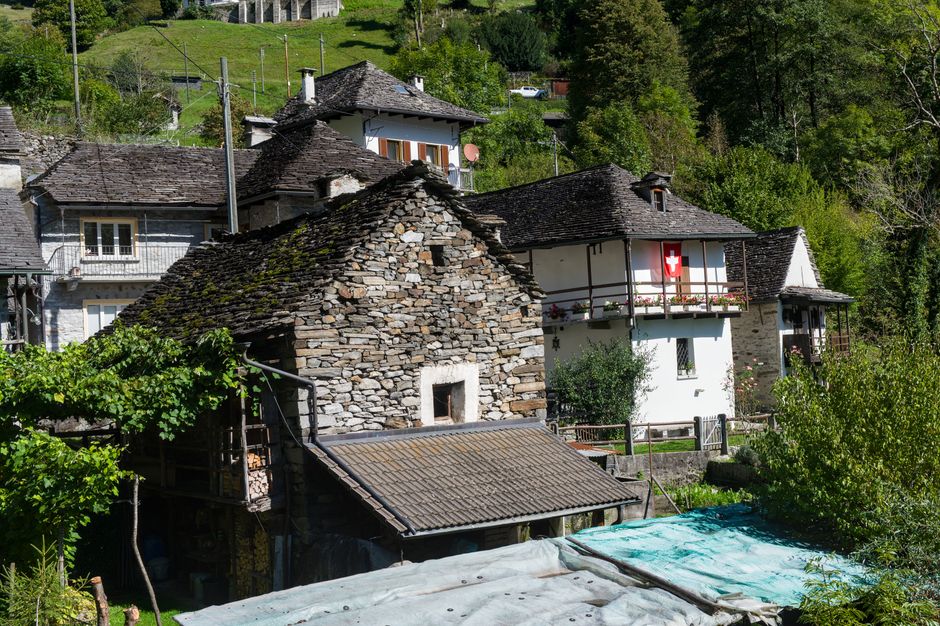
2. Val-Jalbert: A Ghost Town's French Heart
Village historique de Val-Jalbert, Quebec, Canada
This remarkably preserved ghost town, complete with original wooden houses and a pulp mill, once thrived as a completely French-speaking industrial community.
Built around a pulp mill in the early 20th century, Val-Jalbert was designed as a modern, self-sufficient company town where French-Canadian workers and their families lived entirely in French. When the mill closed abruptly in 1927 due to market shifts, the village was abandoned, leaving behind a unique frozen-in-time snapshot. Today, visitors can explore the intact homes, convent-school, and general store, offering a vivid glimpse into a specific era of Quebec's industrial and linguistic identity.
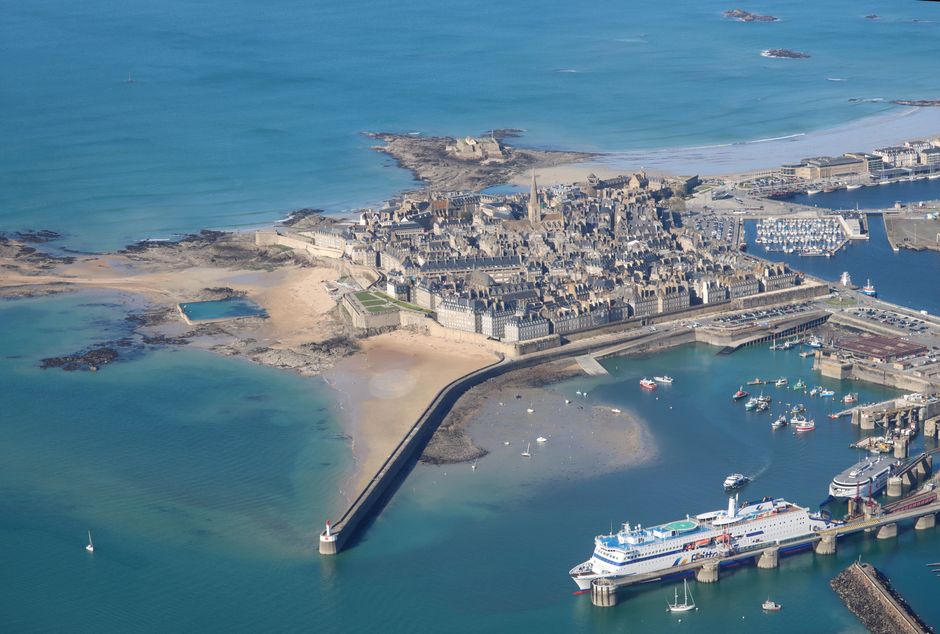
3. Saint-Pierre-et-Miquelon: France's Enduring North American Outpost
Saint-Pierre-et-Miquelon, France (near Newfoundland, Canada)
Just off Canada's coast lies a piece of France itself, a self-governing overseas collectivity where French language, laws, and culture persist untouched by Canadian influence.
These two small islands are the last remnants of New France in North America, ceded to France by treaty after the Seven Years' War. Despite their proximity to Canada, they operate under French law, use the Euro currency, and speak French with a distinct metropolitan accent. The islands offer a surreal cultural experience, a living testament to France's colonial reach and the complex geopolitical negotiations that shaped the continent's modern boundaries, almost as if time stopped.
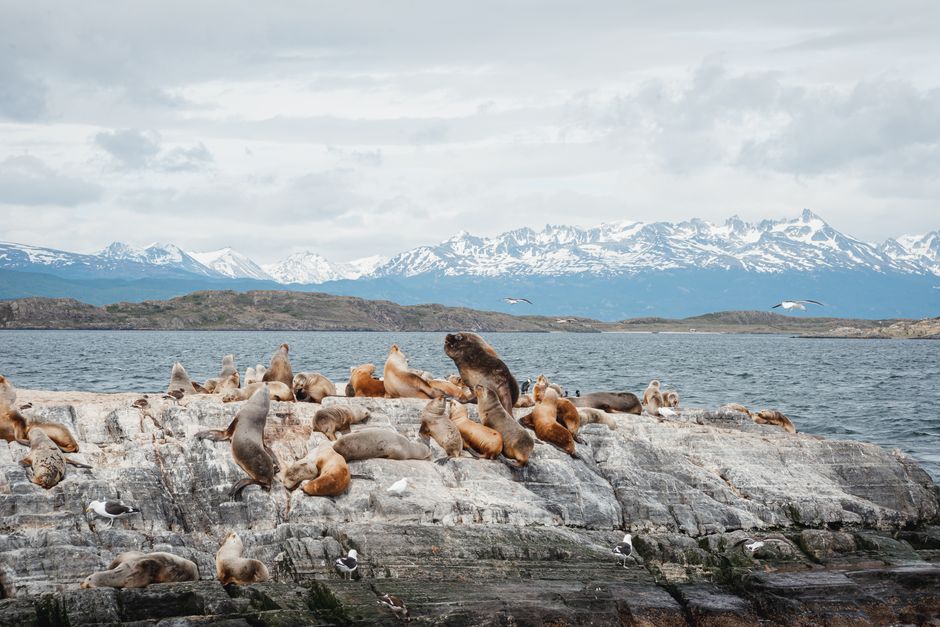
4. Cap-Tourmente: From Seigneurial Grant to Sanctuary
Cap-Tourmente National Wildlife Area, Quebec, Canada
One of the earliest land grants in New France, this scenic cape was given by Governor Frontenac himself and now protects North America's largest concentration of Greater Snow Geese.
In 1678, Governor Frontenac granted this vast tract of land to the Séminaire de Québec, establishing a seigneurial domain — a French feudal land ownership system. For centuries, the Séminaire managed the land, leaving an imprint on its agricultural and social structure. Today, this historic land has transformed into a critical wildlife refuge, highlighting how early French administrative decisions indirectly contributed to the preservation of unique ecosystems, blending heritage with natural conservation.
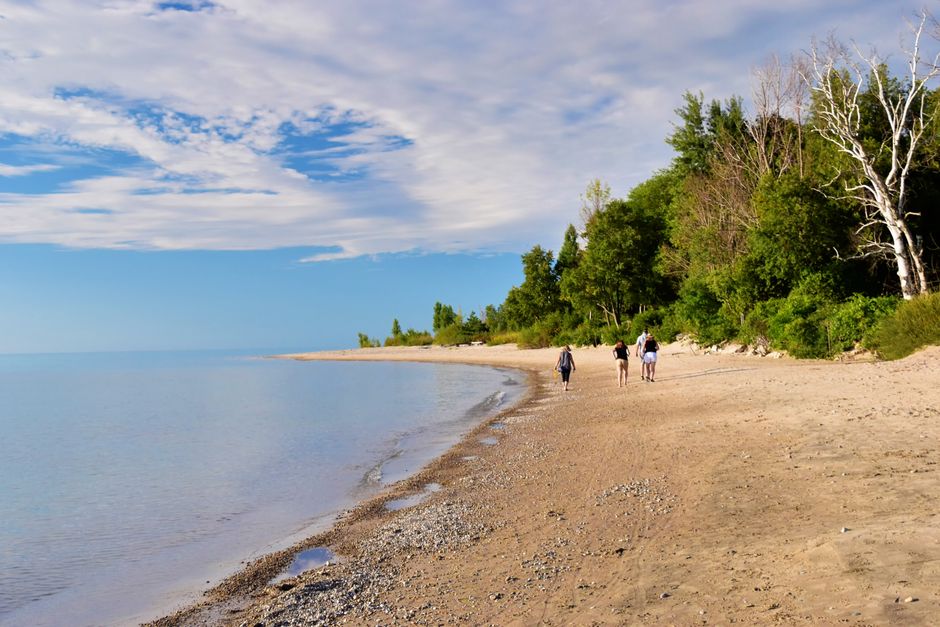
5. Wendake: A Nation's Enduring Alliance
Wendake, Quebec, Canada
Just outside Quebec City, this self-governing Huron-Wendat Nation territory stands as a living testament to one of the most significant and complex Indigenous-French alliances in North American history.
The Huron-Wendat people established a deep, though often tumultuous, relationship with the French beginning in the early 17th century, driven by trade and military strategy. Wendake, their modern-day reserve, continues to preserve and celebrate this heritage through its language, traditions, and the Huron-Wendat Museum. It offers a crucial perspective on the reciprocal impacts of French exploration, demonstrating how Indigenous agency shaped the colonial narrative and how their culture endured.
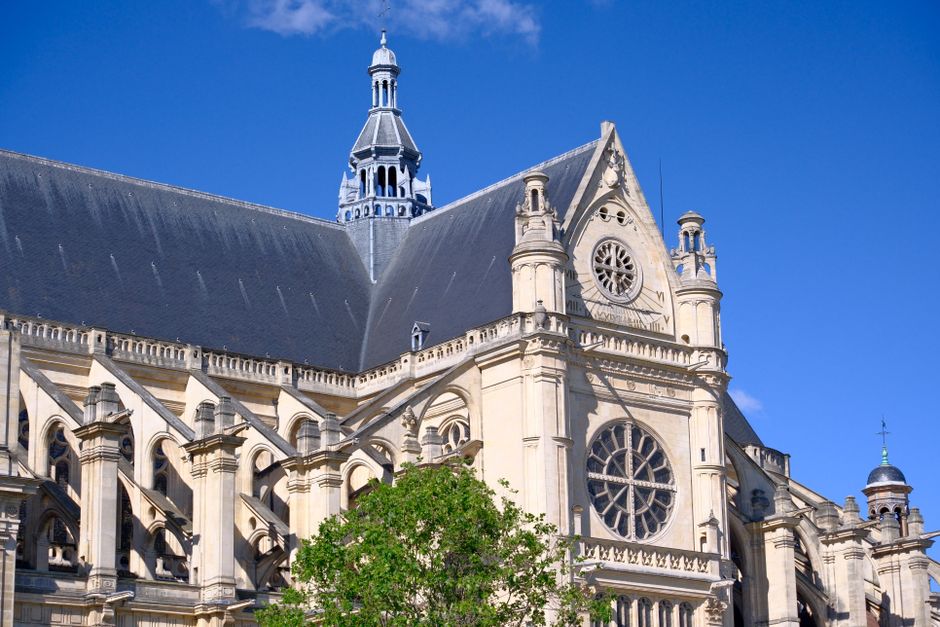
6. Sainte-Famille Church, Île d'Orléans: A Living Seigneurial Legacy
Sainte-Famille, Île d'Orléans, Quebec, Canada
This historic stone church, dating back to 1749, is a rare example of Quebec's seigneurial architectural and social structure that persisted long after the system was abolished.
Île d'Orléans was one of the first areas in New France to be divided into seigneuries, and the Sainte-Famille parish church embodies this heritage. Its imposing architecture, built by parishioners who adhered to the feudal system, reflects the strong community and religious devotion central to early French-Canadian life. The island's continued French-speaking population and preserved ancestral homes, with the church at its heart, showcase a unique cultural resilience directly traceable to this foundational French administrative system.
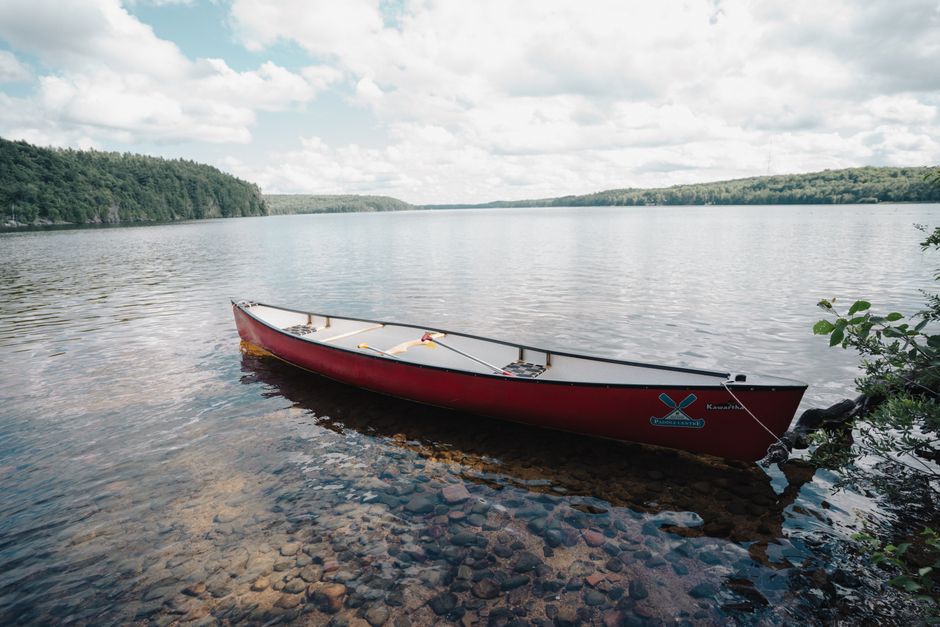
7. La Vérendrye Wildlife Reserve: Tracing the Explorers' Waterways
La Vérendrye Wildlife Reserve, Quebec, Canada
This massive, rugged reserve is named after Pierre Gaultier de Varennes, sieur de La Vérendrye, a key French explorer whose expeditions charted the continent's interior.
La Vérendrye and his sons were instrumental in pushing French exploration westward in the 18th century, establishing crucial trade routes and mapping vast territories previously unknown to Europeans. The reserve, a labyrinth of lakes and rivers, directly follows some of the portage routes and waterways used by these early explorers and coureurs des bois. It's a landscape that physically embodies the arduous journeys and geographic knowledge acquired by the French as they extended their influence deep into North America.
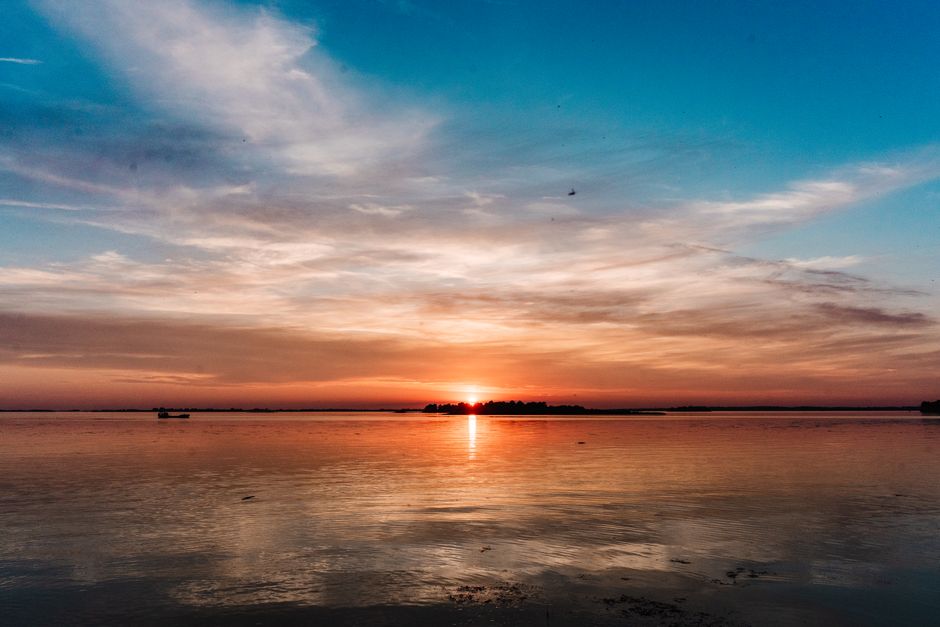
8. Baie-Sainte-Claire, Anticosti Island: The Chocolate Baron's Wilderness Kingdom
Anticosti Island, Quebec, Canada
This remote island, once the private domain of French chocolate magnate Henri Menier, saw its unique cultural landscape shaped by his grand vision for a self-sufficient French-speaking wilderness estate.
Purchased by Menier in 1895, Anticosti Island became his personal fiefdom, where he invested heavily in its development, importing French-speaking workers and establishing settlements like Baie-Sainte-Claire. His strict, paternalistic rule ensured a distinct French cultural imprint on this isolated outpost, far removed from mainland Quebec. The remnants of his grand estate, including the former Menier House, tell a fascinating story of French entrepreneurial ambition and cultural transplantation in a wild Canadian setting.
Frequently asked questions
What is the main impact of French exploration on Quebec's language today?
Early French exploration and settlement laid the foundation for Quebec's unique linguistic landscape. The sustained presence of French speakers, reinforced by immigration from France and isolation from English-speaking areas, allowed the language to not only survive but thrive. Today, Quebec French, with its distinctive vocabulary and accent, is a cornerstone of the province's identity.
Are there still French legal traditions in Quebec today?
Absolutely. Quebec operates under a hybrid legal system, where private law (civil law) is derived from French civil code traditions, particularly the Napoleonic Code. This contrasts sharply with the common law system used in the rest of Canada and other English-speaking nations, showcasing a direct and enduring legal impact of early French administration.
How did French explorers interact with Indigenous peoples in Canada?
Interactions were complex and varied, ranging from trade and military alliances to missionary efforts and conflict. French explorers often relied on Indigenous knowledge and technologies for survival and navigation. Alliances, particularly with the Huron-Wendat and Algonquin nations, were crucial for the fur trade and for military defense against rival Indigenous groups and the British.
How can the AllTours.ai app help me explore these French heritage sites?
The AllTours.ai app transforms your phone into a personal AI audio tour guide. Simply point your camera at any landmark, landscape, or historical site mentioned in this list – or any other intriguing spot – and the app will narrate its history, geology, and cultural significance in your preferred language, bringing these hidden stories to life in real-time.
Related guides
Photography via Pexels. AllTours.ai is an AI audio tour guide — point your camera at any landscape and hear its story.