June 14, 2026 · 4 min read
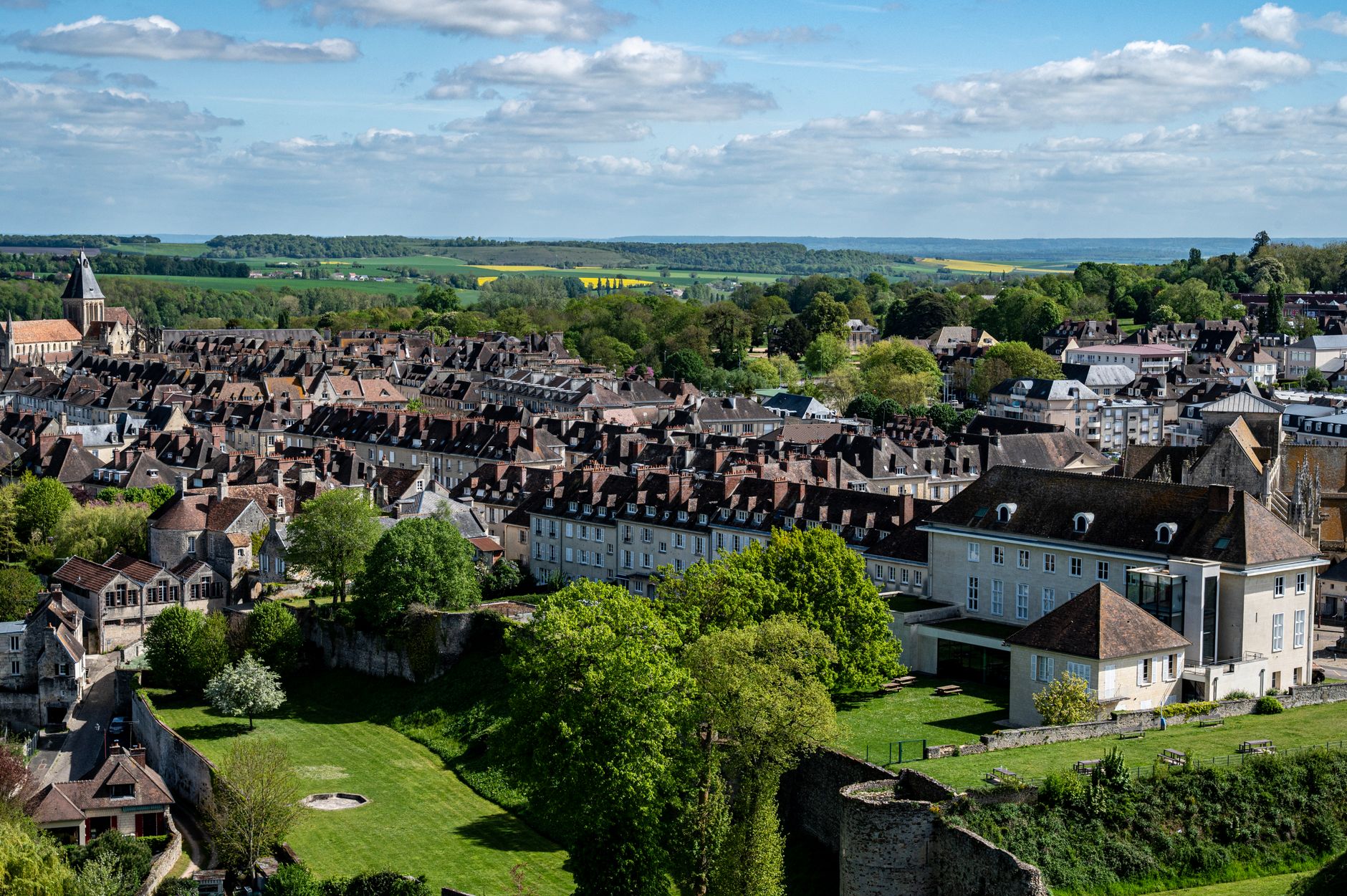
France is synonymous with beauty, from the glittering lights of Paris to the sun-drenched lavender fields of Provence. But beyond the well-trodden paths lie a collection of villages that hold a special designation: 'Les Plus Beaux Villages de France' (The Most Beautiful Villages of France). These aren't just pretty places; they are living testaments to history, culture, and stunning natural landscapes.
While some of these villages draw crowds, many remain delightful secrets, offering genuine glimpses into France's diverse heritage. We've curated a list of these officially recognized gems that tourists often miss, each with a surprising story waiting to be uncovered.
1. Conques: The Relic Thief's Sanctuary
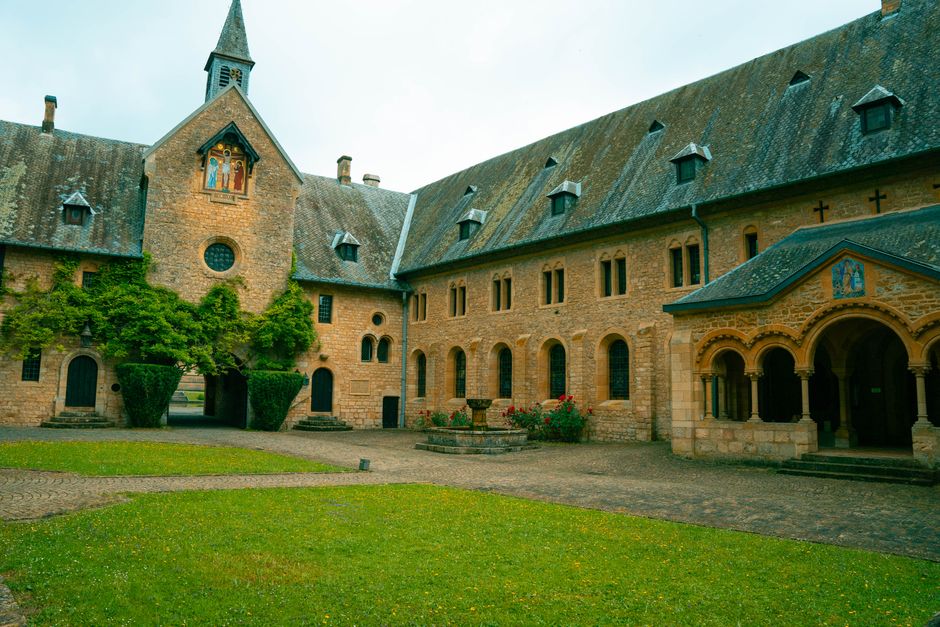
Conques, France
The magnificent Abbey-Church of Sainte-Foy in Conques houses a golden reliquary containing the skull of Saint Foy, famously acquired through a medieval 'holy robbery'.
In the 9th century, a monk from Conques infiltrated the monastery of Agen and absconded with the relics of Sainte-Foy, a child martyr. This bold act, a common practice known as furta sacra, propelled Conques to prominence as a major stop on the Camino de Santiago pilgrim route. Pilgrims today still marvel at the abbey's Romanesque architecture and its treasury, particularly the stunning Golden Statue of Sainte-Foy.
2. Eguisheim: Cradle of a Controversial Pope
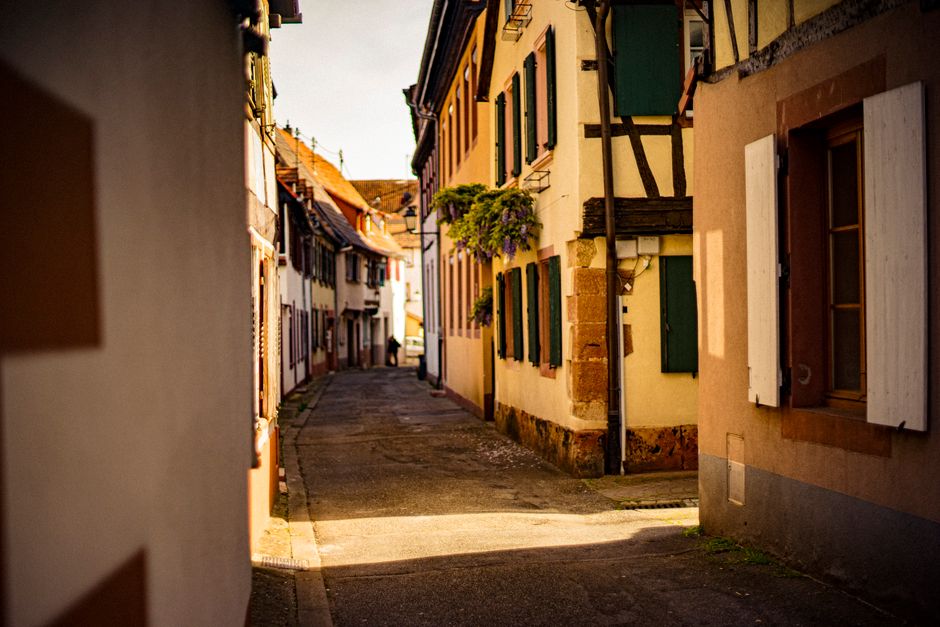
Eguisheim, France
This charming Alsatian village, famous for its concentric streets, was the birthplace of Pope Leo IX, a pivotal figure in the Great Schism.
Bruno of Eguisheim-Dagsburg, who became Pope Leo IX in 1049, was a native son of this vibrant wine village. His papacy was marked by significant reforms but also by the dramatic excommunication of the Patriarch of Constantinople, a key event leading to the permanent split between Western and Eastern Christianity. Today, Eguisheim's colorful half-timbered houses and flower-lined lanes belie its connection to such a monumental historical turning point.
3. Saint-Cirq-Lapopie: A Cliffside War Stronghold
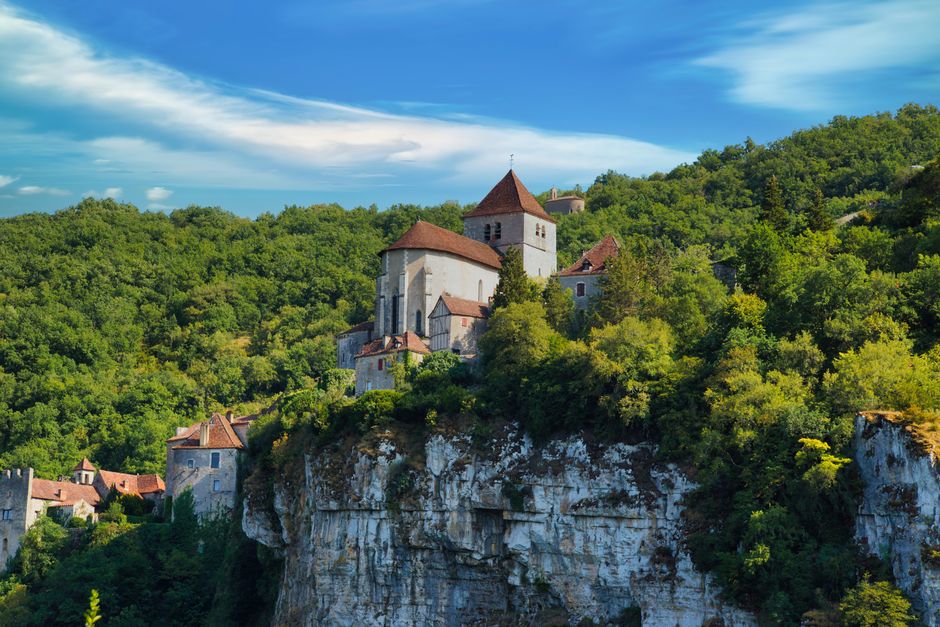
Saint-Cirq-Lapopie, France
Perched dramatically above the Lot River, this village was a strategic prize during the Hundred Years' War, changing hands seven times.
Its seemingly tranquil beauty belies a tumultuous past. The village's formidable position on a sheer cliff made it a highly sought-after stronghold during conflicts between French and English forces. Each change of ownership left its mark, influencing its defensive architecture and the resilient spirit of its inhabitants. Today, artists are drawn to its stunning vistas and historic character, far removed from its warring past.
4. Locronan: Brittany's Sailcloth Powerhouse
Locronan, France
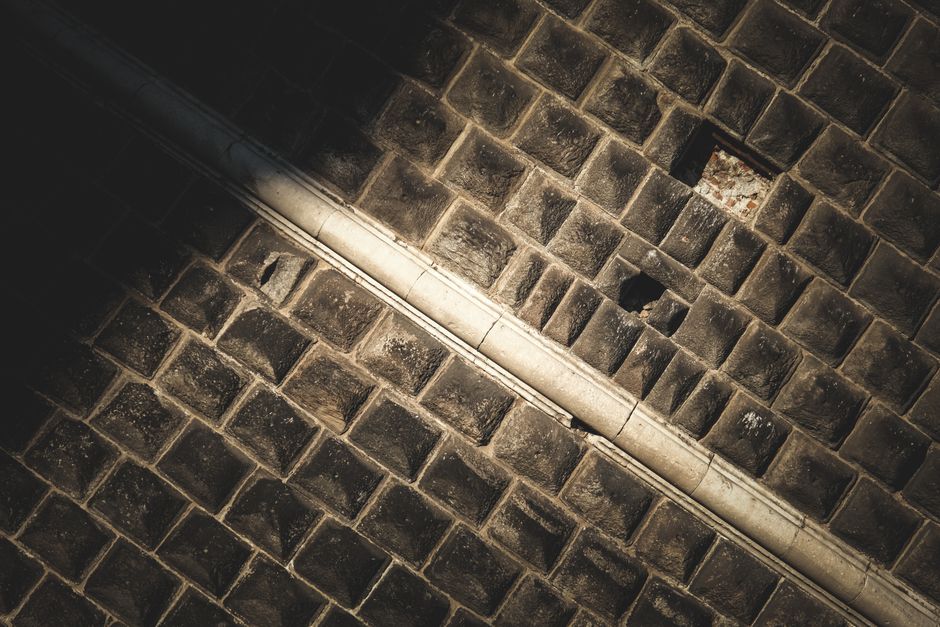
Locronan's grand granite square and church stand as a testament to its forgotten prosperity as a major producer of sailcloth for global fleets.
In the 17th and 18th centuries, Locronan was one of Brittany's wealthiest towns, its economy driven by the production of high-quality canvas used for ship sails. The vast flax fields surrounding the village and the numerous watermills powered its looms, supplying the French Royal Navy and international merchant ships. This rich textile heritage is evident in the impressive architecture of its main square, built not from wealth in butter or grain, but from sails.
5. Pérouges: The Preserved Medieval Film Set
Pérouges, France
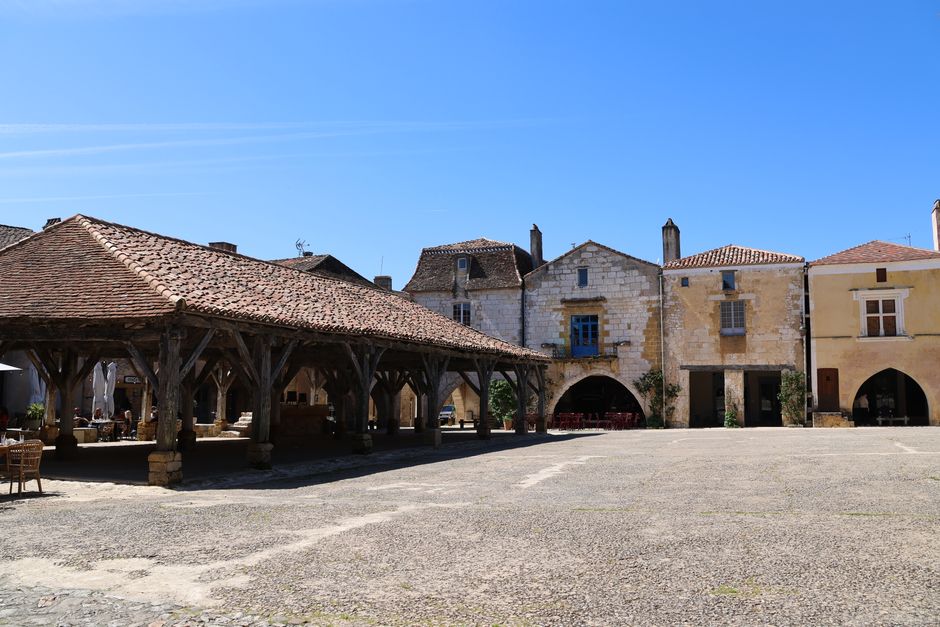
So remarkably preserved, this medieval walled town near Lyon often serves as a living backdrop for historical films and television series.
Stepping into Pérouges feels like time travel, a sensation enhanced by its frequent use as a film set. Its cobblestone streets, timber-framed houses, and fortified gates have appeared in numerous productions, making it one of France's most authentic medieval backdrops. The village's commitment to preserving its heritage means electricity poles are hidden and modern elements are scarce, offering an unparalleled glimpse into the past.
6. La Roque-Gageac: The Dordogne's Exotic Microclimate
La Roque-Gageac, France
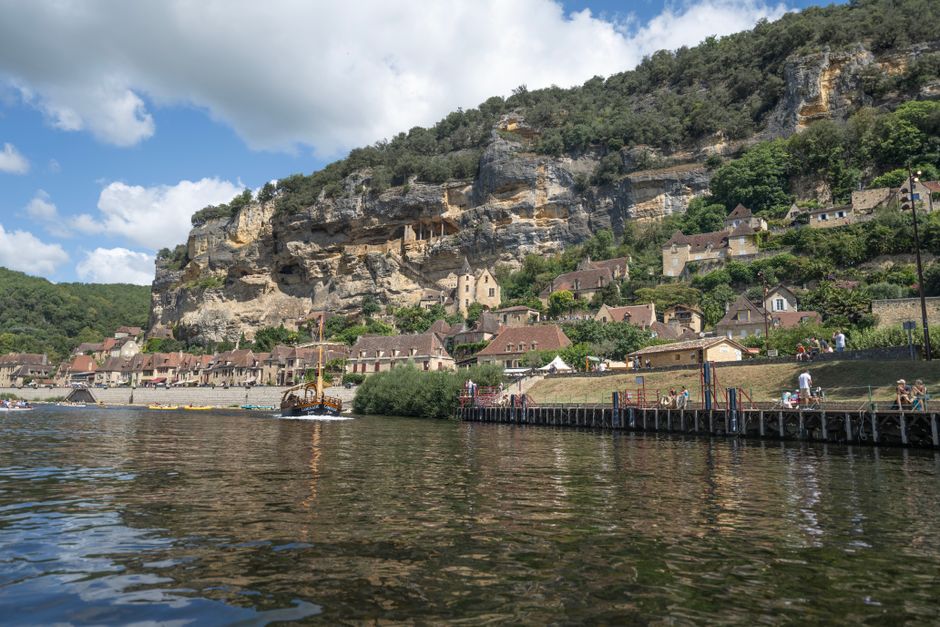
Tucked beneath a south-facing cliff, La Roque-Gageac enjoys a unique microclimate that allows Mediterranean and even tropical plants to flourish.
This golden-hued village, clinging to a cliff face overlooking the Dordogne River, is renowned not just for its beauty but for its unexpected botanical gardens. The protective cliff traps warmth, creating a temperate zone where palm trees, fig trees, and banana plants thrive, a stark contrast to the surrounding temperate region. This natural phenomenon adds an exotic touch to its already stunning riverside charm.
7. Minerve: A Cathar Siege and Sacrifice
Minerve, France
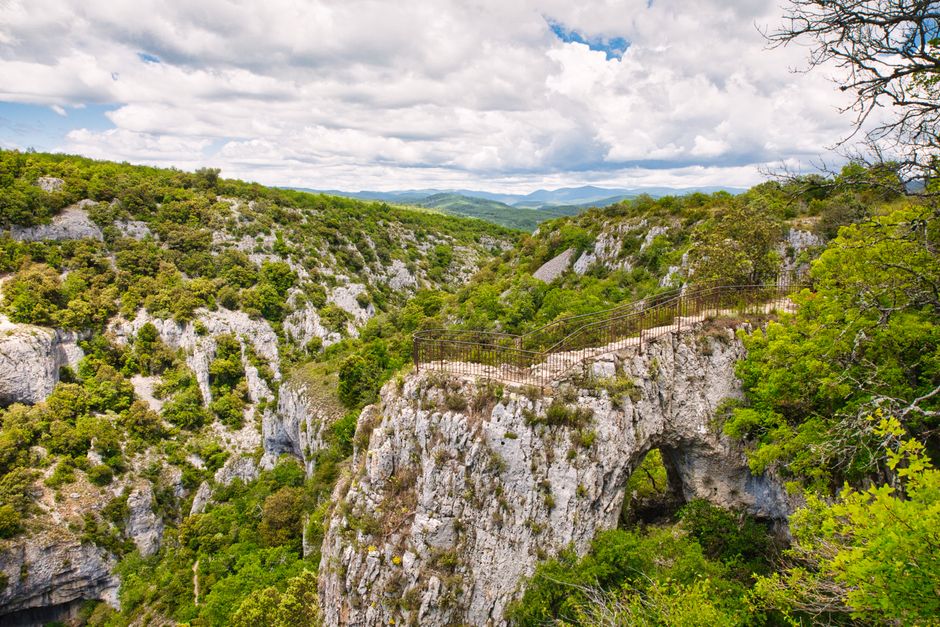
This dramatic village, surrounded by deep gorges, was the site of a brutal siege during the Albigensian Crusade, ending in a mass immolation of Cathar "perfects."
Minerve's isolated position made it a natural stronghold for the Cathars, a medieval Christian sect deemed heretical by the Catholic Church. In 1210, after a devastating siege, over 140 Cathar "perfects" chose to burn at the stake rather than renounce their faith, making it a tragic symbol of religious persecution. Today, visitors can explore its dramatic natural bridges and remember the profound history etched into its ancient stones.
Frequently asked questions
What makes a village "Plus Beaux Village de France"?
The "Les Plus Beaux Villages de France" association designates villages based on strict criteria, including architectural heritage, natural beauty, and efforts to preserve their character. It's a mark of excellence, ensuring visitors experience truly exceptional locations.
Are these villages difficult to reach?
Many of these villages are in rural areas, making a car the most convenient way to explore. However, some, like Conques or Saint-Cirq-Lapopie, can be accessed via regional train lines or long-distance bus services, often requiring a final taxi or local bus connection.
What's the best time of year to visit these French villages?
Spring (April-May) and early autumn (September-October) offer pleasant weather, fewer crowds, and vibrant landscapes. Summer can be busy, especially in August, but also lively with local festivals. Winter is quieter, offering a different, often serene, charm.
How can the AllTours.ai app enhance my visit to these villages?
AllTours.ai brings the stories of these villages to life. Simply point your phone camera at a landmark or landscape, and the app will narrate its history, geology, and culture in your preferred language, providing rich context and surprising facts as you explore.
Related guides
Photography via Pexels. AllTours.ai is an AI audio tour guide — point your camera at any landscape and hear its story.