August 28, 2026 · 4 min read
Osaka, often dubbed Japan's 'Kitchen,' is a city that pulses with an undeniable energy, a captivating blend of historic grandeur and modern grit. While its culinary delights are legendary, there’s a deeper layer of stories woven into its fabric, from resilient castles to hidden alleyways, waiting to be discovered.
For travelers with just one day to explore, crafting an itinerary that balances iconic sights with unique local experiences can feel daunting. This guide takes you through a curated journey, revealing the surprising histories and cultural quirks behind Osaka's most vibrant spots, ensuring your single day is packed with vivid memories and genuine insights.
1. Osaka Castle: A Phoenix of History
Osaka, Japan
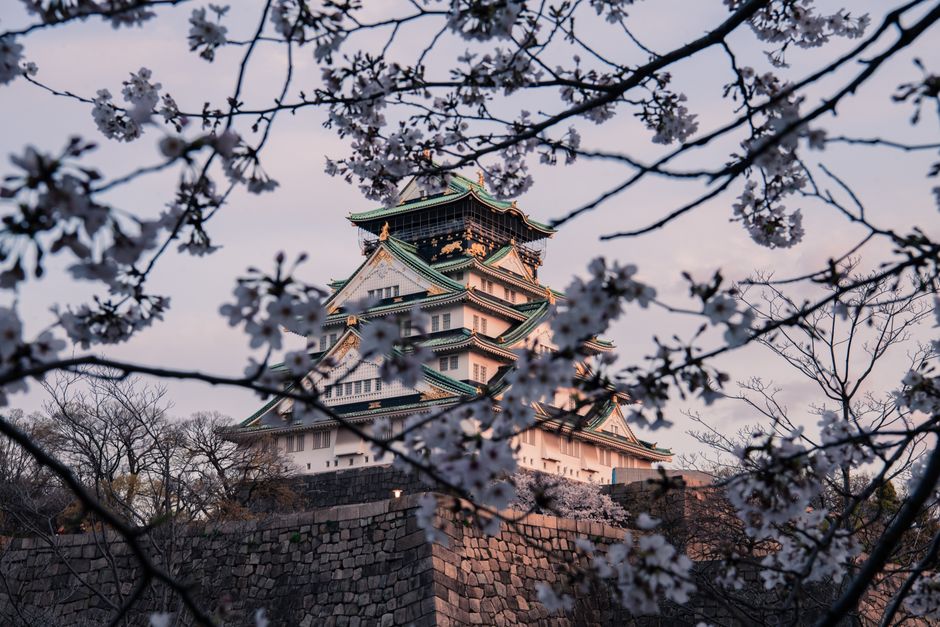
The magnificent Osaka Castle standing today is actually its third major incarnation, having been rebuilt twice after devastating fires and sieges.
Built in the 16th century by Toyotomi Hideyoshi, one of Japan's great unifiers, the original castle was grand but short-lived. It was destroyed, rebuilt by the Tokugawa shogunate, and later burned down again during the Meiji Restoration. The current concrete reconstruction, completed in 1931, houses a museum, allowing visitors to glimpse its turbulent past while offering panoramic views of the city.
2. Kuromon Ichiba Market: Osaka's Pantry
Osaka, Japan
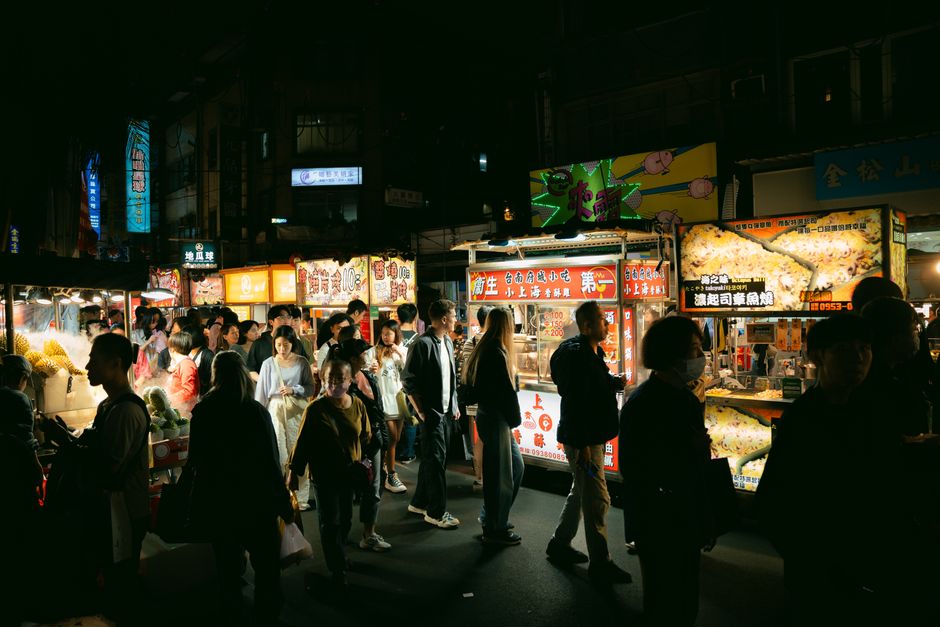
This bustling market, known as 'Osaka's Kitchen,' originally supplied fresh fish and produce to local temples over 190 years ago.
What began as a wholesale market for the nearby Enmyoji Temple (whose gate, Kuromon, gave the market its name) has evolved into a vibrant culinary destination. Today, visitors can sample everything from fresh seafood skewers and takoyaki to exotic fruits and Wagyu beef. It’s a sensory overload, where the shouts of vendors mix with the sizzle of street food, offering a delicious insight into Osaka's gastronomic heart.
3. Shinsekai and Tsutenkaku: Retro-Future Dream
Osaka, Japan
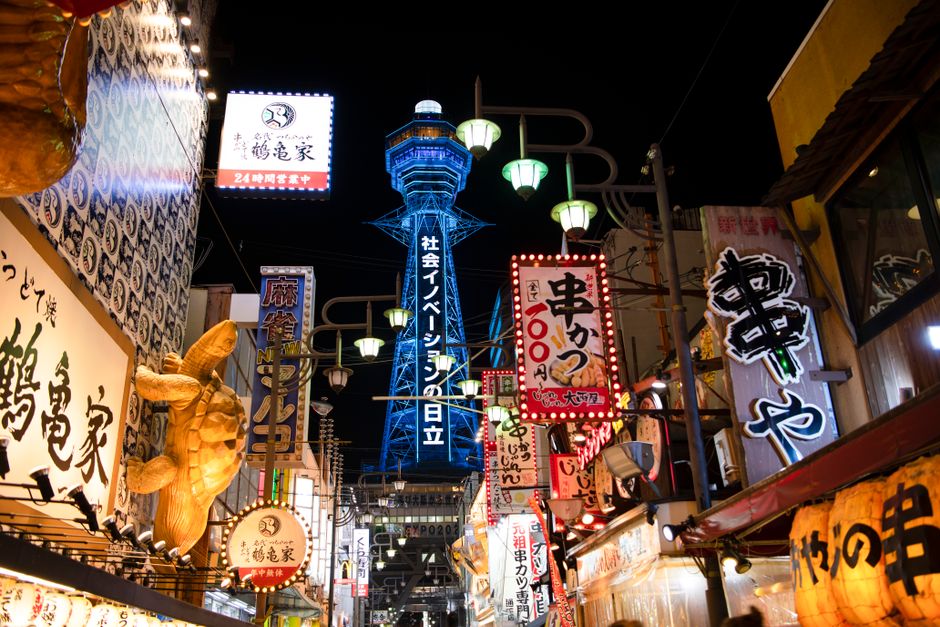
Designed in 1912 to be a futuristic vision combining elements of Paris (Eiffel Tower) and New York (Coney Island), Shinsekai now offers a charmingly retro step back in time.
The centerpiece, Tsutenkaku Tower, literally means "tower reaching to heaven" and was inspired by the Eiffel Tower. Below it, the district once housed an amusement park and was connected by Japan's first cable car. Despite periods of neglect, Shinsekai retains its unique charm, famous for its kushikatsu (deep-fried skewers) and the cheerful Billiken statue, a local deity believed to bring good luck.
4. Hozenji Yokocho: A Mossy Sanctuary
Osaka, Japan
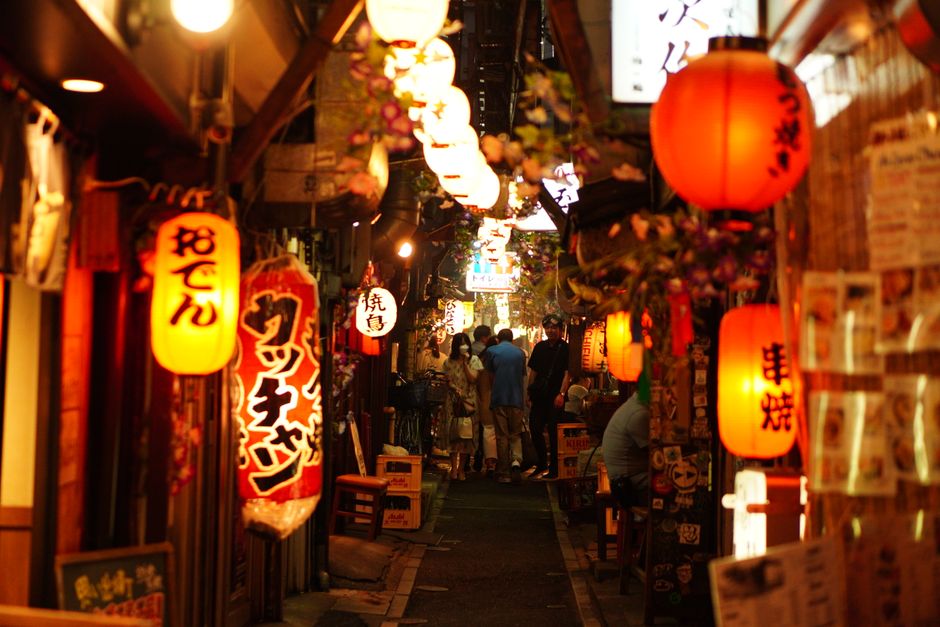
Hidden amidst the bustling Namba district, this narrow, stone-paved alley is home to a revered Buddhist deity, Fudo Myoo, completely covered in moss from countless water offerings.
Stepping into Hozenji Yokocho is like entering another world, a tranquil respite from the energetic streets of Dotonbori. The alley leads to Hozenji Temple, where the principal deity, Mizukake Fudo-son, is worshipped by splashing water onto it. This centuries-old tradition has created a striking, verdant layer of moss, symbolizing the wishes and prayers of generations of Osaka residents. It’s a profound testament to enduring faith in the urban core.
5. Nakanoshima Park: River Island Oasis
Osaka, Japan
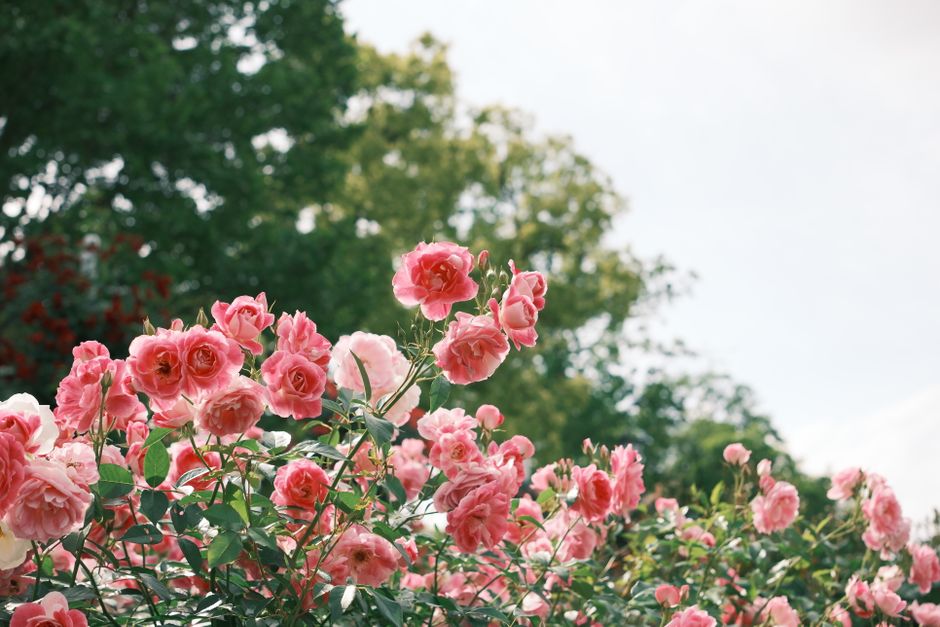
This beautiful island park, nestled between two rivers, wasn't always green; it began as a sandbank and grew into a vital trade and administrative hub during the Edo period.
Formed naturally by the Dojima and Tosabori rivers, Nakanoshima has long been central to Osaka’s development. Initially a commercial district, it transformed into a cultural and administrative heart with grand Western-style buildings like the Osaka Central Public Hall. Today, it offers a serene escape with lush rose gardens, public art, and picturesque river views, a perfect spot to observe the city's blend of history and modernity.
6. Dotonbori: Theatre of Lights and Taste
Osaka, Japan
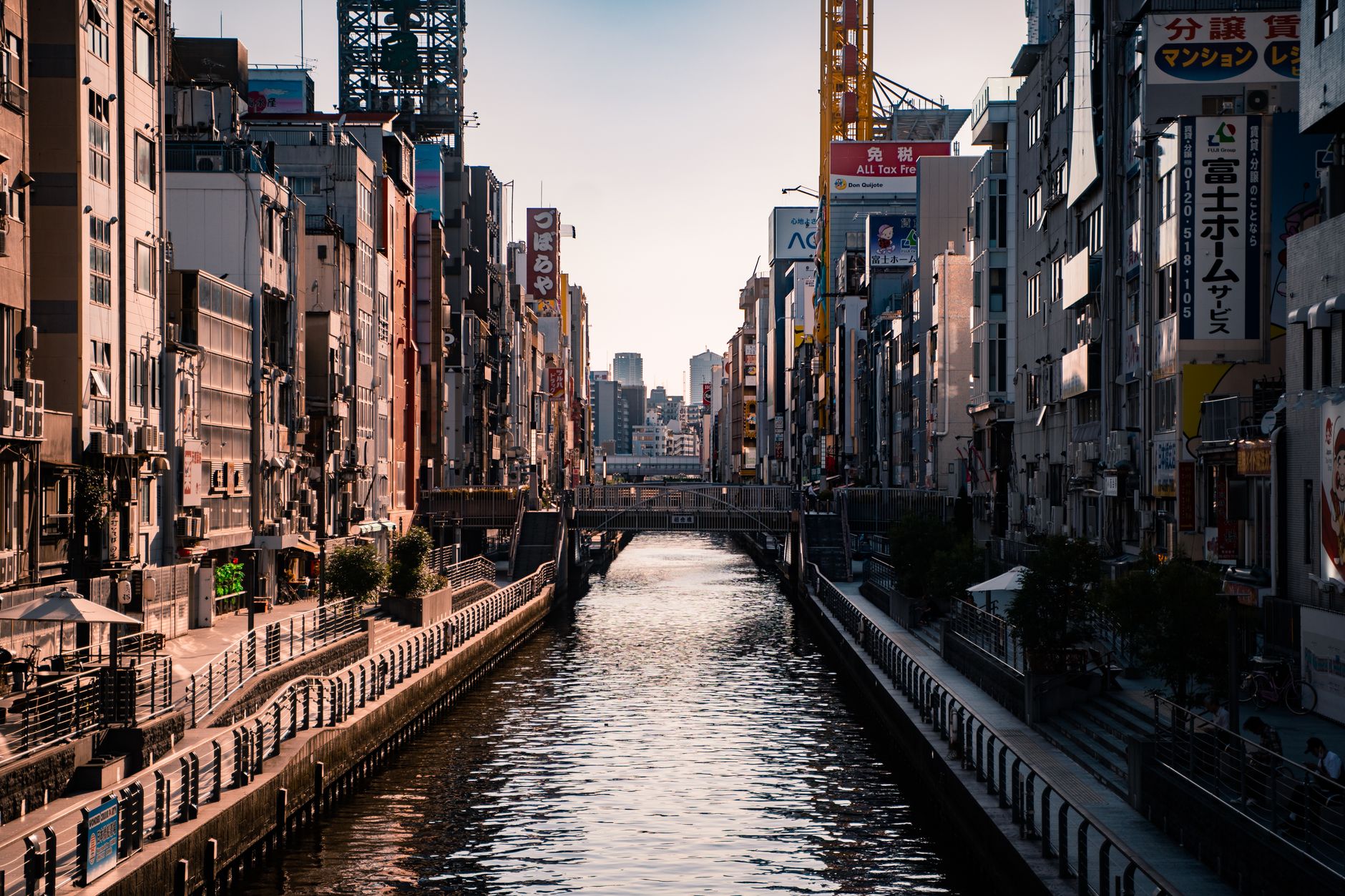
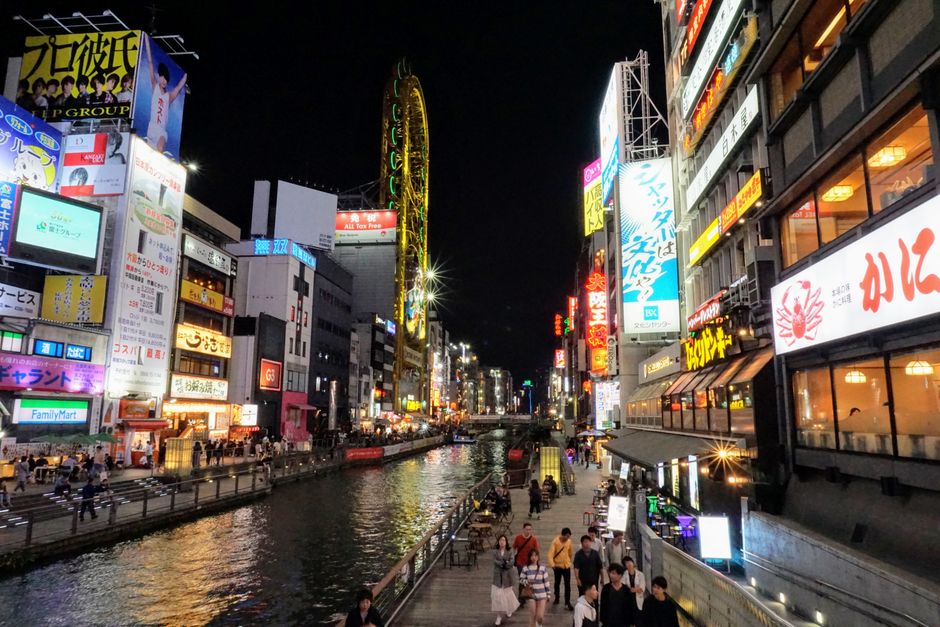
Beyond its famous neon signs and street food, Dotonbori was originally developed as Osaka’s dedicated entertainment district for kabuki and bunraku puppet theaters in the early 17th century.
The district's name itself comes from the Dotonbori Canal, dug by a merchant named Yasui Doton. His vision, however, was not just for commerce but for a vibrant cultural hub. For centuries, it flourished with playhouses, teahouses, and restaurants catering to theatergoers. While the traditional theaters have largely given way to modern entertainment and an unparalleled food scene, the spirit of performance and spectacle still thrives under the iconic Glico Man sign and the endless array of dazzling storefronts.
7. Ura Namba: The Local's Labyrinth
Osaka, Japan
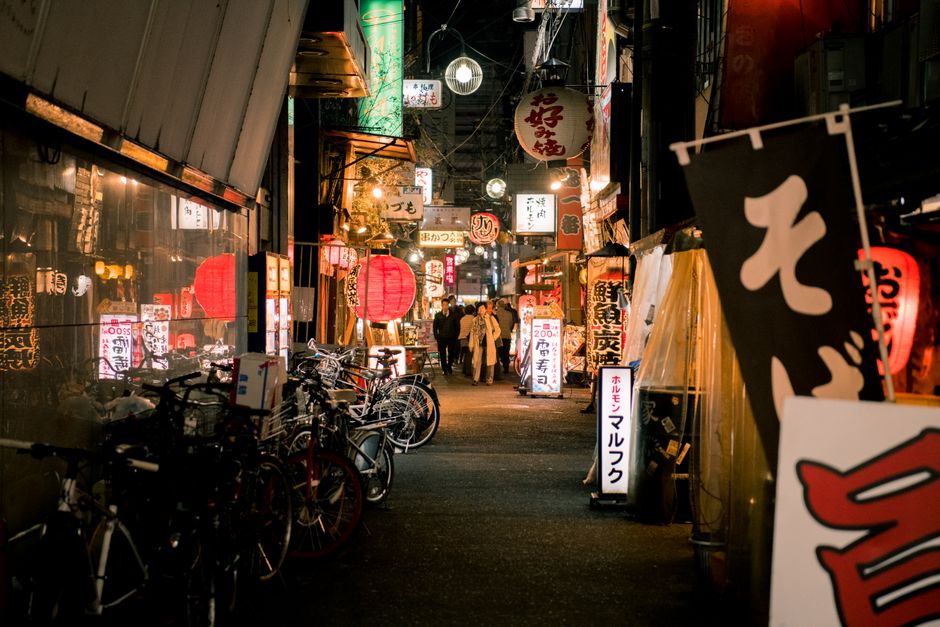
Tucked just steps from the bustling Namba station, Ura Namba is a maze of narrow alleys and tiny establishments, a beloved secret where locals unwind in unique, often quirky, eateries and bars.
Unlike the polished facades of its main Namba counterpart, Ura Namba (literally "back Namba") offers an authentic glimpse into Osaka's everyday nightlife. Here, you'll find everything from standing-only izakayas serving delicious skewers to intimate bars specializing in craft sake or obscure whiskies. Each doorway often hides a world of its own, inviting adventurous diners to explore its hidden culinary gems and experience Osaka's relaxed, convivial atmosphere.
Frequently asked questions
Is 1 day enough to see Osaka?
While Osaka is a vast city with much to explore, a single day allows you to experience its essential highlights. This itinerary focuses on combining major landmarks with unique cultural spots, giving you a taste of its vibrant food scene and rich history. Prioritize what interests you most to make the most of your time.
What is the best way to get around Osaka in one day?
Osaka has an excellent and efficient public transportation system, primarily using subways and JR trains. A prepaid IC card (like Icoca, Suica, or Pasmo) is highly recommended for seamless travel. For this itinerary, most locations are walkable from major stations or a short train ride away.
What food should I try in Osaka?
Osaka is renowned as Japan's "Kitchen." Must-try dishes include takoyaki (octopus balls), okonomiyaki (savory pancake), kushikatsu (deep-fried skewers), and doteyaki (beef sinew stew). Don't miss exploring the street food stalls in Dotonbori and Kuromon Ichiba Market for a true culinary adventure.
How can AllTours.ai enhance my Osaka visit?
The AllTours.ai app transforms your phone into a personal AI audio tour guide. Simply point your camera at any landmark, landscape, or even a local dish, and the app will narrate its history, geology, or cultural significance in your preferred language, revealing fascinating stories you might otherwise miss.
Related guides
Photography via Pexels. AllTours.ai is an AI audio tour guide — point your camera at any landscape and hear its story.