July 24, 2026 · 4 min read
Japan's currency, the yen, often surprises first-time visitors with its high denominations. A 1,000 yen bill, for instance, is roughly equivalent to just seven US dollars. This can feel counter-intuitive, especially when comparing it to currencies like the US dollar or the Euro. But this unique characteristic of the Japanese currency is rooted in its rich economic history, particularly the post-World War II era of rapid growth and deflationary pressures.
Understanding the yen's denominations offers more than just economic insight; it's a gateway to appreciating Japan's diverse, often understated, wonders. Beyond the bustling streets of Tokyo or the serene temples of Kyoto, Japan holds countless places where history, geology, and culture converge in surprising ways. These are the spots where a 10,000 yen bill might buy you a lifetime memory, a unique experience far from the well-trodden paths.
1. The Village Inside a Volcano
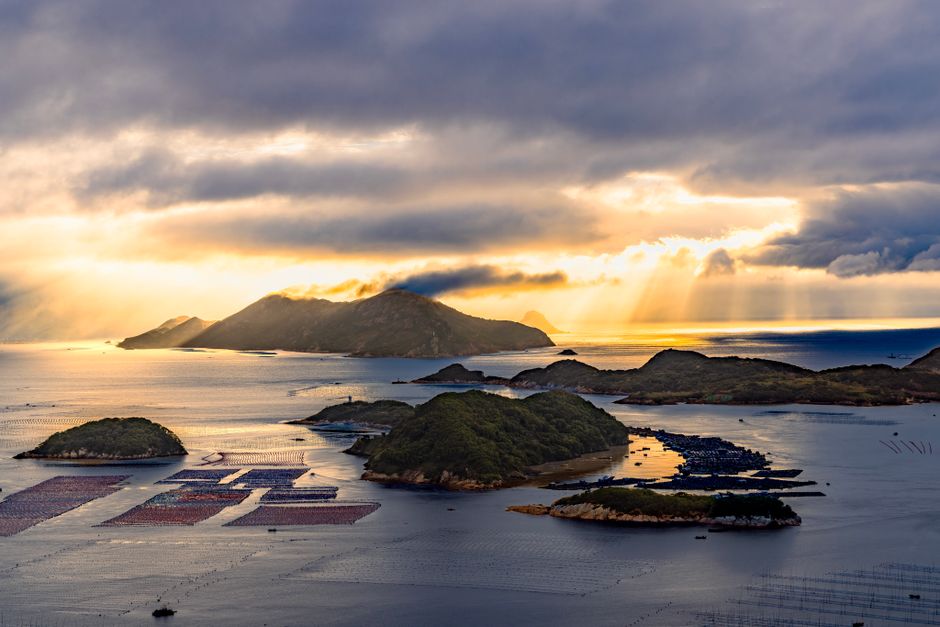
Aogashima Island, Japan
This remote island is a nested volcano, where an entire village thrives within the caldera of a larger, active volcano.
Aogashima, part of the Izu archipelago but administered by Tokyo, is perhaps Japan's most isolated inhabited island. It's a geological marvel: a volcanic island that is itself a caldera, with a smaller, active volcano rising from its center. The tiny community lives literally inside this inner caldera, making for a truly unique existence surrounded by nature's raw power. Access is challenging, typically by helicopter or a small, infrequent ferry, adding to its mystique.
2. Japan's Gateway to the Afterlife
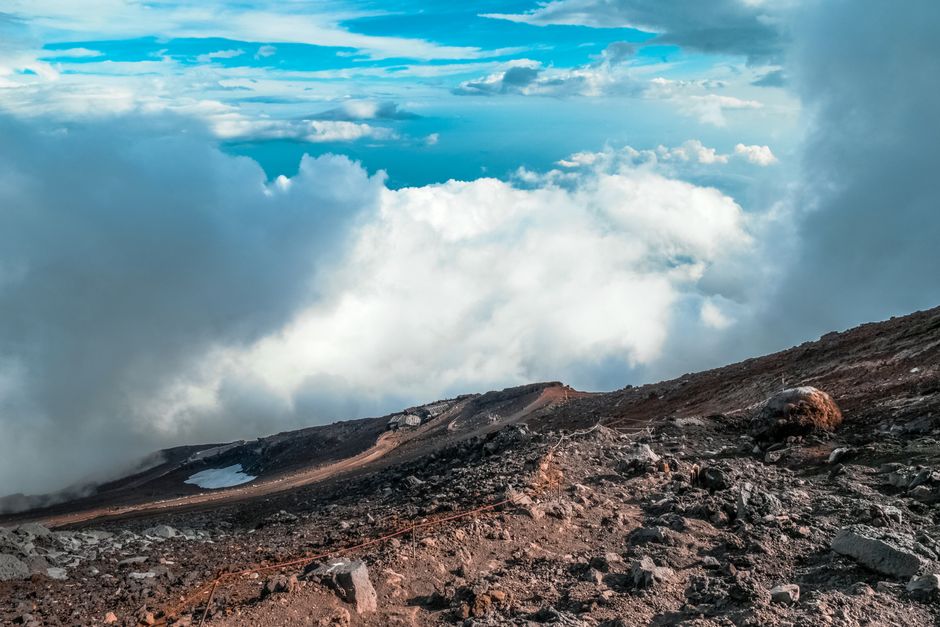
Mount Osore, Aomori, Japan
Known as 'Fear Mountain,' this volcanic wasteland is believed to be one of Japan's gateways to the underworld, where mediums communicate with the deceased.
Mount Osore, or Osorezan, is a desolate landscape of steaming sulfuric pits, bubbling mud, and jagged rocks, evoking an otherworldly atmosphere. The air carries the strong scent of sulfur, and the ground is barren, contrasting sharply with the emerald green of Lake Usori nearby. For centuries, it has been a sacred site where blind mediums, known as 'itako,' gather to channel the spirits of the dead for grieving families, especially during summer festivals.
3. The Floating Castle in the Sky
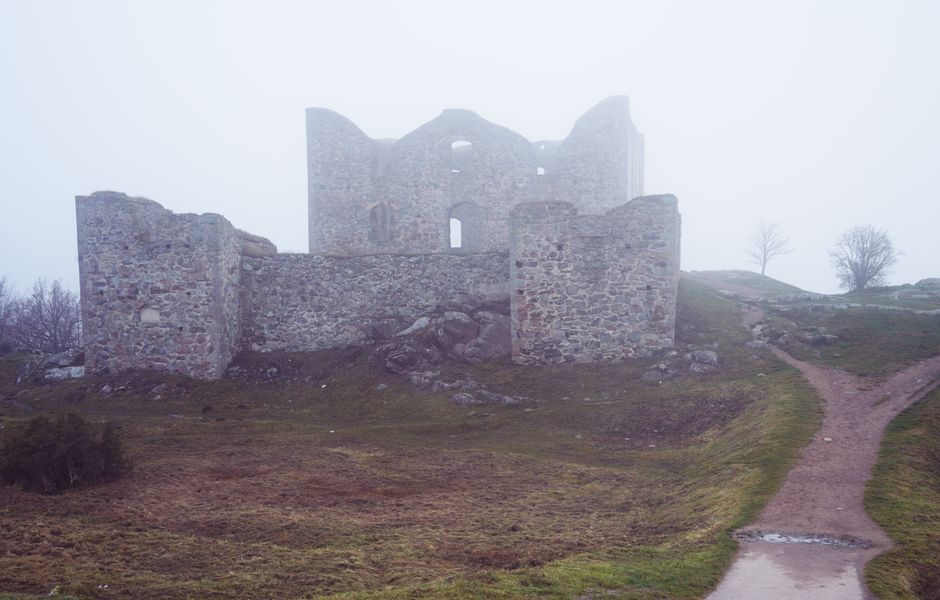
Takeda Castle Ruins, Hyogo, Japan
Often called 'Japan's Machu Picchu,' these castle ruins appear to float above a sea of clouds on misty mornings.
Perched atop a 353-meter mountain, the Takeda Castle Ruins are a breathtaking sight, especially between late autumn and early winter. The castle, built in the 15th century, now stands as a skeletal outline of its former glory. When atmospheric conditions are just right, a thick fog envelops the valley below, making the ruins emerge like an island in a cloud ocean. The strategic location offered unparalleled views, making it a formidable stronghold.
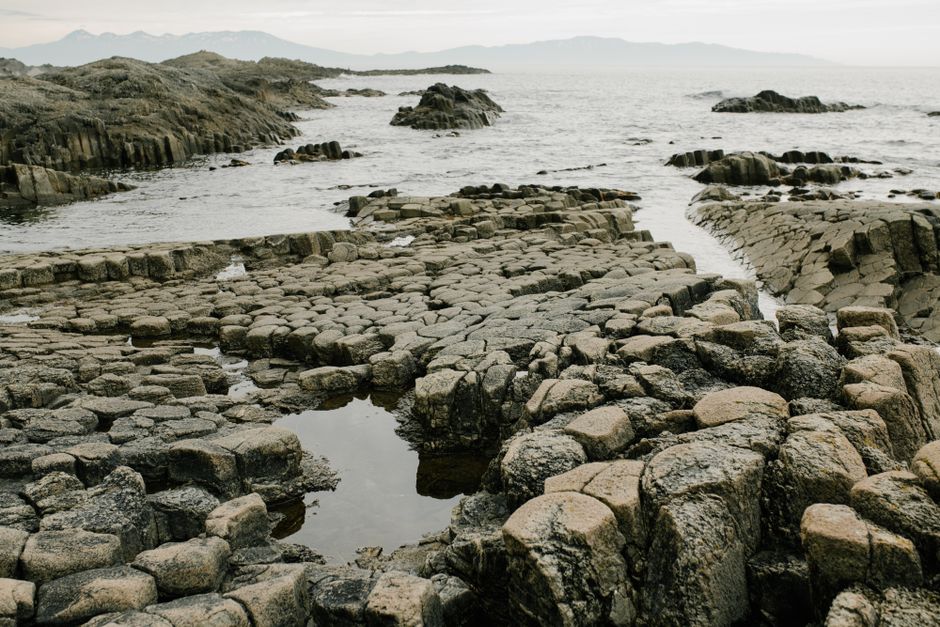
4. Ancient Supervolcano Islands
Oki Islands UNESCO Global Geopark, Shimane, Japan
These islands are the eroded remnants of a massive supervolcano that erupted millions of years ago, offering unique geological formations and endemic species.
The Oki Islands, far off the coast of Shimane Prefecture, are a natural museum of Earth's history. Formed from a giant caldera, the islands showcase dramatic sea cliffs, pillar-like rock formations, and caves carved by millennia of waves. Their isolation has led to the evolution of distinct flora and fauna, including unique species of salamanders and plants. The islands also hold a rich cultural heritage, including ancient Shinto rituals and legends.
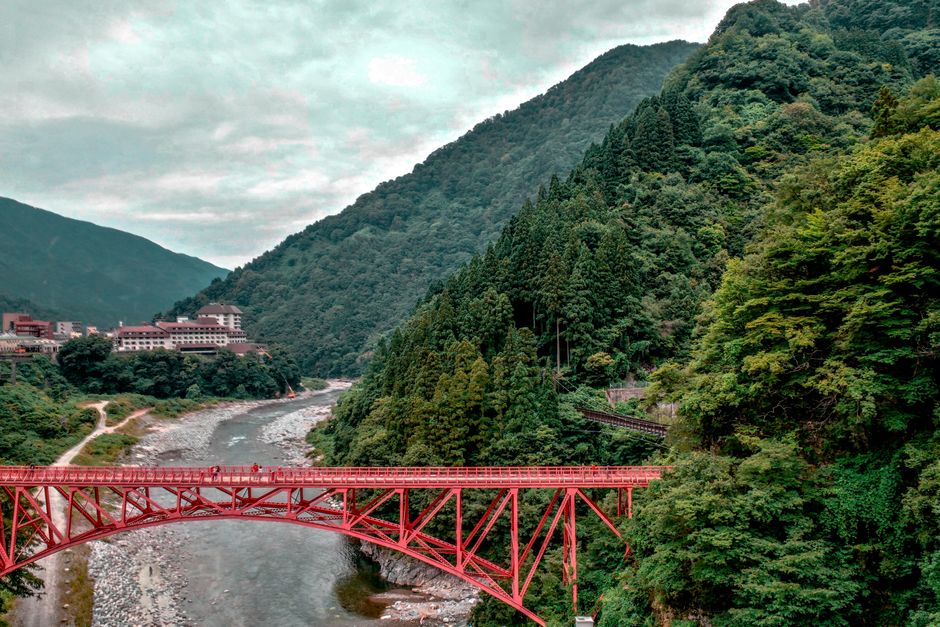
5. Hand-Woven Vine Bridges
Iya Valley, Tokushima, Japan
Deep in a remote valley, ancient, hand-woven bridges made of mountain vines once provided the only crossing over treacherous gorges.
The Iya Valley, one of Japan's three 'hidden' valleys, is characterized by its steep, forested mountains and deep river gorges. To navigate this challenging terrain, locals historically constructed 'kazurabashi' – suspension bridges made from woven mountain vines. While most have been replaced by steel cables for safety, three original-style bridges remain, notably the Iya-no-Kazurabashi. Crossing them is an exhilarating experience, offering a glimpse into ancient ingenuity and resilience.
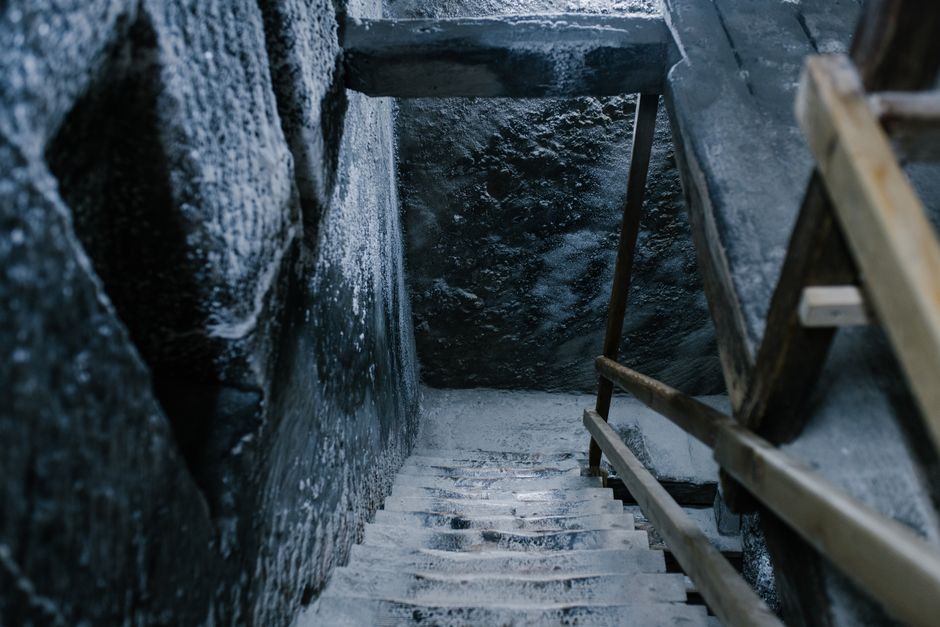
6. Underground Stone Cathedral
Ōya Stone Mine Museum, Tochigi, Japan
What was once an active volcanic ash mine is now a vast, cathedral-like underground space used for concerts, exhibitions, and even movie sets.
The Ōya Stone Mine, active for nearly a century until 1986, extracted a distinctive tuff rock formed from volcanic ash. Today, the massive underground quarry, spanning 20,000 square meters and reaching 30 meters deep, is open to the public as a museum. Its vast, cavernous spaces, with their dramatic lighting and cool, constant temperature, create an awe-inspiring atmosphere. It's a surprising testament to industrial history transformed into a unique cultural venue.
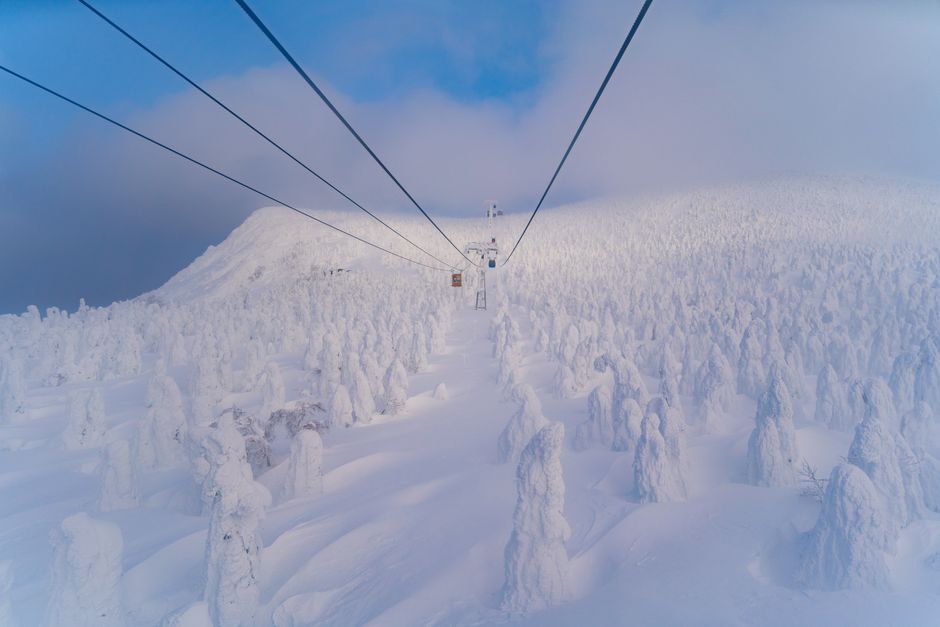
7. The Snow Monsters of Zao
Zao Onsen, Yamagata, Japan
In winter, the trees on Mount Zao are transformed into surreal, monstrous figures by heavy snowfall and freezing winds.
High on the slopes of Mount Zao, a unique natural phenomenon occurs each winter. Siberian winds sweep moisture across the Sea of Japan, which then freezes onto the Aomori fir trees, accumulating layers of snow and ice. These 'juhyo,' or 'snow monsters,' grow into bizarre, sculptural shapes, creating an ethereal forest landscape that seems pulled from a fantasy world. Visitors can ski, snowboard, or take a ropeway to witness these ephemeral giants.
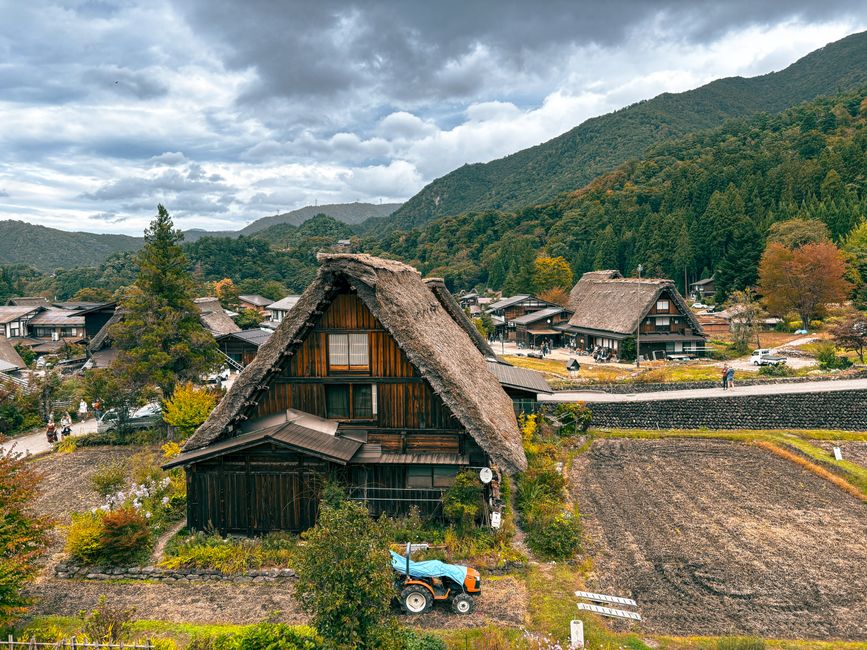
8. Timeless Thatched-Roof Homes
Hida Folk Village, Gifu, Japan
This open-air museum preserves traditional gassho-zukuri farmhouses, some over 200 years old, painstakingly moved from their original mountain locations.
Hida Folk Village, or Hida no Sato, offers a glimpse into rural Japan's architectural heritage. Over 30 traditional houses, including the distinctive 'gassho-zukuri' (praying hands style) thatched-roof farmhouses, have been relocated and restored here. These sturdy, multi-story homes were designed to withstand heavy snowfalls and accommodate silkworm cultivation in their vast attics. Exploring the village allows visitors to step back in time and understand the ingenious craftsmanship and communal life of mountain communities.
Frequently asked questions
Why does the Japanese currency, yen, have such high denominations?
The high denominations of the Japanese yen are largely a result of its post-World War II economic history. During periods of rapid economic growth and inflation, the value of the currency effectively decreased, leading to larger numbers being used for everyday transactions. While other countries might redenominate their currency (e.g., dropping zeros), Japan has historically maintained its numbering system.
What is the best way to carry money in Japan?
While Japan is increasingly adopting cashless payment options, cash remains king, especially in smaller towns, traditional establishments, and for many local services. It's advisable to carry a mix of cash (including smaller denominations for vending machines and small shops) and a credit/debit card for larger purchases or emergencies. Many ATMs, particularly at post offices and convenience stores like 7-Eleven, accept international cards.
Is Japan a completely cashless society?
No, Japan is not a completely cashless society, though digital payments are growing rapidly. Major cities and large retailers widely accept credit cards, IC cards (like Suica or Pasmo), and various QR code payment apps. However, many smaller shops, local restaurants, rural attractions, and traditional inns still operate primarily on cash. It's always wise to have some yen on hand.
How does AllTours.ai enhance my travel experience in Japan?
AllTours.ai transforms your phone camera into an AI-powered audio tour guide. Simply point it at any landmark or landscape in Japan, and the app will narrate its history, geology, and cultural significance in your preferred language, offering a deeper, personalized exploration of even the most obscure spots like the ones mentioned above.
Related guides
Photography via Pexels. AllTours.ai is an AI audio tour guide — point your camera at any landscape and hear its story.