July 24, 2026 · 4 min read
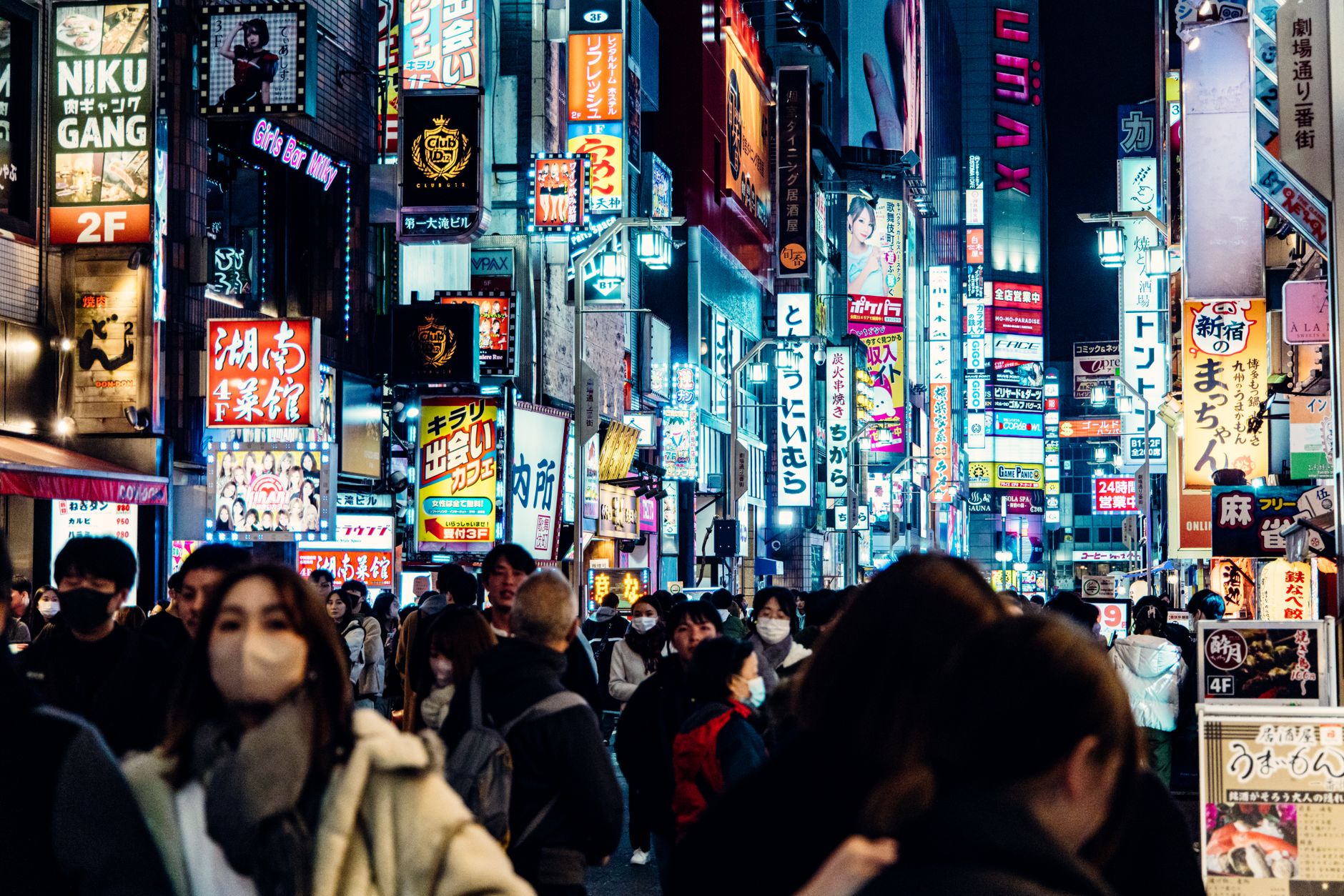
The financial headlines of April and May brought news that intrigued many travelers: the Japanese yen weakening beyond the 160-per-dollar mark. While economists debated the implications, for those dreaming of Japan, it signaled an opportune moment. A weaker yen means more purchasing power for your foreign currency, making that long-awaited trip more accessible and, perhaps, longer.
But where to go, especially if you've already seen the major cities? Japan is a tapestry woven with countless untold stories, hidden landscapes, and surprising histories far beyond the well-trodden paths of Tokyo, Kyoto, and Osaka. This is your guide to truly unique destinations where every corner holds a vivid tale, made all the more appealing by the current exchange rate.
1. The Subterranean Cathedral of Stone
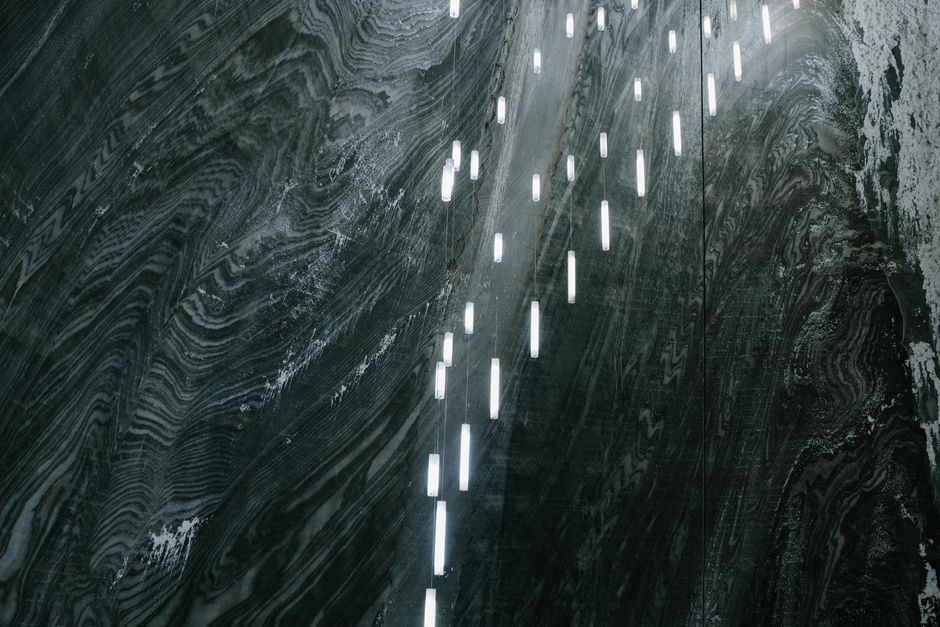
Oya Stone Mine, Utsunomiya
A massive underground quarry that supplied stone for Tokyo's Imperial Hotel, now a cathedral-like art space.
Beneath Utsunomiya lies a subterranean world carved from Oya stone, a unique volcanic rock. This vast network of tunnels, reaching depths of 30 meters, was active for decades, providing the distinctive material for iconic buildings like Frank Lloyd Wright's Imperial Hotel. Today, the cool, echoing chambers host art installations, concerts, and and even weddings, a testament to industrial heritage reimagined.
2. Rabbit Island's Secret Past
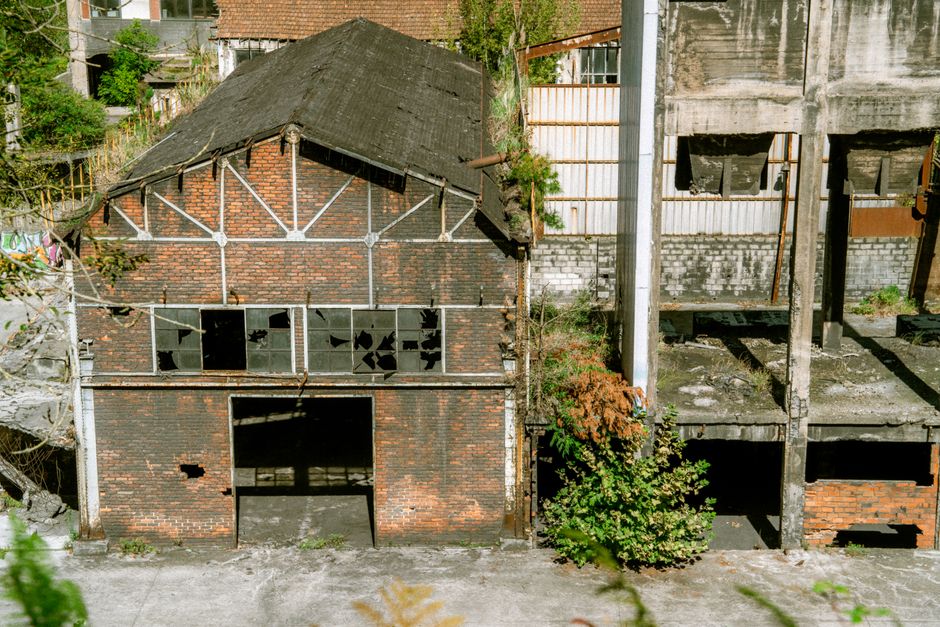
Okunoshima, Hiroshima
This idyllic island, now famed for its friendly wild rabbits, once secretly produced chemical weapons.
Just off the coast of Hiroshima, Okunoshima appears as a cute haven of hundreds of wild rabbits. However, beneath its charming surface lies a dark history. From 1929 to 1945, the island was a top-secret site for the production of poison gas, with facilities wiped from maps and workers sworn to secrecy. Today, remnants of its past, like abandoned research labs, stand alongside the hopping inhabitants, a stark contrast.
3. Shikoku's Swaying Vine Bridges
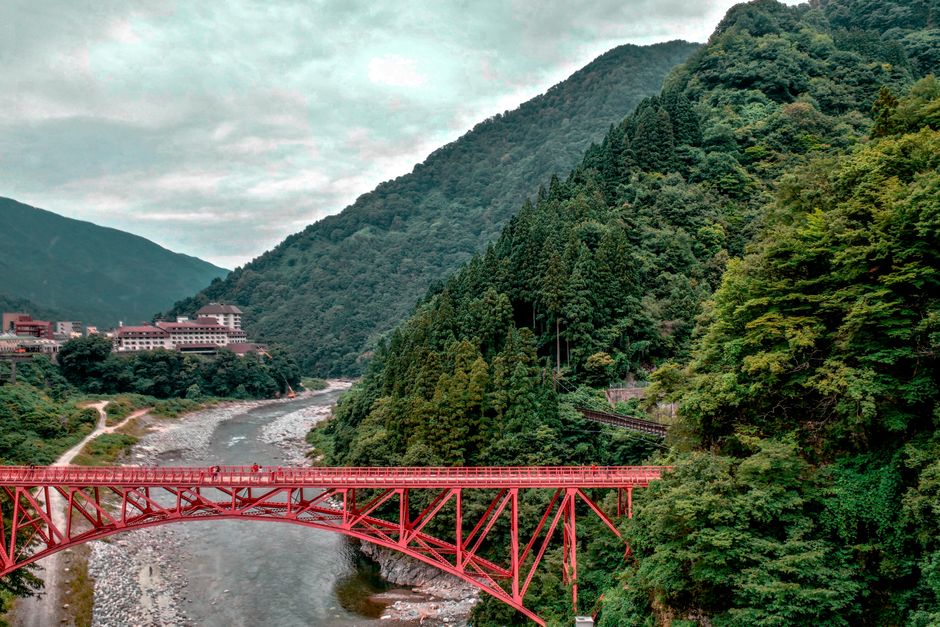
Iya Valley, Tokushima
Deep in Shikoku's mountains, ancient vine bridges sway over gorges, crafted by Heike clan refugees.
The remote Iya Valley, one of Japan's "hidden regions," feels like a journey back in time. Legend says these perilous bridges, woven from mountain vines, were built by the defeated Heike clan who sought refuge here after the Genpei War. Today, traversing the creaking Kazurabashi bridges high above the emerald river below offers a thrilling glimpse into a resourceful past, surrounded by dramatic, steep-sided valleys.
4. The Thousand Terraced Rice Paddies
Shiroyone Senmaida, Ishikawa
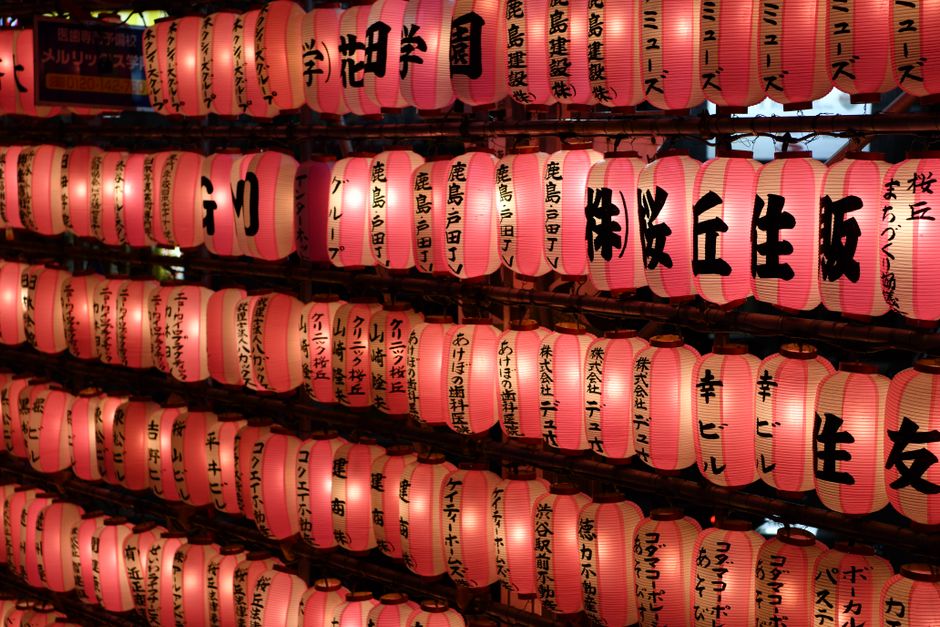
These thousand terraced rice paddies, shaped by hand for centuries, shimmer with solar lights along the Noto Peninsula.
Clinging to a steep hillside overlooking the Sea of Japan, Shiroyone Senmaida is a breathtaking mosaic of over a thousand tiny rice paddies. Each plot is so small it can only be worked by hand, a testament to generations of agricultural ingenuity. The paddies are illuminated by thousands of solar-powered LEDs at night, creating a magical glow, a tradition that continues to rebuild and thrive even after recent earthquakes.
5. Japan's Snow Monsters
Zao Onsen, Yamagata
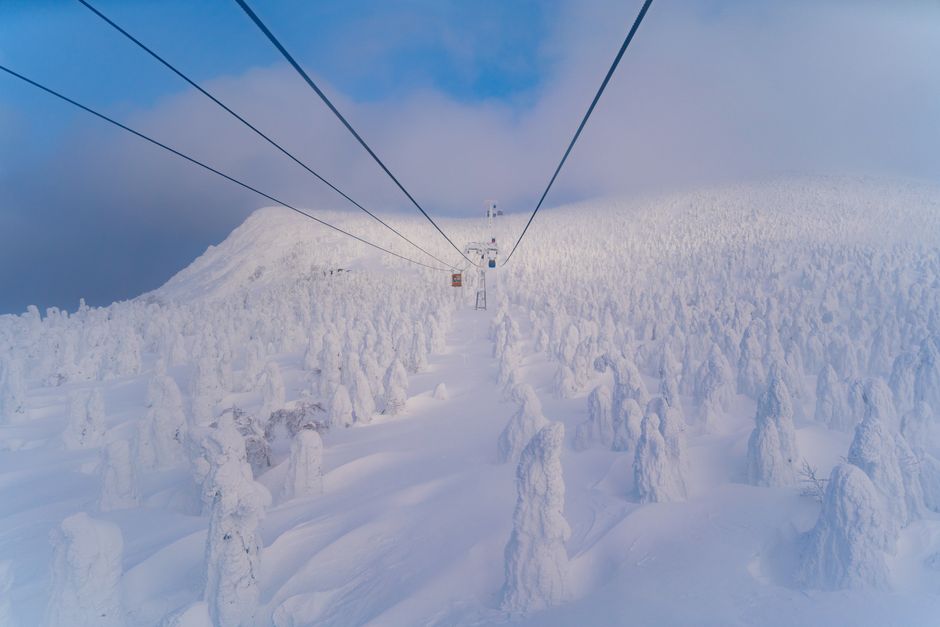
In winter, volcanic gases and heavy snow transform the trees around this ancient onsen town into surreal "snow monsters."
High in the mountains of Yamagata Prefecture, Zao Onsen is famous for its highly acidic hot springs and the bizarre "Juhyo" phenomena. During the coldest months, strong winds and heavy snowfall coat the Aomori fir trees, while volcanic gases from nearby Mount Zao freeze onto them, sculpting them into massive, otherworldly shapes known as "snow monsters." It's a striking natural art installation, constantly shifting.
6. Gorge of Gods and Lava
Takachiho Gorge, Miyazaki
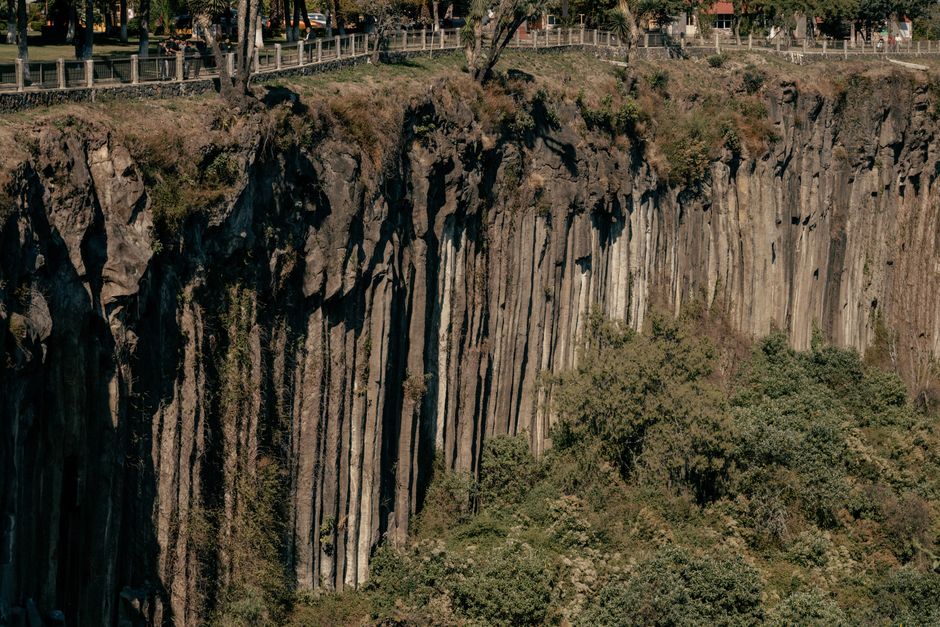
Sheer basalt cliffs carved by volcanic eruptions line a gorge considered the birthplace of Japan's imperial family.
In the heart of Miyazaki, Takachiho Gorge is a geological marvel of narrow, V-shaped cliffs formed by ancient volcanic lava flows from Mount Aso. The columnar jointing of the basalt rock creates dramatic patterns as the Gokase River meanders below. This sacred place is central to Japanese mythology, said to be where the sun goddess Amaterasu's grandson descended to establish the imperial line, adding a divine aura to its natural beauty.
7. The Shrine in the Sea Cave
Udo Jingū, Miyazaki
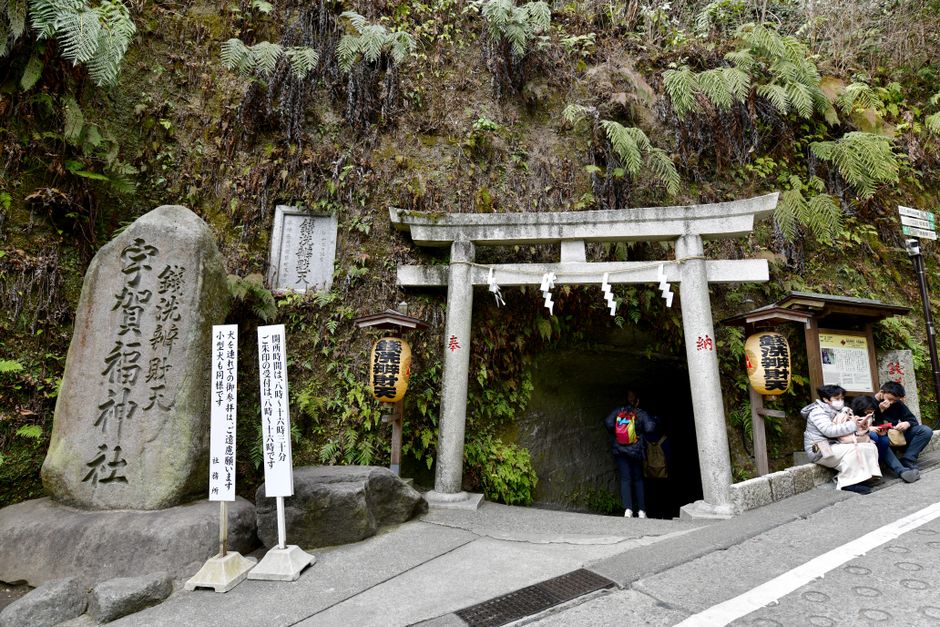
This vibrant red shrine is built directly into a sea cave, where a divine birth legend involves sacred drops from a rock.
Perched dramatically on a cliff overlooking the Pacific Ocean, Udo Jingū is unique for its main hall being nestled within a natural sea cave. The shrine is dedicated to the mythical Emperor Jimmu's father, whose birth legend states he was nurtured by drops of water from a sacred rock within the cave. Visitors toss "lucky balls" into a specific rock formation from the cliff edge, seeking wishes, making it a place of both stunning beauty and ancient ritual.
Frequently asked questions
Why did the Japanese yen weaken beyond 160 per dollar?
The Japanese yen's weakening in April and May was primarily due to the significant interest rate differential between Japan and other major economies, particularly the United States. While the Bank of Japan has maintained ultra-low interest rates, other central banks have raised theirs, making yen-denominated assets less attractive and driving down demand for the currency.
Is a weaker yen good for travelers visiting Japan?
Yes, generally, a weaker yen is highly beneficial for travelers visiting Japan. It means that your foreign currency will buy more yen, effectively making everything from accommodation and food to transportation and souvenirs more affordable during your trip. This can allow for a longer stay or more experiences within the same budget.
What are some tips for budget-conscious travel in Japan?
To make your yen go further, consider traveling during the shoulder seasons (spring or autumn outside peak holidays) and exploring regions outside major cities. Utilize local trains and buses instead of bullet trains for shorter distances, and embrace convenience store meals or local eateries over upscale restaurants. Look for guesthouses or business hotels for accommodation.
How does AllTours.ai enhance exploration of Japan's hidden gems?
AllTours.ai transforms your travel experience by providing instant, in-depth narratives for any landmark or landscape you encounter. Simply point your phone camera at a historic site, a unique geological formation, or a cultural exhibit, and the app will narrate its fascinating story, history, and context in your preferred language. It's like having a personal expert guide revealing the secrets of Japan's lesser-known wonders.
Related guides
Self-guided audio tours
Walk these places stop by stop — free five-stop story tours you can take at your own pace:
Photography via Pexels. AllTours.ai is an AI audio tour guide — point your camera at any landscape and hear its story.