
July 21, 2026 · 4 min read
Every traveler has a mental map of dream destinations, often filled with iconic landmarks and bustling cities. But what if the true magic lies just beyond the well-trodden path, in places where history whispers from forgotten walls and nature reveals its most surprising artistry?
We’re constantly asked, "Which country do you like to travel to the most?" For us, the answer isn't a single nation, but rather the thrill of uncovering the world's best-kept secrets. These aren't just places; they're living stories, geological marvels, and cultural curiosities that redefine what it means to explore.
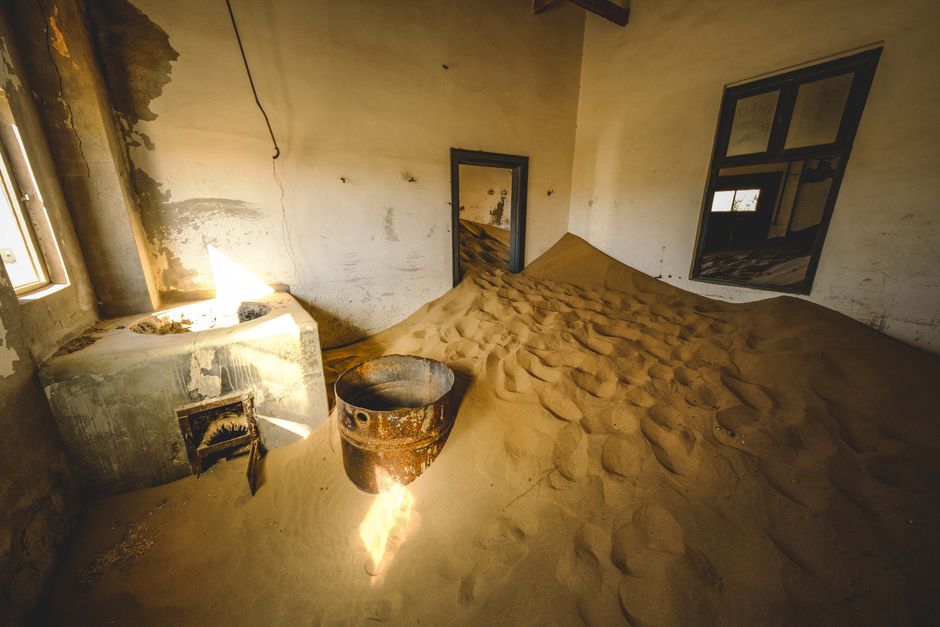
1. The Desert's Eerie Embrace
Kolmanskop, Namibia
This diamond-boom ghost town in the Namib Desert is slowly being swallowed by sand dunes.
In the early 20th century, Kolmanskop was a lavish German settlement, built on the promise of diamonds found in the desolate Namib. Miners and their families enjoyed opulent homes, a casino, and even an ice factory. But by the 1950s, the diamond fields were exhausted, and the town was abandoned. Today, the desert reclaims it, with houses eerily filled floor-to-ceiling with sand, a stark reminder of nature's relentless power over human ambition.
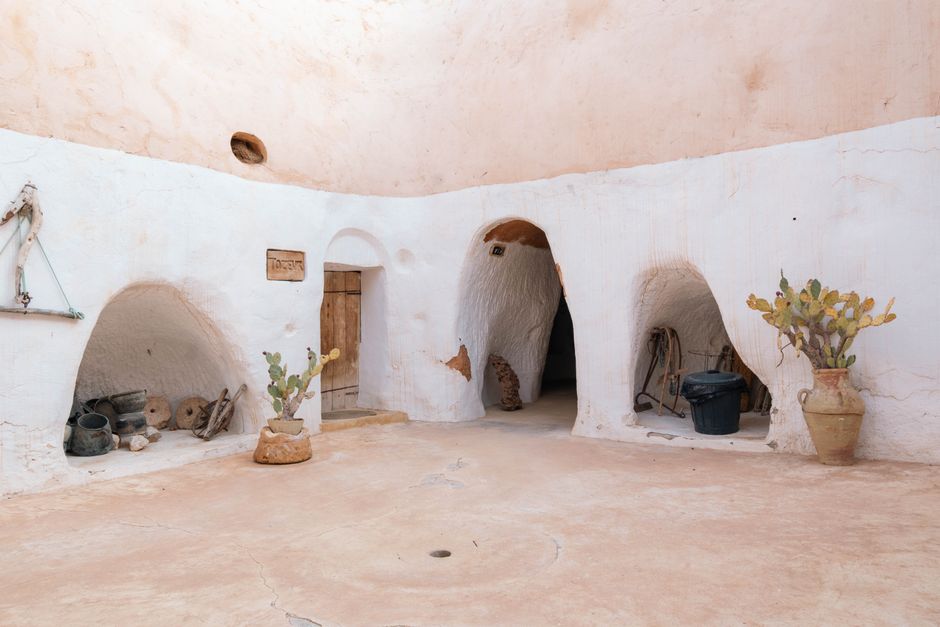
2. Living Beneath the Surface
Rochemenier Village Troglodytique, France
An entire historical village in the Loire Valley exists almost entirely underground, carved into soft rock.
In the heart of the Loire Valley, beneath the rolling vineyards, lies Rochemenier, a unique troglodytic village. For centuries, inhabitants have carved their homes, chapels, and barns directly into the soft tuffeau limestone. These subterranean dwellings offered natural insulation, staying cool in summer and warm in winter. Exploring its underground streets and rooms offers a fascinating glimpse into a resourceful way of life adapted to the local geology, far from any typical French village scene.
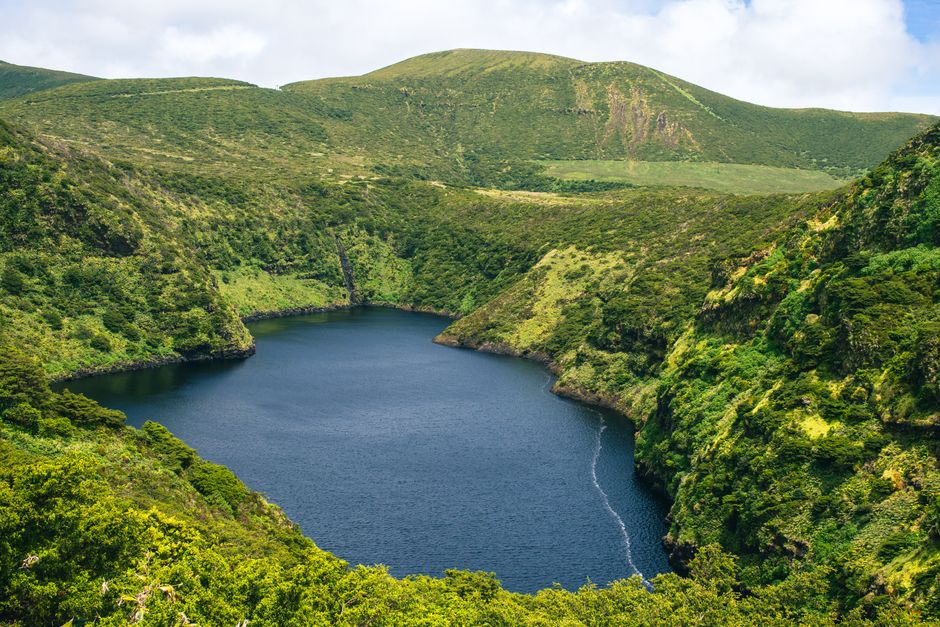
3. The Double Volcano Island
Aogashima Island, Japan
This remote Japanese island is a massive volcano with a smaller, active volcano nestled inside its main caldera.
Far south of Tokyo, Aogashima is a geological marvel: a tiny, isolated volcanic island that is itself a caldera, with a smaller, active volcano rising within its central bowl. The island's approximately 200 residents live in the sheltered valley between the two volcanic structures, experiencing a unique existence shaped by geothermal activity. Reaching Aogashima, often by a challenging ferry ride or helicopter, is an adventure to a truly extraordinary natural fortress, a world away from mainland Japan.
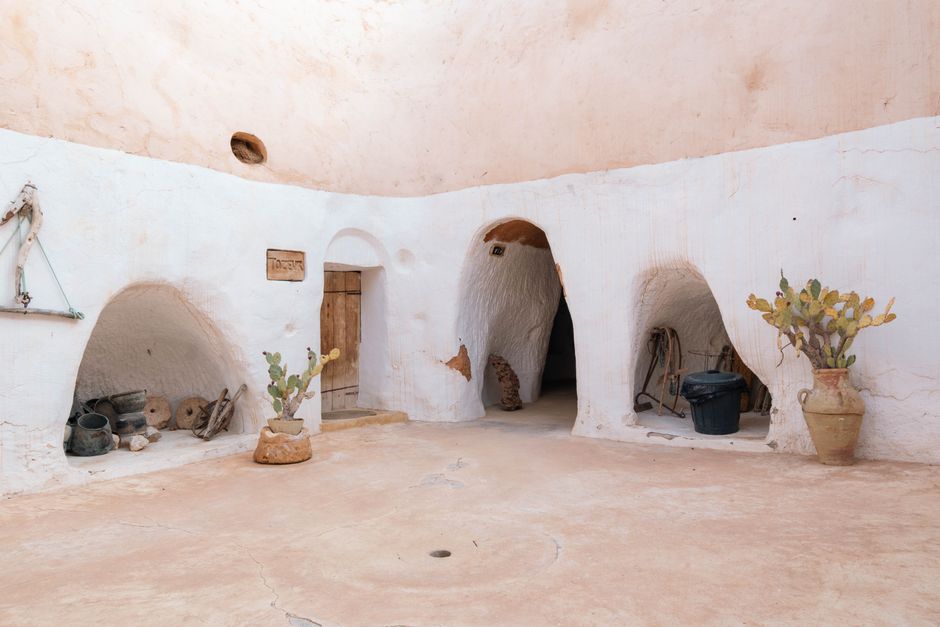
4. The Opal Underground
Coober Pedy, Australia
In this scorching Australian desert town, most residents live in subterranean homes to escape the extreme heat.
Coober Pedy, known as the opal capital of the world, faces temperatures that can soar above 50°C (122°F) on the surface. To escape the brutal heat, its resourceful residents have carved extensive "dugouts" – underground homes, churches, and even hotels – into the sandstone hills. This unique adaptation creates a fascinating subterranean world where comfort is found beneath the earth, a stark contrast to the barren landscape above. It's a testament to human ingenuity in extreme environments.
5. The River of Five Colors
Caño Cristales, Colombia
For a brief period each year, this remote river explodes into vibrant shades of red, yellow, green, and blue.
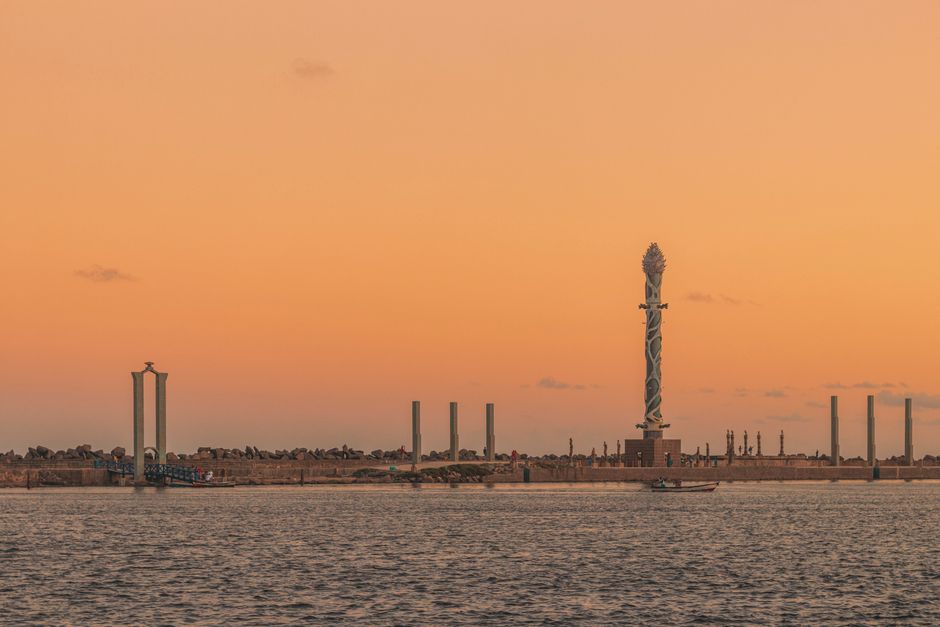
Deep within Colombia's Serranía de la Macarena National Natural Park flows Caño Cristales, often called the "River of Five Colors" or "Liquid Rainbow." This breathtaking phenomenon isn't due to minerals, but a unique endemic aquatic plant, Macarenia clavigera. During a specific window between the wet and dry seasons, when water levels and sunlight are just right, the plant blooms in brilliant hues, transforming the riverbed into an unbelievable, naturally painted canvas.
6. The Dying City on a Cliff
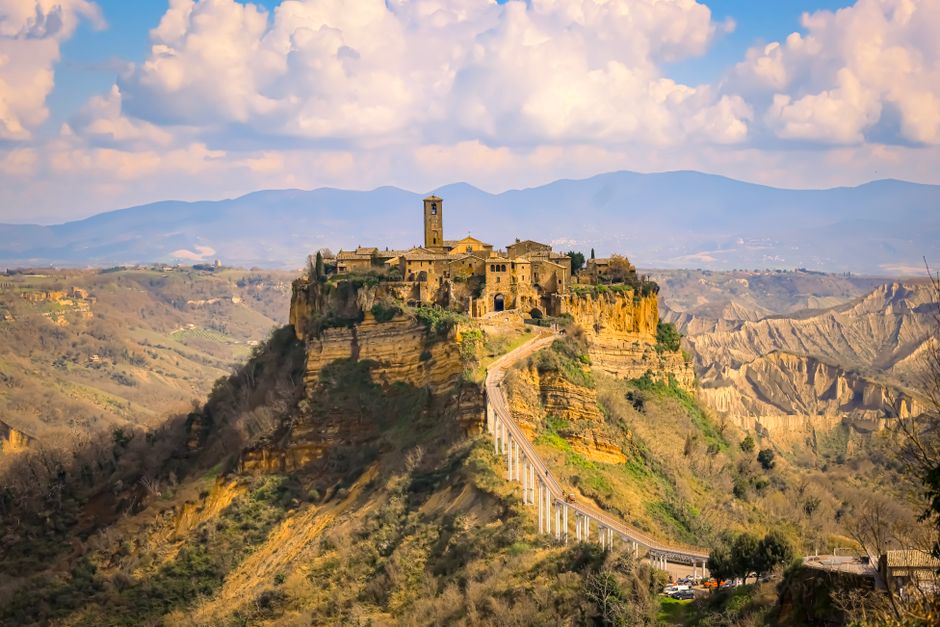
Civita di Bagnoregio, Italy
Perched precariously on an eroding volcanic plateau, this ancient Italian village is slowly crumbling into the valley below.
Civita di Bagnoregio, often called "the dying city," is a stunning medieval village in central Italy, accessible only by a long pedestrian bridge. Built atop a soft volcanic tuff plateau, it constantly battles erosion from wind, rain, and seismic activity. The surrounding cliffs are slowly giving way, making its survival a poignant race against time. This dramatic isolation has preserved its ancient charm, offering a hauntingly beautiful glimpse into a past that feels both timeless and fleeting.
7. The Evacuated Island Kingdom
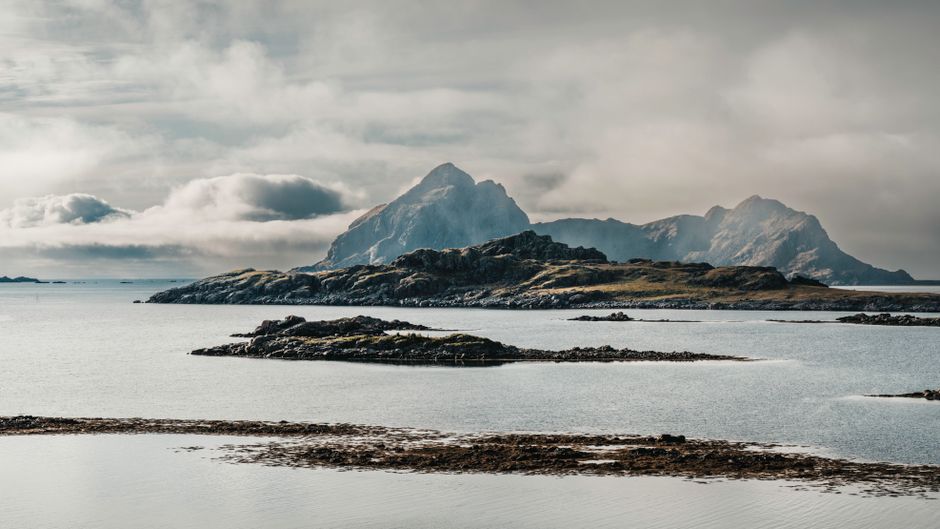
St. Kilda Archipelago, Scotland
This remote, windswept archipelago was home to a unique, self-sufficient community for millennia before its dramatic evacuation in 1930.
Far out in the Atlantic, the St. Kilda archipelago represents the edge of the known world, once home to Britain's most isolated community. For at least 2,000 years, islanders developed a unique culture, relying on seabirds and traditional farming in a harsh environment. In 1930, the last 36 residents were voluntarily evacuated, unable to sustain their way of life. Today, it's a UNESCO World Heritage site, a stark monument to human resilience and the forces that eventually overcame it, teeming with millions of seabirds.
8. The Silver Mountain's Legacy
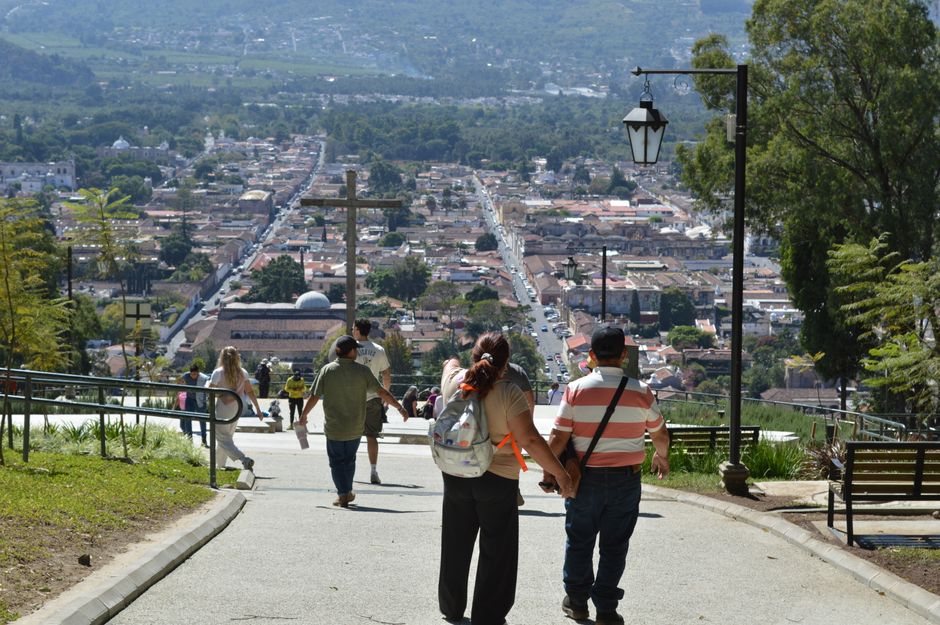
Potosí, Bolivia
This city was once one of the wealthiest in the world, built directly beneath a mountain of silver that fueled the Spanish Empire.
Potosí stands at the foot of Cerro Rico ("Rich Mountain"), a legendary peak that was the largest source of silver in the New World. For centuries, Potosí was a bustling metropolis, its wealth funding much of the Spanish Empire and global trade. However, this prosperity came at an immense human cost, primarily through forced indigenous labor in the dangerous mines. Today, the UNESCO-listed city retains its colonial grandeur, a testament to both its incredible past riches and its tragic, enduring legacy.
Frequently asked questions
What are some common mistakes travelers make when visiting lesser-known places?
A common mistake is not researching local customs or basic phrases, which can hinder interactions. Another is over-planning every detail, leaving no room for spontaneous discovery. Lastly, underestimating logistical challenges like transportation or communication in remote areas can lead to frustration.
How can I find genuinely underrated travel destinations?
Look beyond mainstream travel blogs and guidebooks. Seek out niche travel communities, academic papers on specific regions, or local tourism boards for less-traveled areas. Reading historical accounts or geological surveys can also reveal fascinating, overlooked spots with rich stories.
Is it safe to travel to very remote or less-known places?
Safety depends entirely on the specific location and current geopolitical climate, just like any destination. Research local conditions thoroughly, check government travel advisories, and consider local guides. Many remote places are incredibly welcoming and safe, but preparation and awareness are key.
How does AllTours.ai help me explore places like these?
AllTours.ai enhances your exploration by providing instant audio narratives. You simply point your phone camera at a landmark, landscape, or even a unique plant, and the app identifies it, then narrates its history, geology, and cultural significance in your preferred language. It's like having an expert local guide in your pocket, revealing the hidden stories of the world around you.
Related guides
Self-guided audio tours
Walk these places stop by stop — free five-stop story tours you can take at your own pace:
Photography via Pexels. AllTours.ai is an AI audio tour guide — point your camera at any landscape and hear its story.