September 20, 2026 · 4 min read
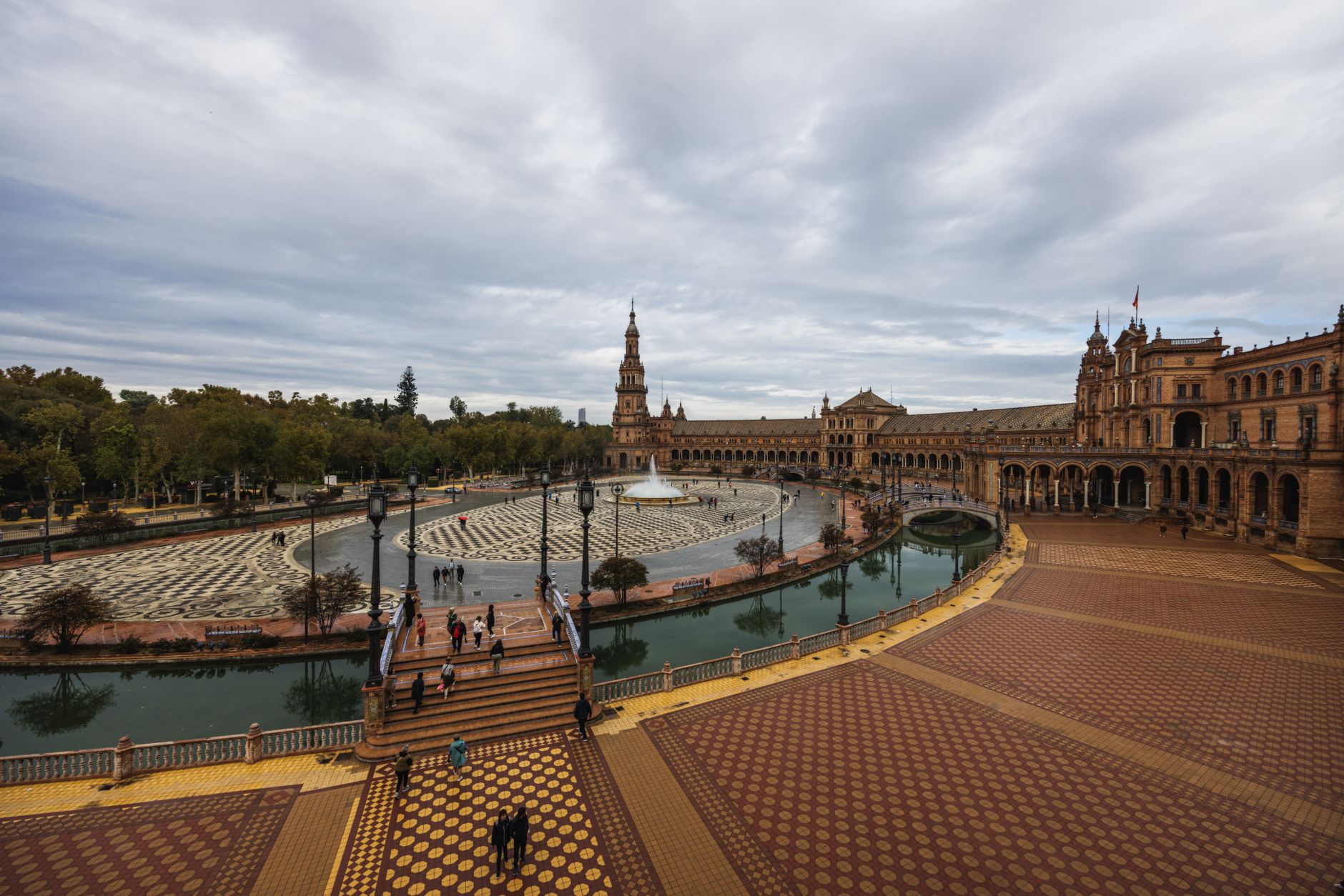
Seville, the heart of Andalusia, pulses with a vibrant energy that captivates every visitor. Its sun-drenched streets, fragrant orange blossoms, and flamenco rhythms beckon, but with just 24 hours, how do you capture its true essence without feeling rushed?
This meticulously crafted 1-day itinerary highlights the essential experiences and lesser-known tales that weave together Seville's rich tapestry, ensuring you soak in its Andalusian charm efficiently and memorably.
1. Beneath the Market Stalls
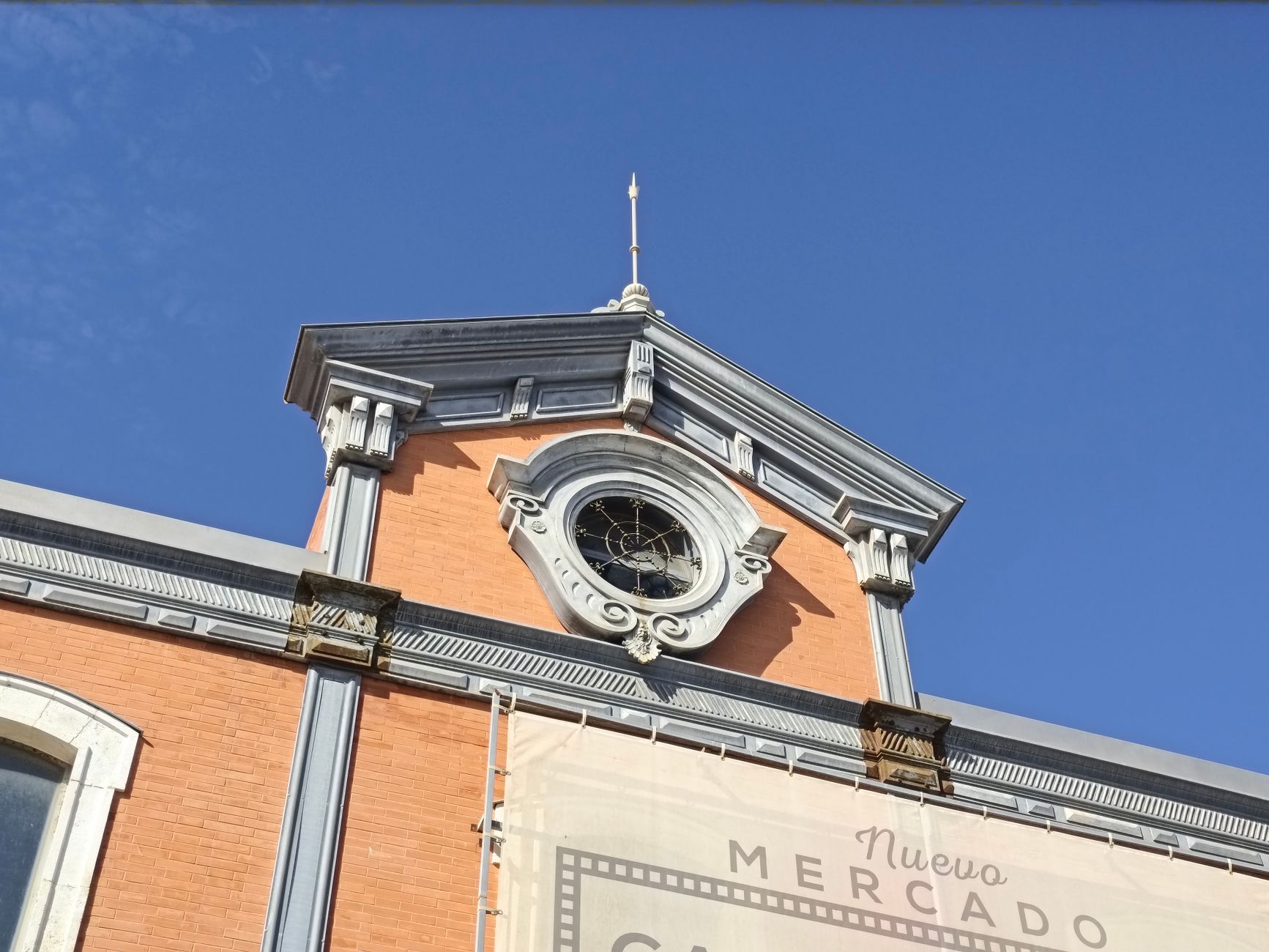
Mercado de Triana, Seville, Spain
Beneath the bustling stalls of Triana Market lie the foundations of the infamous Castillo de San Jorge, headquarters of the Spanish Inquisition.
The vibrant Mercado de Triana, a sensory delight of fresh produce, seafood, and local crafts, conceals a dark secret. Below its lively atmosphere, archaeological remains reveal the grim history of the Castillo de San Jorge. This castle served as the seat of the Spanish Inquisition in Seville for centuries, a place of trials and torture. Today, visitors can explore the excavated ruins and a small museum, offering a stark contrast between past terror and present-day commerce.
2. The World's Archives
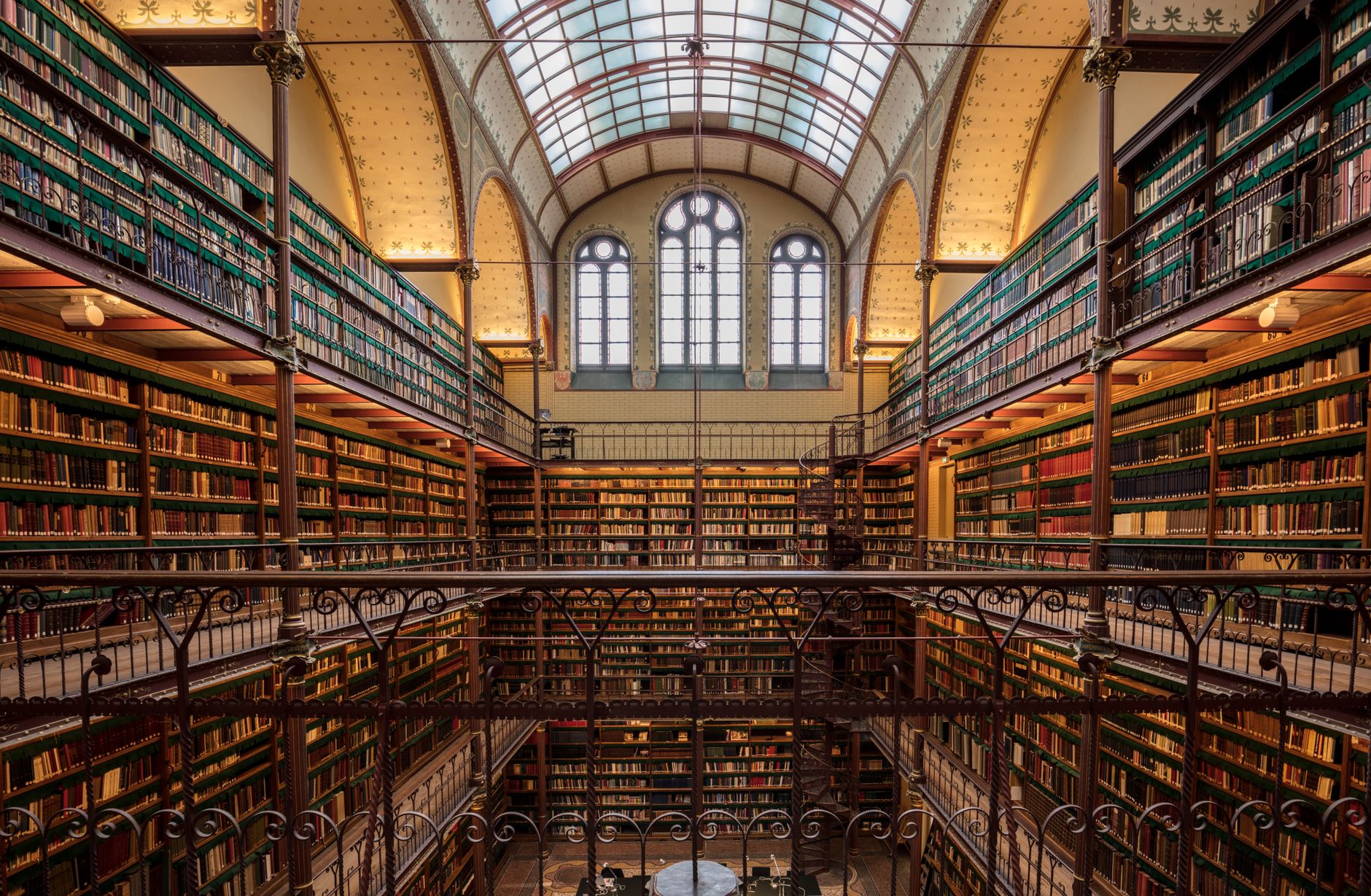
Archivo General de Indias, Seville, Spain
This unassuming building, once a merchants' exchange, holds the original logbook from Christopher Columbus's first voyage to the Americas.
Adjacent to the grand Cathedral, the Archivo General de Indias is a UNESCO World Heritage site dedicated to documenting the history of the Spanish Empire in the Americas and the Philippines. Housing some of the most invaluable documents relating to the 'discovery' of the New World, it includes personal letters from conquistadors, maps, and even Columbus's own meticulous records. The building itself is a magnificent example of Spanish Renaissance architecture, originally designed to prevent merchants from conducting business inside the cathedral.
3. Seville's Ancient Promenade
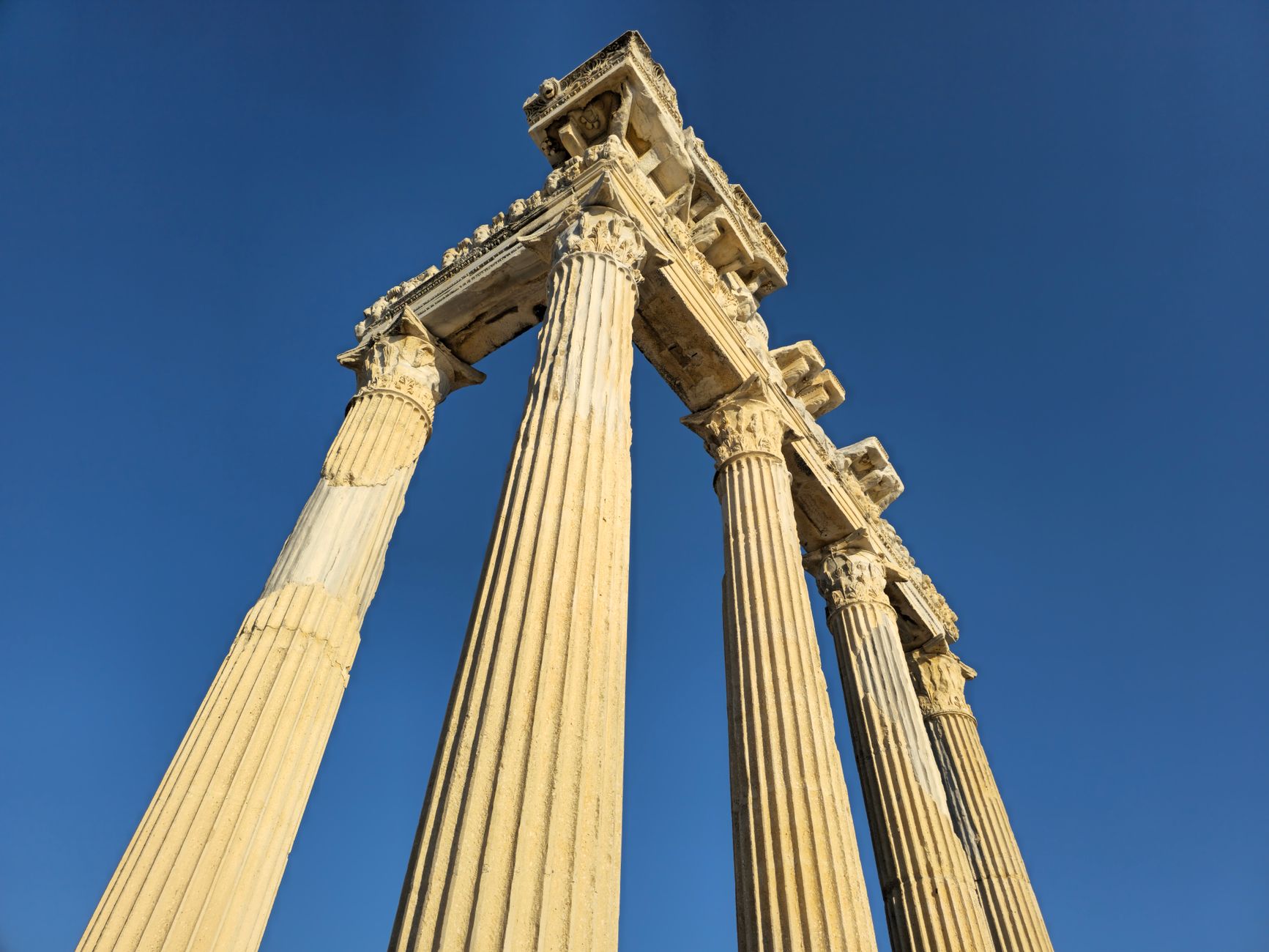
Alameda de Hércules, Seville, Spain
Seville's oldest public garden is marked by two towering Roman columns, salvaged from a nearby temple and topped with statues of Hercules and Julius Caesar.
The Alameda de Hércules is a sprawling tree-lined promenade, predating many European public parks. Conceived in the 16th century, it was drained marshland transformed into a recreational space. The two monumental Roman columns at its southern end were brought from the ancient temple of Hercules in Itálica, lending the park a unique historical gravitas. Today, it’s a lively hub of cafes, bars, and street performers, offering a glimpse into local life beyond the main tourist routes.
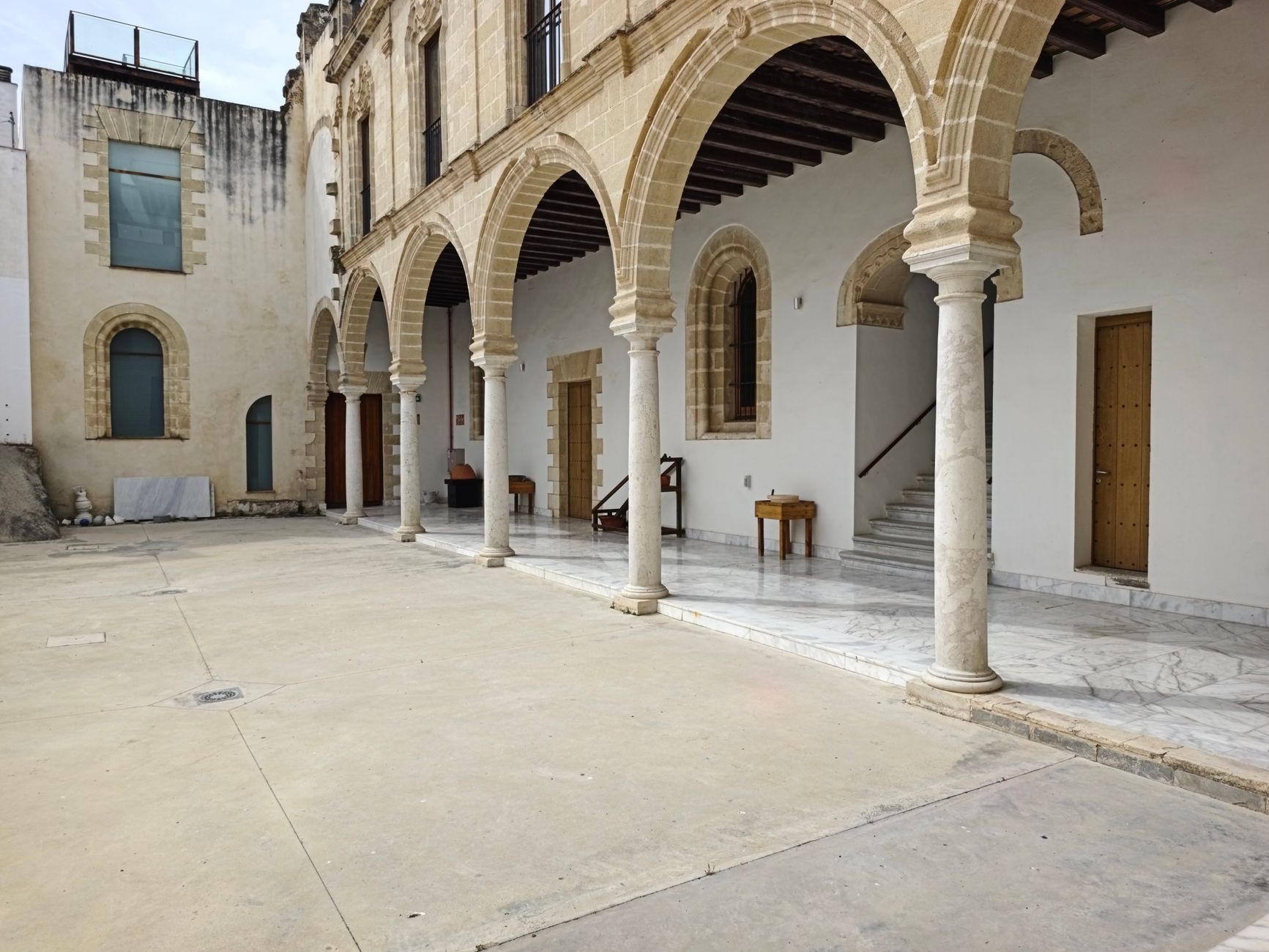
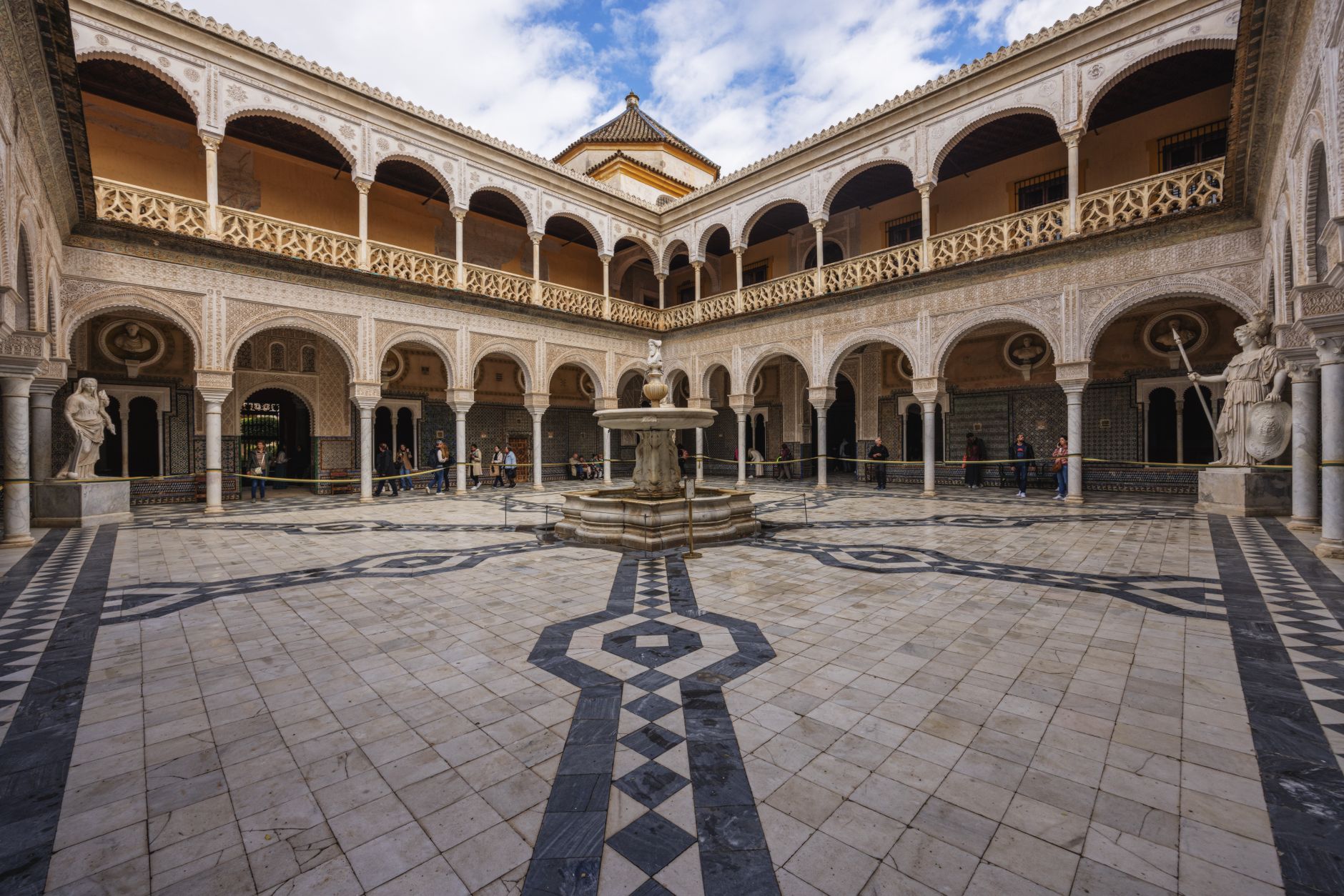
4. The Governor's Palace Replica
Casa de Pilatos, Seville, Spain
This grand Andalusian palace earned its name from the belief that it's a replica of Pontius Pilate's house in Jerusalem, inspiring Seville's Via Crucis.
The Casa de Pilatos is a stunning example of Andalusian palace architecture, blending Mudejar, Gothic, and Renaissance styles. Commissioned in the late 15th century, its design was said to be inspired by a pilgrimage to Jerusalem, with its courtyard replicating Pontius Pilate's praetorium. Visitors can wander through its intricate courtyards, lavish halls adorned with Roman sculptures and azulejos, and serene gardens. It offers a more intimate and less crowded palace experience than the Alcázar, showcasing exquisite craftsmanship and a captivating history.
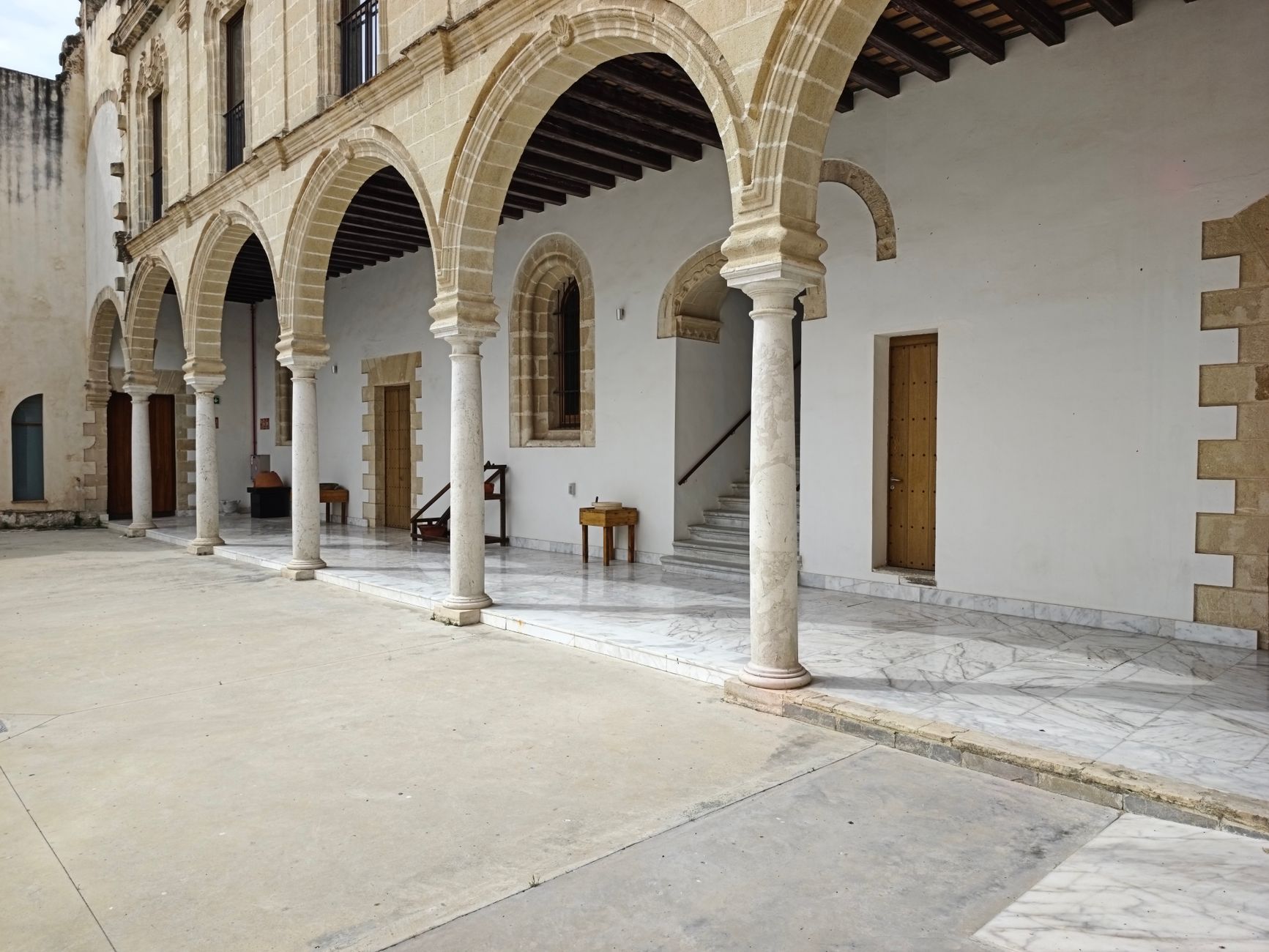
5. Baroque Sanctuary of Priests
Hospital de los Venerables, Seville, Spain
Hidden in the heart of Barrio Santa Cruz, this exquisite Baroque building once served as a retirement home for elderly priests, now a cultural center.
Tucked away in the labyrinthine alleys of Santa Cruz, the Hospital de los Venerables is a jewel of Sevillian Baroque architecture. Built in the late 17th century, its original purpose was to provide a dignified residence for elderly and infirm priests. Today, it functions as a cultural center and museum, showcasing a magnificent collection of art, including works by Velázquez and Murillo. Its tranquil central patio, adorned with a fountain and orange trees, offers a peaceful respite from the city's hustle.
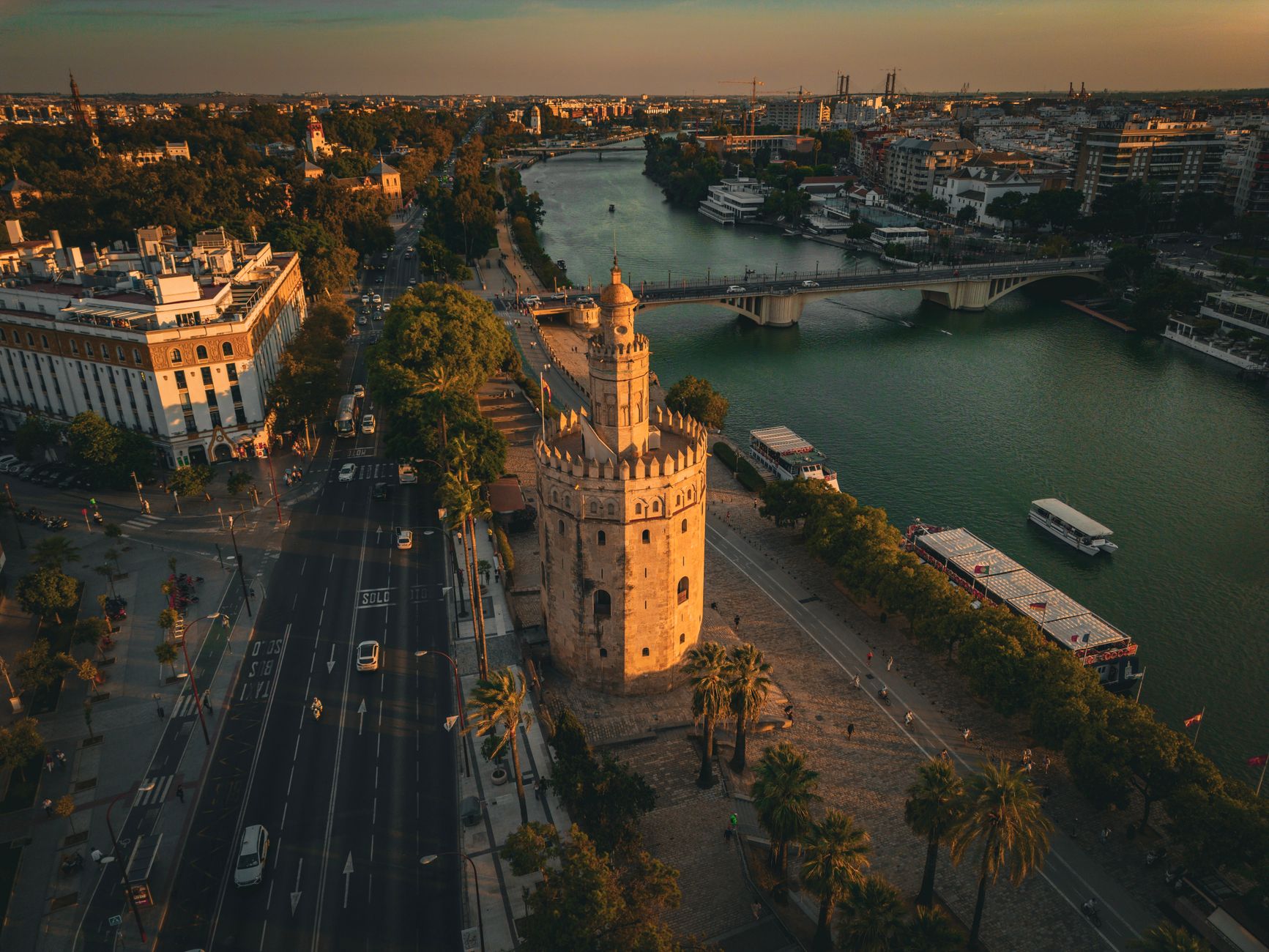
6. The Golden Tower's Shimmer
Torre del Oro, Seville, Spain
The iconic 'Tower of Gold' actually derives its name not from precious metals within, but from the golden reflection of its original glazed tile exterior.
Standing proudly on the bank of the Guadalquivir River, the Torre del Oro is one of Seville's most recognizable landmarks. Built in the early 13th century by the Almohad Caliphate, it formed part of the city's defensive walls and was strategically positioned to control river access. Its name, 'Tower of Gold', comes from the golden shimmer of its original mortar and glazed tiles reflecting in the river. Over centuries, it has served as a prison, a chapel, and now houses a small naval museum, chronicling Seville's maritime heritage.
7. Alcázar's Secret Waterway
Jardines de Murillo & Callejón del Agua, Seville, Spain
The tranquil Jardines de Murillo were once the private orchard of the Alcázar, bordered by a narrow 'Water Alley' that channeled water to the palace gardens.
Just outside the walls of the Alcázar lies the serene Jardines de Murillo, a public park gifted to the city in the early 20th century. These gardens, once the royal orchard, are filled with palm trees, fountains, and vibrant bougainvillea, offering shaded pathways perfect for a leisurely stroll. Running alongside them is the historic Callejón del Agua (Water Alley), a charming, narrow passage originally built to transport water from the Caños de Carmona aqueduct directly into the Alcázar’s elaborate gardens. This ancient waterway provided essential irrigation, showcasing medieval ingenuity.
Frequently asked questions
Is one day enough to see Seville?
While Seville deserves several days to fully explore, one day is sufficient to experience its key highlights and soak in its unique atmosphere. This itinerary focuses on efficient travel between essential sites and offers a taste of the city's rich history and culture.
What is the best way to get around Seville in a day?
Seville's historic center is very walkable, making it ideal for exploring on foot. For longer distances, an excellent public transport system includes buses and a metro. Taxis and ride-sharing services are also readily available for convenience, especially if you're trying to maximize your time.
What food should I try in Seville?
Seville is a culinary delight! Be sure to try traditional tapas like 'espinacas con garbanzos' (spinach with chickpeas), 'solomillo al whisky' (pork loin in whiskey sauce), and fresh seafood from the Triana Market. Don't miss a refreshing glass of 'rebujito' or a sweet 'pestiño' for dessert.
How can AllTours.ai enhance my visit to Seville?
AllTours.ai transforms your exploration by providing rich, contextual audio narratives for the places you visit. Simply point your phone camera at any landmark or landscape, and the app will instantly narrate its history, geology, and culture in your preferred language, bringing every highlight to life.
Related guides
Photography via Pexels. AllTours.ai is an AI audio tour guide — point your camera at any landscape and hear its story.