July 27, 2026 · 4 min read
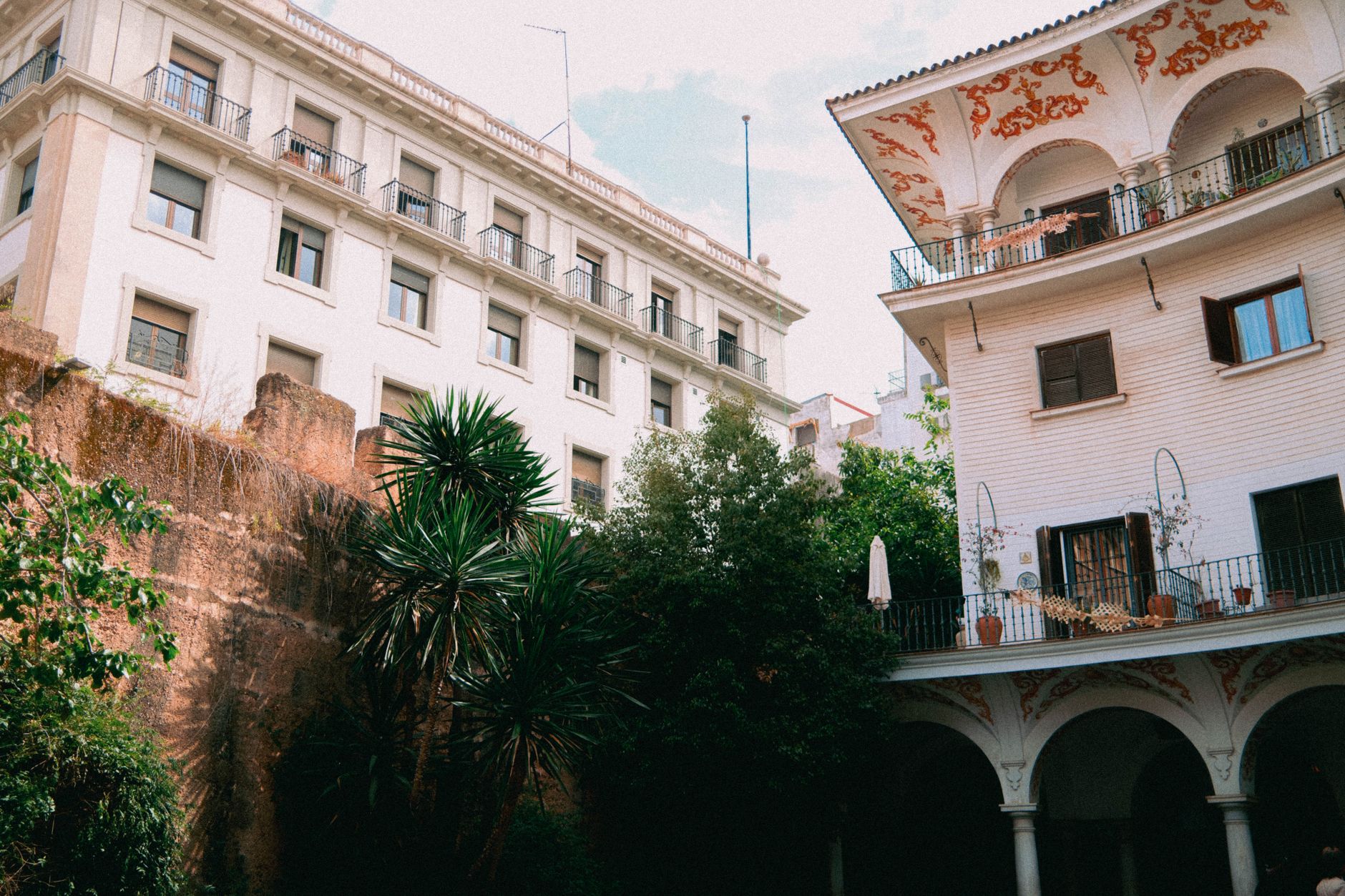
Seville, a city of passionate flamenco, grand cathedrals, and sun-drenched plazas, often draws visitors to its iconic landmarks like the Alcázar and Giralda. These magnificent sites rightly command attention, but the true magic of Seville often lies just beyond the well-trodden paths, in its quiet corners and unexpected revelations.
For those eager to peel back the layers of this ancient city, a world of secret courtyards, authentic local experiences, and tranquil historical gardens awaits. Venture with us as we uncover Seville's hidden gems, each with a unique story whispered through its walls, paving stones, and rustling leaves.
1. The Sweet Secrets of Convento de San Leandro
Seville, Spain
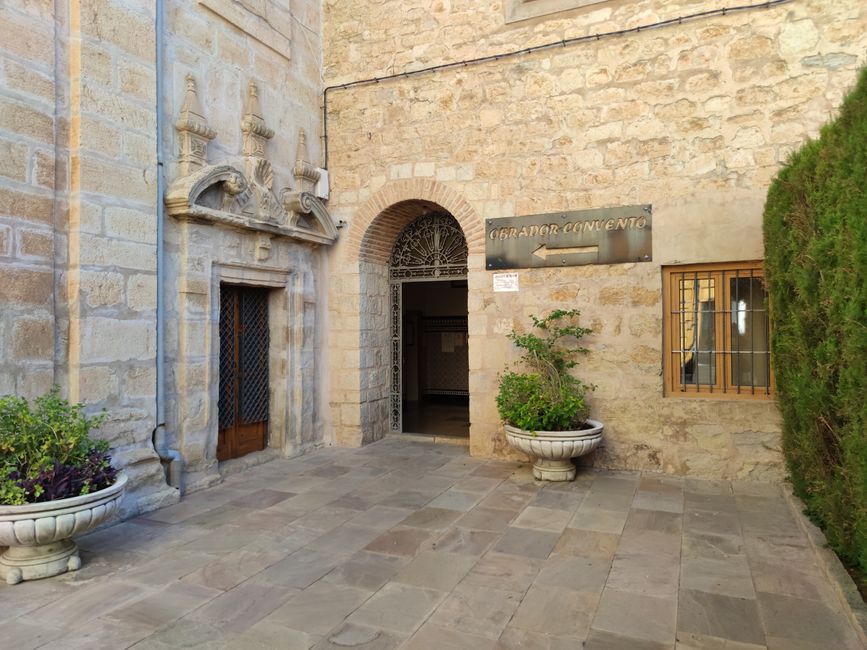
Cloistered nuns bake traditional sweets sold via a silent turntable, a centuries-old tradition.
The Convento de San Leandro, a tranquil 14th-century Augustinian convent, preserves a unique tradition: its cloistered nuns bake exquisite yemas de San Leandro (egg yolk sweets) and other pastries. Visitors approach a double-doored "torno" (turntable) to make their purchase, interacting without seeing the nuns, a practice dating back centuries. This quiet exchange offers a rare glimpse into Seville's enduring monastic life and culinary heritage.

2. Raw Flamenco at Peña Flamenca Torres Macarena
Seville, Spain
Experience raw, spontaneous flamenco in a local community setting, far from tourist stages.
Tucked away near the Macarena Basilica, Peña Flamenca Torres Macarena is a revered institution dedicated to preserving authentic flamenco. Unlike commercial tablaos, this "peña" (club) is a non-profit association where local artists and aficionados gather for spontaneous performances. Here, the focus is on the pure art form, with members often taking turns to sing, play guitar, or dance in an intimate, unamplified setting.
3. Almohad Legacy in Jardines de la Buhaira
Seville, Spain
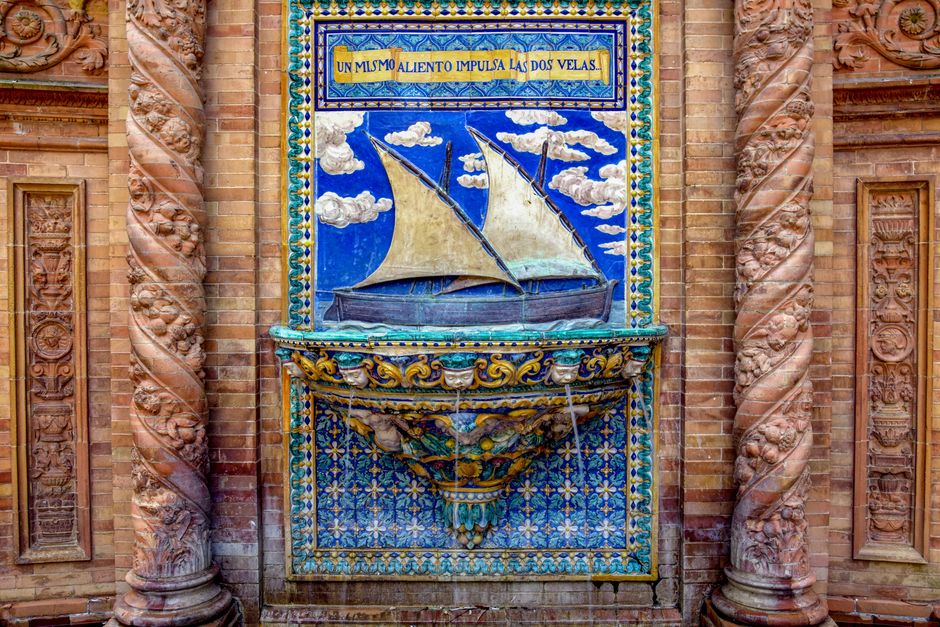
These serene gardens are remnants of a 12th-century Almohad agricultural estate.
The Jardines de la Buhaira offer a peaceful escape, once part of a vast Almohad estate built in the 12th century by Sultan Abu Yusuf Yaqub al-Mansur. This historical site was designed for agricultural experimentation and leisure, featuring sophisticated irrigation channels and fruit orchards. Today, visitors can wander among the surviving walls, tranquil ponds, and orange groves, imagining the Moorish ingenuity that transformed this land centuries ago.
4. Ancient Seville Beneath Las Setas: The Antiquarium
Seville, Spain
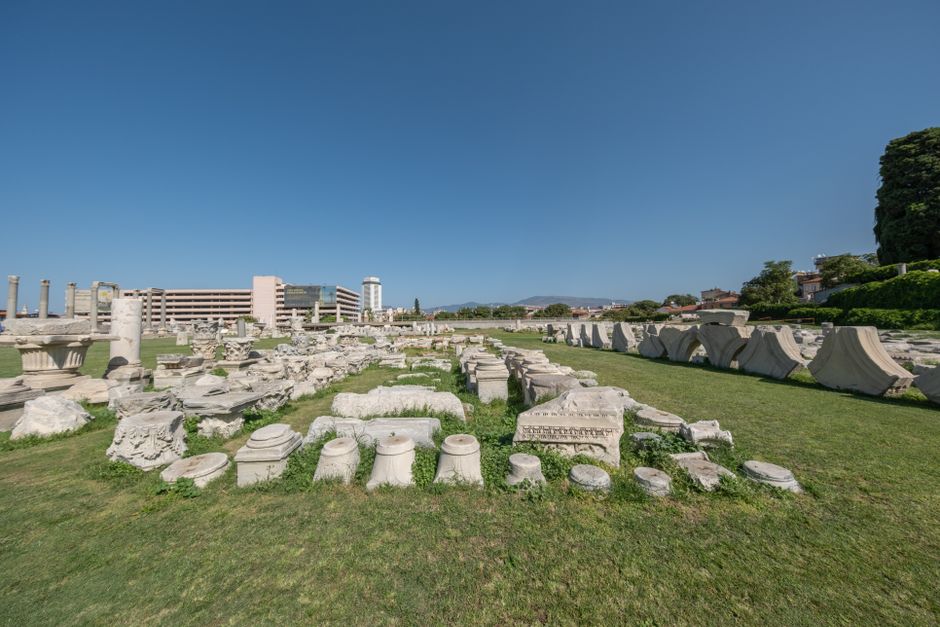
Beneath Seville's modern 'Mushrooms' lies a remarkably preserved Roman and Moorish city.
While many gaze up at the Metropol Parasol (Las Setas), few realize what lies beneath: the Antiquarium. This archaeological museum showcases remarkably preserved Roman houses, streets, and industrial complexes, alongside a significant Almohad house, all uncovered during the Parasol's construction. It offers a tangible journey through Seville's layered history, revealing daily life from the 1st to the 6th centuries AD and later Moorish periods, directly underfoot.
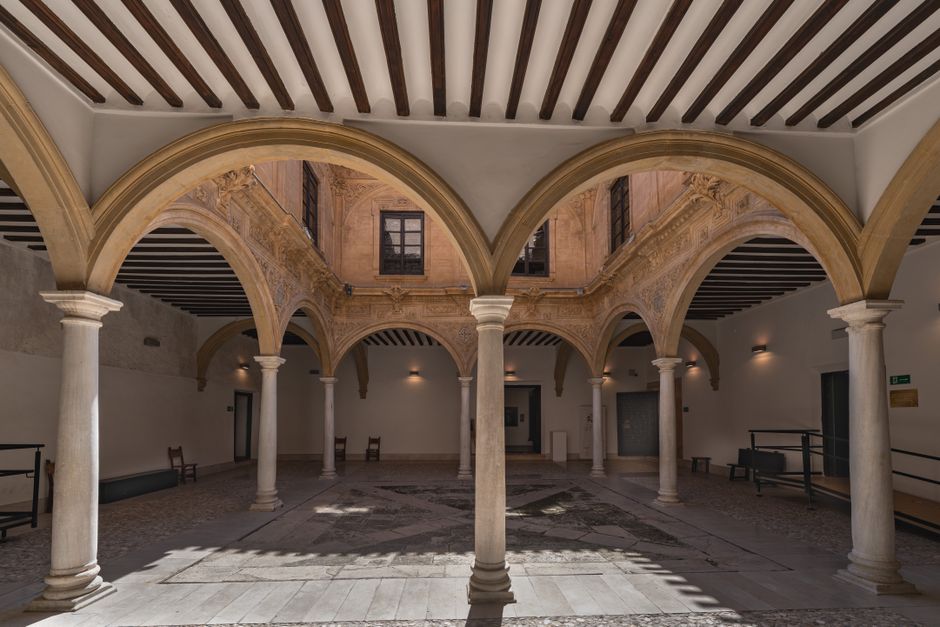
5. Baroque Beauty of Hospital de los Venerables
Seville, Spain
This Baroque masterpiece was originally a dignified residence for aged and impoverished priests.
Situated in the heart of Santa Cruz, the Hospital de los Venerables is a stunning example of Sevillian Baroque architecture, built in the late 17th century. Its original purpose was to provide a dignified home for elderly, destitute priests, offering them care and community. Today, visitors can admire its serene central courtyard, the elaborate church adorned with frescoes by Valdés Leal and his son, Lucas Valdés, and a rich collection of religious art, now home to the Velázquez Centre.
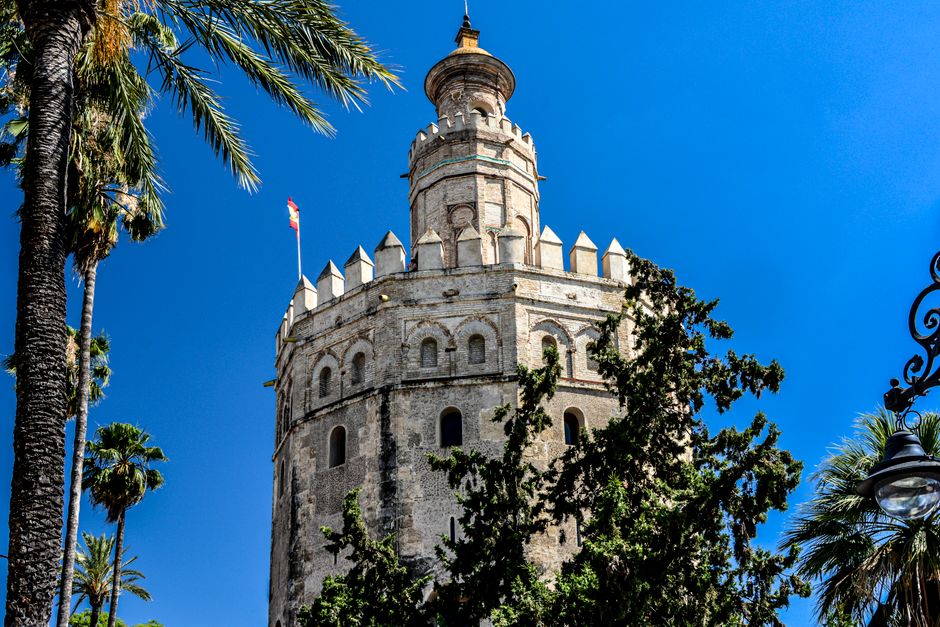
6. The Cooling Passage of Callejón del Agua
Seville, Spain
This narrow, picturesque alley once channeled water to the Alcázar's gardens.
Callejón del Agua, or "Alley of Water," winds alongside the ancient walls of the Alcázar gardens, offering a cool, shaded passage. Its name comes from the historic water channel that ran through it, supplying the palace's intricate irrigation system and fountains. Lined with climbing plants and traditional houses, this atmospheric lane provides a tranquil retreat from the bustling streets, whispering tales of Seville's ingenious water management and the city's Moorish past.
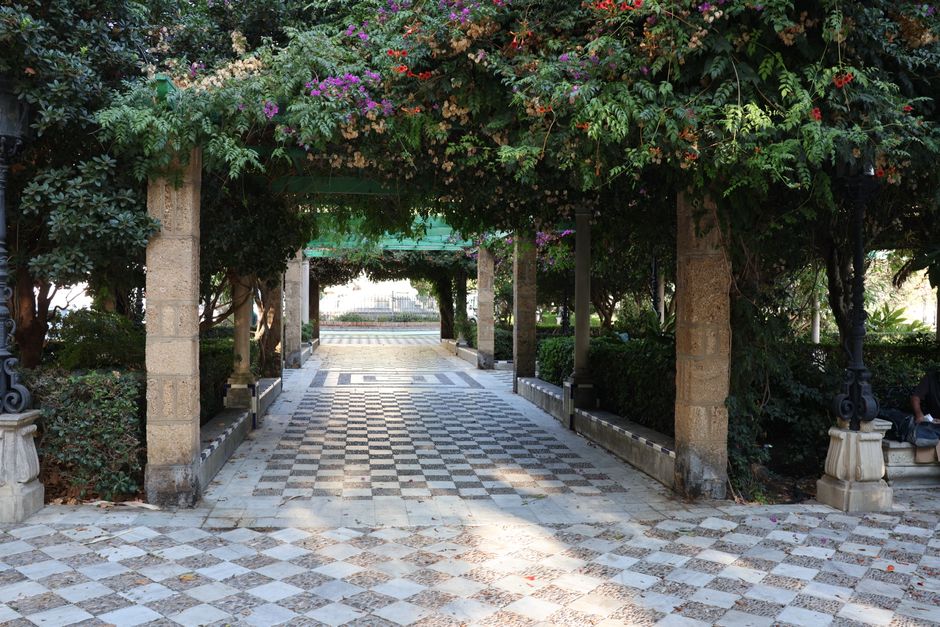
7. From Swamp to Social Hub: Alameda de Hércules
Seville, Spain
This grand public square, flanked by Roman columns, was once a malarial swamp.
Alameda de Hércules is one of Seville's oldest public gardens, dating back to 1574. What began as a marshy, malarial area was transformed into a grand promenade, adorned with two ancient Roman columns topped with statues of Hercules and Julius Caesar, salvaged from a temple. Today, it’s a vibrant, bohemian hub, bustling with cafes, bars, and local life, a testament to Seville's continuous urban evolution from Roman times to modern-day gathering place.
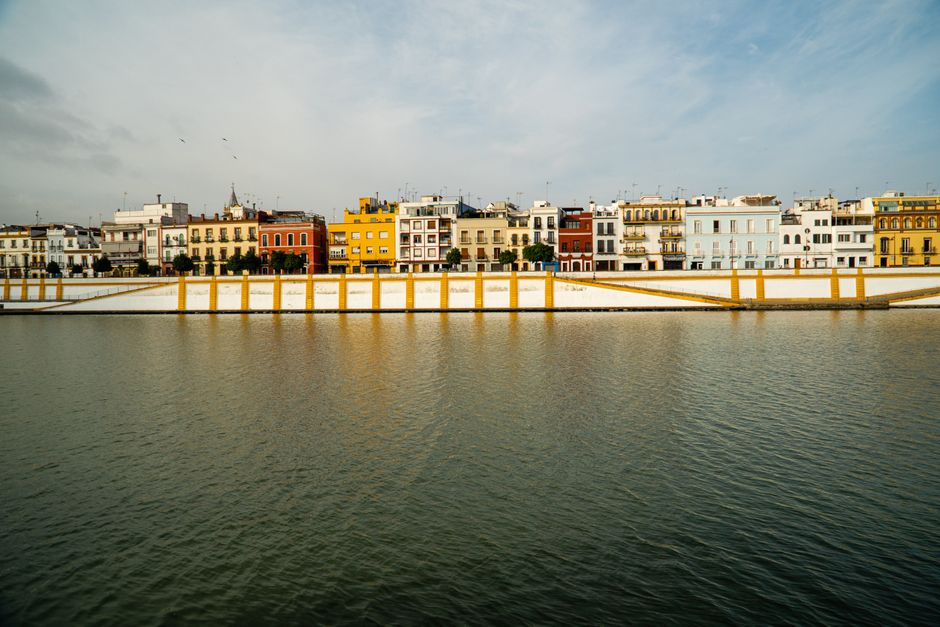
8. Triana's Artistic Roots: Centro Cerámica Triana
Seville, Spain
Discover Seville's vibrant pottery tradition within the walls of a historic Triana ceramic factory.
The Centro Cerámica Triana is a museum dedicated to Seville's iconic ceramic heritage, housed in the former Fábrica de Cerámica Santa Ana, a working pottery factory until 2013. Visitors can explore preserved kilns, workshops, and original tools, tracing the evolution of Triana's distinctive tiles and pottery. The museum vividly illustrates the craftsmanship and artistry that made Triana a renowned center for ceramics, a tradition deeply embedded in Seville's architectural beauty.
Frequently asked questions
What are some genuinely authentic flamenco experiences in Seville?
For a truly local experience, seek out a "peña flamenca" like Peña Flamenca Torres Macarena. These non-profit clubs focus on preserving the art form and offer spontaneous, intimate performances by local artists, often for a small entrance fee or contribution. They provide a stark contrast to the more commercial tablaos.
How can I find Seville's most beautiful hidden courtyards?
Many of Seville's most beautiful courtyards are found within private homes, but some convents like San Leandro offer glimpses through their unique traditions. Exploring the narrow streets of the Santa Cruz quarter or Triana, especially during the Patio Festival (though less famous than Córdoba's), can also reveal charming, often unseen, architectural gems.
Are there any less crowded historical gardens in Seville?
Absolutely. While the Alcázar gardens are stunning, places like the Jardines de la Buhaira offer a serene historical escape with Moorish roots and fewer crowds. The Jardines de Murillo, adjacent to the Alcázar, are also surprisingly tranquil and provide a beautiful public park experience without the entry fee.
How can AllTours.ai help me discover these hidden gems?
AllTours.ai transforms your phone into a personal AI audio tour guide. Simply point your camera at any landmark, building, or landscape – even a hidden courtyard or a flamenco bar – and the app instantly narrates its history, geology, and culture in your preferred language, bringing these secret stories to life right where you stand.
Related guides
Photography via Pexels. AllTours.ai is an AI audio tour guide — point your camera at any landscape and hear its story.