October 12, 2026 · 4 min read
Valencia, a city where the echoes of ancient civilizations meet the bold whispers of tomorrow, offers an unforgettable journey. Imagine a place where a single day can take you from soaring Gothic halls to gleaming architectural marvels, all while immersing you in a culinary tradition centuries in the making. This guide to 1 day in Valencia focuses on uncovering its architectural wonders and the authentic heart of its most famous dish: paella.
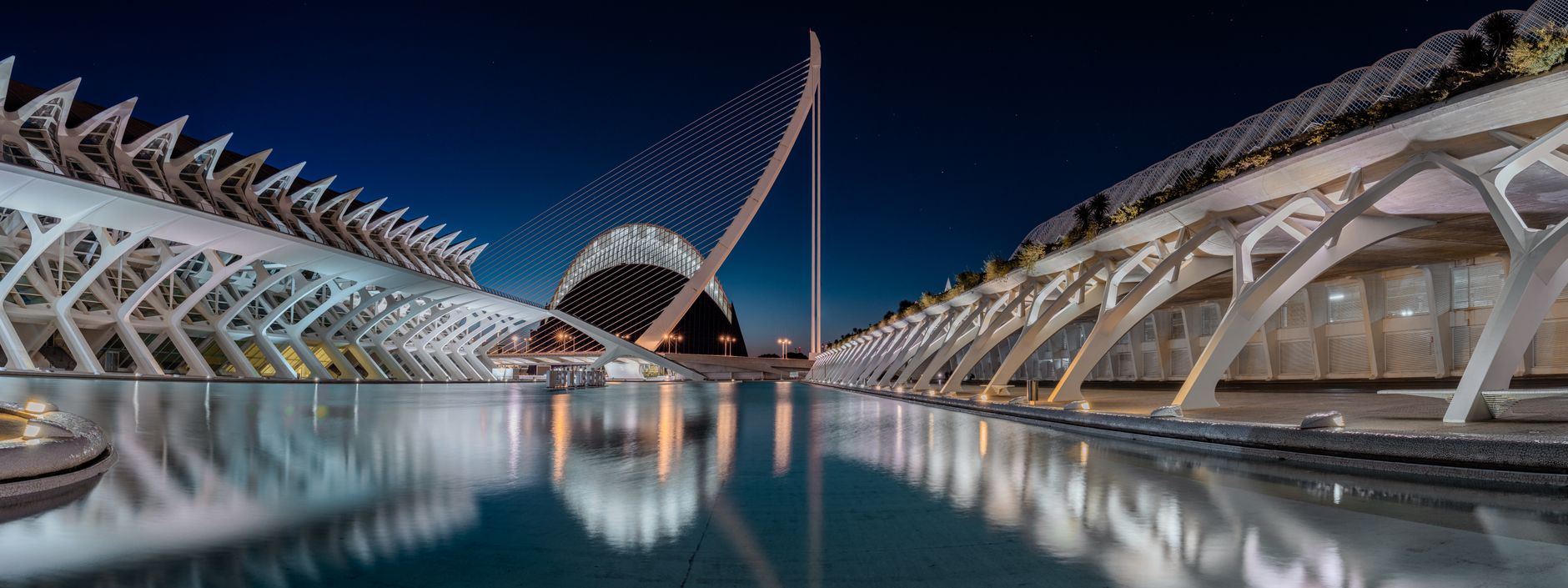
From the whimsical designs of Santiago Calatrava to the intricate details of medieval marketplaces, Valencia tells a story of constant evolution. We'll navigate through its vibrant districts, revealing not just beautiful sights but the surprising histories and cultural quirks that make each spot truly unique. Get ready to experience a blend of modern design and rich tradition that defines this captivating Spanish city.
1. The Noble Prison Gates
Torres de Serranos, Valencia, Spain
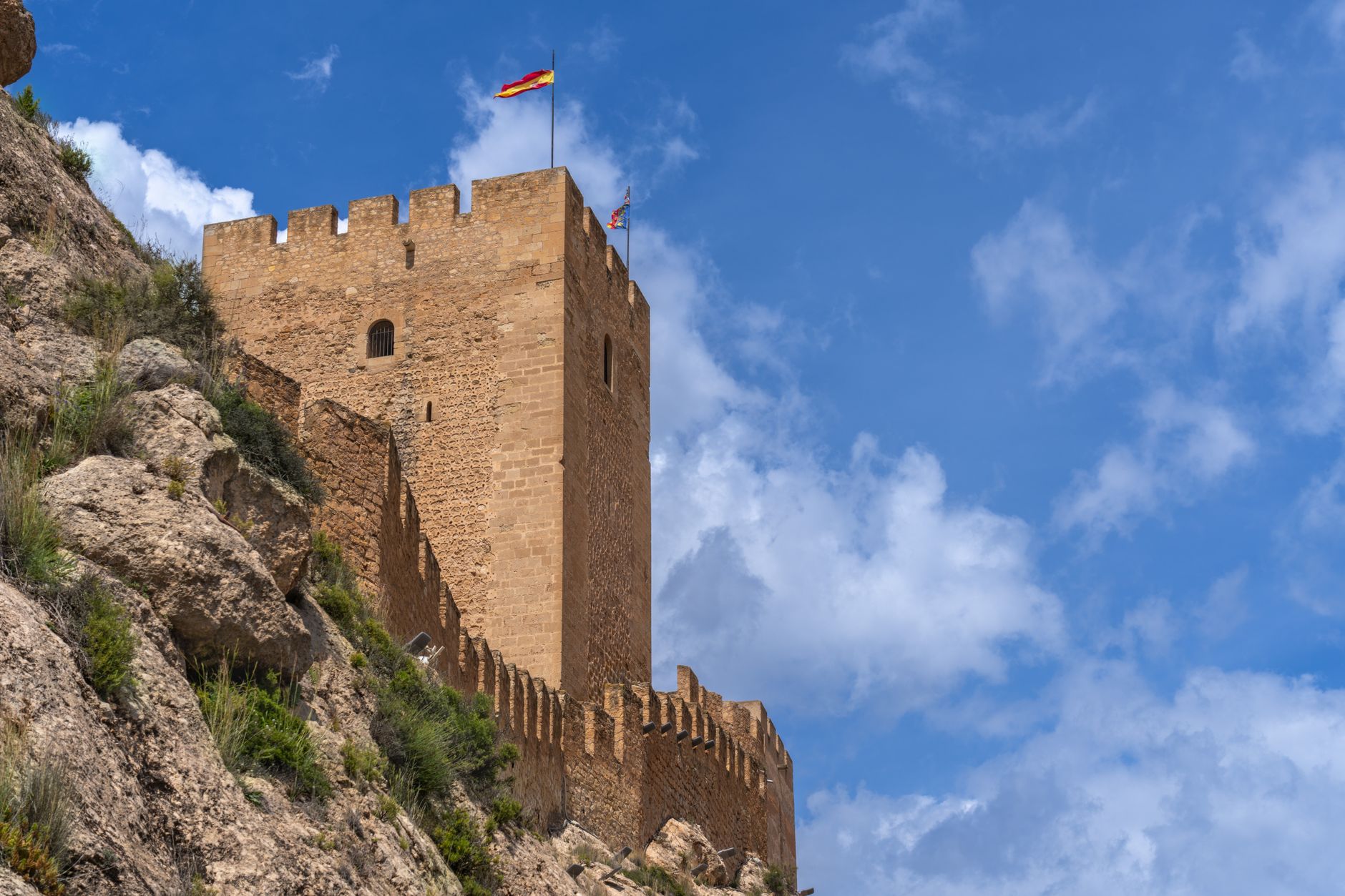
These imposing towers, once part of Valencia's medieval city wall, weren't just for defense; they also served as a high-security prison for nobles for centuries.
Built in the late 14th century, the Torres de Serranos were designed as a formidable entrance to the city, impressing visitors with Valencia's power. Their robust structure, featuring two polygonal towers flanking a central archway, became an ideal holding place for members of the nobility. Today, you can climb to the top for panoramic views of the Turia Gardens and the city skyline, tracing the path of history with each step.
2. The Whispering Silk Exchange
La Lonja de la Seda, Valencia, Spain
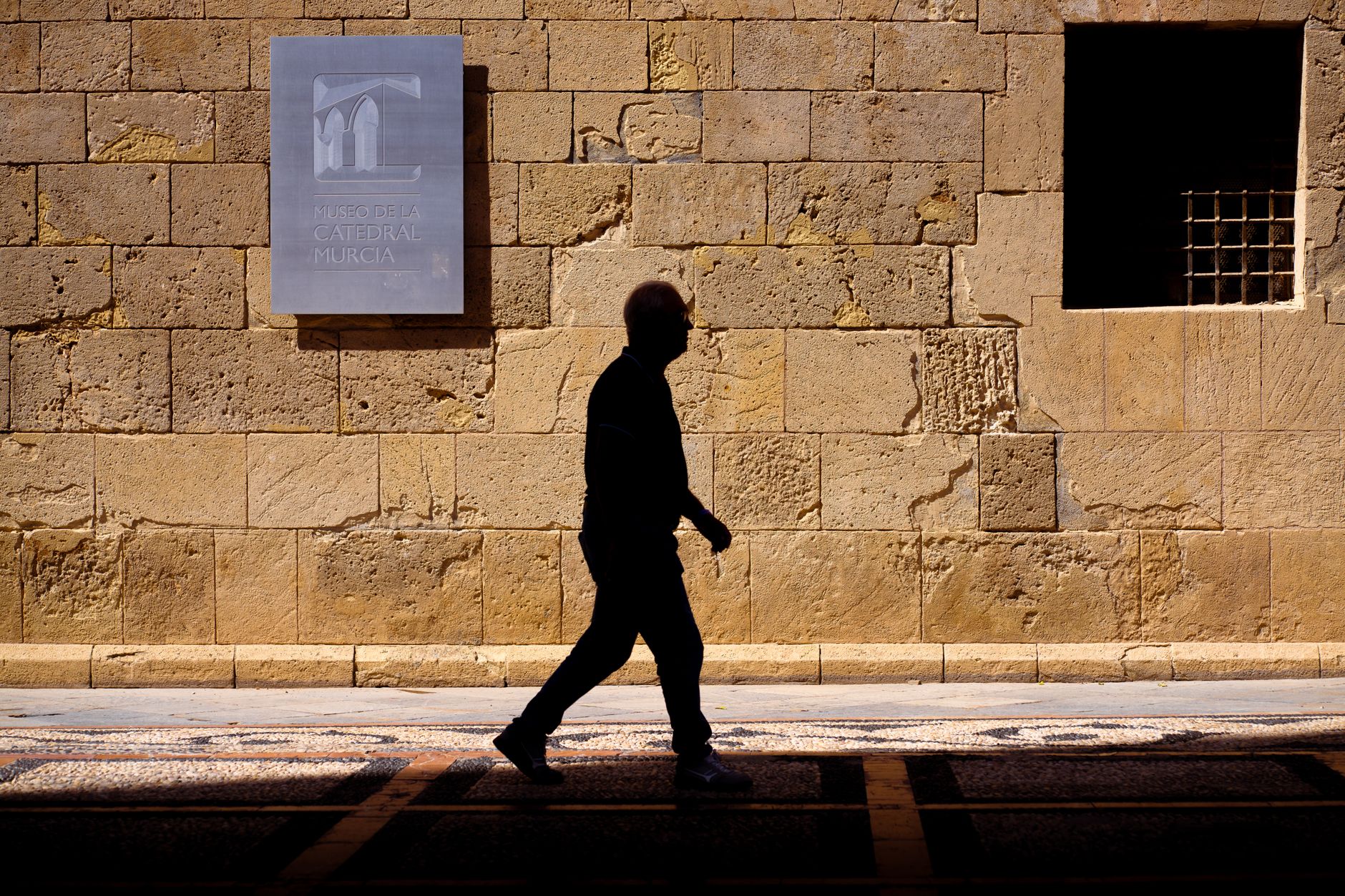
Inside the breathtaking Contract Hall of La Lonja, merchants once conducted business by 'word of mouth,' a practice so sacred that broken agreements could lead to severe consequences, including public shaming.
A UNESCO World Heritage site, La Lonja de la Seda is a masterpiece of Valencian Gothic architecture, built in the 15th century during the city's Golden Age of trade. Its majestic columns, spiraling upwards like palm trees, create an awe-inspiring space where silk merchants once sealed deals. The building's intricate details, from gargoyles to inscriptions, reflect the wealth and moral codes that governed Valencia's powerful mercantile class.
3. Market of a Thousand Years
Mercado Central, Valencia, Spain
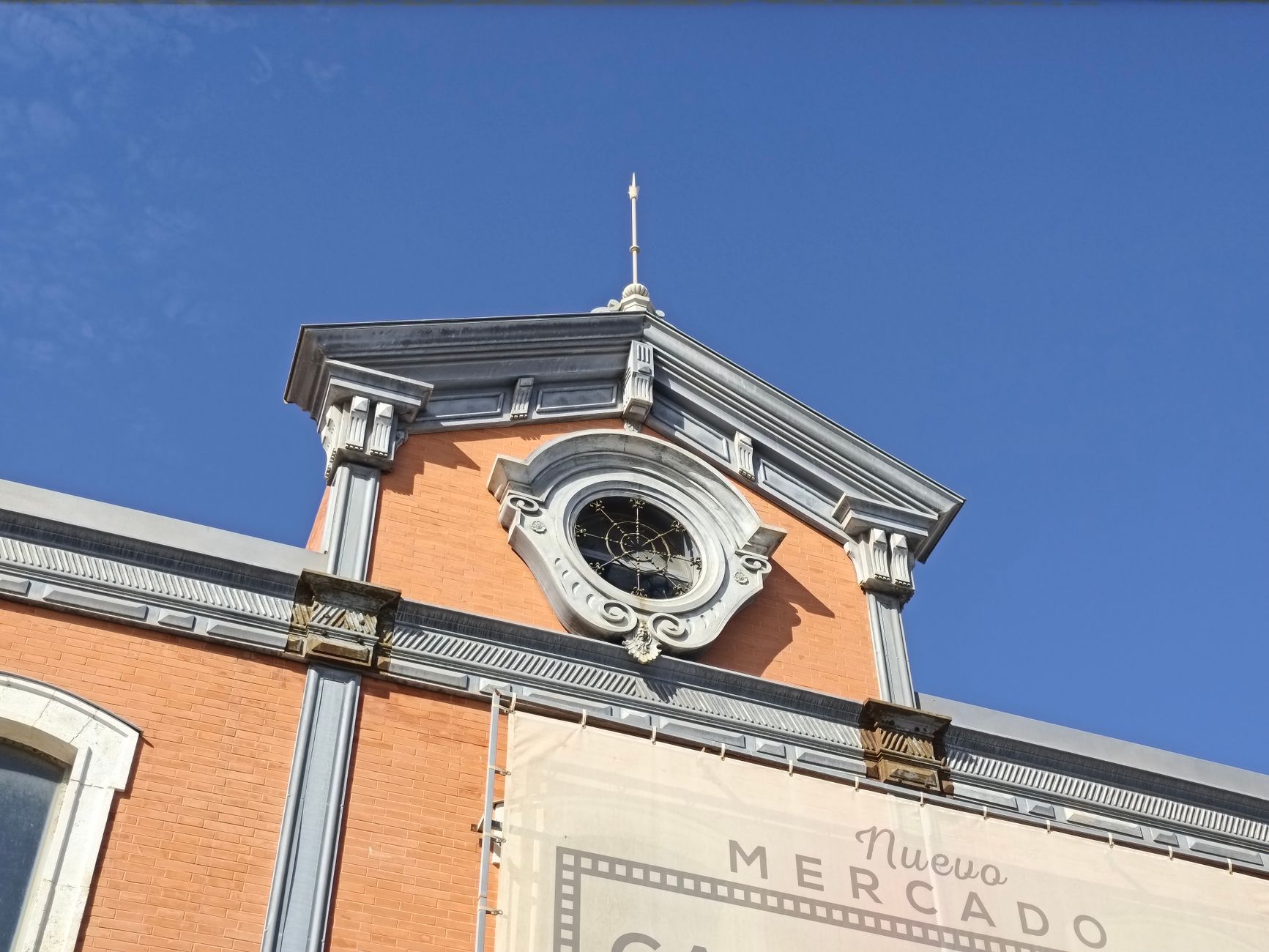
While the stunning Art Nouveau building dates to the early 20th century, the site of Valencia's Mercado Central has been a bustling marketplace since the 13th century, adapting through eras while retaining its vibrant spirit.
One of Europe's oldest operating food markets, Mercado Central is a feast for the senses, housed under an impressive iron and glass dome that allows natural light to flood the vibrant stalls. Here, you'll find everything from fresh seafood to local cheeses, cured meats, and, of course, the essential ingredients for authentic paella. The building itself is an architectural marvel, a testament to early 20th-century design blending functionality with artistic flair.
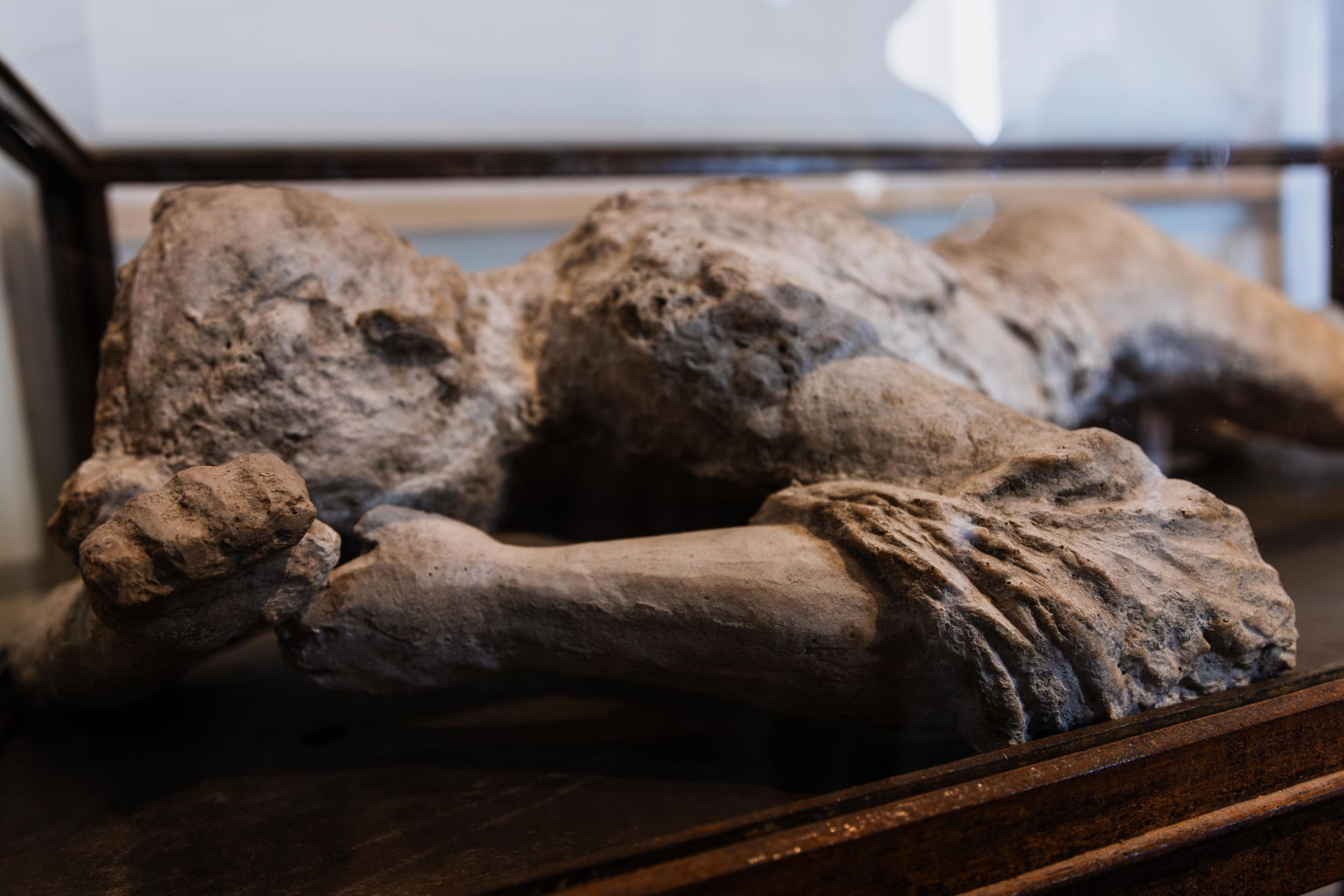
4. Layers of Ancient Lives
Almoina Archaeological Museum, Valencia, Spain
This unique museum allows visitors to walk directly over and through layers of Roman, Visigothic, and Islamic Valencia, revealing a city built upon millennia of forgotten lives and structures.
Beneath a modern glass roof, the Almoina Archaeological Museum preserves the very foundations of Valencia's past. Here, you can trace the city's evolution from its Roman origins as Valentia, through Visigothic and Islamic rule, to the Christian Reconquista. Pathways lead you past baths, streets, and foundations, offering a tangible connection to the people and events that shaped this ancient port city.
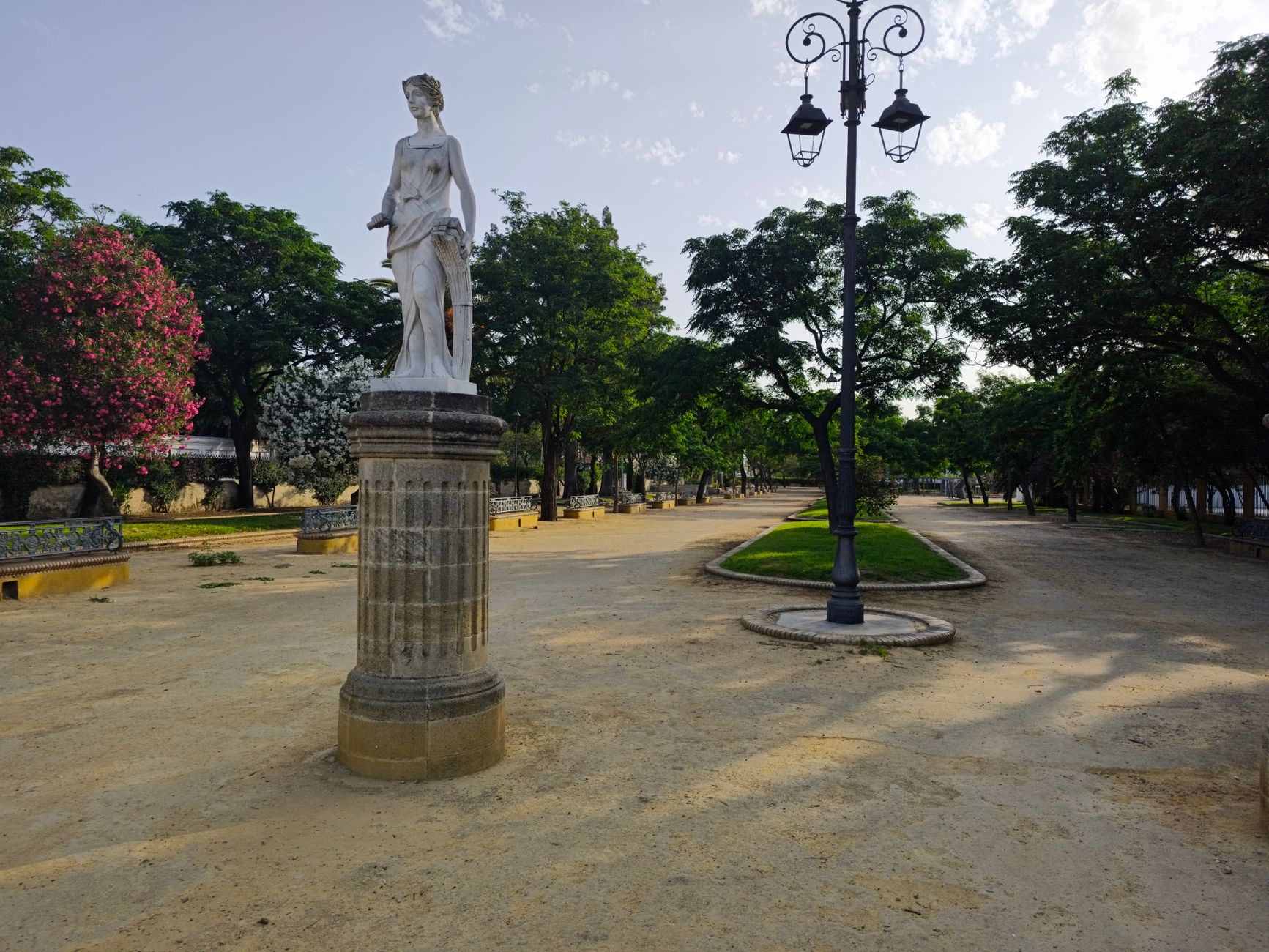
5. The Riverbed Reborn
Jardín del Turia, Valencia, Spain
This nine-kilometer-long park exists because a devastating flood in 1957 led to the radical decision to divert the Turia River entirely, transforming its former bed into a vibrant green space.
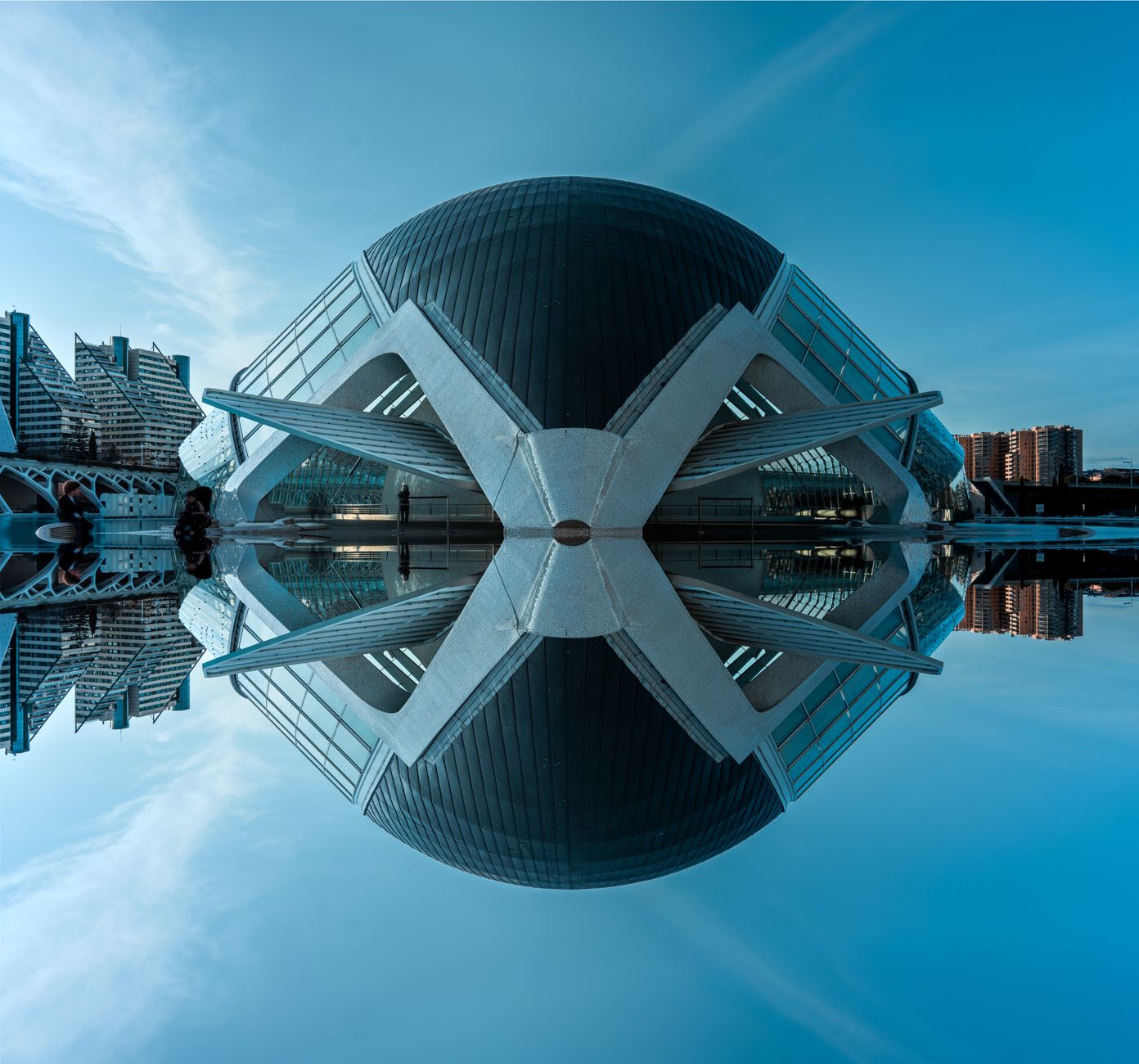
Once a river that periodically flooded the city, the Turia is now a magnificent urban park stretching through Valencia's heart, a testament to innovative urban planning. The dry riverbed, a verdant ribbon of recreation and culture, connects several of the city's most iconic sites, including the City of Arts and Sciences. It's a beloved space for locals and visitors alike, offering gardens, sports facilities, and peaceful walking paths.
6. The Orange Blossom Station
Estación del Norte, Valencia, Spain
Look closely at the facade of Valencia's main train station and you'll find intricate ceramic mosaics depicting orange blossoms and women in traditional dress, not just as decoration, but as symbols of Valencia's agricultural wealth.
More than just a transit hub, Estación del Norte is a stunning example of Valencian Art Nouveau architecture. Completed in 1917, its elaborate exterior celebrates the region's agricultural prosperity, particularly its citrus groves. Inside, the grand hall retains much of its original charm, with stained glass and decorative tilework that make arriving or departing by train an experience in itself.
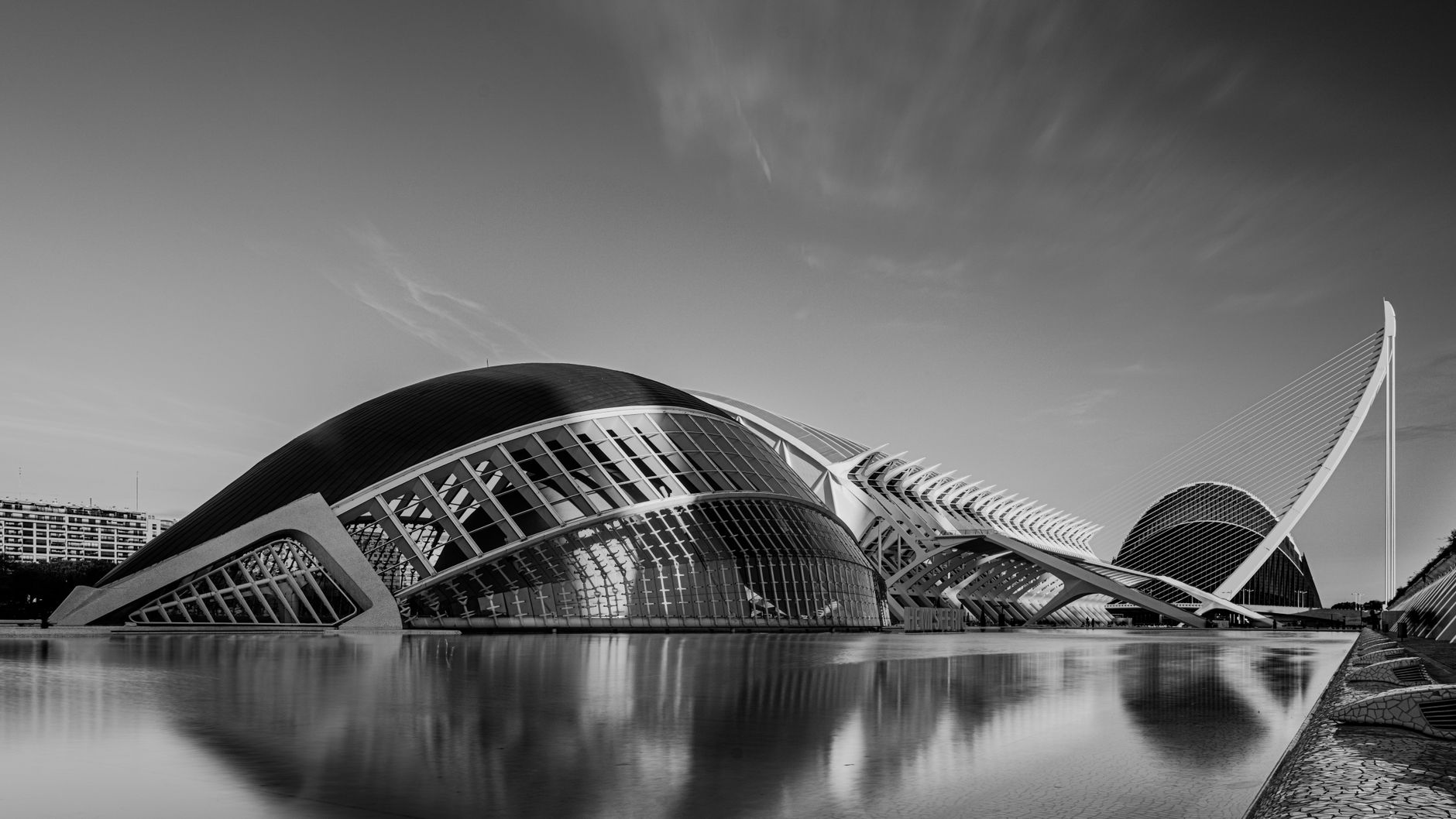
7. The Shimmering Opera House
Palau de les Arts Reina Sofía, Valencia, Spain
Santiago Calatrava's striking opera house features a massive trencadís (broken tile mosaic) covering that subtly shimmers, echoing traditional Valencian ceramics in a thoroughly modern form.
Part of the iconic City of Arts and Sciences, the Palau de les Arts Reina Sofía is a breathtaking structure resembling a massive helmet or a boat, dedicated to the performing arts. Its brilliant white trencadís facade catches the sunlight, creating a dynamic visual effect. The building's dramatic curves and soaring cantilevered roof make it a marvel of contemporary engineering and design, reflecting Valencia's forward-looking spirit.
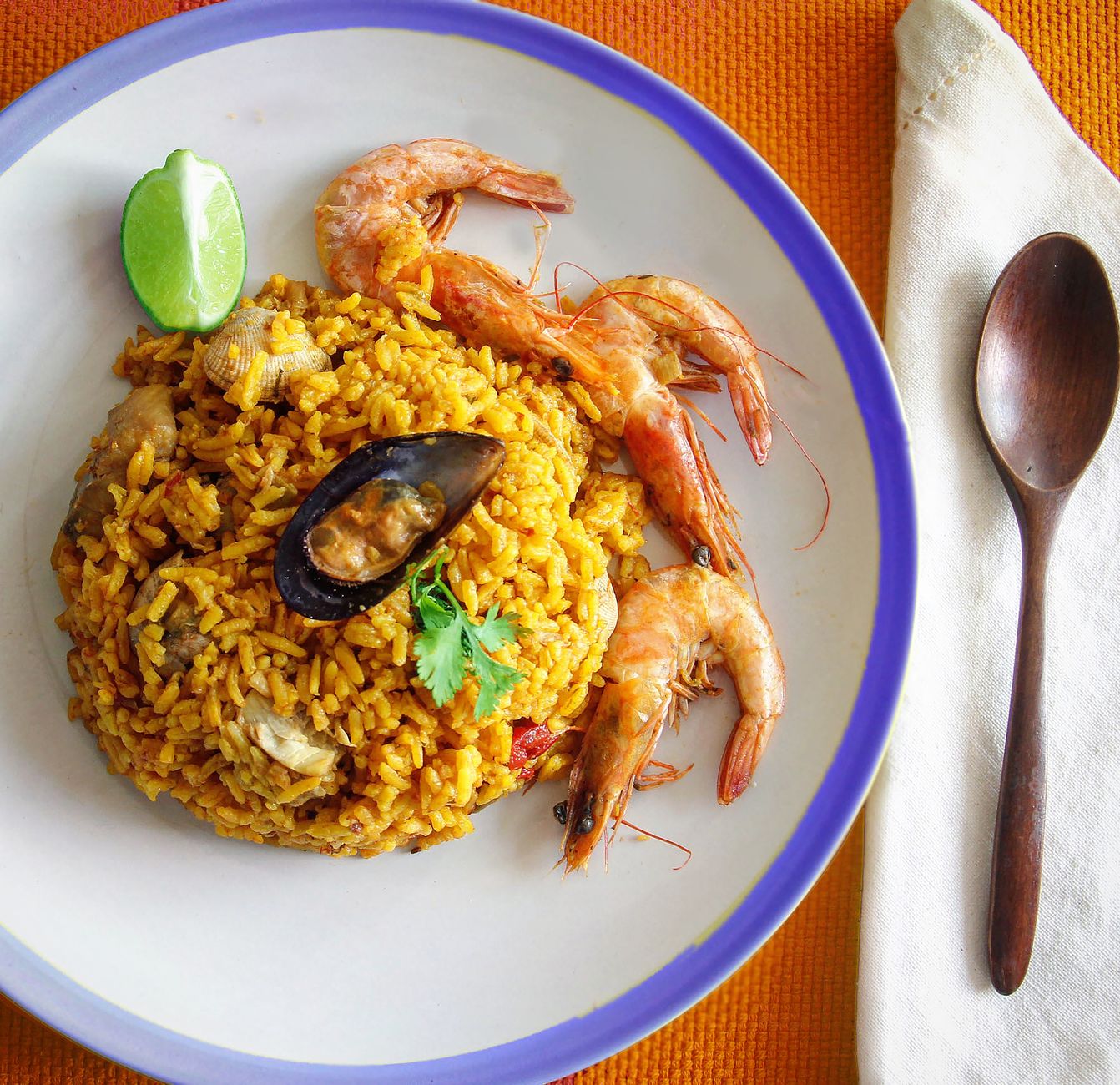
8. Birthplace of Paella
El Palmar (Albufera Natural Park), Valencia, Spain
The unique ecosystem of the Albufera Natural Park, a freshwater lagoon separated from the sea, is not only where paella Valenciana truly originated but also home to the specific rice, 'arroz bomba', essential for its authentic taste.
Just south of Valencia city, the village of El Palmar within the Albufera Natural Park offers a glimpse into the agricultural heartland that gave birth to paella. Surrounded by vast rice paddies and the tranquil freshwater lagoon, this is where the traditional Valencian paella, made with chicken, rabbit, and green beans, developed. Explore the area, perhaps with a boat trip, to understand the landscape that shaped one of Spain's most famous dishes.
Frequently asked questions
What's the best way to get around Valencia in a day?
Valencia's city center is very walkable, especially the Old Town. For longer distances, the public transport system (metro and bus) is efficient. Biking along the Turia Gardens is also a popular and enjoyable option to connect different parts of the city.
Are there any specific paella traditions I should know about in Valencia?
Absolutely! Authentic Valencian paella typically uses chicken, rabbit, green beans, and garrofó (a local white bean), cooked in a wide, shallow pan over an open flame. It's traditionally eaten directly from the pan, often at lunchtime, and seafood paella is considered a different dish, not the original 'paella Valenciana'.
Can I visit both the Old Town and the City of Arts and Sciences in one day?
Yes, it's entirely feasible. Start your day early in the Old Town to explore its historical sites, then take a bus, taxi, or even walk/bike through the Turia Gardens to the City of Arts and Sciences in the afternoon. Prioritize a few key attractions in each area to make the most of your time.
How can the AllTours.ai app enhance my visit to Valencia?
The AllTours.ai app transforms your phone into an AI audio tour guide. Simply point your camera at any landmark, building, or landscape in Valencia, and the app will narrate its history, geology, and cultural significance in your preferred language. It's like having a local expert by your side, ready to reveal the hidden stories of every corner you explore.
Related guides
Photography via Pexels. AllTours.ai is an AI audio tour guide — point your camera at any landscape and hear its story.