July 17, 2026 · 4 min read
Amsterdam is vibrant, but when summer temperatures rise, the call of the open road – or waterway – can be irresistible. Thankfully, the Netherlands is compact, offering a treasure trove of diverse landscapes and untold stories just a short journey away.
Beyond the well-trodden paths, there are countless hidden gems waiting to be discovered. If you're looking for the best summer day trips from Amsterdam that promise genuine curiosity and a refreshing escape, you've come to the right place. From former islands to star-shaped forts, prepare to uncover the unexpected.
1. Schokland: The Island That Became Land
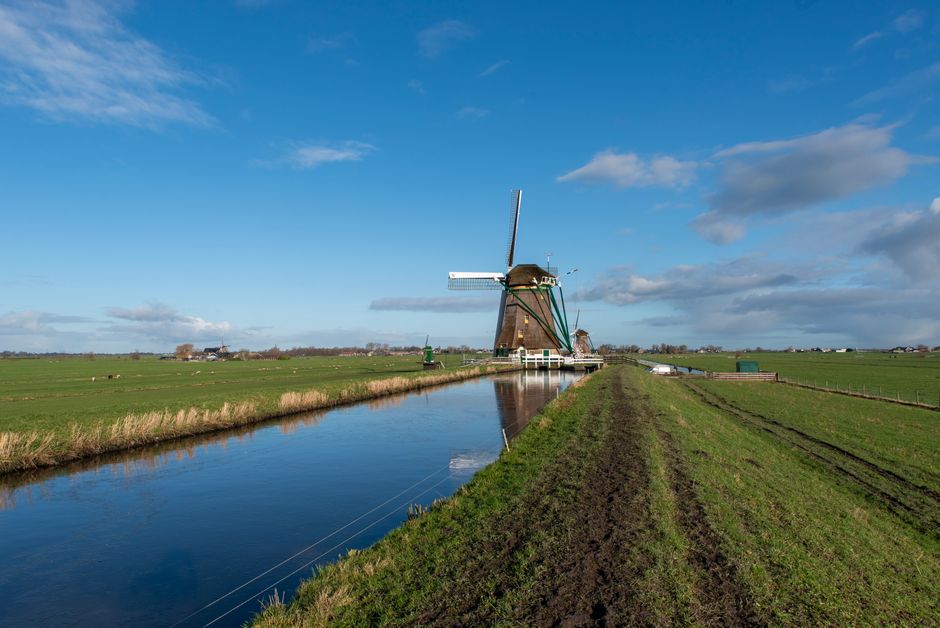
Schokland, Netherlands
Once an island in a turbulent sea, Schokland now stands oddly as a landlocked polder, a testament to Dutch land reclamation.
Centuries ago, this long, narrow strip of land fought constant battles against the Zuiderzee. Its inhabitants, known as 'Schokkers,' endured flood after flood, forcing its eventual evacuation in 1859. Today, you can walk across its former sea bottom, observing the subtle elevation changes that once marked the island's shores and the poignant remnants of its struggle against the water.
2. Hindeloopen: A Language of Its Own
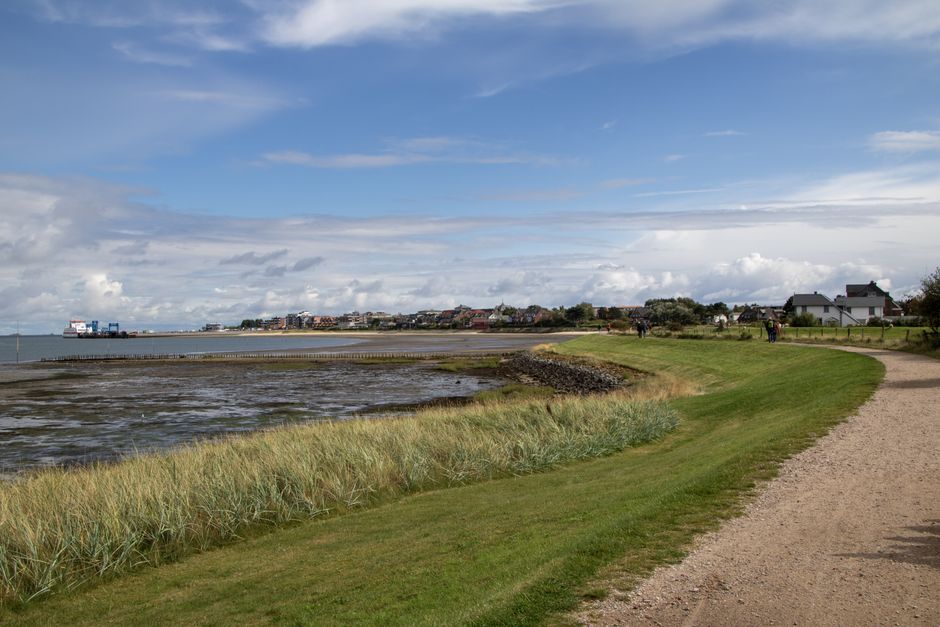
Hindeloopen, Netherlands
This charming Frisian town once developed its own language and unique painting style due to its isolated sea trade routes.
Far from Amsterdam, Hindeloopen flourished through its maritime trade with Scandinavia and the Baltic Sea, leading to a distinct cultural identity. Its dialect, 'Hylpers,' is an ancient variant of Frisian, almost a separate language. The intricate 'Hindelooper' painting style, seen on furniture and interiors, features vibrant colors and floral motifs unlike anything else in the Netherlands, reflecting its rich merchant history.
3. Bourtange: The Star-Shaped Fortress Village
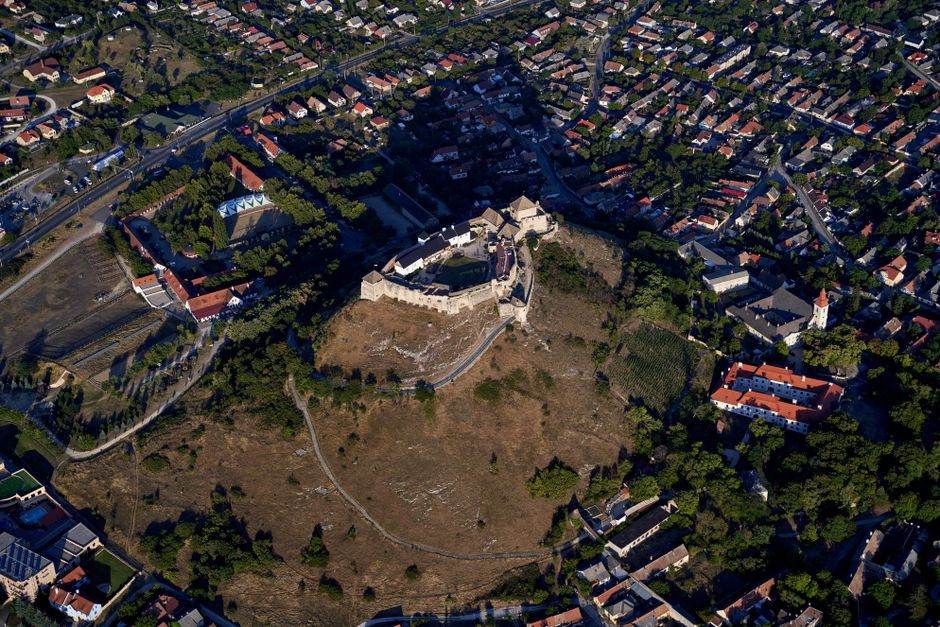
Bourtange, Netherlands
Bourtange isn't just a village; it's a perfectly preserved 17th-century star-shaped fort, designed purely for defense.
Built in 1593 during the Eighty Years' War, Bourtange was strategically designed to control the only road between Germany and Groningen. Its intricate star shape, complete with ramparts, canals, and drawbridges, made it virtually impregnable. Today, you can explore the entire fortified village, walking the same paths as its defenders and experiencing a living history museum that breathes military strategy.
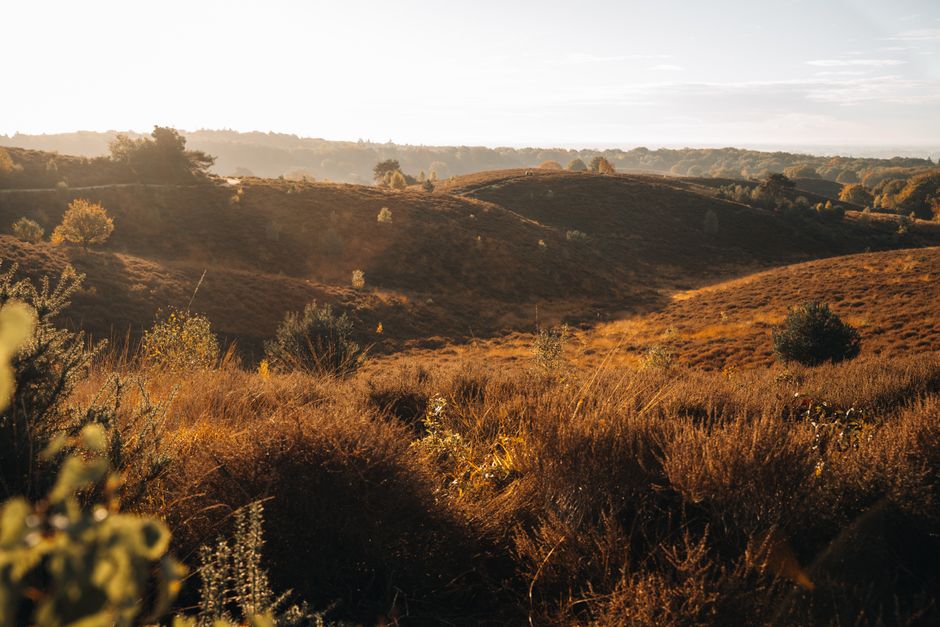
4. Hoge Veluwe: Art in the Wild
Hoge Veluwe National Park, Netherlands
Amidst its vast heathlands and sand drifts, Hoge Veluwe National Park hides one of the world's largest private Van Gogh collections.
This expansive national park offers a diverse landscape of forests, heathlands, and unique inland sand drifts, perfect for cycling on its free white bikes. But its real surprise is the Kröller-Müller Museum, home to nearly 90 Van Gogh paintings and a stunning sculpture garden. It's an unusual blend of wild nature and world-class art, born from the passion of a single collector.
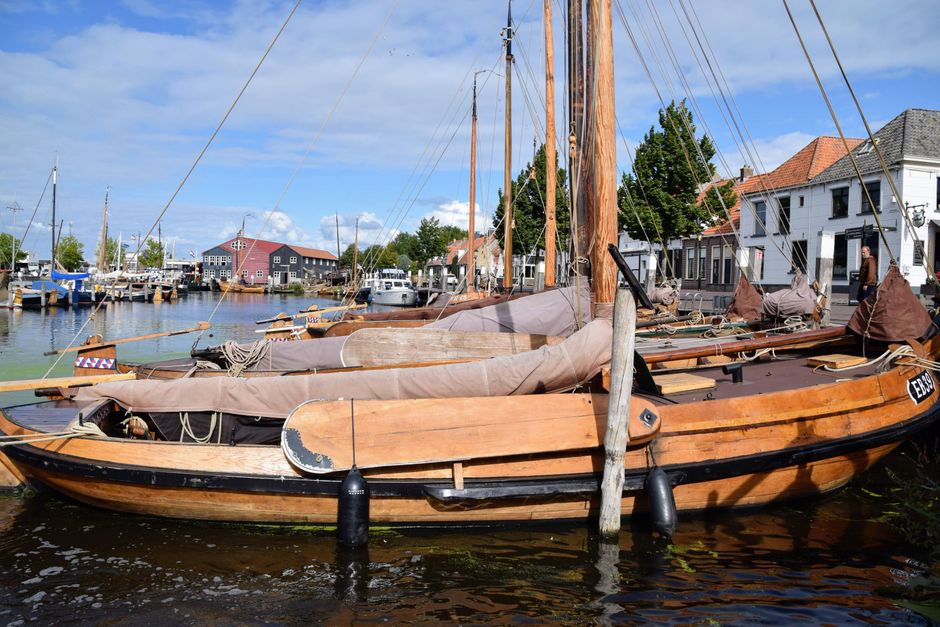
5. Elburg: The Relocated Hanseatic Town
Elburg, Netherlands
This perfectly rectangular medieval Hanseatic town was meticulously relocated and rebuilt centuries ago to escape the encroaching sea.
Elburg's striking rectangular street plan isn't original; the entire town was systematically moved inland in the 14th century to protect it from the Zuiderzee. Its perfectly preserved walls, narrow alleys, and the Vischpoort (Fish Gate) transport you back to its prosperous Hanseatic past. Walking its grid-like streets, you can almost feel the echoes of its meticulous re-creation.
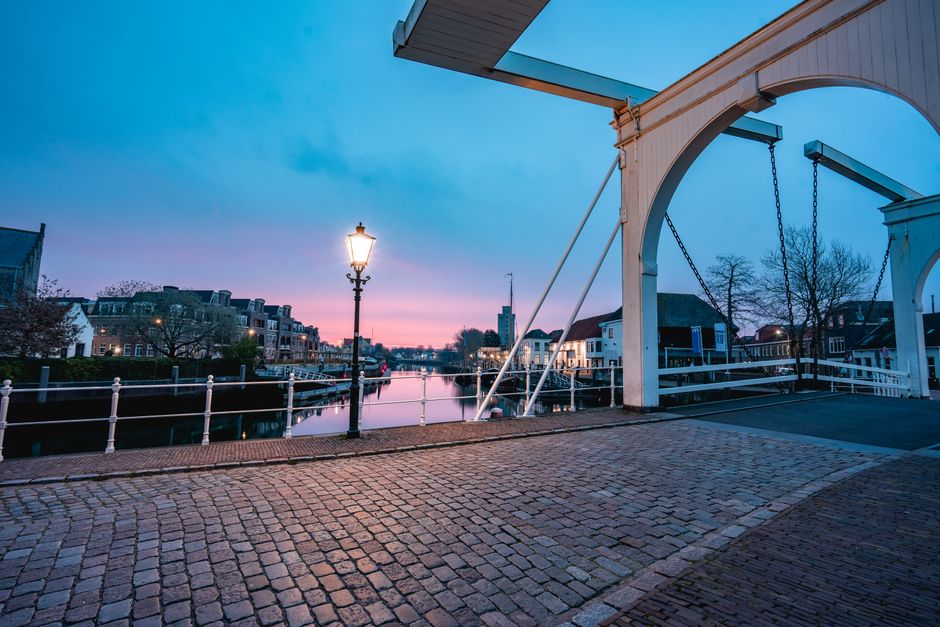
6. Zierikzee: Zeeland's Leaning 'Fat Tower'
Zierikzee, Netherlands
Zierikzee, a historic port town, boasts more than 500 national monuments, including a leaning church tower locals call the 'Fat Tower.'
Located in Zeeland, Zierikzee was once a powerful Hanseatic trading city. Its prosperity is evident in the wealth of its medieval buildings, almshouses, and its impressive harbor. The Sint-Lievensmonstertoren, or 'Fat Tower,' was intended to be taller than the Dom Tower in Utrecht but was never completed. Its charming tilt and robust presence make it a unique landmark in a town rich with stories of sea trade and civic pride.

7. Oosterbeek: A WWII Last Stand
Oosterbeek, Netherlands
This quiet village played a pivotal, tragic role in World War II, marking the site of a desperate last stand during Operation Market Garden.
Oosterbeek is inextricably linked to the Battle of Arnhem, part of the ill-fated Operation Market Garden in September 1944. British paratroopers fought bravely here against overwhelming odds, hoping to secure the bridge over the Rhine. Today, the Airborne Museum 'Hartenstein' and the solemn Commonwealth War Graves Commission Cemetery tell the harrowing story of the 'Red Devils' and their sacrifice, offering a profound glimpse into a critical moment in history.
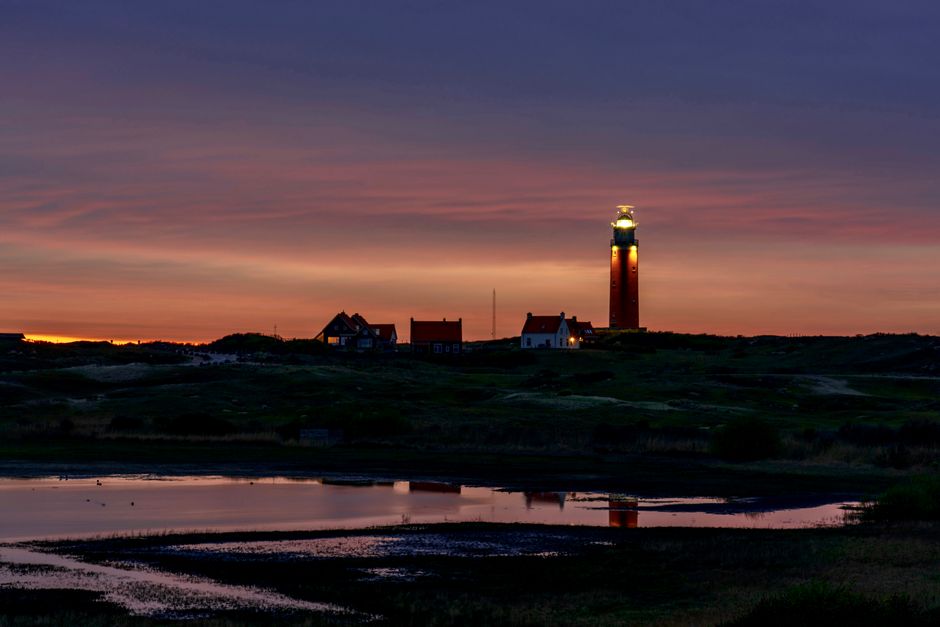
8. Texel Island: The Migrating Barrier
Texel Island, Netherlands
Texel, the largest of the Wadden Islands, is a dynamic sand barrier that's slowly migrating eastwards due to natural forces.
Part of the UNESCO World Heritage Wadden Sea, Texel is a haven for nature lovers, famous for its vast beaches, dune landscapes, and bird sanctuaries. What's less known is that the island is constantly shifting. Over centuries, wind and currents have caused it to slowly 'walk' eastward, a geological dance that continually reshapes its coastlines and ecosystems, making it a living laboratory of natural forces.
Frequently asked questions
Do I need a car for day trips outside Amsterdam?
While a car offers flexibility, many excellent day trip destinations are easily reachable by public transport (trains and buses). The efficient Dutch public transport system covers most of the country, making it feasible to explore without driving.
What should I pack for a summer day trip in the Netherlands?
Even in summer, Dutch weather can be unpredictable. Pack layers, including a light jacket or rain shell. Comfortable walking shoes are a must, along with sunscreen, a reusable water bottle, and a portable power bank for your phone.
How does the AllTours app enhance a day trip?
AllTours.ai transforms your phone into a personal AI audio tour guide. Simply point your camera at any landmark, landscape, or interesting object, and the app will narrate its history, geology, and cultural significance in your preferred language, offering deeper insights into the places you visit.
Related guides
Photography via Pexels. AllTours.ai is an AI audio tour guide — point your camera at any landscape and hear its story.