September 8, 2026 · 4 min read
From Windsor to Vancouver, Canadians have long cherished their southern neighbor, and here in Michigan, the feeling is definitely mutual. We often joke about the 'world's longest undefended border,' and for good reason: our shared history, culture, and love for cross-border adventures run deep. But in a world full of travel options, is that unique bond still enough to keep Canadians coming south?
We believe the answer is a resounding 'yes,' especially when you look beyond the obvious. The United States is a vast tapestry of untold stories, geological marvels, and cultural curiosities that often go unnoticed by the casual tourist. Forget the usual hotspots; these lesser-known American treasures offer genuine surprise and a fresh perspective on a country you thought you knew.
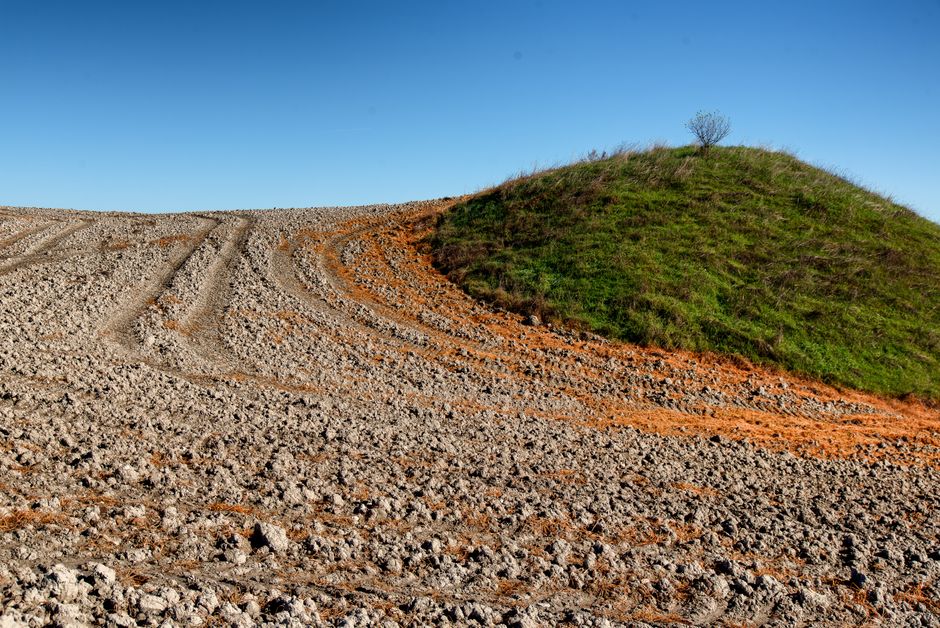
1. Monk's Mound: America's Forgotten Metropolis
Cahokia Mounds State Historic Site, Illinois, USA
Before European arrival, a city near modern St. Louis rivaled London in size and complexity, boasting sophisticated urban planning and massive earthen pyramids.
Beneath a grassy hill in Illinois lies the silent footprint of Cahokia, a bustling metropolis that thrived between 1050 and 1200 AD, home to tens of thousands of people. Monk's Mound, the largest earthwork in the Americas, stands testament to their engineering prowess, once supporting a vast timber structure. This UNESCO World Heritage site offers a profound glimpse into a powerful pre-Columbian civilization that built complex societies long before European contact, challenging common narratives of early American history.
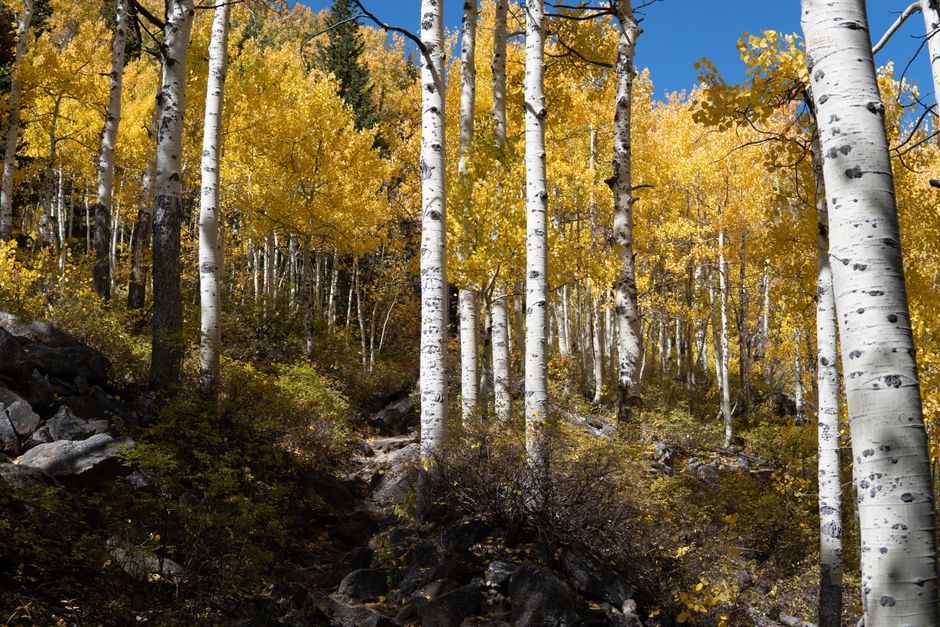
2. Pando: The Trembling Giant
Fishlake National Forest, Utah, USA
Deep in a Utah forest, an entire grove of 47,000 aspen trees is actually a single, colossal living organism, making it one of the largest and oldest on Earth.
Pando, Latin for 'I spread,' is not a forest in the traditional sense, but a singular male quaking aspen clone connected by a massive underground root system. Spanning over 100 acres and estimated to be up to 14,000 years old, Pando is a marvel of biological persistence. Its individual 'trees' are genetically identical stems that emerge from this shared root mass, displaying a unified ecosystem that breathes and trembles together, a quiet testament to nature's grand scale.
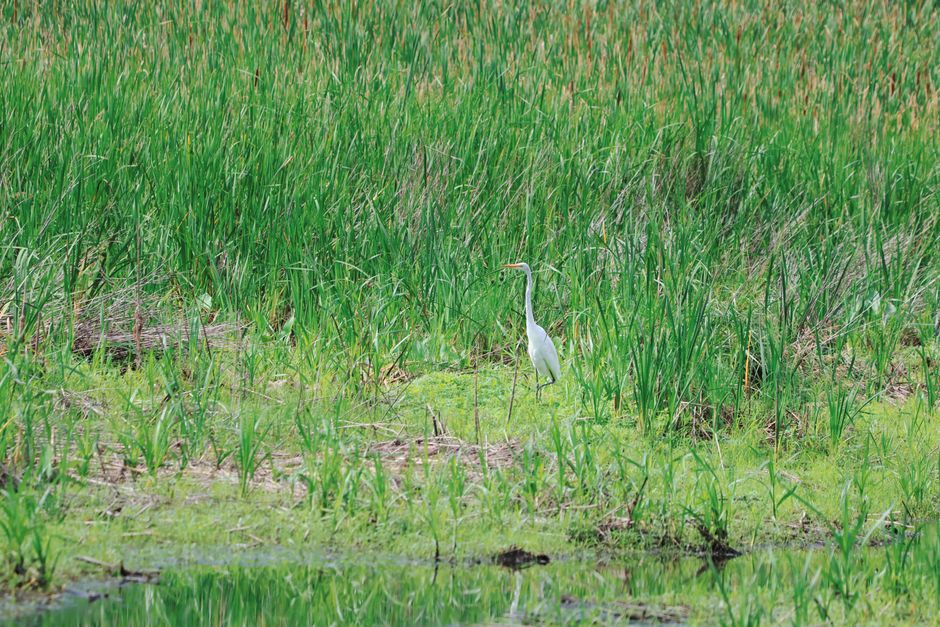
3. The Great Dismal Swamp: A Refuge in History
Virginia & North Carolina, USA
This vast, wild wetland, once considered impassable, was for centuries a hidden sanctuary for Indigenous peoples and a critical haven for those escaping slavery.
The Great Dismal Swamp is far from dismal; it's a vibrant, ancient ecosystem teeming with life, from black bears to rare birds. But its true depth lies in its human history. Indigenous communities found sustenance here for thousands of years, and later, for over two centuries, it became a crucial 'maroon' settlement. Thousands of self-emancipated people, known as 'Maroons,' built communities within its dense cypress and juniper forests, creating a defiant symbol of freedom and resilience against overwhelming odds.
4. Slab City: A Squatter's Art Haven
Niland, California, USA
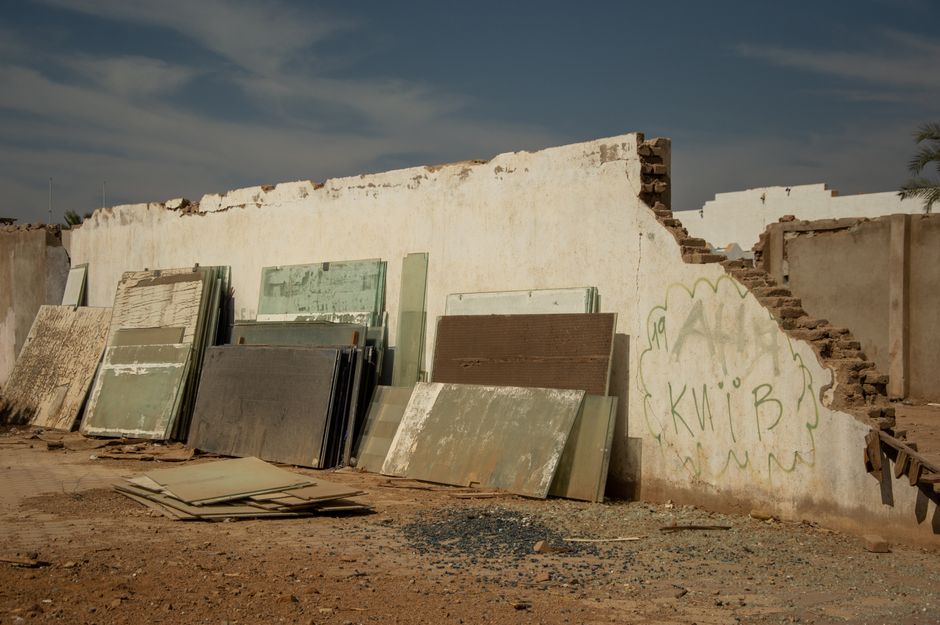
In the remote, unforgiving California desert, a vibrant, off-grid community thrives on art, ingenuity, and a fiercely independent spirit, built on the concrete slabs of an abandoned WWII military base.
Dubbed 'The Last Free Place, USA,' Slab City is an unincorporated community without electricity, running water, or municipal services, yet it pulses with a unique creative energy. Residents, from snowbirds to permanent 'Slabbers,' build their homes from scavenged materials and adorn the landscape with imaginative folk art installations. Salvation Mountain, a colorful, monumental art piece, serves as its spiritual heart, embodying the unconventional and resilient ethos of this desert oasis.
5. Glass Beach: Nature's Sea Glass Art
Fort Bragg, California, USA
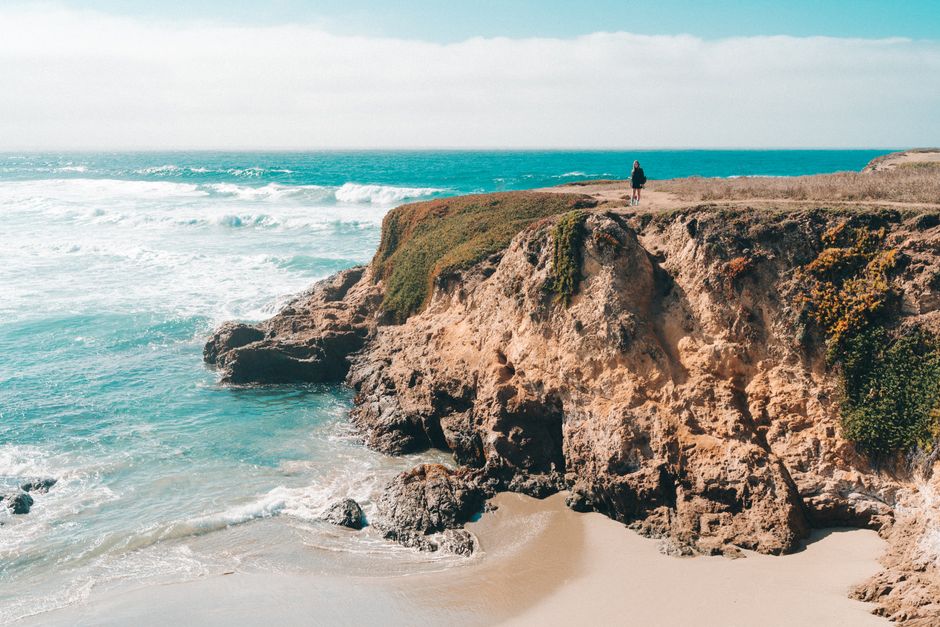
What was once a municipal garbage dump along the rugged California coast has been transformed by the Pacific Ocean into a stunning beach paved with millions of colorful, smooth sea glass pebbles.
Glass Beach is a mesmerizing testament to nature's ability to reclaim and transform. For decades, residents of Fort Bragg used this coastal area as a dump, discarding everything from bottles to old cars. Over time, the relentless waves of the Pacific Ocean tumbled and polished the discarded glass into smooth, jewel-like pebbles. Today, visitors marvel at the vibrant mosaic of red, blue, green, and clear glass that covers the shore, a beautiful and poignant reminder of environmental resilience.
6. Mima Mounds: A Geological Enigma
Mima Mounds Natural Area Preserve, Washington, USA
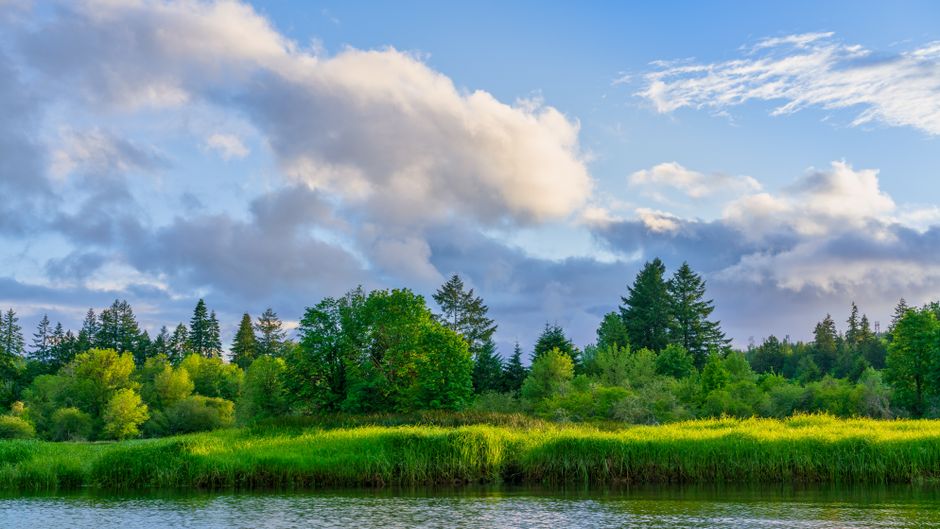
Across a prairie in Washington state, thousands of perfectly symmetrical, naturally formed mounds, some several feet high, baffle geologists with their mysterious origins.
The Mima Mounds are one of the Pacific Northwest's most intriguing geological puzzles. These regularly spaced, dome-shaped mounds dot the landscape for miles, creating an otherworldly topography that has sparked decades of scientific debate. Theories range from seismic activity and ancient floods to the burrowing habits of gophers. Despite extensive research, the exact mechanism behind their formation remains an ongoing mystery, making them a captivating spot for anyone curious about Earth's strange processes.
7. Oak Ridge: The Secret City of the Atom
Oak Ridge, Tennessee, USA
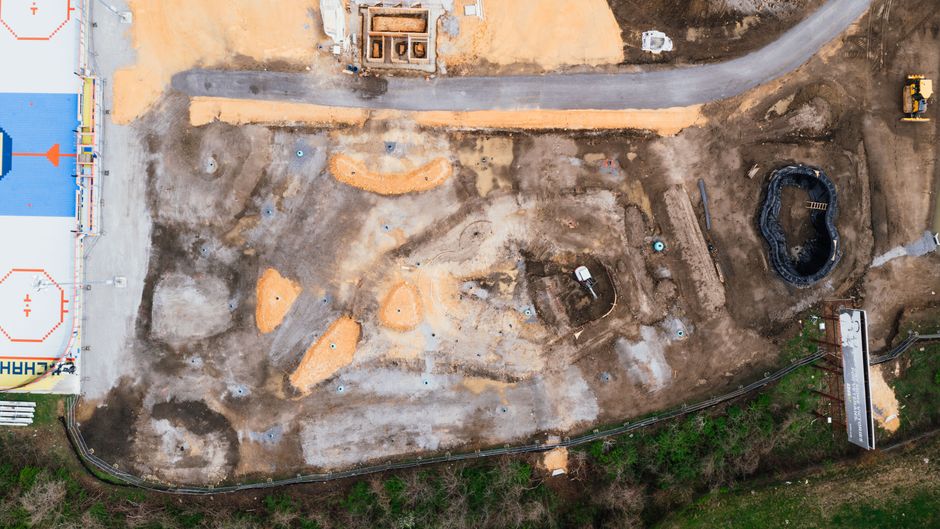
During WWII, an entire city of 75,000 people appeared almost overnight in rural Tennessee, its very existence and purpose classified for years as part of the top-secret Manhattan Project.
Oak Ridge was one of the three primary sites of the Manhattan Project, a colossal undertaking to develop the atomic bomb. Built from scratch in secrecy, its residents worked in massive, windowless facilities like K-25 and Y-12, enriching uranium without knowing the ultimate goal of their labor. Today, much of its history is declassified, and visitors can explore museums and historical sites that reveal the astonishing scale of wartime innovation and the ethical complexities of the atomic age, a crucial chapter in global history.
Frequently asked questions
What are some underrated states for unique travel experiences in the US?
States like Illinois, Utah, and Tennessee often surprise travelers with their hidden depths. Beyond their major cities or national parks, you'll find ancient history, unique geological formations, and profound cultural narratives that are often overlooked, offering a different kind of American adventure.
How can I find truly lesser-known travel spots in the US?
To discover hidden gems, delve into local historical societies, state park guides, and regional tourism boards rather than just national ones. Look for places with unique geological features, specific historical events, or unusual cultural phenomena, often found off main highways in smaller towns or rural areas.
Is it safe to visit remote or off-grid communities like Slab City?
Visiting unique communities like Slab City can be a fascinating experience, but it's important to approach with respect and awareness. Research local etiquette, be mindful of private spaces, and ensure you have adequate supplies as services are limited. Always prioritize personal safety and common sense when exploring unconventional destinations.
How does the AllTours.ai app help me discover these hidden places?
AllTours.ai acts as your personal AI audio tour guide. Simply point your phone camera at any landscape or landmark, and the app instantly narrates its history, geology, and culture in your preferred language. It's designed to reveal the fascinating stories behind every view, making even the most unassuming spots come alive with discovery.
Related guides
Photography via Pexels. AllTours.ai is an AI audio tour guide — point your camera at any landscape and hear its story.