July 2, 2026 · 4 min read
Planning your first trip to America? The iconic landmarks are a must-see, of course, but what if you could peel back the layers and discover the truly unexpected? The USA is a vast tapestry of landscapes, cultures, and histories, far richer and more diverse than most guidebooks reveal.
Forget the usual tourist trail for a moment. We've curated a list of lesser-known spots, each with a genuine, surprising story that will spark your curiosity and make you see America through a new lens. Prepare to uncover ancient cities, geological marvels, and forgotten histories that lie hidden in plain sight.
1. The Rainbow Forest's Ancient Past
Petrified Forest National Park, USA
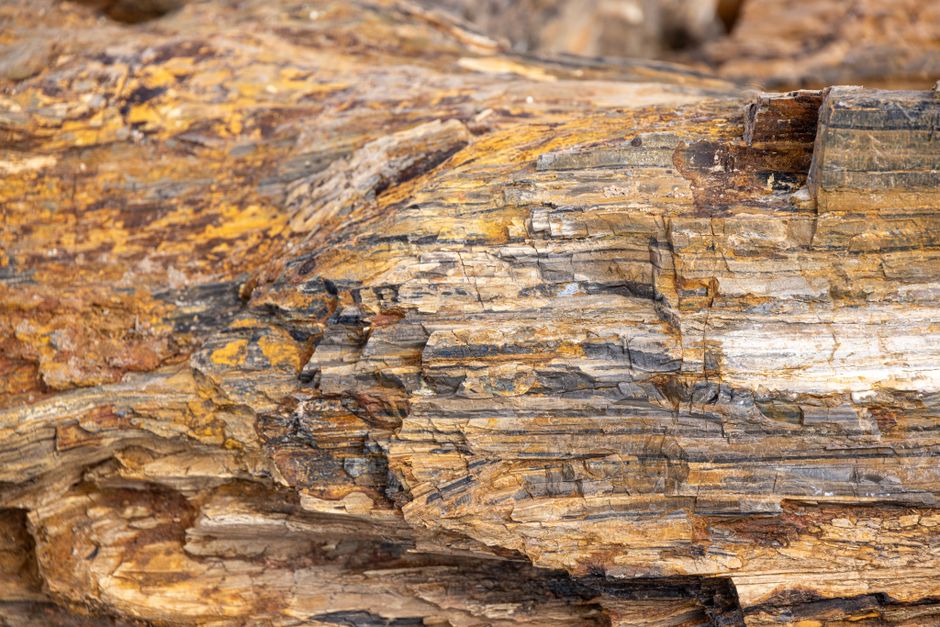
This desert landscape in Arizona isn't just barren; it's home to fossilized trees that have transformed into dazzling, multi-colored gemstone.
Millions of years ago, a dense forest stood here, buried by volcanic ash and sediment. Over eons, silica-rich groundwater replaced the organic matter, turning wood into quartz, preserving every tree ring. Beyond the main trails, less-visited sections reveal not only vast fields of these sparkling logs but also extensive badlands of the Painted Desert, constantly eroding to reveal new geological layers and Triassic-era fossils.
2. The "New" River's Ancient Secret
New River Gorge National Park, USA
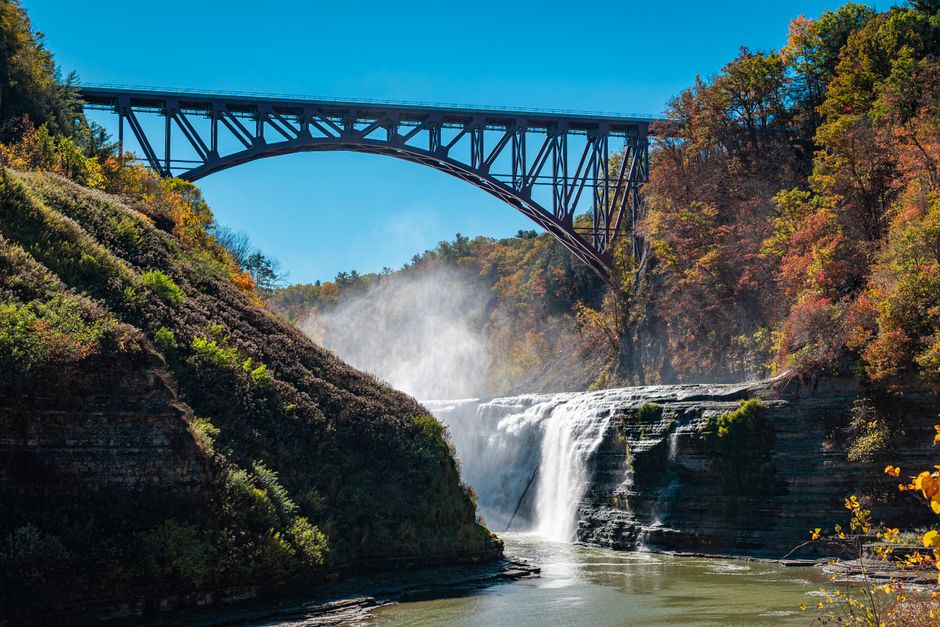
Flowing through West Virginia is one of the oldest rivers on Earth, carving a deep gorge through ancient mountains and hiding the remnants of forgotten coal towns.
Despite its name, the New River is geologically ancient, believed to be second only to the Nile in age, flowing northward against the typical Appalachian drainage. It cuts through the oldest mountains in North America, revealing layers of time. Beneath the iconic New River Gorge Bridge, the ghost town of Nuttallburg stands as a stark reminder of the region's intense coal mining past, its coke ovens and mine portals slowly being reclaimed by the forest.
3. North America's Lost Metropolis
Cahokia Mounds State Historic Site, USA
Just across the Mississippi from modern St. Louis lies the remains of North America's largest pre-Columbian city, once home to tens of thousands of people and a sophisticated ancient culture.
Around 1050 AD, Cahokia was a thriving urban center, larger than London at the time, with a population estimated at up to 20,000. Its inhabitants, the Mississippians, constructed over 120 earthen mounds, including the massive Monk's Mound, which is larger at its base than the Great Pyramid of Giza. They engineered complex solar calendars ("woodhenges") and developed a vast trade network, leaving behind a profound legacy of astronomical knowledge and social organization.
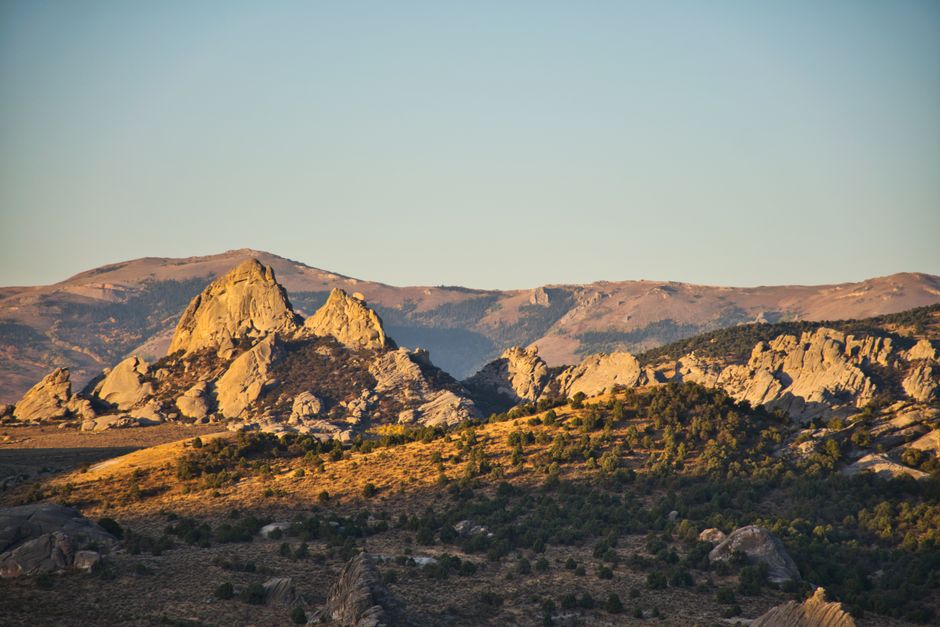
4. Granite Spires of the Pioneer Trail
City of Rocks National Reserve, USA
In southern Idaho, a surreal landscape of giant granite formations bears silent witness to thousands of pioneers, many of whom etched their names into the rock as they journeyed west.
This unique geological area, often called "Silent City of Rocks," features towering granite spires and domes, sculpted over millions of years by weathering and erosion. It was a critical landmark and campsite for emigrants on the California Trail and Salt Lake Alternate, offering water and respite. Look closely, and you'll find countless names, dates, and messages carved into the rock faces by pioneers in the 1800s, a tangible connection to America's westward expansion.
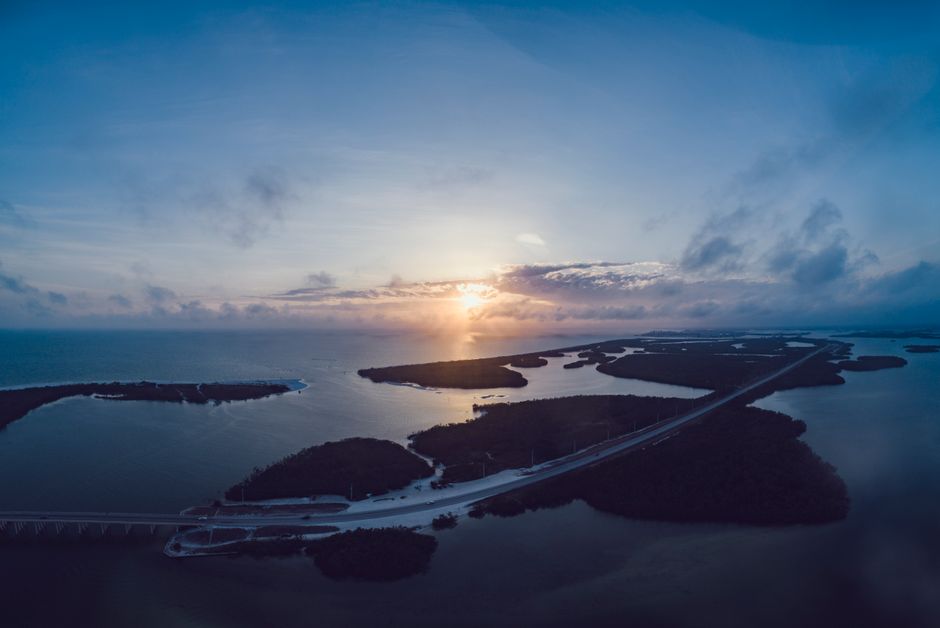
5. Island Fortress at the World's End
Dry Tortugas National Park, USA
Seventy miles west of Key West, a remote cluster of islands hosts a massive, unfinished 19th-century fort, guarding a vital shipping channel amidst pristine coral reefs.
Accessible primarily by ferry or seaplane, Fort Jefferson on Garden Key is the largest masonry fort in the Americas, a colossal hexagonal structure built with over 16 million bricks. Though never fully completed or armed to its full potential, it served as a coaling station and a notorious military prison during and after the Civil War. Surrounding the fort, the crystal-clear waters teem with vibrant marine life and coral reefs, protected within one of America's most isolated national parks.
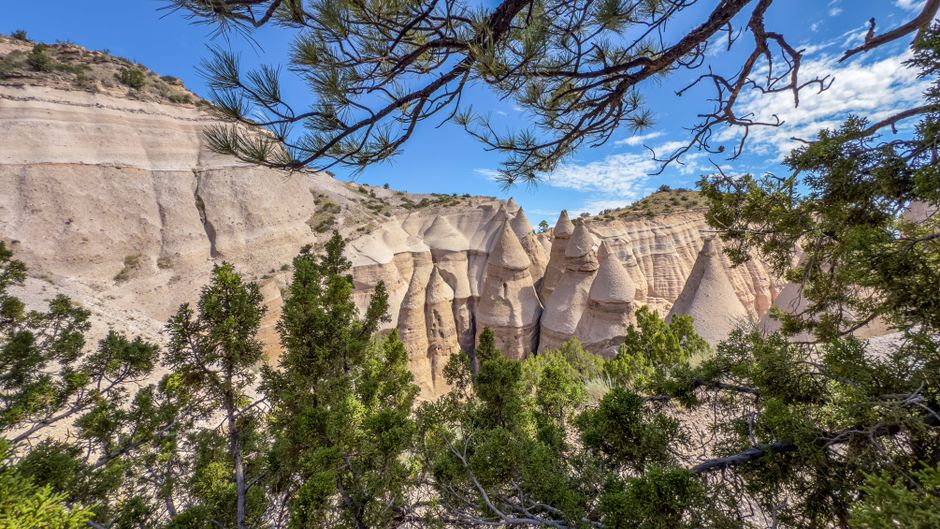
6. The Earth's Conical City
Kasha-Katuwe Tent Rocks National Monument, USA
New Mexico's Jemez Mountains hide a mesmerizing landscape of towering, cone-shaped rock formations, sculpted by ancient volcanic eruptions and erosion into a surreal "tent city."
These unique tent rocks, or hoodoos, are the result of pyroclastic flows from volcanic eruptions millions of years ago, which laid down layers of pumice and ash. Over time, erosion carved these softer layers, leaving behind the harder, capstone-protected cones. A hike through the narrow slot canyons and up to the mesa reveals an otherworldly landscape, a geological wonder revered by the Keres Pueblo people for centuries.
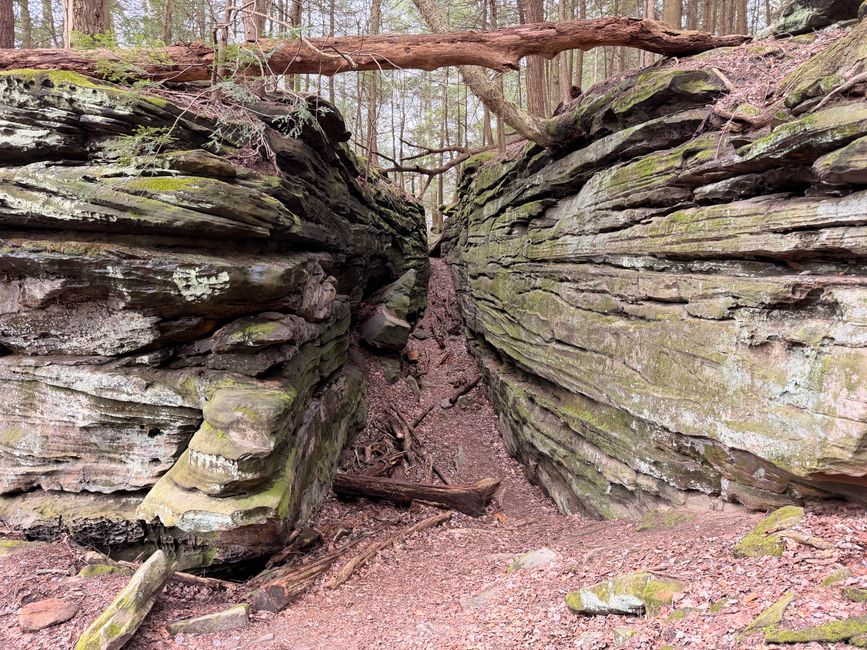
7. Ohio's Unexpected Canyons
Hocking Hills State Park, USA
Far from any ocean, southeastern Ohio harbors a surprising landscape of deep gorges, massive caves, and waterfalls, all carved into sandstone that was once an ancient seabed.
Hocking Hills is renowned for its dramatic Blackhand sandstone cliffs, recess caves like Ash Cave, and stunning waterfalls cascading into deep gorges. This unique geology is a relic of the Mississippian Period, when Ohio was covered by a shallow sea. The sandstone, formed from ancient river deltas, has been sculpted by glacial meltwater and erosion into a rugged, almost canyon-like terrain, offering a stark contrast to the surrounding gentle farmlands.
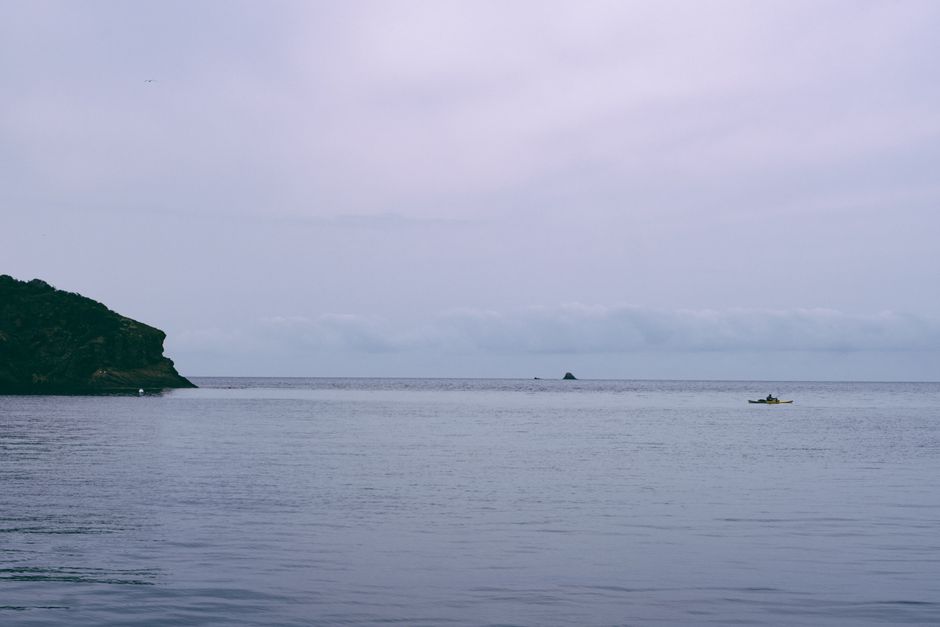
8. Lake Superior's Sandstone Sculptures
Apostle Islands National Lakeshore, USA
Along the shores of Lake Superior, a chain of 21 islands features dramatic sandstone sea caves, carved by waves and ice, revealing a landscape shaped by glaciers and ancient geology.
The Apostle Islands are a natural marvel, characterized by their towering sandstone cliffs, sea arches, and intricate caves, particularly prominent on Devils Island and along the mainland. These formations are composed of Precambrian sandstone, laid down over a billion years ago, and have been sculpted by the relentless power of Lake Superior's waves, wind, and glacial action. In winter, the lake's surface freezes, allowing intrepid visitors to witness spectacular ice caves adorned with frozen waterfalls and icicles.
Frequently asked questions
What are some essential tips for first-time visitors to the USA?
Beyond the places, remember that America is vast; distances between attractions can be huge, so plan transportation carefully. Tipping is customary for service industries, and sales tax is added at the register, not included in the listed price. Always carry some form of identification.
How can I find truly off-the-beaten-path destinations in America?
Start by looking at National Forests, State Parks, and Bureau of Land Management (BLM) lands, which often have incredible natural beauty without the crowds of National Parks. Local tourism boards for smaller towns can also reveal unique festivals or historical sites. Don't be afraid to ask locals for their favorite hidden spots.
When is the best time of year to visit the USA for outdoor exploration?
This largely depends on the region. Spring (April-May) and Fall (September-October) generally offer the most pleasant weather across many states, avoiding extreme summer heat or winter cold, and providing beautiful foliage or blooming wildflowers. However, some desert or southern regions are best visited in winter.
How can the AllTours.ai app enhance my travel experience?
AllTours.ai turns your phone into a personal AI tour guide. Simply point your camera at any landscape or landmark – be it a geological formation, a historic building, or a local monument – and the app will instantly narrate its history, geology, and culture in your preferred language, offering deep, contextual insights wherever you are.
Related guides
Photography via Pexels. AllTours.ai is an AI audio tour guide — point your camera at any landscape and hear its story.