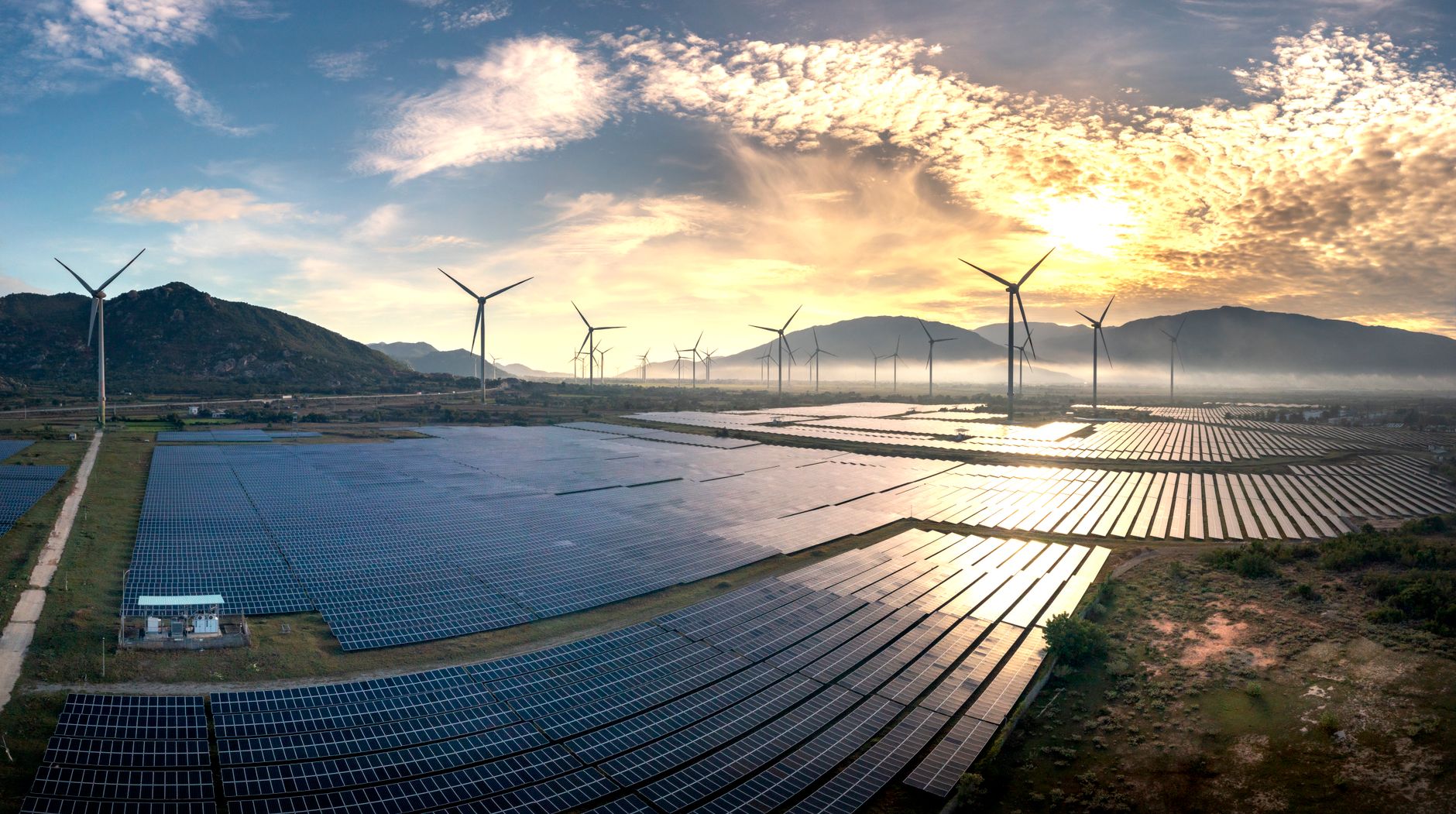
September 23, 2026 · 4 min read
The story of human civilization is often one of adaptation and ingenuity, especially when faced with the stark realities of limited natural resources or challenging geography. While some nations are blessed with abundant land and minerals, others have forged their prosperity through sheer will, innovative thinking, and a deep understanding of their unique environments.
This post dives into eight remarkable, often underrated places around the globe that exemplify this triumph. These aren't the usual suspects; instead, they offer surprising insights into how communities, from ancient times to the modern era, built high standards of living and distinctive cultures by mastering their constraints, not just succumbing to them.
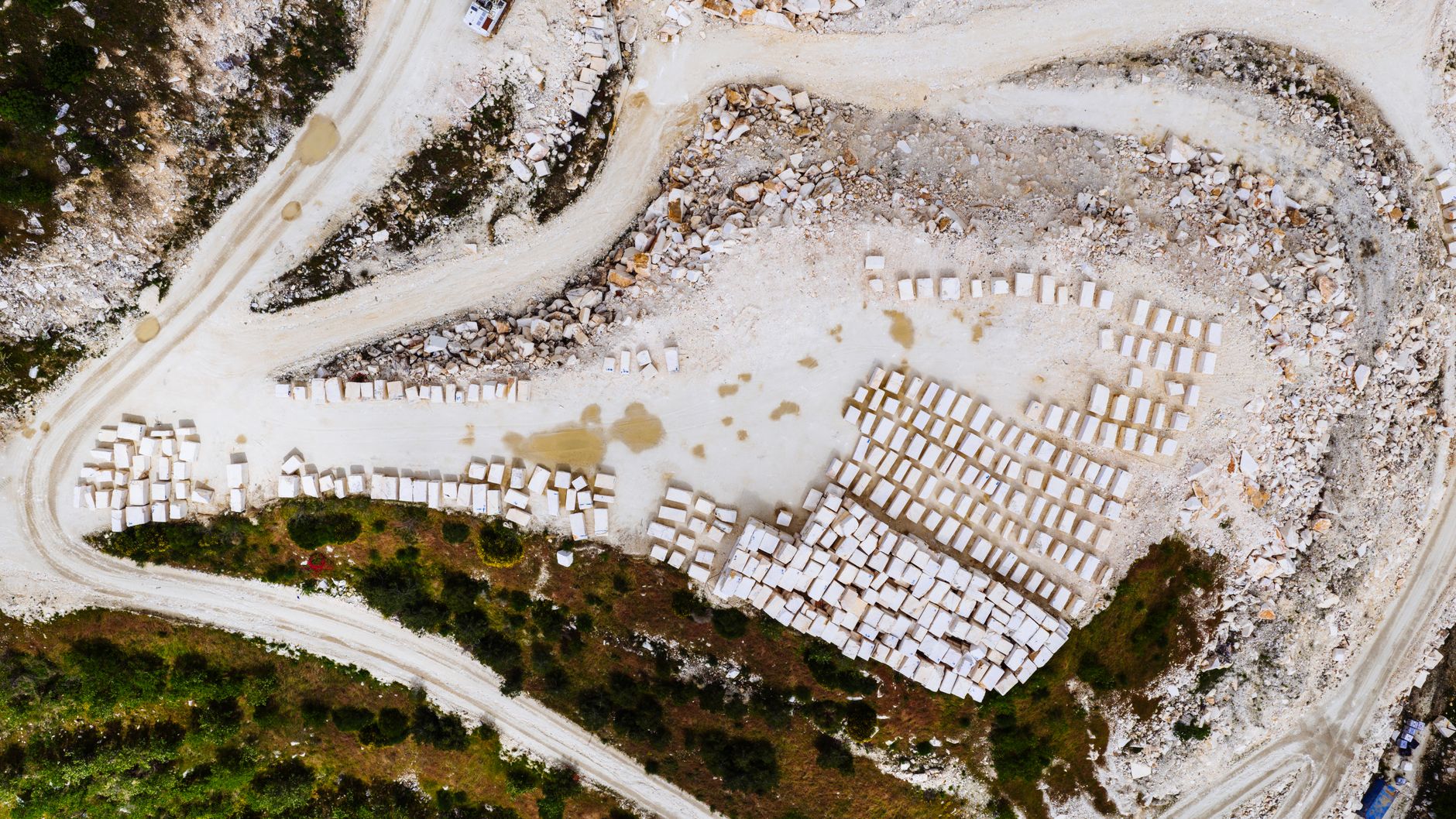
1. Singapore's Granite Heartbeat
Pulau Ubin, Singapore
This rustic island, just a short ferry ride from urban Singapore, provided the very granite that built the city-state's modern foundations.
While mainland Singapore developed into a gleaming metropolis, Pulau Ubin remained a time capsule of kampong life. Its rich granite quarries were extensively mined in the 20th century, supplying crucial building materials for the fledgling nation's infrastructure. Today, it stands as a testament to resource extraction that fueled growth, now evolving into a natural heritage park, reflecting Singapore's complex relationship with its limited land and resources.
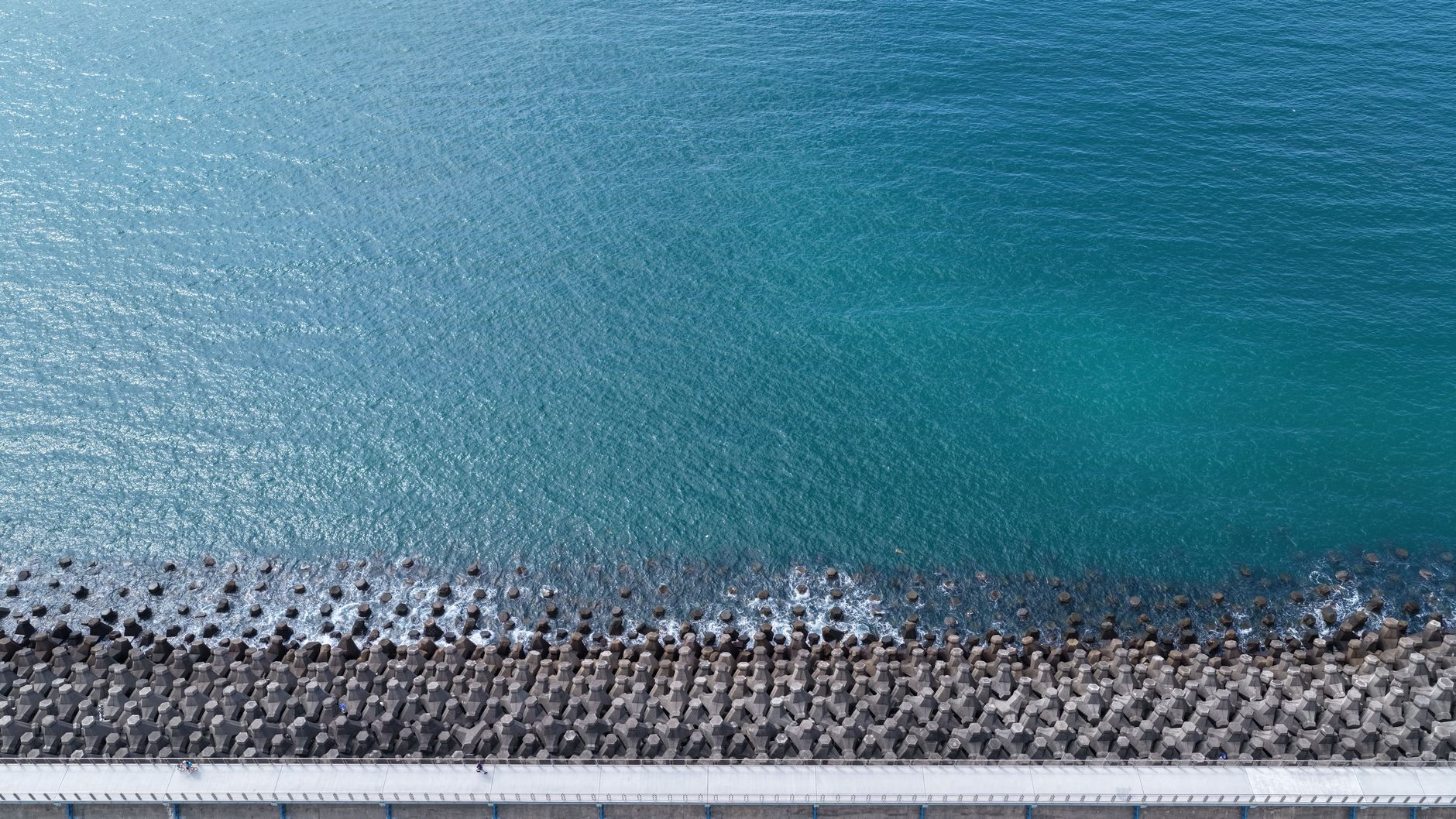
2. The Delta Works' Crown Jewel
Zeeland, Netherlands
After a devastating flood, the Netherlands built a massive storm surge barrier in the sea that can close entirely, protecting its low-lying lands without permanently sealing off the estuary.
The 1953 North Sea flood prompted the ambitious Delta Works project, culminating in the Oosterscheldekering. This engineering marvel is not a solid dam but a series of massive gates, spanning nine kilometers, designed to remain open for tidal flow and marine life. Only during severe storms do these gates close, illustrating a sophisticated balance of protecting densely populated areas from the sea while preserving the natural ecosystem and fisheries.

3. Gables Against the Snow
Shirakawa-go, Japan
In a remote, mountainous region prone to heavy snowfall, this village developed unique steeply-pitched thatched roofs to shed snow and create vast attic spaces for sericulture.
The "gassho-zukuri" farmhouses of Shirakawa-go and Gokayama are architectural wonders born from necessity. Their distinctive, prayer-hands-like roofs, often three or four stories high, were ingeniously designed to withstand extreme winter conditions. Beyond shedding snow, these large attics provided ideal, multi-level environments for raising silkworms, a crucial industry that allowed these isolated communities to thrive by making efficient use of their limited arable land and challenging climate.
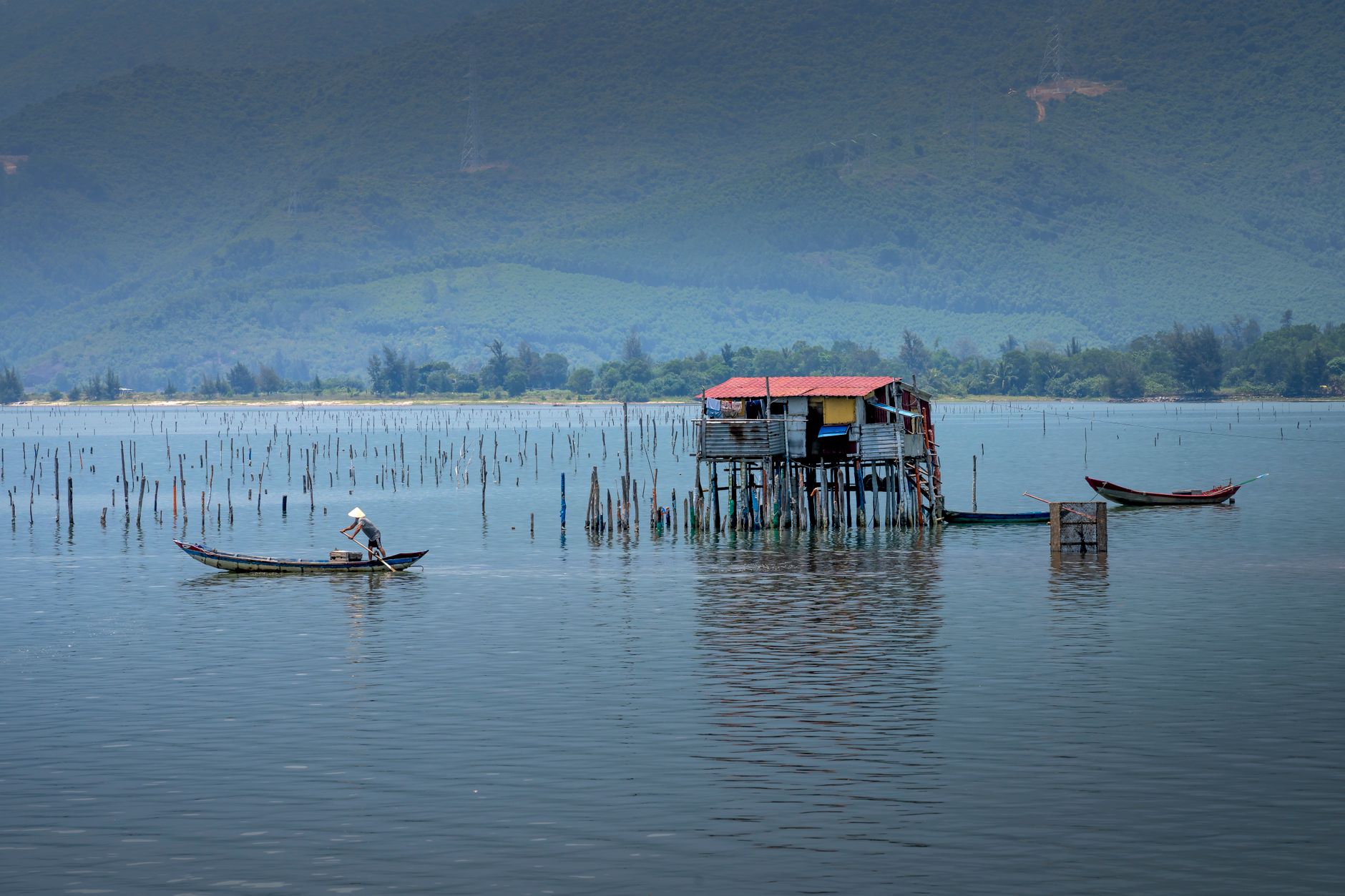
4. Hong Kong's Stilt-House Respite
Tai O, Hong Kong
Amidst one of the world's densest urban centers, this unique fishing village on stilts showcases a traditional way of life that thrives by building directly over the water.
Located on Lantau Island, Tai O offers a stark contrast to Hong Kong's towering skyscrapers. Its Tanka boat people, known as the "fisherfolk," built their homes on stilts above the tidal flats, adapting to limited land resources. This ingenious solution allowed them to create a community directly connected to their livelihood – fishing and salt production – demonstrating a resilient, sustainable existence that predates modern development and continues to preserve a distinct cultural identity against urban sprawl.
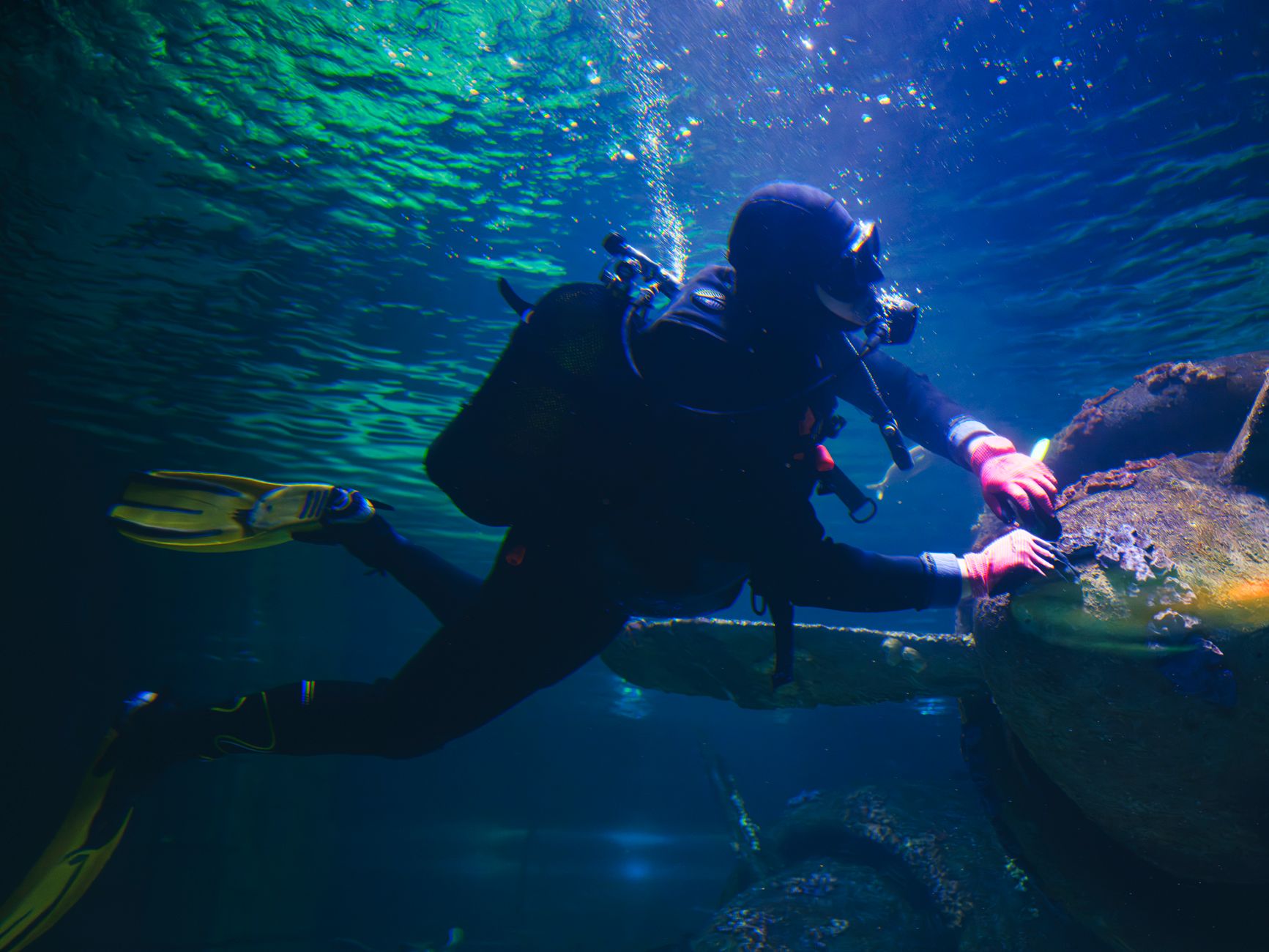
5. Jeju's Free-Diving Sea Women
Jeju Island, South Korea
For centuries, women on this volcanic island have free-dived to harvest seafood from the ocean, creating a sustainable economy and a unique matriarchal cultural heritage.
With limited arable land and a harsh environment on Jeju Island, the Haenyeo developed a remarkable way of life. These "sea women" dive without oxygen masks, sometimes holding their breath for minutes, to collect abalone, conch, and seaweed. Their deep knowledge of the sea and strict conservation practices ensure the sustainability of marine resources. This tradition not only provided a livelihood but also fostered a distinctive community structure, where women were often the primary breadwinners, showcasing profound human adaptation and resourcefulness.
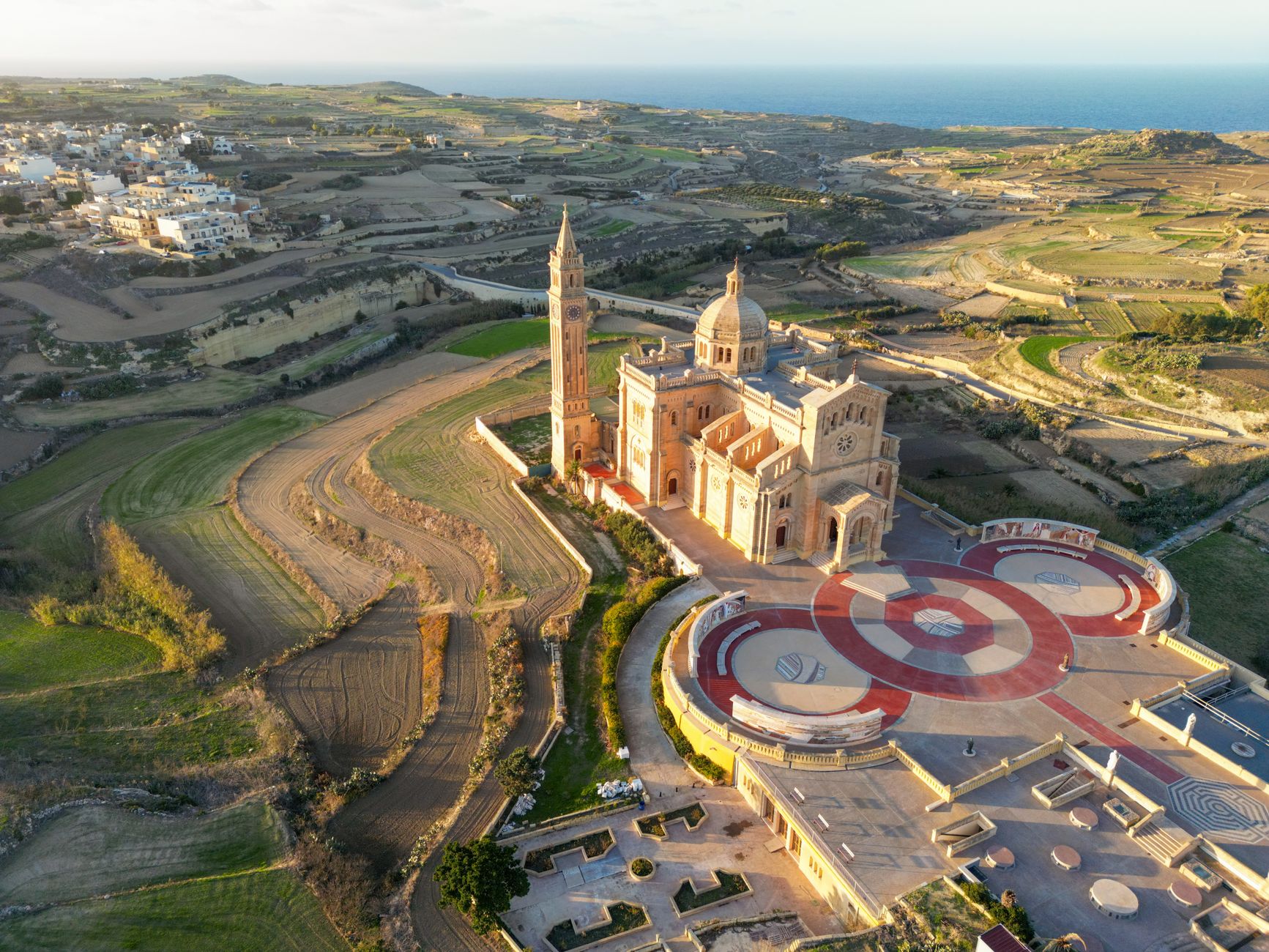
6. Malta's Megalithic Engineering
Qrendi, Malta
On a small, dry Mediterranean island, ancient inhabitants built monumental stone temples thousands of years ago, demonstrating sophisticated organization and resource management.
The prehistoric temple builders of Malta, active from roughly 3600 to 2500 BCE, achieved incredible feats despite the island's limited size and resources. Using local globigerina limestone, they quarried, transported, and meticulously carved massive stones to construct complex religious sites like Ħaġar Qim and Mnajdra. Their ability to organize labor, manage materials, and sustain a population capable of such monumental undertakings speaks to a highly developed society that mastered its environment long before recorded history.
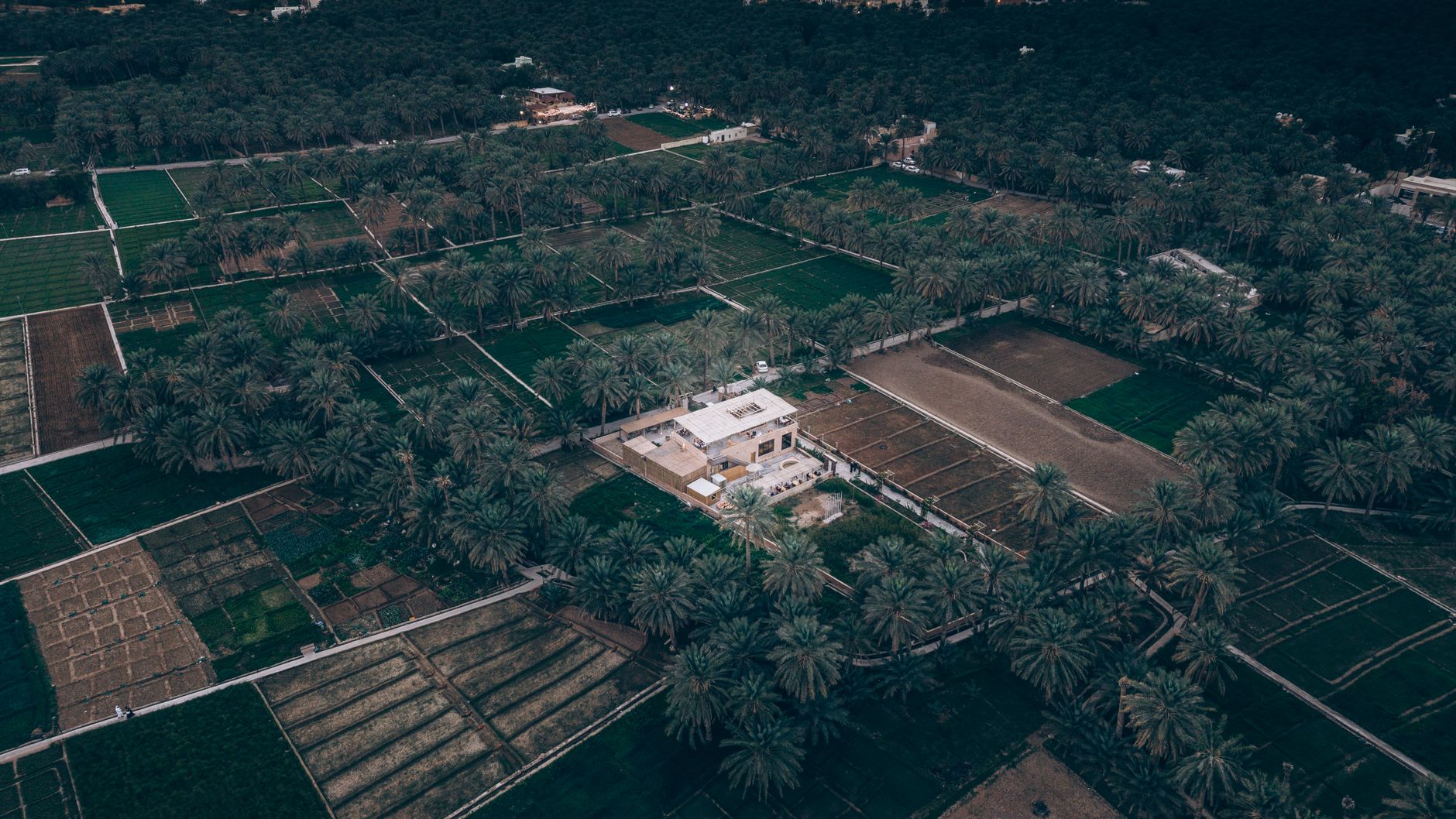
7. The Desert's Green Heart
Al Ain, United Arab Emirates
This ancient oasis in the heart of the desert has sustained life and agriculture for millennia through an ingenious network of underground irrigation channels called falaj.
Designated a UNESCO World Heritage site, Al Ain Oasis is a testament to enduring human ingenuity in an extremely arid environment. For over 4,000 years, its inhabitants developed and maintained a sophisticated "falaj" system, tapping into groundwater sources and distributing precious water through intricate underground channels to irrigate vast date palm groves and other crops. This careful management of a scarce resource allowed a thriving community to flourish in the desert, becoming a vital trade and agricultural hub.

8. Alpine Engineering's Deepest Feat
Swiss Alps, Switzerland
This 57-kilometer-long railway tunnel, burrowing deep beneath the Alps, is the world's longest and deepest, dramatically improving transit through a formidable mountain range.
Switzerland, a small, landlocked country dominated by mountains, faced significant challenges in connecting its regions and facilitating trade. The Gotthard Base Tunnel is the pinnacle of its response, a monumental civil engineering achievement that took 17 years to build. By creating a flat, high-speed rail link through the heart of the Alps, it significantly reduces travel times, enhances freight capacity, and connects Europe more efficiently, demonstrating how technological prowess can conquer even the most imposing natural barriers.
Frequently asked questions
What are some common strategies countries use to overcome limited natural resources?
Countries often focus on human capital development, investing in education and technology to create knowledge-based economies. They also prioritize efficient resource management, like water desalination or advanced recycling, and foster strong international trade relationships to import necessary raw materials while exporting specialized goods or services.
How does high population density affect a country's development?
High population density can strain infrastructure, housing, and natural resources, leading to challenges like pollution or congestion. However, it can also foster innovation, create large labor pools, and drive economic activity through concentrated markets, often leading to efficient public transport and shared amenities.
Are there historical examples of societies thriving without abundant natural resources?
Absolutely. Many ancient civilizations, like those in Mesopotamia or the Indus Valley, developed sophisticated irrigation and trade networks to overcome resource limitations. Venice, a city built on a lagoon, thrived for centuries through maritime trade and naval power, demonstrating that strategic location and ingenuity can often outweigh raw resource wealth.
How can the AllTours.ai app help me learn more about places like these?
The AllTours.ai app enhances your travel experience by narrating the history, geology, and culture of any landscape or landmark you point your phone camera at. Simply open the app, point your camera, and it will provide an immersive audio tour in your language, bringing the stories of these resourceful places to life as you explore them.
Related guides
Photography via Pexels. AllTours.ai is an AI audio tour guide — point your camera at any landscape and hear its story.