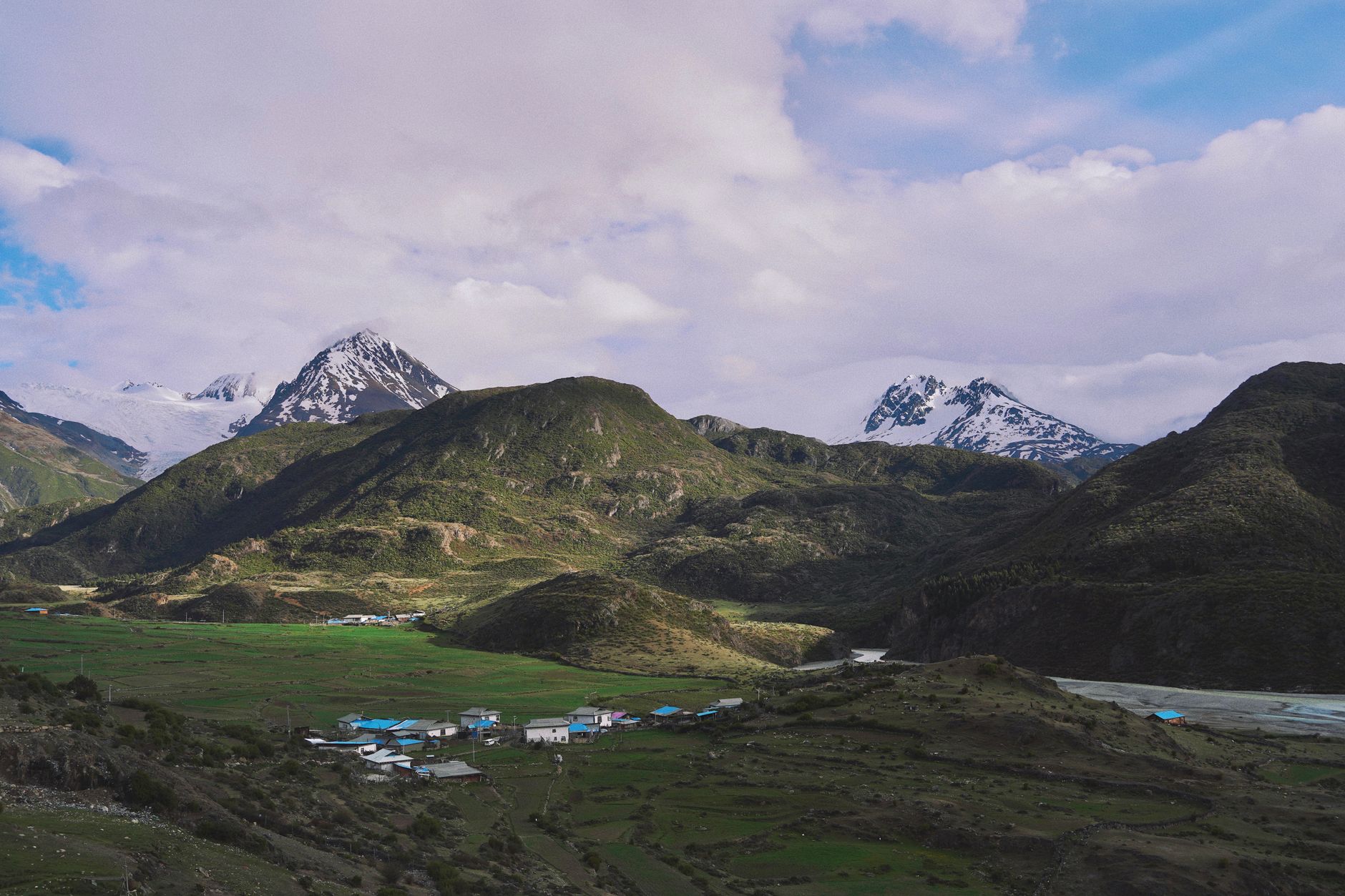
August 27, 2026 · 4 min read
The allure of a famous vacation spot can be undeniable, but for residents, especially students, the constant influx of tourists and seasonal buzz can make you wonder: does living in a famous vacation spot make it harder to focus on schoolwork during the busy seasons? The answer often lies in the challenge of finding quiet corners amidst the vibrant energy.
While popular destinations have their charm, true tranquility and deep learning often await in the lesser-known locales. These places offer more than just scenic beauty; they provide a profound connection to history, geology, and culture, far from the madding crowds. We've curated a list of eight such spots, each with a unique story waiting to be discovered.
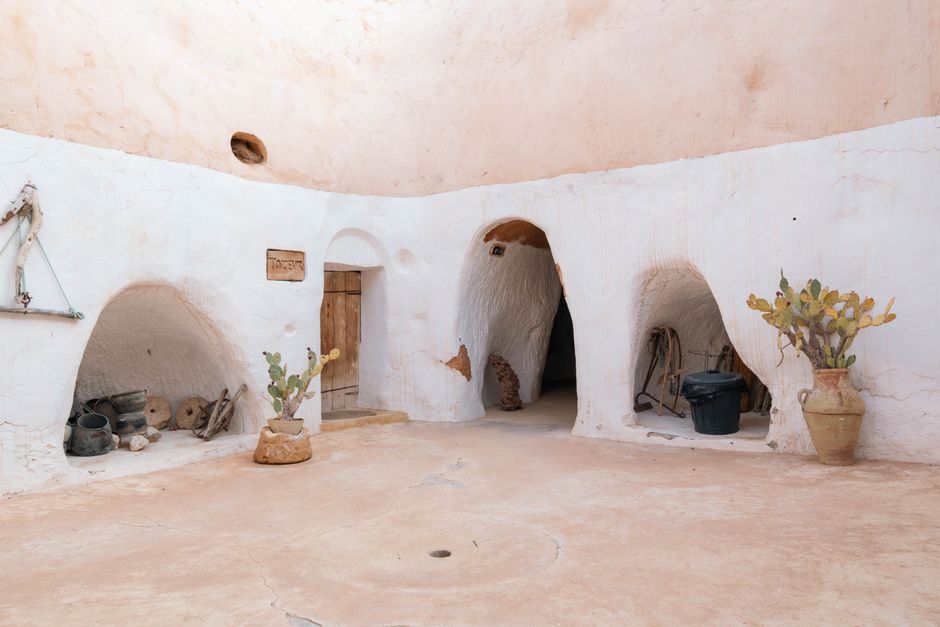
1. The Opal Capital's Underground Life
Coober Pedy, Australia
Over half of Coober Pedy's residents live in "dugouts" – underground homes – to escape the scorching desert heat.
This remote South Australian town is the world's primary source of opals, attracting prospectors since 1915. The extreme summer temperatures, often exceeding 40°C, led early miners to discover that living underground provided natural climate control. Today, you'll find subterranean churches, shops, and even hotels, creating a unique urban landscape beneath the surface.
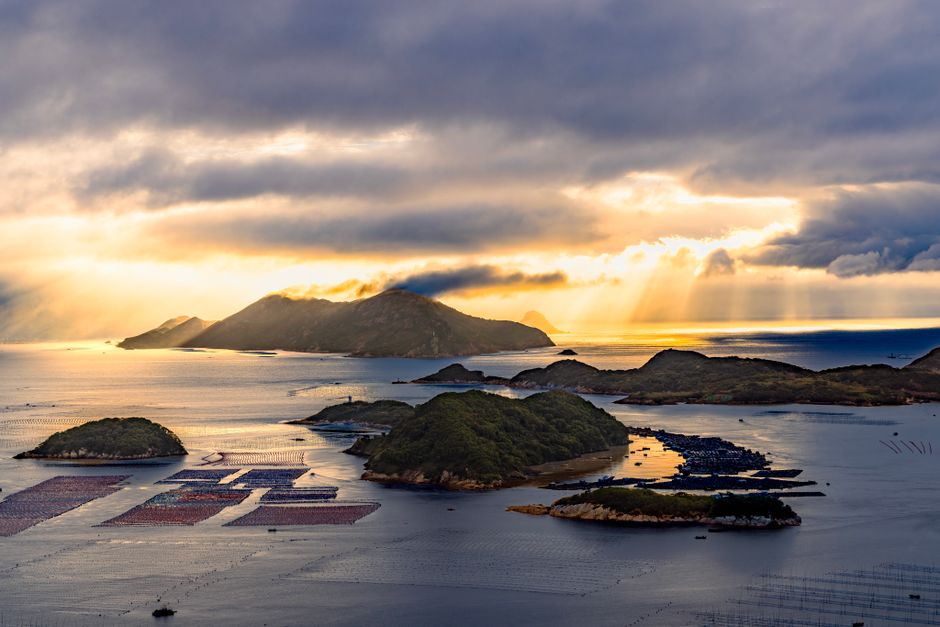
2. Japan's Double Caldera Island
Aogashima, Japan
This remote volcanic island features a village nestled within an outer caldera, which itself contains a smaller, active volcanic cone.
Located in the Philippine Sea, Aogashima is a truly isolated community of just over 200 residents. Its unique geology, a "volcano within a volcano," shapes daily life, from the geothermal steam used for cooking to the challenging ferry access. Despite its dramatic landscape and occasional evacuations, the island offers stark beauty and a profound sense of remoteness.
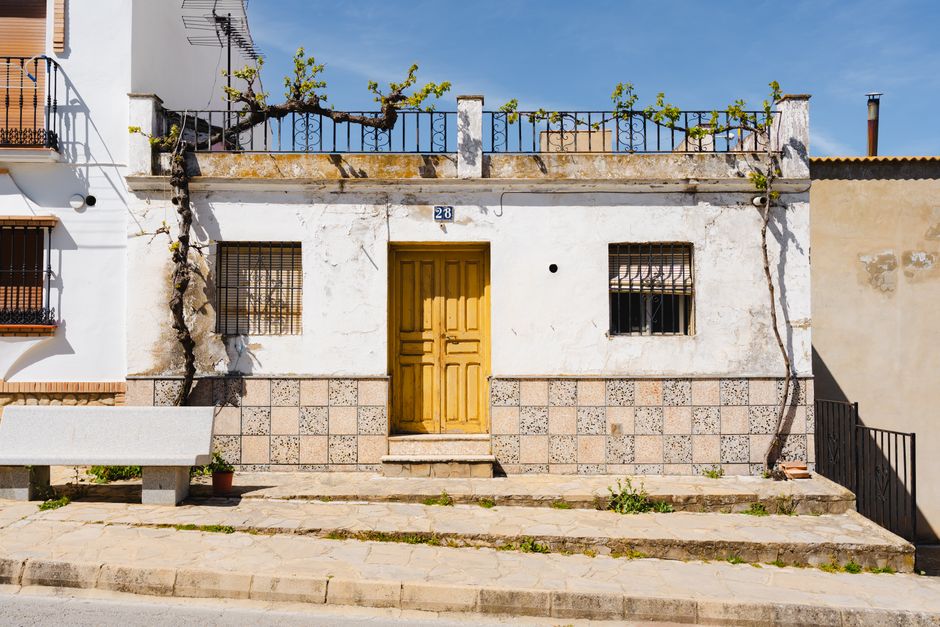
3. The Town Beneath the Rock
Setenil de las Bodegas, Spain
Many houses in this Andalusian town are built directly into the natural rock overhangs of a gorge, using the rock itself as a roof.
Unlike cave dwellings carved *into* rock, Setenil's distinctive architecture utilizes the massive basalt cliffs that loom over the Trejo River. This "shelter under the rocks" ("cuevas del sol" and "cuevas de la sombra") provides natural insulation, keeping homes cool in summer and warm in winter. The town's narrow streets weave beneath these imposing geological features, offering a truly unique living experience.
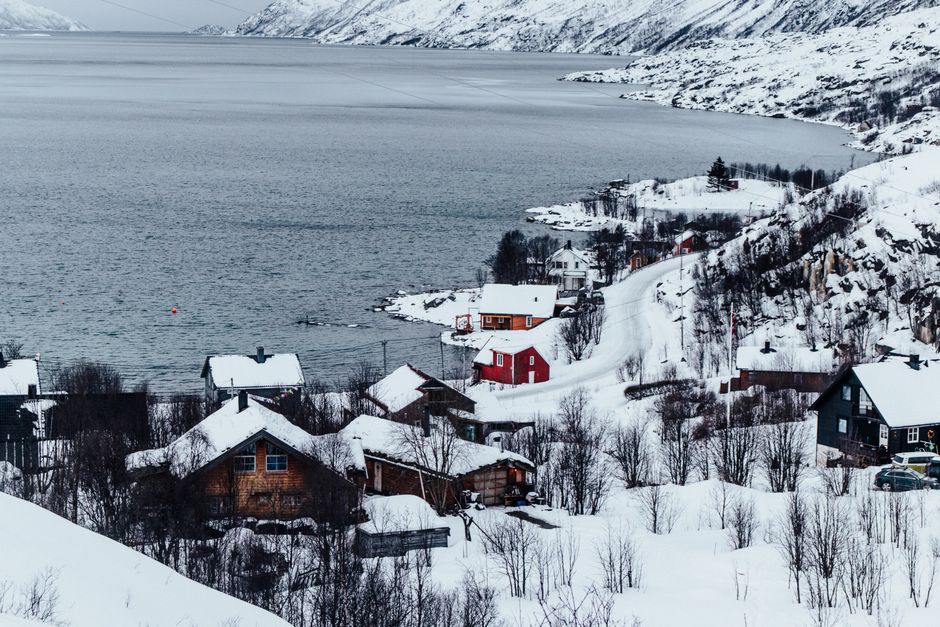
4. The Arctic Mining Town Frozen in Time
Røros, Norway
This UNESCO-listed copper mining town is one of the oldest and coldest towns in Norway, with perfectly preserved 17th-century wooden buildings.
For 333 years, Røros was a thriving mining community, shaping its architecture and culture. Today, its distinct wooden houses, workshops, and smelter remnants offer a vivid glimpse into its industrial past. Despite temperatures that can plunge to -50°C, the town maintains a vibrant community, known for its traditional crafts and connection to the Sami people.
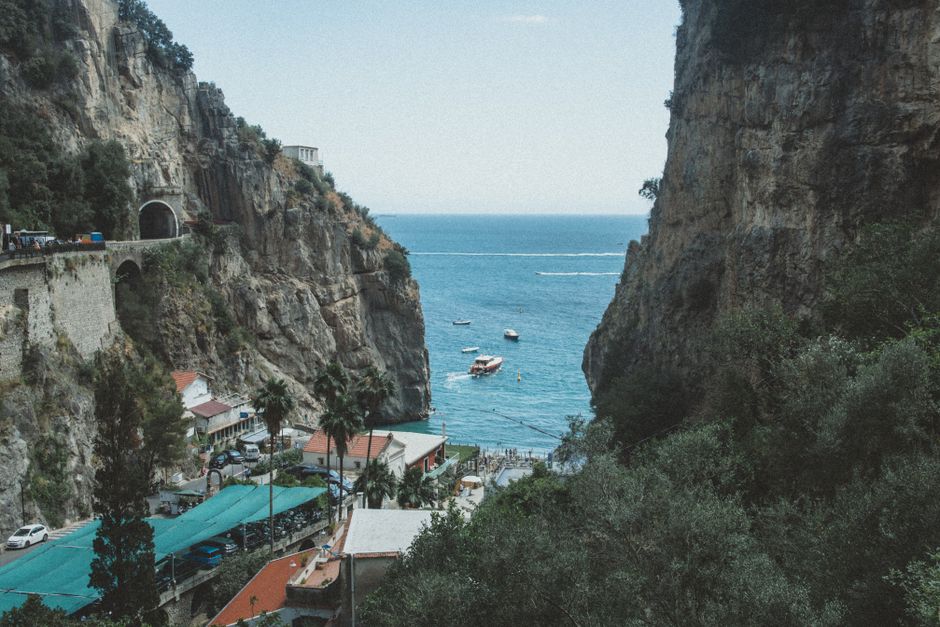
5. The Hidden Fjord Village
Furore, Italy
Furore is a "painted village" dramatically built into the sheer walls of a deep, narrow fjord on the Amalfi Coast, almost invisible from the sea.
Known as "the town that doesn't exist," Furore's houses cling precariously to the rocky cliffs of its fjord, a natural wonder carved by the Schiato stream. Its hidden nature once made it a sanctuary for those seeking solitude. Today, its colorful murals painted on houses, a tradition started to attract visitors, contrast beautifully with the rugged landscape and the turquoise waters below.
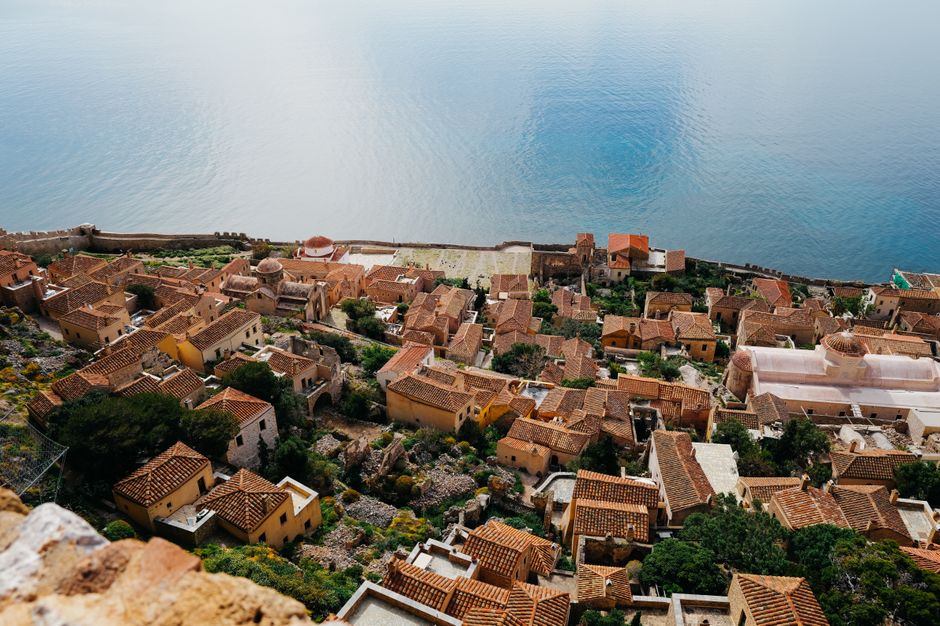
6. The Byzantine Fortress Island
Monemvasia, Greece
This entire medieval fortress town is built on the back side of a massive rock island, making it invisible from the mainland and connected by a single causeway.
Monemvasia, meaning "single entrance," lives up to its name. Historically a crucial Byzantine stronghold, its strategic location on a steep, barren rock protected it from invaders. Inside the walls, a labyrinth of stone houses, churches, and Byzantine ruins creates a living museum, offering unparalleled views of the Aegean Sea and a profound sense of history.
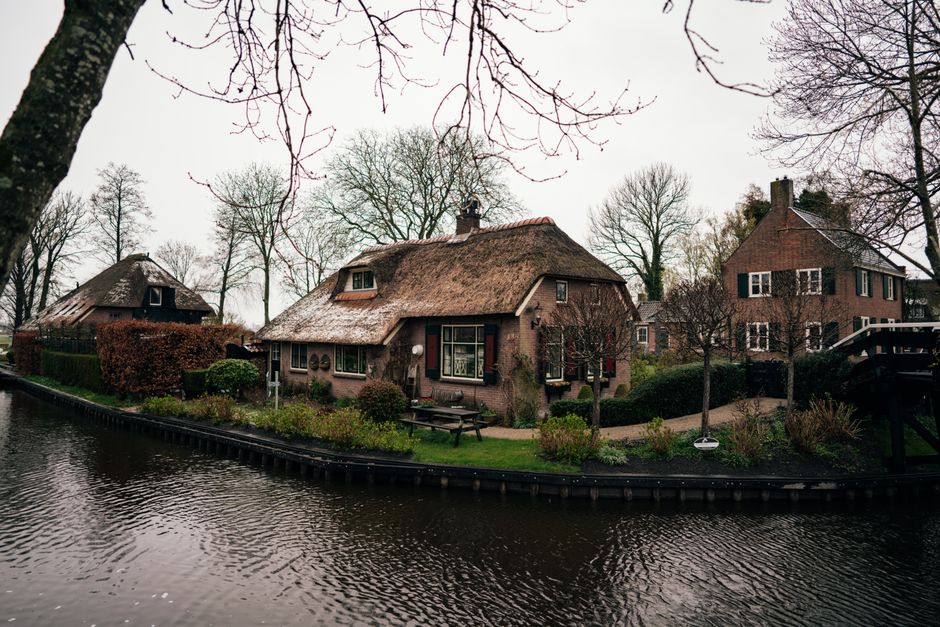
7. The Roadless Village of Canals
Giethoorn, Netherlands
Often called the "Venice of the North," this charming Dutch village has no roads in its old core, relying entirely on canals, footbridges, and "whisper boats."
Giethoorn's unique layout evolved from peat digging, which created numerous lakes and ponds, leading to its intricate network of waterways. Residents and visitors navigate by electric boats (whisper boats), punts, or by walking over its more than 176 wooden bridges. This car-free environment fosters a remarkably peaceful atmosphere, where the loudest sounds are often the birds and rustling reeds.
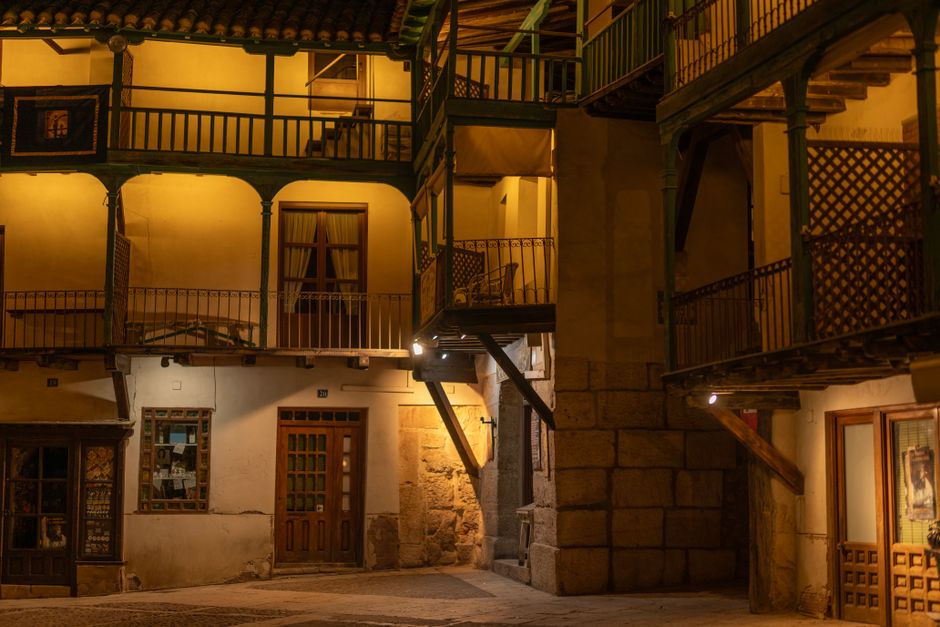
8. Medieval Village, Wild Wolf Heart
Puebla de Sanabria, Spain
This beautifully preserved medieval village is the gateway to a natural park renowned for its wild Iberian wolf population, and home to a unique wolf conservation center.
Puebla de Sanabria, with its imposing castle and cobbled streets, feels like a step back in time. Beyond its historical charm, it serves as a vital hub for the Sierra de la Culebra natural park, one of Europe's largest wolf reserves. The nearby Iberian Wolf Centre offers insights into these elusive creatures, blending cultural heritage with significant wildlife conservation efforts.
Frequently asked questions
How do you find truly unique, less-known travel destinations?
Look beyond mainstream travel guides and popular social media tags. Focus on regions known for specific geological features, historical niches, or unique cultural practices. Local tourism boards for smaller regions can also be a great resource.
What are the benefits of visiting less-known places instead of popular tourist spots?
Lesser-known destinations offer a more authentic experience, fewer crowds, and often a deeper connection to local life and culture. They can also be more budget-friendly and provide a sense of discovery that's hard to find in heavily trafficked areas.
Is it safe to travel to remote or less-known destinations?
Generally, yes, but it's crucial to research local conditions, customs, and any specific health or safety advisories for your chosen destination. Always inform someone of your itinerary and consider travel insurance. Local guidance can be invaluable.
How can AllTours.ai enhance my travel experience in these unique spots?
AllTours.ai brings these hidden stories to life. Simply point your phone camera at a landmark, geological feature, or even a street scene, and the app instantly narrates its history, cultural significance, and geological context in your preferred language. It's like having a local expert guide, revealing details you might otherwise overlook, right in your pocket.
Related guides
Self-guided audio tours
Walk these places stop by stop — free five-stop story tours you can take at your own pace:
Photography via Pexels. AllTours.ai is an AI audio tour guide — point your camera at any landscape and hear its story.