August 6, 2026 · 4 min read
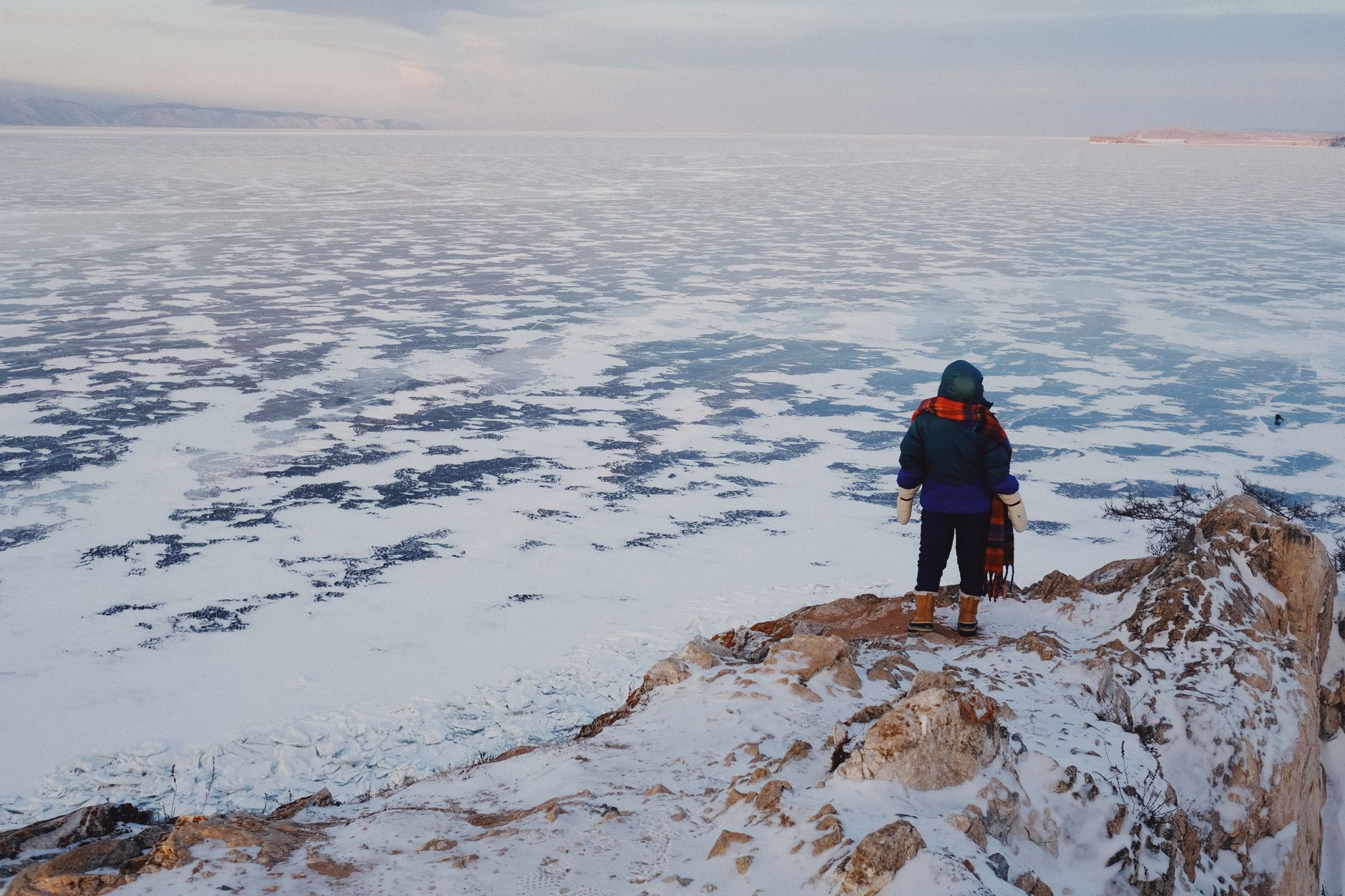
The question, "Where did you go for your first solo trip?" often brings to mind popular European capitals or well-trodden backpacking routes. But for many, the true spirit of solo adventure lies in discovering the unexpected, veering off the main path to find places that genuinely ignite curiosity.
If you're looking to embark on a journey that challenges the ordinary and rewards you with incredible, untold stories, you've come to the right place. We've curated a list of lesser-known spots around the globe, each with a surprising twist of history, geology, or culture that makes it perfect for a first, unforgettable solo exploration.
1. The Desert's Diamond Ghost
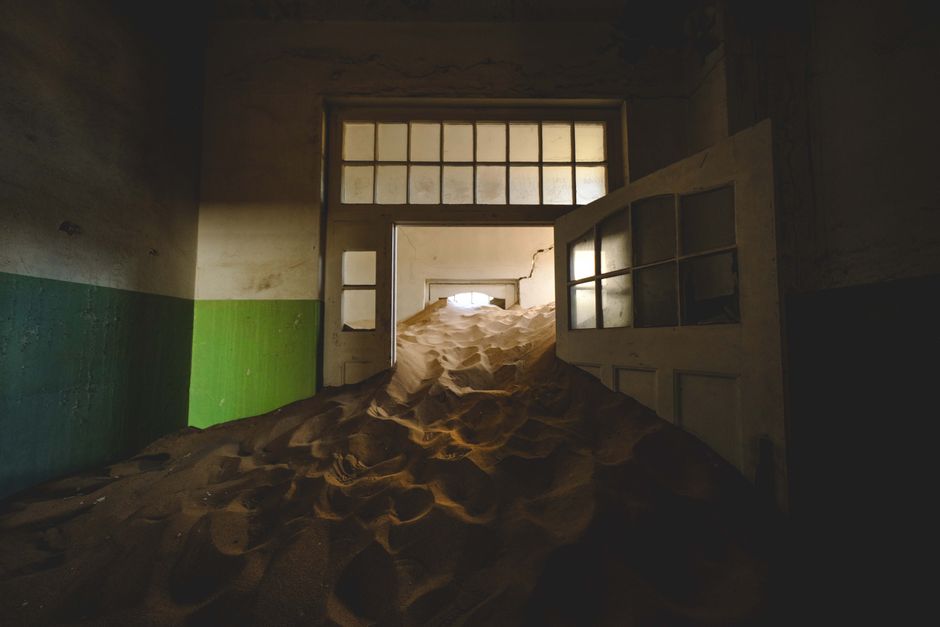
Kolmanskop, Namibia
Once a booming diamond town, this settlement is now slowly being reclaimed by the Namib Desert, filling houses with sand dunes.
In the early 20th century, Kolmanskop was a prosperous German mining town after diamonds were discovered nearby. Its inhabitants built grand homes, a hospital, and even a bowling alley in the desolate landscape. When diamond prices dropped and richer deposits were found elsewhere, the town was abandoned in the 1950s. Today, its elegant structures stand eerily preserved, with desert sands steadily flowing through their doors and windows, creating surreal indoor dunes.
2. Living Under a Rock
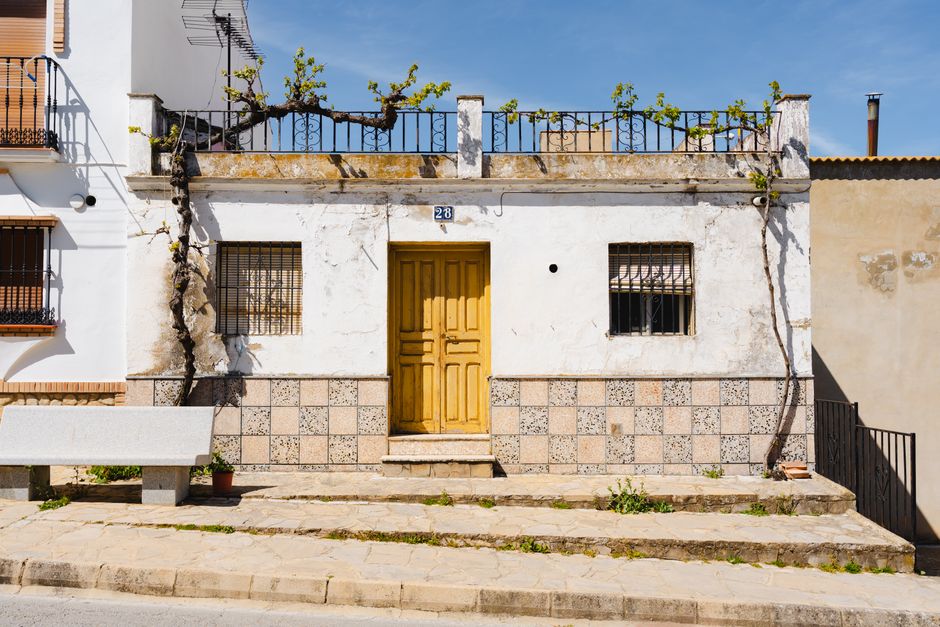
Setenil de las Bodegas, Spain
This unique Andalusian village is famous for its houses built directly into and under massive rock overhangs, creating cave-like streets.
Unlike traditional cave dwellings carved *into* rock, many homes in Setenil de las Bodegas are constructed by simply building a facade against the natural rock formations that overhang the narrow streets. This architectural style, known as "shelter under the rocks," provides natural insulation, keeping houses cool in summer and warm in winter. The Rio Trejo has carved a gorge through the town, and its residents have ingeniously adapted to the dramatic landscape for centuries.
3. Italy's Dying City
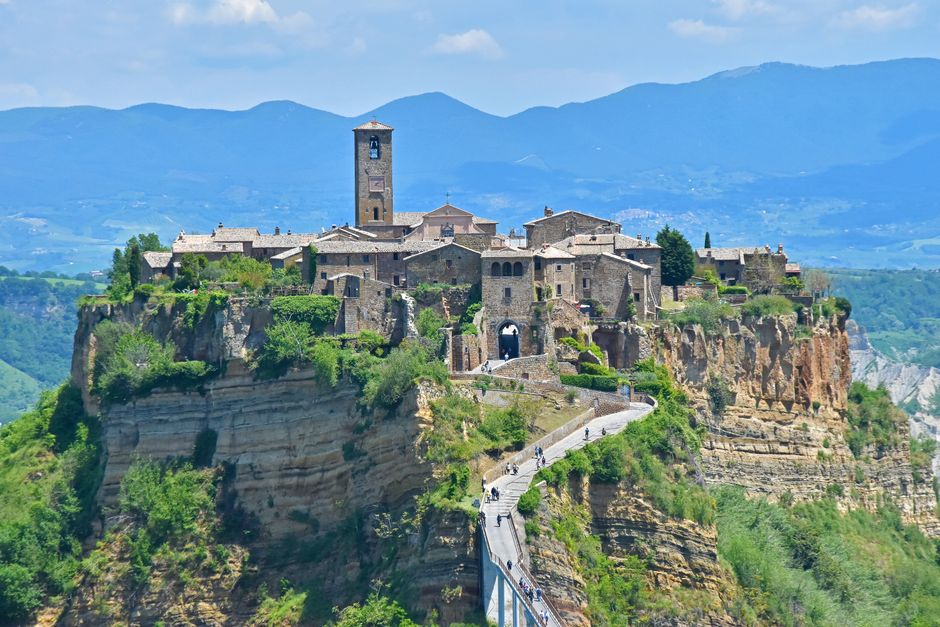
Civita di Bagnoregio, Italy
Perched precariously atop a volcanic plug, this stunning medieval village is slowly crumbling into the valley below, earning it the nickname "the dying city."
Civita di Bagnoregio is a mesmerizing sight, accessible only by a long, narrow pedestrian bridge that spans a deep canyon. The town's tuff rock foundation is constantly eroding due to natural processes and seismic activity, causing parts of it to collapse over centuries. Despite its precarious existence, the village remains inhabited by a handful of residents, preserving a timeless, almost ghost-like atmosphere with its ancient stone houses and quiet streets.
4. The Stone City's Fortified Homes
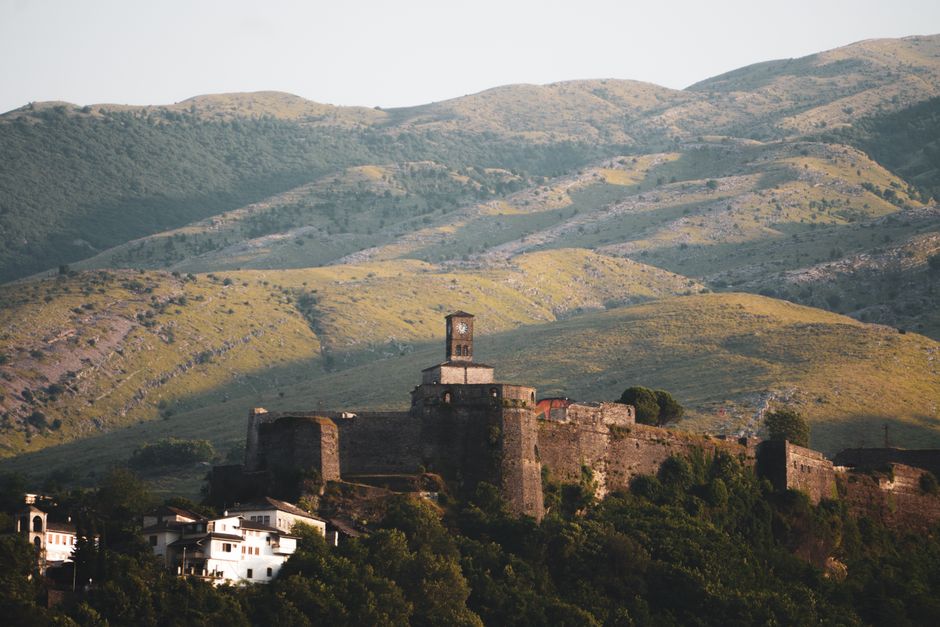
Gjirokastër, Albania
A UNESCO World Heritage site, this "Stone City" is famous for its unique Ottoman-era houses, which resemble miniature fortresses with their high stone walls and slate roofs.
Gjirokastër's distinctive architecture earned it the moniker "City of Stone." The houses, often three to four stories high, were designed with defense in mind, featuring narrow windows, fortified walls, and internal courtyards. Many also incorporate a "kulla" or tower house design, reflecting centuries of Ottoman influence and the need for protection in a historically turbulent region. Its cobbled streets wind steeply up to an impressive castle, offering panoramic views.
5. The Volcano Within a Volcano
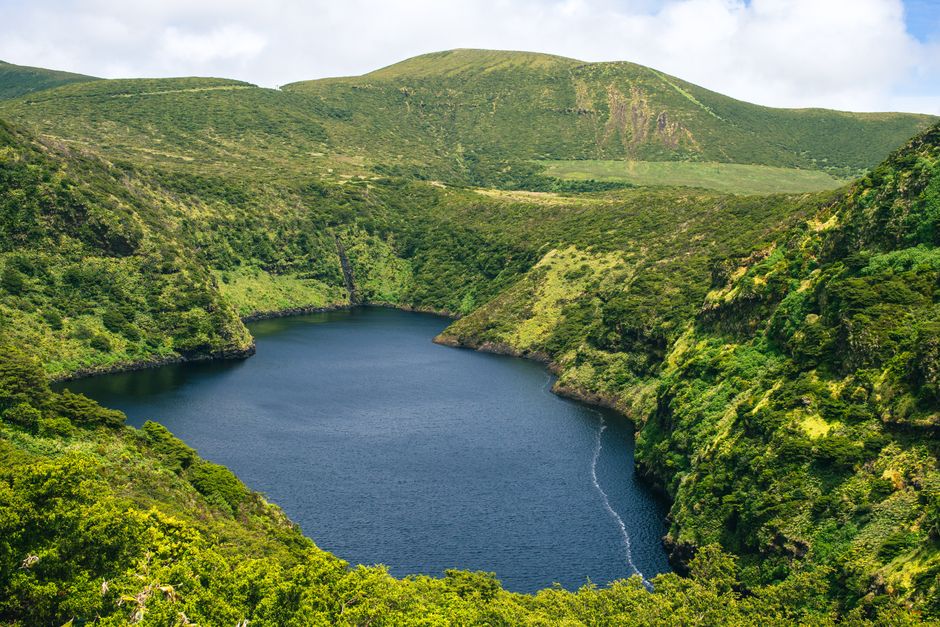
Aogashima Island, Japan
This remote, active volcanic island in the Philippine Sea is a rare geological marvel: a massive volcano with a smaller, active volcano nestled within its caldera.
Aogashima is a truly isolated community, part of the Izu archipelago. Its unique double-caldera structure means residents live inside the crater of one volcano, looking up at the cone of another. The island's steep cliffs make access challenging, typically by helicopter or a small ferry dependent on calm seas. Despite the geological drama, around 200 residents enjoy a self-sufficient life, using geothermal steam for cooking and heating.
6. Kilimanjaro's Coffee Cradle
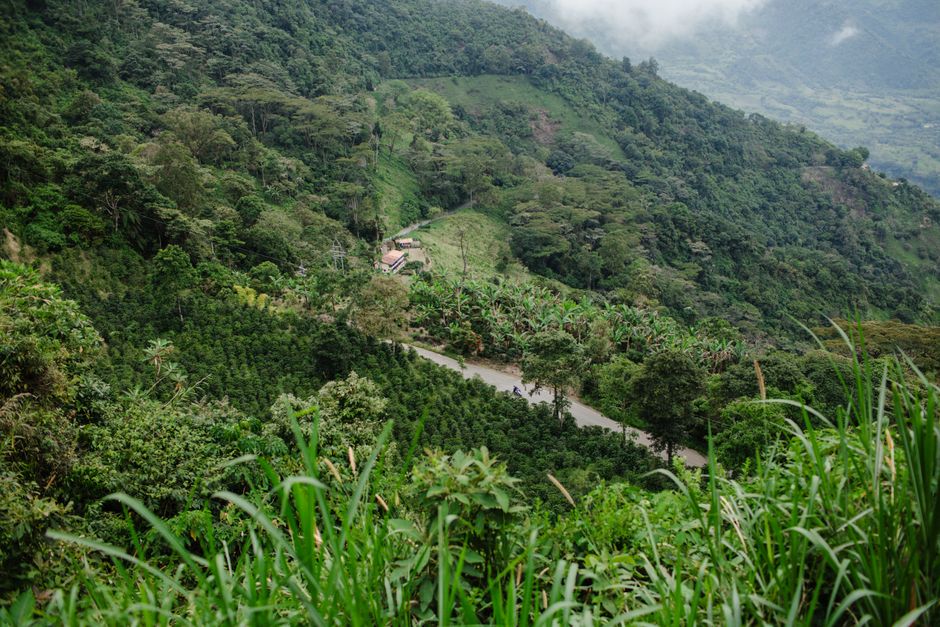
Materuni Village, Tanzania
Tucked away on the slopes of Mount Kilimanjaro, this Chagga village offers an authentic deep dive into the traditional process of coffee cultivation, from bean to cup.
Materuni is home to the Chagga people, who have cultivated coffee on these fertile volcanic slopes for generations. Visitors can participate in a hands-on coffee tour, learning to pick, peel, roast, and grind beans using age-old methods, often accompanied by traditional songs. The village also boasts a stunning waterfall, a refreshing reward after the coffee-making experience, offering a glimpse into rural Tanzanian life away from safari trails.
7. Cappadocia's Hidden Depths
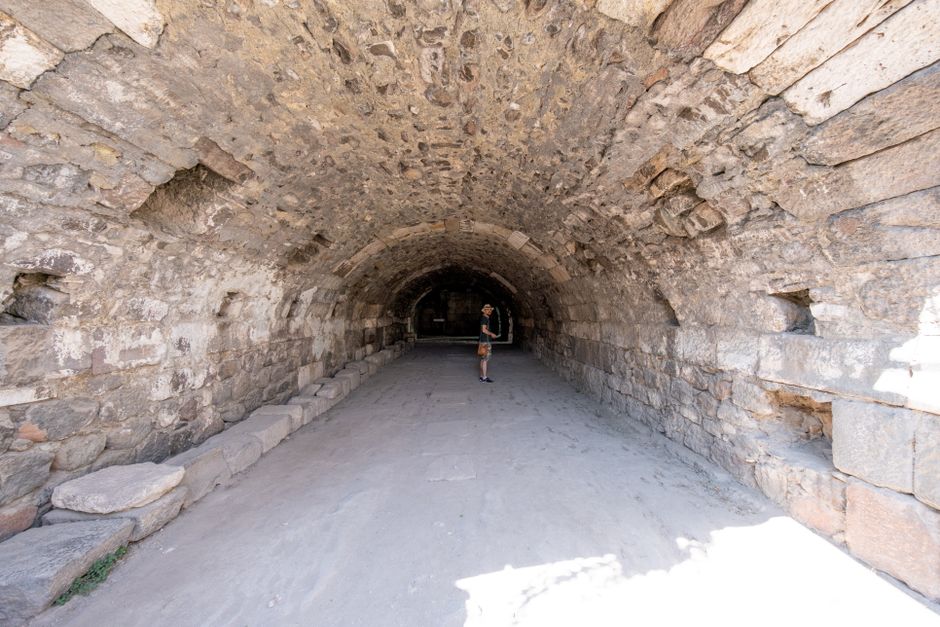
Derinkuyu, Cappadocia, Turkey
One of the largest excavated underground cities in Cappadocia, Derinkuyu plunges eight levels deep, once housing thousands of early Christians fleeing persecution.
This labyrinthine subterranean city was ingeniously carved into the soft volcanic rock over centuries, providing refuge and self-sufficiency for its inhabitants. It features stables, churches, storage rooms, wineries, and even a missionary school, all connected by narrow tunnels. Giant rolling stone doors could seal off sections from invaders. The advanced ventilation system, reaching to the surface, allowed for sustained life underground for extended periods.
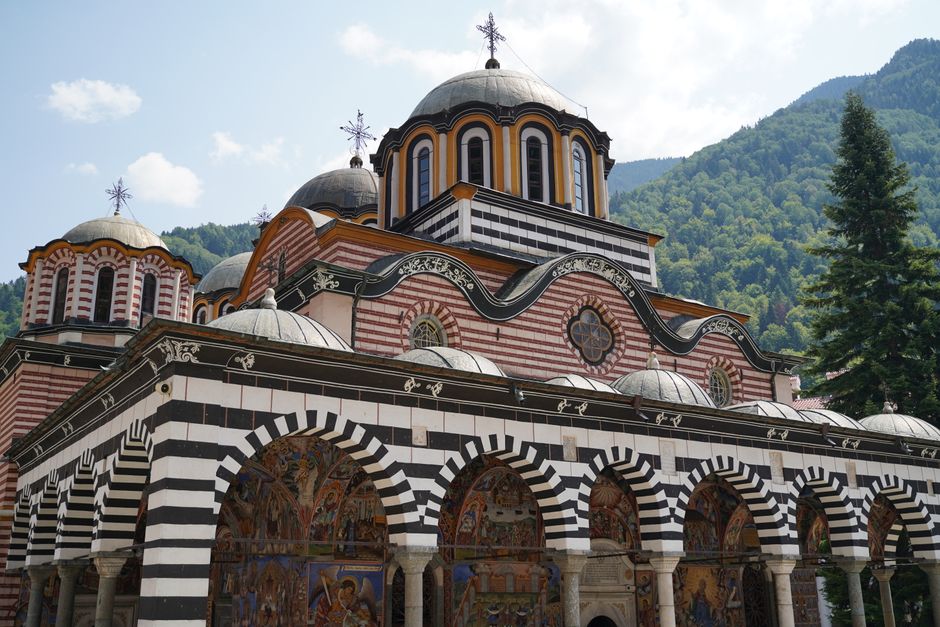
8. Bulgaria's Spiritual Fortress
Rila Monastery, Bulgaria
Nestled deep in the Rila Mountains, this magnificent Eastern Orthodox monastery is a beacon of Bulgarian culture and spirituality, famous for its vibrant frescoes and architectural grandeur.
Founded in the 10th century, Rila Monastery has served as a guardian of Bulgarian national identity during centuries of foreign rule, particularly the Ottoman era. Its impressive complex, with striped arches and a central church adorned with stunning biblical frescoes, stands as a symbol of cultural resilience. The monastery's remote mountain location added to its protective power, preserving invaluable manuscripts and artifacts within its fortified walls.
Frequently asked questions
Is solo travel safe for first-timers?
Solo travel can be very safe, especially when you plan ahead. Research your destination, share your itinerary with someone, and always trust your instincts. Many destinations are welcoming to solo travelers and offer a chance for incredible personal growth.
How do I choose my first solo travel destination?
Consider places with good public transport, a low crime rate, and a language barrier you're comfortable with. Think about what truly sparks your interest – history, nature, culture – and look for places that align with those passions. Starting with a place that feels manageable can build confidence.
What are the biggest challenges of solo travel?
The main challenges often include occasional loneliness, navigating unfamiliar territory alone, and managing all logistics independently. However, these challenges often lead to greater self-reliance, problem-solving skills, and a deeper connection with the places you visit.
How can I learn more about the history of these unique places?
Traditional guidebooks and online resources are a great start. For a truly immersive experience, consider an AI audio tour guide like AllTours.ai. Simply point your phone camera at a landmark or landscape, and the app will narrate its history, geology, and culture in your preferred language, bringing the stories to life.
Related guides
Self-guided audio tours
Walk these places stop by stop — free five-stop story tours you can take at your own pace:
Photography via Pexels. AllTours.ai is an AI audio tour guide — point your camera at any landscape and hear its story.