August 8, 2026 · 4 min read
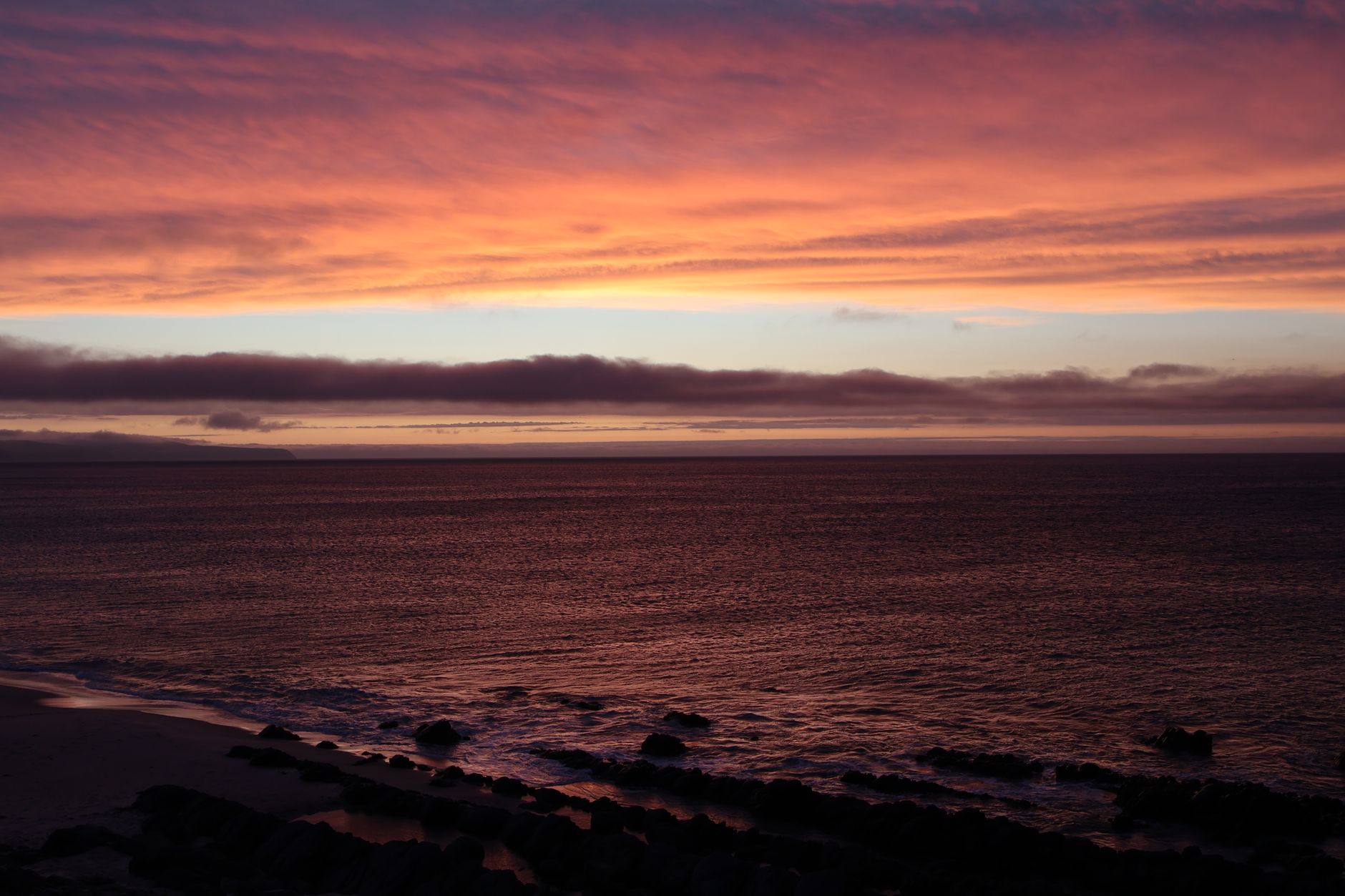
The summer sun sets over the Pacific, the aroma of BBQ floats on the breeze, and the smooth sounds of a saxophone fill the air. "Jazz on the Beach" at Dockweiler Beach is an iconic Los Angeles experience, drawing crowds eager for music, community, and the simple joy of a beach evening. It’s a perfect slice of Southern California culture.
But as the music plays and the bonfires glow, a rich tapestry of untold stories lies beneath the sand, just beyond the waves, and woven into the very fabric of the surrounding landscape. From ecological marvels to industrial titans, the area around Dockweiler Beach holds a surprising depth of history, geology, and culture waiting to be discovered.
1. Nature's Last Stand
Playa del Rey, USA
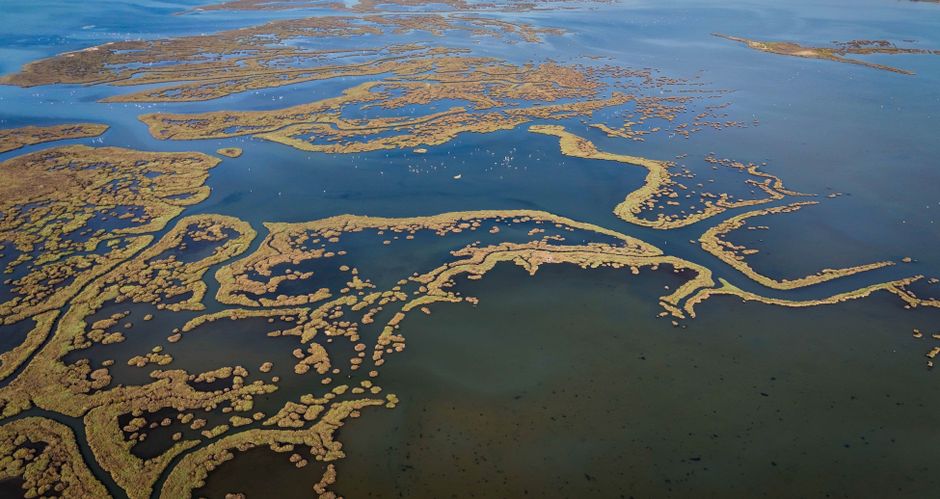
This tranquil marsh, a vital home for migratory birds, was once slated to become a massive marina, saved only by fierce public protest.
The Ballona Wetlands Ecological Reserve represents one of Los Angeles' last major wetlands, a critical stopover for thousands of migratory birds on the Pacific Flyway. For decades, developers eyed this precious ecosystem for ambitious projects, including a vast expansion of Marina del Rey. However, a dedicated coalition of environmentalists and local citizens waged a tireless battle, ultimately securing its preservation and ensuring its delicate balance of salt marsh, freshwater marsh, and dunes continues to thrive.
2. The Butterfly's Last Refuge
El Segundo, USA
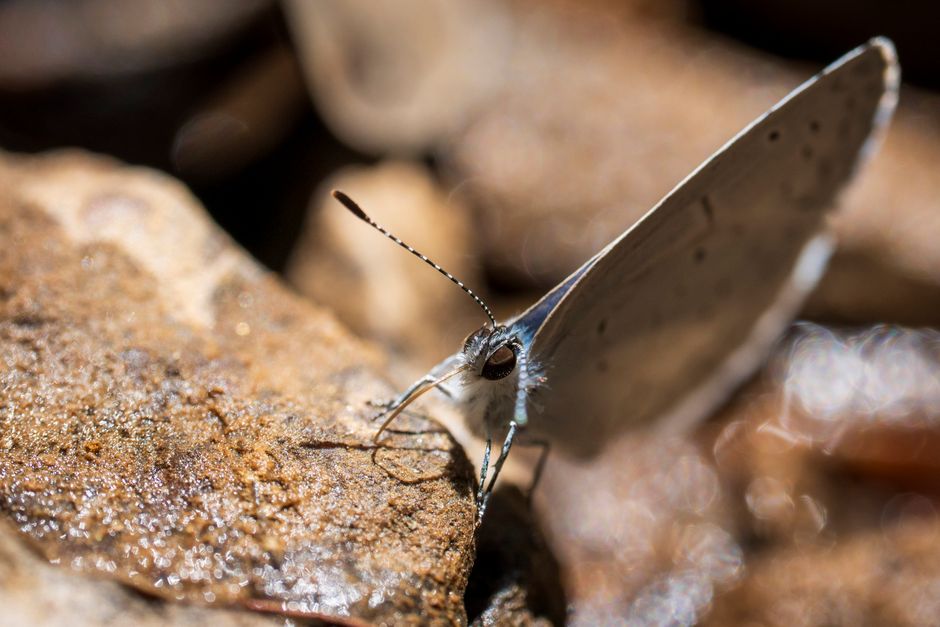
A tiny, iridescent blue butterfly relies on these rare coastal dunes, nearly lost to development, for its very existence.
Tucked away near the Hyperion Treatment Plant, the El Segundo Dunes are a precious, fragmented remnant of the once-vast dune system that stretched along the Santa Monica Bay. These unique sandy hills are the only natural habitat left for the federally endangered El Segundo Blue Butterfly, a tiny species whose entire life cycle depends on the native seacliff buckwheat plant that grows here. Conservation efforts tirelessly protect this fragile ecosystem, a testament to nature's resilience in an urban landscape.
3. From Landfill to Leisure
Playa del Rey, USA
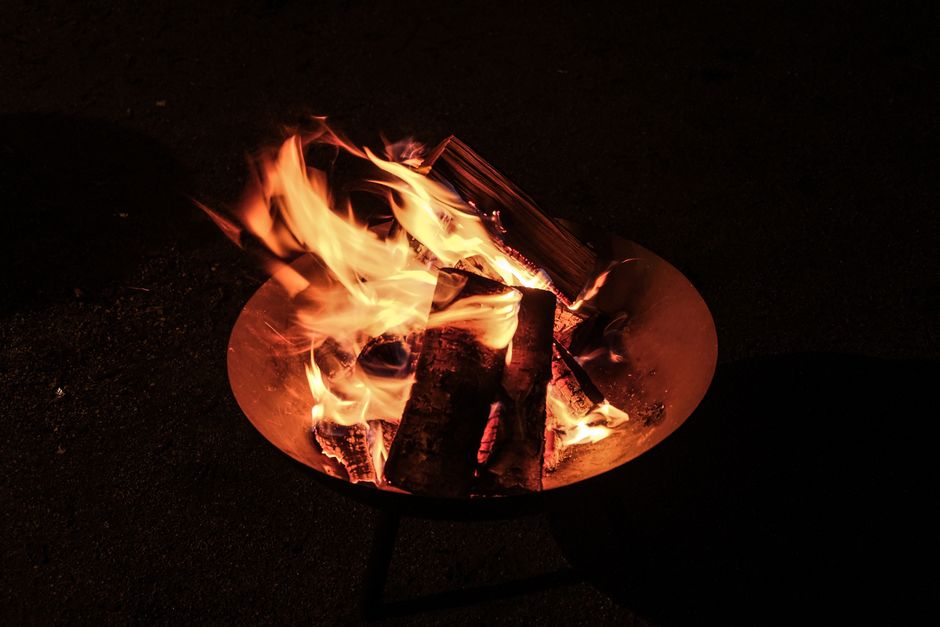
Before it was a popular beach for bonfires and jazz, Dockweiler was a massive municipal landfill for Los Angeles.
It's hard to imagine, but the vibrant sands and recreational areas of Dockweiler Beach once served a very different purpose. For decades, much of what is now the beach and parkland was the Hyperion landfill, receiving millions of tons of Los Angeles' municipal waste. In a remarkable feat of urban reclamation, the landfill was eventually capped and transformed into the expansive public space we know today, complete with bike paths, picnic areas, and those beloved bonfire pits.
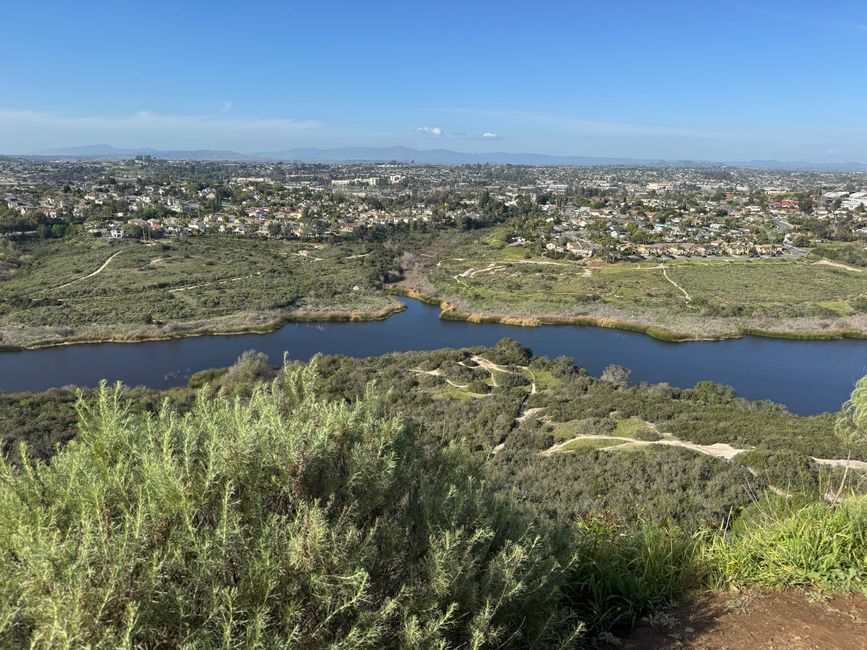
4. The Venice That Never Was
Playa del Rey, USA
This seemingly simple lagoon is a remnant of a grand, unfulfilled vision to extend the 'Venice of America' canal system south.
Playa del Rey Lagoon Park is more than just a pleasant spot for a stroll or a playground for kids. It's a surviving piece of a much larger, ambitious dream. Visionaries in the early 20th century, inspired by Abbot Kinney's Venice of America, planned to extend a network of canals and waterways throughout the Playa del Rey area. While most of these grand plans never materialized, the lagoon remains, offering a glimpse into a speculative past and serving as a valuable ecological buffer and bird habitat today.
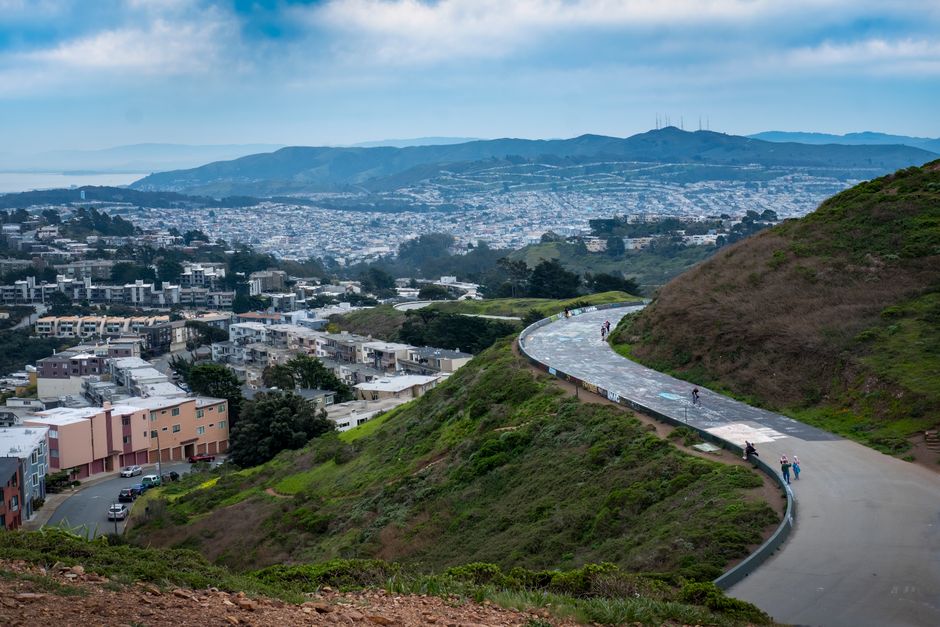
5. Overlooking a Hidden Oil Empire
View Park-Windsor Hills, USA
From this unassuming viewpoint, you're looking down on one of the most productive urban oil fields in the United States.
Imperial Hill offers sweeping panoramic views that stretch from the Pacific Ocean to the Hollywood Hills. But beneath your gaze lies a significant piece of California's industrial history: the Inglewood Oil Field. Discovered in 1924, this field has been continuously producing oil for nearly a century, making it one of the longest-operating and most prolific urban oil fields in the nation. Its presence shaped the development of the surrounding communities, a silent testament to the black gold beneath the city.

6. Where History Rolls On
El Segundo, USA
Unlike most car museums, many of the vintage vehicles here are still driven, offering rides to visitors on "Ride Along" Sundays.
The Automobile Driving Museum in El Segundo isn't just a static display of classic cars; it's a living, breathing collection of automotive history. The museum prides itself on maintaining its extensive fleet in operational condition, allowing visitors to not only admire the vehicles but also experience them. On designated "Ride Along" Sundays, guests can buckle up and take a spin in a piece of history, feeling the rumble and charm of eras gone by.
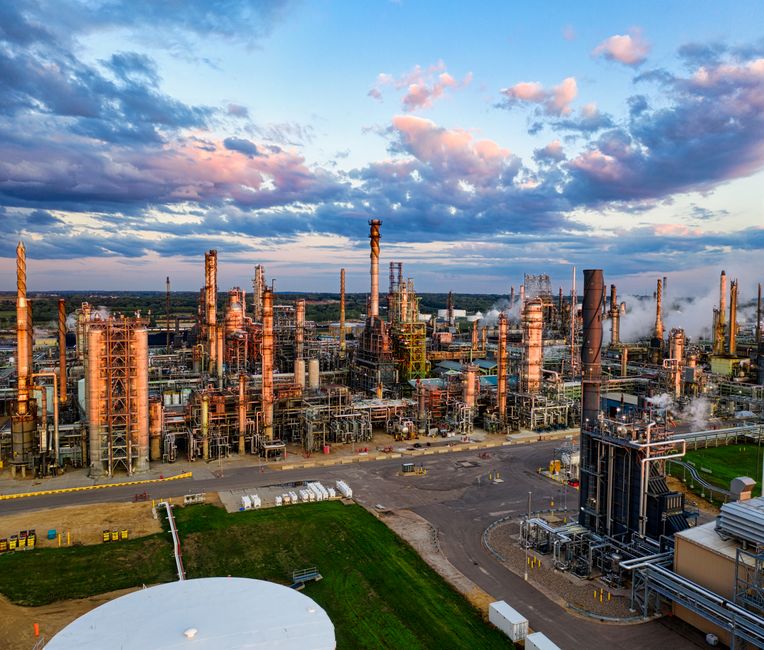
7. The City Built for Oil
El Segundo, USA
The entire city of El Segundo was literally founded by Standard Oil (now Chevron) to support this massive refinery, which started operations in 1911.
The city of El Segundo, whose name means "The Second" in Spanish, refers to the second refinery built by Standard Oil Company of California (now Chevron). Established in 1911, this massive facility became a cornerstone of California's booming oil industry. The company essentially built the town to house its workers, creating a unique company town model that defined El Segundo's early development and continues to influence its identity and economy to this day.
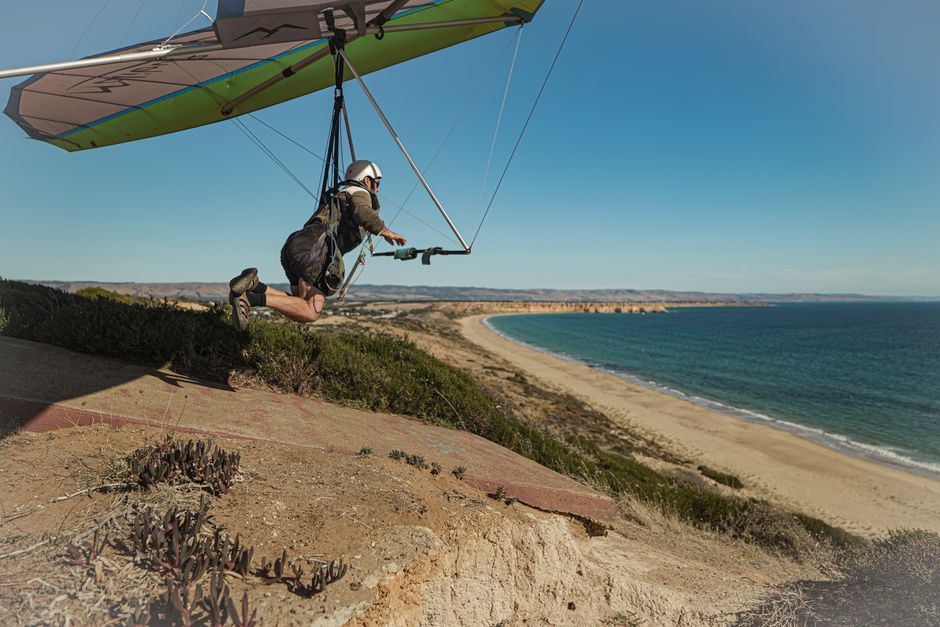
8. Learning to Soar Above the Pacific
Playa del Rey, USA
This specific hill at Dockweiler Beach is one of the few designated spots in Southern California to learn the thrilling art of hang gliding.
For those who dream of taking flight, Dockweiler Beach offers a unique opportunity. The dedicated Hang Gliding Training Hill provides the perfect gentle slope and consistent ocean breezes for beginners to learn the basics of hang gliding. Under the guidance of certified instructors, aspiring pilots practice launching, controlling, and landing their gliders, experiencing the pure exhilaration of soaring just feet above the ground, with the vast Pacific Ocean as their backdrop.
Frequently asked questions
What is "Jazz on the Beach" at Dockweiler Beach?
Jazz on the Beach is a popular summer concert series usually held at Dockweiler Beach, featuring live jazz music, food trucks, and a vibrant community atmosphere. It's a free event, perfect for families and music lovers, typically happening on select Saturdays during the warmer months.
Can you have bonfires at Dockweiler Beach?
Yes, Dockweiler Beach is one of the few beaches in Los Angeles County where bonfires are permitted. There are designated fire pits available on a first-come, first-served basis, making it a highly popular spot for evening gatherings and s'mores under the stars.
Is Dockweiler Beach dog-friendly?
Unfortunately, dogs are generally not allowed on the sandy beach or in the water at Dockweiler Beach. They are permitted on the paved bike paths and walkways adjacent to the beach, but must always be kept on a leash and owners are expected to clean up after them.
How can AllTours.ai help me explore these places?
AllTours.ai is an AI audio tour guide app that brings the stories of places to life. Simply point your phone camera at a landmark, a landscape, or even a specific building, and the app will narrate its history, geology, and culture in your preferred language, offering a deeper understanding of your surroundings as you explore.
Related guides
Photography via Pexels. AllTours.ai is an AI audio tour guide — point your camera at any landscape and hear its story.