July 24, 2026 · 5 min read
Many travelers assume America’s history is relatively young, especially when compared to the ancient stones and layered past of places like the United Kingdom. While the US may not have Roman ruins, its landscapes are rich with stories that stretch back millennia, often hidden in plain sight or tucked away in lesser-known corners. These places don't just echo European charm; they reveal America's own deep, complex, and often surprising origins.
If you've ever wished for more ancient charm or layered cultural narratives during your American travels, you're in luck. Beyond the obvious landmarks, a different America awaits – one filled with forgotten battles, utopian experiments, ancient civilizations, and enduring cultures. Here are some truly unique places where you can uncover America's hidden depths.
1. Where America Lost to the British (Badly)
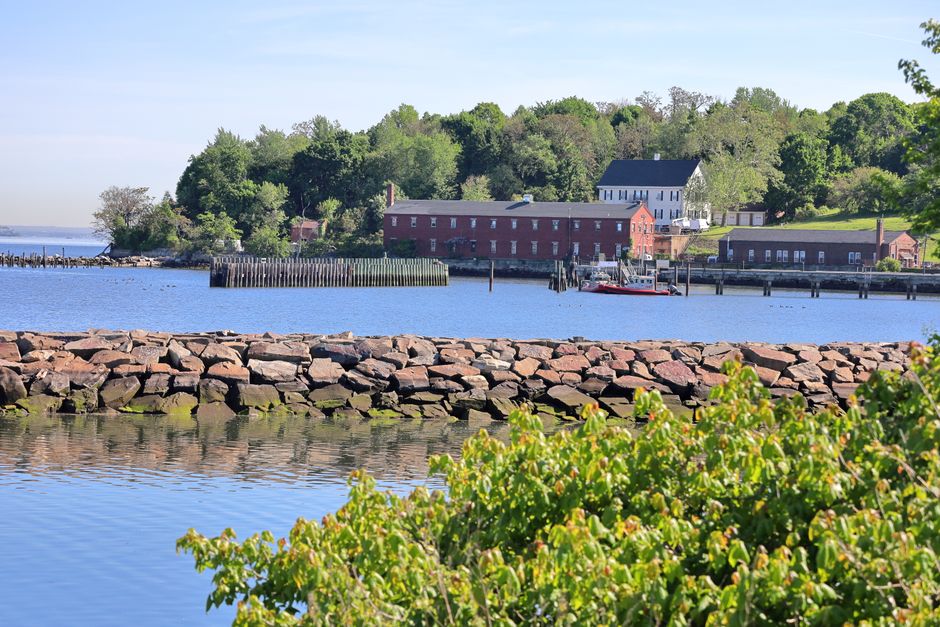
Castine, Maine, USA
A small Maine town was once the site of America's worst naval defeat, at the hands of the British.
Nestled on a peninsula in Penobscot Bay, Castine feels like a quiet New England village, but its past is surprisingly turbulent. In 1779, during the Revolutionary War, it was the site of the Penobscot Expedition, a disastrous American naval assault to dislodge a British garrison. The American fleet suffered a catastrophic defeat, with nearly all ships destroyed or captured, marking it as the worst naval loss in US history prior to Pearl Harbor. Castine has flown French, Dutch, British, and American flags, making it one of the oldest continuously inhabited European settlements in Maine.
2. Older Than Philadelphia, and Once a Capital
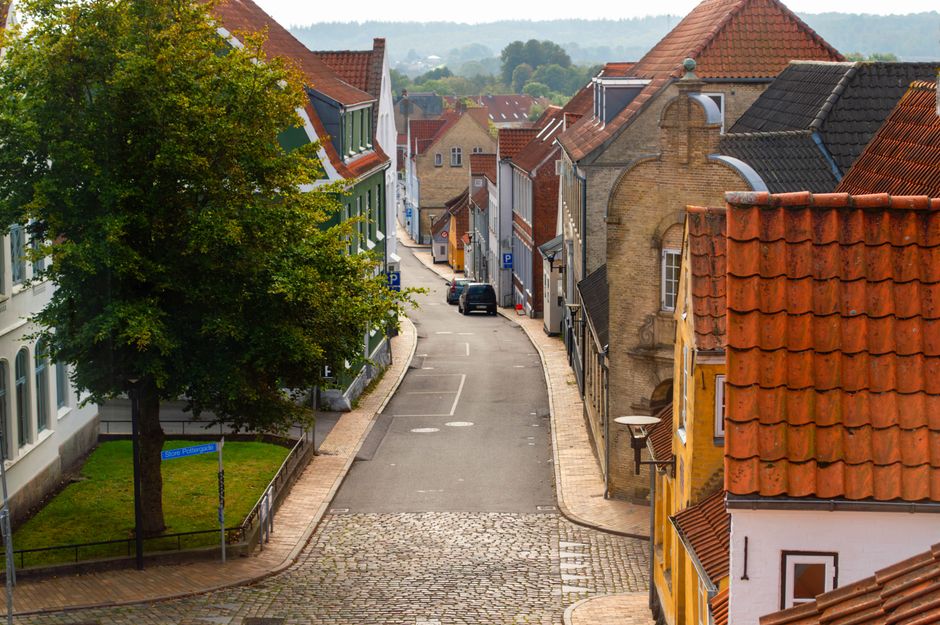
Historic New Castle, Delaware, USA
This Delaware town, founded by the Dutch, was once a thriving colonial capital older than Philadelphia, with a surprising link to William Penn.
Walk the cobblestone streets of Historic New Castle, and you might forget you're in the US. Established by the Dutch in 1651, it predates Philadelphia by over 30 years and served as the colonial capital of the 'Lower Counties on Delaware.' It's here that William Penn first set foot in America in 1682, receiving legal possession of the territory from the Duke of York. The town preserves an extraordinary collection of Dutch and English colonial architecture, offering a glimpse into a time when it was a major port and political hub, long before the US became a nation.
3. America's Industrial Revolution Frozen in Time
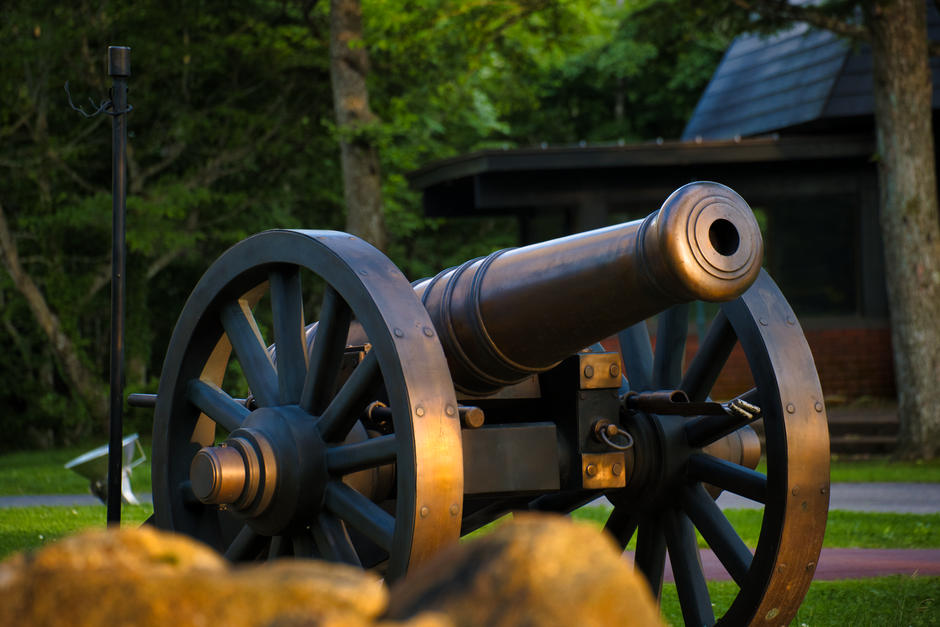
Hopewell Furnace National Historic Site, Pennsylvania, USA
Deep in Pennsylvania's forests, a perfectly preserved 19th-century village reveals the surprising daily life of America's industrial pioneers.
Before Pittsburgh became synonymous with steel, places like Hopewell Furnace were the engines of early American industry. This national historic site is a meticulously preserved 19th-century iron plantation, complete with its towering furnace, charcoal house, ironmaster's mansion, and workers' village. Visitors can explore the living and working conditions of the community that produced iron for everything from cannons to cooking pots. It offers a rare, immersive look into the grit and ingenuity that powered America's transformation from an agrarian society to an industrial powerhouse.
4. America's Ancient Earthwork Empire
Ocmulgee Mounds National Historical Park, Georgia, USA
Before European contact, a sophisticated society in Georgia built monumental earthworks that still stand, hinting at an ancient American empire.
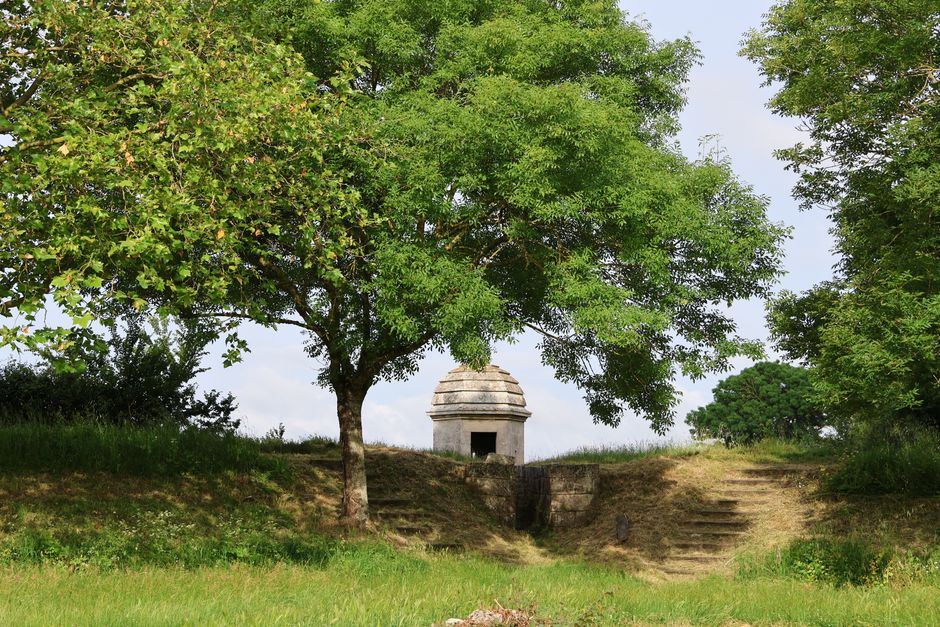
Long before cities like London or Paris were even imagined, a complex society thrived along the Ocmulgee River in Georgia. Ocmulgee Mounds National Historical Park protects thousands of years of human habitation, most notably the impressive earthlodge and ceremonial mounds built by the Mississippian culture between 900 and 1200 CE. These monumental structures, including a large 'Great Temple' mound and burial mounds, served as centers for political and religious life, demonstrating a level of societal organization and engineering skill that rivals ancient civilizations elsewhere in the world.
5. The Utopian Celibate Village
Harmony, Pennsylvania, USA
In rural Pennsylvania, a perfectly preserved German village tells the story of an early 19th-century utopian community that valued celibacy and communal wealth.
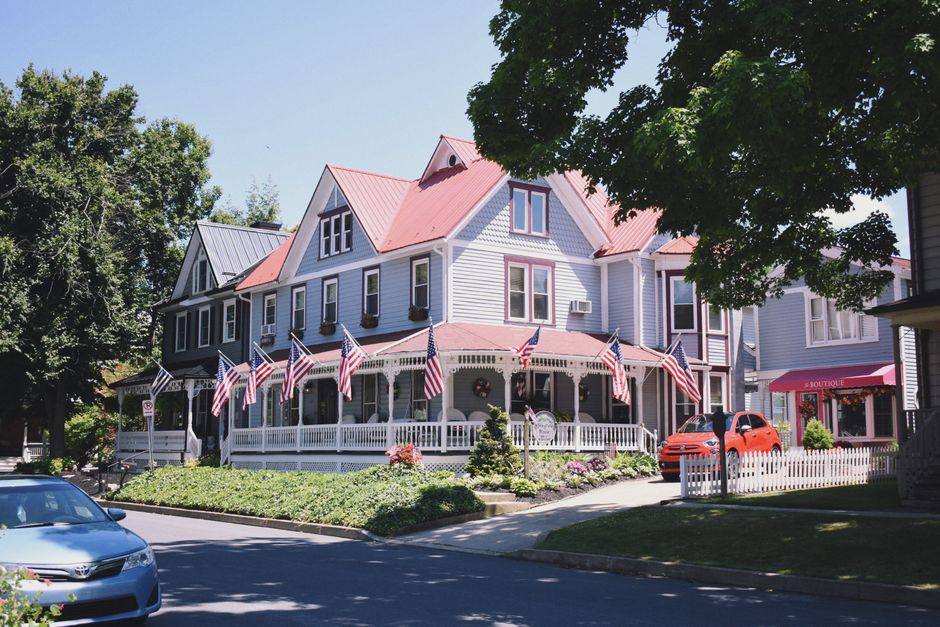
Founded in 1804 by the Harmony Society, a German Christian communal group, the town of Harmony, Pennsylvania, offers a unique window into early American utopianism. The Harmonists, led by George Rapp, practiced celibacy and held all property in common, believing in an imminent second coming of Christ. Their meticulous planning and hard work resulted in a prosperous community that built impressive brick and log structures, some of which still stand today. The town's architecture and layout reflect their spiritual ideals, making it a distinctive historical site unlike any other.
6. The Island-Town that Refused to Move
Kaskaskia, Illinois, USA
This tiny Illinois island-town, accessible only from Missouri, was once a bustling French colonial capital and the first capital of Illinois.
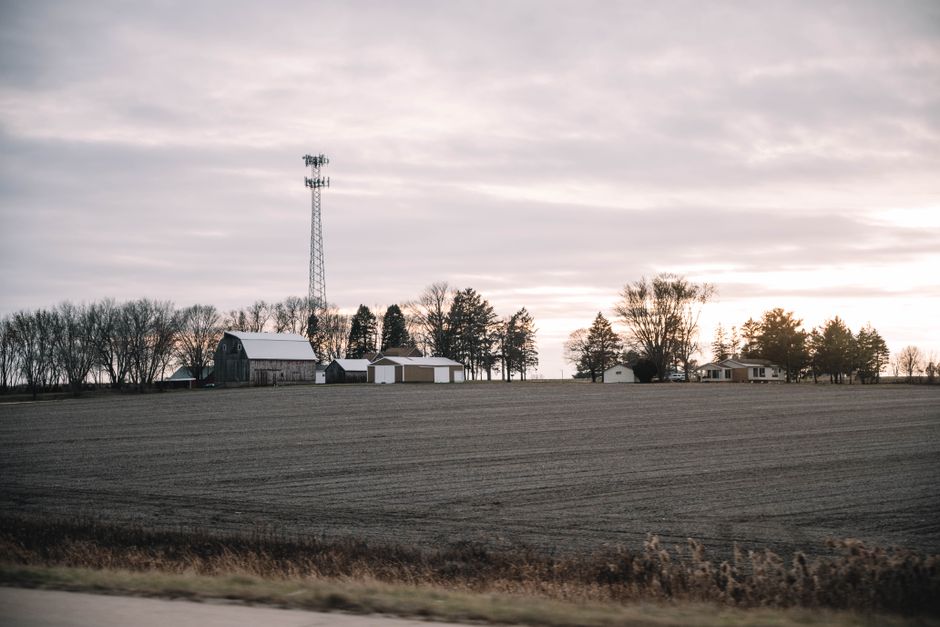
Kaskaskia is a geographical anomaly and a ghost of its former self. Once the thriving capital of French Illinois and later the first state capital of Illinois, it now sits on an island in the Mississippi River, cut off from the rest of Illinois by a shift in the river's course in 1881. With a population of fewer than 10, it's the only part of Illinois west of the Mississippi, accessible only via a bridge from Missouri. Its French colonial roots are still visible in the historic church and the Liberty Bell of the West, predating Philadelphia's bell by decades.
7. North America's Oldest European City (and it's not English)
St. Augustine, Florida, USA
North America's oldest continuously inhabited European-established settlement isn't English, but Spanish, with a dramatic fort and ancient streets.
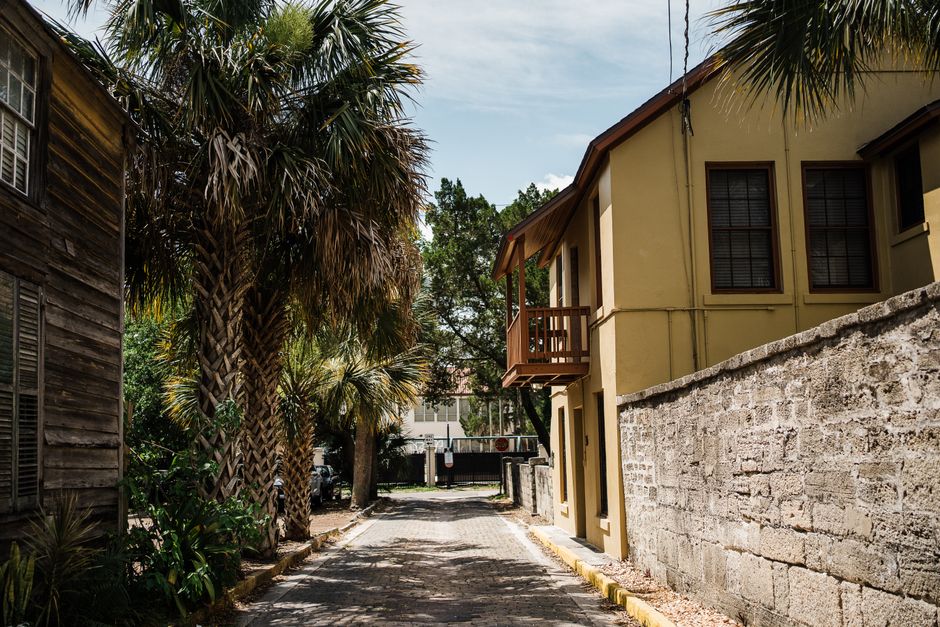
Forget Jamestown or Plymouth; St. Augustine holds the title of the oldest continuously inhabited European-established settlement in what is now the United States, founded by the Spanish in 1565. This city offers a distinctly different colonial experience, with its imposing Castillo de San Marcos, narrow brick-lined streets, and vibrant Spanish heritage. Its history is a tale of sieges, pirates, and shifting empires, a testament to centuries of resilience and cultural blending. Exploring its historic district feels like stepping into a Mediterranean past, far removed from typical American colonial narratives.

8. An Enduring African-American Island Culture
Daufuskie Island, South Carolina, USA
Off the coast of South Carolina, an island community preserves a vibrant African culture and language, untouched by modern development for generations.
Accessible only by ferry, Daufuskie Island offers a rare glimpse into the enduring Gullah Geechee culture, a distinct African-American community descended from enslaved people who worked on coastal plantations. For generations, the island's isolation helped preserve unique traditions, language (Gullah), and spiritual practices. Dirt roads, historic churches, and the quiet rhythm of island life define Daufuskie, where you can still hear the Gullah language spoken and experience a profound connection to a vital part of American heritage that resisted assimilation and maintained its identity against all odds.
Frequently asked questions
What are some of the oldest towns in the United States?
St. Augustine, Florida, founded in 1565, holds the title of the oldest continuously inhabited European-established settlement in the US. New Castle, Delaware, and Plymouth, Massachusetts, also boast deep colonial roots, though their founding dates come later, offering rich histories to explore.
Are there any places in the US that feel like Europe?
Many US towns retain strong European influences. New Orleans has a distinct French and Spanish feel, while towns like Solvang, California, offer Danish charm. Beyond the obvious, places like Historic New Castle, Delaware, or Harmony, Pennsylvania, echo European architectural and cultural styles from their founding eras.
Where can I find ancient history in America?
Ancient history in America stretches back thousands of years, far beyond European colonization. Sites like Ocmulgee Mounds National Historical Park in Georgia showcase impressive earthworks built by Mississippian cultures. Chaco Culture National Historical Park in New Mexico reveals sophisticated Ancestral Puebloan settlements, offering glimpses into complex pre-Columbian societies.
How does AllTours.ai help me discover these places?
AllTours.ai uses your phone's camera to identify landmarks, landscapes, or even subtle historical markers around you. Simply point your camera, and the app will narrate the rich history, geology, and culture of that specific spot in your preferred language, turning every journey into a guided exploration of the past and present.
Related guides
Photography via Pexels. AllTours.ai is an AI audio tour guide — point your camera at any landscape and hear its story.