July 3, 2026 · 4 min read
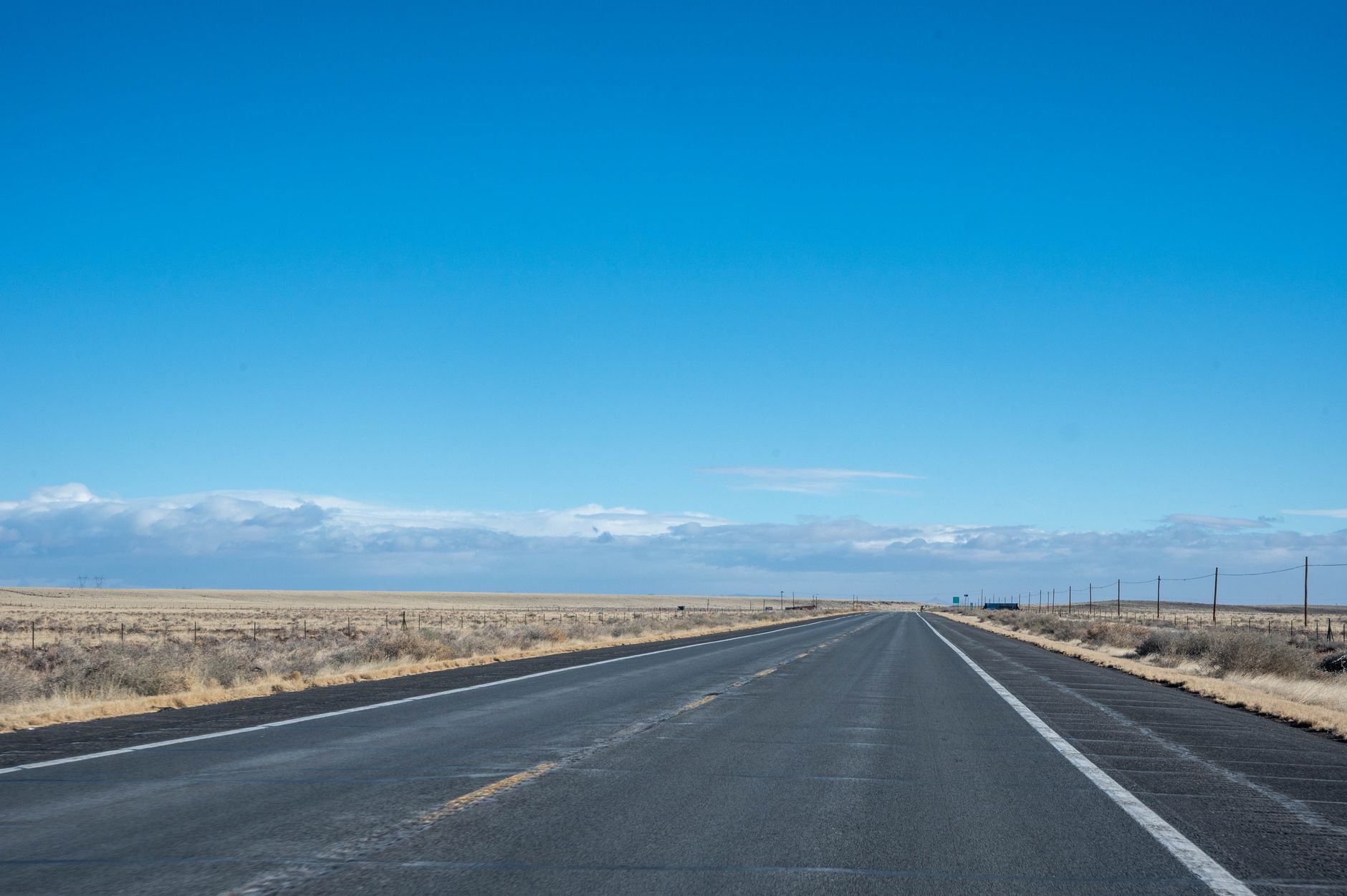
The sheer scale of the United States often catches travelers off guard. What appears as a straightforward line on a map quickly transforms into thousands of miles, multiple time zones, and drastically changing landscapes. Many assume a cross-country drive is a quick dash between coasts, underestimating the sheer time commitment and the vast emptiness that can stretch between major cities.
But beyond the blur of interstates and well-trodden paths lies a different America—a country rich with obscure histories, peculiar geology, and vibrant cultures waiting to be discovered. These are the places that truly reveal the immense diversity of the nation, often overlooked but brimming with unforgettable stories.
1. A Moonscape on Earth
Craters of the Moon National Monument, Idaho, USA
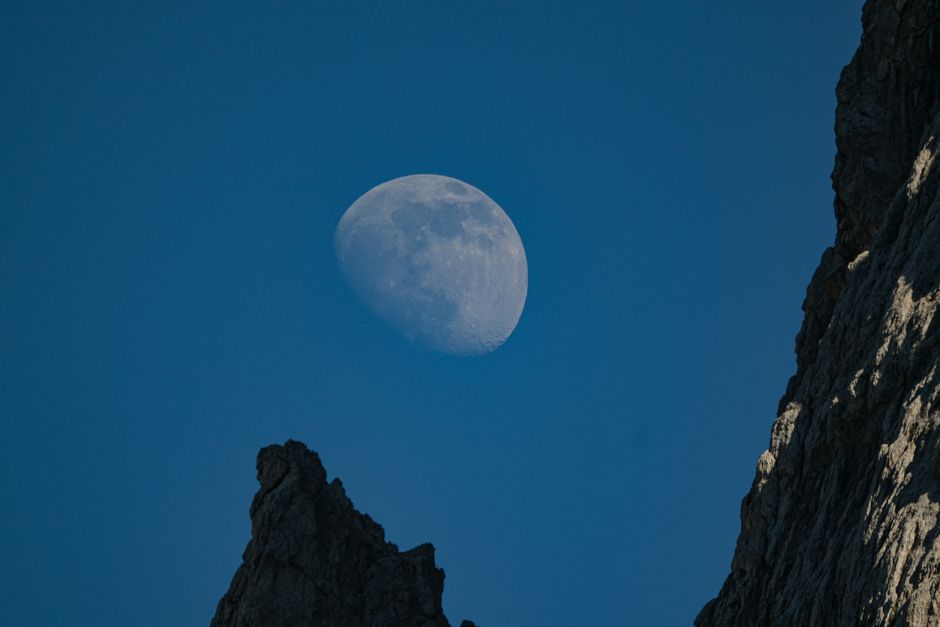
Astronauts trained here for moon missions because its lava fields are so strikingly similar to the lunar surface.
This vast, ancient lava flow landscape looks more like an alien planet than Idaho. Formed by thousands of years of volcanic activity, it features deep caves, cinder cones, and rugged basalt formations. Early explorers struggled here, and decades later, Apollo astronauts used it as a crucial training ground, preparing for their own lunar expeditions.
2. The Town of One
Monowi, Nebraska, USA
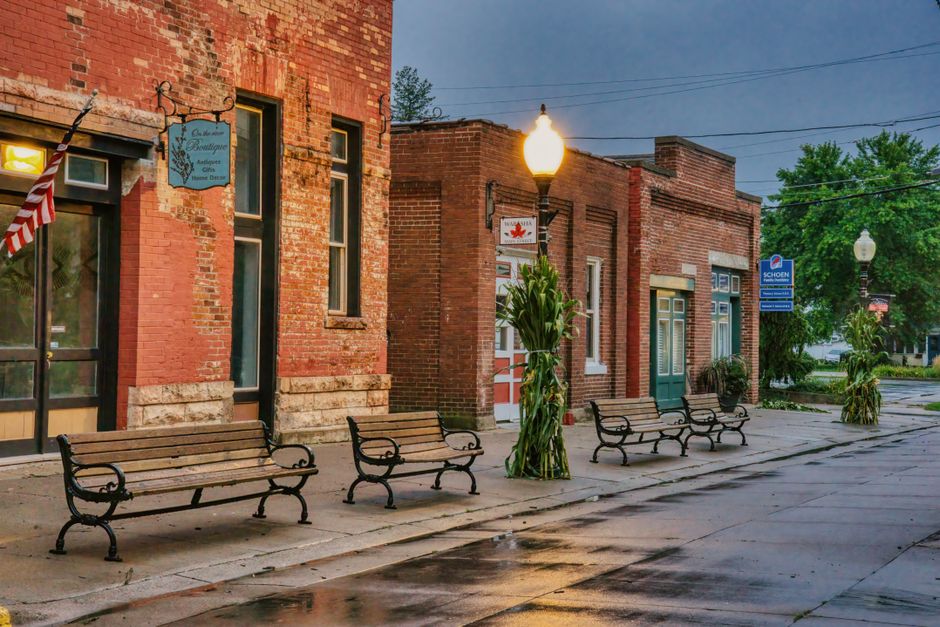
This remote Nebraska town has a population of exactly one person, who serves as its mayor, librarian, and bar owner.
Elsie Eiler is the sole resident of Monowi, a town that once thrived but saw its population dwindle. She keeps the Monowi Tavern open, serving drinks to visitors and locals from surrounding areas, and also manages the town's small public library. It's a living testament to resilience and the changing face of rural America, where one person holds the threads of a community.

3. Echoes of Africa in the Sea Islands
St. Helena Island, South Carolina, USA
On this isolated island, descendants of enslaved West Africans preserved a unique language and rich cultural traditions, known as Gullah Geechee.
St. Helena Island is a heartland of the Gullah Geechee culture, where the descendants of enslaved people maintained strong ties to their African heritage. Their unique Creole language, spiritual practices, and traditional crafts like sweetgrass basket weaving offer a vibrant, living connection to a profound past. The island's remote nature allowed these traditions to flourish largely undisturbed.
4. The Great Salt Mirror
Bonneville Salt Flats, Utah, USA
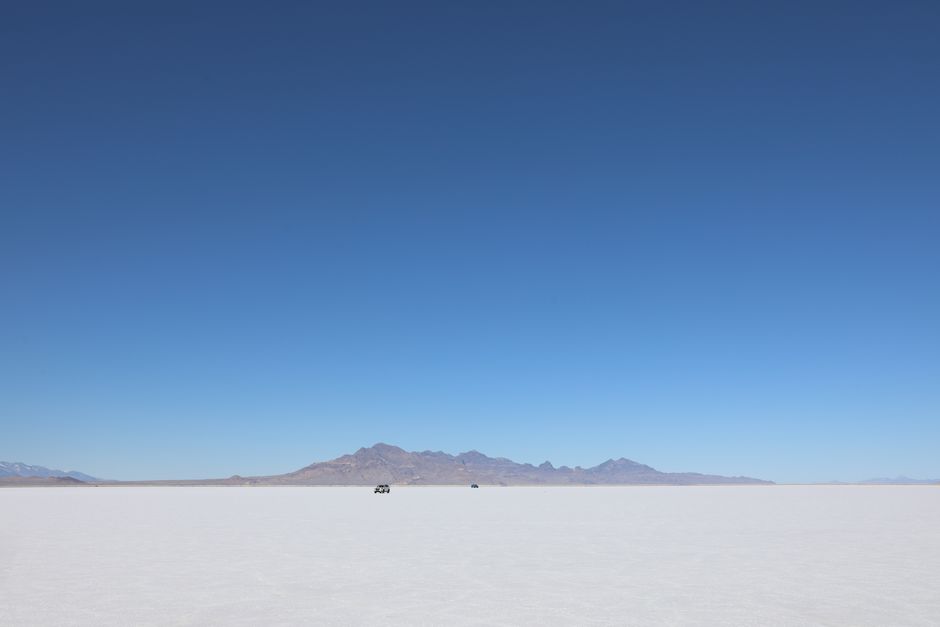
This impossibly flat, pure white expanse is the dried bed of a prehistoric lake, now famous for breaking land speed records and creating surreal reflections.
What appears to be an endless snowfield in the summer is actually a dense crust of salt, the remnants of ancient Lake Bonneville. The mineral-rich water evaporated over thousands of years, leaving behind one of the flattest natural surfaces on Earth. This unique geology makes it a mecca for high-speed racing and a photographer's dream, especially when a thin layer of water transforms it into a giant mirror.
5. North America's Ancient Metropolis
Cahokia Mounds State Historic Site, Illinois, USA
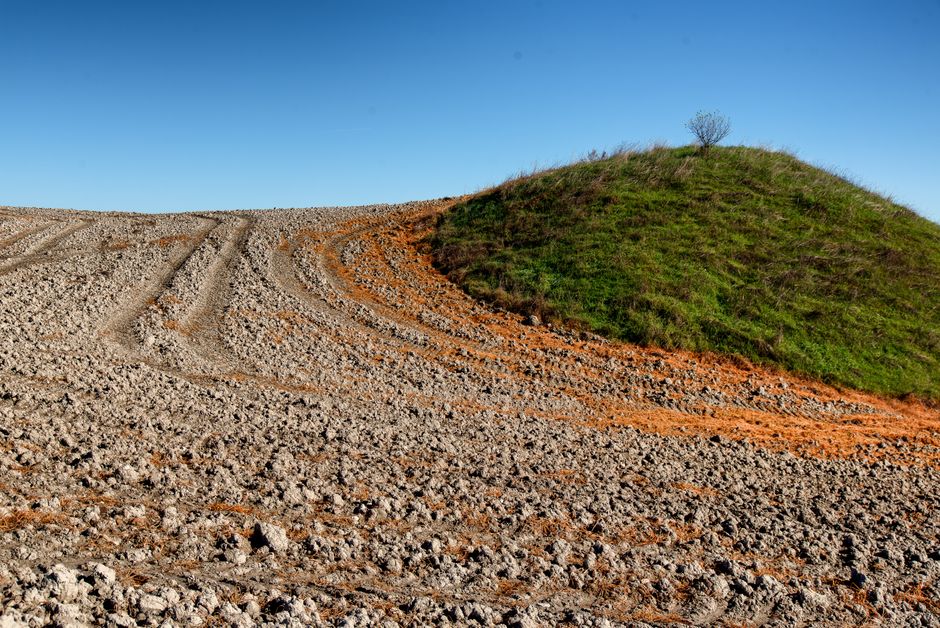
This site was once the largest pre-Columbian city in North America, with a population that rivaled London's in the 13th century.
Just across the Mississippi River from modern-day St. Louis, Cahokia was a sophisticated urban center of the Mississippian culture, flourishing around 1050–1200 CE. Its monumental earthen mounds, including the massive Monks Mound, reveal a complex society with advanced agricultural and social structures. It stands as a powerful testament to indigenous ingenuity and a forgotten chapter of American history.
6. The Town That's Still Burning
Centralia, Pennsylvania, USA
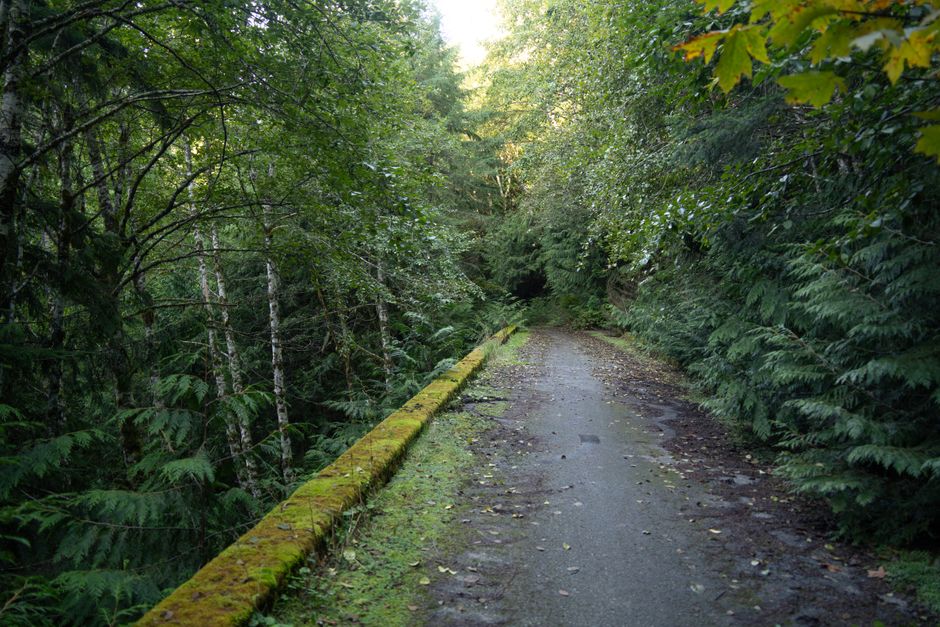
An underground coal mine fire has been burning beneath this abandoned town since 1962, creating a surreal, steaming landscape and forcing its residents to leave.
Centralia is a modern ghost town, its fate sealed by an unstoppable subterranean blaze. What started as a landfill fire in 1962 spread to the vast coal seams beneath the borough, and it continues to burn decades later. Fissures release steam and noxious gases from the ground, roads crack and buckle, and houses were slowly abandoned, leaving behind an eerie, smoke-wreathed testament to the power of the earth.
7. Forests of Stone and Rainbow Hues
Petrified Forest National Park, Arizona, USA
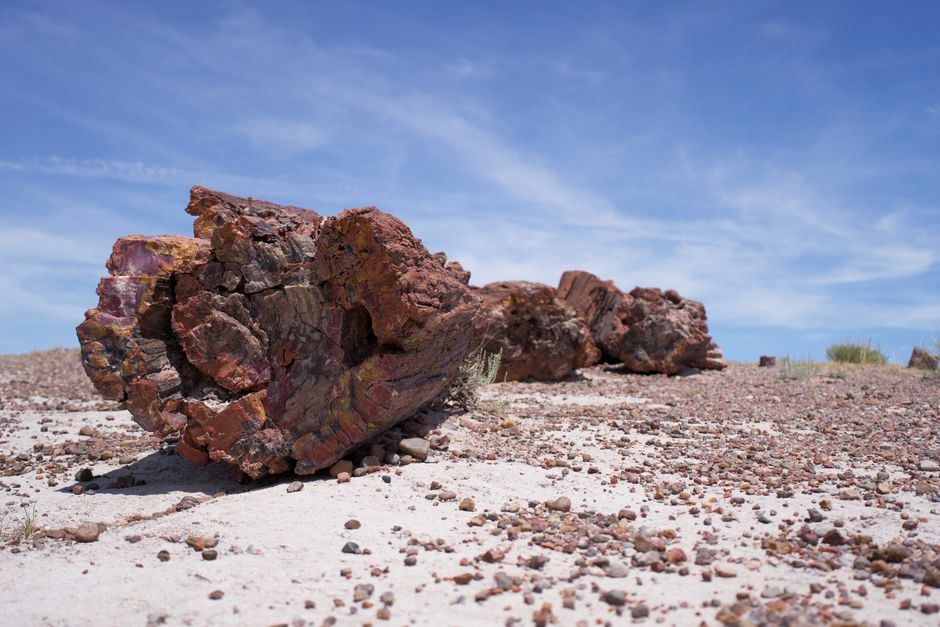
Here, entire ancient forests didn't just fossilize into wood, but completely transformed into solid quartz, shimmering with a rainbow of mineral colors.
The Petrified Forest is a geological marvel where ancient trees, submerged in mineral-rich water millions of years ago, underwent a process of permineralization. Their organic material was slowly replaced by silica and other minerals, turning them into solid stone while preserving their intricate wood grain. Coupled with the vibrant, multi-hued badlands of the Painted Desert, it's a landscape of deep time and striking beauty.
Frequently asked questions
How long does it realistically take to drive across the U.S.?
A non-stop, coast-to-coast drive typically takes 4-6 days, covering 2,500-3,000 miles. However, that's without stopping for sightseeing, rest, or unexpected detours. A more realistic, enjoyable trip with time to explore can easily take 2-3 weeks or more.
What are common mistakes travelers make when planning a U.S. road trip?
Underestimating distances and driving times is primary. Other common errors include not budgeting enough for gas, food, and lodging, overpacking, and failing to plan for diverse weather conditions or remote areas with limited services. Researching routes for cell service gaps is also wise.
Are there alternatives to driving the entire country for a cross-U.S. experience?
Absolutely. Consider flying to a specific region and renting a car for a localized road trip, or taking Amtrak's scenic long-distance routes, which offer unique perspectives on the landscape. Breaking the country into multiple smaller trips also allows for deeper exploration of each area.
How can AllTours.ai help me discover these hidden places during my travels?
AllTours.ai uses your phone's camera to identify landmarks and landscapes you point it at. It then narrates their unique history, geology, and culture in your preferred language, revealing the hidden stories of even the most obscure locations as you drive or explore.
Related guides
Photography via Pexels. AllTours.ai is an AI audio tour guide — point your camera at any landscape and hear its story.