August 4, 2026 · 4 min read
The quintessential New York City dilemma: Do you immerse yourself in the sprawling natural beauty of Central Park or succumb to the dazzling allure of a Broadway show? Both offer distinct, unforgettable experiences, but beyond the well-trodden paths and marquee lights lie layers of hidden history, forgotten tales, and secret architectural wonders.
This isn't about choosing one over the other; it's about enriching both. We'll guide you through lesser-known spots in Central Park and reveal the surprising stories tucked away in the Theater District, sparking a deeper curiosity about the city's multifaceted past. Prepare to uncover the New York that most visitors miss.
1. The Erased Village Beneath the Grass
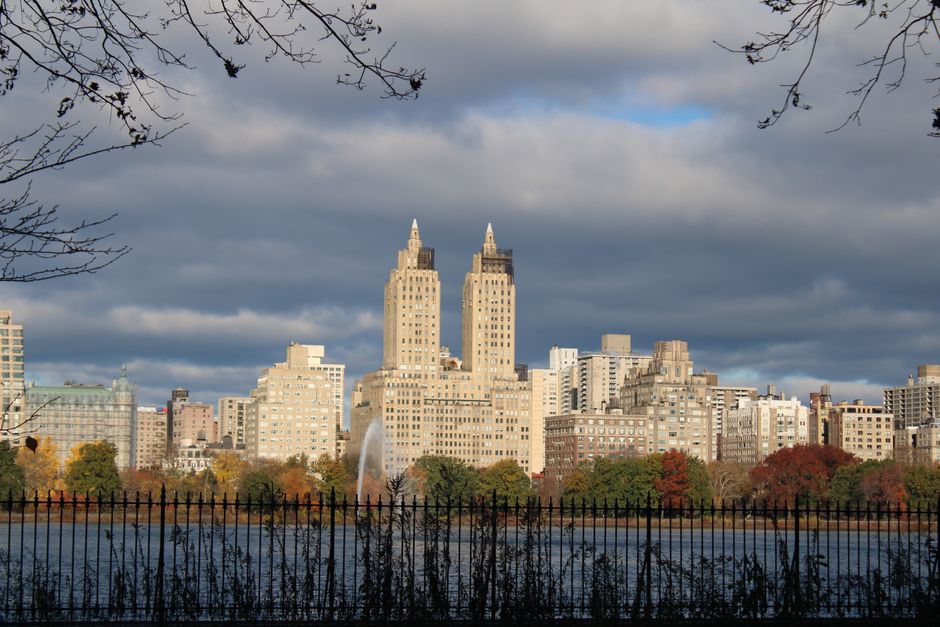
Seneca Village Site, Central Park, New York City, USA
Before Central Park, a thriving African American community called this land home, only to be erased for the park's creation.
In the 1800s, this area was Seneca Village, a vibrant community of predominantly African American landowners. Its residents built churches, schools, and homes, establishing a stable, independent life. The village was ultimately condemned and demolished in the 1850s through eminent domain to make way for Central Park, displacing over 1,600 residents and burying a significant chapter of NYC history.
2. Central Park's Secret Wild Heart
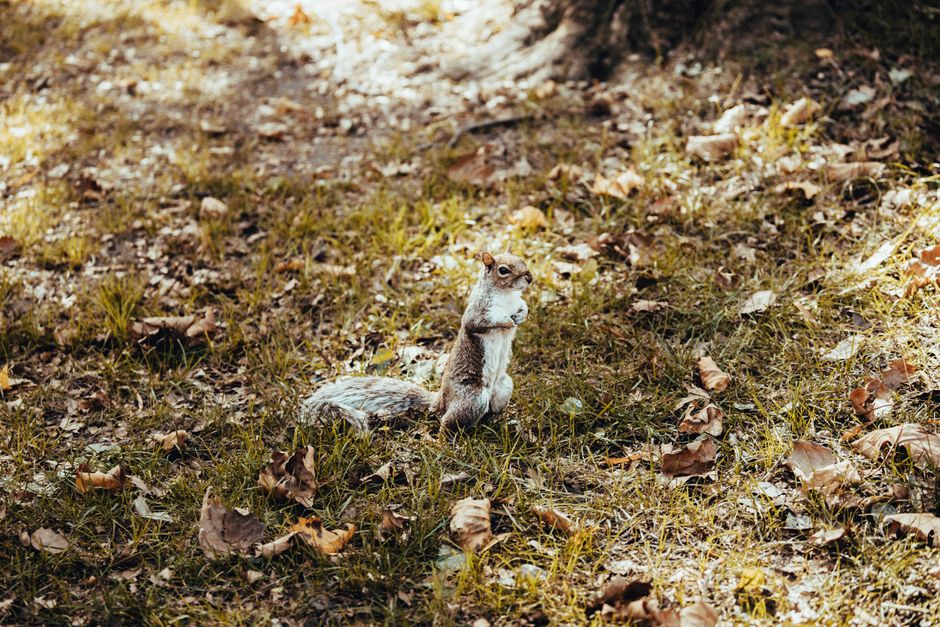
Hallett Nature Sanctuary, Central Park, New York City, USA
Discover a once-wild, untamed corner of Central Park that was closed to the public for decades, evolving into a haven for wildlife.
For over 80 years, the Hallett Nature Sanctuary was a restricted, overgrown preserve, allowing nature to reclaim its dominion. Reopened periodically since 2016, this four-acre peninsula offers a glimpse into what Central Park might have been without human intervention. Today, it’s a tranquil refuge where migratory birds thrive and native plants flourish, far from the city's hustle.
3. A Revolutionary War Remnant
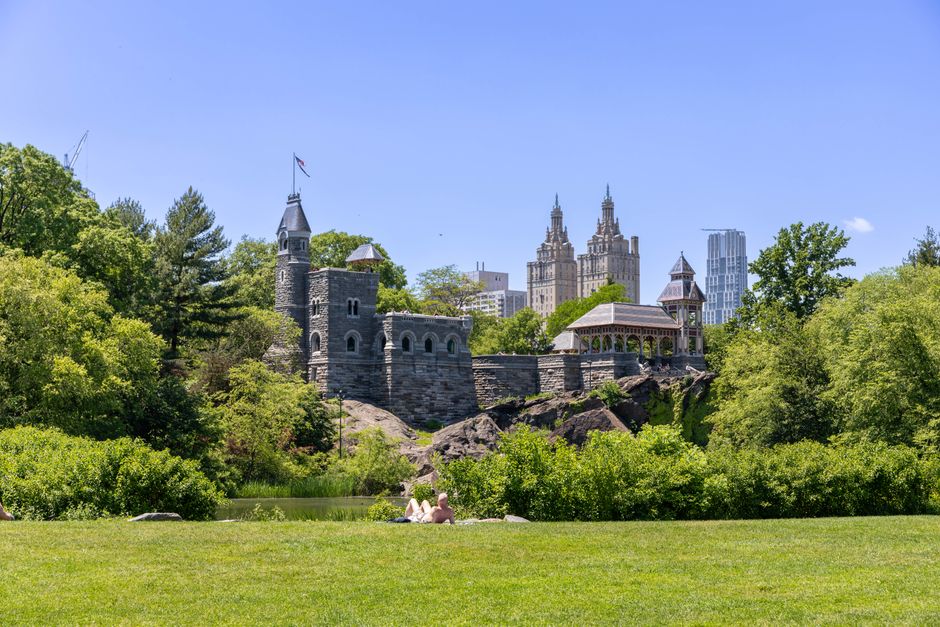
The Blockhouse, Central Park, New York City, USA
At Central Park's northern edge lies the oldest surviving structure in the park, a stone fort built to defend New York during the War of 1812.
Perched atop a hill in the North Woods, The Blockhouse is a rugged stone fortification dating back to 1814. It was one of several defenses erected to protect New York City from potential British invasion during the War of 1812, though it never saw battle. Its weathered walls offer a tangible link to a time when Central Park's future landscape was a strategic military outpost.
4. The Mortarless Marvel
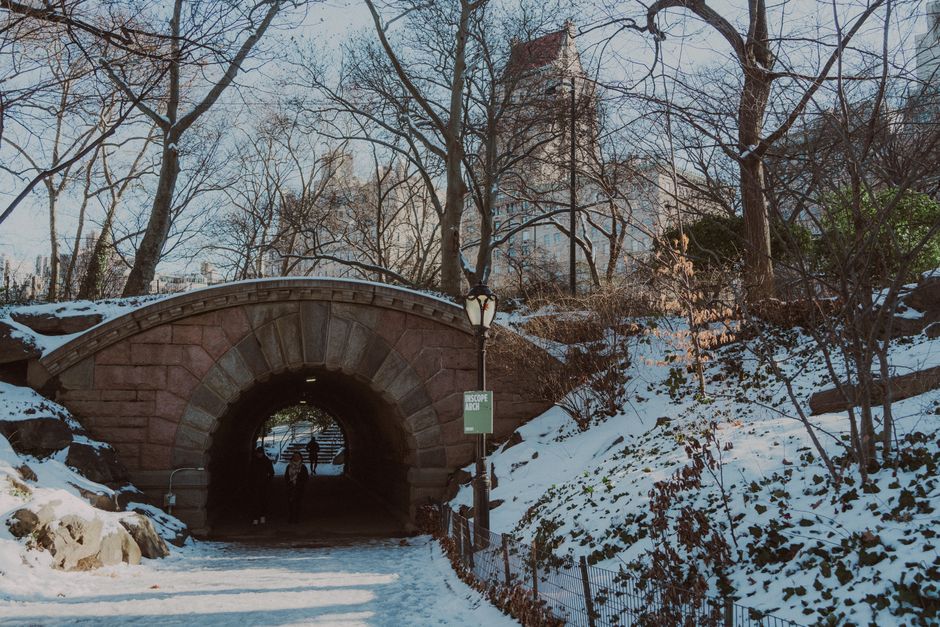
Huddlestone Arch, Central Park, New York City, USA
Marvel at a Central Park bridge built without a single drop of mortar, relying solely on gravity and friction for its enduring strength.
Tucked away in the Ravine, the Huddlestone Arch is a remarkable feat of 19th-century engineering. Its massive boulders are interlocked so precisely that no mortar was needed to hold them together, a testament to the skill of the park's original stonemasons. Crossing beneath it reveals the raw, intricate beauty of its construction, feeling like a secret passage through time.
5. The Broadway Producer's Secret Abode
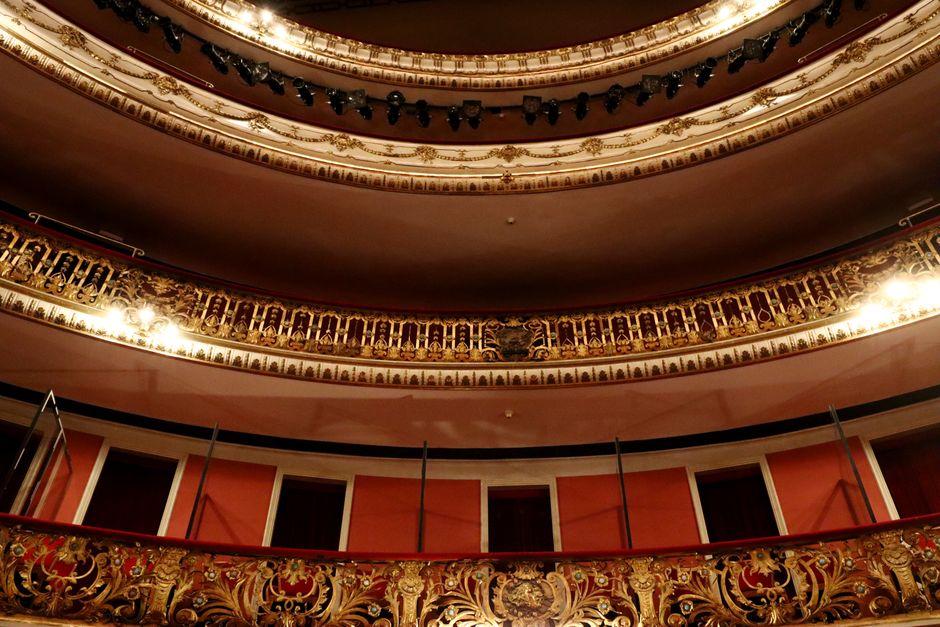
Lyceum Theatre, New York City, USA
High above the bustling street and theatre stage, a forgotten apartment once served as a secret residence for the theatre's owner.
Built in 1903, the Lyceum Theatre holds a unique secret: a private apartment on its third floor, originally designed for producer and owner David Frohman. This luxurious residence, complete with a living room, bedroom, and kitchen, allowed Frohman to live directly above his artistic domain. It's a rare glimpse into the lavish, often eccentric, lives of Broadway's early impresarios.
6. The Sanctuary of Stage Legends
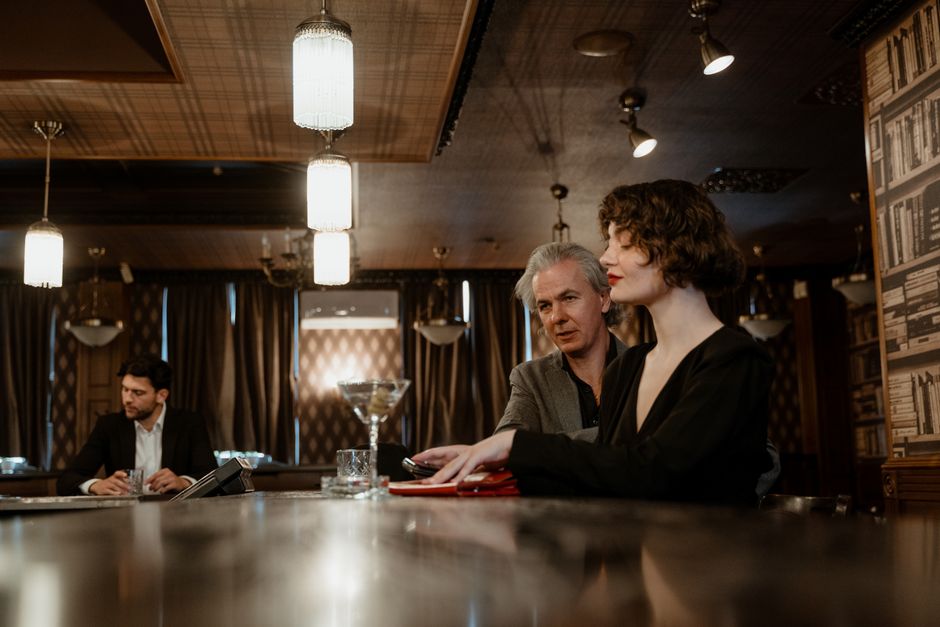
The Lambs Club, New York City, USA
Discover the oldest professional theatrical club in America, where legends like Fred Astaire and Irving Berlin once gathered and shared stories.
Founded in 1874, The Lambs Club has been a cornerstone of American show business for nearly 150 years. Originally a social club for actors, playwrights, and musicians, its hallowed halls have hosted countless luminaries, fostering collaboration and camaraderie. Though its location has shifted, its legacy as a sanctuary for theatrical minds continues, a living museum of Broadway's golden age.
7. Whispers of the Ziegfeld Follies
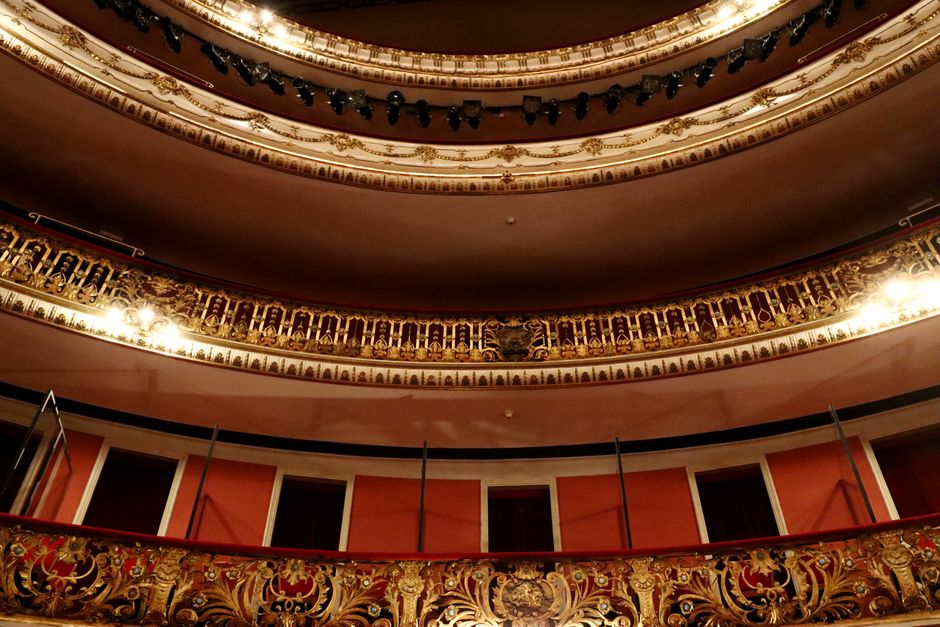
New Amsterdam Theatre, New York City, USA
Beneath the gilded beauty of this Disney-owned theatre, the echoes of the Ziegfeld Follies and their spectral performers are said to linger.
Once home to the spectacular Ziegfeld Follies, the New Amsterdam Theatre was a marvel of Art Nouveau design and stage innovation. Though now famously owned by Disney, tales persist of spirits from its opulent past – particularly the ghost of Olive Thomas, a Ziegfeld Girl. Her spectral presence is reportedly felt backstage, a poignant reminder of the vibrant, sometimes tragic, lives that graced its stage.
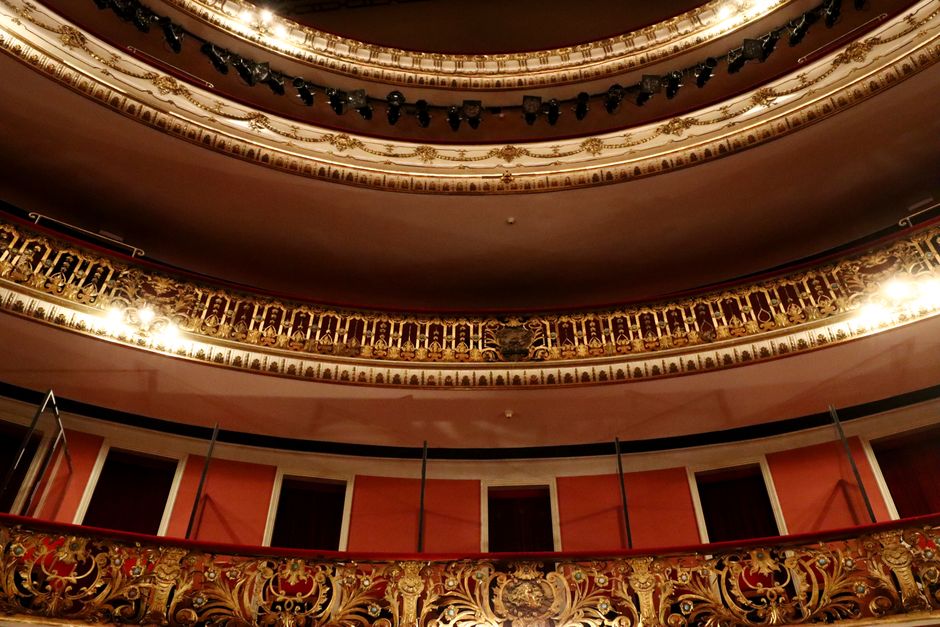
8. The Producer Who Never Left
Belasco Theatre, New York City, USA
This historic theatre is reputedly haunted by its namesake, the legendary producer David Belasco, who still oversees his domain from beyond the grave.
The Belasco Theatre, renowned for its stunning Tiffany glass and opulent interiors, is steeped in theatrical lore and supernatural whispers. David Belasco, known for his innovative stagecraft and strict control, reportedly haunts the very theatre he built. Actors and staff have claimed to see his ghost in his private box and backstage, a permanent, watchful presence ensuring the show goes on.
Frequently asked questions
Which is better for a first-time visitor: Central Park or Broadway?
Both offer iconic New York experiences, making the choice depend on your interests. Central Park provides a chance to relax and explore nature, while Broadway offers world-class live entertainment. If time allows, many visitors enjoy experiencing both for a full taste of the city.
What's the best time of year to visit Central Park or see a Broadway show?
Central Park is beautiful year-round, with spring blossoms, vibrant summer greenery, stunning fall foliage, and picturesque winter snows. Broadway shows run continuously, but holiday seasons often see higher demand. For fewer crowds in the park and potentially better ticket availability for shows, consider visiting during the shoulder seasons of spring (April-May) or fall (September-October).
Are there free or low-cost options for exploring these areas?
Yes! Central Park is entirely free to enter and explore. Many free walking tours are available, or you can simply wander. While Broadway shows typically require tickets, you can enjoy the Theater District's atmosphere, historic architecture, and street performers for free. Some shows offer lottery or rush tickets for more affordable options.
How can AllTours.ai enhance my visit to Central Park or Broadway?
AllTours.ai is your personal AI audio tour guide. Simply point your phone camera at any landmark, landscape, or building in Central Park or the Theater District, and the app will instantly narrate its history, geology, and cultural significance in your language. It’s perfect for uncovering the hidden stories and lesser-known facts about the very spots we've discussed, turning any walk into a rich, immersive exploration.
Related guides
Photography via Pexels. AllTours.ai is an AI audio tour guide — point your camera at any landscape and hear its story.