July 28, 2026 · 4 min read
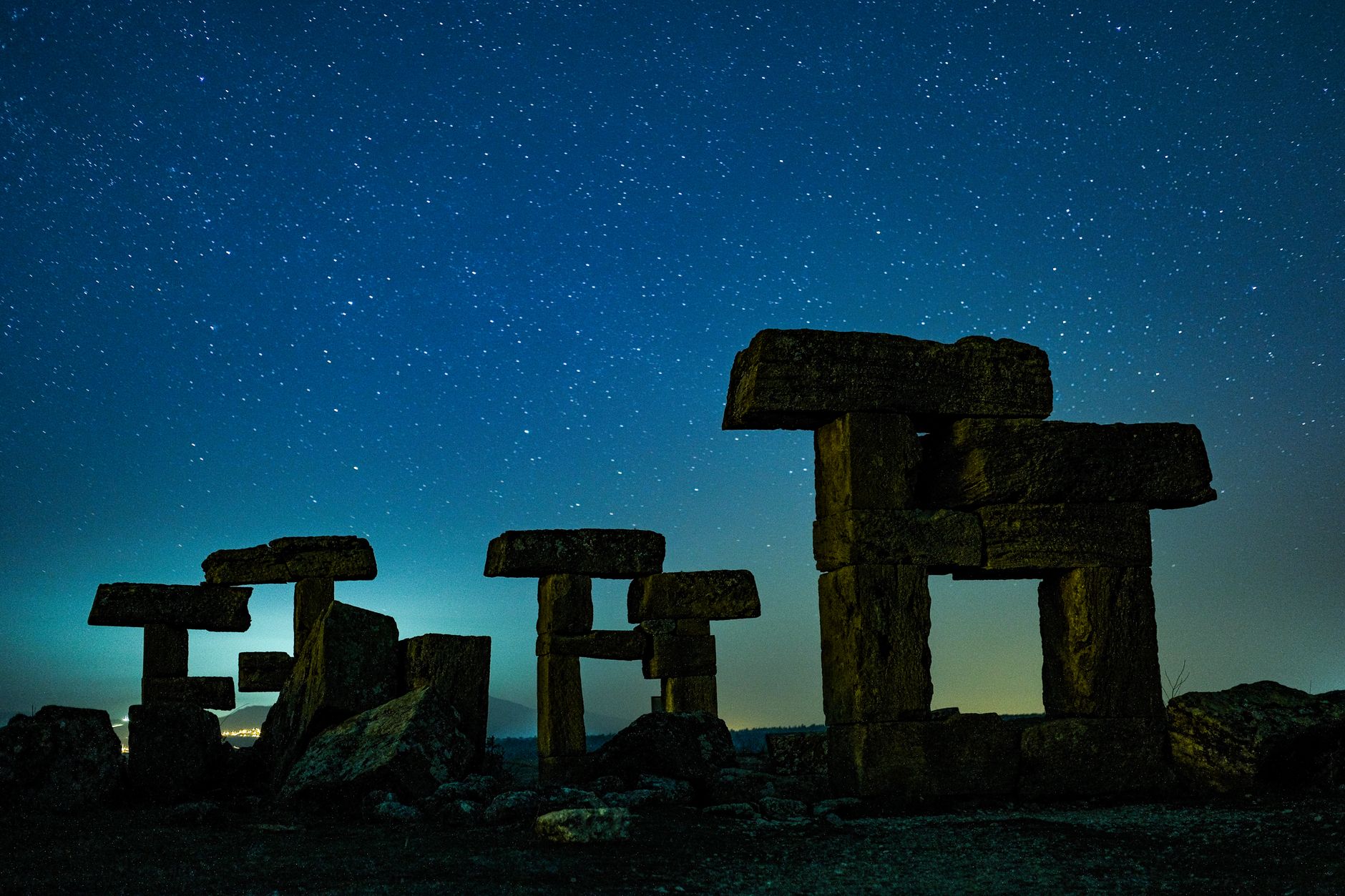
The spotlight shines, the crowd gasps, and then, a sudden, unexpected mishap. A circus archery act gone wrong in New York isn't just a tale of theatrical danger; it's a potent reminder that even in carefully choreographed spectacles, the unforeseen can occur. What can we learn from such moments, and how do they resonate with the broader, often hidden, stories of our world?
Beyond the immediate shock, these incidents prompt us to look closer at the places we visit. Many seemingly ordinary or well-known locations harbor incredible, sometimes perilous, histories of human endeavor, geological surprises, or unexpected cultural quirks. These are the narratives often missed, the 'lessons' etched into the landscape that reveal deeper truths about our past.
1. The Town That Still Burns
Centralia, Pennsylvania, USA
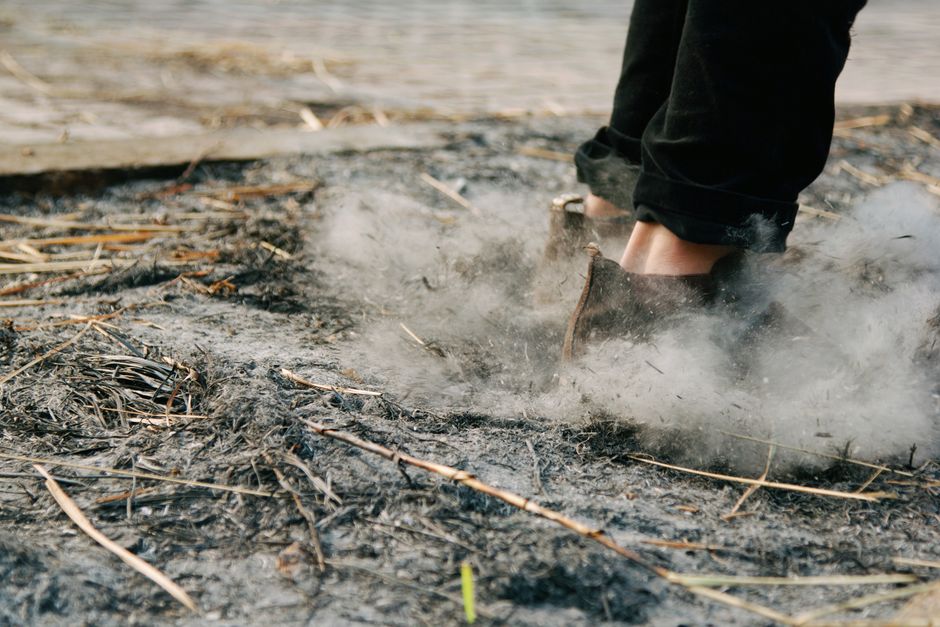
A small town in Pennsylvania has been burning underground since 1962, a stark reminder of how a seemingly minor event can ignite an unstoppable disaster.
In 1962, a routine trash fire in Centralia spread to an abandoned coal mine, igniting a subterranean inferno that continues to burn today. This persistent blaze forced the town's permanent evacuation, leaving behind a desolate landscape of smoking fissures and eerie silence. The ongoing fire serves as a potent lesson in the long-term, unforeseen consequences of human action and environmental misjudgment.
2. NYC's Hidden Waterway Saga
Croton-on-Hudson, New York, USA
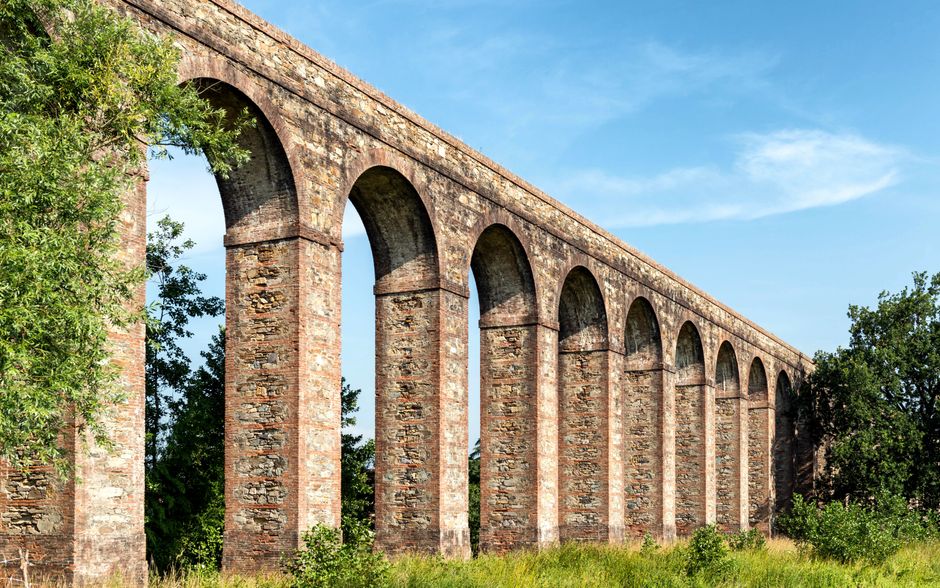
Beneath a serene walking path lies the route of a 19th-century engineering marvel that brought life-giving water to New York City, fraught with daring construction and hidden challenges.
The Old Croton Aqueduct, completed in 1842, was a groundbreaking system that delivered fresh water to a burgeoning New York City. Its construction involved tunneling through rock and building massive bridges, often under perilous conditions. While now a peaceful trail, its history holds tales of worker ingenuity, daring sabotage attempts during its early days, and the constant vigilance required to maintain this vital, hidden lifeline.

3. Monks on the Edge of the World
Skellig Michael, County Kerry, Ireland
Perched precariously on a jagged Atlantic rock, a 6th-century monastery showcases an unimaginable dedication to faith and a constant battle against the elements.
Skellig Michael is a UNESCO World Heritage site, home to a remarkably preserved early Christian monastery accessible only by climbing over 600 ancient, uneven steps. The monks who lived here faced extreme isolation, brutal storms, and the constant danger of falling from the cliffs. Their ability to survive and thrive in such a harsh environment offers a profound lesson in human resilience, resourcefulness, and the sheer audacity of their spiritual quest.

4. Canal of Hidden Sorrows
Chesapeake, Virginia & South Mills, North Carolina, USA
One of America's oldest operational canals, appearing serene today, was carved through treacherous swamps by enslaved people facing unimaginable brutality and disease.
The Great Dismal Swamp Canal, authorized by George Washington, was a monumental engineering feat connecting Chesapeake Bay to Albemarle Sound. Its construction, primarily by enslaved African Americans from the late 18th to mid-19th centuries, was notoriously brutal. Workers toiled in mosquito-infested waters, battling disease, venomous snakes, and oppressive heat. The canal's tranquil surface today belies a history of immense suffering and the hidden human cost of early American infrastructure, a sobering lesson in the sacrifices made for progress.
5. The Ghost Ship of Batchawana Bay
Batchawana Bay, Lake Superior Provincial Park, Ontario, Canada
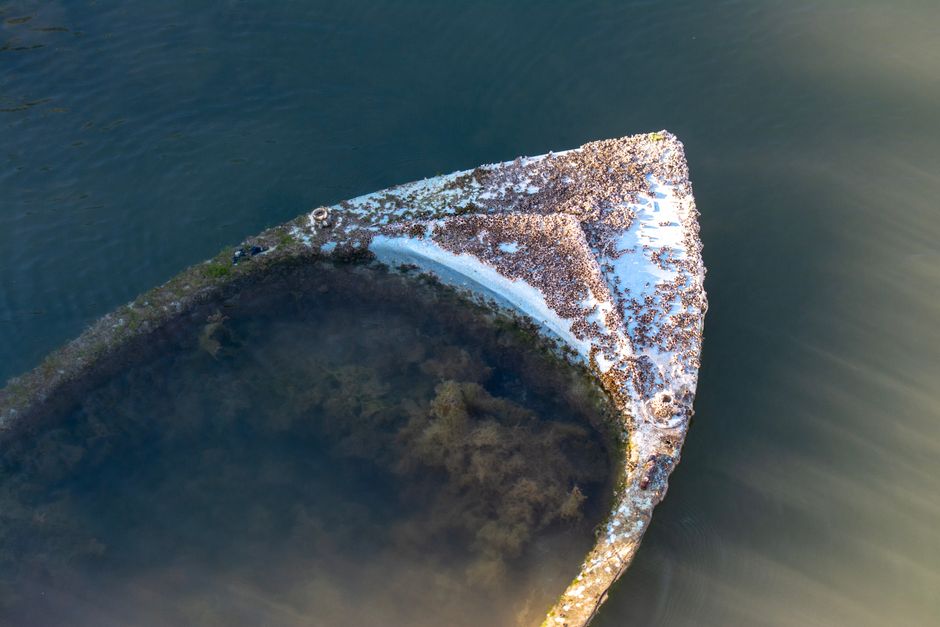
A remarkably preserved 19th-century steamship wreck lies just beneath the surface of Lake Superior, a sudden tragedy frozen in time, visible to all who pass.
In 1888, the passenger steamer 'Lady of the Lake' sank in Batchawana Bay after striking a shoal. Remarkably, the wreck settled upright in relatively shallow, clear water, and its mast and smokestack remained visible above the waterline for decades, giving it a haunting presence. Today, parts of the wreck are still visible just below the surface, a stark, tangible reminder of the sudden, unpredictable dangers of navigation and the unforgiving power of Lake Superior.
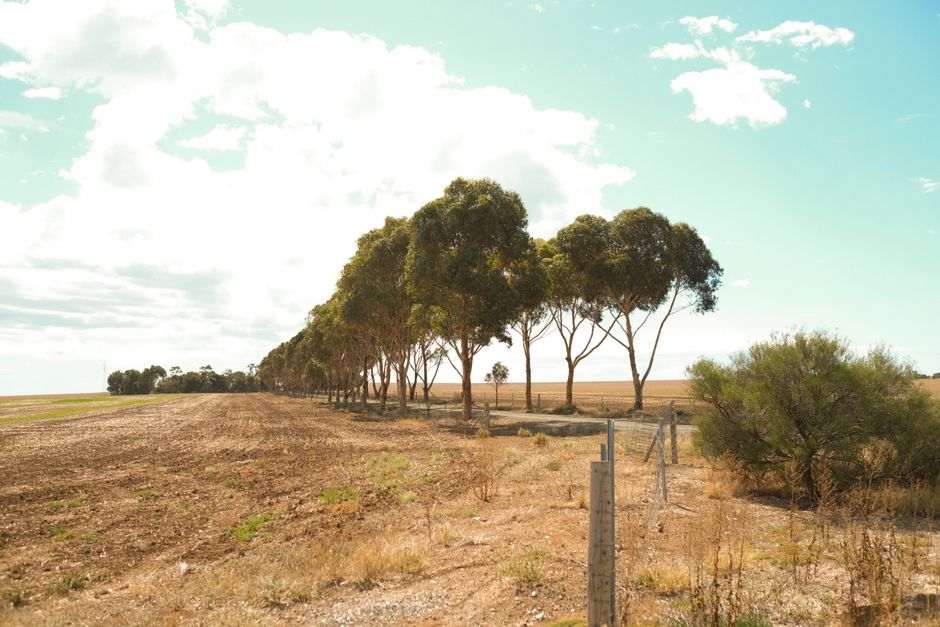
6. The Wall That Carries Secrets
Williamstown, South Australia
An unassuming dam wall in Australia possesses an accidental acoustic anomaly, allowing whispers to travel over 140 meters from one end to the other.
Built in the late 19th century, the Barossa Reservoir's retaining wall was designed with a perfect parabolic curve. Unintentionally, this shape created a unique acoustic effect, allowing faint whispers from one side to be heard clearly at the opposite end, over a football field's length away. This 'Whispering Wall' is a delightful lesson in the unexpected properties of design and how a simple architectural detail can lead to a captivating, unforeseen phenomenon.
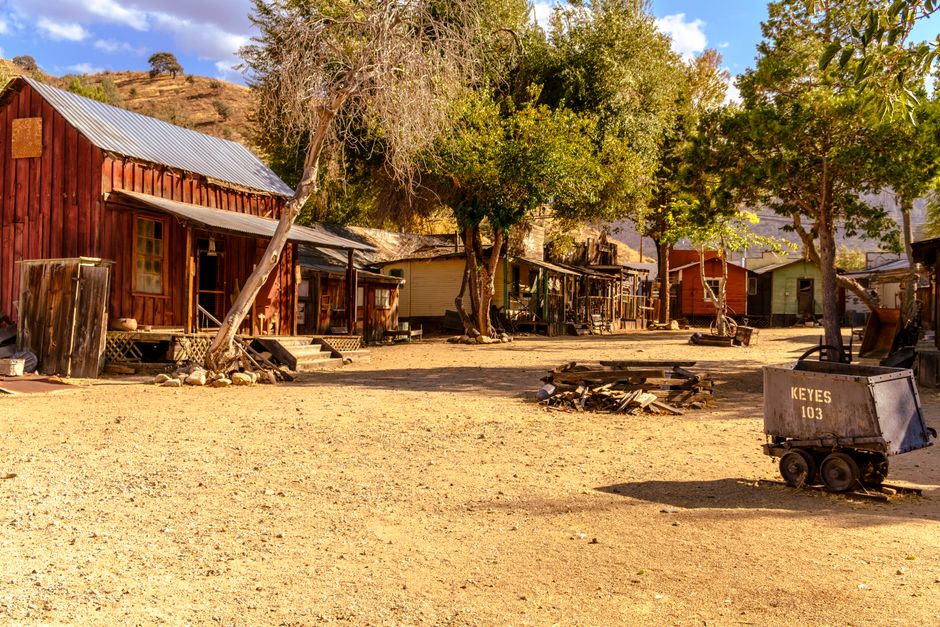
7. Alaska's Frozen Ghost of Copper
Wrangell-St. Elias National Park, Alaska, USA
Deep in the Alaskan wilderness lies a ghost town of massive mills and bunkhouses, a testament to a fleeting copper boom and nature's swift reclamation.
Kennecott was once a thriving copper mining community in the early 20th century, extracting some of the richest ore ever found. When the copper ran out in 1938, the entire town was abandoned almost overnight, leaving behind a complex of towering wooden structures, processing mills, and a network of mines. It stands as a chilling lesson in the transient nature of resource booms, the harsh realities of remote industry, and how quickly the wilderness can reclaim human endeavors.
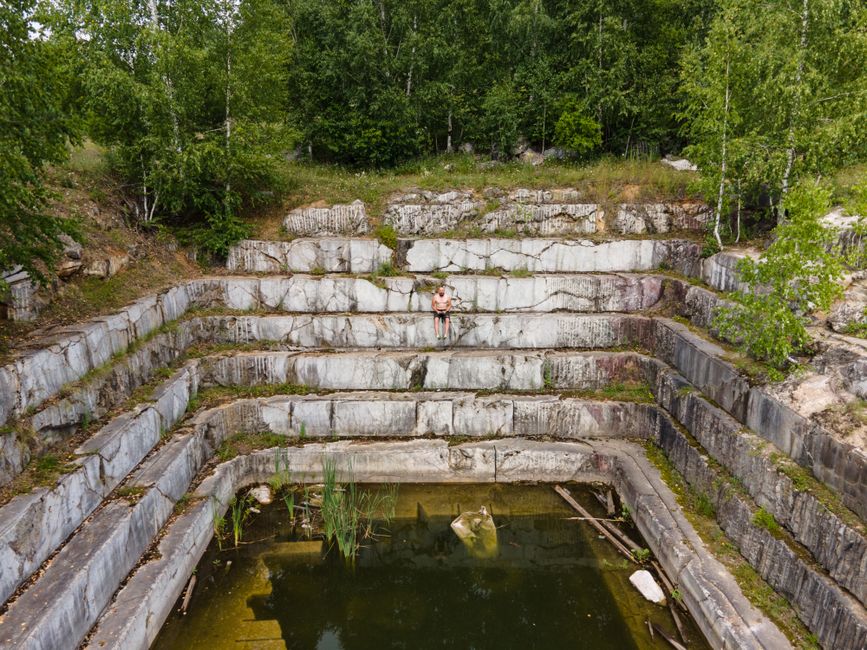
8. The Perilous Slate Kingdom
Blaenau Ffestiniog, Gwynedd, Wales
The stark, beautiful landscape of Snowdonia National Park hides the dangerous remnants of a vast slate quarry where generations toiled and risked their lives in extreme conditions.
Rhossydd Quarry, operational from the mid-19th century, was one of the deepest and most dangerous slate quarries in North Wales. Workers, including children, navigated treacherous underground chambers and narrow ledges, extracting slate under constant threat of rockfalls and explosions. Today, its abandoned barracks and exposed workings are a poignant lesson in the human cost of the industrial revolution, the relentless pursuit of resources, and the stark beauty that often masks brutal histories.
Frequently asked questions
What was the 'archery accident during a circus performance in New York' that this article refers to?
While there isn't one single widely documented, specific 'archery accident' during a New York circus performance that serves as a universal historical touchstone, the phrase is used here as a metaphor. It represents any unexpected incident or hidden danger that can occur during seemingly grand or controlled events, prompting us to look deeper at the unseen risks and stories around us.
Are the places mentioned in the article safe to visit?
Many of the locations mentioned are publicly accessible and safe to visit, such as the Old Croton Aqueduct Trailway and Skellig Michael (with appropriate precautions and guided tours). However, some, like Centralia, have inherent dangers due to ongoing geological activity, and visitors should always respect local warnings and regulations. Always research current conditions before planning a trip.
How can I find more hidden stories and lesser-known places when I travel?
To uncover hidden gems, look beyond major guidebooks. Explore local historical societies, niche blogs, and even old maps. Engaging with locals often reveals surprising tales. Prioritize off-the-beaten-path destinations and delve into their specific industrial, social, or geological histories.
How does the AllTours.ai app help discover these kinds of stories?
The AllTours.ai app is designed to bring these hidden narratives to life. Simply point your phone camera at a landscape or landmark, and the AI will narrate its history, geology, and culture in your preferred language. It's like having a personal expert guide revealing the specific, vivid stories you'd otherwise miss.
Related guides
Photography via Pexels. AllTours.ai is an AI audio tour guide — point your camera at any landscape and hear its story.